
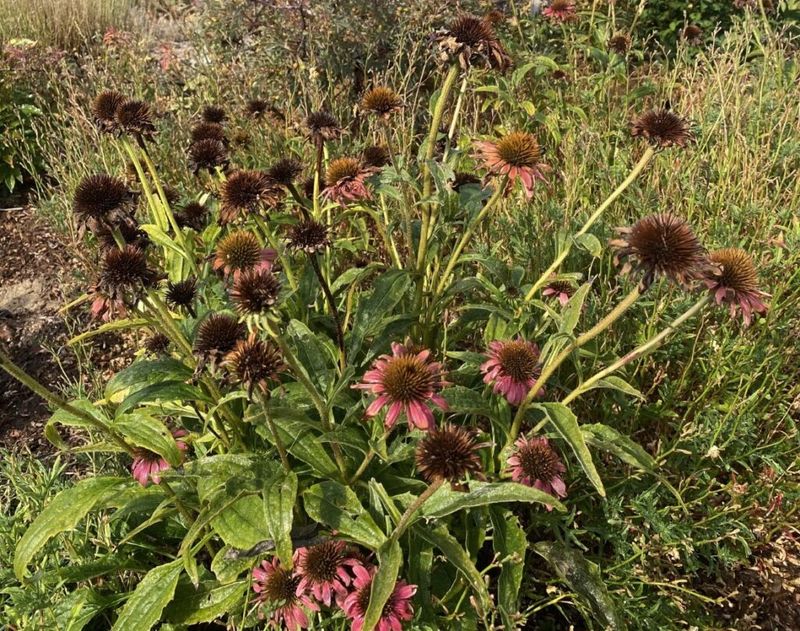
Purple coneflowers put on a great show all summer, but once the blooms fade and the stems turn brown, most gardeners aren’t sure what to do next. Cut everything down?
Leave it alone? The answer depends on what you want from your planting, and there’s no single move that guarantees a bigger bloom display next year.
Getting a few things right this fall, though, can support healthier plants, feed local birds, and make spring cleanup a lot easier.
Fall cleanup should match your goal
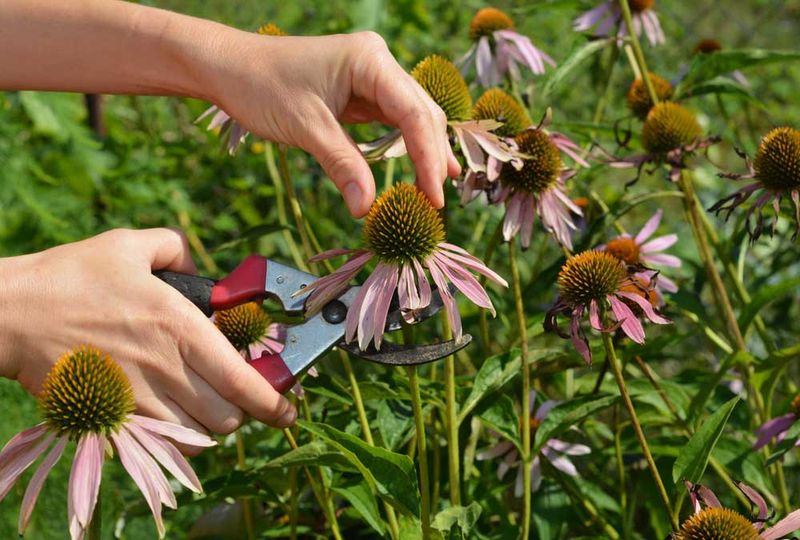
Purple coneflower, Echinacea purpurea, doesn’t need the same treatment every fall. The right move depends on whether your priority is wildlife habitat, a tidy bed, disease prevention, or some combination of all three.
Replacing the automatic “cut everything to the ground” habit with a more selective approach gives you better results on all fronts.
When the bed looks healthy, the most straightforward option is to leave some seedheads and stems standing through winter. University of Illinois Extension guidance on purple coneflower supports allowing healthy stems to remain rather than removing every stalk immediately after flowering.
Dried seedheads feed birds, hollow or pithy stems can shelter small insects, and the upright structure gives the bed a more finished winter look than bare soil.
If parts of the planting had visible disease problems, those stems and leaves are the exception. Remove infected material promptly rather than letting it sit in the bed over winter.
For everything else, postponing a broad cutback until late winter or early spring is a reasonable and widely recommended approach, as Illinois Extension’s planting and care guidance notes for perennial beds generally.
One thing worth stating clearly upfront: no particular fall pruning choice guarantees a larger bloom display the following summer. Flowering next year will also depend on how much sun the plants receive, how well the soil drains, the age of the crowns, how crowded the bed has become, and which cultivar you’re growing.
Fall cleanup matters for habitat, sanitation, and maintenance, but it isn’t the single lever that controls next year’s performance.
Deadheading and cutting back solve different problems
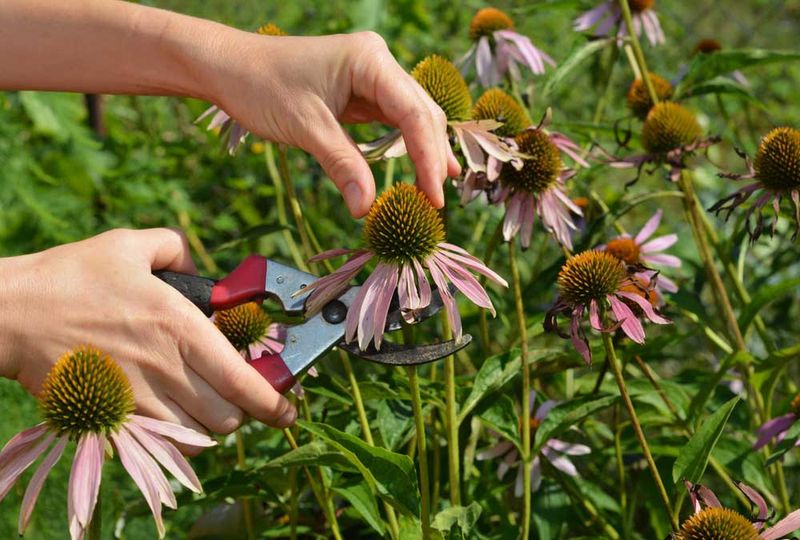
Gardeners sometimes use “deadheading” and “cutting back” as if they mean the same thing, but the two actions have different purposes and different timing. Keeping them straight helps you choose the right tool for what you actually want to accomplish.
Deadheading means removing spent flowerheads while the plant is still in its active blooming season. Illinois Extension’s guide to perennial pruning methods lists deadheading as a way to improve appearance and, for some plants, encourage additional flowers during the same season.
For Echinacea purpurea, removing a faded head before the plant fully commits energy to seed production can prompt it to push out another flower on a side branch. That’s an in-season practice, most useful from early summer through late summer when the plant is still actively growing and blooming.
Cutting back is something different. It means removing stems after the plant has gone dormant or finished for the season.
Late-fall deadheading, once seeds have already matured, has not been shown to increase the following year’s flower count. Missouri Botanical Garden’s deadheading FAQ frames the practice as a way to improve appearance and manage reseeding rather than a guaranteed path to more flowers next year.
If you want birds to find the seeds or if you’d like the plant to naturally spread and fill gaps in the bed, leaving mature heads in place is the better choice. One note on reseeding: Missouri Botanical Garden’s plant profile for Echinacea purpurea points out that seedlings from named cultivars may not reproduce the parent plant exactly, so volunteers could differ in flower color or form from what you originally planted.
Leave some healthy stems for birds and insects
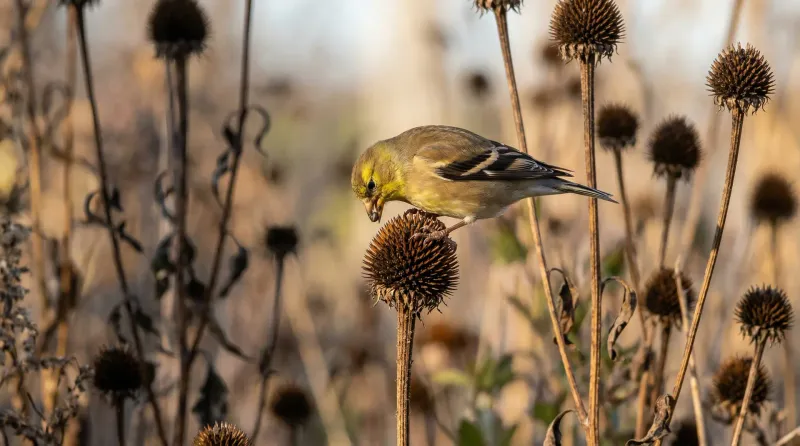
Dried coneflower seedheads are not just garden debris. American goldfinches and other seed-eating birds actively work through stands of Echinacea purpurea during fall and winter, picking seeds from the spiny heads.
Leaving at least a portion of those heads standing through the cold months gives local birds a reliable food source at a time when natural forage is getting harder to find.
North Carolina Extension’s plant profile for Echinacea purpurea recommends cutting dead stems to roughly 12 to 24 inches rather than removing them entirely, then leaving them in place until they naturally break down. Varying the heights across the bed, rather than treating every stem identically, creates a more layered structure that benefits stem-nesting bees and other insects looking for overwintering spots in hollow or pithy stem segments.
Oklahoma State Extension’s October horticulture tips similarly suggest pruning stems at varied heights and leaving them standing rather than cutting everything flush with the ground. A practical middle ground for most Southern beds is to remove only the seedheads or stems that look especially ragged or are flopping into neighboring plants, while keeping the rest upright through winter.
The Missouri Botanical Garden’s biodiversity guide reinforces this approach, noting that standing plant material supports overwintering insects and adds ecological value to home landscapes. None of these habitat practices come with a promise of better flowering next season, but they do give your yard a measurable boost in wildlife activity during the months when the garden looks its quietest.
Remove diseased plants instead of preserving them
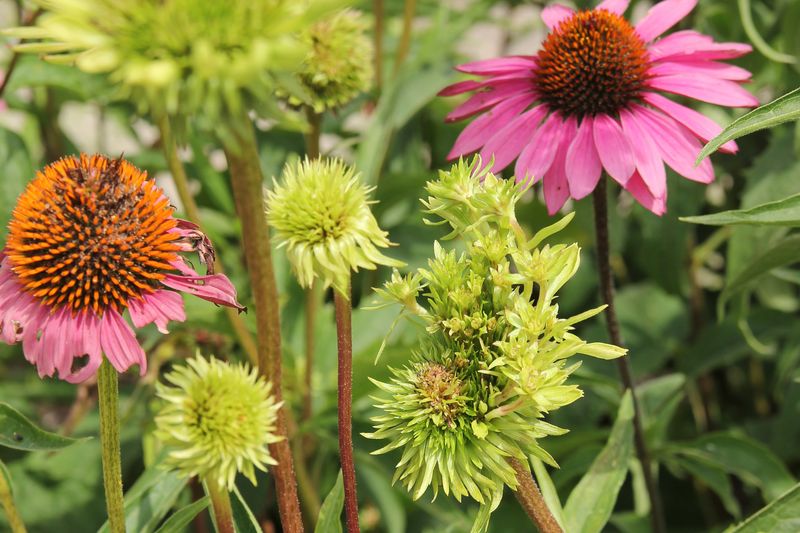
Wildlife-friendly cleanup has one firm exception: any plant material that shows signs of disease should come out of the bed, not stay in it. Leaving infected foliage or stems over winter keeps disease-causing material close to healthy plants and gives it the entire off-season to persist in the soil or debris.
Prompt removal is a straightforward way to reduce how much of that material is available to cause problems the following spring.
Penn State Extension’s guide to pruning herbaceous plants draws a clear line between disease sanitation, which is targeted removal of infected material, and routine cosmetic pruning. The two are not the same task, and treating sanitation as optional cleanup misses its actual purpose.
Aster yellows is one disease worth recognizing specifically. Symptoms in Echinacea purpurea can include distorted or green, leaf-like flower parts where petals should be, overall yellowing, stunted or dwarfed growth, and abnormal shoots emerging from the crown or stem.
UC IPM’s aster yellows resource states clearly that there is no curative treatment for infected plants. Once a plant tests positive or shows reliable symptoms, it should be removed and disposed of rather than left in place in hopes of recovery.
For other common problems such as visible leaf spot, stem cankers, or crown discoloration, the same principle applies. Remove and bag the affected material rather than composting it, since home compost piles may not reach temperatures high enough to destroy pathogens.
UC IPM’s floriculture pest management guidelines provide additional context on managing disease in ornamental plantings. Keeping sanitation separate from your wildlife-habitat decisions makes both tasks easier to do correctly.
Skip routine fall fertilizer and protect the crown
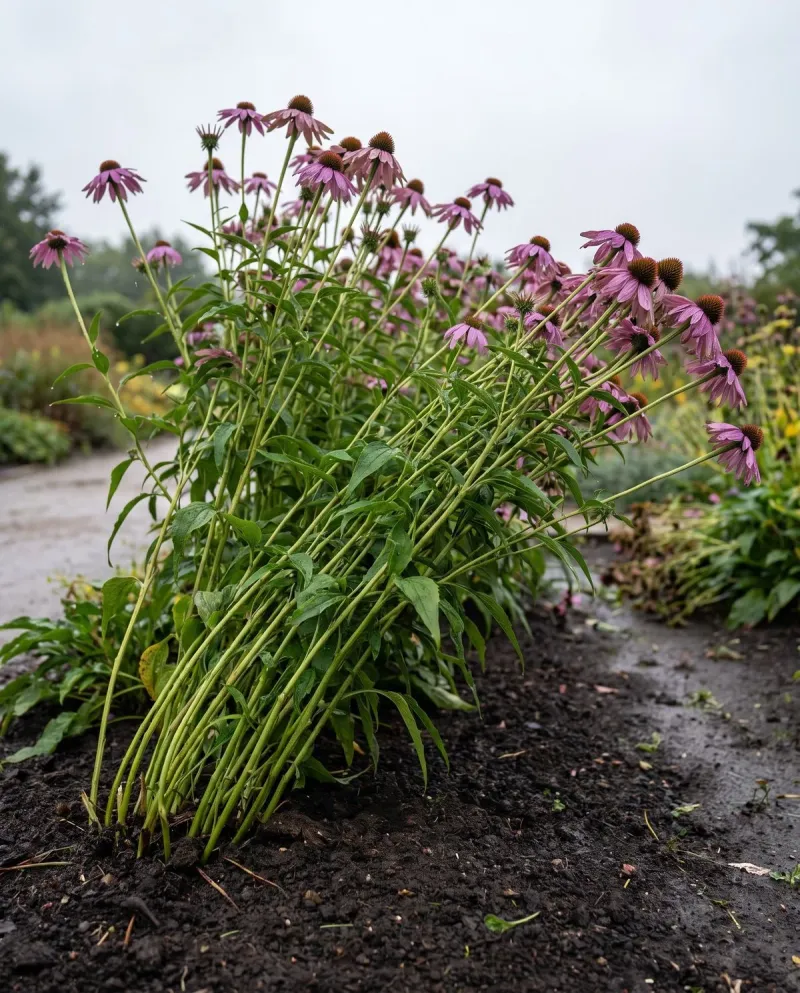
Fall is not the time to push coneflowers with extra fertilizer. Established perennials generally need very little added fertility, and Illinois Extension’s planting and care page notes that Echinacea purpurea actually performs well in average to lean soils.
Overfeeding can push the plant to produce tall, weak growth that flops under its own weight, which creates more problems than it solves.
If you suspect a fertility issue, a soil test is the right starting point. Penn State Extension’s perennial care and maintenance guidance recommends basing fertilizer decisions on actual soil test results rather than applying amendments as a seasonal habit.
Skipping the fall fertilizer run is the right call for most established coneflower beds in the South.
Mulch is a different story. A modest layer, roughly 2 to 3 inches, can help moderate soil temperature swings and reduce freeze-thaw heaving, which matters even in the milder parts of the South where occasional hard freezes can catch gardeners off guard.
Mississippi State Extension’s guide to purple coneflowers notes that good drainage is especially important for this species, and excess moisture around the crown can contribute to rot. Keep mulch pulled back a few inches from the base of each plant so the crown stays dry and gets adequate air circulation.
Fall watering should follow the weather and your soil conditions rather than a fixed schedule. Oklahoma State Extension’s seasonal landscape maintenance guidance points out that established coneflowers are fairly drought tolerant once roots are settled in.
Newly planted or recently divided plants are the exception; their root systems haven’t had time to establish, so they’ll need more consistent moisture through the fall until the ground cools and growth slows.
Site and regional conditions shape next summer’s flowers
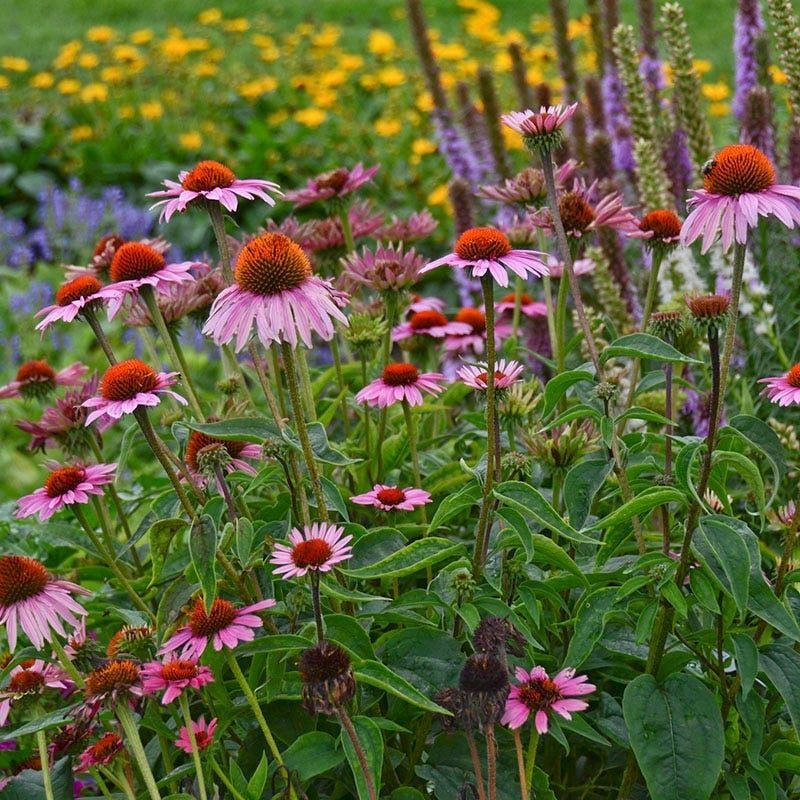
Fall cleanup choices matter, but they’re only one piece of what determines how well your coneflowers perform next summer. Sunlight is probably the biggest factor: Echinacea purpurea blooms best with at least six hours of direct sun per day, and plants pushed into too much shade tend to stretch, produce fewer flowers, and become more susceptible to disease over time.
Drainage runs a close second. Mississippi State Extension’s purple coneflower publication emphasizes that this species does not tolerate consistently wet or poorly drained soils.
Crown rot is a real risk in heavy clay or low spots that stay soggy after rain. Beyond sunlight and drainage, plant age, crowding, and cultivar selection all influence bloom quality.
Older crowns that have never been divided may produce fewer flowers, and plants jammed too close together compete for light and air circulation.
Regional performance varies more than many gardeners expect, especially across the Southern U.S. UF/IFAS extension research on Echinacea lists the species as Florida-friendly but assigns it a hardiness range that ends around zone 8b, which means performance in south Florida is site- and cultivar-dependent rather than reliably predictable.
North Carolina Extension’s Echinacea purpurea profile similarly notes that heat, humidity, and drainage interact in ways that affect long-term plant health.
In the hottest parts of Texas and the southernmost reaches of Florida, additional UF/IFAS research on Florida-friendly perennials suggests treating coneflower performance as variable and selecting cultivars that have demonstrated local adaptability. No fall pruning routine can compensate for a site that doesn’t offer the sun, drainage, and climate the plant needs to thrive.
Use this fall decision checklist
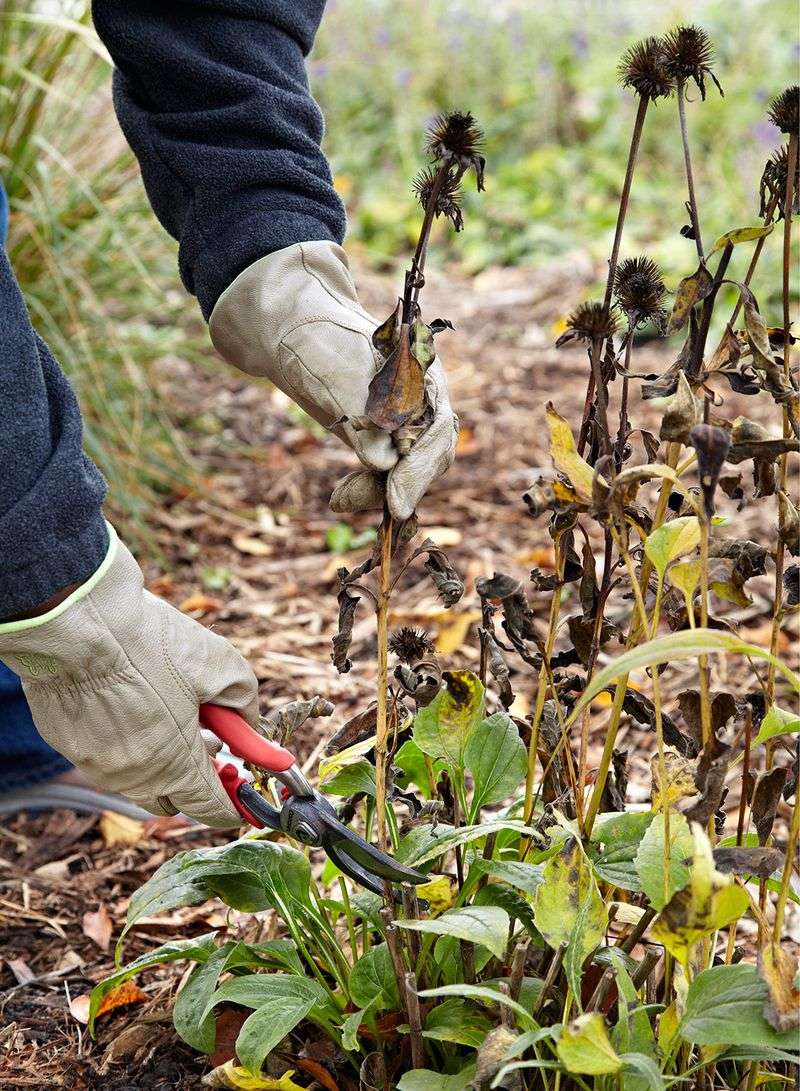
Working through a short checklist makes fall coneflower care faster and more consistent. Start by walking the bed and looking for any plants showing disease symptoms: distorted growth, discolored stems, or foliage that looks infected rather than just frost-tired.
Those plants come out now, not in spring. Bag the material and discard it rather than adding it to a compost pile.
For the healthy plants, decide how much wildlife value matters in your yard. If goldfinches and other birds visit regularly, leave a good portion of the seedheads standing.
Illinois Extension’s purple coneflower page supports this approach for healthy beds. Cut some stems to varying heights between 12 and 24 inches, as North Carolina Extension recommends for Echinacea purpurea, and leave others a bit taller to create layered structure for insects.
If a cleaner bed is the priority, hold off on the broad cutback until late winter or very early spring rather than doing it now. Penn State Extension’s herbaceous pruning guidance notes that late-winter timing captures most of the overwintering habitat benefit while still giving you a tidy bed before new growth emerges.
Reserve deadheading for next season, when it can actually extend flowering rather than just tidying up spent heads after the fact.
Thoughtful fall cleanup supports habitat, helps with sanitation, and keeps maintenance manageable, but next summer’s bloom display will ultimately reflect the whole growing environment, not just one decision made in October.