

Purple coneflowers look stunning in a sunny garden, but plenty of Southern gardeners end up with scraggly plants that push out almost no flowers. The problem usually comes down to where the plant is sitting, not some mysterious disease or bad luck.
Moving a struggling coneflower to a brighter, better-drained spot can remove real obstacles to flowering, though it does not guarantee a full comeback on its own.
Check the light before you move the plant
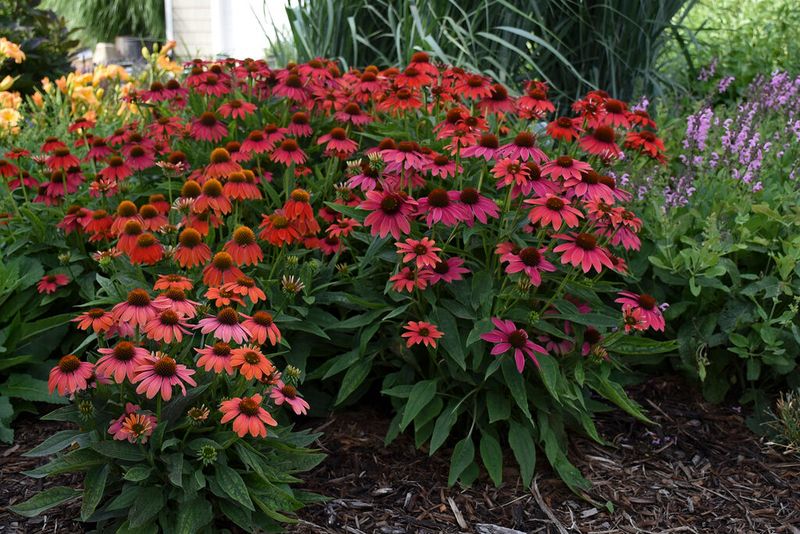
Light is almost always the first thing worth checking when a purple coneflower refuses to bloom well. Illinois Extension guidance on purple coneflower confirms that these plants flower best in full sun, which most extension sources define as roughly six or more hours of direct sunlight on most days.
A plant receiving only a couple of hours of weak morning light beneath a canopy of trees or along the north side of a fence is not getting what it needs to push out strong blooms.
Heavy shade is one of the most common reasons a coneflower produces fewer flowers and stretches its stems toward any available light, giving it that tall, floppy look that frustrates so many gardeners. That said, partial shade is not automatically a death sentence.
The real question is whether the current exposure is genuinely limiting this specific plant, which means actually observing the spot across different parts of the day rather than guessing.
UGA Extension site-assessment guidance points out that a location receiving only a few hours of morning light beneath trees or beside a structure is unlikely to support the strongest flowering. Step back and watch the bed from mid-morning through mid-afternoon on a clear day.
If the sun reaches the plant for fewer than five or six hours, the location is a reasonable suspect, and finding a brighter spot is worth considering before any other change is made.
Diagnose lingering moisture, not soil texture alone
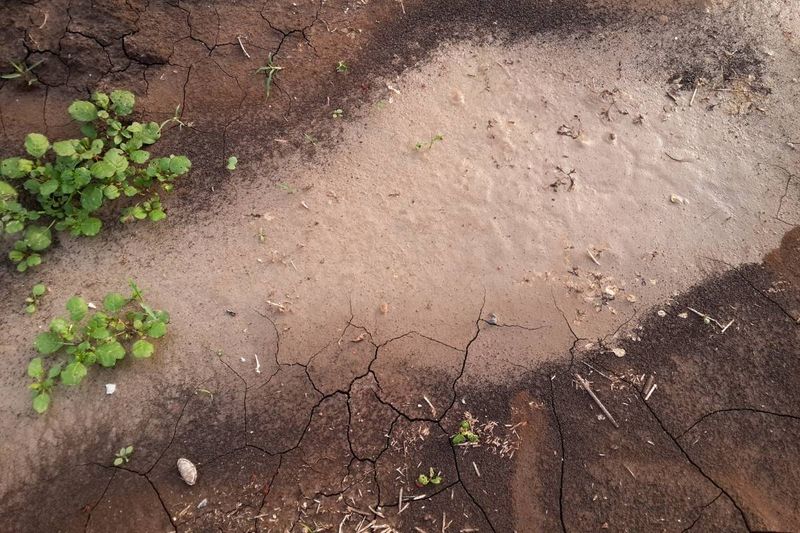
Even a plant sitting in decent light can struggle badly if the ground around its roots stays wet. Mississippi State Extension’s coneflower publication notes that poor drainage and persistent moisture around the crown raise the risk of rot, which can quietly kill a plant that looks fine from a distance.
Before blaming the light entirely, walk out to the bed after a heavy rain and look for standing water, slow-draining puddles, or soil that stays muddy for a day or more.
Clay soil by itself is not necessarily the enemy here. Missouri Botanical Garden’s plant profile describes coneflowers as tolerant of average to poor soils when those soils drain adequately.
The trouble starts when clay becomes compacted or when it holds water long enough that the crown never fully dries between rain events. Look for a hard, almost impermeable surface layer, areas where water runs toward the bed from a downspout or slope, or a low spot in the yard where moisture naturally collects.
Root competition from nearby trees and large shrubs is a separate but equally real problem. Mature tree roots can extend well beyond the drip line and pull moisture and nutrients away from a coneflower before the plant ever gets a chance to use them.
If the bed sits within reach of a large oak, magnolia, or dense shrub border, that competition may be limiting the plant just as much as any drainage issue. Identifying these conditions honestly is the necessary first step before deciding whether relocation makes sense.
Choose a brighter site that sheds excess water
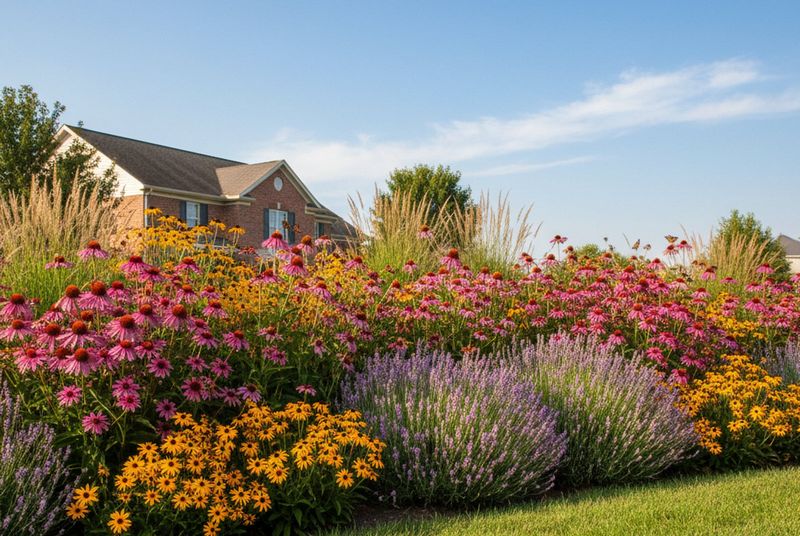
An open perennial border or a dedicated pollinator bed that receives strong direct sun for most of the day is generally the best candidate for a relocated coneflower. Mississippi State Extension describes these kinds of open, well-drained beds as the settings where coneflowers are most likely to perform well, while also noting that no single location can promise a full recovery if other problems are present.
Think of the new site as removing a known obstacle rather than flipping a switch.
When the ground itself drains poorly, moving a plant to a sunnier spot in the same soggy area will not solve much. A sunny slope, a low berm, or a raised bed built over the existing soil can all help water move away from the crown rather than pooling around it.
Raised beds are especially useful in Southern yards where the native soil is compacted or heavy, because the gardener controls the growing medium from the start.
Containers are worth considering as a last resort when the native soil simply cannot be corrected, but they require more attention than a ground bed. Any container must have drainage holes, a well-drained potting medium, and closer monitoring because pots can heat up and dry out much faster in Southern summers than the surrounding soil.
UF/IFAS Gardening Solutions notes that in Florida, light summer shade can improve foliage and flower color for some plants, even though full sun remains the general flowering recommendation. Florida gardeners dealing with brutal afternoon heat may find that a site with strong morning and midday light plus some protection from harsh late-afternoon exposure is worth testing, especially if plants are showing foliage stress.
The UF/IFAS Echinacea purpurea fact sheet lists the species across a broad hardiness range but also cautions that not every cultivar performs reliably throughout the state.
Move the coneflower during a lower-stress period
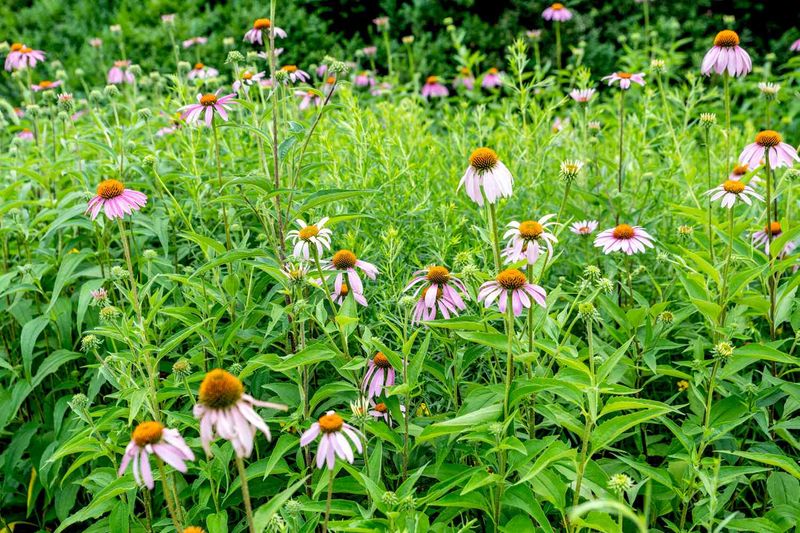
Timing a move well can make the difference between a plant that re-establishes relatively quickly and one that spends months just trying to survive. Mississippi State Extension recommends dividing established coneflower clumps in spring as new growth emerges, and that window works well for relocation too.
The plant has energy stored from the previous season, temperatures are still moderate in most of the South, and the root system has time to settle before summer heat arrives.
Moving a coneflower while it is actively flowering asks the plant to do two demanding jobs at once, and the transplant usually loses. Waiting until a non-flowering period, when the plant is either just waking up or winding down for the season, gives the roots a better chance to anchor in the new spot without competing demands.
Avoid moving a wilted plant during peak Southern heat unless the current location is doing serious damage and the move cannot wait.
At planting, water the root zone thoroughly and then keep the soil consistently moist while the plant re-establishes. Coneflowers are reasonably drought tolerant once they are settled in, but a freshly moved plant has not yet built the root network it needs to pull water from a larger area.
Setting the crown at or slightly above the surrounding soil level is also important. Burying the crown or piling mulch directly against it traps moisture against the base of the plant and can create the same soggy-crown problem the relocation was meant to fix.
Pull any mulch a few inches away from the crown and keep it there.
Help the transplant recover without forcing weak growth
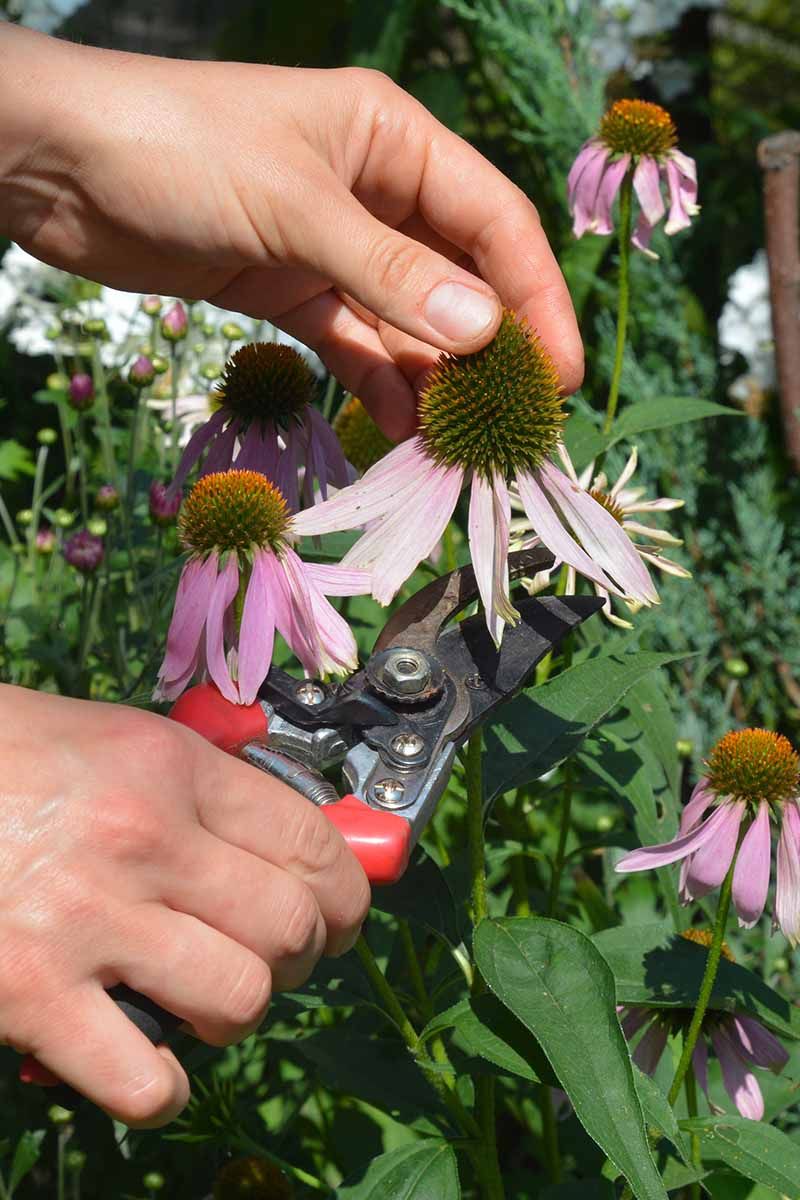
Once the plant is in its new spot, the temptation is to do something extra to speed recovery. Watering consistently is genuinely helpful, but fertilizing heavily is not.
Illinois Extension warns that excessive fertilizer can produce tall, weak, floppy stems rather than the strong upright growth and abundant flowers most gardeners want. If the soil in the new location seems poor, a soil test is a far safer starting point than adding fertilizer by feel, because it tells you what is actually missing rather than guessing.
A newly moved coneflower needs consistent moisture at the root zone while it rebuilds its system in unfamiliar ground. That is a different situation from an established plant that has been in the same spot for two or three seasons and can pull water from a wide, deep root network.
Do not interpret the species’ general drought tolerance as permission to let the transplant dry out in its first few weeks. Water when the top inch or two of soil feels dry, and taper off gradually as the plant shows signs of settling in.
Deadheading, meaning removing spent flower heads before they fully set seed, can encourage the plant to push out additional blooms and keeps the bed looking tidy. Mississippi State Extension notes that leaving later seedheads intact supports birds and allows some reseeding, which is a reasonable trade-off once the main flush of bloom has finished.
The right choice depends on whether the gardener wants continued flowers, wildlife value, or a combination of both through the season.
Allow for cultivar, age, and regional differences
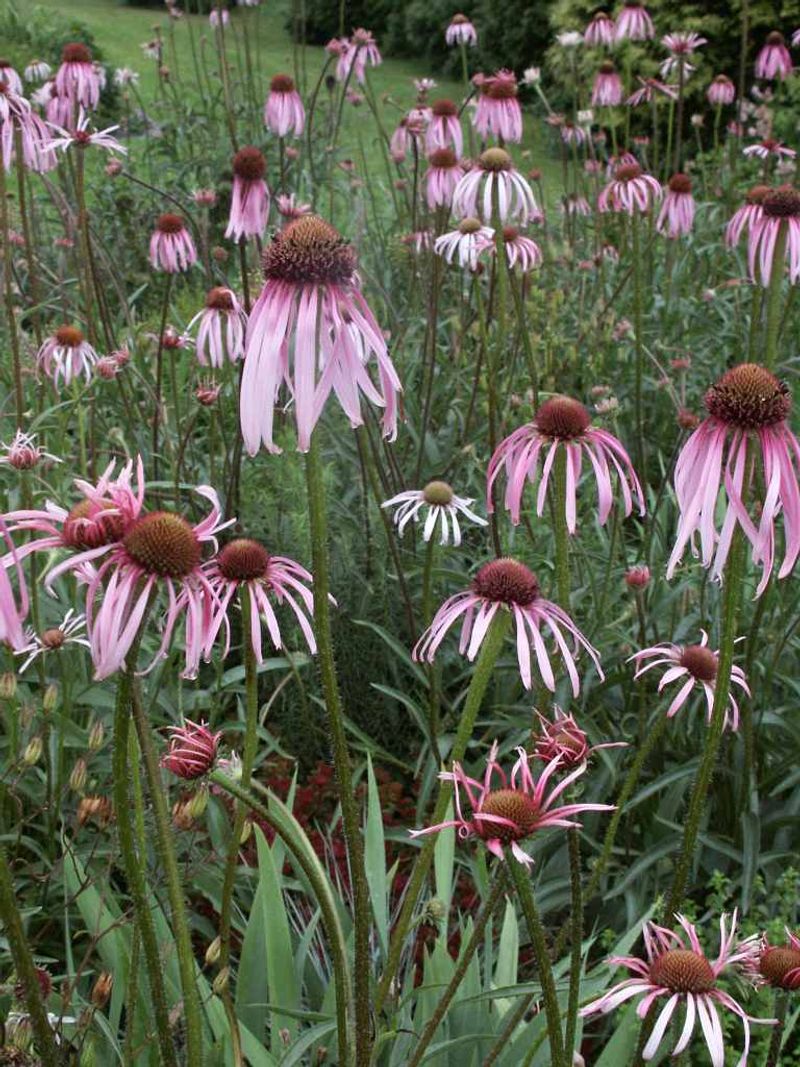
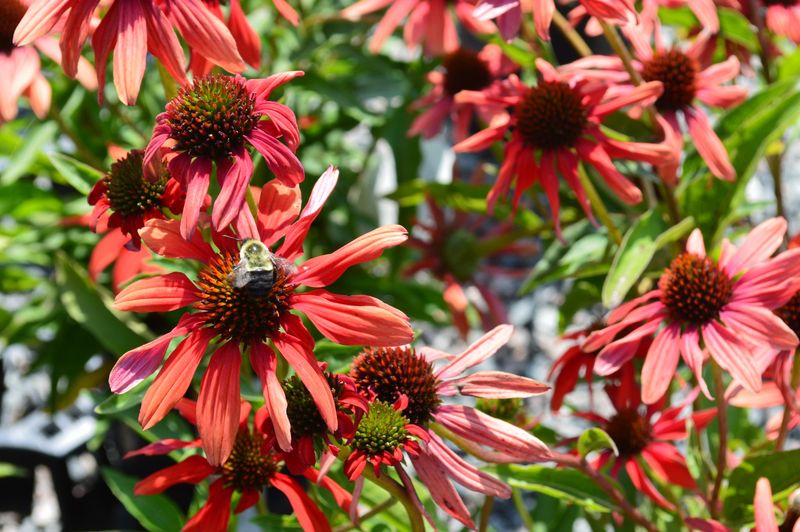
Not every coneflower responds the same way to an improved site, and that is worth knowing before expecting quick results. Illinois Extension’s Garden Scoop notes that named cultivars, hybrids, and color forms can differ considerably from straight-species Echinacea purpurea in terms of vigor, disease tolerance, moisture preference, and how long they live.
A double-flowered or heavily bred cultivar may have different needs and a shorter productive lifespan than the plain purple species that has naturalized across much of the country.
Young plants grown from seed present their own timing issue. University of Minnesota Extension points out that seed-grown coneflowers may spend their first season establishing roots rather than producing flowers, with blooms appearing in the second year.
A new plant that sits quietly through its first summer is not necessarily in the wrong spot; it may simply be building the foundation it needs.
UF/IFAS Gardening Solutions acknowledges that some Florida forms of purple coneflower may decline after a year or two, and that performance varies across the state depending on local heat, humidity, rainfall patterns, and soil conditions. What works reliably in the Florida Panhandle may not translate directly to central or South Florida.
Mississippi State Extension also describes coneflowers as sometimes short-lived in the South when cool, damp conditions contribute to crown rot. If a plant in a genuinely sunny, well-drained location still refuses to bloom after one or two seasons, the next step is to check for signs of crown rot, disease, overcrowding, or lingering transplant stress rather than assuming the site is still the problem.
Use relocation as a site correction, not a promise
A practical relocation decision comes down to a short checklist: measure how many hours of direct sun the current spot actually receives, check whether water lingers after rain, look for root competition from nearby trees or shrubs, and then move the plant toward a bright, open, well-drained position during a period of lower stress and no active flowering. Illinois Extension and Mississippi State Extension both point to light and drainage as the two site factors most likely to limit a coneflower’s performance.
Where the native soil stays wet, a raised bed or berm can help. Where the soil cannot be corrected at all, a well-drained container with drainage holes and a suitable potting medium is a qualified option that requires closer attention to moisture and heat.
Florida gardeners should also factor in cultivar choice and the possibility that intense afternoon heat may require some exposure adjustment, since performance across the state is genuinely uneven.
Relocation can remove a meaningful obstacle, but it cannot undo crown rot, reverse cultivar limitations, or replace a plant that has simply run its course. Think of a better site as giving the coneflower a fair chance, and let the plant tell you over the following season whether it takes it.