
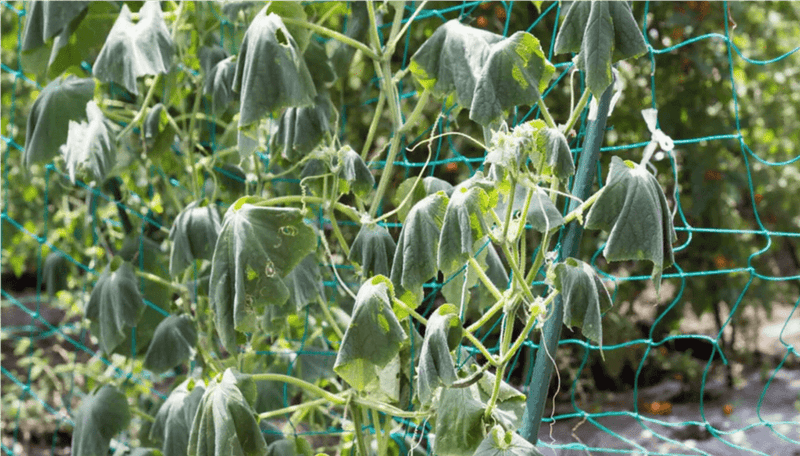
Late summer is when cucumber vines often look their worst, and most gardeners immediately blame the heat or their watering routine. The real picture is more complicated, because stretched or weak cucumber growth can come from low light, normal vining, excess nitrogen, pests, disease, or moisture stress, and each problem calls for a different fix.
Getting the diagnosis right before you change anything is the fastest way to rescue your harvest.
First Decide Whether the Cucumber Is Truly Leggy
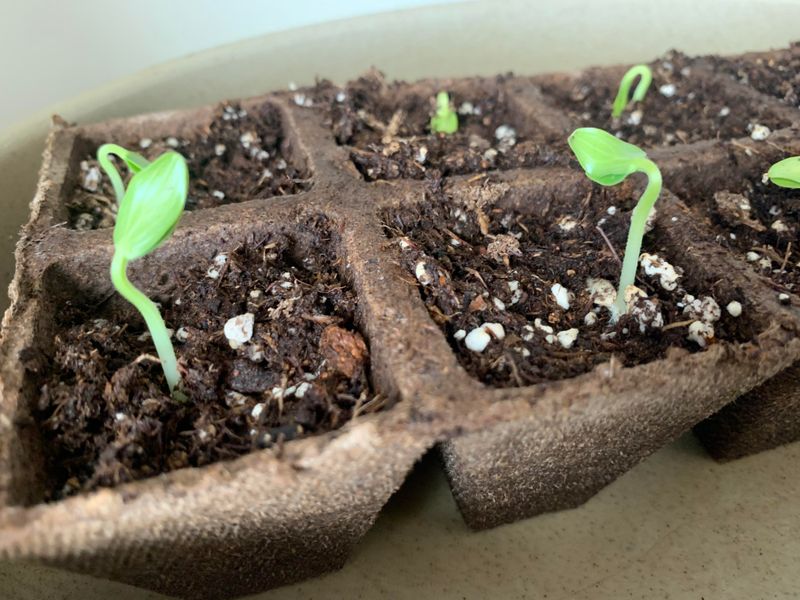
Not every long cucumber stem is a sign that something has gone wrong. The word “leggy” means something specific, and confusing it with normal vine behavior can send you chasing the wrong fix for weeks.
A truly leggy cucumber seedling looks pale, stretched, and thin, with unusually long gaps between leaves. University of Minnesota Extension guidance on troubleshooting seedling issues identifies insufficient light as the primary driver of this stretched, weak growth, not watering.
If a young plant is bending toward a window or reaching toward the only bright spot in the room, low light is the most likely explanation and moving the seedling or adding a grow light addresses the actual problem.
Mature cucumber vines are a different story. Cucumbers are vigorous climbers and spreaders by nature, and a healthy established plant can send out runners several feet long.
UGA Extension’s guide to growing cucumbers at home describes cucumbers as fast-growing vines that benefit from trellising, which means long growth on an established plant may simply reflect the crop doing what it naturally does.
When a mature vine looks weak, pale, or unproductive alongside those long runners, the cause could be low light reaching the lower canopy, excess nitrogen encouraging leafy growth at the expense of fruit, root damage, or a pest or disease problem. Each of those possibilities needs its own set of supporting symptoms before you can name a cause with any confidence.
Watering is one factor to check, but reaching for the hose before you define what you are actually seeing will not help and may make things worse.
Shallow Watering Can Add Moisture Stress in Hot Weather
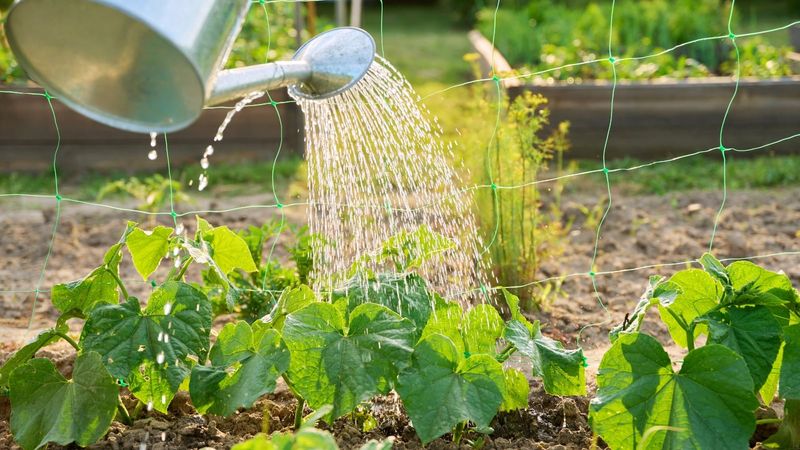
Frequent, light applications of water that only dampen the top inch or two of soil can quietly work against your cucumber plants, especially once summer heat peaks. When irrigation never reaches deep enough, roots tend to stay near the surface where they can find moisture, and that shallow layer dries out fast on a hot afternoon.
UGA Extension’s guide to conserving water in the vegetable garden recommends soaking the soil to at least 6 to 8 inches rather than applying quick, light bursts that wet only the surface. A plant with roots concentrated near the top of the soil profile is far more vulnerable to heat stress than one with roots reaching deeper where the soil stays cooler and holds moisture longer.
A rigid watering schedule can contribute to this problem when it is never adjusted to match actual conditions. If you water on the same days regardless of recent rainfall, temperature, or how the soil actually feels below the surface, you may be delivering too little on a brutal stretch of days or too much after a rainy week.
The schedule itself is not the problem; the problem is following it without checking whether the root zone actually needs water.
Moisture stress during flowering and fruit development can reduce yield noticeably. UGA Extension’s cucumber growing guide notes that water is especially critical during fruiting, and that inadequate moisture during this period can cause flowers or small fruit to drop, or result in misshapen cucumbers at harvest.
This is the real productivity cost of shallow watering, and it is worth separating clearly from the seedling legginess discussion, which is primarily a light problem.
Inspect the Soil Before You Follow a Watering Schedule
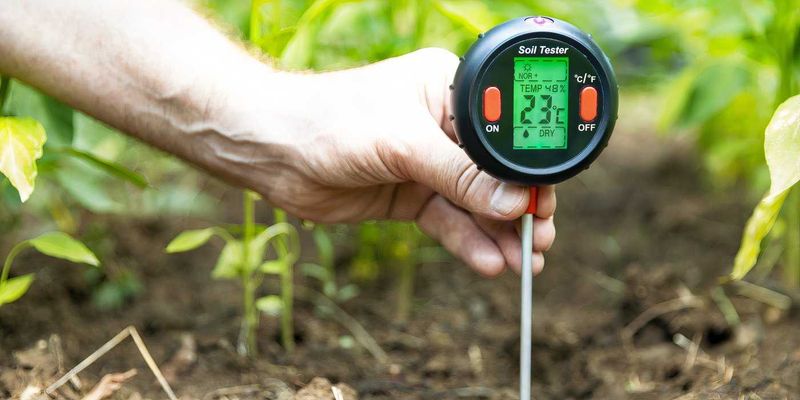
Calendar-based watering decisions are only as good as how well the calendar matches your actual soil, weather, and plant stage. Before you add water or skip a day, check what the soil is doing a few inches below the surface rather than reacting to what you see at the top.
UGA Lincoln County Extension’s guidance on landscape watering recommends inspecting the soil roughly 4 to 6 inches down before making an irrigation decision. Push a finger, a trowel, or a wooden dowel into the soil near the root zone and check whether it comes back moist, barely damp, or dry.
Do this check in the morning or after the hottest part of the day has passed, not when leaves are drooping at noon, because cucumbers can wilt temporarily from heat alone even when the root zone holds adequate moisture.
Soil texture and drainage vary widely across Florida, Texas, and the Southeast, and those differences change how often you need to water significantly. UGA Extension’s home gardening bulletin notes that sandy soils generally dry out faster and may need more frequent applications than heavier soils, while poorly drained sites can stay waterlogged and starve roots of oxygen even when the surface looks dry.
Raised beds, containers, and mulched beds all behave differently from in-ground rows, and a plant in full flower or actively sizing fruit needs more consistent moisture than one that just germinated.
University of Maryland Extension’s container vegetable guide points out that containers can dry out far faster than in-ground beds, sometimes needing daily attention during hot spells. Any weekly water figure you may have read is a broad vegetable-garden starting point at best, not a cucumber-specific rule, and it should always be adjusted based on what you find when you actually check the soil.
Soak the Root Zone Without Keeping It Saturated
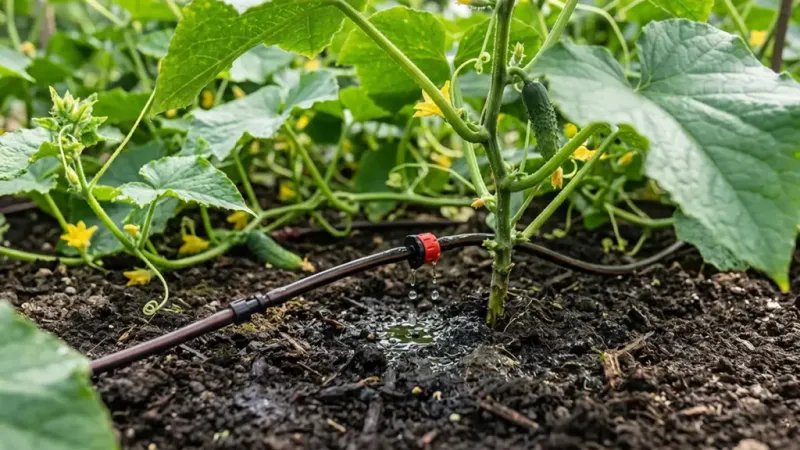
Once you have confirmed that the root zone is drying out, the goal is to deliver water slowly and thoroughly enough that moisture reaches where the roots actually are, without pushing so much water in that the soil stays saturated for hours.
Drip irrigation, a soaker hose, or a gentle hand-held stream directed at the soil line rather than the foliage are all good options. UGA Extension recommends these slow, low-volume methods because they reduce runoff, keep foliage drier, and concentrate moisture in the root zone rather than evaporating off leaves or running across the surface.
The practical target is moist soil reaching roughly 6 to 8 inches deep, though the exact result depends on your soil texture, drainage, and how dry the bed was to begin with. Check with a finger or trowel after watering to see how deep the moisture actually traveled.
Organic mulch is a useful partner to deep watering. UGA Extension’s home gardening guidance recommends applying organic mulch around vegetables at roughly 2 to 4 inches deep after it settles, which can moderate soil temperature and slow evaporation between waterings.
Keep the mulch pulled back slightly from the cucumber stem so persistent moisture does not collect around the crown.
Saturated soil is not a safe outcome even during a heat wave. When soil stays waterlogged, air is pushed out of the pore spaces that roots depend on, which can damage roots and create conditions where root-rotting pathogens thrive.
Overwatering can also carry nutrients below the root zone where the plant cannot reach them. The target is consistently moist, not wet, soil through the depth where the roots are growing.
Heat Can Reduce Fruit Set Even With Adequate Moisture
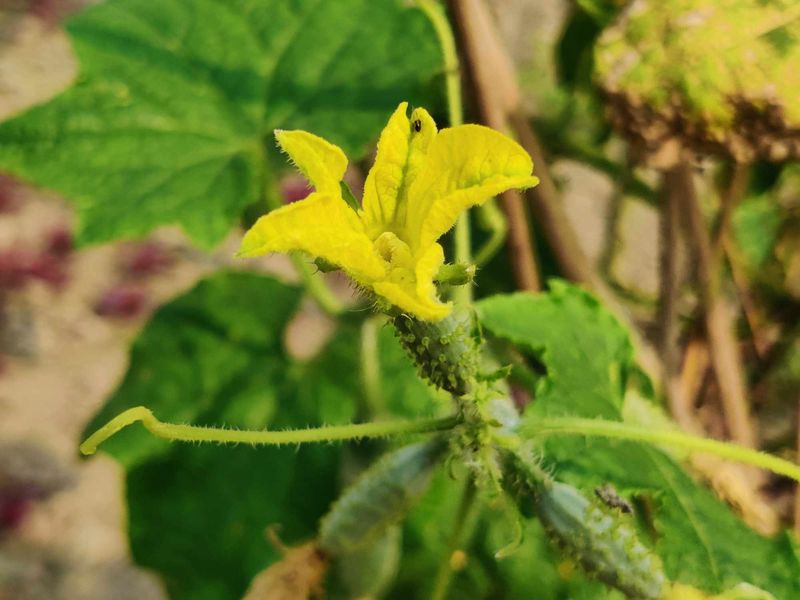
A cucumber plant that is flowering but not setting fruit, or that keeps dropping small fruit before they size up, may not have a watering problem at all. Sustained high temperatures can interfere with reproduction in ways that irrigation alone cannot fix.
University of Minnesota Extension’s vining vegetable guide reports that fruit set can slow or stall when daytime temperatures stay around or above 90 degrees Fahrenheit and nights remain warm. Under those conditions, flowers may abort, small fruit may drop, and the plant may appear unproductive even when the soil moisture is perfectly adequate.
Production often recovers once temperatures moderate, which in the Deep South may not happen until late September or October.
Pollination is part of the equation too. Most cucumber varieties require insect pollination to set fruit, and heat affects both sides of that process.
UGA Extension notes that bee activity tends to decline during the hottest part of the day, which is often when cucumber flowers are open. High temperatures can also reduce pollen viability, which means even flowers that receive a visit may not set fruit reliably.
The result is often crooked, nubbed, or unevenly shaped cucumbers rather than full-sized, well-formed ones.
University of Delaware Cooperative Extension’s research on cucurbit fruiting disorders reinforces that poor fruit set in cucumbers during hot periods reflects heat-driven reproductive failure, not just water deficit. Keeping the root zone consistently moist supports the plant through a heat spell, but it cannot guarantee normal fruit set when temperatures are high enough to impair pollen and reduce pollinator visits.
Moist Soil Points to Light, Nutrition, Pests, or Disease
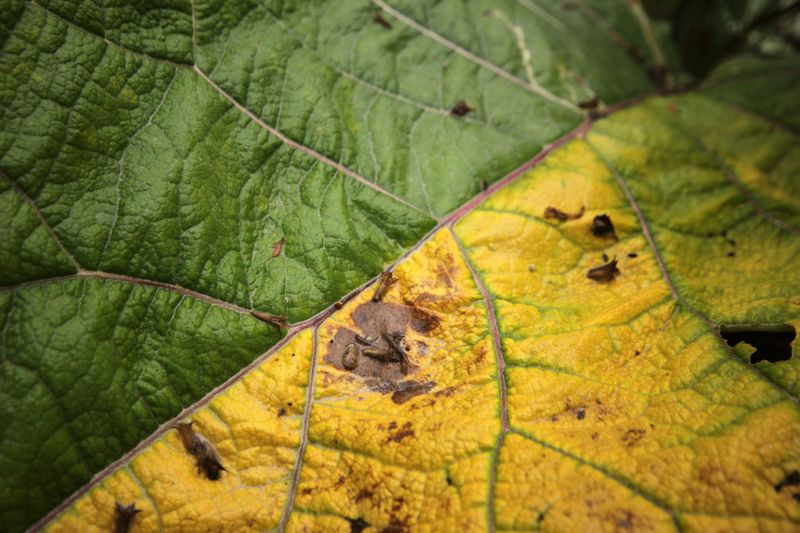
When the soil checks out as appropriately moist but the cucumber plant is still weak, yellow, wilted, or refusing to produce, adding more water will not help and may make the underlying problem worse. A different kind of inspection is needed.
For seedlings showing stretched, pale growth, revisit the light situation before anything else. Moving a seedling to a brighter spot or supplementing with a grow light addresses the actual cause.
For established vines, Oklahoma State University Extension’s cucumber production guide notes that excess nitrogen can push vigorous vine and leaf growth while delaying flowering and fruit set. If your plants are lush and green but not producing, check your fertilizer history before adding more, and consider whether a soil test would clarify what the bed actually needs.
University of Maryland Extension’s cucumber problem key lists powdery mildew, downy mildew, angular leaf spot, cucumber beetles, spider mites, and bacterial wilt as common culprits for late-season decline. Each has its own set of visible signs: powdery white coating on leaves, angular water-soaked spots, small yellowish beetles feeding on foliage, fine webbing on leaf undersides, or progressive wilting that moves vine by vine.
Yellowing combined with wilting in soil that is already moist deserves particular attention. UGA Extension cautions that wilt in wet soil often points to root damage or disease rather than drought, because damaged or rotted roots cannot move water into the plant even when the soil holds plenty of it.
Bacterial wilt, which is spread primarily by cucumber beetles, can cause rapid progressive wilting and is fatal once established in the vine. University of Minnesota Extension also notes that overwatering can itself contribute to weak seedling growth, so saturated conditions are worth ruling out before drawing conclusions.
When the soil is fine but the plant keeps declining, the next step is pest and disease troubleshooting, not a bigger drink of water.
Match the Next Watering to What the Soil Shows
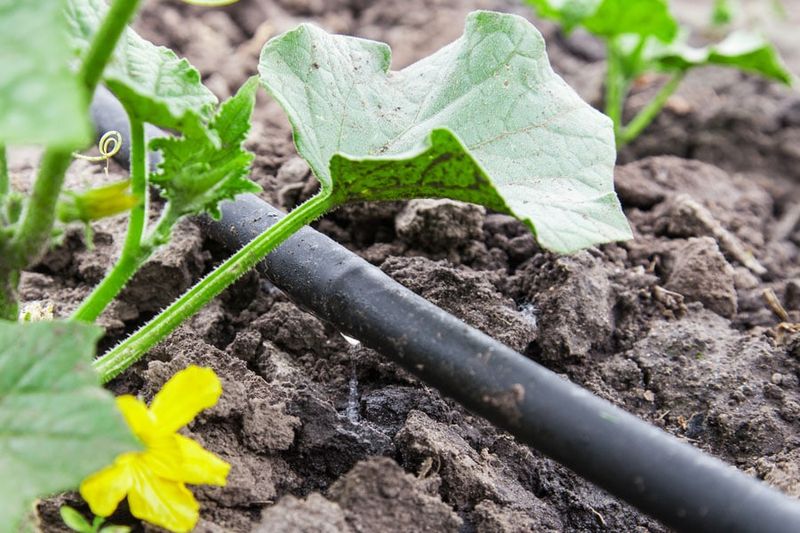
The most reliable watering decision you can make is the one based on what the soil actually shows you, not on a fixed day of the week or a panicked response to drooping leaves at two in the afternoon.
Check several inches below the surface, preferably in the morning. UGA Extension’s vegetable garden water conservation guidance supports slow, thorough irrigation at the soil line when the root zone is drying, then waiting until it needs moisture again rather than watering on a fixed clock.
Adjust your interval as soil texture, rainfall, heat, mulch, containers, and crop stage change through the season.
Extra water will not fix stretched seedlings that need more light, normal vining on a healthy plant, heat-driven flower drop, or a disease moving through the roots. University of Minnesota Extension’s heat garden guidance reinforces that the right response to heat stress is protecting the root zone and matching moisture to real need, not simply running the hose longer.
The useful correction is better moisture management, and a two-minute soil check before every watering decision gets you most of the way there.