
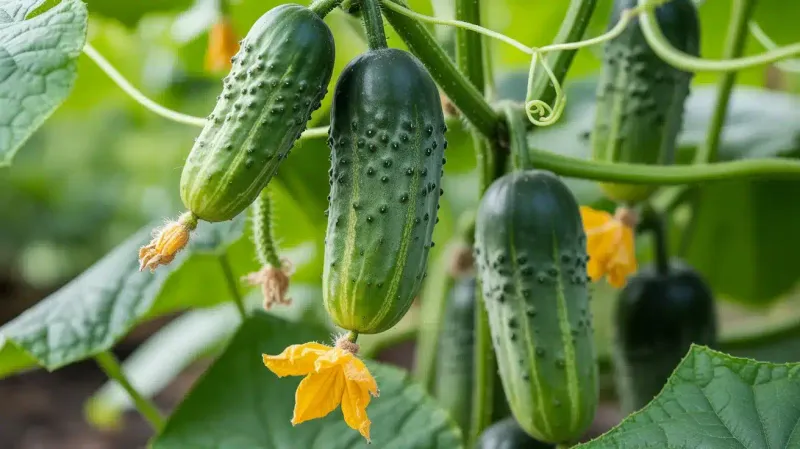
Biting into a homegrown cucumber and tasting something sharp and unpleasant is genuinely frustrating, especially after months of careful tending. The good news is that bitter cucumbers are usually a fixable problem, not a sign that your whole garden has gone wrong. Heat stress and inconsistent soil moisture can push even a mild cultivar toward bitterness, but variety and genetics play a role too. Understanding what actually happened gives you a real plan for the fruit still on the vine and the season ahead.
Cucumber bitterness has more than one cause
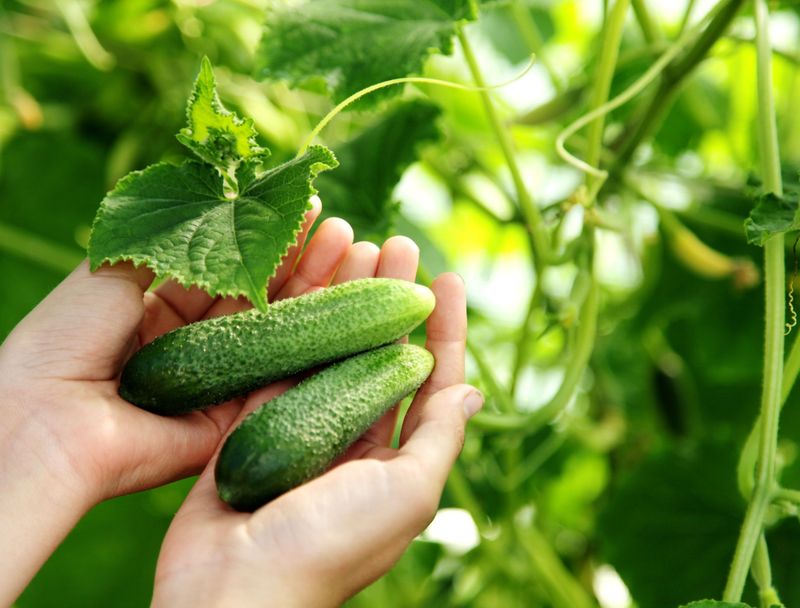
Biting into what looked like a perfectly good cucumber and finding a sharp, unpleasant flavor is one of those harvest-day surprises that sticks with you. That bitterness comes from a group of compounds called cucurbitacins, and cucurbitacin C is the principal one found in cucumber. Research published in Science on the biosynthesis and domestication of cucumber bitterness identified specific genes and transcription factors that regulate cucurbitacin production, confirming that inherited genetics are a real and measurable part of the explanation.
Growing conditions can also affect how much cucurbitacin a plant produces, which means a bitter harvest may reflect cultivar susceptibility, environmental stress, or a combination of both. High temperatures, drought, wide temperature swings, and uneven soil moisture are all reported contributors. The flavor does not necessarily develop at harvest itself; gardeners often discover it when they taste fruit picked after a stretch of stressful growing conditions.
University of Minnesota Extension guidance on growing cucumbers notes that cucurbitacin concentrations vary among varieties and that environmental stress can increase bitterness. Knowing that both genetics and stress are involved keeps the diagnosis honest and opens up more useful solutions than blaming only one factor.
The cultivar still matters
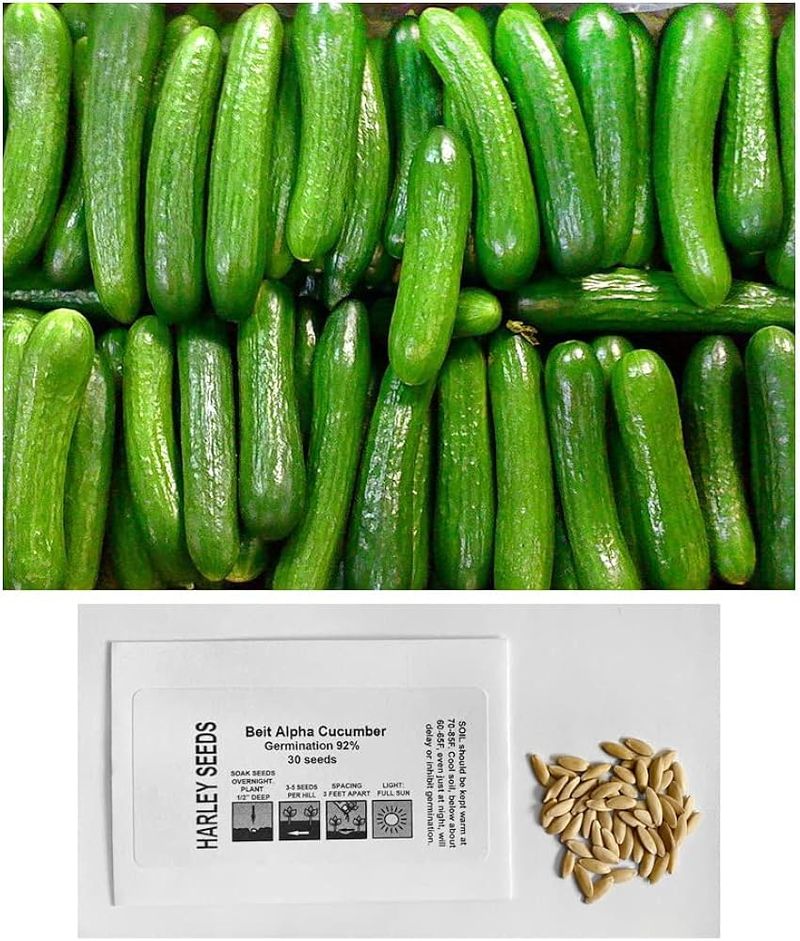
Seed catalogs sometimes make it sound like any cucumber will taste great if you just water it right, but the variety you plant genuinely shapes the risk. Cucurbitacin concentrations differ measurably across cucumber varieties and genetic lines, and some cultivars are bred specifically to remain low-bitterness or nonbitter even under moderate stress. UMN Extension confirms that nonbitter varieties are available and that choosing one can reduce your chances of a bitter harvest.
A normally mild cultivar can still produce bitter fruit when growing conditions turn harsh, which is where heat and moisture stress enter the picture. But that does not make the variety irrelevant. A cultivar with higher inherited cucurbitacin potential may produce noticeably bitter fruit under conditions that a nonbitter variety would handle without a flavor change.
One bitter harvest does not prove the seed was defective or mislabeled, and a single stressful summer does not mean the variety is always going to disappoint you. What it does mean is that the combination of genetic susceptibility and environmental pressure produced a result you did not want. Correcting the stress side of the equation may improve later fruit from the same plant, and selecting a lower-bitterness cultivar next season adds a second layer of protection.
Excessive heat can amplify the problem
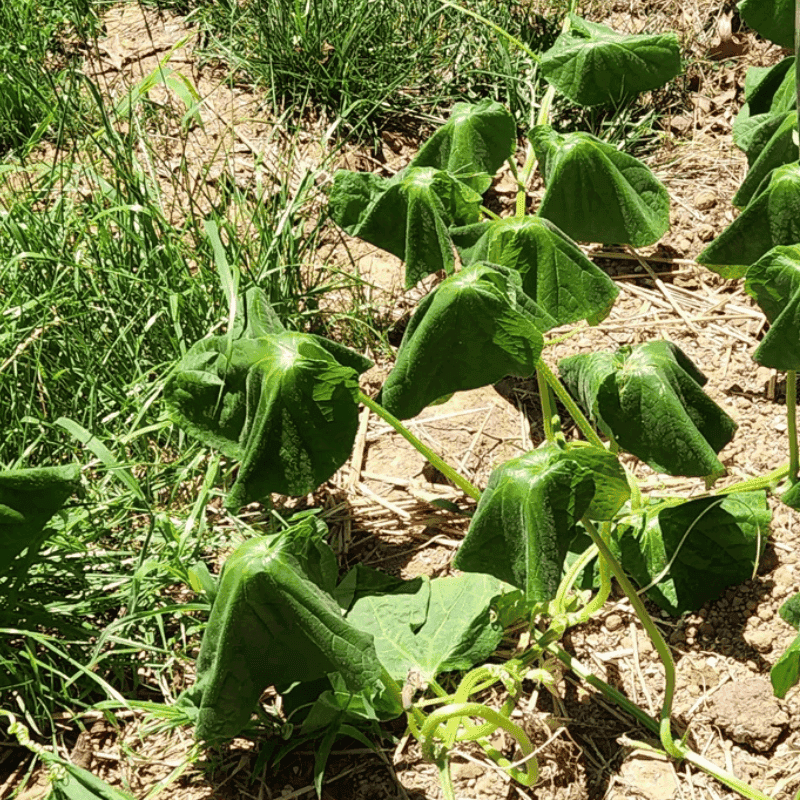
Cucumbers are warm-season crops that genuinely need heat to grow well, so the problem is not summer warmth itself. The distinction that matters is between the comfortable warm weather cucumbers prefer and the kind of excessive, sustained, or abruptly swinging temperatures that push the plant into stress. Penn State Extension identifies 65-95 degrees F as a favorable average production range and notes that temperatures above 95 degrees F can slow growth and maturity.
Oklahoma State University Extension goes further, noting that extremely high temperatures may contribute to bitterness in many cucumber varieties. Oregon State University Extension also lists high temperatures and wide temperature swings among the environmental stressors associated with increased bitterness. The pattern across extension sources points to excessive heat, heat combined with inadequate water, and abrupt changes in growing conditions rather than ordinary warm days as the likely culprits.
Severe heat rarely acts alone. When temperatures spike, soil moisture evaporates faster, plants transpire more rapidly, and roots may struggle to keep up with demand even when the gardener is trying to water consistently. UMN Extension recommends watering daily or every other day during periods with daytime temperatures above 90 degrees F and nighttime temperatures above 70 degrees F, adjusting based on actual conditions rather than a fixed schedule. That guidance underlines how heat and moisture stress are often tangled together, and addressing both gives developing fruit the best chance of staying mild.
Diagnose soil moisture instead of following the calendar
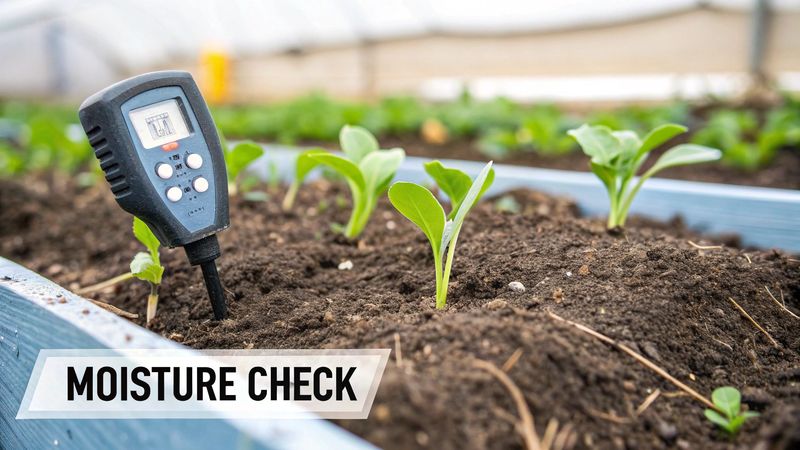
Watering on a schedule feels organized, but the calendar does not know what your soil is actually doing. A more reliable approach is to check soil moisture directly: press a finger or a small trowel about 2 inches below the surface, and water thoroughly when that layer feels dry. UMN Extension recommends this soil-check method and emphasizes maintaining consistently moist but well-drained conditions rather than following a rigid watering interval.
How often that check prompts you to water depends on factors that vary considerably from one garden to the next. Sandy soil drains quickly and may need more frequent attention; clay soil holds moisture longer but benefits from thorough, less frequent watering. Containers and raised beds typically dry out faster than in-ground beds. Trellised plants, larger plants, windy sites, and stretches of extreme heat all increase water demand.
Rainfall may cover some or all of your irrigation needs on a given week, or it may deliver nothing useful at all.
UMN Extension’s vegetable garden watering guidance suggests about 1 inch of water per week as a starting reference, with adjustments for all the conditions above. Drip irrigation and soaker hoses deliver water directly to the root zone and reduce evaporation, helping keep moisture more even between waterings. Mulch over the soil surface slows moisture loss further. One more caution: Colorado State University Extension explains that waterlogged roots lose their ability to take up water effectively, meaning saturated soil can produce drought-like symptoms even when there is plenty of moisture present.
Consistently moist and well-drained is the target, not simply wet.
Protect the fruit that is still developing
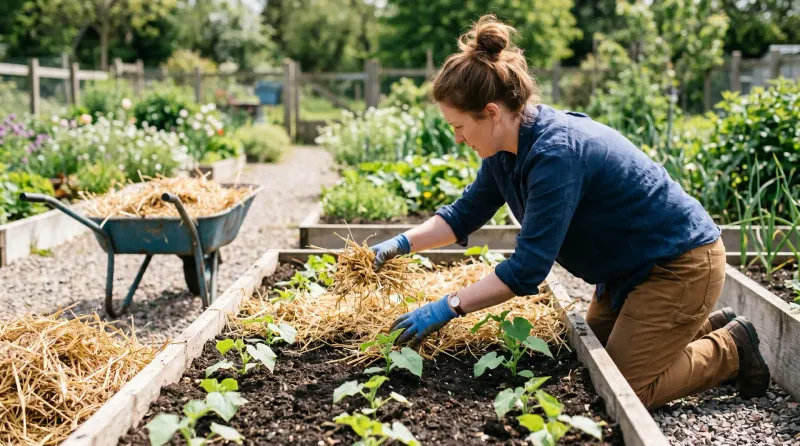
When you discover bitter fruit mid-season, the most useful thing you can do is shift attention to the cucumbers still forming on the vine. Start by checking soil moisture right now using the 2-inch finger test described in the previous section. If the soil is dry, water thoroughly and then set up a plan to keep it consistently moist going forward, adjusting frequency to match current weather, soil type, and plant size rather than a fixed day of the week.
Mulch is one of the most practical tools available. A 2-3 inch layer of straw, shredded leaves, or wood chips over the root zone slows evaporation, moderates soil temperature, and reduces the moisture swings that can stress developing fruit. UMN Extension’s hot-weather gardening guidance supports mulching as a way to buffer plants against heat and moisture stress. Shade cloth can provide temporary protection during an extreme heat event, though cucumbers still need adequate light for fruit development.
Better conditions may improve the flavor of fruit that forms after the stress is relieved, particularly when environmental stress rather than inherited genetics is driving the bitterness. Fruit already harvested will not change, but the cucumbers currently developing may benefit from the adjustment. Oregon State University Extension recommends harvesting cucumbers once they reach the desired size, before yellowing and seed hardening occur. Picking regularly removes older fruit and keeps the plant focused on new production, which is good crop management regardless of whether bitterness has been a problem.
Use peeling only for mild bitterness
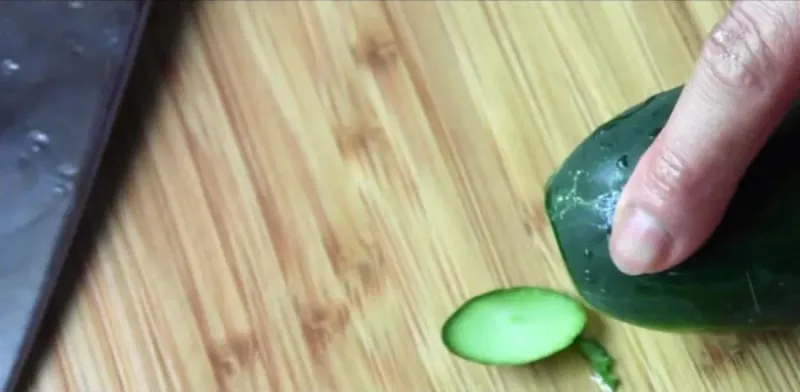
Cucurbitacin is not distributed evenly through a cucumber. UMN Extension notes that cucumbers are typically more bitter near the skin and bitterest toward the blossom end, which is the end opposite the stem. A 2024 analytical study found that cucurbitacin C distribution varied by tissue and that the endocarp, the innermost flesh layer, showed the highest measured concentration in the bitter cultivar studied. That uneven distribution means peeling can genuinely reduce mild bitterness in some cases.
Oregon State University Extension recommends peeling more deeply, particularly near the stem end, when preparing mildly bitter cucumbers for fresh eating. Removing a thicker layer than usual near the stem and discarding the blossom-end slice are reasonable flavor-management steps for fruit that tastes only slightly off.
Peeling is not a safety guarantee, and treating it like one is a mistake. Extremely or unusually bitter cucumbers should be discarded rather than processed, pickled, or repeatedly tasted in hopes of finding a usable portion. A retrospective case series involving poisoning by non-edible cucurbits illustrates why extreme bitterness in any cucurbit family member deserves caution. Ordinary mild cucumber bitterness is a quality issue, not a toxicity emergency, but the right response to fruit that tastes severely bitter is to set it aside, not to peel deeper and keep eating.
Do not blame cross-pollination
Cross-pollination with squash, melons, or watermelons is one of the most persistent myths in backyard vegetable growing, and it reliably surfaces whenever a cucumber tastes strange. The explanation sounds logical but does not hold up. Illinois Extension explicitly addresses this misconception, making clear that cross-pollination does not change the flavor of the fruit produced on the current plant. Pollination affects what seeds inside the fruit will grow into next year, not the flesh or flavor of the cucumber you are eating now.
Ordinary cucumbers grown from correctly labeled commercial seed are not affected by whatever else is flowering in the garden. The cross-pollination concern has more relevance in specific situations involving saved seed or proximity to wild cucurbit relatives, which are separate edge cases from a typical home garden. Oregon State Extension’s guidance on volunteer squash illustrates why wild or unknown cucurbit plants are treated differently from standard cultivated varieties.
Redirecting the diagnosis away from cross-pollination and toward cultivar susceptibility, heat stress, and soil moisture puts you on firmer ground. Those are the documented contributors, and they are the ones you can actually do something about.
Prevent bitterness next season
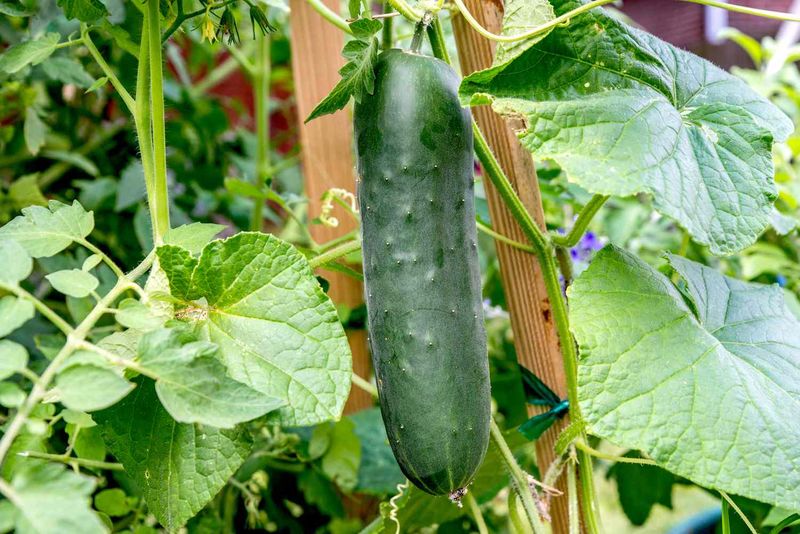
A bitter harvest this year is useful information for next year. Starting with a cultivar labeled nonbitter or bitter-resistant lowers your baseline risk, since the genetics of cucurbitacin regulation are well established and breeders have used that knowledge to develop varieties with reduced bitterness potential. That choice does not eliminate environmental stress as a factor, but it removes one layer of vulnerability.
On the growing side, consistent soil moisture is the most controllable variable. UMN Extension’s vegetable garden watering guidance supports checking soil regularly and watering based on actual conditions rather than a fixed schedule. Mulch, drip irrigation, and attention to how your specific soil, climate, and setup change water needs will all help keep moisture from swinging between extremes. Avoiding excessive nitrogen is also worth noting, as researchers have linked high nitrogen levels with increased cucurbitacin production.
Oregon State University Extension recommends harvesting regularly and before fruit yellows, which keeps the plant productive and reduces the chance of overmature, stress-affected fruit accumulating on the vine.
The balanced takeaway is this: environmental stress can trigger bitterness in a susceptible crop, but genetics remain part of the equation. Managing both gives you the best odds of a mild, satisfying cucumber. When fruit does taste unusually bitter, let the severity and the source of the plant guide your decision about whether to eat it, peel it, or discard it.