
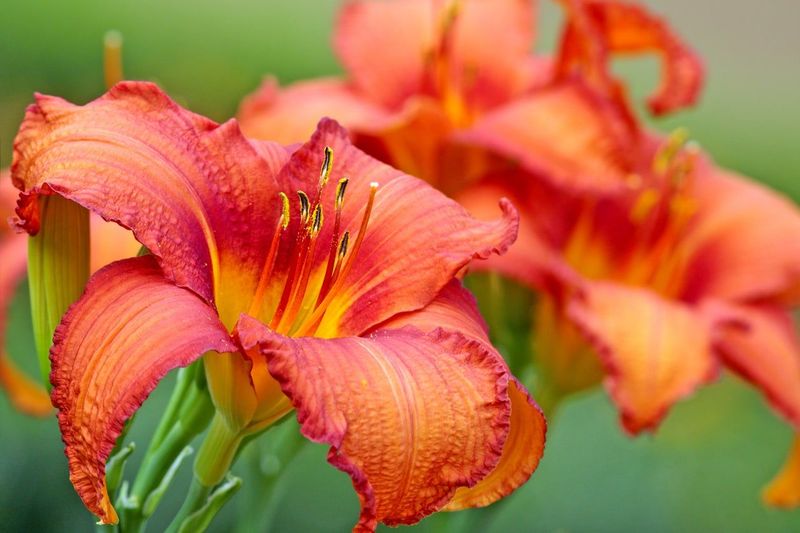
Daylilies are tough plants, but even tough plants can start looking tired after a long Southern summer. If your clumps bloomed less this year, flopped over, or turned into a crowded tangle, the fix usually starts right now.
A few simple chores in late summer and fall can set your daylilies up for thicker foliage and more flower stalks next spring. Here are seven steps that can make a real difference in Florida, Texas, and other warm-climate yards.
1. Divide Crowded Clumps
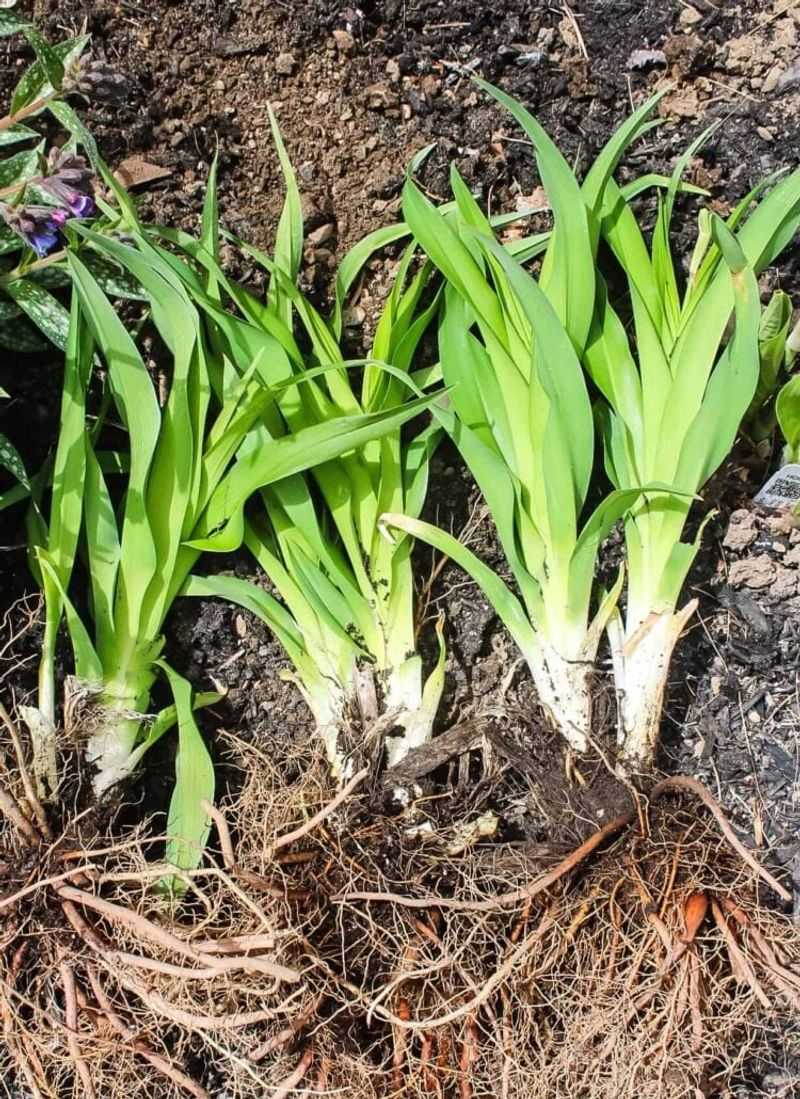
Picture a daylily clump so packed that the middle looks hollow and the blooms only show up around the edges. That hollow center is one of the most common signs a plant needs dividing.
After three to five years, most daylilies simply run out of elbow room.
In the South, early fall is often a great window for division, once the worst heat breaks but while the soil stays warm. In Florida and South Texas, you can usually divide from October into early winter.
Dig around the whole clump, lift it with a garden fork, and pull or cut it into sections with at least two or three leaf fans each.
Trim the foliage back to about six to eight inches so the roots are not stressed by supporting too much leaf. Replant each piece at the same depth it grew before, with the crown sitting about an inch below the soil surface.
Planting too deep may reduce blooms.
Water the new divisions well and keep the soil evenly moist for a few weeks. Divided plants can take a season to settle in, but many gardeners find they return with more vigor and noticeably more flower stalks.
As a bonus, you get free plants to fill other beds.
2. Clean Up Spent Scapes and Brown Foliage
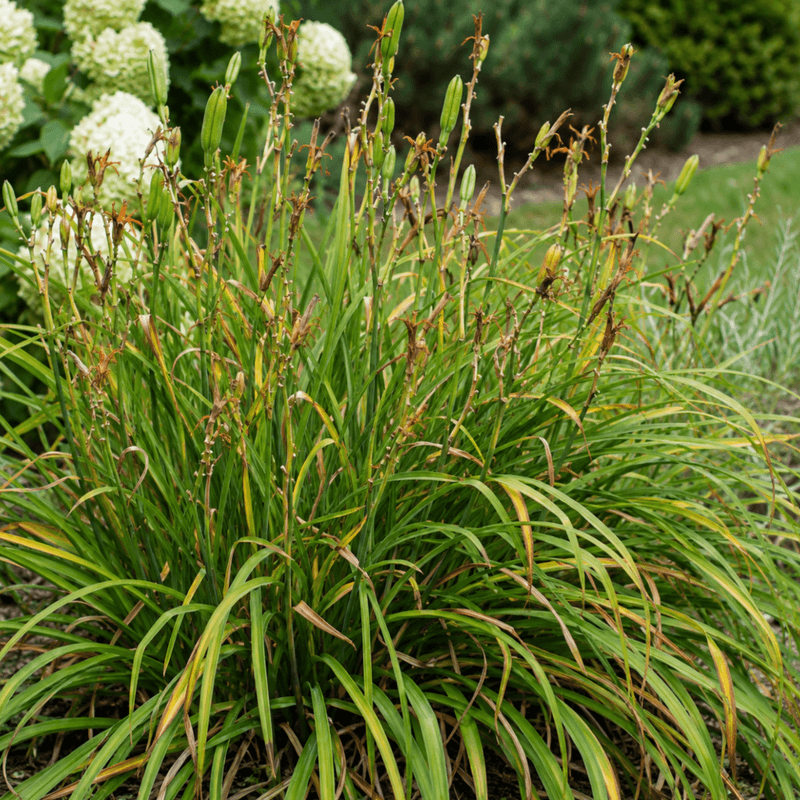
Old flower stalks sticking up like bare sticks are not doing your daylilies any favors. Once blooming wraps up, those scapes, the tall stems that held the flowers, are finished for the year.
Cutting them near the base tidies the bed right away.
Removing spent scapes also stops the plant from putting energy into seed pods. Unless you are hybridizing, those pods are mostly wasted effort.
Redirecting that energy toward the roots and crown may help the plant build strength for next season.
Next, look at the foliage. Pull away yellow, brown, or mushy leaves by hand, or snip them with clean pruners.
In humid Southern summers, dead leaves trap moisture and can shelter pests like spider mites and thrips, plus fungal problems such as daylily rust.
Healthy green leaves should stay put, since they keep feeding the plant through fall. In frost-free parts of Florida, many daylilies stay evergreen, so you are only removing the damaged pieces.
In North Texas, dormant types may die back more fully after frost, and you can clear that debris once it browns.
Toss diseased material in the trash rather than the compost pile. That small habit can cut down on problems returning next year.
3. Feed With a Light Fall Fertilizer
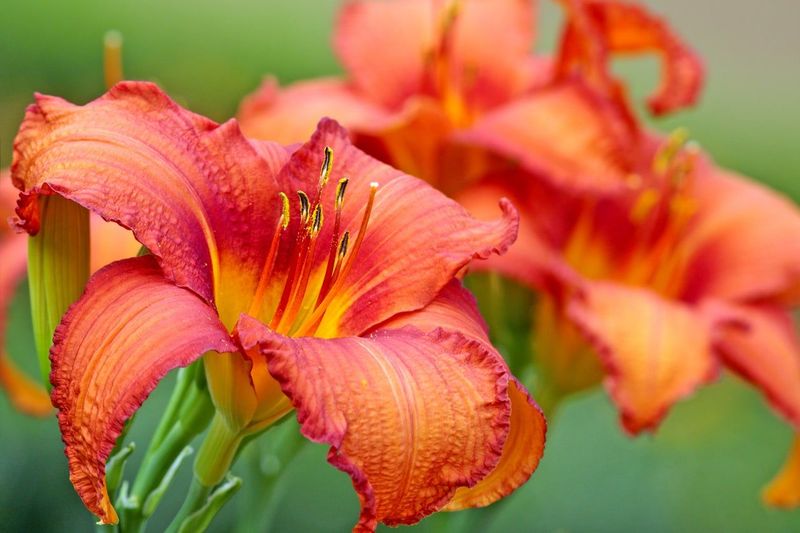
Hungry roots rarely produce showy plants. Daylilies are not heavy feeders, but after months of blooming in the heat, a modest meal can help them recover.
The goal now is steady root support, not a burst of soft new leaves.
A balanced or slightly lower-nitrogen slow-release fertilizer often works well in early fall. Something in the range of 10-10-10 or a bloom-focused formula can be scattered lightly around the clump, kept a few inches away from the crown.
Water it in afterward so it reaches the root zone.
Go easy, though. Too much nitrogen late in the season can push tender growth that is more likely to get damaged by a surprise cold snap in North Texas or the Panhandle.
Heavy feeding can also mean lots of leaves with fewer flowers later.
If you want to know exactly what your soil needs, a soil test through your county extension office is inexpensive and very useful. Sandy Florida soils often drain nutrients quickly, while Texas clay may hold more but lock some up.
Many gardeners simply combine a light feeding with compost. That pairing tends to give daylilies what they need without overdoing it, and it keeps your routine simple.
4. Top-Dress With Compost
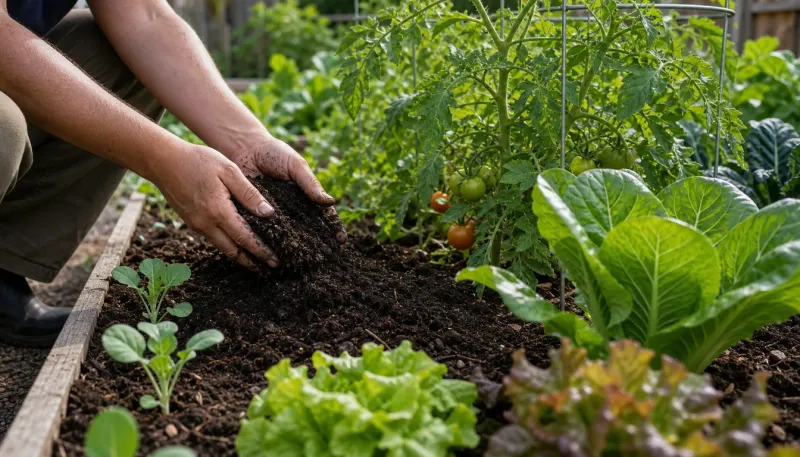
Ask any longtime daylily grower about their secret, and compost usually comes up within the first minute. It is not flashy, but it quietly improves the soil in ways fertilizer alone cannot.
Spread about one to two inches of finished compost around your clumps this fall. There is no need to dig it in, since earthworms and rain will slowly pull it down into the root zone.
Just keep it from piling directly against the crowns.
Southern soils present two very different challenges. In Florida, sandy ground drains so fast that water and nutrients slip right past the roots.
Compost helps hold moisture longer. In much of Texas, heavy clay can stay soggy and packed, and compost may loosen that structure over time so roots breathe better.
Here is a fun bit of history: daylilies have been grown for thousands of years, with records from ancient China, where the flower buds were even eaten. Those early growers likely relied on rich, organic soil too.
Homemade compost from leaves and kitchen scraps works great, as do bagged products from the garden center. Adding a fresh layer each fall is a small habit that often pays off with thicker, greener growth the following spring.
5. Mulch to Protect Roots

Bare soil around daylilies is basically an invitation for weeds to move in. A good mulch layer keeps the bed tidy, holds moisture, and evens out soil temperatures through fall and winter.
Pine straw is a favorite in the Southeast, and it looks right at home in Florida and East Texas landscapes. Shredded hardwood, pine bark, or leaf mulch also work well.
Aim for two to three inches, but pull it back an inch or two from the crowns so they stay dry.
Why does temperature matter in warm regions? In North and Central Texas, freezes can swing in fast, followed by warm days.
Mulch softens those swings, which may reduce stress on the roots. In Florida, it mainly helps conserve water during the dry winter months.
Mulch also slowly breaks down and feeds the soil, working hand in hand with the compost you added. Over a few seasons, the ground under your daylilies can turn darker and easier to work.
One caution: avoid piling mulch thickly right over evergreen varieties. Too much cover in humid weather can encourage crown rot.
A light, even layer is all you need for a bed that looks finished and stays healthier.
6. Keep Watering Through Dry Fall Weeks
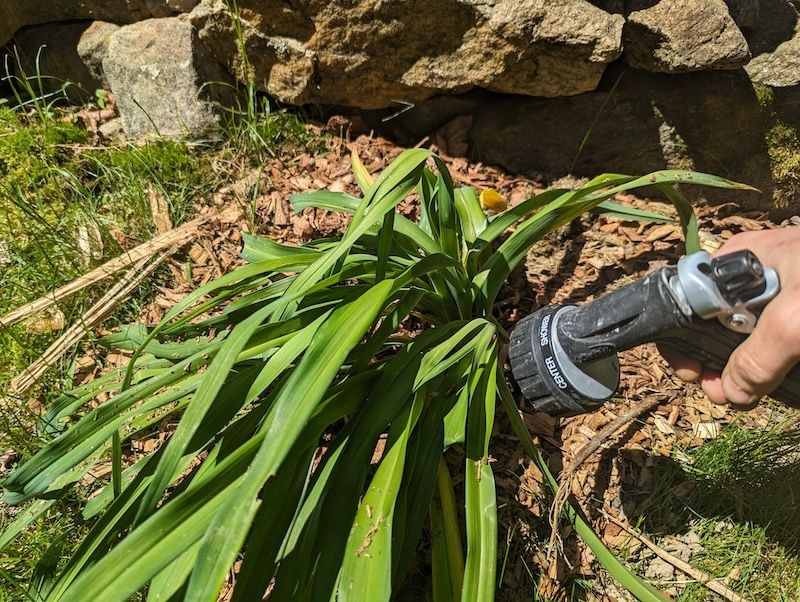
It is easy to forget the hose once the blooms fade. But fall in the South can be surprisingly dry, and daylilies are busy building roots and next year’s flower buds underground right now.
A deep watering about once a week during dry spells is usually enough for established clumps. Newly divided plants need more attention, often two or three times a week until they settle in.
Push a finger a couple of inches into the soil, and if it feels dry, it is time to water.
Soaker hoses or drip lines are ideal because they deliver water straight to the roots and keep leaves dry. Wet foliage in humid weather can encourage leaf streak and rust, which are common daylily headaches across Florida and the Gulf Coast.
Morning watering is best when you do need to use a sprinkler. The leaves dry off during the day, which may lower disease pressure.
Remember that Texas and Florida often have local watering restrictions, so check your city’s schedule. Pairing smart watering with mulch stretches every gallon further.
Daylilies are drought-tolerant, but a steady drink in fall can mean the difference between a so-so spring and a full, lush comeback.
7. Check for Pests and Disease Before Winter
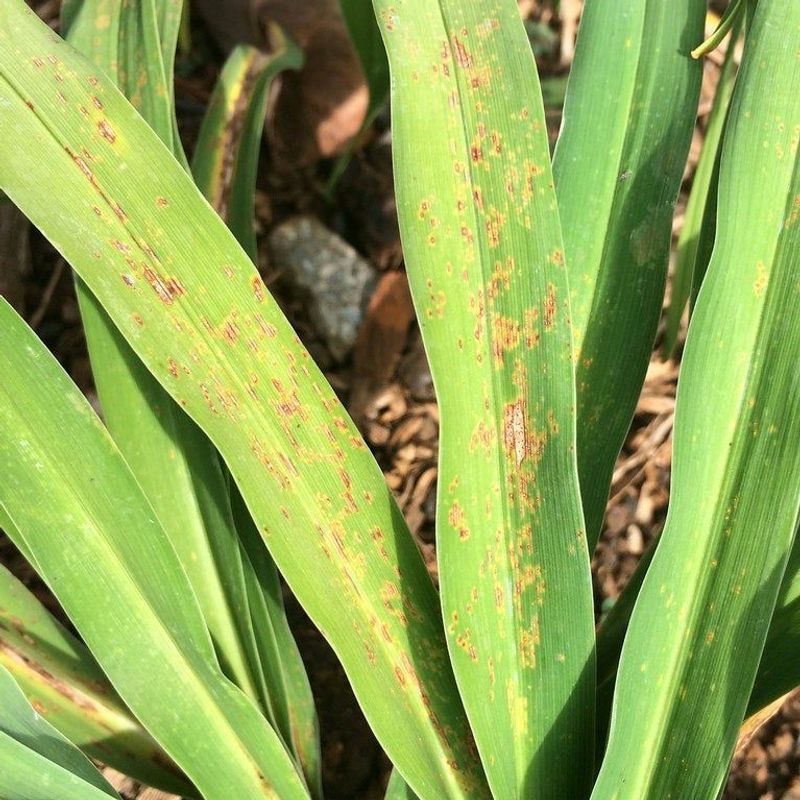
Orange powder that rubs off on your fingers? That could be daylily rust, and fall is a smart time to catch it.
A quick inspection now helps you head off problems before they overwinter in the bed.
Walk your beds and flip a few leaves over. Look for orange or rusty spots, yellow streaks running down the leaf, or tiny speckling that may point to spider mites.
Thrips and aphids can also hide deep in the fans, especially in warm Southern winters where pests never fully shut down.
For rust and leaf streak, remove the worst leaves and improve airflow by thinning crowded clumps. A labeled fungicide may help with stubborn rust, but follow directions closely.
For mites and aphids, a strong spray of water or insecticidal soap can reduce their numbers.
Deer are another concern once fall forage thins out, because they consider daylily buds a treat. Repellent sprays or fencing may help deter them, though no method works perfectly every time.
Staying ahead of these issues keeps your plants focused on growing instead of fighting off damage. A few minutes of scouting now can set the stage for healthier, fuller clumps when spring warms up again.