
Few things are more frustrating than watching your fall broccoli shoot up yellow flowers before you ever get a decent head on the table. Southern gardeners in Florida, Texas, and Georgia deal with this more than most, because the window between summer heat and cool fall weather is narrow and unforgiving.
Heat often gets the blame, but the real story is usually more complicated – and once you understand what actually went wrong, the fix for your next planting becomes a lot clearer.
Yellow flowers mean the broccoli buds are opening
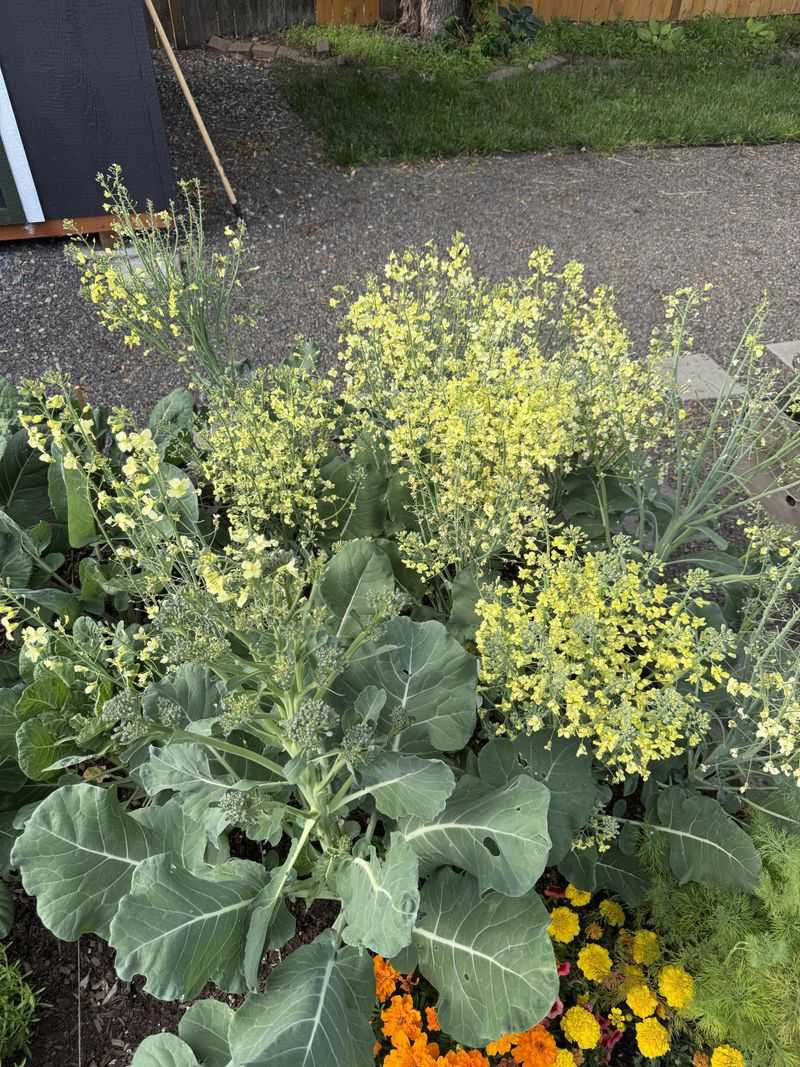
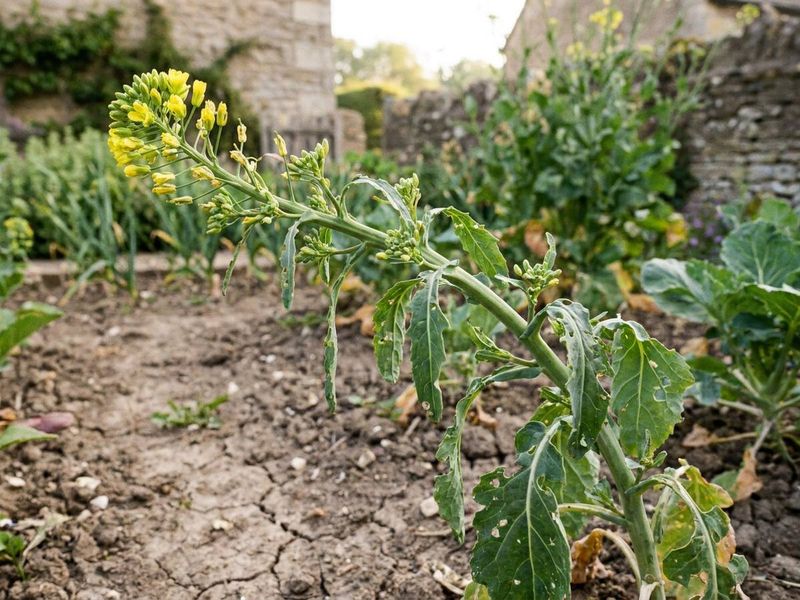
Seeing yellow petals on your broccoli is not a mystery disease or a pest problem. Those petals are the plant’s flower buds opening up, which is exactly what broccoli is designed to do once the head matures.
The question is why it happened before you could harvest a tight, firm head worth eating.
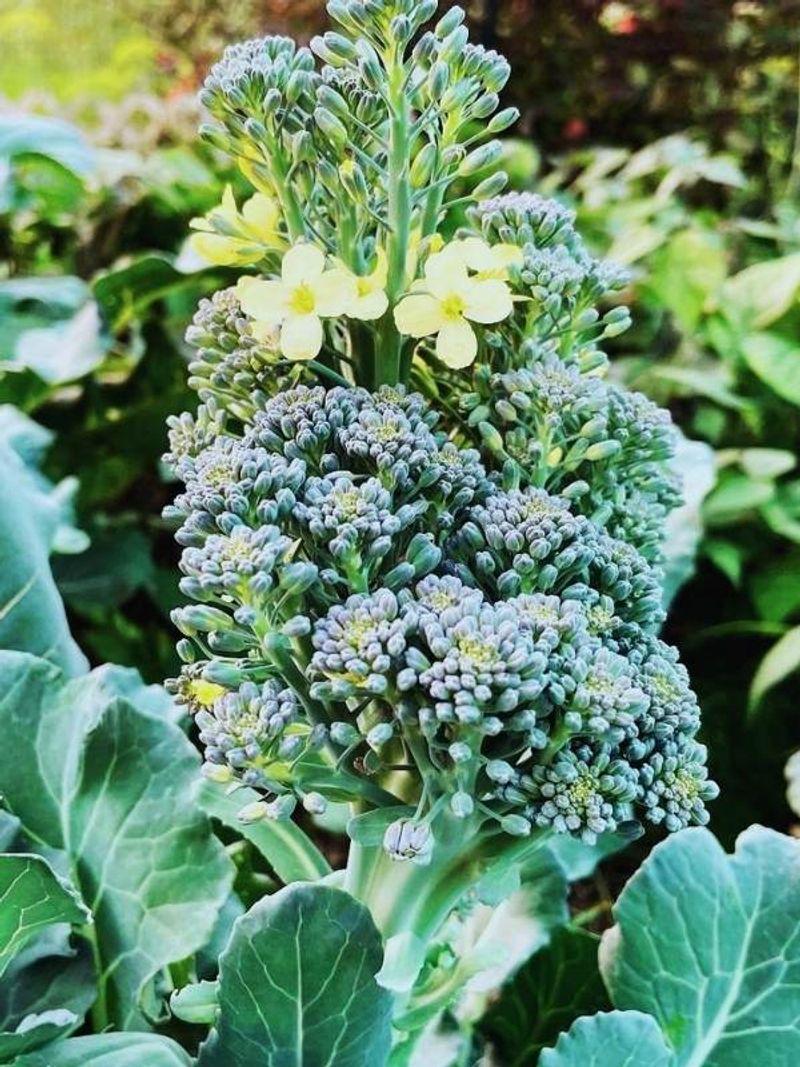
A market-quality broccoli head should be harvested while the florets are still compact, dark green, and pressed tightly together. Penn State Extension’s broccoli production guide notes that heads should be cut before any yellow color appears, because once flowering starts, quality drops fast.
If your florets are just beginning to separate and loosen at the edges, cut the head right now – do not wait another day.
A head with substantial yellow flowers open across it has already declined. It will not close back up, tighten, or grow into a larger central head.
The plant is not going to reset and try again from that same growing point. Accepting that reality quickly is part of good garden management, not a defeat.
Plant size and head size together give you the most useful clues about what went wrong. Utah State University’s brassica production problems resource and Oklahoma State Extension’s cole crop fact sheet both point out that a normal-sized plant with a head that rushed to flower is a different situation from a small, underdeveloped plant carrying a tiny premature head.
That second pattern has a specific name and a different set of causes, which the next sections cover in detail.
Heat can speed flowering without being the original cause
Broccoli is a cool-season crop, and that is not just a gardening cliche. North Carolina State Extension’s broccoli production guide identifies roughly 54 to 68 degrees Fahrenheit as the optimal temperature range for head development.
Push above that range and the plant can produce loose, poor-quality heads or accelerate the opening of flower buds that have already formed.
Heat waves are genuinely hard on broccoli. Oregon State Extension’s heat-wave garden guide explains that high-temperature events can end a broccoli crop before harvest, particularly when the plant is already under other stresses.
But accelerating a flowering process that has already started is different from causing that process to begin in the first place.
A normal-sized plant with a full-looking head that rushed to flower is consistent with heat pushing an otherwise healthy crop past its harvest window. A small plant carrying a tiny head is a different picture entirely.
UC ANR’s buttoning resource explains that cold exposure, drought, overgrown transplants, and other growth disruptions can cause a young plant to initiate a premature head before it has developed enough leaves to support a marketable one. A later heat spell can then push those buds open quickly, making the whole sequence look like simple heat-driven bolting.
Research published in HortScience confirms that broccoli’s flowering response is sensitive to temperature in both directions – cool conditions matter for normal development, while high-temperature spikes can disrupt or accelerate it. Treating heat as the only cause misses the earlier stress that set the problem in motion.
Buttoning starts when a small plant forms a premature head
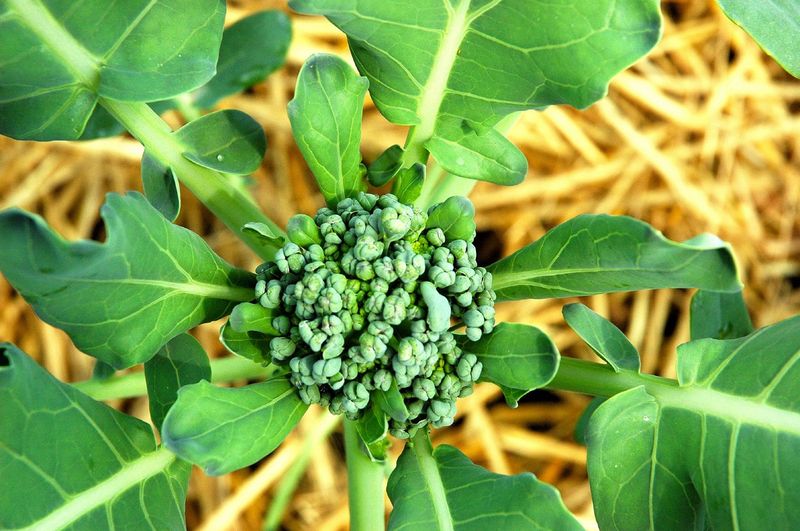
Buttoning is the term for what happens when a broccoli plant initiates a head before it has grown enough leaves to fuel normal head development. The result is a tiny, golf-ball-sized or smaller head sitting on a plant that looks stunted or underdeveloped.
Oklahoma State Extension’s cole crop production guide explains that these buttoned heads form before the plant has the leaf area to support a marketable head, and they tend to break apart and flower as the stalks elongate.
Several growth disruptions can set buttoning in motion. Cold exposure during early development is a well-documented contributor: a few days of unexpectedly cool temperatures can push a young plant toward premature head formation, especially if the plant was already large enough to respond to cold but not developed enough to handle it.
UC ANR’s buttoning overview lists drought, transplant shock, inadequate nutrition, weed competition, and over-aged transplants as additional contributors.
University of Illinois Extension’s broccoli page reinforces that any stress interrupting steady growth during the seedling stage can trigger this response. University of Minnesota Extension’s cool-season crop problems guide also distinguishes buttoning from bolting, noting they are related but not the same thing.
Bolting refers broadly to premature flowering or stem elongation, while buttoning describes the specific pattern of a tiny head on an undersized plant – one that may then bolt rapidly as temperatures rise.
Use young transplants and keep them growing steadily
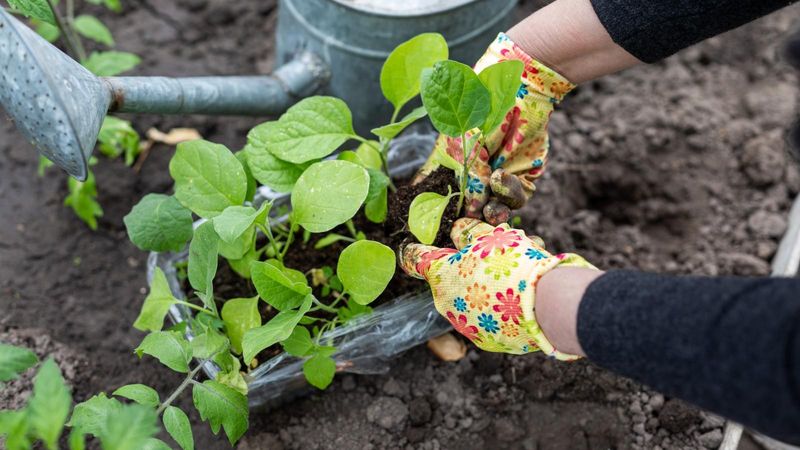
One of the most controllable factors in fall broccoli success is the age and condition of your transplants when they go into the ground. Plants that have been sitting in a flat or nursery pack too long are already stressed before they ever reach your garden bed.
That stalled, root-bound state makes them far more likely to button once they hit field conditions.
Oklahoma State Extension recommends setting fall broccoli transplants at about four weeks old and notes that plants older than five weeks carry a meaningfully higher buttoning risk. Texas A&M AgriLife’s cole crops guide similarly points to three to four weeks as the target transplant age for fall plantings in that region.
Transplant shock is another growth interruption that can push a plant toward buttoning before it recovers. Moving a plant from a shaded nursery area into a hot, sunny garden bed without any transition period puts the plant under immediate stress.
Water the transplants thoroughly before moving them, transplant in the early evening or on a cloudy day when possible, and plan to provide temporary shade for the first several days.
Fall planting does not require waiting for completely cool weather. UC ANR’s buttoning guide makes clear that the goal is steady, uninterrupted growth – not delayed planting.
Establishing young, actively growing plants while managing heat extremes gives them the best chance of reaching head formation under favorable conditions, rather than arriving there already compromised.
Prevent drought and other growth stalls
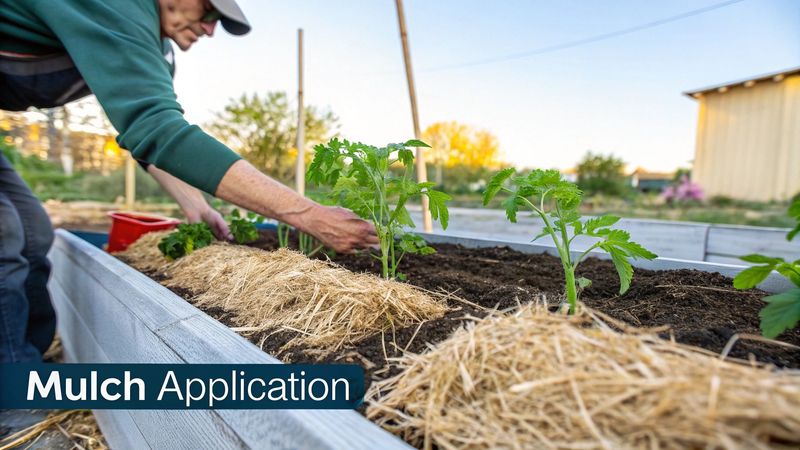
Moisture stress is one of the most common and underappreciated contributors to premature head formation in broccoli. Oregon State Extension’s vegetable irrigation guide identifies the six- to seven-leaf stage as a particularly sensitive period, when allowing the soil to dry out can push the plant toward initiating a head before it is ready.
The goal is even soil moisture, not periodic deep soaking followed by days of dry soil. Utah State University’s brassica irrigation resource recommends consistent moisture management rather than cycling between extremes.
A layer of organic mulch – straw, shredded leaves, or wood chips – spread around your plants can reduce evaporation substantially and buffer soil temperature swings that stress roots during late-summer heat.
Utah State University’s broccoli research page also notes that weed competition can rob developing plants of both moisture and nutrients, adding another layer of growth stress that disrupts steady development. Keeping the bed clear of weeds through the seedling stage is a straightforward way to reduce that pressure.
If you suspect nutrient stress played a role, resist the urge to apply a heavy fertilizer treatment hoping to force recovery. UC ANR’s buttoning resource notes that excessive fertilizer can damage roots and create imbalanced growth.
A soil test and label-directed application are the appropriate responses when nutrition is genuinely in question – not a blanket nitrogen push.
Protect seedlings from the worst late-summer heat
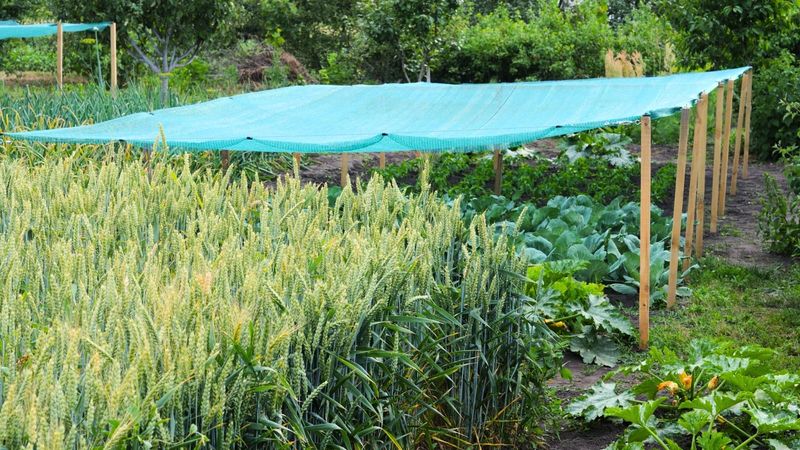
Getting young broccoli through the hottest weeks of late summer without stalling their growth is one of the central challenges for Southern fall gardeners. A lightly shaded nursery area or temporary shade structure can meaningfully reduce heat stress on recently transplanted seedlings during the worst of August conditions.
UGA Extension’s Evans County fall garden guide specifically recommends half-shade for seedbeds during hot late-summer conditions. UGA Extension’s Forsyth County fall garden post also notes that shade cloth can reduce heat load around fall transplants during establishment.
Shade is a useful tool for managing temperature peaks, but it cannot repair a plant that has already buttoned or reverse flowering that is already underway.
When it comes to covers, the choice of material matters. UGA Extension’s low hoop house guide cautions that plastic covers can trap excess heat and require daily ventilation management.
Utah State University’s row covers resource recommends breathable fabric covers as a safer option for temperature management, while still emphasizing that temperatures under any cover should be monitored.
Too much shade creates its own problem. Oregon State Extension’s heat-wave garden guide points out that enclosed tunnels can become hotter than the surrounding air, and excessive shade can slow plant growth rather than protecting it.
Monitor temperatures under any shade structure, especially in the afternoon, and remove or adjust covers as conditions moderate.
Set regional dates for cooler head development
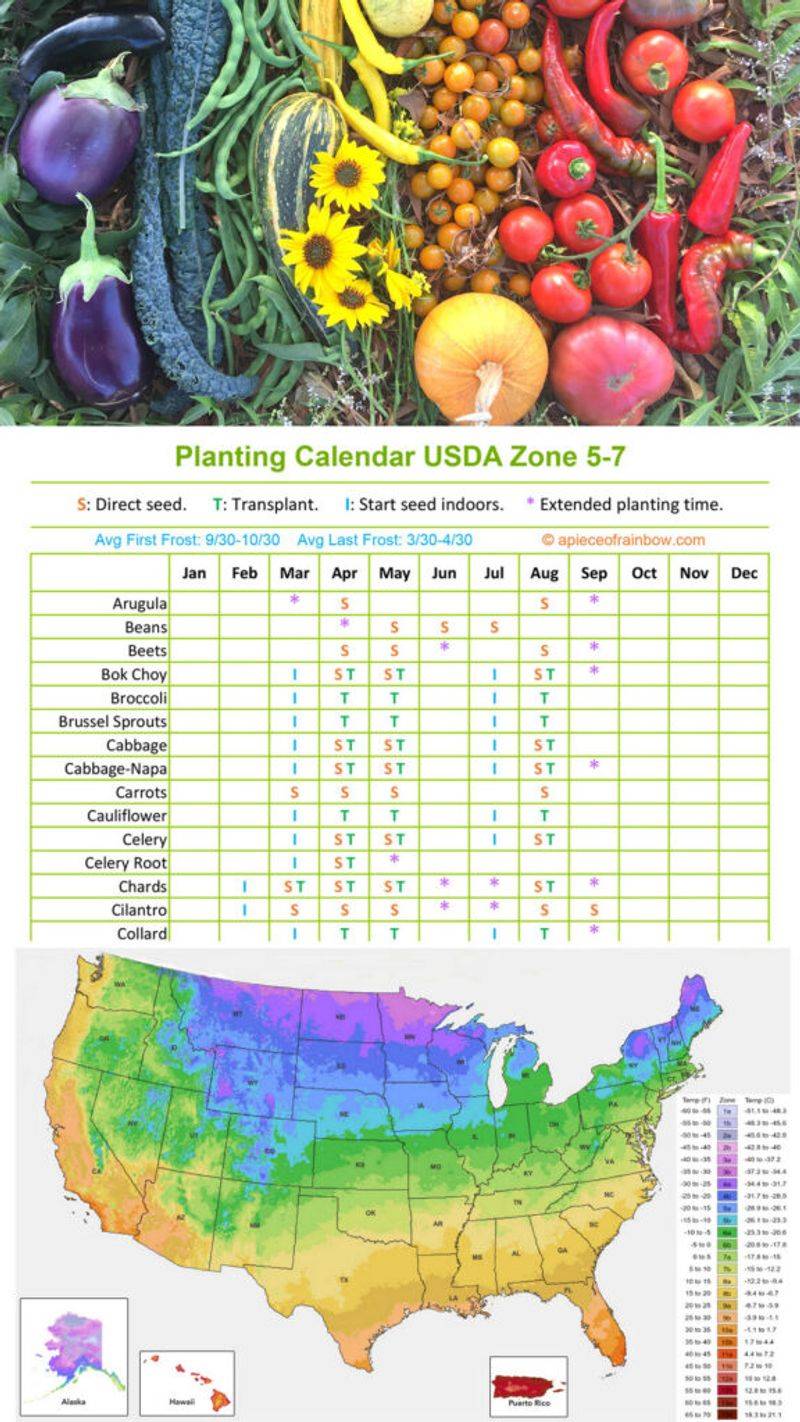
Timing is the variable that ties everything else together. The practical goal is not to wait for cool weather before starting fall broccoli – it is to establish young, healthy plants early enough that head development lands in the cooler weeks of fall rather than in the tail end of summer heat.
Regional windows differ substantially across the South, and using a date from the wrong state can put your crop weeks off schedule. UF/IFAS’s Florida vegetable gardening guide lists outdoor broccoli planting generally from September through February, with the specific window varying by north, central, or south Florida.
A gardener in Gainesville and a gardener in Miami are working with genuinely different calendars.
Texas A&M AgriLife’s fall vegetable gardening guide shows just how wide the Texas range runs – planting dates span from July 15 in the northernmost regions to November 1 in the southernmost tip of the state. Copying a neighbor’s planting date without checking your region’s specific calendar is a fast way to get the timing wrong.
UGA’s home garden broccoli publication recommends starting fall broccoli in late July and getting plants in the ground by the end of August for Georgia conditions, though local weather and county extension calendars should always take priority over a general state recommendation. Check your county extension office for current planting windows, and factor in what the actual forecast looks like rather than relying solely on average dates.
Harvest what you can and reset the next crop
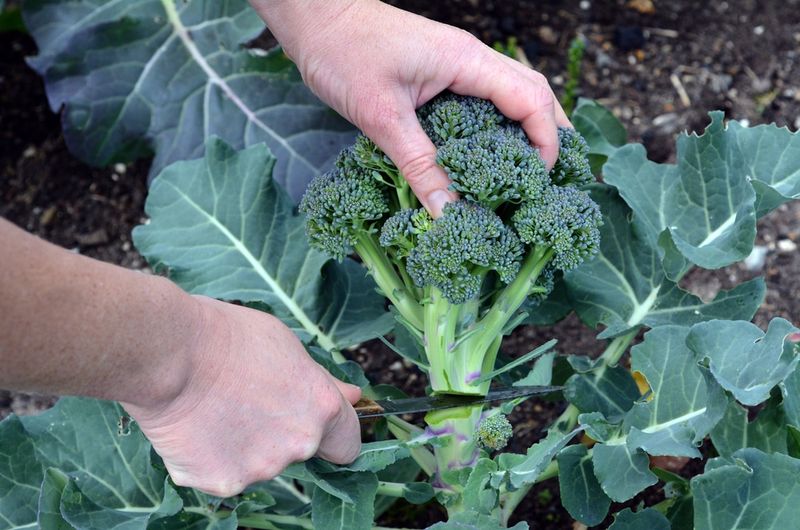
When a compact head starts to loosen, cut it immediately. Penn State Extension and Utah State University’s brassica production problems guide both confirm that a head harvested at the first sign of loosening is still usable, while one left another day or two may not be.
Substantial yellow flowering cannot be reversed into a tight central head, but a plant that is otherwise healthy and well-rooted may still push out side shoots worth harvesting over the following weeks.
Turn this crop’s failure into a prevention checklist for the next one. Oklahoma State Extension and Utah State University’s broccoli research page together point to the same set of controllable factors: transplant age, steady moisture, weed control, and timing that puts head development in cooler conditions.
Start with a young transplant, keep growth moving without interruption, protect seedlings from temperature extremes during establishment, and schedule the crop so the head forms when daytime highs are reliably below the mid-70s.
Heat may have delivered the final push that opened those flower buds, but the more durable fix almost always comes down to better timing and steadier establishment. A broccoli plant given a clean start rarely needs rescuing.