
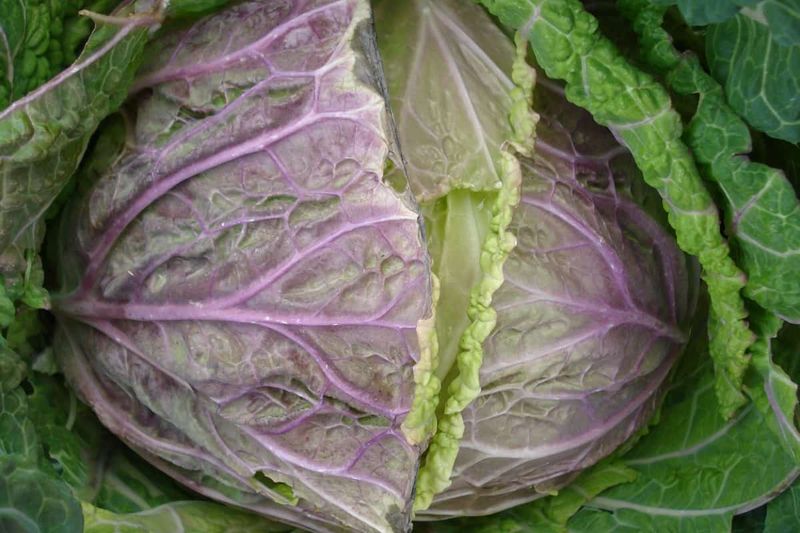
You watched your fall cabbage all season, and just when the head finally felt solid and ready to cut, it cracked wide open. That moment is frustrating, and it happens to Southern gardeners more often than you might think.
A dry spell followed by heavy rain or a big irrigation event is one of the most common reasons a mature head splits, but it is not the only reason, and knowing the difference can help you protect the next crop.
A dry-to-wet swing can split a mature head
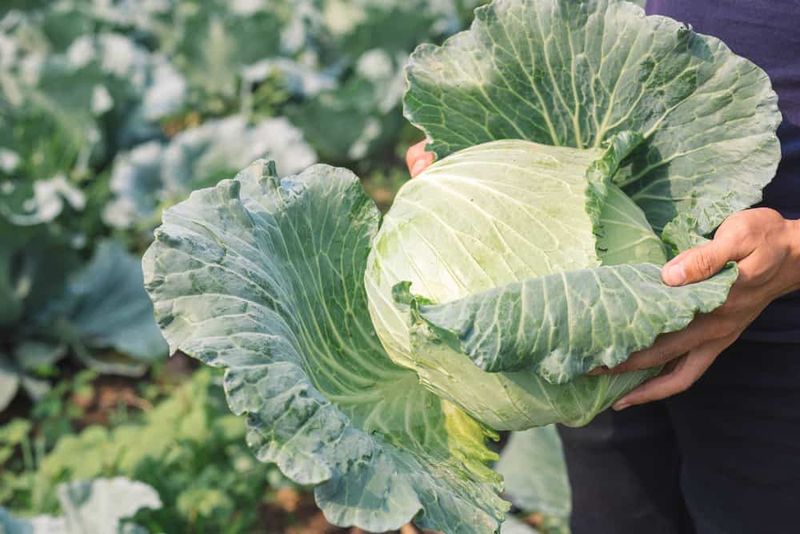
Picture a cabbage head that has been tightening up nicely through a dry stretch in October, then a heavy rain arrives overnight. By morning, the outer leaves have pulled apart and the head is cracked open.
That pattern, a noticeably dry root zone followed by a sudden surge of water availability, is one of the most well-supported triggers for head splitting that extension researchers describe.
Utah State University’s Brassica production guidance identifies moisture stress followed by sudden water availability, especially near harvest, as a consistent risk pattern for splitting. The diagnosis is not simply that you watered too much on one particular day.
A regularly moist bed is generally safer than one that cycles repeatedly between bone-dry and saturated.
The goal is steadier moisture throughout the growing season, not drought stress between waterings. That said, this moisture swing is a major trigger rather than a guaranteed explanation for every split you see.
Cultivar, maturity, rapid growth, temperature, fertility, and harvest timing all play a role, so treating uneven moisture as the only possible cause can send you chasing the wrong fix.
Why rain can crack a nearly mature head
When a cabbage head has tightened into a firm, dense ball, the plant is still actively moving water and nutrients into its core. After a dry period, a storm can deliver more water to the root zone than the plant has experienced in days or weeks.
Rapid water uptake combined with continued internal growth can create pressure within a tightly formed head, and the outer structure may crack under that stress.
The cracking problem is most strongly associated with heads that are already mature or nearly mature. A dry-to-wet cycle earlier in the season can reduce quality or slow growth, but the dramatic splitting that happens right before harvest is especially tied to that late-season head development stage.
University of Georgia Cooperative Extension guidance on cabbage production emphasizes maintaining uniform moisture during head formation for this reason.
Cabbage varieties also differ in how susceptible they are to splitting. Research on the genetics of head splitting resistance in cabbage has identified inherited structural traits that make some varieties more vulnerable than others, which means two plants side by side can respond very differently to the same rainfall event.
When a storm cracks your heads, your irrigation schedule may not be responsible at all.
Other conditions can make splitting more likely
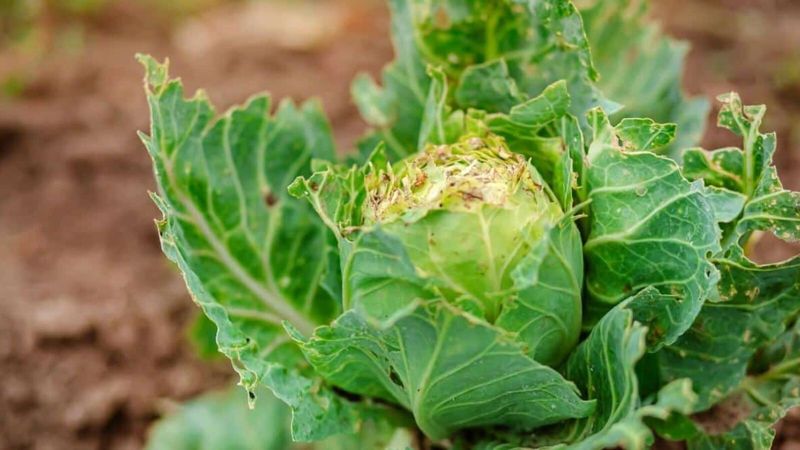
Moisture swings get most of the attention, but several other factors raise the odds that a head will crack. Choosing a variety that is known to be split-prone puts you at a disadvantage before you plant the first seed.
Rapid growth from warm temperatures or high fertility pushes the head to size up faster than its structure can handle, and excess nitrogen applied late in the season is a particular concern because it encourages loose, fast growth at exactly the wrong time.
Utah State University’s home garden cabbage guide notes that high fertility is associated with increased splitting risk alongside water fluctuation and maturity. Leaving a firm head in the garden longer than necessary compounds the problem because every additional rain event or irrigation cycle is another opportunity for the head to crack.
Delayed harvest is one of the most preventable contributors.
External head splitting is a different problem from internal tipburn, which appears as brown or discolored inner leaves and is related to calcium transport and growth stress rather than outer leaf cracking. Insect feeding holes, disease lesions, and bolting, where the plant sends up a seed stalk, are also distinct issues that call for different responses.
Identifying exactly what you are seeing before choosing a remedy keeps you from applying the wrong fix to the right plant.
Keep moisture reasonably even instead of chasing a fixed schedule
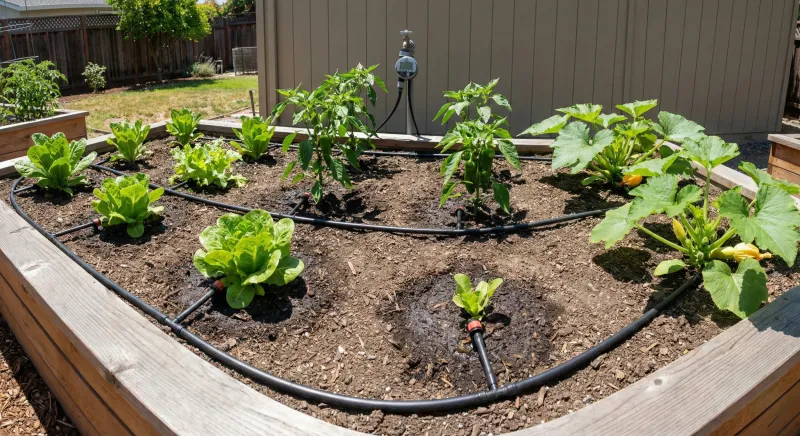
Checking the root zone before watering is more reliable than following a rigid schedule. Push a finger or a soil probe two to three inches into the bed near your cabbage; if it feels dry at that depth, it is time to water.
If it still feels moist, hold off. That simple check accounts for rainfall, soil texture, and temperature in a way that a fixed weekly routine cannot.
Utah State University’s cabbage growing guide offers roughly 1 to 2 inches of water per week as a starting point, but qualifies that figure by soil type, rainfall, temperature, and plant size. Sandy soils common in parts of Florida drain faster and may need more frequent, lighter applications than heavier clay soils.
University of Florida IFAS guidance on Florida cabbage production recommends approximately 1 inch per week applied in even amounts to help reduce cracking risk.
UC IPM’s cultural tips for growing cabbage recommend watering deeply enough to moisten the root zone rather than alternating shallow sprinkling with occasional flooding. Drip irrigation delivers water slowly and directly to the root zone, which can help moderate the kind of sudden surge that follows a large hand-watering session.
Mulch over the root zone slows evaporation and buffers soil temperature, but it cannot stop a heavy rain from soaking the bed, so it works best as one part of a broader moisture management routine.
Do not stop watering once heads begin forming. Texas A&M AgriLife Extension resources on vegetable production describe cabbage’s moisture need as uniform throughout growth.
Withholding water during head formation creates the dry conditions that make the next rain or irrigation event far more damaging. Avoiding excess nitrogen fertilizer in the weeks before harvest rounds out the prevention plan, since late-season fertility pushes rapid growth that raises splitting risk.
Harvest firm heads before the next weather swing
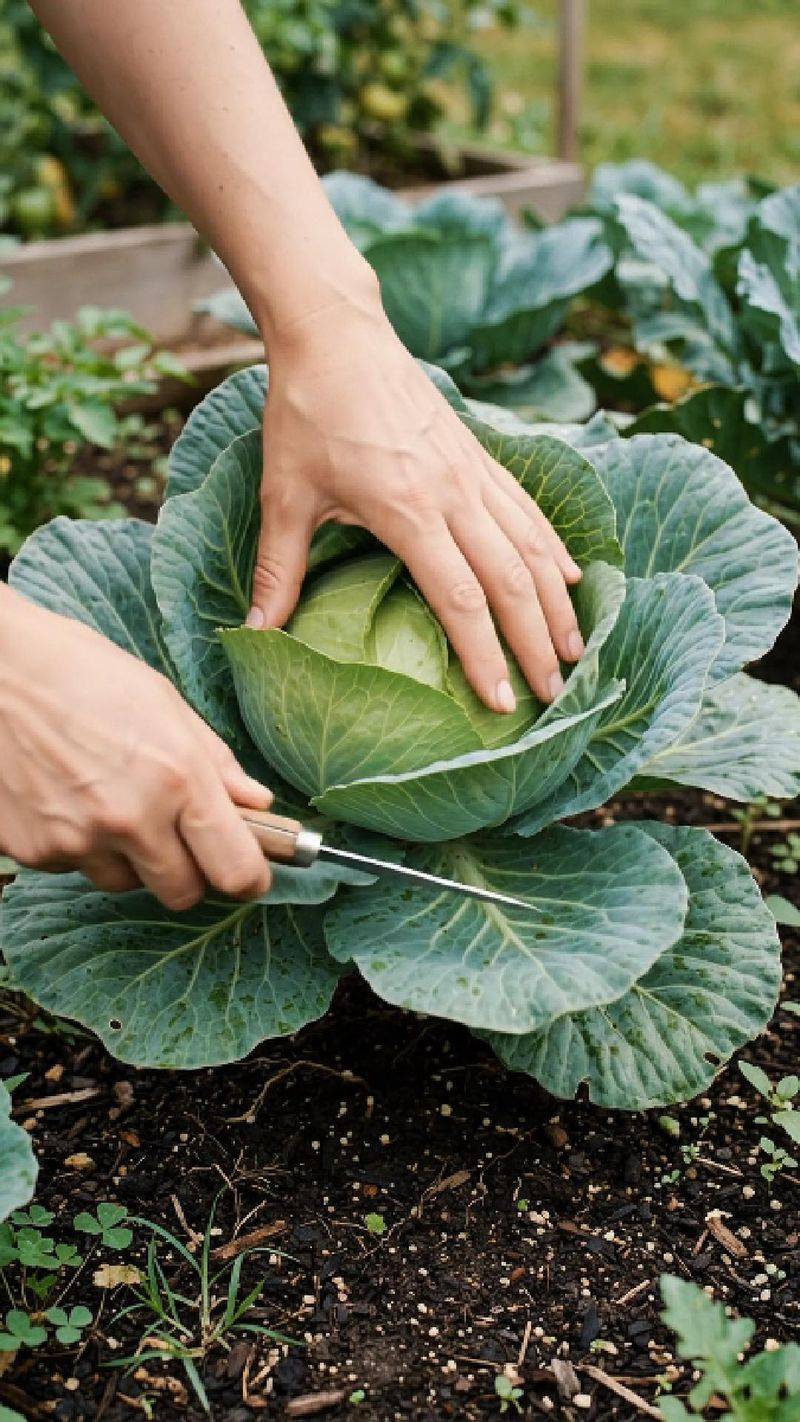
Every day a mature cabbage head stays in the ground is another day it can face a rain event or an irrigation surge. Harvesting promptly once a head reaches maturity is one of the most direct ways to reduce splitting losses, yet many gardeners leave heads in the garden hoping they will get a little larger.
That extra time rarely adds much size and often adds real risk.
Testing for maturity is straightforward. Press the head moderately with your palm; a mature head should feel solid and resist the pressure without giving.
University of Illinois Extension’s cabbage guidance describes this firmness check as a reliable harvest indicator, and UC IPM’s cultural tips for growing cabbage specifically recommend cutting once the head is firm and solid rather than waiting indefinitely.
In the Southern fall garden, cabbage maturity depends on your specific variety’s days-to-maturity, your planting date, and actual growing conditions rather than a fixed calendar date. Florida growers typically plant from late summer through mid-winter depending on region, and Texas fall windows vary by latitude.
Use actual head firmness as your primary cue, and treat regional planting calendars as background context rather than a harvest countdown. A head that passes the firmness test today should come out of the garden before the next storm arrives.
Use emergency holding tactics sparingly
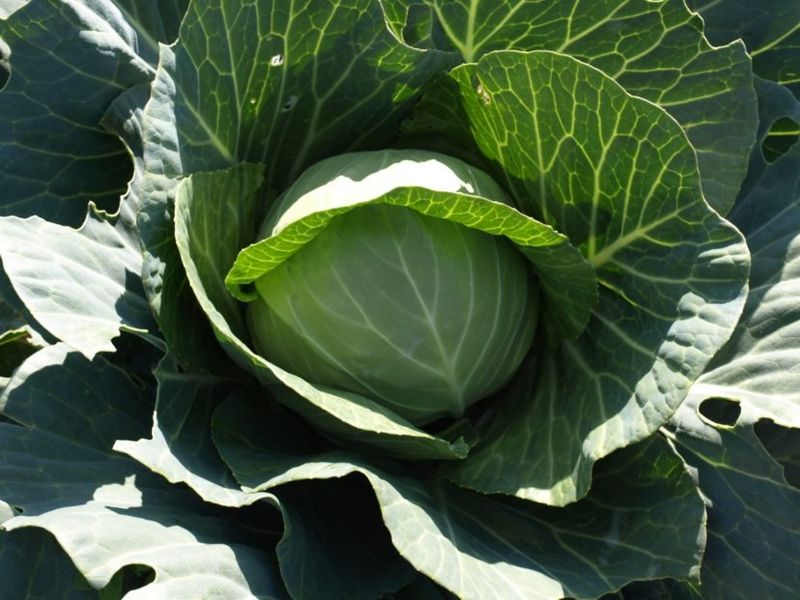
Sometimes a mature head is ready to cut, but rain is in the forecast and you cannot get into the garden for a day or two. In that situation, some extension services suggest gently twisting the entire plant to break some of the feeder roots, or using a spade to cut roots on one side of the stem.
Either method may slow the plant’s water uptake temporarily and reduce the immediate surge risk.
UF/IFAS Extension’s Baker County cabbage tips present root cutting as one option when harvest cannot happen right away. The critical point is that both twisting and root cutting injure the plant, shorten the window before the head begins to deteriorate, and do not replace prompt harvest.
Treat either method as a short-term holding tactic for a genuine emergency, not as a routine step in your growing season.
Once you have used this tactic, harvest the head as soon as you possibly can. The plant’s root system is now compromised, and leaving the head in the ground after root cutting does not buy much additional time.
If you find yourself reaching for the spade regularly, the more useful fix is adjusting your harvest timing so mature heads come out of the garden before conditions force the choice.
Inspect and use cracked heads promptly
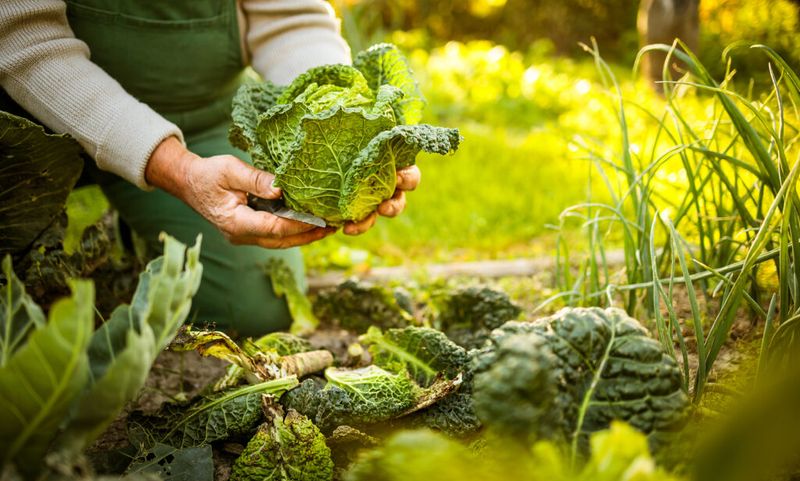
A cracked head is not automatically destined for the compost pile. What matters is how quickly you act and what you find when you look closely at the damage.
Pull the head as soon as you notice the split, because exposed inner tissue deteriorates faster than intact leaves and cracks invite bacteria and mold to move in.
Once you bring it inside, peel back the damaged outer leaves and inspect the exposed tissue carefully. Trim away any portion that shows softness, sliminess, mold, foul odor, or visible decay.
Saskatchewan Agriculture’s cabbage production guidance notes that cracked heads should be harvested promptly and inspected because the split creates an entry point for secondary infections and further deterioration.
Firm, clean, good-smelling tissue beneath the damaged area is generally fine to use right away. Shred it for coleslaw, slice it for stir-fry, or ferment it into sauerkraut within a day or two.
Do not store a split head the way you would an intact one; it will not hold in the refrigerator for weeks. A cracked head used promptly is still a useful harvest, but trimming the damage does not make it shelf-stable or suitable for long-term storage.
Reduce the next crop’s risk with a simple routine
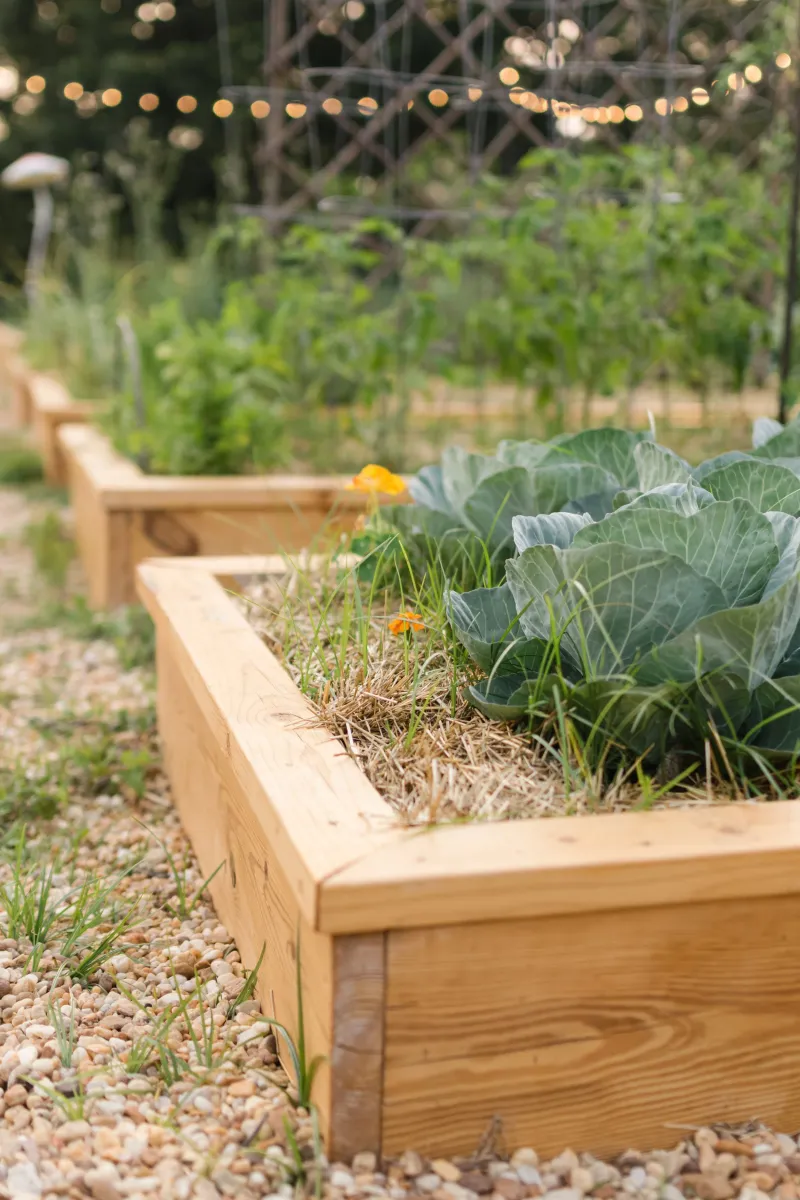
Building a low-effort habit around soil moisture can meaningfully reduce splitting losses in the next fall planting. Before each watering, check the root zone rather than watering by the calendar.
Account for any rainfall that arrived since your last check, then water deeply and evenly if the soil is dry two to three inches down. UC IPM’s cultural guidance for cabbage and Utah State University’s home garden cabbage resource both point toward deep, even moisture as the practical target.
Hold back on nitrogen fertilizer in the final weeks before heads reach full size, inspect heads for firmness regularly as they approach maturity, and cut them as soon as they pass the squeeze test. Steadier moisture reduces the risk of a damaging dry-to-wet surge, but it cannot override cultivar susceptibility, rapid growth from heat, high fertility, or an unexpected storm.
Splitting is a solvable problem in many cases, but not a fully preventable one. Managing moisture well gives your cabbage its best chance, and knowing when to harvest is what closes the gap.