
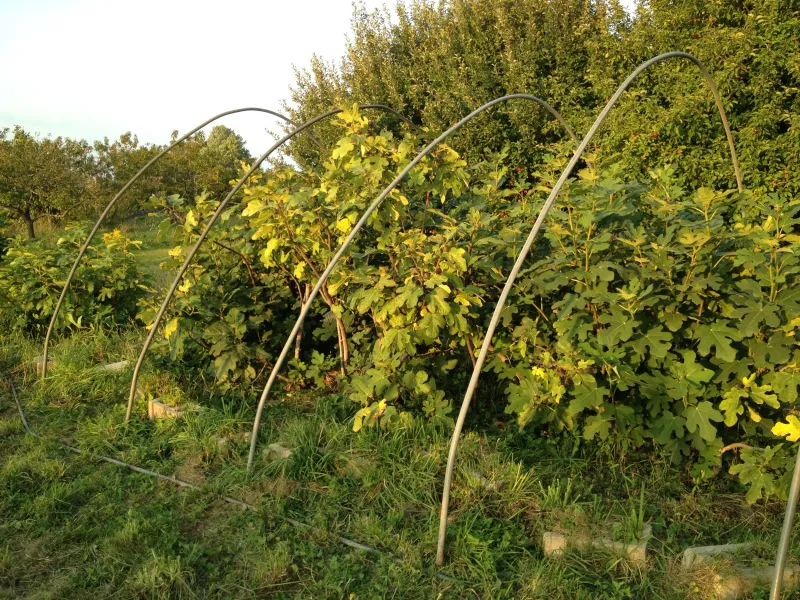
Staring at a tree full of hard green figs as the calendar flips toward fall is one of the most frustrating moments in a Southern garden. The good news is that some of those figs may still ripen, but whether yours will depends on how developed the fruit already is, what cultivar you’re growing, and how much warm weather remains.
There is no single trick that turns every green fig ripe on command. What you can do is stop adding stress and protect the conditions that give already-developing fruit its best remaining chance.
Check the Fruit Before You Count the Season Out
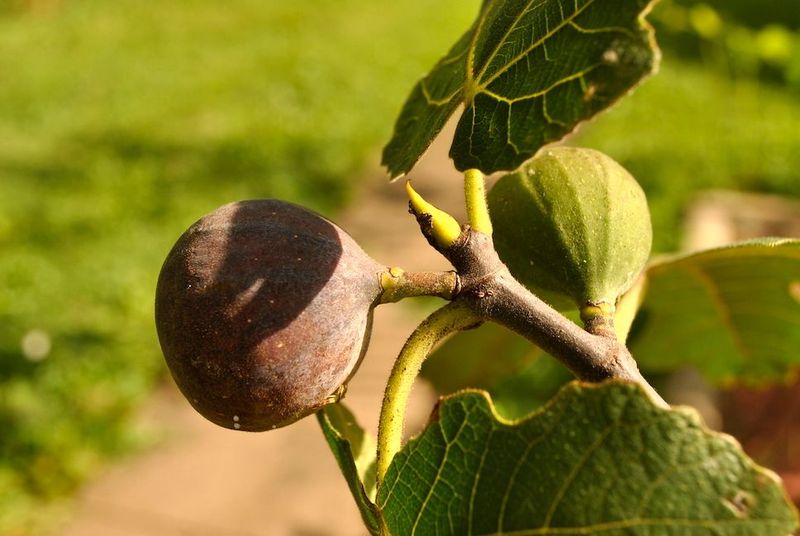
Before writing off the crop, spend five minutes actually looking at what is hanging on the tree. A fig that is already swelling, shifting toward its cultivar’s mature color, softening to the touch, or drooping and bending at the stem still has a reasonable shot at finishing if warm weather holds.
You may also notice the ostiole, the small eye at the base of the fruit, beginning to open or relax, which is another sign that ripening is underway.
Contrast that with the small, hard, bright-green fruitlets that may have set late in the season. Penn State Extension’s fig guide notes that figs commonly need roughly 90 days from fruitlet formation to full ripeness, so a fruit that formed only recently may simply not have enough season left, regardless of what you do.
The two types, a large developing fig and a tiny late-set one, face completely different odds.
Drought, disease-related leaf loss, and naturally late-maturing cultivars can each reduce the chance that borderline fruit finishes on schedule. UF/IFAS guidance on Florida fig production confirms that continued warmth is a key variable, and that cultivar timing affects whether a fall crop has any realistic window at all.
Leave borderline fruit on the tree while conditions remain favorable, but recognize that not every borderline fig will make it.
Preserve Existing Growth Instead of Pushing More
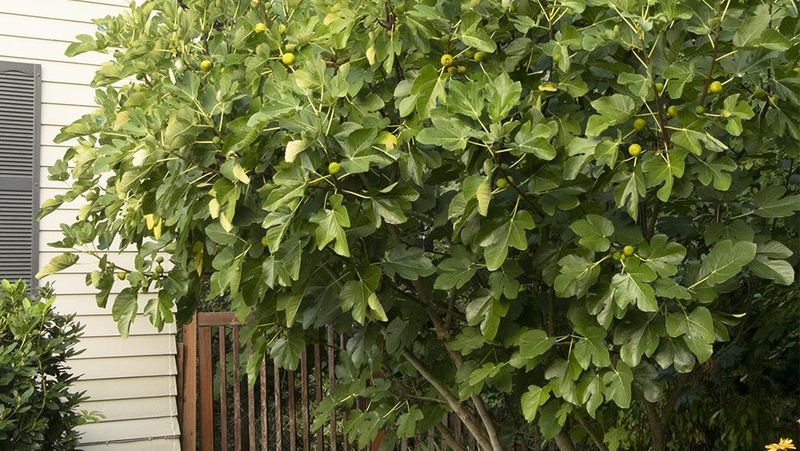
The temptation when a crop stalls is to do something dramatic, fertilize heavily, cut back branches, or strip leaves to let sunlight reach the fruit. All three of those moves are likely to make the situation worse rather than better.
The goal right now is to avoid adding new stress and to stop any practices that stimulate a flush of tender vegetative growth before cold weather arrives.
Late nitrogen is a particular problem. UGA Cooperative Extension’s home garden fig publication specifically warns against fertilizer and irrigation practices that push soft new growth before cold weather, because that growth is vulnerable and its production comes at the expense of fruit maturity.
If your tree already looks lush and vigorous, withhold fertilizer entirely and let it redirect energy toward the fruit already hanging on it.
Heavy pruning carries its own risk. UF/IFAS notes that late-maturing cultivars can take a significant yield hit after pruning, and cutting now can also remove the older wood that will carry next year’s early breba crop.
As for leaf removal, UC IPM points out that a healthy fig canopy protects bark and supports the whole tree. Pull only leaves that are dead, diseased, or damaged, not healthy foliage you are removing as a shortcut.
These steps protect the tree’s existing ripening effort; they do not conjure ripeness from immature fruit.
Stabilize Moisture Without Overwatering
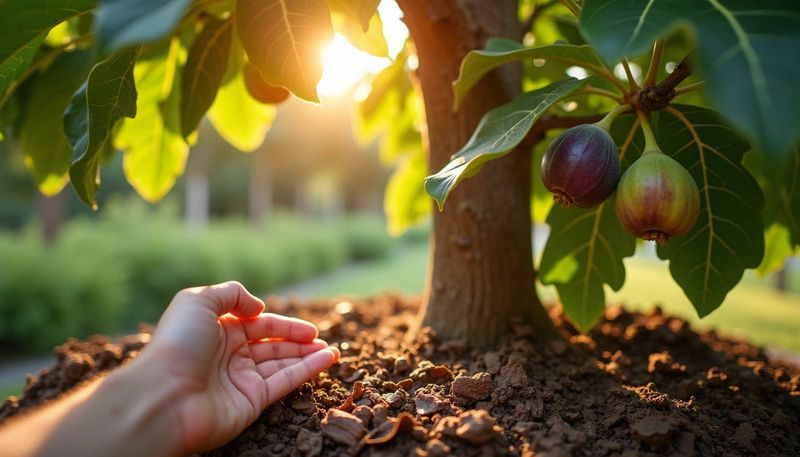
Check the soil before you reach for the hose. Drought stress is a real threat to a developing fig crop, capable of triggering leaf drop, immature fruit drop, poor fruit quality, and outright failure to ripen.
But the correction is consistent moisture, not daily flooding, and overwatering creates its own root problems that can undermine the tree just as badly.
UGA Extension recommends approximately 1 to 1.5 inches of water per week from rainfall or irrigation as a general guideline, and Mississippi State Extension similarly notes about 1 inch weekly as generally adequate during the growing season. Neither source is prescribing a rigid daily schedule.
What matters is that the root zone stays evenly moist rather than cycling between bone-dry and waterlogged.
Water deeply enough to wet the root zone, then let the soil partially dry before watering again. Adjust for your local soil type, drainage, recent rainfall, and how hot and dry conditions have been.
A tree that looks drought-stressed, with wilting leaves, dropping fruit, or very dry soil, may genuinely need supplemental water. A tree that already looks lush and is pushing new growth does not need more fertilizer or irrigation encouragement.
Stable moisture supports the figs already developing on the tree; it cannot force late-formed fruit to mature on a timeline the season will not allow.
Use Frost Protection Only When It Can Buy Time
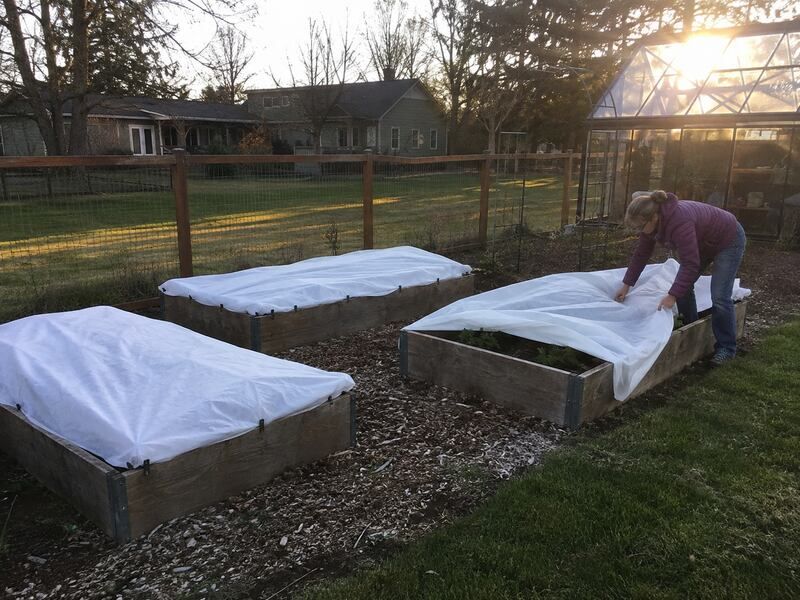
A frost cover can buy a small tree or a reachable portion of a larger one a few extra nights of warmth, and that margin sometimes matters when fruit is close to ripe. The key word is sometimes.
Covers work best on a manageable tree where you can get breathable fabric all the way to the ground, sealed against wind, before sunset on the evening of a forecast frost. Waiting until the temperature has already dropped is less effective.
UGA Extension describes floating row covers as providing roughly 2 to 4 degrees Fahrenheit of protection, and that figure is a general estimate for the cover material itself, not a guaranteed temperature increase for a fig tree, its canopy, or the fruit inside. How much protection you actually get depends on the material weight, how well you seal the edges to the ground, wind speed, how long the cold lasts, and the size of the canopy you are trying to protect.
Texas A&M AgriLife Extension explains that freeze damage depends on temperature, duration, plant condition, age, and cold acclimation, not on the cover alone. A large, established fig tree may be impossible to cover effectively, and even a well-covered smaller tree will not survive a hard or prolonged freeze with fruit intact.
Remove or ventilate the cover once temperatures rise the following morning to prevent overheating.
Think of frost protection as a way to preserve a light-frost situation, not as a solution to a serious freeze.
Harvest by Maturity Signs, Not by Panic
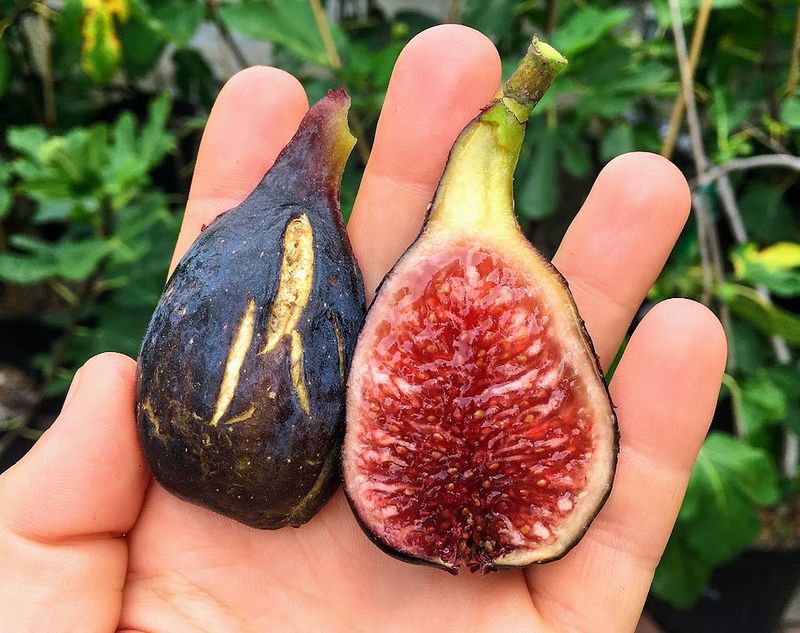
Watching the forecast tick downward can push gardeners into picking fruit before it is ready, which often means sacrificing the harvest rather than saving it. While warmth continues, the better approach is to leave borderline figs on the tree and check them every day or two for the signs that actually indicate readiness.
A ripe fig, or one close enough to finish, will show its cultivar’s mature color, feel noticeably soft when pressed gently, bend or droop at the stem rather than holding itself upright, and may begin to open or relax at the ostiole. Clemson Extension states directly that green figs will not ripen after picking, which makes the common impulse to harvest everything before a frost counterproductive for fruit that has not yet developed.
Tree-ripened figs deliver the flavor and texture the fruit is known for; a fig pulled green does not become that fruit sitting on a countertop.
Penn State Extension confirms that figs are best eaten tree-ripe, and UC ANR guidance supports the same conclusion. A fully mature or nearly mature fig may soften a bit more after harvest, but a tiny, hard green fruit is not equivalent to ripe fruit regardless of how long it sits indoors.
Fully green figs that will not ripen on the tree can be discarded or used experimentally in cooked preparations, but that is a different outcome from a ripe harvest and should not be presented as a substitute.
Cultivar and Crop Type Set the Remaining Odds
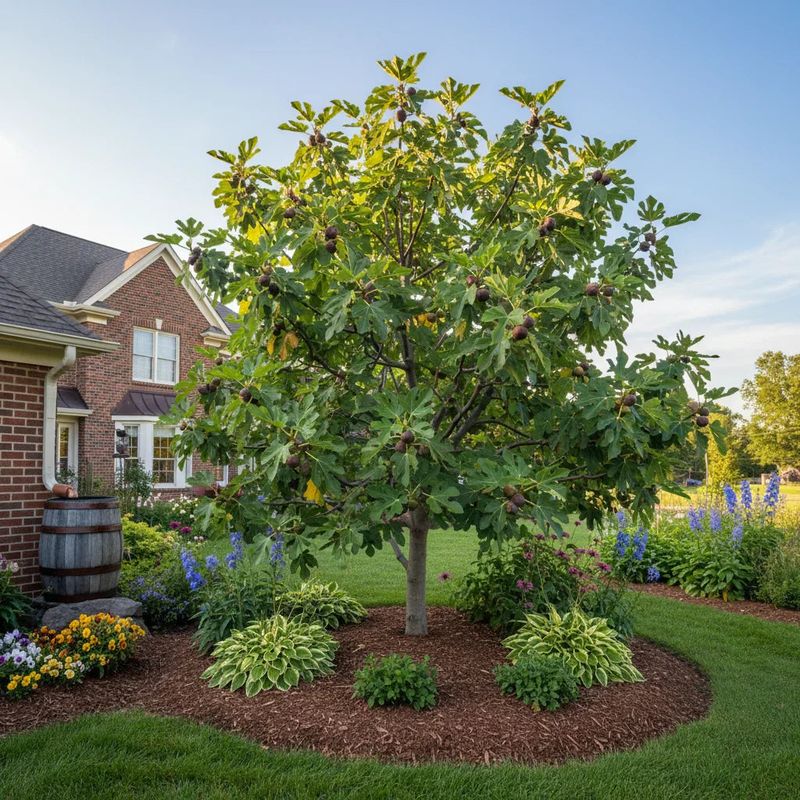
Two neighbors can stand in their backyards on the same October afternoon, both looking at unripe figs, and face completely different situations based on what they are growing. Cultivar matters more than most gardeners realize when estimating whether a fall crop has a realistic window.
UF/IFAS lists several Southeastern cultivars with summer harvests extending well into fall, noting that LSU Purple, for example, may continue ripening fruit into the fall season in Florida’s warm conditions. Brown Turkey and Celeste are widely grown across the Southeast and are relatively cold-hardy, while other cultivars may ripen later or perform poorly in a particular location.
Buying a fig under an informal or regional name does not guarantee it behaves like the cultivar printed on the tag.
Crop type adds another layer. Some cultivars produce an early breba crop on older wood and a later main crop on current-season growth.
Penn State Extension explains that severe winter dieback or heavy pruning can eliminate breba-bearing wood, delaying or eliminating the early crop and putting all the pressure on the main crop. Local heat accumulation across the whole growing season also shapes whether a late-season fig has any realistic chance of finishing.
Florida gardeners may find that extended warmth gives some cultivars more time than the calendar suggests. Texas A&M AgriLife Extension notes that parts of Texas experience damaging freezes capable of killing fig wood and ending the crop abruptly, making the window shorter and less predictable in many Texas locations.
Neither state has one universal frost deadline, and local conditions in any given year can shift the outcome significantly in either direction.
After a Hard Freeze, Clean Up and Protect Next Season
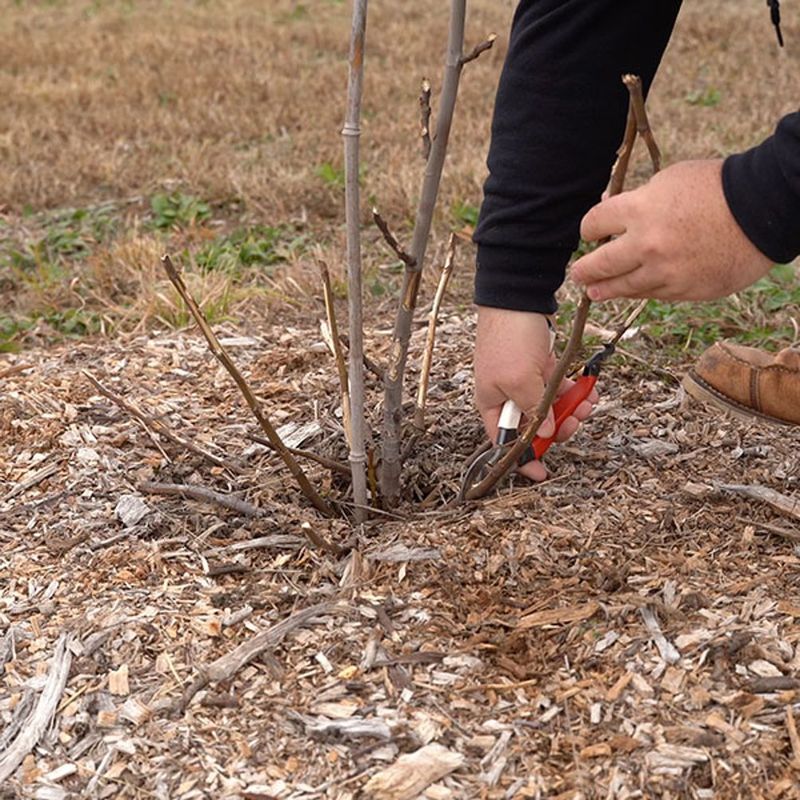
When a hard freeze moves through and the rescue attempt is over, the priority shifts from ripening to recovery. Damaged fruit will not recover once it has been frozen solid, and leaving it on the tree or on the ground invites disease and pest problems heading into winter.
Remove remaining unripe or freeze-damaged figs along with any dead or damaged leaves as part of a straightforward cleanup.
Penn State Extension’s winterizing guide and Virginia Cooperative Extension both direct gardeners toward winter preparation rather than continued rescue after a damaging freeze. That means removing debris, protecting the root zone with mulch where appropriate, and allowing the tree to move into dormancy without additional stress.
If the tree lost leaves before the freeze due to fig rust or another disease, keep that problem separate in your diagnosis. Watering the tree more or covering it after the fact does nothing to address an underlying fungal issue.
UF/IFAS notes that disease-related defoliation reduces cold tolerance on its own, making an already difficult situation worse. A failed fall crop does not mean the tree is beyond saving or that all fall figs were doomed from the start.
Late fruit formation, a naturally late cultivar, drought earlier in the season, disease, or an unusually early freeze can each explain a disappointing outcome.
The tree that gets a clean, well-mulched winter rest is the one most likely to give you a better chance next year.