
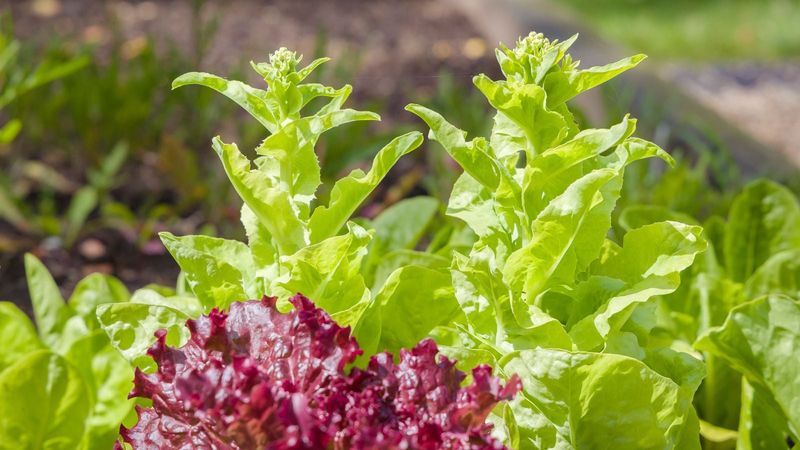
Fall lettuce is supposed to be one of the easier wins in a Southern garden, but many gardeners pull back the mulch in September or October to find a tall, bitter plant instead of a full, leafy head. The culprit is often early-fall heat that lingers well past what the calendar suggests.
Understanding exactly what heat does to lettuce, and when it does it, can help you save what is left of the current planting and set up a much better one next time.
Recognize the signs of true bolting
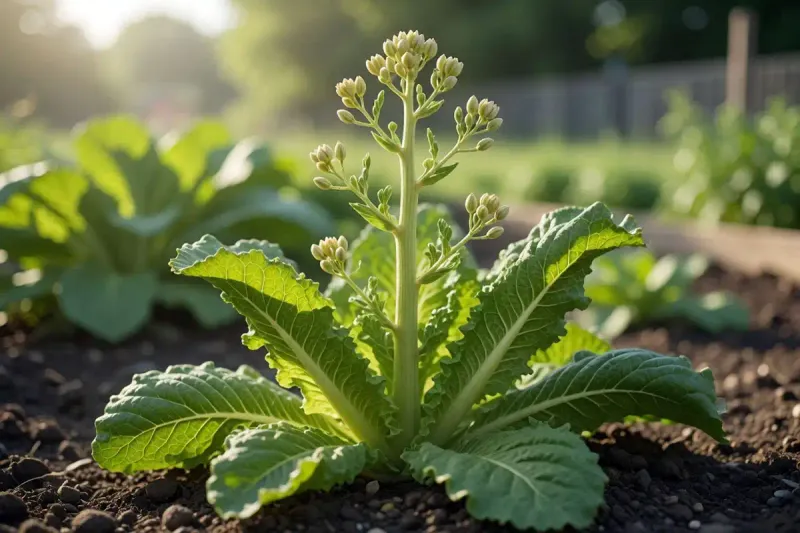
Bolting is the moment lettuce stops putting energy into making leaves and starts pushing toward flowers and seeds. The clearest sign is a central stem that seems to stretch upward noticeably fast, sometimes gaining several inches in just a few days.
Flower buds may appear at the tip of that stem, leaf production slows or stops, and the leaves that remain often feel tougher and taste noticeably more bitter or sharp.
According to USU Extension’s guide on lettuce physiological problems, bolting shifts the plant from vegetative growth to reproductive development, and the resulting leaves are commonly less marketable because of changes in texture and flavor. That shift is what makes bolted lettuce frustrating rather than dangerous.
A bitter leaf is a quality problem, not a safety hazard.
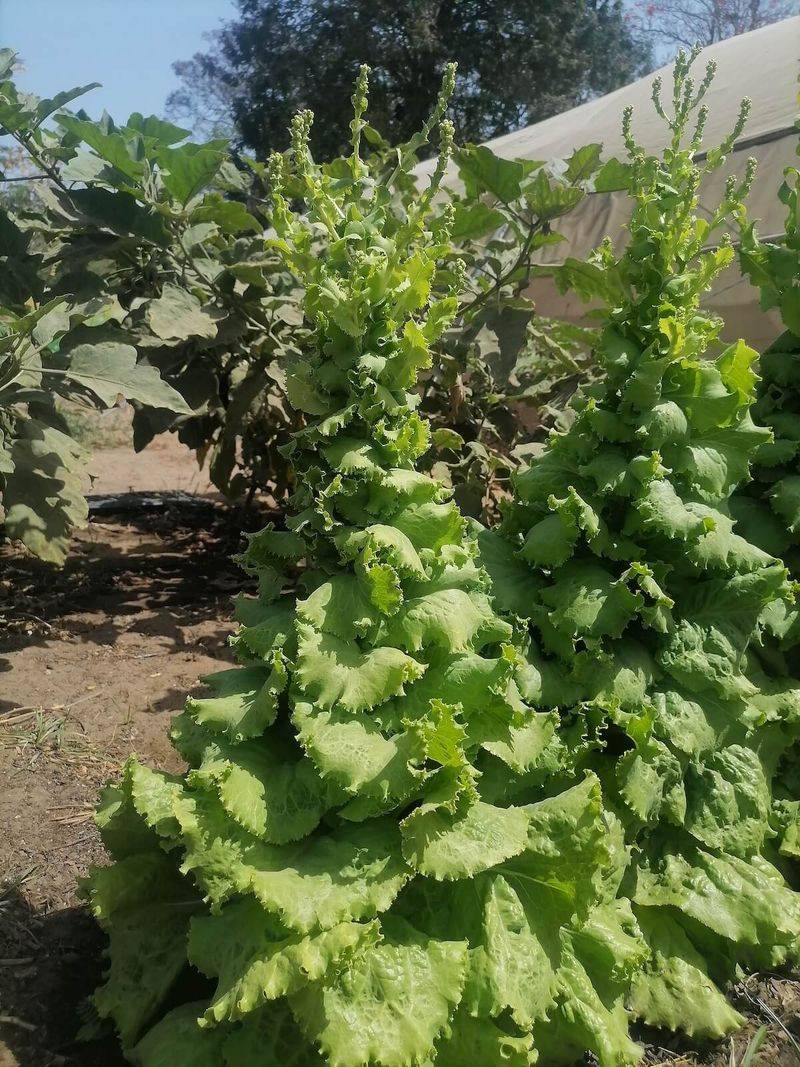
One important distinction worth making: a tall plant is not automatically a bolting plant. Romaine and some other upright lettuce types naturally grow vertically, and height alone is not a reliable diagnosis.
Look for the combination of rapid central-stem elongation, reduced new leaf formation, and the appearance of flower buds. If the plant is simply growing upright but still producing new leaves with normal flavor, it may not have begun bolting at all.
Bitterness by itself is also not a guaranteed sign of bolting. Heat stress, inconsistent watering, and plant age can all make leaves taste sharper without triggering full reproductive development.
Use the symptom cluster, rapid stem growth plus flower buds plus flavor change, to make a confident call.
Separate a hot seedbed from a bolting plant
Many Southern gardeners plant fall lettuce in late summer, notice the seeds never come up or the seedlings look sparse, and then assume the warm soil caused their mature plants to bolt later. Those are actually two separate problems, and mixing them up can lead to the wrong fix.
Soil temperature matters most at the germination stage. USU Extension’s planting and spacing guidance notes that lettuce seed germinates best in a range of roughly 55 to 70 degrees Fahrenheit, and that soil temperatures approaching 80 degrees can cause seeds to remain dormant or fail to emerge at all.
If your fall direct-sown seeds simply never sprouted, a hot seedbed is the most likely explanation.
Once lettuce has established roots and several true leaves, the soil temperature story changes. At that stage, the plant responds more directly to hot air temperatures, stressful growing conditions, day length, and water availability than to the temperature of the soil beneath it.
Warm soil may make the root zone less comfortable, but it does not, by itself, flip a mature plant into reproductive mode.
Think of it in two stages. Stage one is germination, where a hot seedbed can quietly erase an entire planting before you even see a sprout.
Stage two is establishment, where a combination of heat, long days, drought, age, and cultivar sensitivity can push the plant toward bolting. Diagnosing which stage went wrong helps you choose the right correction rather than blaming one factor for both failures.
Understand the stresses that accelerate bolting
Heat gets most of the blame when fall lettuce bolts early, and heat is genuinely a major driver. But it rarely acts alone.
USU Extension’s physiological problems resource identifies sustained heat as a key accelerant of the reproductive transition in lettuce, and day length plays a parallel role. Longer days can prime the plant to bolt, and heat can speed up that process once it has begun.
The two stresses together move things along faster than either one would on its own.
Water stress adds another layer. Inconsistent watering, letting the root zone dry out and then soaking it, signals that conditions are unstable and can push the plant to rush toward seed production.
Drought does not cause bolting in the same way that heat does, but it compounds the problem and can worsen bitterness even before a flower stalk appears.
Plant age and cultivar susceptibility round out the picture. An older plant that has been in the ground for several weeks is closer to its natural reproductive window than a young transplant, so the same heat event may trigger bolting in a mature plant while a younger one holds on longer.
Some cultivars are bred to resist that shift, while others are genetically tuned to flower quickly.
Early fall in Florida and Texas illustrates why this matters. Fall planting guidance from Iowa State Extension reinforces what Southern gardeners know firsthand: the calendar may read September, but actual daytime temperatures and day-length conditions can still resemble summer for weeks.
Watering more carefully during that window can reduce drought stress, but it cannot override sustained heat or long days pushing an established plant toward reproduction.
Treat bitterness as a quality clue, not a diagnosis
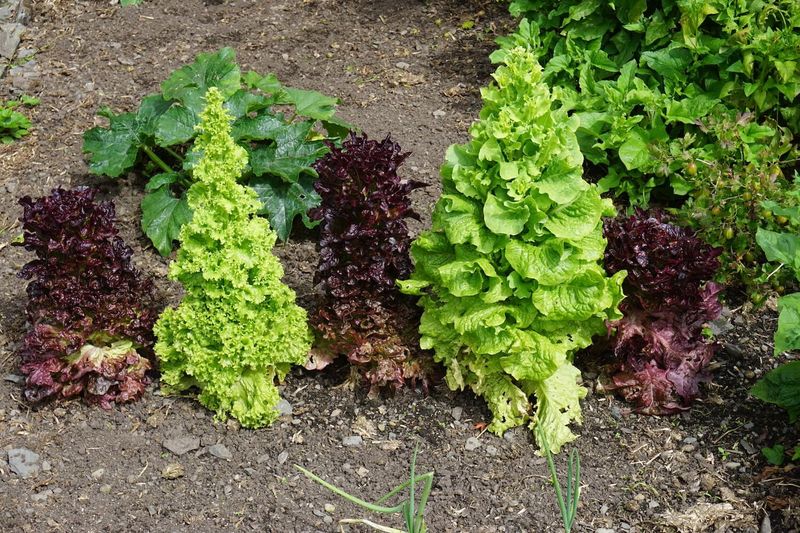
Bitter lettuce leaves are easy to blame entirely on bolting, but bitterness is a symptom with more than one possible cause. Heat stress can make leaves taste sharper even in plants that have not yet formed a flower stalk.
Inconsistent watering can concentrate the bitter compounds in leaves. Age alone can do it.
Bolting tends to intensify bitterness significantly, but the flavor alone does not confirm that the plant has shifted into reproductive mode.
UMN Extension’s guidance on cool-season crop problems notes that heat, drought, and plant stress are all associated with bitterness in lettuce, and that bitter taste in lettuce and endive can reflect several different physiological causes rather than a single trigger. If your leaves are bitter but the plant is not showing a rapidly elongating central stem or developing flower buds, consider checking soil moisture consistency first, then look at whether the plant may be showing signs of disease, nutrient imbalance, or root stress.
Bolted lettuce is not unsafe to eat. The quality drops, texture toughens, and flavor sharpens, but those are culinary problems, not food-safety hazards caused by bolting itself.
Assess harvested leaves the same way you would any other produce: if they look and smell normal, the bitterness is a flavor issue rather than a spoilage concern.
The symptom combination that most strongly points to heat-related bolting is a rapidly lengthening central stem, slowing leaf production, visible flower buds, and a noticeable worsening of texture and flavor together. Any one of those signs alone calls for more investigation before you write off the planting.
Salvage usable leaves without promising a reset
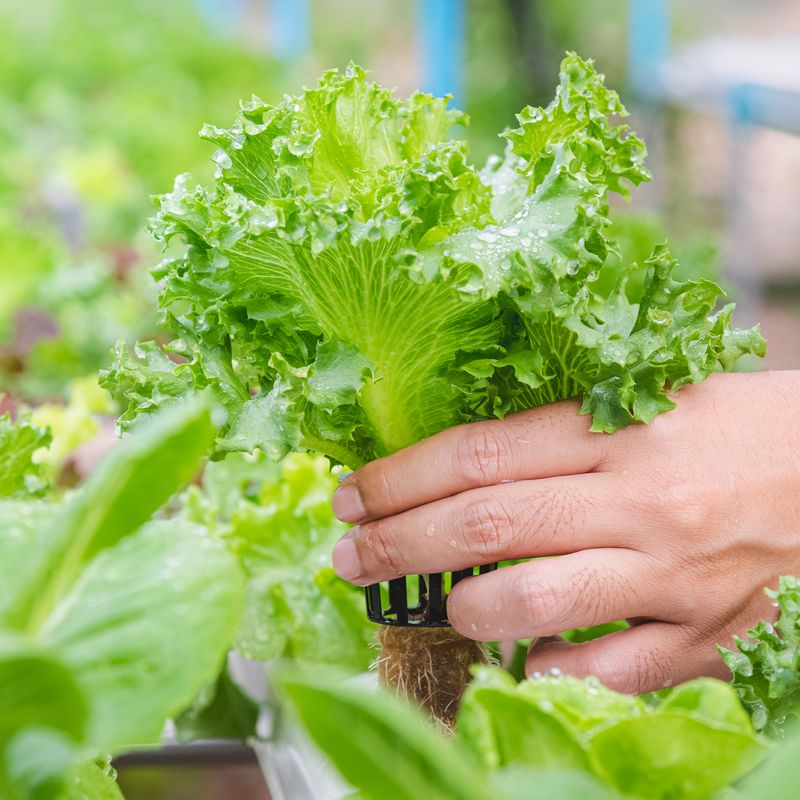
When bolting is just beginning, there is still time to get usable leaves from the plant. Start by harvesting outer leaves or baby leaves now, before quality drops further.
Leaf lettuce tolerates this kind of selective harvest well, and cutting outer leaves while leaving the center intact can extend the window for a few more pickings. University of Maryland Extension’s lettuce guide recommends harvesting at baby-leaf size or by removing outer leaves, and notes that succession planting every couple of weeks helps prevent one failed planting from wiping out the entire harvest.
Keeping the root zone evenly moist is one of the most practical things you can do right now. Lettuce has shallow roots that dry out quickly in raised beds and containers.
Oregon State Extension’s lettuce and greens guide recommends mulching around plants to conserve moisture and moderate soil temperature. Aim for consistent moisture rather than saturated soil.
Waterlogged conditions create root problems that compound the stress the plant is already under.
Afternoon shade can also help delay heat stress. A 30 to 50 percent shade cloth or placement near a taller crop that blocks late-day sun reduces the heat load on leaves during the hottest hours.
Be realistic about what shade accomplishes, though. University of Delaware trials found that variety had a major effect on bitterness, and that shade cloth did not consistently reduce bitterness under the hottest test conditions.
Shade is a support tool, not a cure.
If a flower stalk has just started to form, UF/IFAS guidance on bolting suggests that removing newly appearing flowers may extend usable harvest briefly. That is a short-term measure, not a reset.
Once the plant is strongly elongated and leaf quality has clearly declined, University of Delaware crop update research supports moving on to a replacement planting as the more dependable path forward.
Time the next planting by local conditions
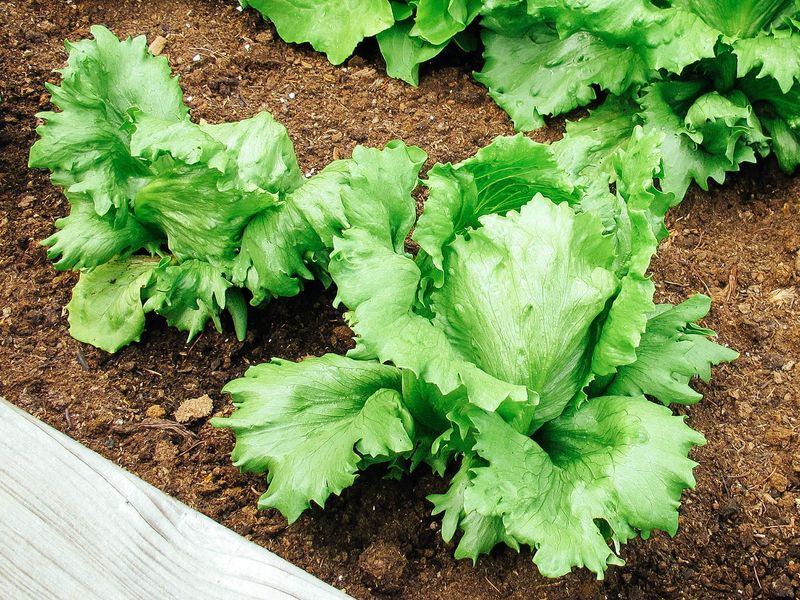
The single biggest improvement most Southern gardeners can make is treating fall lettuce as a temperature-timed crop rather than a calendar crop. Planting on September 1 because it feels like fall does not mean the soil or air is ready.
In Florida, UF/IFAS leafy vegetable production guidance shows that fall-to-winter planting windows vary by region within the state, running roughly September through February in central Florida and into March for some southern Florida types, with narrower windows in north Florida. County-specific guidance exists for a reason: local heat and frost patterns differ enough that one statewide date does not serve every gardener.
UF/IFAS Gardening Solutions lists a preferred temperature range of roughly 50 to 75 degrees Fahrenheit for lettuce and recommends afternoon shade or shade cloth when temperatures rise above 85 degrees. Use that range as a practical signal: wait until daytime highs are reliably in that window before direct-seeding or setting transplants into the garden.
For Texas gardeners, Texas A&M AgriLife Extension’s fall vegetable gardening guide classifies lettuce as frost-tolerant and emphasizes regional planting dates rather than a single statewide schedule. The practical takeaway is the same: use your local region’s fall planting window, not the national average.
When direct sowing is unreliable because soil is still too warm, start transplants in a cooler, shaded location and move them to the garden once conditions moderate. Choosing cultivars described as slow-bolting or heat-tolerant gives the planting a better starting position.
Florida recommendations include leaf types such as Black-seeded Simpson, Red Sails, New Red Fire, and Salad Bowl; Texas guidance lists several leaf, romaine, and butterhead options. Treat these as regional starting points, since local performance can vary, and check with your county Extension office for the most current variety recommendations.
Choose a more reliable next step
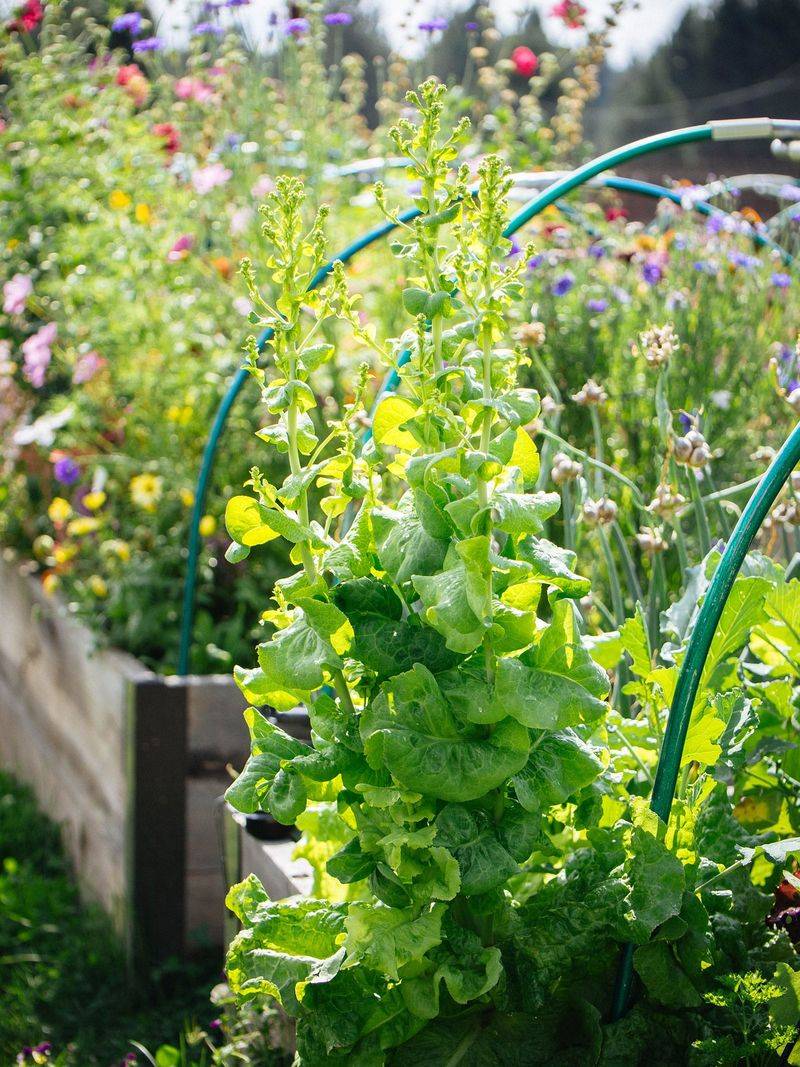
When a lettuce plant is strongly elongated, producing flower buds, and the leaves have turned noticeably bitter and tough, the most reliable response is usually to harvest whatever usable leaves remain and start a cooler, better-timed replacement planting. That is not a failure to fix the problem; it is the practical decision that gives you the best chance of actually eating lettuce this season.
Judge the current plant by its reproductive symptoms, not its height. UF/IFAS bolting guidance confirms that removing flowers may buy a short harvest extension when bolting is just beginning, but a plant that has already committed to reproduction is unlikely to return to productive leaf growth.
Replacement is generally more dependable at that stage.
For the next planting, the practical sequence comes down to a few consistent steps. Follow local temperature-based planting guidance for your region of Florida or Texas.
Choose a cultivar with a slow-bolting or heat-tolerant label, keeping in mind that UF/IFAS lettuce guidance and USU Extension’s physiological problems resource both point to cultivar selection as one of the stronger variables in bolting resistance. Maintain even moisture, use strategic afternoon shade when temperatures climb, and replace plants whose quality has clearly declined rather than waiting for a recovery that rarely comes.
The gardeners who get a good fall lettuce harvest are usually the ones who planted at the right time for their specific location, not the ones who planted earliest.