
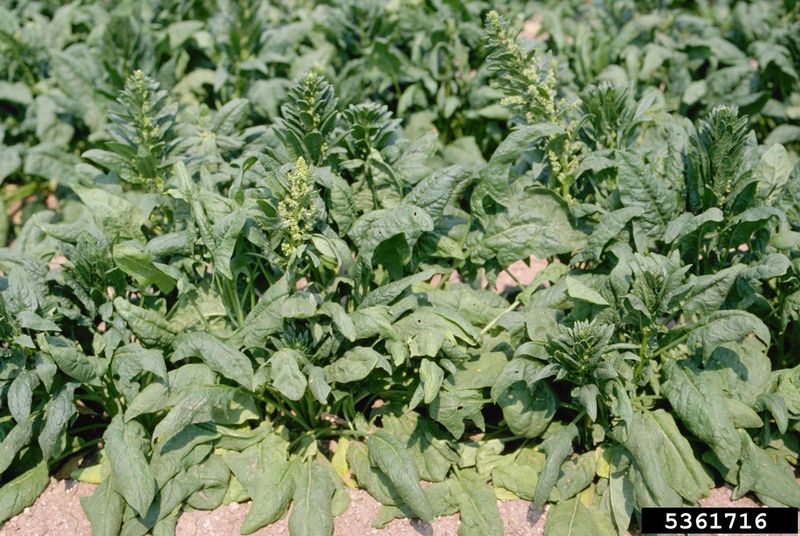
Planting fall spinach in the South can feel like a race you keep losing before the first harvest. Seeds sit in warm soil and either sprout slowly or skip straight to a flowering stalk before the leaves are worth cutting.
These two problems look related, but they have different causes and need different fixes. Understanding which one you are dealing with is the first step toward a crop that actually makes it to the salad bowl.
Separate Hot-Soil Emergence From Premature Bolting
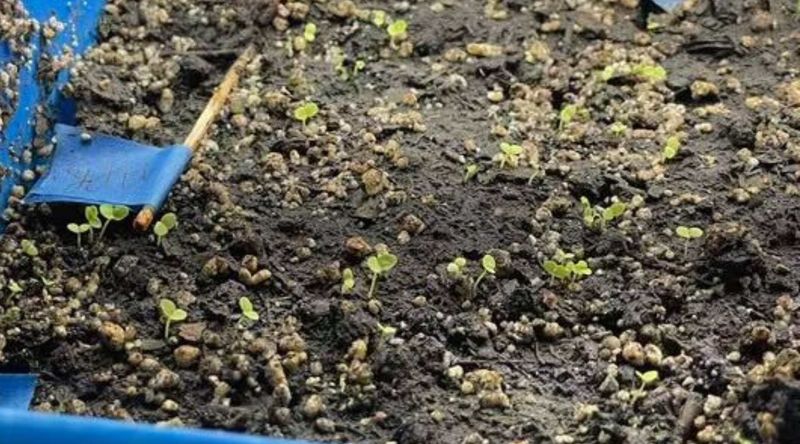
Gardeners in Florida, Georgia, and Texas often describe the same frustrating season: they sow spinach in late summer, wait for a flush of seedlings, and end up with either a thin, uneven stand or a handful of plants that sprint toward flowering before a single leaf is big enough to pick. Both outcomes are real problems, but they do not share the same cause, and fixing one will not automatically fix the other.
Hot soil is a germination and establishment problem. When the seedbed holds onto summer warmth, spinach seeds can struggle to sprout at all.
Alabama Cooperative Extension germination data places spinach’s viable range at roughly 45 to 75 degrees F, with soil at or above about 85 degrees F likely to produce poor results. Slow, patchy emergence or seedlings that wilt quickly after sprouting are the clearest signs that soil heat is the culprit.
An established plant that throws up a seed stalk is a separate diagnosis. UC IPM identifies long daylight periods as a major bolting trigger in spinach, and heat, water stress, plant age, and cultivar genetics all contribute as well.
Warm soil may add stress to seedlings, but it does not by itself explain why a plant that survived establishment suddenly decides to flower. Deciding which problem you have – failed establishment or premature bolting – is the most useful first step.
Measure the Seed-Zone Temperature Before You Sow
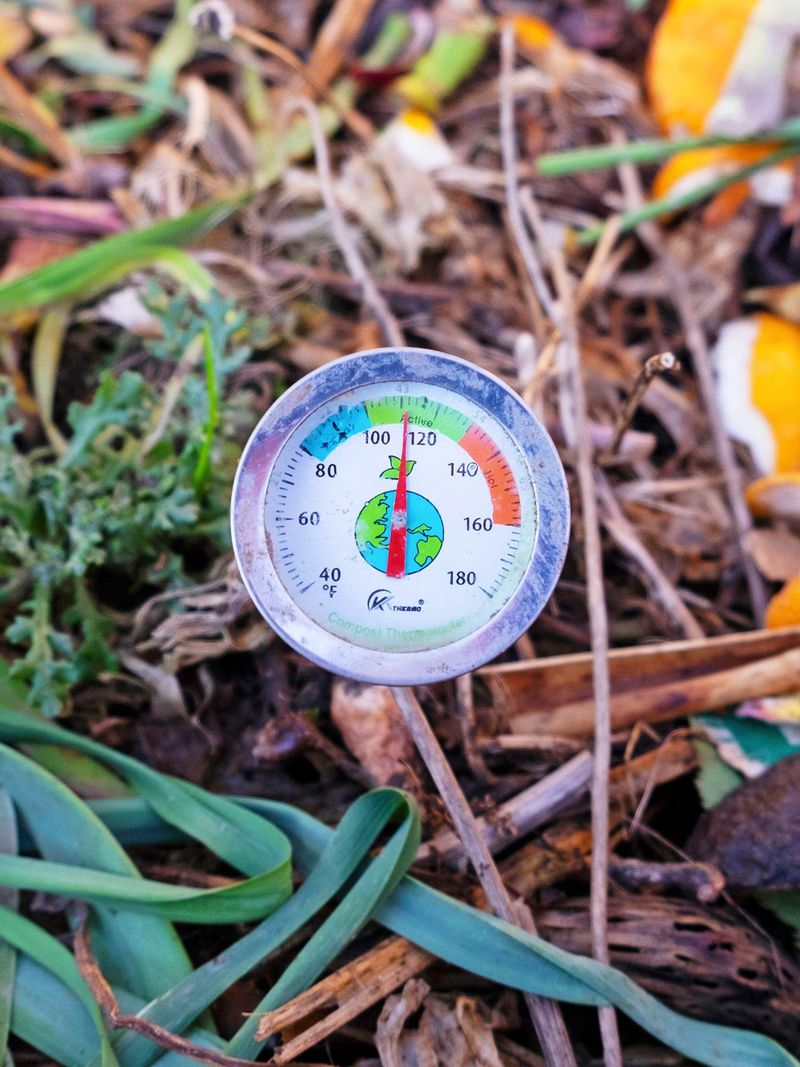
Air temperature and the date on the calendar are poor guides for spinach sowing in the South. A cool morning breeze can make conditions feel ready while the top few inches of soil are still holding heat from weeks of summer sun.
The only reading that actually matters for germination is the temperature where the seed will sit.
Push a soil thermometer to the depth where you plan to place the seed, usually about half an inch to one inch down, and take the reading in the morning after the soil has had a chance to reflect overnight conditions rather than peak afternoon heat. Alabama Extension’s germination table lists spinach’s workable range as approximately 45 to 75 degrees F, with an optimum near 65 to 70 degrees F and an upper limit around 85 degrees F where emergence may become unreliable.
UGA research on spinach production similarly points to 65 to 70 degrees F as a practical germination target for the region.
Treat these figures as a useful guide rather than a hard biological cutoff. Soil composition, drainage, organic matter content, and shading all affect how quickly a bed cools after summer, so two gardens a mile apart can read differently on the same morning.
What the thermometer tells you is whether conditions are reasonable enough to give your seeds a fair chance – not whether every seed will sprout or whether the eventual plants will stay vegetative long enough for a full harvest. Sowing into a bed reading above 85 degrees F is a gamble that rarely pays off in the South.
Understand Why Established Spinach Bolts
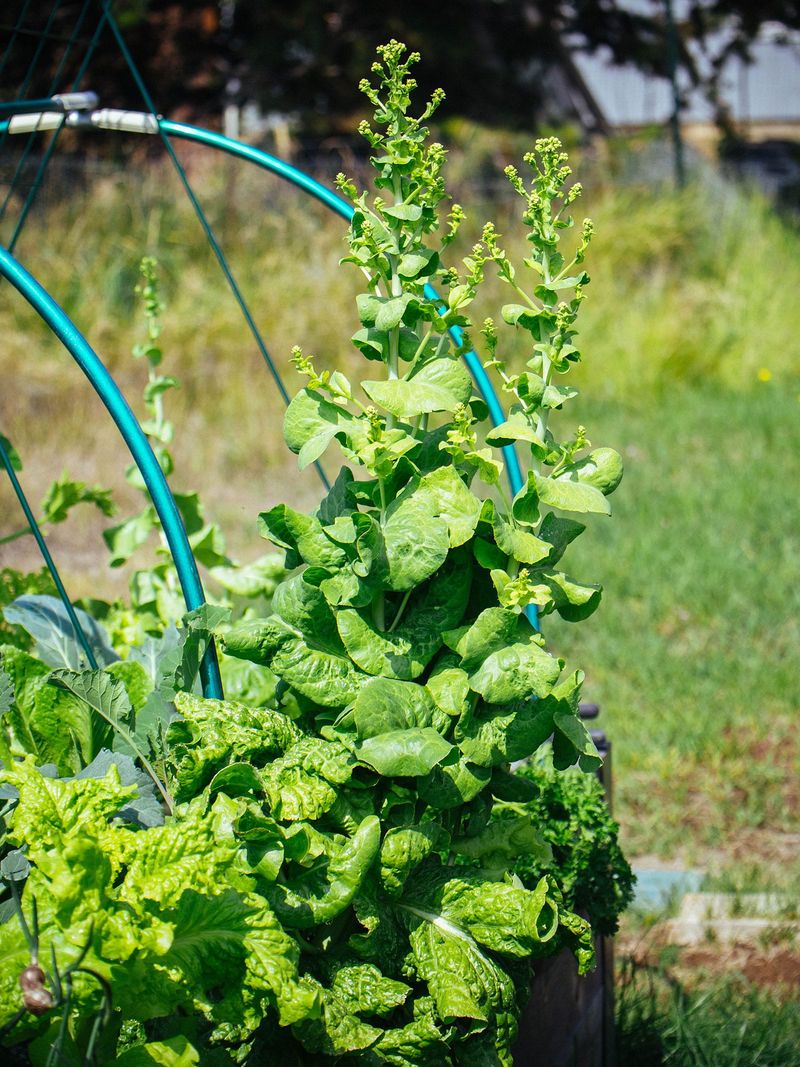
Spinach is classified as a long-day plant, meaning it reads the lengthening days of late spring and early summer as a signal to stop producing leaves and start producing seeds. UC IPM confirms that long daylight periods are a primary driver of spinach bolting, and peer-reviewed research supports photoperiod as a central pathway.
A 2022 study mapping bolting-related genetic traits in spinach identified multiple loci tied to flowering time, confirming that cultivar genetics interact with environmental signals to determine when a plant bolts.
Heat, water stress, and plant development history layer on top of the day-length trigger. A spinach plant that went through a hot, dry week as a seedling may be more likely to bolt early than one that established under cooler, evenly moist conditions.
Research on photoperiod manipulation during transplant production, published in a peer-reviewed spinach study, showed that light exposure during early growth stages can shift bolting timing, reinforcing the idea that what happens to a plant early in its life influences its later behavior.
Fall sowing generally reduces long-day pressure compared with spring or early summer because days are shortening rather than lengthening. However, an early fall planting in Georgia, Texas, or north Florida can still face long days and high air temperatures through September, which means the photoperiod advantage is smaller than gardeners often assume.
Cooling the soil improves germination and reduces seedling stress, but it cannot remove the day-length signal or override the genetics that determine when a given variety decides to flower.
Match Sowing to Your Southern Growing Window
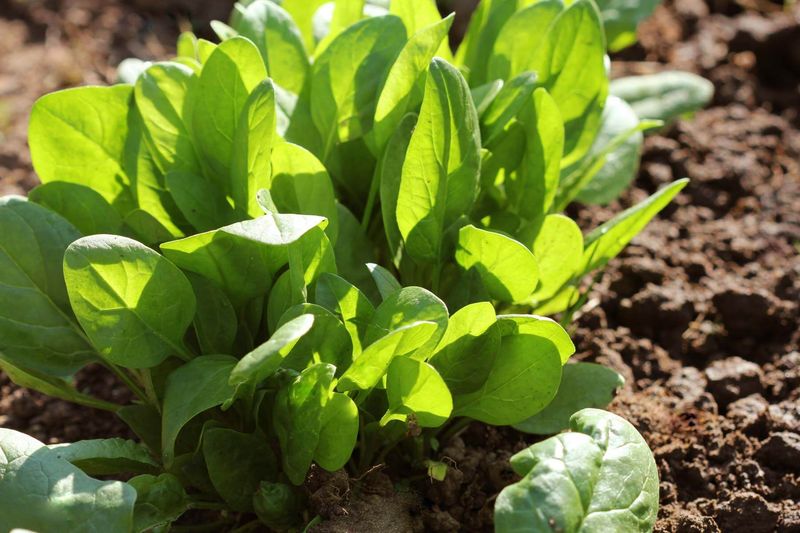
Picking a sowing date in the South is not a single decision – it is a combination of your local planting window, the current seed-zone temperature, and the harvest timing you are working toward. A generic national fall date of mid-September fits parts of the country well but can leave Southern gardeners sowing into soil that is still 10 to 15 degrees too warm.
Regional guidance varies meaningfully across the three states most likely to see this problem. UF/IFAS Florida Fresh guidance lists September through March as the recommended window for north and central Florida, with south Florida growers advised to wait until October through February.
UF/IFAS leafy vegetable production guidance reinforces that timing within those windows should account for local conditions. Georgia gardeners can refer to UGA Extension’s fall vegetable gardening calendar, which places spinach sowing between August 15 and September 30.
Texas A&M AgriLife Extension recommends August or later for fall planting in Texas, acknowledging that the window varies by region within the state.
Delaying sowing until the seedbed cools can reduce heat-related germination failure, but waiting too long creates its own risk. A plant that sprouts in late October in Georgia has less time to size up before cold weather limits growth or before day length in late winter starts pushing toward bolt.
The goal is a window where soil temperature is workable, days are shortening, and the plant has enough time to produce harvestable leaves before the season closes.
Reduce Heat Stress Without Trapping More Heat
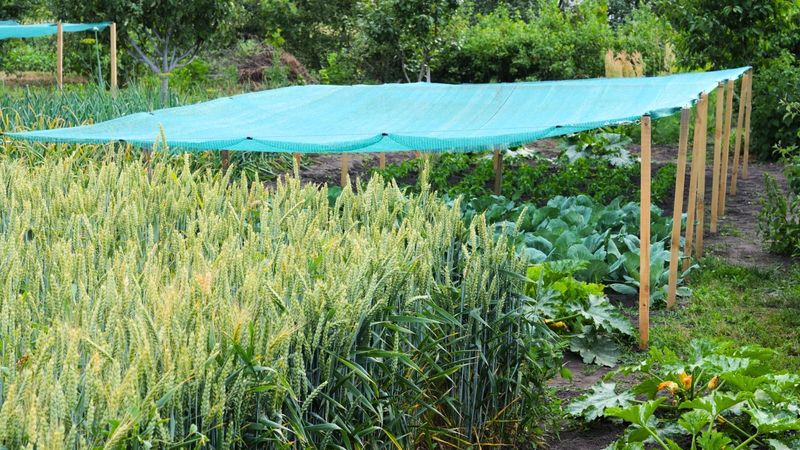
Once the sowing window is set, the next job is keeping the bed from cooking. Southern fall gardens often see afternoon temperatures that would not be out of place in July, and newly germinated spinach seedlings are especially vulnerable to intense sun and heat radiating off bare soil.
A few targeted steps can bring conditions into a more manageable range without creating new problems.
Shade cloth rated at 30 to 40 percent light reduction, suspended a few inches above the bed so air can move freely underneath, is one of the more reliable options. NC State Extension season-extension guidance recommends shade for heat-sensitive crops, and UC IPM’s heat-injury guidance for spinach supports shading or protective covers to reduce heat exposure in seedlings.
If you use any kind of protective cover, monitor the temperature underneath it, especially in the afternoon. A cover that traps heat rather than diffusing it will make conditions worse, not better, so remove or vent it whenever temperatures inside climb above the ambient air temperature.
A light layer of straw or shredded leaf mulch over the seed row can also slow soil warming and hold moisture around germinating seeds. Oregon State Extension notes that spinach is intolerant of water stress, and the shallow root system means the top inch of soil can dry out faster than a gardener expects.
Keep moisture consistent at the root zone – moist but not waterlogged – rather than relying on occasional deep soakings or midday foliage wetting, which can raise disease risk without meaningfully cooling the plant. Shade can reduce heat injury and may delay heat-related stress, but it cannot erase the day-length signal that eventually triggers bolting in susceptible plants.
Choose More Tolerant Cultivars and Sow in Succession
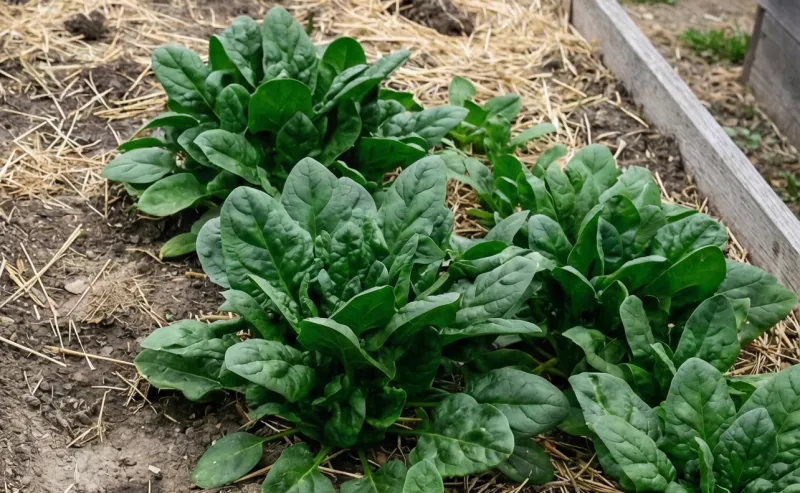
Cultivar choice is one of the levers Southern gardeners underuse. Not all spinach varieties respond to heat and day length the same way, and selecting one described as slow-bolting or better suited to warmer conditions can add useful days to the harvest window.
Clemson Cooperative Extension recommends Bloomsdale, Tyee, and Whale for South Carolina gardens, noting that Bloomsdale and Whale are described as slow-bolting types. These cultivars are not bolt-proof under any conditions – performance still depends on temperature, day length, water status, and planting date – but they tend to stay in the vegetative stage longer than standard varieties under similar conditions.
Iowa State University Extension spinach research lists Acadia, Renegade, Seaside, and Space as cultivars with differences in bolting tendency and heat performance worth considering. Results from Midwest trials do not transfer perfectly to Southern conditions, but they give a starting point for comparison when local trial data is limited.
Ask your county extension office whether any cultivars have been tested locally, since regional performance can differ from what catalog descriptions suggest.
Succession sowing is the other underused strategy. Texas A&M AgriLife Extension recommends sowing several short rows 10 to 14 days apart rather than placing the entire season’s bet on a single sowing date.
If one round hits a hot spell and germinates poorly, the next round may catch a cooler window. If one planting bolts early, another may still be in full leaf production.
Spreading the risk this way does not guarantee every planting succeeds, but it dramatically reduces the chance of ending the season with nothing to harvest.
Harvest Promptly When Flowering Begins
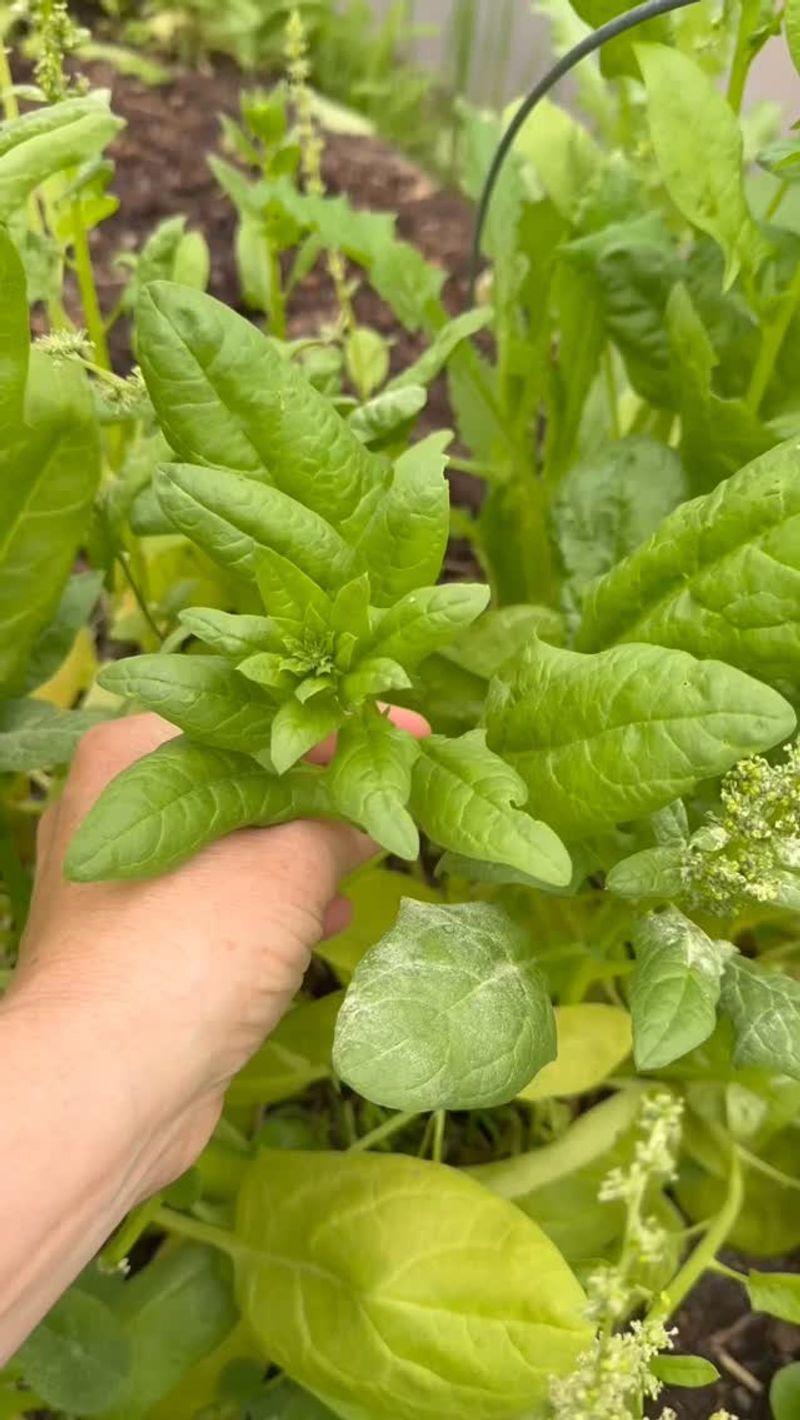
A rising seed stalk does not mean the crop is over – it means the clock is running faster now. Leaf quality can decline as flowering progresses, with leaves sometimes becoming smaller, tougher, or more bitter than they were a week before.
Iowa State University Extension advises harvesting the remaining crop promptly when seed-stalk formation begins because quality deteriorates quickly once flowering is underway. Cut the outer leaves first, working inward, and use what you collect within a day or two for the best flavor.
Bolted spinach is not automatically unsafe to eat. NC State Extension’s spinach plant profile confirms that the leaves remain edible after bolting begins, though quality and palatability may drop.
Discard any leaves that are diseased, slimy, discolored from contamination, or otherwise clearly spoiled – not because bolting itself causes toxicity, but because those are the normal signs that produce should not be eaten. Spinach naturally contains oxalates, which is a separate nutritional topic; people managing kidney stones or high oxalate intake should discuss dietary choices with a clinician rather than treating it as a bolting-specific safety issue.
For gardeners in south Florida or along the Gulf Coast who face heat that makes true spinach nearly impossible through the warmest months, two alternatives fill a similar role in the kitchen. UF/IFAS identifies New Zealand spinach and Malabar spinach as warm-season alternatives, while noting that neither is true spinach.
Texas A&M AgriLife Extension also points to Swiss chard as a heat-tolerant leafy green worth growing when true spinach struggles. These substitutes will not replicate spinach’s exact flavor, but they keep something green and productive in the bed when the season will not cooperate.
Use Temperature as One Part of the Fall-Spinach Plan
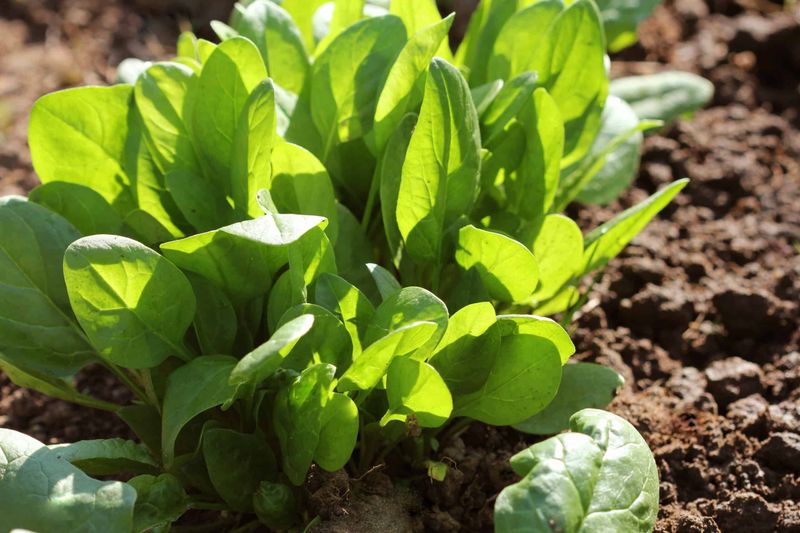
A workable fall spinach season in the South comes together from several moving parts, not a single measurement. Start by checking the seed zone with a soil thermometer and waiting until readings are consistently in the roughly 45 to 75 degree F range, with 65 to 70 degrees F as a practical target.
Alabama Extension’s germination data supports that range, and sowing into soil above about 85 degrees F is likely to produce poor emergence regardless of what the air feels like.
Once the temperature is workable, align your sowing date with the local extension calendar for your specific part of Florida, Georgia, or Texas. Moderate lingering heat with shade cloth that allows air circulation, light mulch at the seed row, and consistent root-zone moisture.
Choose a cultivar described as slower to bolt or more heat-tolerant, and spread your planting across two or three short sowings spaced 10 to 14 days apart. UC IPM’s bolting guidance is a reminder that day length, air temperature, plant development, and genetics remain active factors no matter how well the seedbed is prepared.
Cooler soil gives spinach a better start and reduces early establishment stress, but a full harvest still depends on everything that follows. Oregon State Extension’s spinach production notes reinforce that ongoing moisture, appropriate variety selection, and attentive timing together determine the outcome far more reliably than any single reading on a thermometer.
Getting the seed zone right is the first move – making the rest of the season work is the game.