
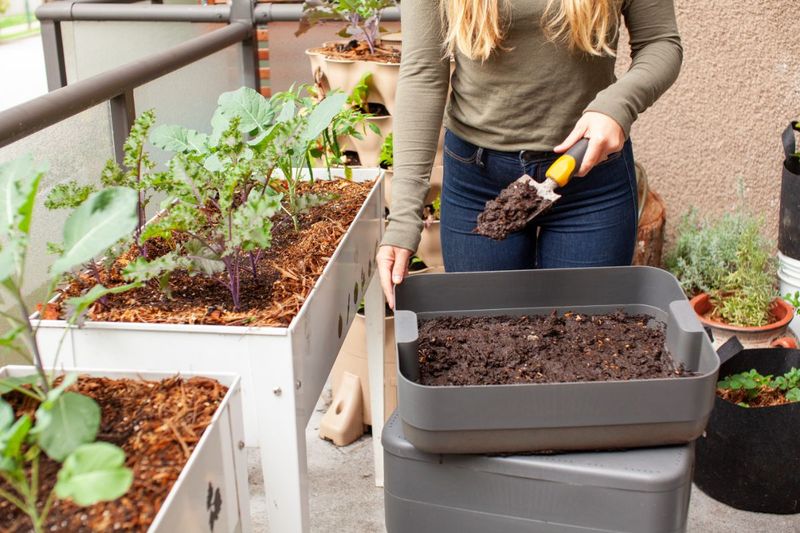
Your tomato and pepper beds worked hard all summer, and right now the soil underneath them is hungry. What you add this fall has months to break down, so by spring the dirt is darker, looser, and full of life.
Southern gardeners in places like Texas and Florida have an extra edge, because warm soil keeps microbes busy long after northern beds freeze. Here are 12 simple things you can feed your beds now for bigger harvests next year.
1. Shredded Fall Leaves
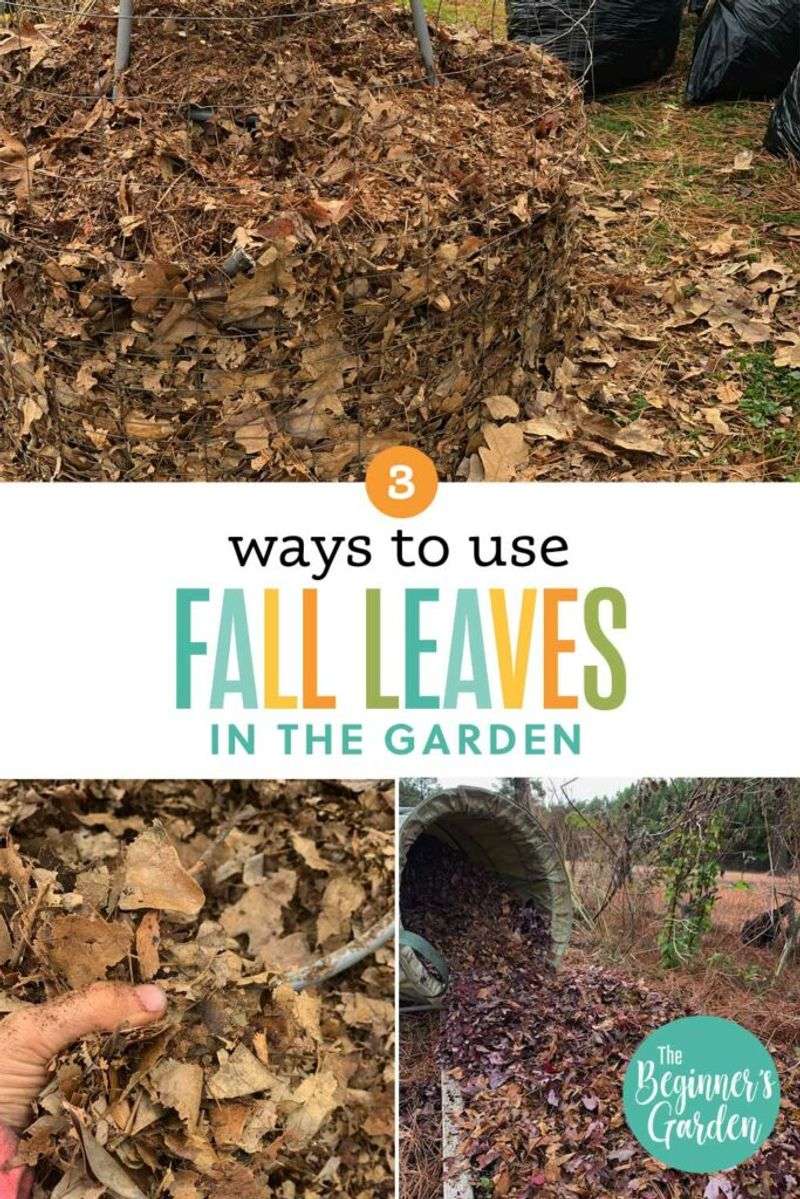
Every November, neighbors bag up free soil food and leave it at the curb. Those crunchy oak, pecan, and maple leaves are packed with minerals that tree roots pulled from deep underground.
Run them over with a lawn mower first. Whole leaves can mat into a soggy sheet that blocks water, but shredded pieces break down far faster and let rain soak through.
Spread a layer three to four inches deep across empty beds or between fall greens.
By spring, much of that layer may have turned into crumbly leaf mold, a material gardeners prize because it can hold several times its weight in water. That matters in Texas and Florida, where summer heat dries out sandy or clay soils in a hurry.
Your cucumbers and tomatoes will likely thank you when July hits.
Earthworms love leaves too. You may notice more of them pulling bits down into the soil, doing your tilling for free.
One caution: skip leaves from black walnut trees, since they contain juglone, a compound that can stunt tomatoes and peppers. Also avoid leaves from areas sprayed with weed killer.
Everything else is fair game, so grab a few bags from the curb before the trash truck does.
2. Finished Compost
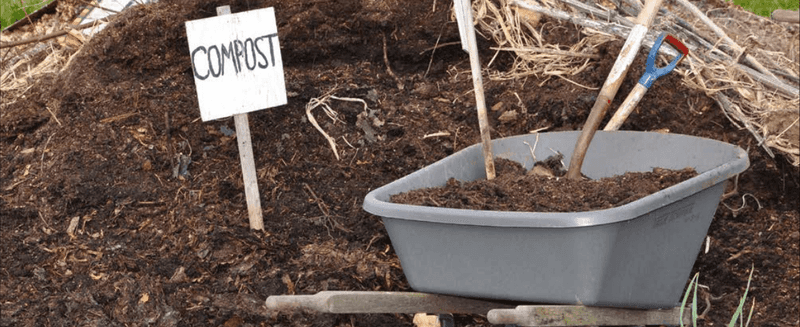
Think of compost as the all-purpose multivitamin for tired garden soil. If you only add one thing this fall, many experienced growers would pick this.
A summer of heavy feeders like tomatoes, squash, and peppers can drain nutrients and organic matter fast. In the South, hot weather burns through organic material quicker than in cooler regions, so beds often need more topping up than gardening books from up north suggest.
Spread one to two inches of finished compost over the surface now. There is no need to dig it deep.
Worms and soil life will slowly pull it downward over the winter, and you avoid breaking up the soil structure that roots depend on.
Homemade compost works great, but bagged or bulk compost from a local landscape supplier is fine too. Look for material that smells earthy, not sour, and looks dark and crumbly rather than full of chunky wood.
The payoff tends to show up in many ways. Soil can drain better after heavy Gulf storms, yet hold moisture longer in drought.
Plants may also resist some diseases better because healthy soil supports helpful microbes. For a single bag of effort, few amendments do more jobs at once.
3. Aged Manure
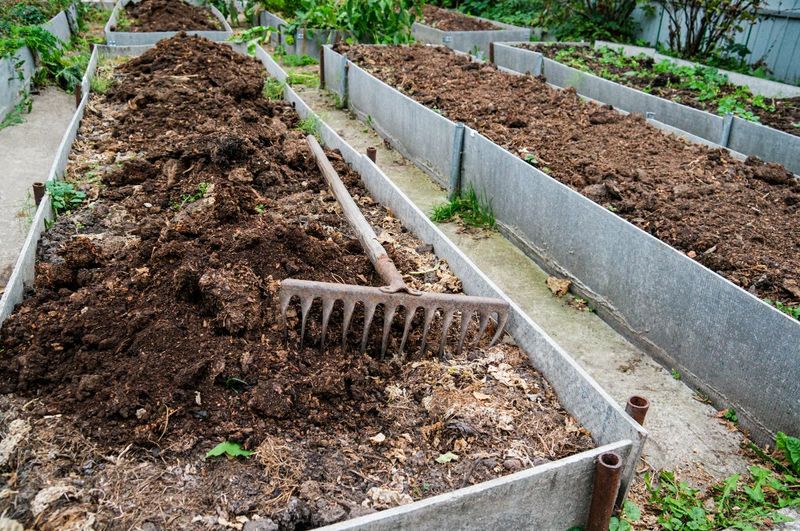
Grandpa’s garden always seemed to outgrow everyone else’s, and there is a good chance a pile of barn manure was his secret. Fall is the safest time to borrow that trick.
Fresh manure is strong. It can burn tender roots and may carry harmful bacteria, so it should never go near crops you are about to harvest.
Spreading aged or composted manure in fall gives it several months to mellow before spring planting, which is the timing most extension services recommend.
Cow, horse, rabbit, and chicken manure all work. Chicken is the most nitrogen-rich, so use a lighter hand.
Rabbit manure is gentle enough that many growers treat it like a ready-made fertilizer.
Spread about an inch over bare beds and lightly rake it in. Tuck a layer of leaves or straw on top to keep rain from washing nutrients away.
One warning worth taking seriously: some horse and cattle farms use hay treated with long-lasting herbicides. Manure from those animals can twist and curl tomato and pepper leaves for a year or more.
Ask the farmer what the animals ate, or test a small batch with a few bean seeds in a pot first.
4. Crimson Clover Cover Crop
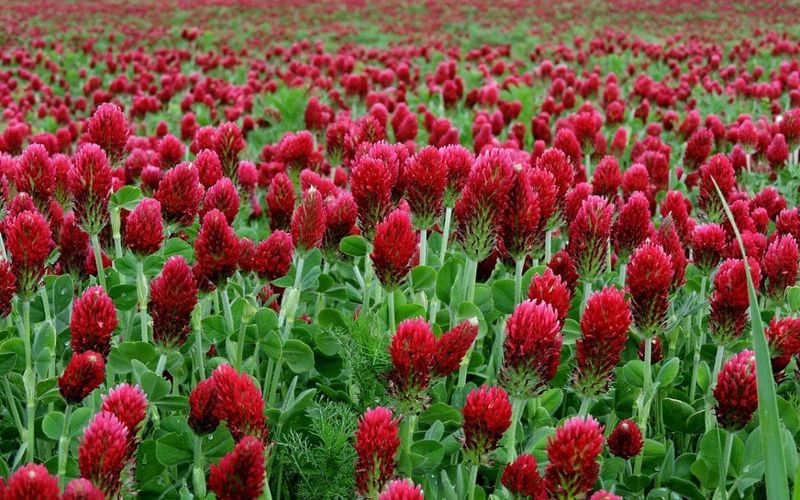
Here is a fertilizer you plant instead of pour. Crimson clover may be the prettiest way to feed a vegetable bed, and bees go wild for its scarlet blooms in spring.
Clover belongs to the legume family, which teams up with soil bacteria to pull nitrogen right out of the air. Those nitrogen nodules on the roots can add a meaningful boost for next year’s corn, squash, and leafy greens.
Crimson clover is a favorite across the South because it handles mild winters well and grows steadily through the cool months. Sow the seed from September through November in most of Texas and northern Florida.
Scatter it over loose soil, rake lightly, and keep it moist until it sprouts.
In spring, cut it down a few weeks before planting time. You can chop it and let it lie as mulch or turn it shallowly into the soil.
Fun fact: crimson clover was widely planted along Southern roadsides and farms for decades, both to stop erosion and to feed the soil. Timing matters, though.
If you let it go fully to seed, it can pop up where you do not want it, so mow it right as flowers peak.
5. Cereal Rye or Winter Wheat
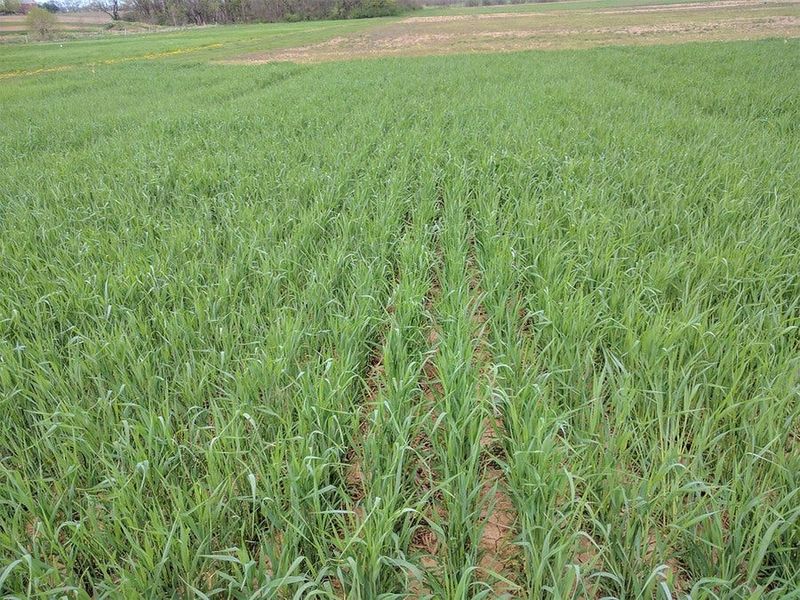
Some soils need roots more than fertilizer. If your beds turn rock hard every summer, a grain cover crop could be the quiet fix you have been missing.
Cereal rye sends down a huge web of fibrous roots, sometimes several feet deep. Those roots loosen compacted clay, hold soil in place during winter rain, and leave behind channels that water and future roots can follow.
Winter wheat and oats do a similar job and are a bit easier to manage.
Rye also tends to crowd out cool-season weeds like henbit and chickweed. Some research suggests it releases natural compounds that suppress small weed seeds, which can mean less pulling in spring.
Sow it thickly in October or November. It grows slowly through the cold and then shoots up fast once spring warms.
Plan ahead for that growth spurt. Cut rye down at least three weeks before planting so it has time to break down, because those same weed-suppressing effects can slow small vegetable seeds like carrots.
Transplants such as tomatoes and peppers usually handle it fine. Mixing rye with crimson clover gives you deep roots and added nitrogen in one planting, a combo many Southern growers swear by.
6. Used Coffee Grounds
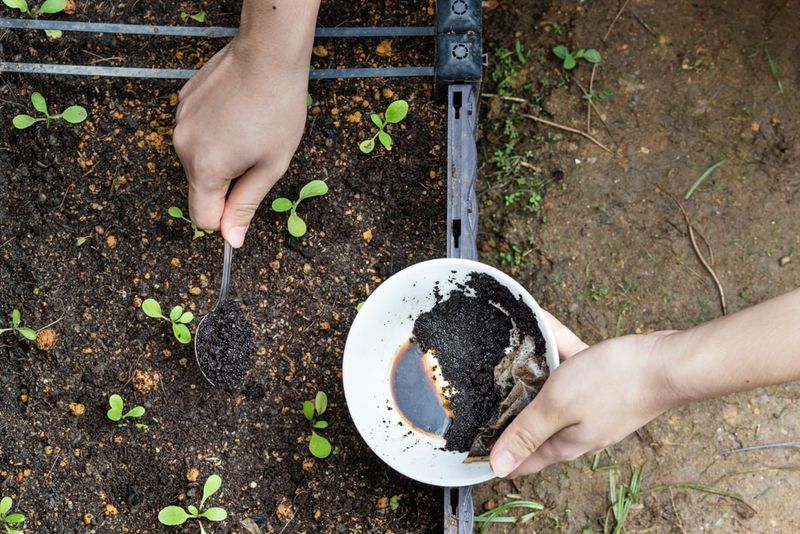
Your morning coffee habit can do double duty. Many coffee shops hand out bags of used grounds for free, and your vegetable beds will happily take them.
Spent grounds contain a modest amount of nitrogen plus small amounts of potassium and magnesium. They are not a magic fertilizer, but they add organic matter and seem to attract earthworms, which do wonders for soil.
Contrary to popular belief, used grounds are not very acidic. Most of the acid washes out during brewing, so they usually land close to neutral and will not sour your tomato bed.
The trick is moderation. Grounds are fine-textured and can clump into a crust that sheds water if piled on thick.
Sprinkle a thin layer, no more than half an inch, then mix it with shredded leaves or compost. Better yet, toss them in your compost pile where they balance out dry brown material.
Fall is a smart time to use them because winter gives the grounds months to blend in. Ask your local café to save a bucket for you each week.
By spring, you may notice darker soil and more wriggling worms whenever you push a trowel in.
7. Worm Castings
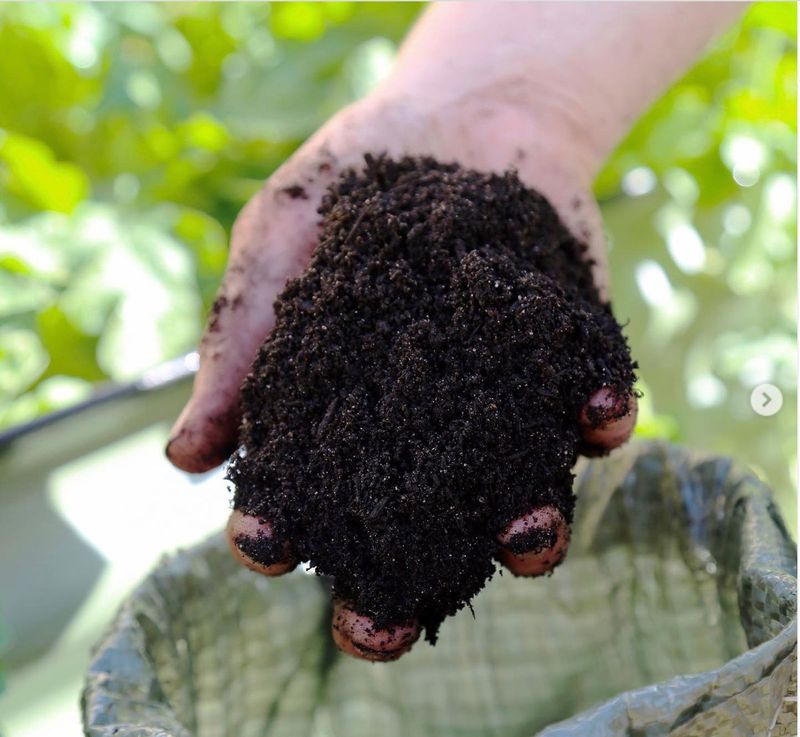
Gardeners sometimes call worm castings black gold, and once you feel how silky they are, the nickname makes sense. They are basically soil that has passed through an earthworm, coming out richer and loaded with beneficial microbes.
Castings release nutrients slowly and gently, so they rarely burn plants. They also may help soil hold water and support the tiny organisms that keep roots healthy.
Because castings can be pricey, use them where they count most. Work a handful into each spot where you plan to set next spring’s tomatoes, peppers, and cucumbers.
You can also sprinkle a thin layer around fall greens like kale and collards that are growing now.
If you want an endless supply, start a worm bin. Red wiggler worms live happily in a plastic tote kept in a shady garage or under the porch.
In Texas and Florida summers, keep the bin out of direct heat, since worms struggle above the mid-80s.
Feed them vegetable scraps and shredded cardboard, and in a few months you will harvest your own castings. Kids usually love this project, and it turns kitchen waste into some of the best soil food money can buy.
8. Straw Mulch Blanket
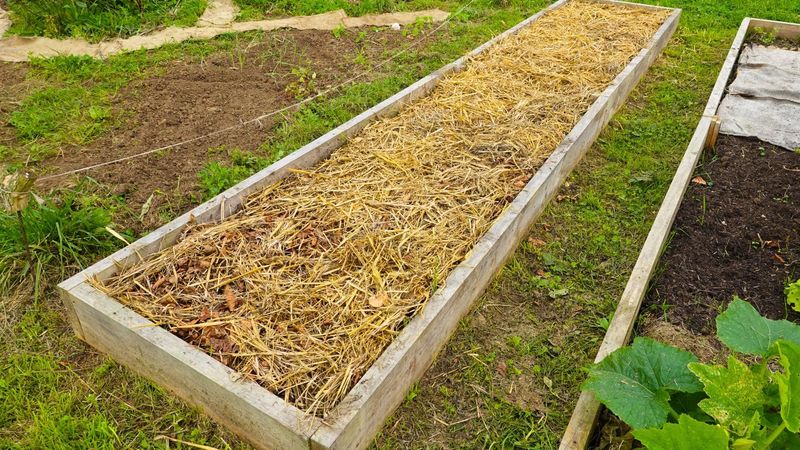
Bare soil is unhappy soil. Leave a bed uncovered through winter, and heavy rain can pound the surface, wash away nutrients, and invite a crop of weeds.
A loose layer of straw acts like a cozy blanket. It shields the ground, keeps soil temperatures steady, and slowly breaks down into organic matter.
Underneath, worms and fungi stay active much longer than they would in exposed dirt.
Use straw, not hay. Hay is full of seeds that will sprout into a weedy mess, while good wheat or oat straw is mostly stems.
Ask your feed store for clean straw, and as with manure, check that it was not sprayed with lasting herbicides.
Fluff it out three to four inches thick over empty beds. Toss a few shovels of compost underneath first if you want to speed things along.
In spring, pull the straw aside to plant, then tuck it back around your tomatoes and squash. That same mulch can help keep soil from splashing onto lower leaves, which may reduce some fungal diseases.
It also keeps roots cooler once Southern summer heat arrives, so one fall purchase keeps working well into next July.
9. Garden Lime or Sulfur
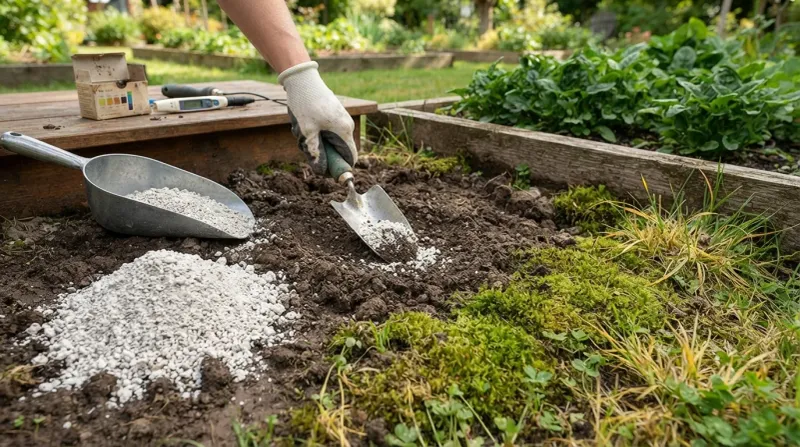
Ever had tomatoes with sunken black spots on the bottom, or peppers that just sat there sulking? Sometimes the culprit is not a missing fertilizer but soil pH that locks nutrients away.
Most vegetables prefer slightly acidic to neutral soil, around 6.2 to 6.8. Much of Florida and East Texas leans acidic, while Central and West Texas soils often run alkaline.
Guessing can make things worse, so start with a soil test from your county extension office. It usually costs little and gives specific advice.
If your soil is too acidic, garden lime can raise the pH and add calcium. If it is too alkaline, elemental sulfur can gradually bring it down.
Fall is the ideal window for either one. Both work slowly, often taking several months to fully react, so adding them now means beds may be balanced by spring planting.
Follow the test recommendations closely and avoid overdoing it, because correcting a big overshoot is a headache. Many gardeners find that once pH lands in the right range, fertilizers they were already using suddenly start working better.
That can feel like getting a second harvest’s worth of value out of the same bag.
10. Kitchen Scraps Trench
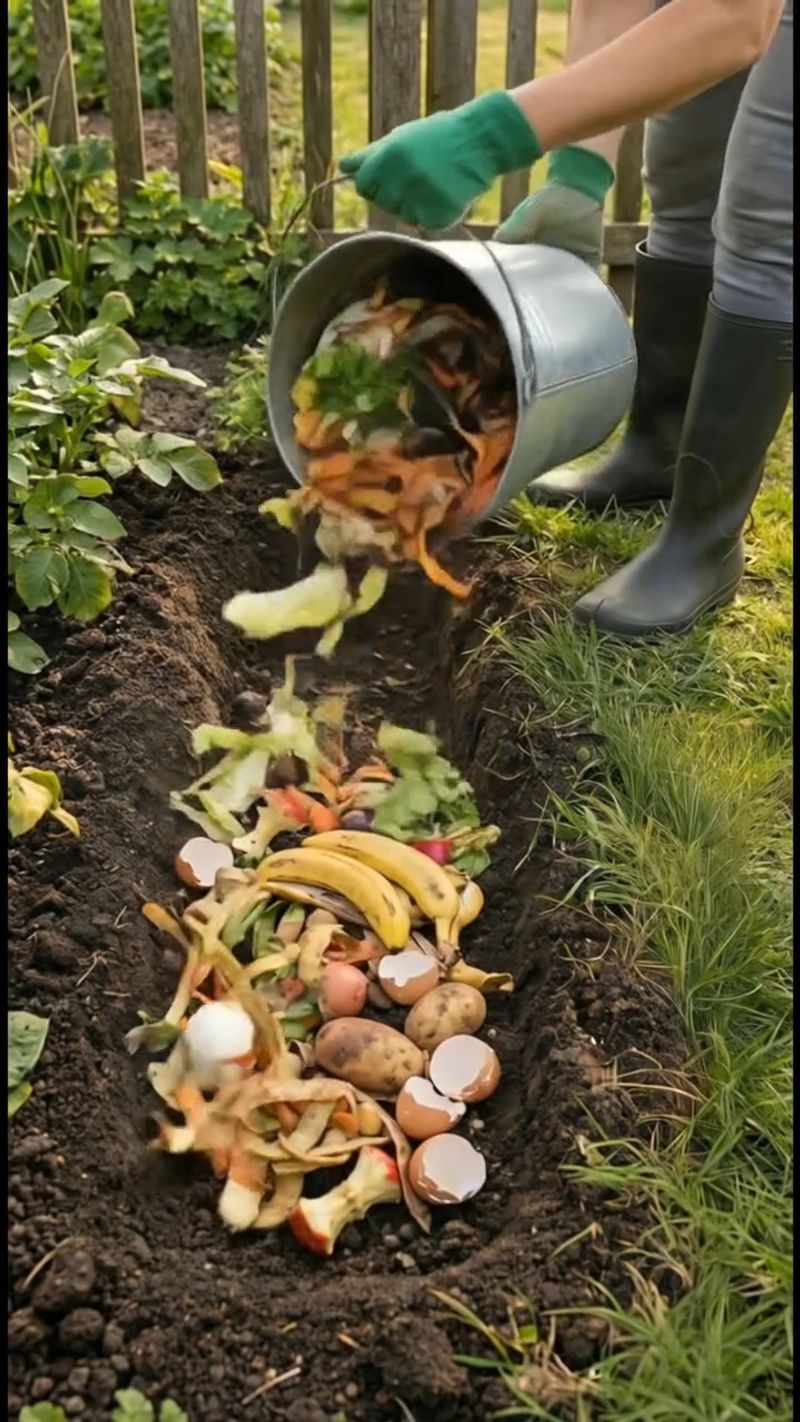
No compost bin? No problem.
Old-time gardeners skipped the pile altogether and buried their scraps right where next year’s crops would grow.
The method is called trench composting, and it is about as easy as gardening gets. Dig a trench roughly a foot deep along a bed.
Drop in fruit peels, vegetable trimmings, eggshells, and coffee filters, then cover with at least eight inches of soil.
Over winter, worms and microbes break the scraps down underground. By spring, that strip often becomes the richest spot in your garden, perfect for planting hungry crops like squash, cucumbers, or tomatoes right on top.
Skip meat, dairy, and greasy food. Those can smell and may attract raccoons, opossums, or the neighbor’s dog.
Burying scraps deep enough is the key to keeping critters from digging.
Many gardeners rotate trench spots each fall so the whole bed gets fed over a few years. Mark your trench with a stake so you remember where it is.
In warm Southern soil, scraps often break down surprisingly fast, so even material buried in December may be mostly gone by March planting season.
11. Alfalfa Meal
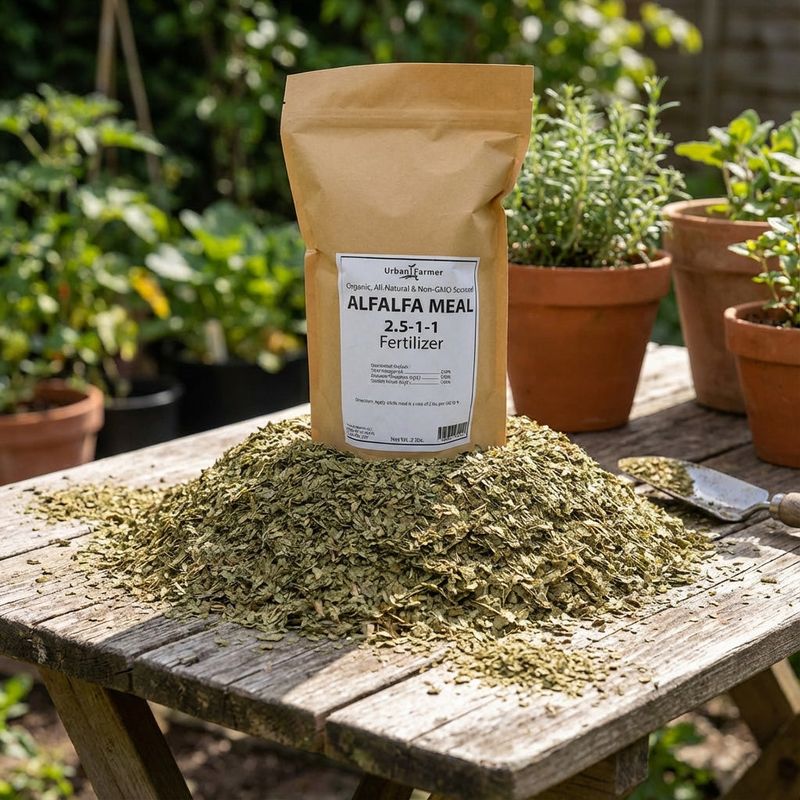
Rose growers have kept alfalfa meal a quiet secret for years, but vegetable beds love it just as much. Made from ground alfalfa plants, it is a gentle, plant-based fertilizer that wakes up sleepy soil.
Alfalfa meal offers a balanced dose of nitrogen along with trace minerals. It also contains triacontanol, a natural growth stimulant that some gardeners believe gives plants an extra push, though results vary.
What makes it a smart fall pick is how it feeds soil life. Microbes break it down fast, which can heat up a sluggish compost pile or help leaves and straw on your beds decompose more quickly.
Sprinkle roughly two to five pounds per 100 square feet and scratch it into the top inch of soil. Then cover with mulch so rain does not wash it around.
Feed stores often sell alfalfa pellets meant for rabbits and horses at a lower price, and those work just as well once soaked or left to soften outdoors.
A heads-up for anyone with dogs: some pups find the smell irresistible. Cover it well, or plan on a curious nose poking through your beds.
12. Biochar Charged With Compost
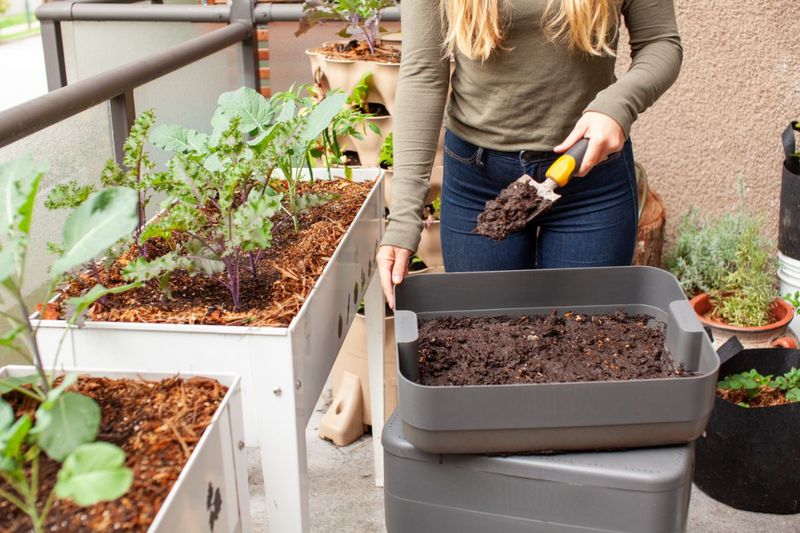
Long ago in the Amazon, people mixed charcoal into their fields and created dark soils that are still fertile centuries later. Scientists call them terra preta, and modern gardeners use the same idea with biochar.
Biochar is wood or plant material baked with little oxygen into a porous charcoal. Its countless tiny holes can hold water, nutrients, and beneficial microbes, almost like a sponge that lasts for years.
That can be especially helpful in Florida’s sandy soils, where water and fertilizer tend to drain right through.
Never add it raw, though. Fresh biochar is hungry and may soak up nutrients your plants need at first.
Charge it by mixing it with compost, worm castings, or diluted fish fertilizer and letting it sit for a few weeks.
Then work it into beds at about five to ten percent of the top few inches of soil. Fall timing gives it a full season to settle in and fill up with microbial life.
Results vary by soil type, and clay beds may see smaller changes than sandy ones. Still, because biochar sticks around for so long, one fall application could keep paying off season after season.