
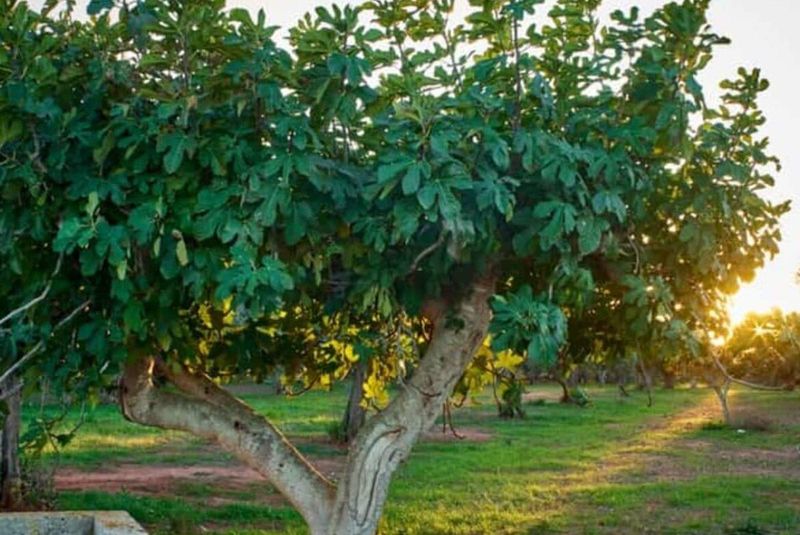
A fig tree with deep green leaves and strong new branches seems like it should be loaded with fruit. When the branches stay empty, it feels confusing and a little unfair.
The answer is rarely as simple as a single missing ingredient, and Florida and Texas gardeners may need different fixes. This guide helps you sort through the likely causes so fall can become planning time for a better next season.
A healthy canopy does not reveal one universal cause
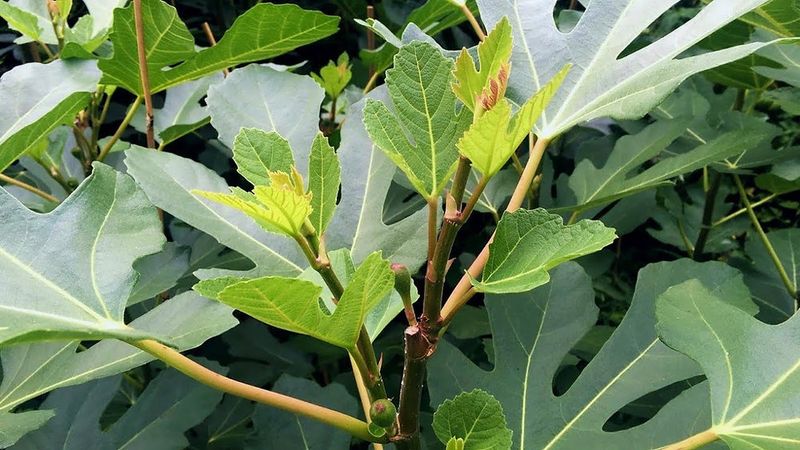
Plenty of gardeners hope for a single secret fix, but a fig with lush leaves and no fruit can have several different problems behind it. UC IPM lists causes such as a tree that is still too young, too much nitrogen, uneven soil moisture, too little sun, pruning that removed fruiting wood, or a variety that does not suit the region.
Georgia Extension also describes more than one reason for poor fruiting or fruit drop. Neither source points to one usual culprit, so a title promising a single missing thing oversimplifies the problem.
A better plan is to play detective. Start with what you actually see on the tree, then check age, light, water, feeding, variety, and pruning one at a time.
Even then, no fix guarantees a crop, but a careful diagnosis gives you the best chance of choosing the right next step.
What do you mean by “no figs”?
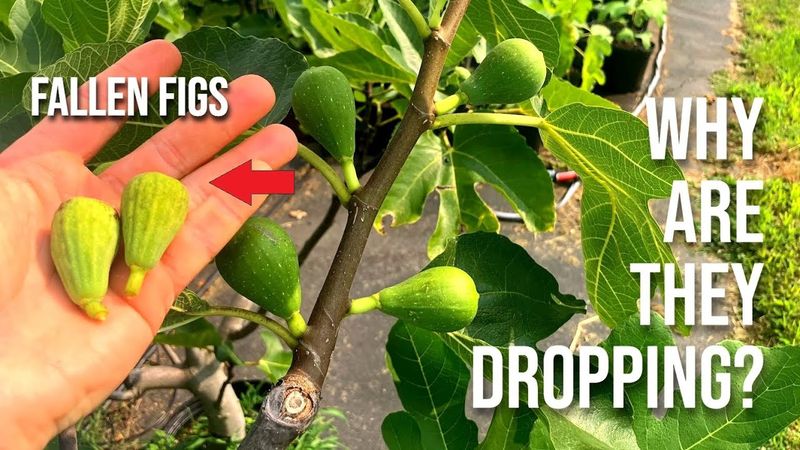
Before changing anything, pin down exactly what is going wrong. Your tree might never form fruit at all, it might set small figs that fall off early, or it might hold fruit that never ripens.
Each of these can have a different cause, so lumping them together leads to guesswork.
Skip the hunt for blossoms. Fig flowers grow inside the structure we think of as the fruit, so Georgia Extension notes that not seeing flowers tells you nothing.
Georgia guidance also mentions that the Celeste variety can drop fruit early in hot weather.
Ripening trouble can be a matter of season. Rutgers Extension says late fruit may fail to mature when there is not enough heat, though that is a New Jersey note.
Jot down which of the three problems you have, plus the month you noticed it, and use that record for the checks ahead.
A young tree may need more time
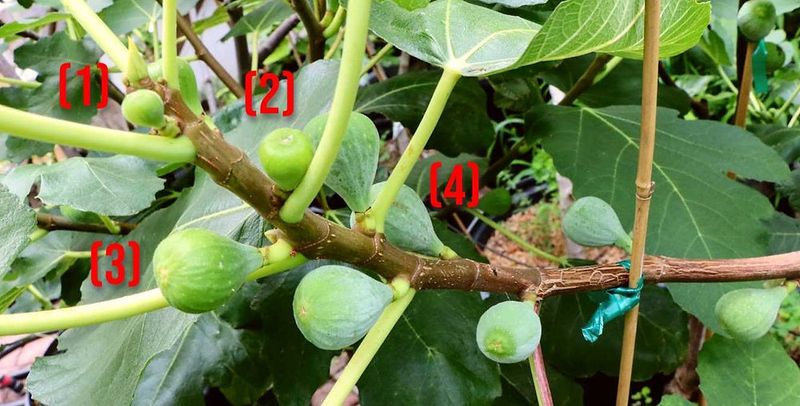
Age is the easiest check, so do it first. Fig trees can look wonderful while still being too young for a real harvest.
UC IPM says fruiting may begin around age two, but it can take as long as six years.
Georgia Extension adds that three or four years may pass before a plant gives an edible-quality crop. Those are ranges, not promises, and your variety and local weather can shift the timing.
If you planted the tree two or three years ago, strong growth is a good sign, but it does not mean figs are overdue. Try to hold off on big changes like heavy feeding or hard cuts.
Note the planting date, keep up steady care, and move to the other checks only if the tree is past that window.
Check sunlight, drainage, and steady moisture
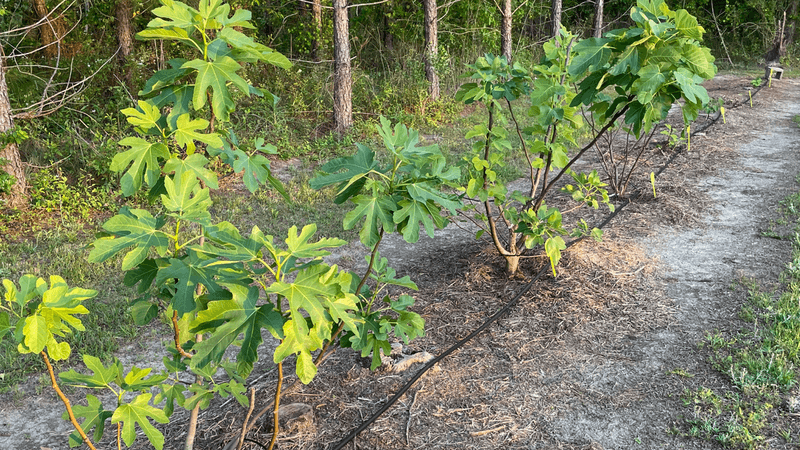
Walk your yard and time the sun. Alabama Extension recommends at least eight hours of direct sun, which is a handy benchmark for the Southeast rather than a rule for every region.
Florida IFAS likewise suggests full sun all day, and warns against soil that stays soggy.
Water matters too. Figs want moisture during active growth and fruiting, and Texas AgriLife describes them as fairly sensitive to drought stress.
Too little or too much irrigation can hurt production or contribute to fruit drop, according to UC IPM. Dig a small hole a few inches deep after rain and see how fast it drains.
A consistent schedule and mulch may help, but watering changes alone will not solve every case.
When leaves outnumber figs, review fertilizer history
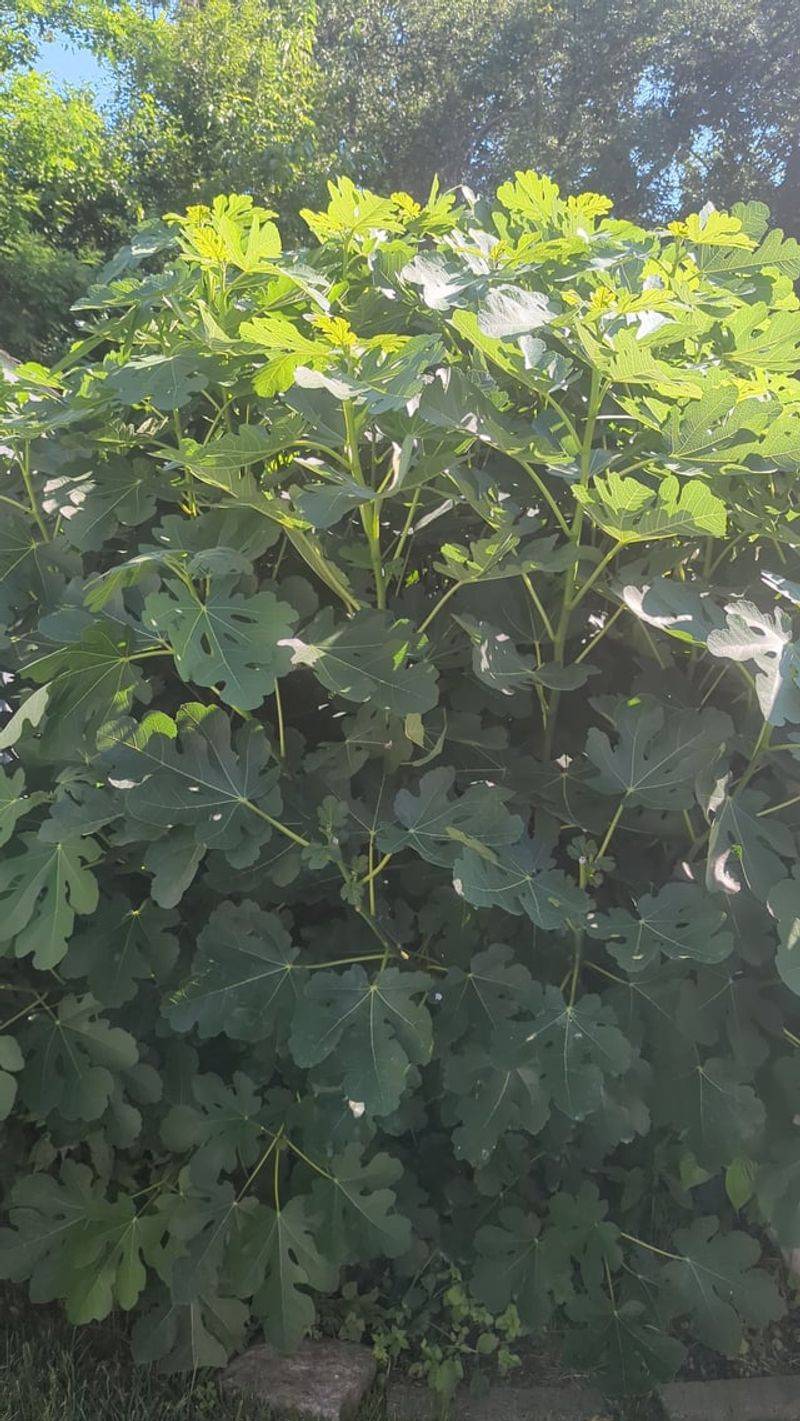
Picture a tree that sprints upward and outward but sets almost nothing. That pattern points at fertilizer.
UC IPM explains that heavy nitrogen can push leafy, branchy growth at the expense of fruit, so it is one possible clue, not a proven cause for every fruitless fig.
Think back over the last year or two. Did the fig share a bed with lawn fertilizer or a heavily fed vegetable patch?
Did you add more because the tree seemed hungry? Write it down before you add anything else.
Georgia Extension suggests reducing fertilizer if fruit is not maturing properly. Its schedules place feeding in spring, and for some bushes no later than mid-July.
Those are regional growing-season guides, so fall feeding is not a fix, and a local extension office can help you adjust the timing.
The variety may not match your region
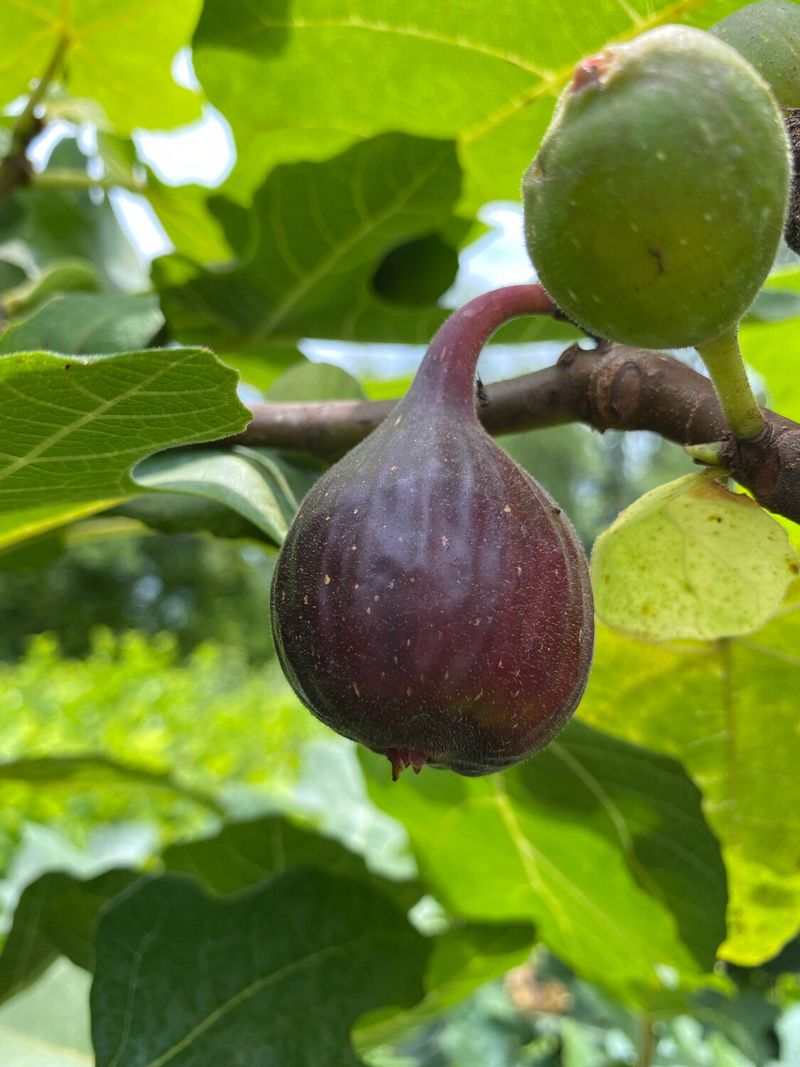
Many gardeners inherit a fig or buy one without a tag, so the variety is often a mystery. Finding out what you have is worth the effort, because suitability changes across the South.
Florida IFAS says figs grow well in north and central Florida, while Texas AgriLife discusses cold injury and differences between varieties across the state.
Do not blame a missing fig wasp or second tree just yet. Common figs, the types recommended in Florida and grown in Texas, can form fruit without pollination.
Georgia Extension notes that some other fig types have special pollination needs.
Check old receipts, nursery records, or ask a neighbor who shared cuttings. A county extension office or local nursery can help you match the type to your cold exposure and crop timing.
Pruning can remove wood that would bear fruit
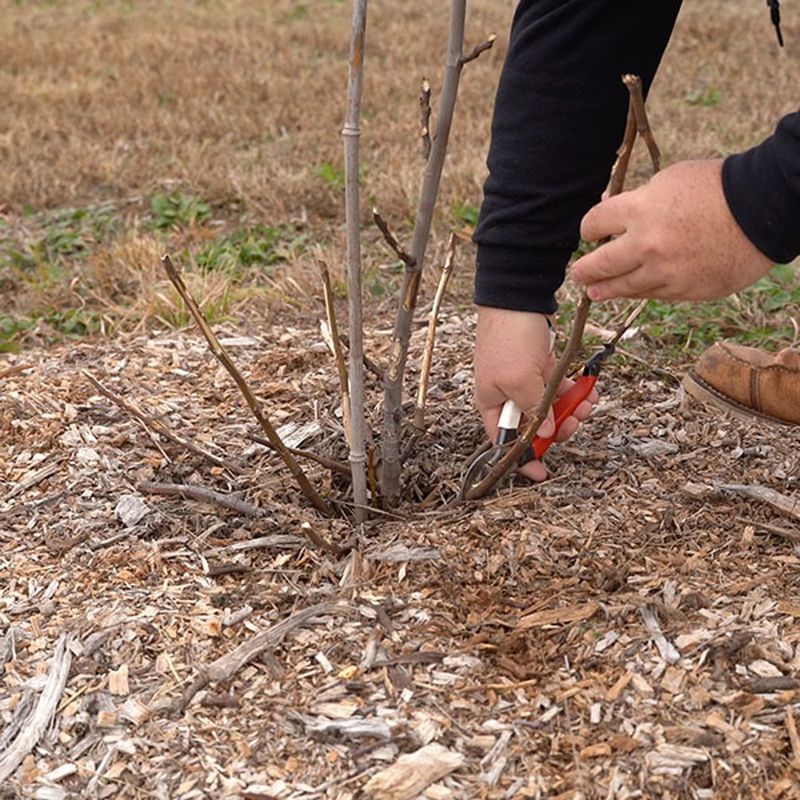
A tidy tree can be a fruitless tree. Florida IFAS says Florida figs set fruit at the tips of the previous year’s wood, and that heavy winter pruning may eliminate the next crop.
Its advice is to prune for size after the fruit ripens.
Texas AgriLife notes that heavy pruning reduces the Celeste crop. Meanwhile, Georgia Extension recommends certain structural pruning in late winter or spring.
Those are local recommendations, and none should become a nationwide fall-cutting rule. Recall when and how hard you last cut, and compare that with your local guidance.
If you do prune, wear gloves, since the sap can irritate skin.
Use fall to plan the next step, not force a crop
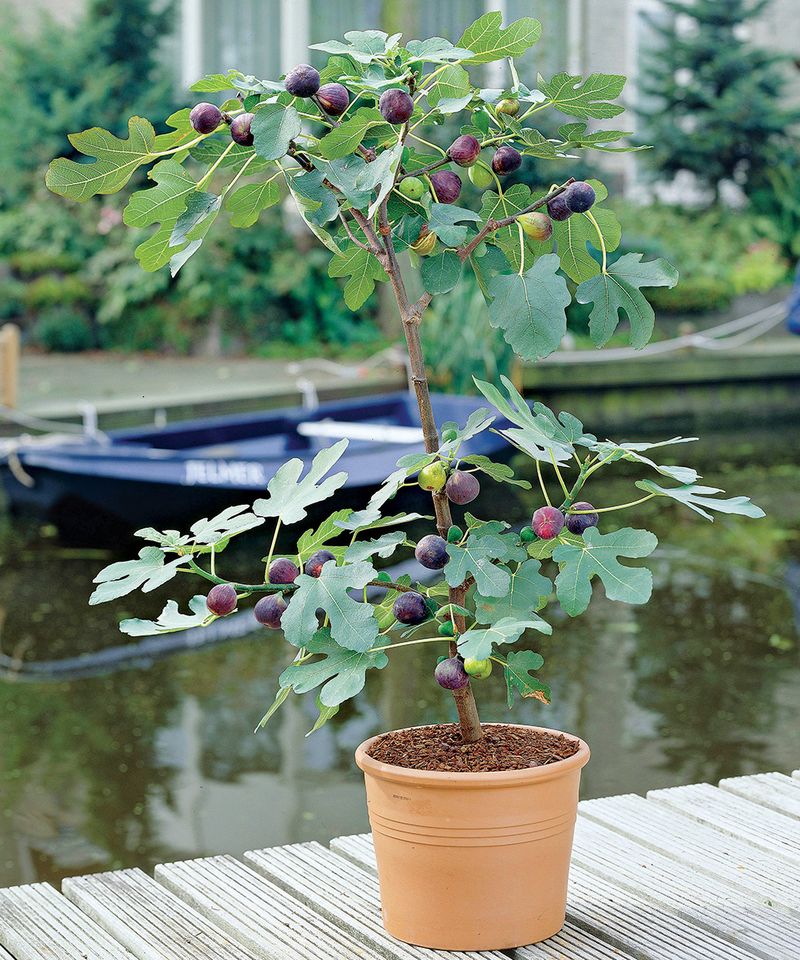
Fall is a good time to gather clues. Write down your symptom (no fruit, early drop, or no ripening), the tree’s age, sun hours, watering habits, fertilizer history, variety, and pruning.
With that list in hand, the likely cause often becomes clearer, and you can pick one correction instead of trying everything.
Skip automatic feeding or hard cutting this season. Excess nitrogen can favor leaves over fruit, and heavy pruning can remove wood that would bear.
One fall task is purely about protection. If conditions are dry, Texas AgriLife suggests watering a few days before a hard freeze to help limit freeze injury.
That is not a fruiting treatment.
A fig rewards patience and good notes more than panic.