
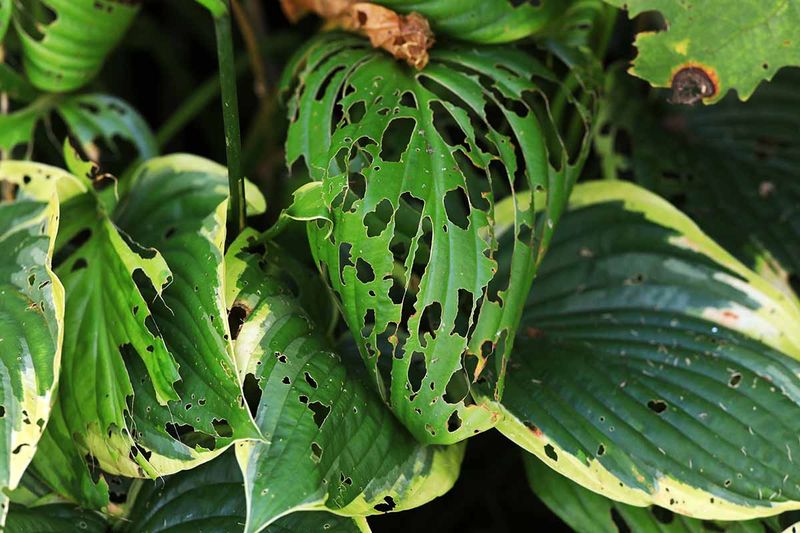
Waking up to find your hosta leaves riddled with holes is genuinely frustrating, especially when the damage seems to appear out of nowhere. Before you reach for a spray or blame the usual suspects, the real answer depends on what you actually find on the plant, not on what you assume chewed it. Slugs, earwigs, black vine weevils, and even wildlife can all produce damage you discover in the morning, and treating the wrong pest wastes time and money. A quick inspection after dark will tell you far more than any guess made in daylight.
Overnight holes do not identify the culprit
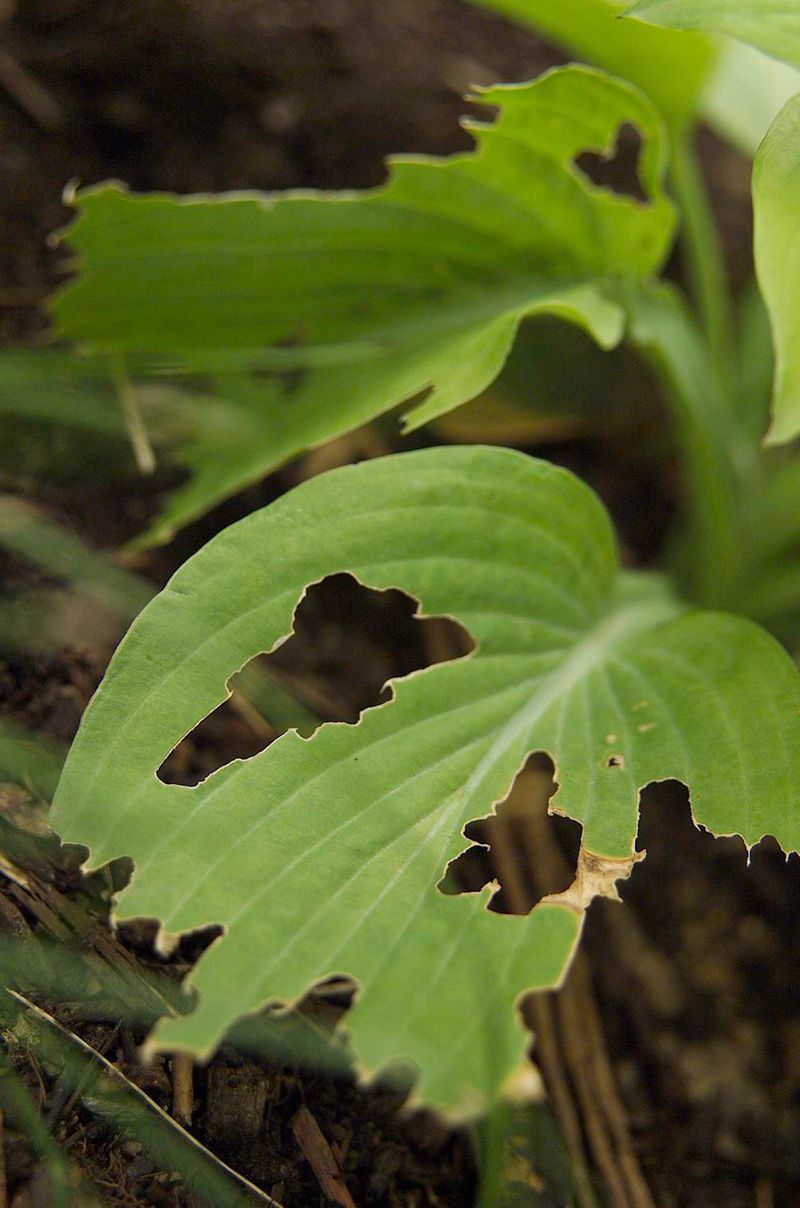
Finding hosta leaves full of holes is alarming, but the timing of the damage – overnight – does not point to a single pest. University of Minnesota Extension’s hosta diagnosis tool lists slugs, earwigs, black vine weevils, deer, rabbits, and hail as causes of holes that a gardener discovers the next morning. Slugs are often the first pest worth suspecting, particularly in shaded, moist beds where they thrive.
University of Minnesota Extension guidance on slugs confirms that slugs are a primary hosta pest, most active at night when conditions are cool and damp. Earwigs are also plausible when holes appear without slime, and black vine weevils produce a recognizably different pattern along leaf edges. Each of these requires its own response, which is why assuming a culprit before inspecting tends to lead gardeners in the wrong direction.
Heat and sun stress are sometimes blamed for overnight damage, but Minnesota Extension’s hosta leaf-spot and sunscald resource makes clear that heat and sun injury typically cause browning, bleaching, scorching, or papery tissue rather than clean chewing holes. Large sections of leaf missing with only petioles left behind can suggest deer or rabbits, and sudden ragged damage after a thunderstorm may point to hail. Observation, not assumption, is where the diagnosis has to start.
Use a flashlight to inspect the plant after dark
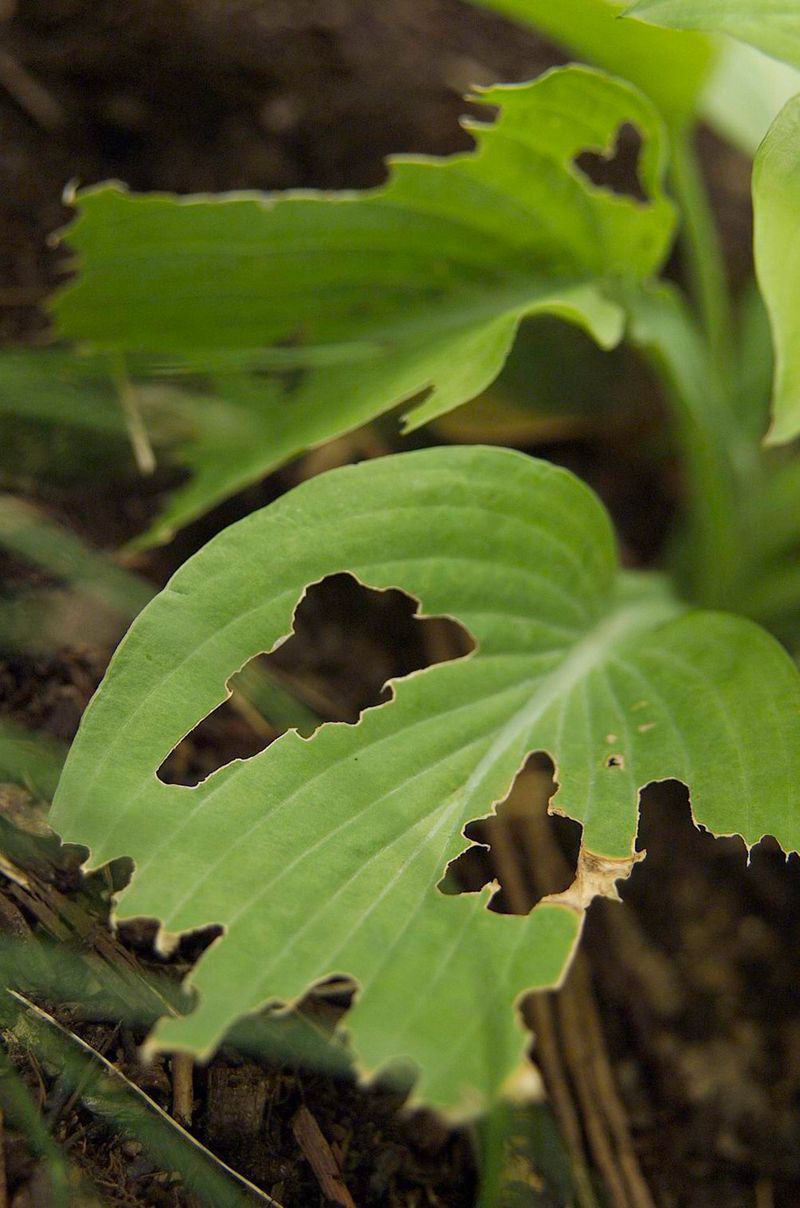
Grab a flashlight an hour or two after sunset and head outside – that short trip will give you more useful information than any daytime examination. Most of the feeders responsible for hosta damage are simply not visible during daylight hours, so any diagnosis made in the morning is working from incomplete evidence.
Minnesota Extension’s earwig page explains that earwigs are nocturnal and spend the day hiding in damp, dark places, making a nighttime check the only reliable way to catch them in the act. Penn State Extension’s black vine weevil guide notes that adult weevils hide by day in mulch or debris and climb onto foliage after sunset, so they, too, are missed entirely by a daytime inspection. Slugs follow a similar pattern, becoming most active during cool, damp nighttime conditions.
During your inspection, check both the tops and undersides of leaves, the crown of the plant, surrounding mulch, leaf litter, and any boards, pots, or debris nearby. Look at the soil surface around the base and along any nearby hardscape. The goal is to observe the pest directly or to collect enough clues – slime, feeding pattern, hiding location – to make a confident identification before choosing a response. Seeing the pest on the plant is more reliable than reading the holes alone.
Slime trails keep slugs high on the list
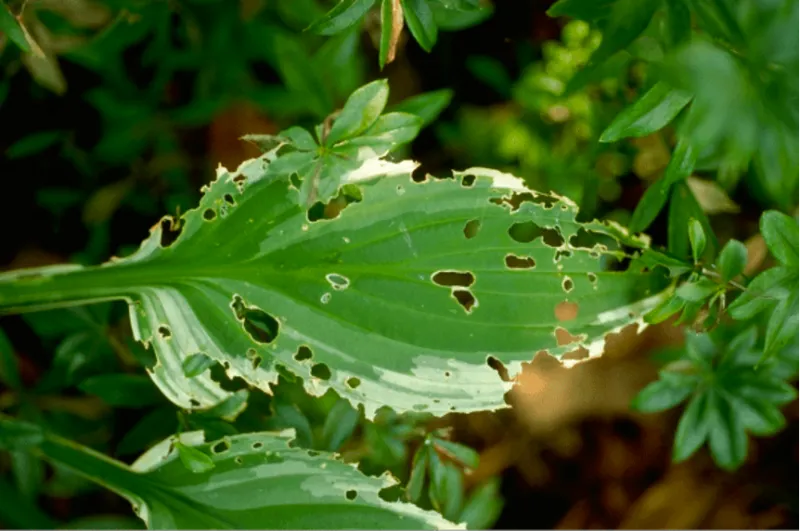
The single most useful clue you can find during a nighttime inspection is a slime trail. Shiny or dried silvery tracks on the leaves themselves, on nearby mulch, on stones, or on adjacent surfaces are strong evidence that slugs or snails are responsible for the chewing. Illinois Extension’s guide to slugs in shaded beds describes this trail as a key identifying feature that separates mollusks from insects.
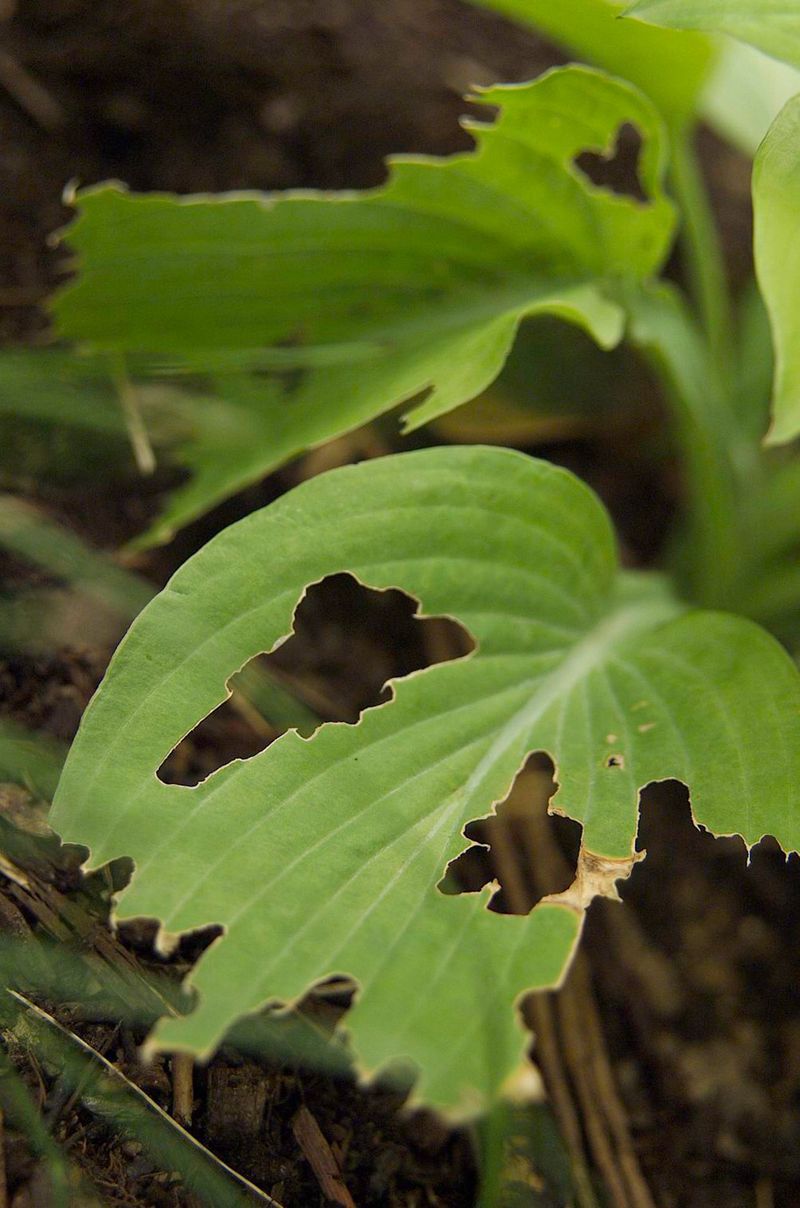
Minnesota Extension’s slug resource explains that slug feeding can produce irregular holes that cross leaf veins and, during heavy infestations, can remove large sections of the leaf entirely. Thin-leaved hosta cultivars grown in cool, moist shade are especially attractive to slugs, though no cultivar is fully resistant.
Not finding a slime trail does not definitively rule out slugs. Trails can dry quickly in warm weather or be washed away before you look. What the absence of slime does tell you is that an immediate search for earwigs and other insects becomes more important, not that slugs are off the table. Use slime as the first major fork in the diagnostic process: present means slugs are very likely; absent means keep looking before drawing a conclusion.
Earwigs can create irregular holes without slime
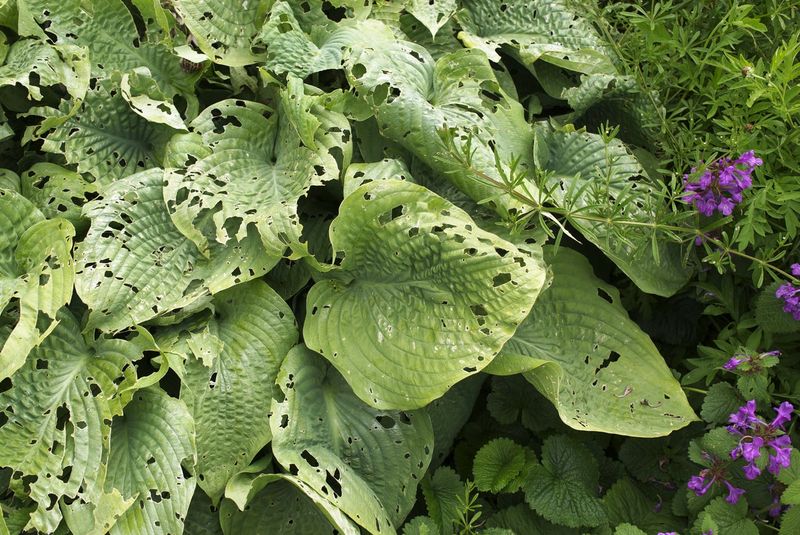
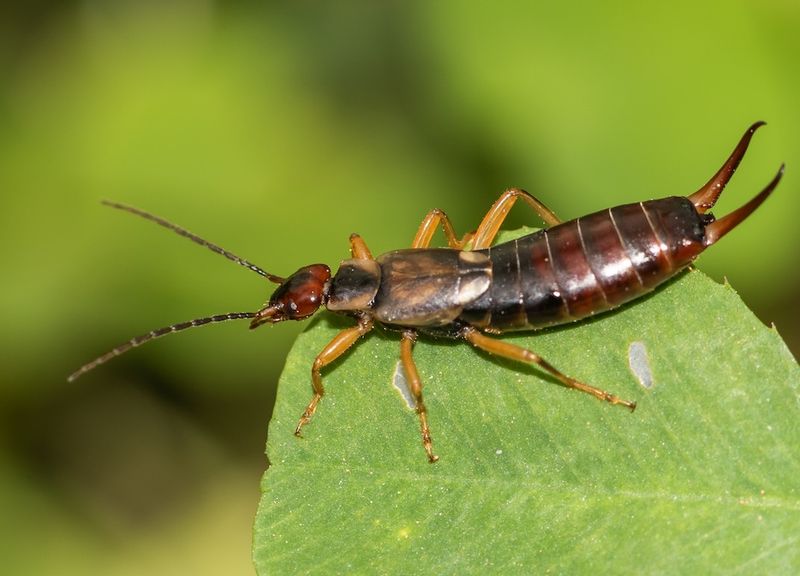
When hosta leaves show ragged, irregular holes and there is no slime trail in sight, earwigs become a more serious possibility worth investigating. Minnesota Extension’s earwig fact sheet confirms that earwigs are active at night and can chew irregular holes in hosta leaves, and that they do not produce slime, which is the key distinction from slug damage. By day, they hide in damp, dark places – under foliage, in mulch, beneath boards, or in any tight, sheltered spot near the crown.
The feeding damage earwigs cause can look nearly identical to slug damage, which is exactly why the nighttime flashlight inspection matters so much. Seeing an earwig on the leaf or finding a cluster hiding at the plant base during your check is far more reliable than inferring the culprit from the hole shape alone. Matching the insect to the damage prevents treating for slugs when earwigs are the actual problem.
The Royal Horticultural Society’s earwig profile points out that earwigs are omnivorous and will eat aphids and other small invertebrates as well as plant material. That mixed feeding role means the goal should be targeted reduction near the damaged hostas, not automatic eradication throughout the garden. A modest earwig population in a bed without visible hosta damage may be doing more good than harm.
Black vine weevils leave edge notches
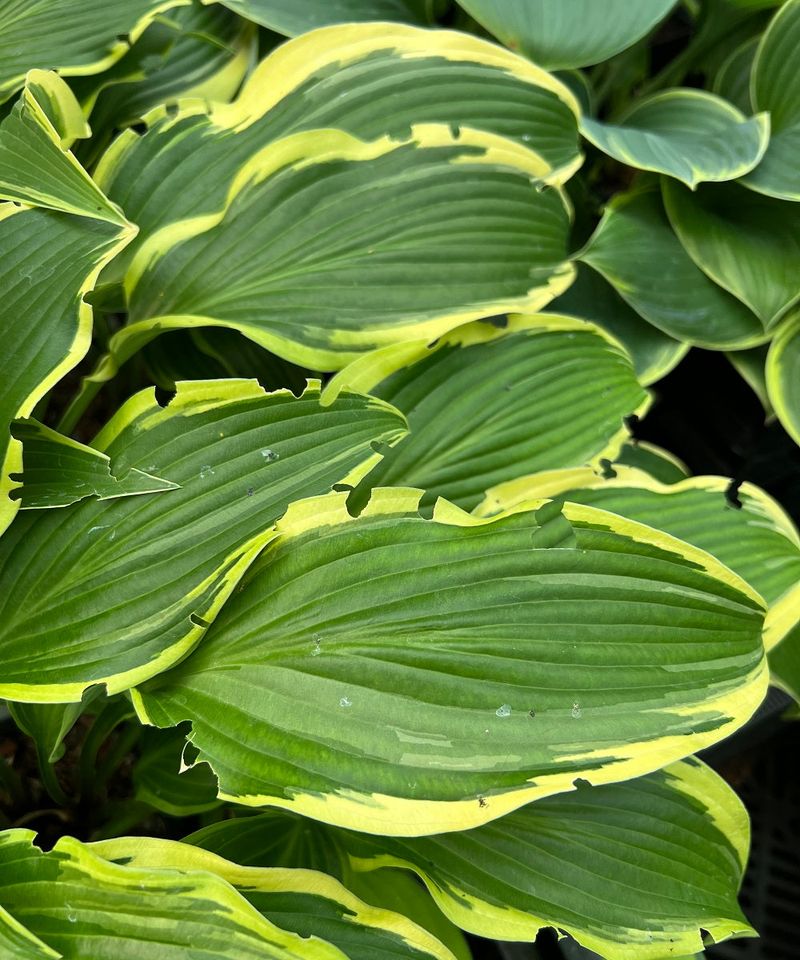
Black vine weevil damage looks distinctly different from the irregular holes left by slugs or earwigs, and recognizing that difference prevents a misdiagnosis. Adult weevils create small, rounded or C-shaped notches along the leaf margins rather than holes scattered across the leaf surface. UConn Extension’s black vine weevil IPM page confirms that hostas are a documented host plant for this pest and that the characteristic feeding pattern runs along the edges.
Penn State Extension’s black vine weevil guide explains that adult weevils hide during the day in mulch, leaf litter, or debris around the crown and climb onto foliage after sunset to feed. If your flashlight inspection turns up a slow-moving, dark, hard-shelled beetle-like insect on the leaves at night, that observation combined with marginal notching is a much stronger basis for identification than the notches alone. Random holes across the middle of the leaf do not fit this pest’s feeding style.
The adult damage is usually cosmetic, but the larval stage raises the stakes considerably. UConn’s black vine weevil factsheet notes that larvae feed on roots and crowns and can seriously weaken or kill plants, particularly hostas grown in containers or nursery stock. Persistent margin notching, especially on a containerized hosta that seems to be declining, is a signal to check the root zone, not just the leaves.
Match the response to the confirmed pest
Once you have identified the pest, the response should be proportional and targeted. The practical sequence is: inspect, identify, remove or trap where feasible, reduce excessive shelter, and consider a labeled pesticide only if damage continues and the pest is confirmed. Skipping the identification step is the most common reason a gardener ends up treating for the wrong pest.
For a small earwig population, the RHS recommends monitoring traps made from inverted flowerpots loosely filled with hay or straw placed near the affected plants. Check the traps each morning and remove any earwigs you find. This approach may not keep up with a very large population, but it is a reasonable first step that avoids any chemical application.
For confirmed slugs, Utah State University Extension’s slug and snail guide describes hand-picking at night, damp-board traps laid near the plant base, and habitat reduction as practical options. Beer or yeast-water traps can attract slugs, but they need to be emptied and refreshed regularly to remain effective.
Penn State Extension’s plant-hole diagnosis guide and Oregon State Extension’s guidance on leaf litter management both support clearing excessive leaf litter, boards, thick debris, and overly dense ground cover near affected plants as a way to reduce favorable hiding conditions. Watering at the plant base in the morning rather than late in the day can also make the nighttime environment less hospitable to slugs. Neither step will eliminate an established population on its own, and hostas need adequate moisture, so do not withhold water to the point of stressing the plant.
Avoid remedies that harm the hosta or miss the pest
Reaching for a spray before confirming the pest is one of the most common mistakes in hosta pest management, and it can make the problem worse. Slugs are mollusks, not insects, so many standard insecticides will not control them at all. Any pesticide you consider must be registered for the intended pest and plant, and the label controls everything – application timing, reentry intervals, pollinator precautions, permitted sites, and pet safety.
EPA guidance on protecting pets from pesticides emphasizes reading the full product label before use and keeping pets and children away from treated areas as directed. Iron-phosphate and ferric-EDTA slug baits are sometimes described as low-risk options, but they still carry label requirements and precautions that must be followed. Do not treat these products as automatically harmless.
Penn State Extension’s plant-hole guide cautions against two commonly suggested home remedies. Salt should never be used around hostas because it damages foliage, injures roots, and contaminates the surrounding soil. Diatomaceous earth is not a dependable long-term outdoor barrier because rain and irrigation reduce its effectiveness quickly.
Stripping away all mulch in an attempt to remove slug shelter can stress hostas by exposing roots and reducing moisture retention. Withholding water to dry out the bed creates a similar problem. These plants need consistent moisture, and the goal is to reduce excessive, unnecessary dampness – not to create drought conditions in the name of pest control.
Start tonight with observation, not a spray
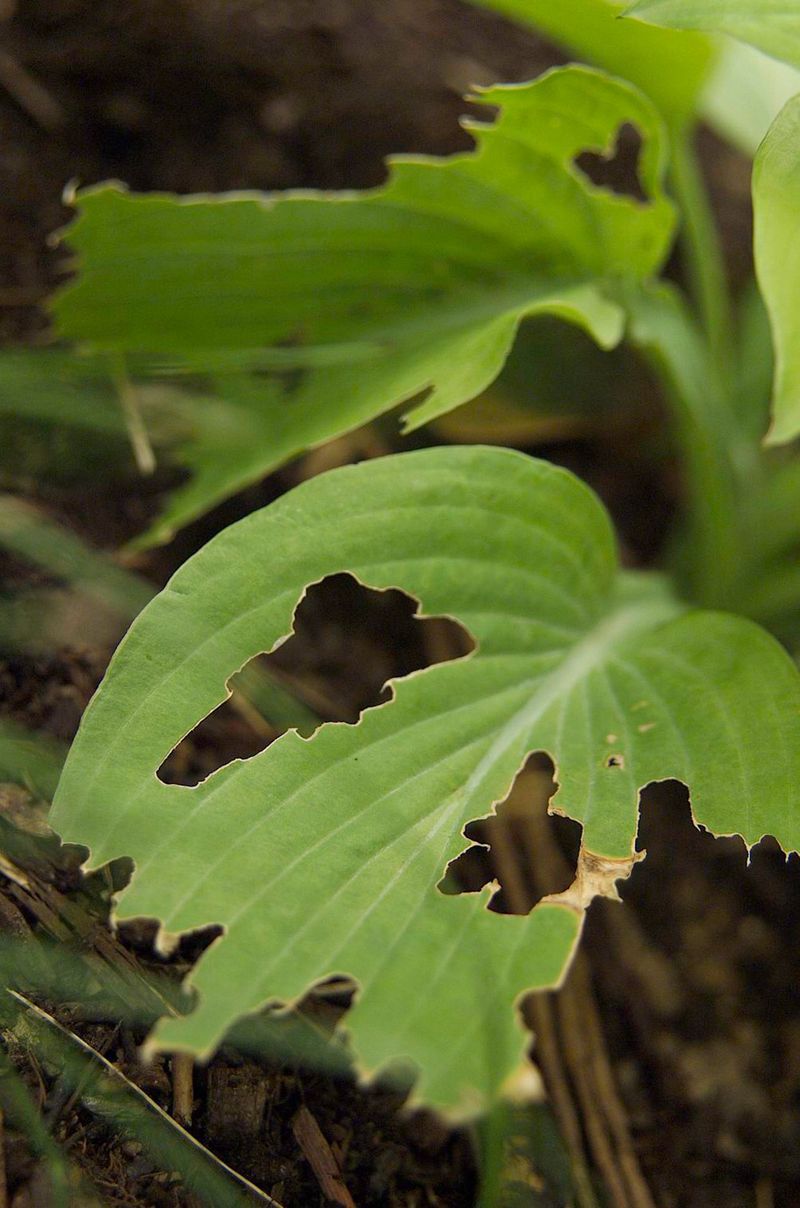
The most useful thing you can do tonight costs nothing: go outside after dark with a flashlight and actually look at the plant. Check the leaf surfaces, undersides, crown, and the soil and mulch around the base. Look for slime trails first, then match the feeding pattern to what you find.
Minnesota Extension’s hosta hole diagnosis tool reinforces that slugs remain a real possibility in moist, shaded beds. Slime-free irregular holes make it worth looking for earwigs during that same inspection, while small C-shaped notches along the leaf edges are a stronger reason to suspect black vine weevils. Nighttime observation sharpens your treatment decision considerably, but a single inspection rarely proves that one culprit and one remedy fit every hosta in the bed.