
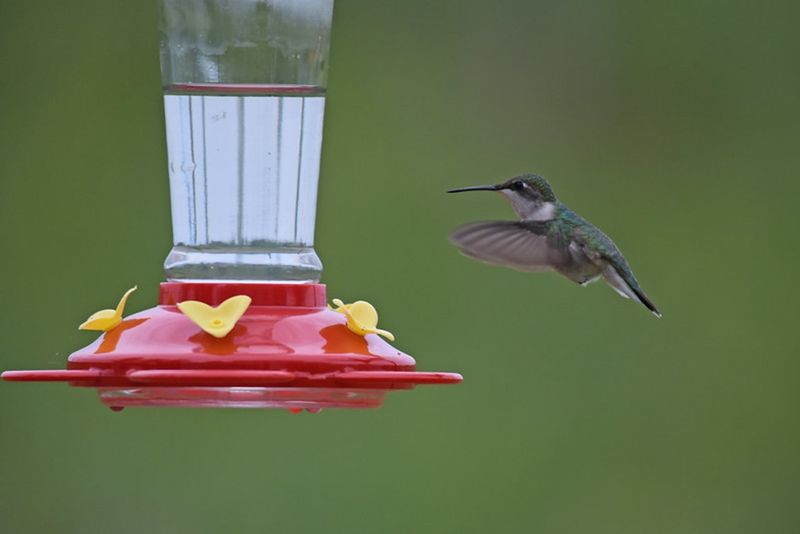
A full feeder with no visitors can feel strange, especially when the yard was busy a few weeks ago. Fall brings changes in daylight and in where hummingbirds are found, and Southern yards can see big shifts.
Still, an untouched feeder does not tell you exactly what happened. Here is what is known, and what you can do so the feeder is ready for any late travelers.
Shorter days help cue fall migration
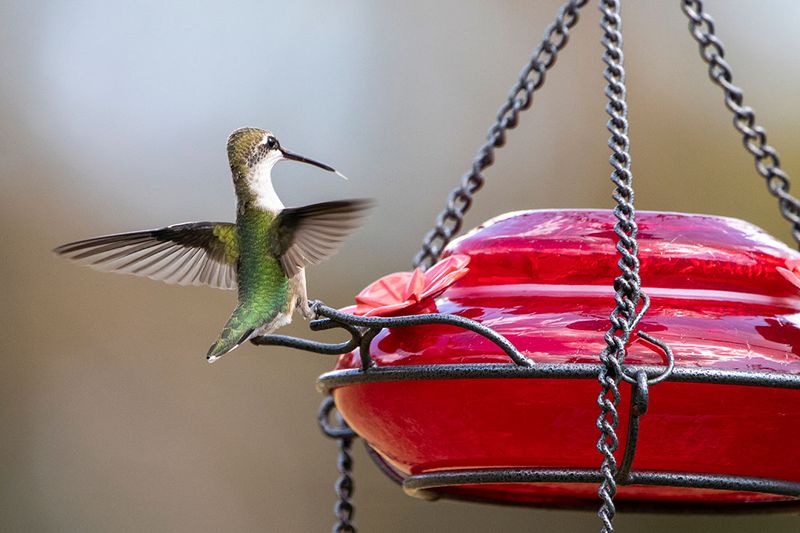
Fall brings shorter days, and that change in daylight is a major cue for migration. Cornell Lab of Ornithology points to day length as one of the main signals, though it is not the only one and it cannot predict the exact day birds will leave your yard.
Seasonal movement can change what you see at a feeder. Local birds may head south, and travelers from farther north may pass through in waves, so a busy week can be followed by a quiet one.
Ruby-throated Hummingbirds, for example, may cross the Gulf of Mexico or travel around it, according to Cornell range and migration information.
One point matters for every feeder owner: hummingbirds migrate whether feeders are available or not. Cornell explains that a full feeder does not hold migrating birds back.
That is a general seasonal pattern, and it is separate from the question of why your own feeder is quiet.
An untouched feeder cannot explain itself
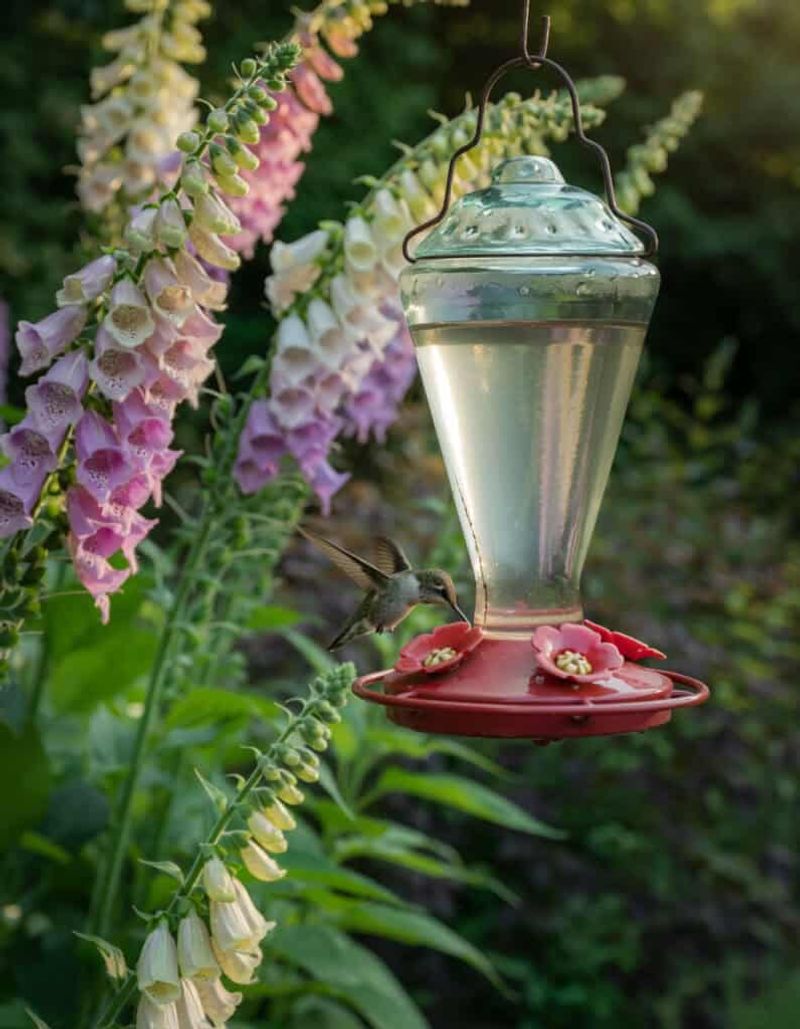
Picture a feeder that has sat full for two weeks. It is tempting to pin the blame on one thing, but a single feeder cannot tell you the cause.
Seasonal departures are one possibility, and they are not proof of a migration event or a feeder problem.
Food elsewhere matters too. Cornell reports that abundant wildflowers can reduce feeder visits, since birds may find plenty of natural nectar nearby.
Fall blooms across the South can pull birds toward flowers, at least for a while.
Cornell also cautions that activity at one feeder does not necessarily reflect a trend for the whole species. Your neighbor two streets over may see something quite different.
A useful next step is to note the date of your last sighting, then keep the feeder clean and stocked while you watch for changes.
Check nectar freshness and feeder hygiene
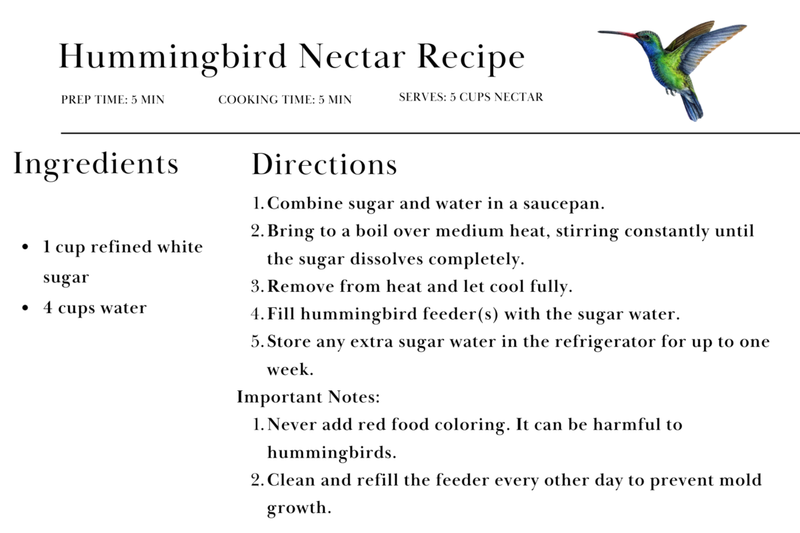
Spoiled nectar is a food-safety concern, so it deserves attention even if it is not the reason for the quiet. The safe recipe is 1 part refined white sugar to 4 parts water.
Skip red dye, honey, brown sugar, and artificial sweeteners, as Audubon advises.
Heat speeds spoilage. Audubon suggests changing nectar daily or every other day in hot weather, and the University of Florida notes in its hummingbird guide that Florida heat can encourage bacterial growth.
When conditions are hot, follow the more frequent schedule.
Nectar that goes untouched still ages, so pour it out and wash the feeder rather than topping it off. Clean right away if you see mold, insects in the nectar, or a sick bird.
A bottle brush and hot water reach the ports and corners where residue hides.
Placement may help birds discover a feeder

Where you hang the feeder can make a practical difference. Shade helps slow nectar spoilage, which is useful in Southern heat, and a shaded spot also keeps the nectar cooler for any visitor that does arrive.
Flowers nearby may also help birds notice the feeder. Audubon suggests planting red or orange tubular flowers close to it, while noting that native flowers in other colors can supply nectar as well.
Cornell’s feeding guidance also treats feeders as one part of a bird-friendly yard.
Treat these ideas as possibilities, not promises. A good spot cannot guarantee a visit.
For color, choose a feeder with red parts instead of dyeing the nectar, since dye is unnecessary.
Keep the feeder available after activity fades
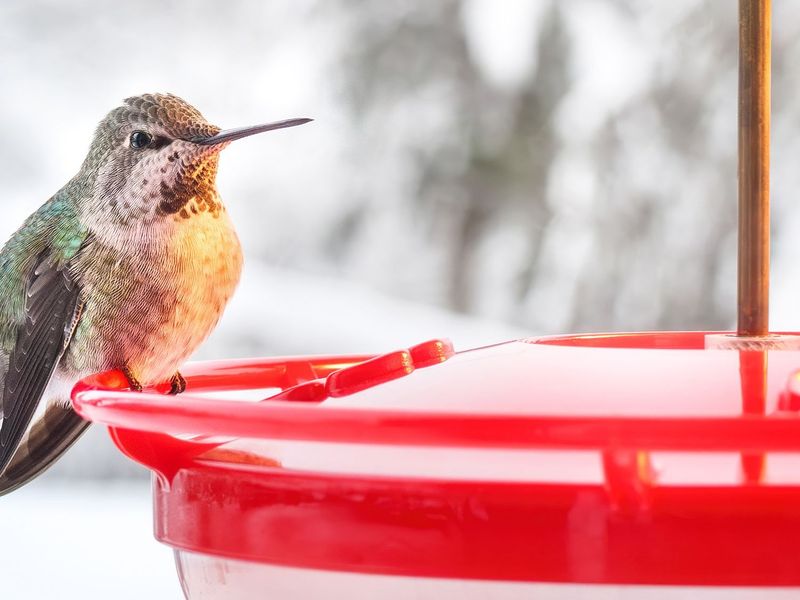
When the last hummingbird disappears, resist the urge to take the feeder down. Cornell recommends leaving it up for several weeks after your final sighting.
Keep maintaining it too. Change the nectar and clean the feeder on schedule even if nothing has touched it.
Late migrants or out-of-range birds may still appear into early winter, according to Audubon, though no one can promise a visit to your yard.
Removing a feeder will not push birds to leave, because migration goes ahead either way. A stocked, clean feeder simply gives a tired traveler a safe option if one turns up.
A quick daily glance from a window is often all the monitoring you need.
Match Southern habitat advice to the region
Florida and Texas do not share one calendar. On the Texas coast, Ruby-throated Hummingbird passage can stretch from mid-summer into early November with several surges, as Texas Parks and Wildlife describes.
Florida varies by area. The Ruby-throat is the state’s most common species, with occasional Black-chinned and Rufous winter visitors, according to UF/IFAS.
So not every late-season hummingbird is a Ruby-throat.
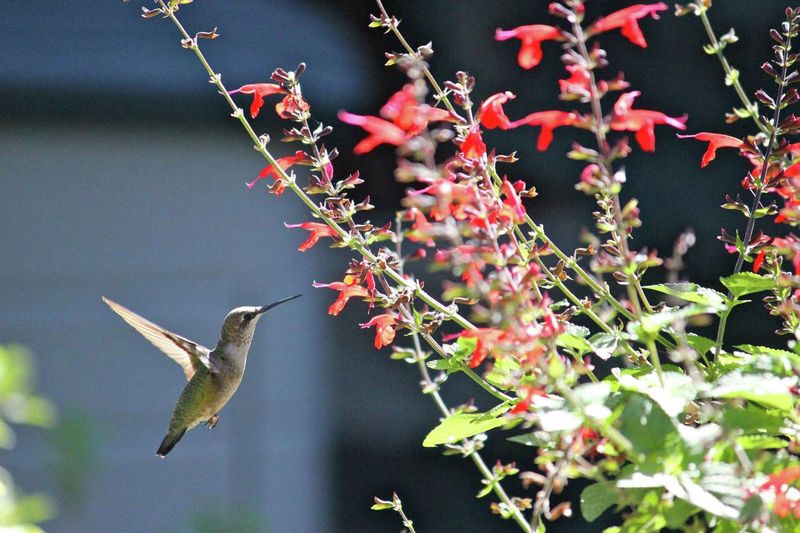
Native plants give you a longer-lasting way to help. Audubon Texas lists Turk’s cap, flame acanthus, coral honeysuckle, and autumn sage as regional options.
Hummingbirds also need small insects and spiders, and native plantings support that prey along with nectar, so feeders work best as a supplement.
A garden that keeps something in bloom and a few insects around is quietly ready for whoever flies through next.