
If your hydrangeas gave you more leaves than flowers this year, the fix probably starts right now, not next spring. Many hydrangeas set next summer’s flower buds in late summer and fall, so what you do in the next few weeks decides how many blooms you get.
In the South, where heat, drought, and surprise freezes all play a part, a few smart fall moves can make a real difference. Here are seven simple fixes that can help your shrubs come back fuller and showier next year.
1. Put Away the Pruning Shears
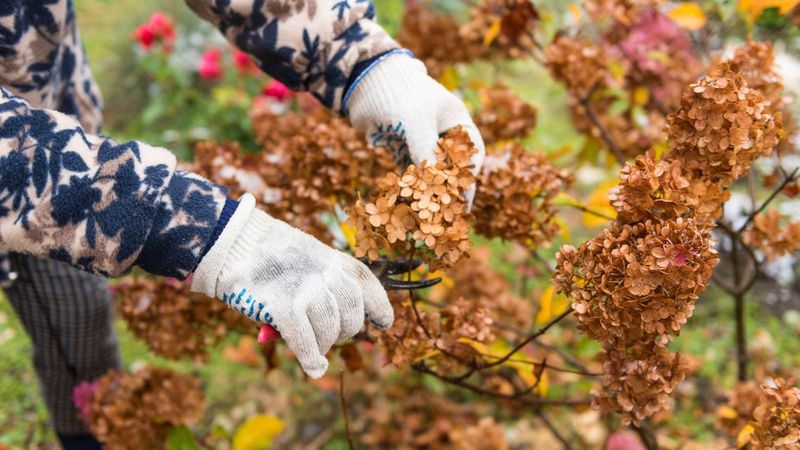
Picture a gardener in Dallas tidying her yard in October, snipping every hydrangea stem down to knee height. Next June, she gets a wall of green leaves and almost no flowers.
Sound familiar?
Bigleaf and oakleaf hydrangeas bloom on old wood, which means the buds for next summer are already forming on the stems right now. Cut those stems in fall, and you cut off the flowers before they ever open.
Fall pruning is one of the most common reasons these shrubs refuse to bloom.
The better plan is simple: leave them alone. If you must tidy up, only snip off the faded flower heads just above the first set of healthy leaves.
You can also remove dead or broken stems at the base, since those will not bloom anyway.
Panicle and smooth hydrangeas, like Limelight or Annabelle, bloom on new wood and are more forgiving. Even so, many Southern gardeners find late winter is the safer time to trim them.
Not sure which type you have? Hold off until you know.
Waiting costs you nothing, while a wrong cut can cost you a whole season of color.
2. Water Deeply Through Dry Fall Spells
Hydrangeas got their name from Greek words meaning water vessel, and they live up to it. Fall in Texas and much of the South can be surprisingly dry, and thirsty shrubs often struggle to finish forming strong buds.
Drought stress in September and October may cause buds to shrink, brown, or drop before winter. You might not notice the damage until spring, when blooms come up thin or missing.
A little attention now can head that off.
Aim for a deep soaking about once or twice a week when rain is scarce. Water slowly at the base of the plant so moisture reaches the roots instead of running off.
A soaker hose or drip line works well and keeps leaves dry, which can lower the risk of leaf spot.
Here is an easy test: push a finger two inches into the soil. If it feels dry, it is time to water.
If it feels soggy, skip a day, because soggy roots can rot.
Keep watering until the plant drops its leaves or steady cool, wet weather arrives. Well-watered shrubs tend to go into winter stronger and wake up ready to flower.
3. Stop Feeding Nitrogen Fertilizer
More food sounds like more flowers, right? With hydrangeas in fall, the opposite is often true.
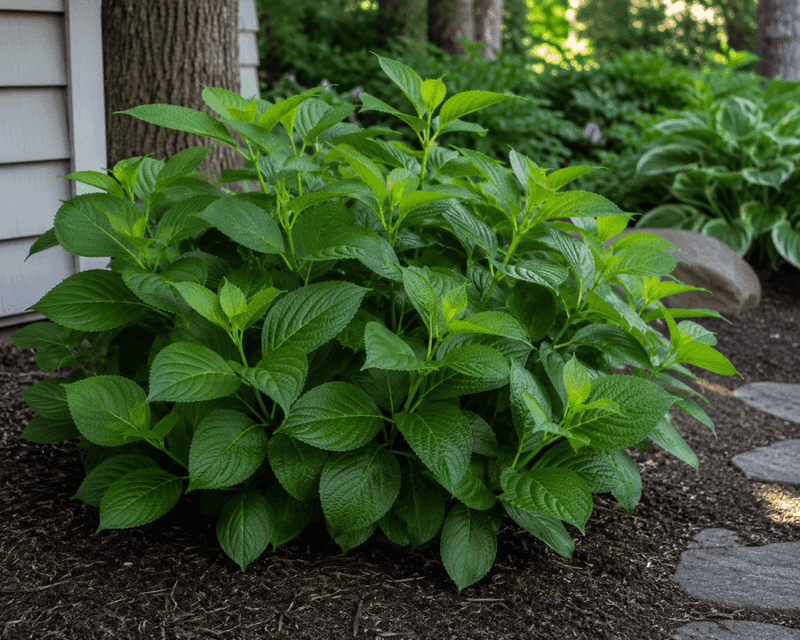
Fertilizers high in nitrogen push out soft new leaves and stems. That tender growth is easy prey for an early cold snap, and the shrub spends energy on foliage instead of firming up its flower buds.
Late feeding can leave you with a big, leafy plant and very few blooms.
A sneaky culprit is lawn fertilizer. If your hydrangeas sit near the grass, runoff from a fall lawn feeding can reach their roots.
Try to keep the spreader a few feet away from the beds, or choose a lawn product that is lower in nitrogen.
So when should you feed? Most hydrangeas do fine with a light, slow-release fertilizer in spring, and sometimes again in early summer.
After mid-August, put the bag away for the year.
If your soil is poor, a thin layer of compost in fall is a gentle option. It slowly improves the soil without forcing a flush of new growth.
Think of fall as rest time, not mealtime, and your shrubs can save their strength for blooming.
4. Add a Thick Blanket of Mulch
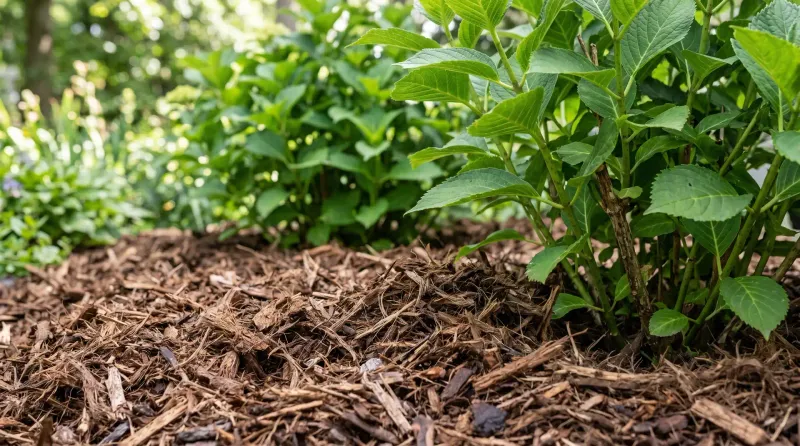
Mulch is the cheapest insurance policy a hydrangea can get. A good layer does three jobs at once, and all three matter for next year’s flowers.
First, it holds moisture in the soil during dry fall weeks. Second, it helps even out soil temperatures, so roots are less stressed when the weather swings from warm to freezing and back again.
Third, it slowly breaks down and feeds the soil.
Spread two to three inches of shredded bark, pine straw, or chopped leaves around the base of the shrub. Extend it out to the drip line, which is roughly where the outer branches reach.
Pine straw is easy to find across the South and works nicely.
One caution: keep the mulch pulled back an inch or two from the stems. Piling it against the bark can trap moisture and invite rot or pests.
Fun fact: fallen oak leaves make free, excellent mulch once you run a mower over them. They break down into rich, crumbly material that hydrangeas seem to love.
Your yard cleanup and your shrub care can become one easy chore.
5. Guard Buds Against Late Freezes
Ask any North Texas gardener about a warm February followed by a hard March freeze. That wild swing is a top reason Southern hydrangeas skip a bloom year.
Buds that formed in fall can break early during a warm spell, then get zapped when temperatures crash. The plant survives, but the flowers for that season may be gone.
Planning now can help you react fast later.
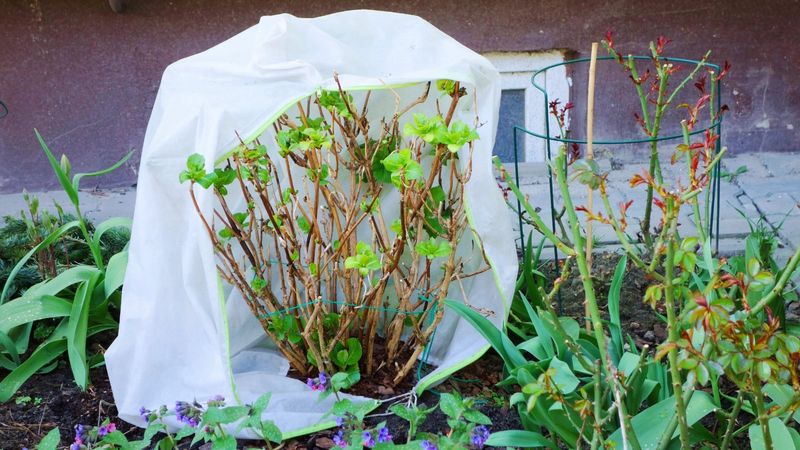
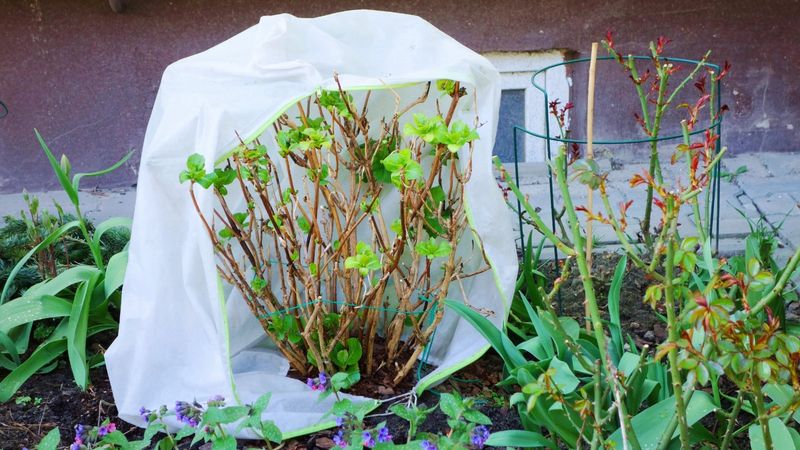
Buy a frost cloth or old bedsheet this fall and keep it handy. When a freeze is forecast, drape it over the shrub so it reaches the ground and traps warmth from the soil.
A few stakes keep the fabric from crushing the stems. Remove the cover once temperatures rise the next day.
Avoid plastic touching the leaves, since it can actually make cold damage worse. Fabric breathes and protects better.
Gardeners in Central and South Florida rarely deal with this, but those in the Panhandle and north Florida sometimes do. If you garden in a spot prone to late frosts, newer reblooming types like the Endless Summer series may be a smart backup.
They can flower on new growth too, which gives you a second chance if buds get nipped.
6. Move Shrubs Out of Harsh Sun
Some hydrangeas are simply in the wrong spot. If yours wilts every afternoon, has crispy leaf edges, and blooms poorly year after year, the location may be the real problem.
In Florida and Texas, the afternoon sun is brutal. Most bigleaf and oakleaf hydrangeas do best with morning sun and shade from about noon on.
A shrub baking against a west-facing wall may never reach its full flowering potential.
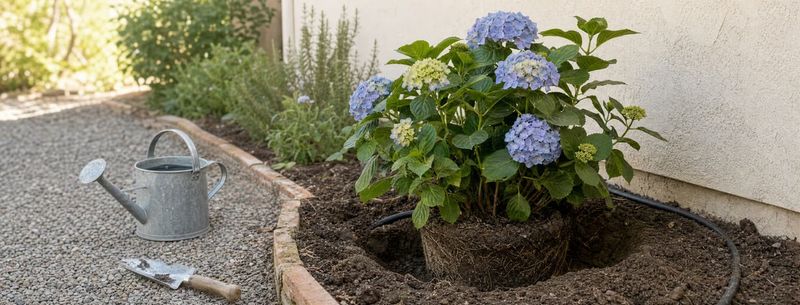
Fall is a great time to relocate one. The soil is still warm, which helps roots settle in, while cooler air means less stress on the leaves.
Wait until the heat breaks, usually October or November in much of the South.
Dig wide to save as many roots as you can, and replant at the same depth it grew before. Water it in well and keep the soil moist through winter.
Look for a spot under tall trees with filtered light or along an east-facing side of the house.
Be ready for a slower first season, since moved shrubs often focus on roots before flowers. Still, many gardeners find the payoff in later years is well worth one quieter summer.
7. Test Soil and Adjust Bloom Color
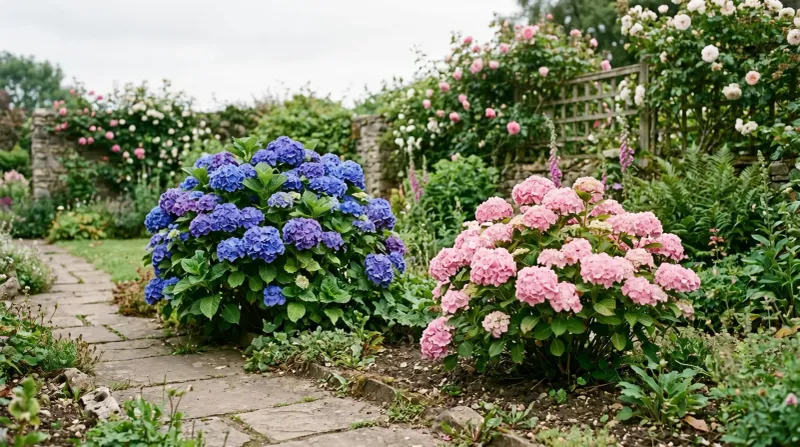
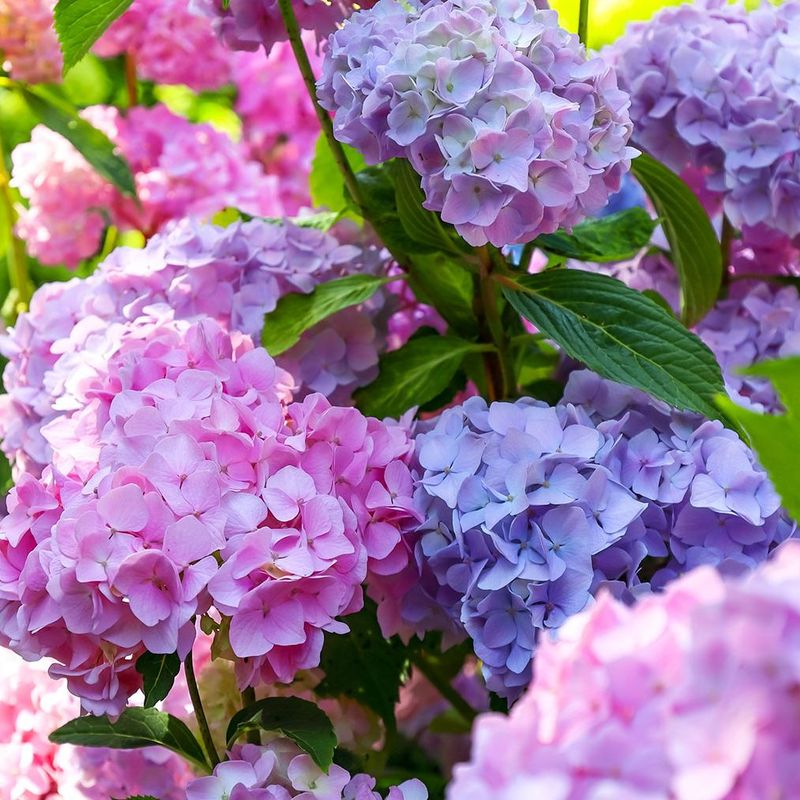
Blue or pink? With bigleaf hydrangeas, your soil makes that call, and fall is the perfect time to start steering it.
Acidic soil, with a pH below about 6, tends to produce blue flowers because the plant can take up aluminum. Alkaline soil, common in much of Texas, usually leads to pink.
Soil changes slowly, so adjustments made now have months to work before blooms appear.
Start with a soil test. Your county extension office often offers affordable kits, or you can grab a simple home tester.
For bluer blooms, garden sulfur or aluminum sulfate can lower pH over time. For pinker flowers, garden lime may raise it.
Follow label rates closely, because too much can burn roots.
A test also shows if nutrients are lacking, which can quietly hold back flowering. Fixing a real shortage may help more than guessing with random products.
Keep expectations realistic in very alkaline Texas soils. Turning blooms deep blue there can be an uphill battle, and many gardeners find containers filled with acidic potting mix easier.
White hydrangeas, by the way, stay white no matter what you do. That makes them a low-stress choice if you just want reliable flowers without chemistry homework.