
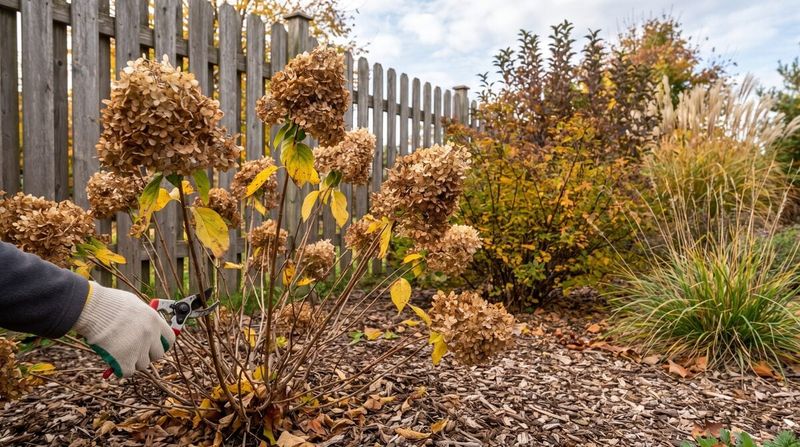
When hydrangea blooms start fading, many gardeners reach for their pruners, assuming a good cutback is the next logical step. That instinct can cost you next year’s flowers, depending on which type of hydrangea you have.
Some plants may already be forming next season’s buds on their existing stems, while others will grow fresh flowering shoots in spring no matter what you do in fall. Knowing which situation applies to your shrub is the most useful thing you can do before cold weather arrives.
Fading flowers do not automatically call for a fall haircut
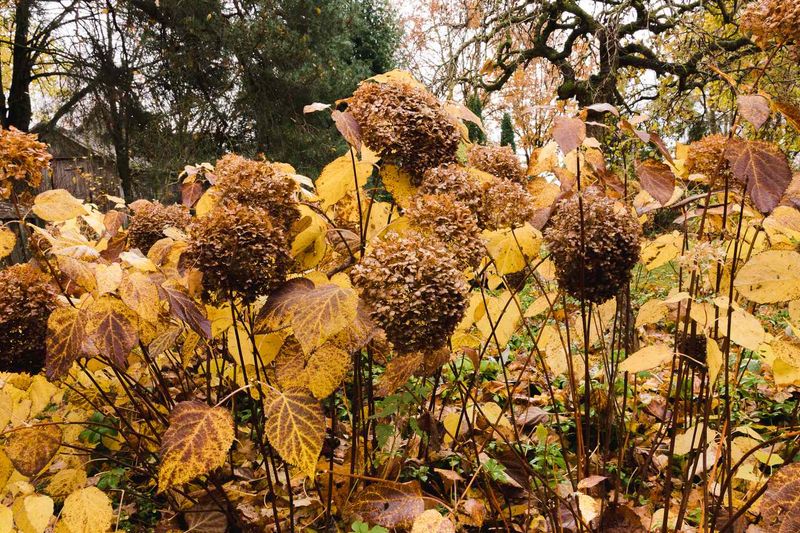
Fading blooms can feel like a signal to clean things up, but reaching for the pruners without knowing your hydrangea type can do more harm than a season of neglect. The critical detail is that some hydrangeas may already carry next year’s flower buds on their existing stems by late summer or early fall, meaning a hard cutback removes potential blooms before they ever have a chance.
That risk applies mainly to old-wood types, which include bigleaf, oakleaf, mountain, and climbing hydrangeas. University of Georgia Extension guidance on bigleaf hydrangeas advises pruning after flowering and avoiding cuts after approximately August 1, because late-summer bud formation on old stems is already underway.
By the time fall arrives, the best action for these plants is often to leave healthy stems alone rather than rush into a cleanup cut.
New-wood hydrangeas, including smooth and panicle types, follow a different pattern entirely. They produce their flowering growth during the coming season, so fall pruning does not threaten next year’s buds the same way.
If you are not sure which type you have, the safest response is to pause major cuts, remove only material that is clearly dead or damaged, and spend a few minutes identifying the plant before deciding anything else.
Fall is not a universal race against cold weather for every hydrangea. For many gardeners, the most protective choice is simply doing less until the type is confirmed.
Identify the hydrangea before choosing a pruning date
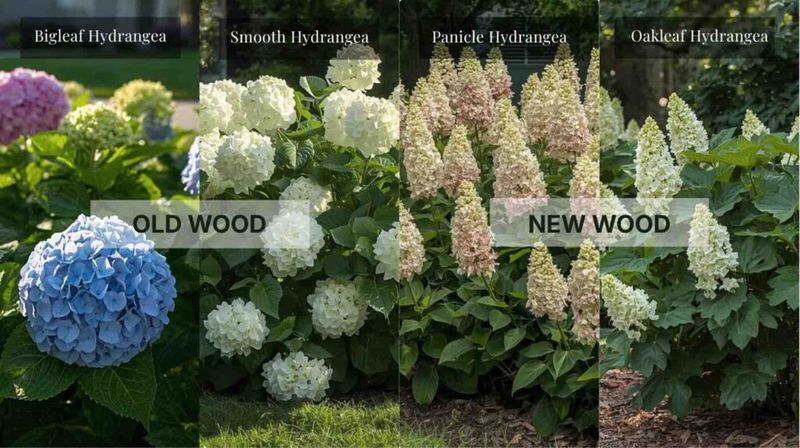
Species and cultivar matter far more than the calendar when it comes to hydrangea pruning. A fall pruning rule that works perfectly for one type can strip next year’s flowers from another, so getting the identification right is the first practical step.
Bigleaf hydrangeas, which include the familiar mophead and lacecap forms, generally bloom on old wood, as do oakleaf, mountain, and climbing hydrangeas. UGA Extension’s Forsyth County identification guide emphasizes that knowing the species is more important than following any calendar rule, because these old-wood types need their existing stems preserved through fall and winter.
Oakleaf hydrangeas are easy to spot by their deeply lobed leaves that resemble an oak’s, and their elongated, cone-shaped flower clusters turn papery and tan as they age.
Smooth hydrangeas such as ‘Annabelle’ and panicle hydrangeas such as ‘Limelight’ bloom on new wood. University of Minnesota Extension’s pruning guide explains that these types produce their flowering stems during the coming season, so major shaping belongs in late winter or early spring rather than fall.
Reblooming or remontant cultivars, including many in the ‘Endless Summer,’ ‘Let’s Dance,’ and ‘Tuff Stuff’ lines, add a third category. University of Illinois Extension notes that these cultivars can flower on both old and new wood, which makes them more forgiving if winter damages old buds, though they are not immune to reduced flowering from poor pruning or environmental stress.
A common name or a familiar bloom color alone may not be enough to place a plant in the right category, so checking a plant tag, a reliable extension resource, or a close look at leaf and flower shape is worth the effort.
Old-wood hydrangeas may already carry next season’s buds
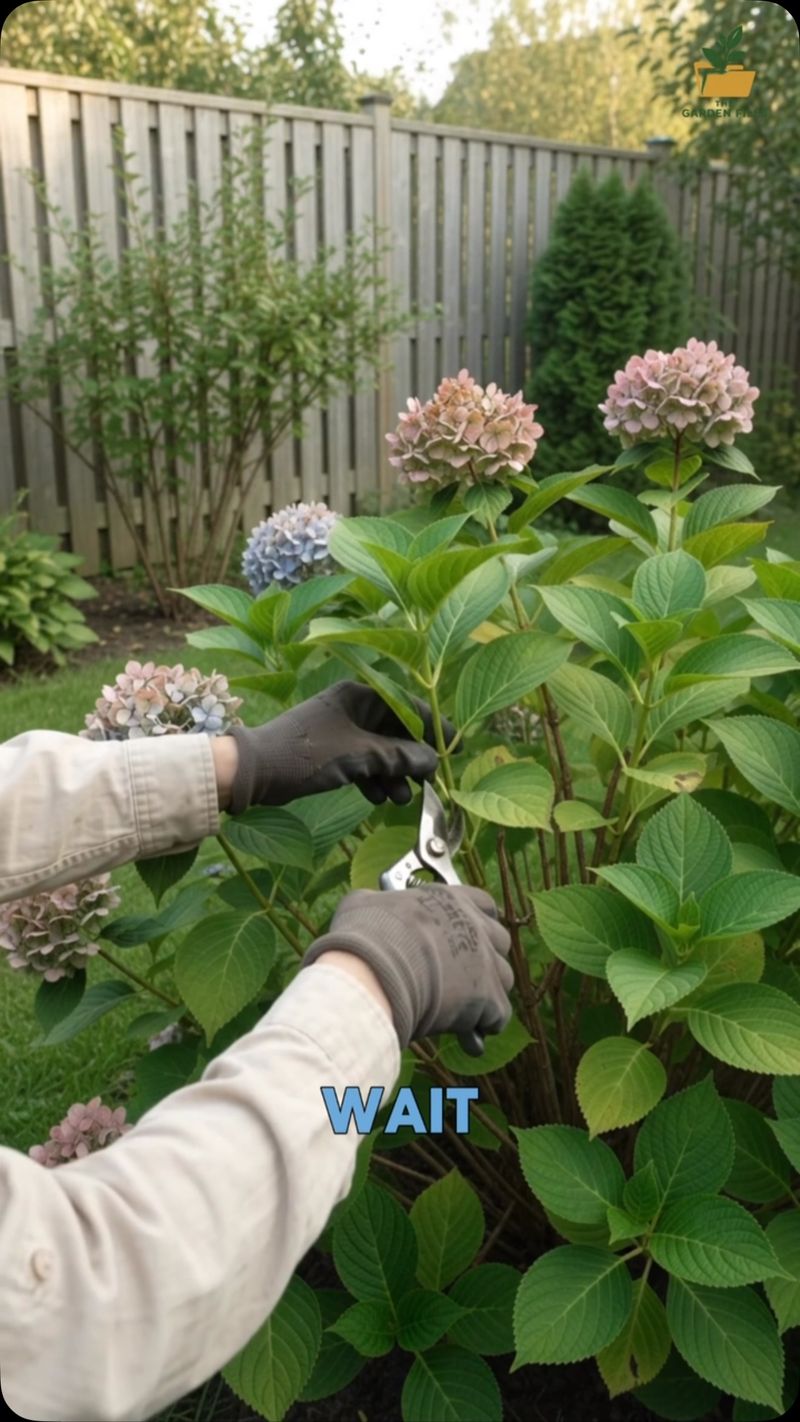
For bigleaf, oakleaf, mountain, and climbing hydrangeas, the stems that carried this year’s flowers are often the same stems that will carry next year’s. These plants typically set their flower buds on existing woody growth, often by late summer, which is why the timing of any cut matters so much.
UGA Extension’s bigleaf hydrangea publication advises that pruning should happen right after flowering and be completed before approximately August 1 in the South, because bud formation on old stems begins shortly after that window closes. By fall, those buds may already be present on healthy stems, even if they are small and not yet visible to the naked eye.
Cutting those stems removes the buds along with them.
That said, bud formation does not guarantee bloom. Winter cold, late-spring freezes, drought, poor light, and cultivar sensitivity can all damage or prevent flowering even when old stems are carefully preserved.
The goal in fall is simply to avoid adding another obstacle by cutting away what the plant has already invested in producing.
UGA Extension’s ornamental pruning guide and the Forsyth County identification resource both support leaving healthy old stems in place on these types after the post-bloom window has passed. Remove wood that is clearly dead, broken, diseased, or crossing badly, but treat fall as a preservation season rather than a shaping opportunity.
Immediate post-bloom pruning, before late-summer bud set, is the better window for any significant shaping work on old-wood hydrangeas.
New-wood hydrangeas usually wait for late-winter pruning
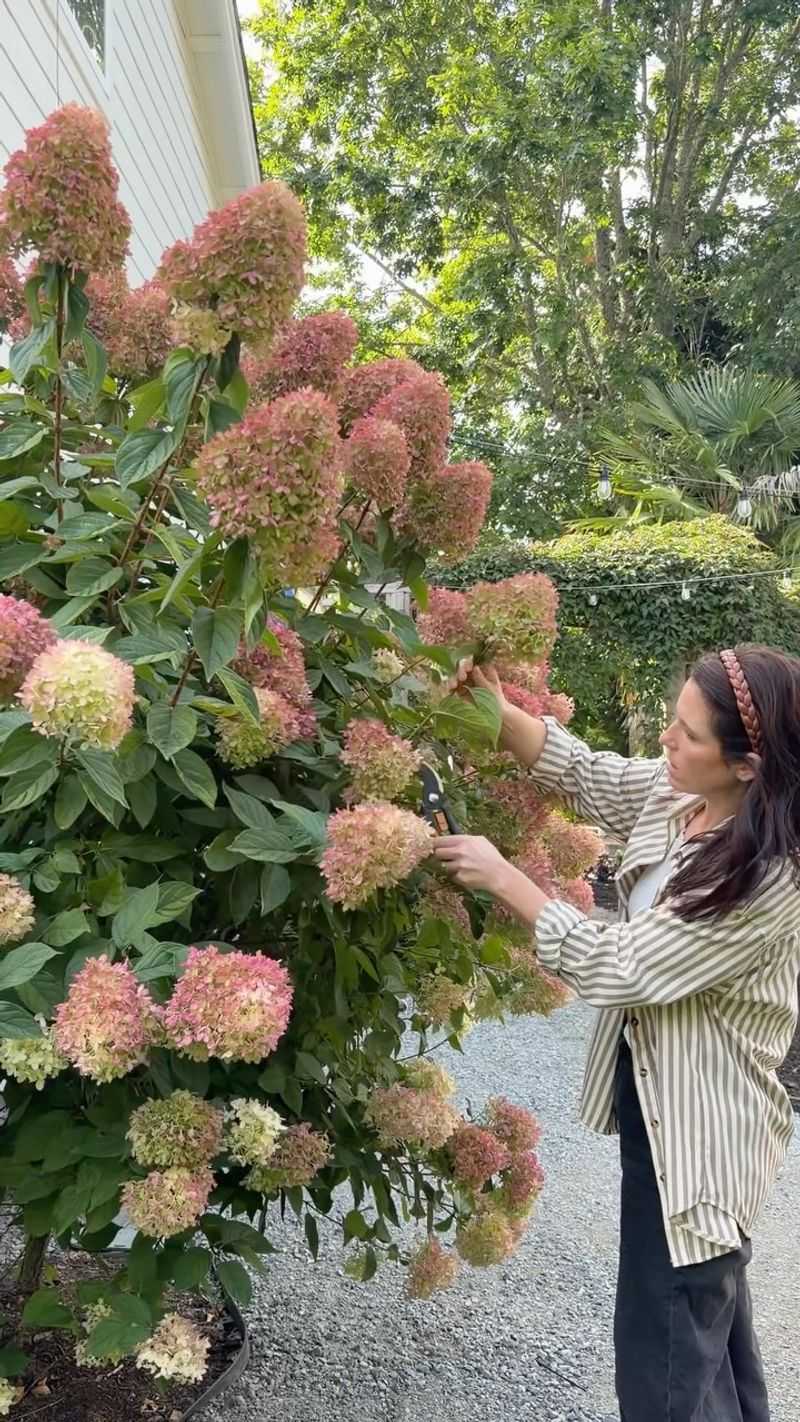
Smooth hydrangeas like ‘Annabelle’ and panicle hydrangeas like ‘Limelight’ operate on a fundamentally different schedule than their old-wood relatives. Because they produce flowering stems from new growth each season, the fall pruning dilemma that affects bigleaf and oakleaf types simply does not apply in the same way.
University of Minnesota Extension’s pruning resource explains that major shaping or size reduction on panicle and smooth hydrangeas generally belongs in late winter or early spring, just before new growth begins. Fall is not the time to make significant cuts on these plants, and there is no flowering-bud risk that demands action before cold weather.
Dried flower heads can remain on the plant through winter, providing structure and a bit of seasonal visual interest, and can be removed when late-winter pruning begins.
University of Illinois Extension’s Good Growing blog notes that fall deadheading on these types is optional rather than required for next year’s flowering. If a stem is broken or clearly dead, removing it in fall is reasonable, but routine cutting back to the ground is not necessary and, done repeatedly, can weaken the plant’s framework over time.
Pruning does not automatically produce larger or more abundant blooms on new-wood types. Bloom depends on cultivar, light, water, nutrition, and the overall health of the plant, not on whether the pruners came out in October or February.
Confirming the type before any cut remains the most reliable first step.
Use fall care to support roots without forcing tender growth
Once the pruning question is settled, fall care shifts to supporting the root zone and keeping the plant steady through the coming months. Hydrangeas, especially bigleaf types, have real moisture needs that do not disappear just because the growing season is winding down.
Monitor soil moisture through the fall rather than following a fixed watering schedule. Dry fall weather can stress roots and reduce a plant’s ability to survive winter in good condition.
UGA Extension’s bigleaf hydrangea guidance points to evenly moist, well-drained soil as the target, not saturated ground. Water when the soil feels dry several inches down, and adjust based on rainfall, temperature, and the plant’s exposure rather than a fixed weekly routine.
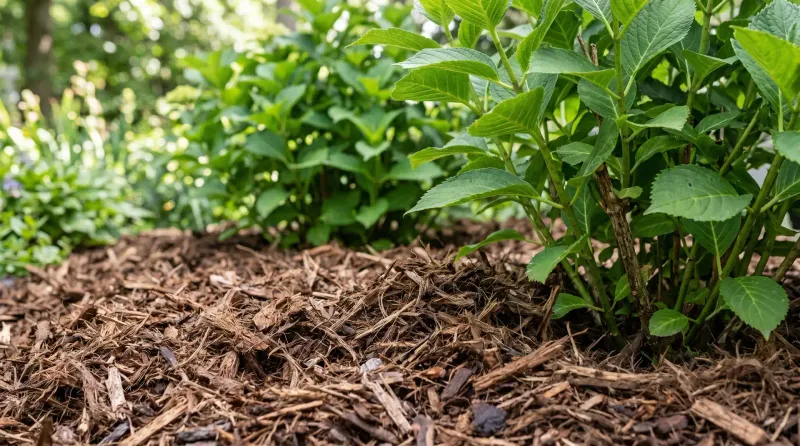
A layer of organic mulch around the root zone is one of the most practical fall tasks for any hydrangea. UGA Extension recommends roughly 3 to 5 inches of organic mulch for bigleaf hydrangeas to conserve moisture and moderate soil temperature swings.
Keep mulch pulled a few inches away from the stem and crown to avoid trapping moisture against the wood.
Skip routine high-nitrogen fertilizer in fall. Mississippi State Extension’s hydrangea publication recommends light fertilizer applications during the growing season and warns that excess nitrogen can push foliage growth at the expense of flowers.
Late-season nitrogen can also encourage tender new growth that is vulnerable to cold damage. When removing dead or diseased wood, use clean, sharp tools and disinfect between plants, as University of Florida IFAS Extension recommends, to avoid spreading pathogens from one shrub to another.
Protect vulnerable buds only when local freezes threaten
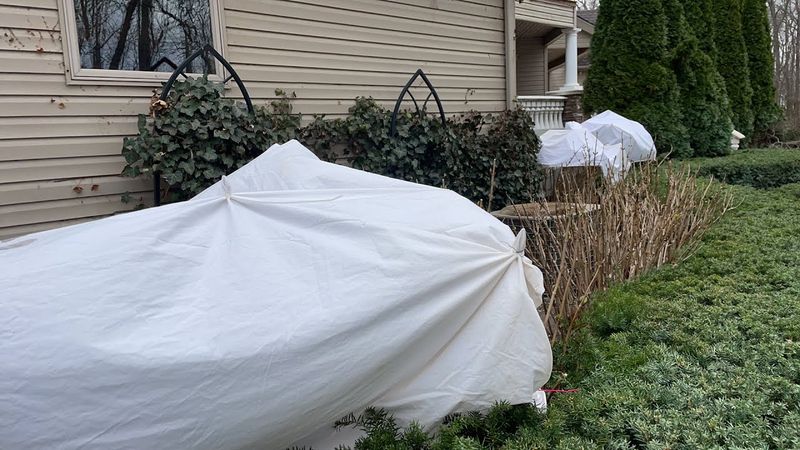
Cold protection for hydrangeas is not a universal fall task, but it is genuinely important for the right plant in the right situation. Bigleaf hydrangeas that bloom on old wood carry the most risk, because the flower buds already developing on their stems can be killed by winter cold or late-spring freezes before they ever open.
UGA Extension’s bigleaf hydrangea guidance recommends temporary protection such as a sheet, blanket, cardboard container, or a wire cage filled with leaves when freezing temperatures threaten. The key word is temporary: covers should go on when a damaging freeze is forecast and come off once temperatures rise, not stay in place all winter.
Permanent enclosures can trap moisture and create conditions for disease or pest problems.
Newly planted shrubs and hydrangeas in exposed, wind-prone sites face higher risk than established plants in sheltered spots. University of Minnesota Extension notes that protection is most meaningful for cold-sensitive types and vulnerable sites.
Panicle and smooth hydrangeas, which bloom on new wood, are generally hardier and less likely to need wrapping.
Florida and Texas gardeners should resist any statewide rule about winter protection. Mississippi State Extension’s updated hydrangea publication reinforces that freeze exposure, heat, soil drainage, and cultivar performance vary considerably within each state.
A bigleaf hydrangea in North Texas faces very different conditions than one in Houston, and a gardener in the Florida Panhandle deals with freeze risk that a South Florida gardener rarely encounters. Watch local forecasts, know your plant’s type, and respond to actual conditions rather than a calendar date.
Follow a type-first fall checklist
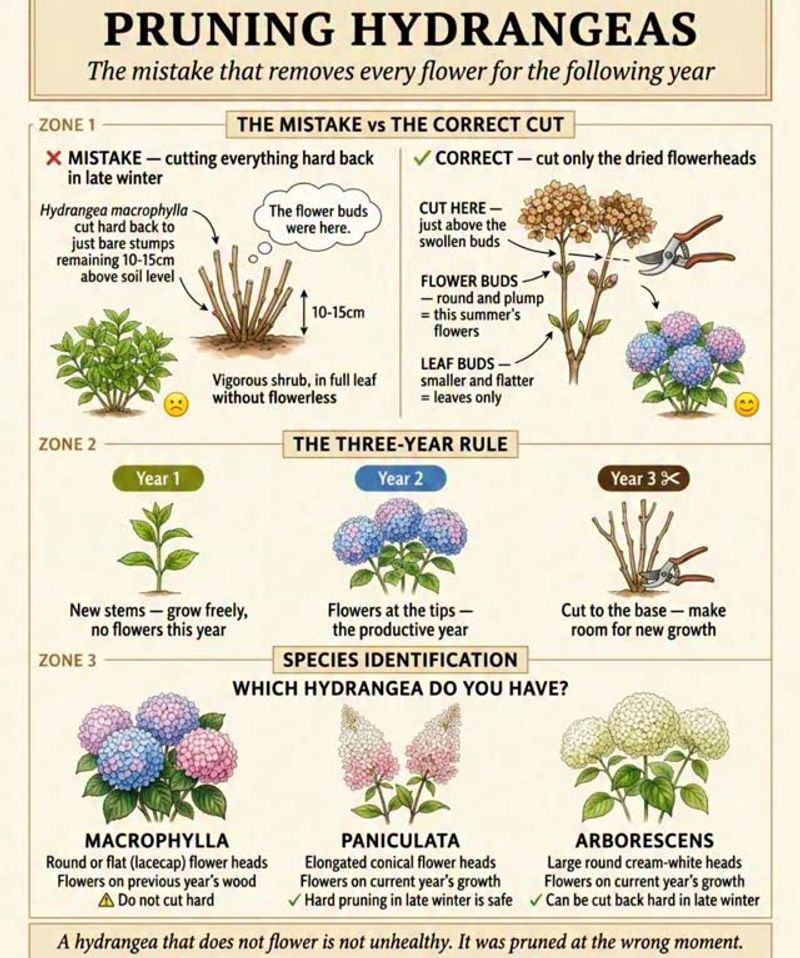
Before doing anything else, identify the hydrangea. That single step shapes every decision that follows.
UGA Extension’s identification resource makes a useful starting point for sorting old-wood from new-wood types.
If the plant is a bigleaf, oakleaf, mountain, or climbing hydrangea, preserve healthy stems and leave old wood in place. Defer any major shaping until immediately after next year’s bloom.
If it is a smooth or panicle type, major pruning can wait until late winter or early spring. UGA Extension guidance and University of Minnesota Extension both support this type-first approach across the range of common cultivars.
Across all types, remove only wood that is genuinely dead, damaged, or diseased. Maintain soil moisture, apply organic mulch to the root zone without piling it against the stem, skip routine fall nitrogen, and protect old-wood plants with temporary covers only when local freeze forecasts justify it.
Correct type-specific timing can help avoid reducing next year’s flowering, but it does not guarantee a larger display. Bloom depends on cultivar, winter temperatures, light, water, and the overall condition of the plant, and those factors work together in ways no single fall task controls.
The plants that tend to do best are the ones whose owners learned to read the type before picking up the pruners.