
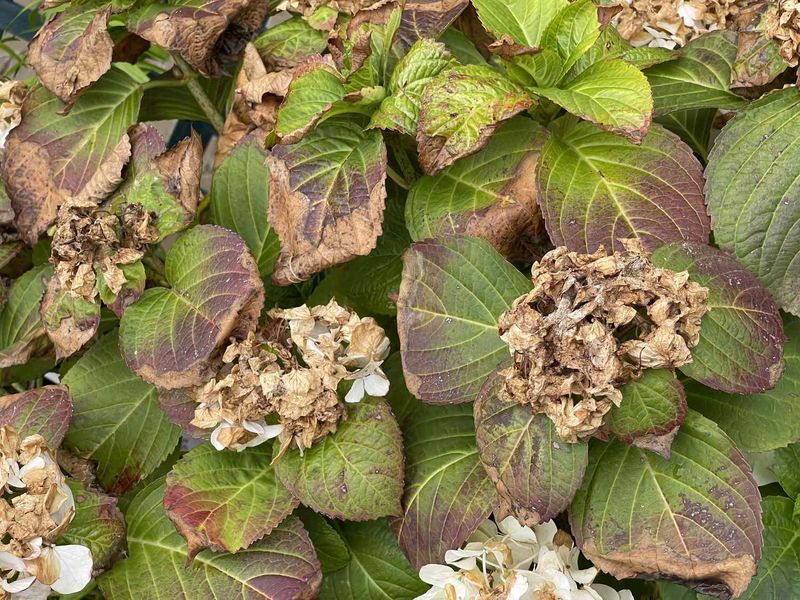
If your hydrangeas gave you a disappointing show this season, the decisions you make right now can either help or hurt next year’s flowers. Several problems can quietly work against future blooms, especially on the types that form their buds on last year’s stems.
Knowing which hydrangea you have and what it actually needs makes all the difference between a shrub that bounces back and one that keeps underperforming.
Some hydrangeas set next year’s buds this year
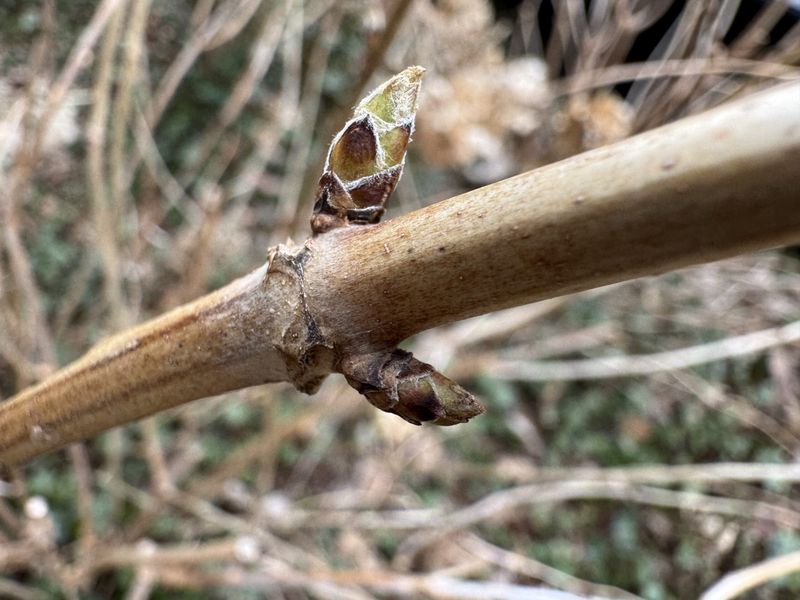
Many gardeners are surprised to learn that certain hydrangeas are already working on next year’s flowers right now. Bigleaf hydrangeas (Hydrangea macrophylla), oakleaf hydrangeas (H. quercifolia), mountain hydrangeas, and most traditional mophead and lacecap types build next season’s flower buds on stems grown during the current year, often beginning in late summer and continuing into fall.
UGA Extension guidance on growing bigleaf hydrangeas confirms that these old-wood bloomers can lose their flowering potential when those stems are cut or damaged before buds fully develop.
Late pruning and freeze injury are the most direct threats because they physically remove or kill buds that have already formed on the stems. Excessive shade, drought stress, summer heat, and excess nitrogen work differently – they can suppress flowering or impair the plant’s ability to develop buds in the first place, but they do not always cause outright bud loss the same way a pair of pruners does.
A shrub with lush foliage and almost no blooms has several possible explanations, and the old-wood problem is only one of them. University of Minnesota Extension’s pruning guide makes clear that smooth hydrangeas (H. arborescens) and panicle hydrangeas (H. paniculata) flower on new wood grown each spring, so the same warnings do not apply equally to every hydrangea in the yard.
Identify the hydrangea before you prune
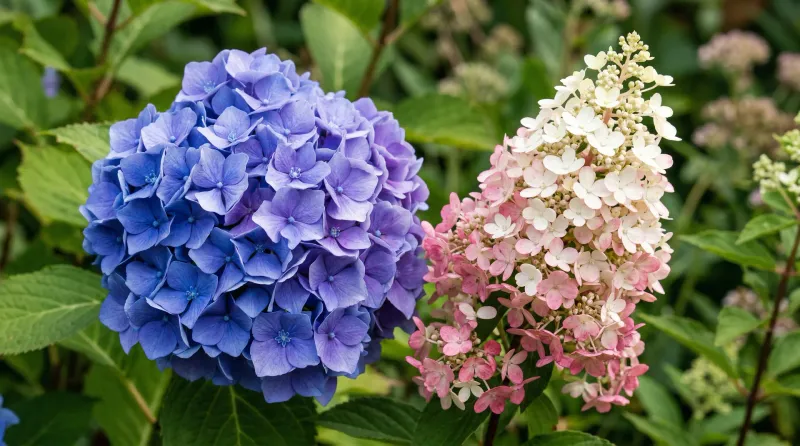
Before reaching for pruning shears, the most useful thing a gardener can do is figure out exactly which hydrangea is growing in the yard. Bigleaf, oakleaf, mountain, and most traditional mophead and lacecap varieties bloom on old wood, meaning their buds form on stems that survived from the previous season.
Panicle hydrangeas like ‘Limelight’ and smooth hydrangeas like ‘Annabelle’ bloom on new wood produced each spring, making them far more forgiving of off-season trimming.
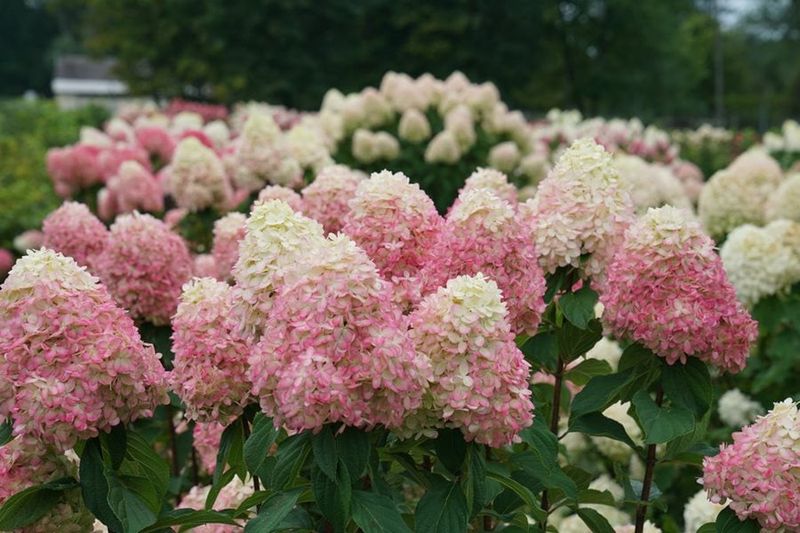
UGA Paulding County Extension’s pruning guide emphasizes that the right approach genuinely depends on the species, and a wrong assumption can cost a full season of flowers. Plant tags, cultivar names, and flower shape offer useful clues: mopheads and lacecaps have round or flat-topped clusters with large outer florets, oakleaf types have distinctive lobed leaves and cone-shaped blooms, and panicle hydrangeas produce elongated white or cream flower clusters.
If the tag is long gone and the cultivar is uncertain, a local Extension office or reputable nursery can help with identification. Reblooming or “ever-blooming” bigleaf cultivars are worth a separate mention: UF/IFAS Extension Bay County notes that these plants may produce flowers on new growth after old buds are lost, but the timing and amount of rebloom vary considerably by cultivar and growing conditions, so they are more resilient, not immune to damage.
Getting the identification right before making any cuts is the single step most likely to protect next year’s bloom.
Prune old-wood types after flowering, not by a universal date
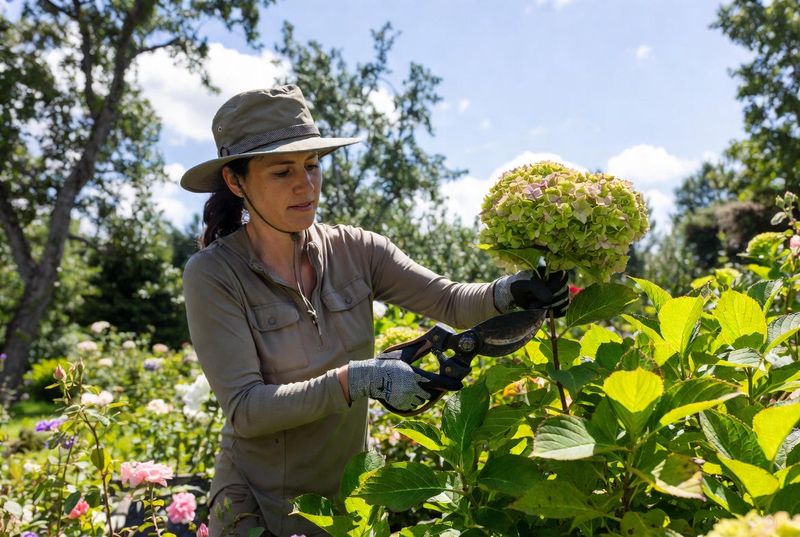
The clearest pruning rule for old-wood hydrangeas is also the most practical: cut them after flowering or while the flowers are fading, then stop before that plant begins setting next year’s buds. Following that sequence protects the stems that will carry future blooms while still giving the shrub a chance to tidy up.
UGA’s bigleaf hydrangea publication places the general Southern cutoff around late July to early August, but that range is a local guide, not a hard deadline that applies equally across every yard, cultivar, or season.
Species, cultivar, local climate, and the actual weather in a given year can all shift when bud initiation begins. A gardener in coastal Georgia may safely prune a week or two later than someone gardening at higher elevation, and an unusually warm fall can push the window forward.
Using “after flowering and before late-summer bud formation” as the primary rule gives more reliable results than locking onto a calendar date.
Smooth and panicle hydrangeas follow a different schedule entirely. Because they bloom on new wood, University of Minnesota Extension explains that they can generally be pruned during dormancy or in early spring without sacrificing flowers, though hard annual cutting is not required and can reduce plant size over time.
For old-wood types outside the post-flowering window, the Paulding County Extension guide recommends limiting cuts to clearly dead, broken, or diseased wood only, leaving healthy stems untouched until the right season arrives.
Give the plant workable light and moisture
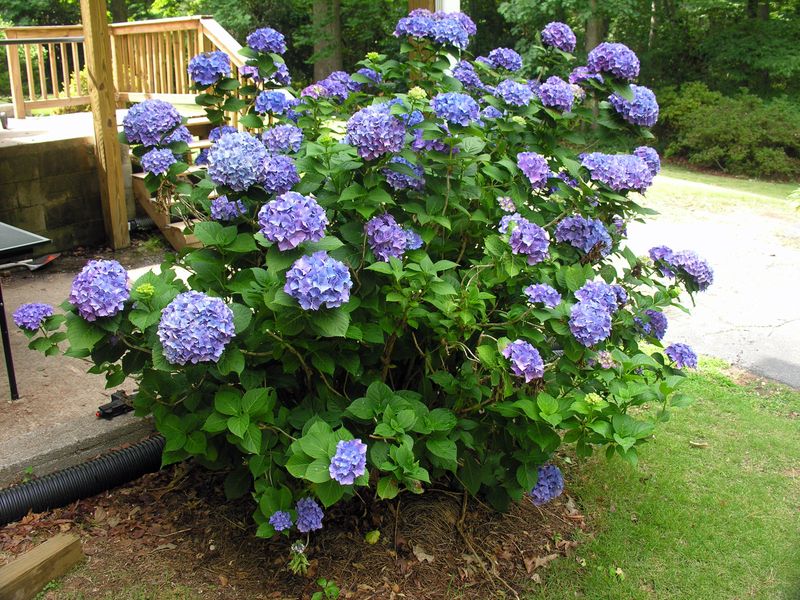
Site conditions quietly shape how well a hydrangea blooms, even when the pruning schedule is perfect. Bigleaf hydrangeas generally perform best with morning sun and afternoon shade, combined with moist but well-drained soil.
UGA Extension’s bigleaf hydrangea guide notes that too much shade can reduce flowering, while hot, dry, exposed locations increase stress and wilting without necessarily killing formed buds outright.
Watering decisions deserve more care than a quick glance at a wilting plant. Hydrangeas sometimes droop during the hottest part of a Southern afternoon even when the soil holds adequate moisture, and reaching for the hose every time that happens can saturate the root zone and cause more harm than good.
UGA Bartow County Extension’s watering guidance recommends checking soil moisture directly before deciding to water, treating afternoon wilt as a signal worth investigating rather than an automatic emergency.
Organic mulch is one of the most practical tools for managing both moisture and temperature around the root zone. UGA recommends roughly 3 to 5 inches of organic mulch for bigleaf hydrangeas to help moderate soil conditions through summer heat.
Oregon State University Extension’s heat-wave guide for hydrangeas also supports mulching as a way to buffer roots from temperature swings, though keeping mulch pulled slightly away from the crown helps prevent moisture buildup against the stem.
Do not use extra fertilizer as a bloom guarantee
When a hydrangea flowers poorly, the instinct to feed it more is understandable but often counterproductive. Excess nitrogen pushes the plant toward leafy growth at the expense of flowers, and no amount of fertilizer can substitute for adequate light, consistent moisture, correct pruning timing, or a climate that suits the cultivar.
UGA Extension specifically lists excess nitrogen as a possible cause of poor flowering in bigleaf hydrangeas, recommending light applications only when the plant and soil conditions call for them.
Popular home remedies do not hold up well under scrutiny either. Penn State Extension’s review of common garden myths explains that used coffee grounds are close to neutral pH and are not a dependable way to acidify soil.
University of Minnesota Extension cautions that applying Epsom salt when magnesium is not actually deficient can interfere with calcium uptake and create new nutrient imbalances rather than solving anything.
High-phosphorus “bloom booster” products deserve the same skepticism. UF/IFAS Gardening Solutions notes that soil pH and aluminum availability influence flower color in some bigleaf and mountain hydrangeas, but changing a bloom from pink to blue does not by itself increase how many flowers the plant produces.
A soil test is the most reliable starting point before adding any amendment, because it shows what the soil actually lacks rather than what a product label promises.
Protect formed buds when freezes threaten
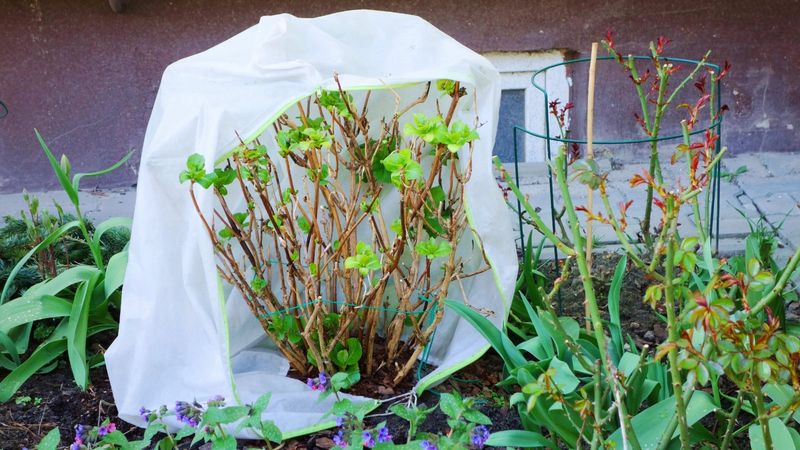
Late-winter and late-spring freezes deserve their own category when it comes to old-wood hydrangeas, because the damage they cause can look almost identical to a pruning mistake. Formed flower buds on bigleaf and other old-wood types can suffer cold injury even when the plant’s foliage leafs out normally weeks later, leaving a shrub that appears healthy but produces almost no blooms for the entire season.
UGA Extension recommends temporary protection when freezing temperatures threaten, using materials such as a sheet, blanket, cardboard container, or a wire cylinder filled with leaves placed over the plant overnight. Removing the cover the next morning once temperatures rise prevents heat buildup and moisture problems underneath.
Protection reduces risk but cannot guarantee that every bud survives a hard freeze, and vulnerability differs meaningfully among species and cultivars. Oakleaf hydrangeas tend to be hardier in the Southeast than bigleaf types, and some newer reblooming bigleaf cultivars may produce additional flowers on new wood even after cold damages the old-wood buds.
Watching the forecast in late winter and early spring, especially during those unpredictable warm-then-cold swings common across Georgia, Mississippi, and northern Florida, gives gardeners the best chance to act before damage happens rather than after.
Match the plant to the Southern climate
Treating the entire South as a single growing environment is one of the more common reasons hydrangeas underperform year after year. Bigleaf hydrangeas generally need shade, consistent moisture, and winters cool enough to support bud development.
Hot, dry, or fully exposed sites push these plants toward stress rather than flowering, and a cultivar that thrives in the Georgia Piedmont may struggle badly in a South Florida landscape.
UF/IFAS Gardening Solutions describes French hydrangeas as best suited to North and Central Florida, where shade, moisture, and relatively cool winters are more available. South Florida’s heat and mild winters make it a poor match for most bigleaf cultivars.
Oakleaf hydrangea is a better-adapted option for much of the region, tolerating more heat and being native to the Southeast, though UF/IFAS notes that oakleaf still benefits from some shade in hot conditions and should be pruned shortly after flowering since it also blooms on old wood.
Panicle hydrangeas tolerate more sun and less frequent irrigation, making them a practical alternative where summer heat is intense. Mississippi State University Extension’s hydrangea guide outlines which types perform reliably in that state’s climate, reflecting how much cultivar and regional fit matter.
Plant age, recent transplanting, elevation, and local weather patterns can all shift when buds form and how reliably any hydrangea blooms, which is why gardeners in Texas should verify timing and cultivar suitability with local Extension resources rather than assuming the same rules apply.
Use a diagnosis before making the next change
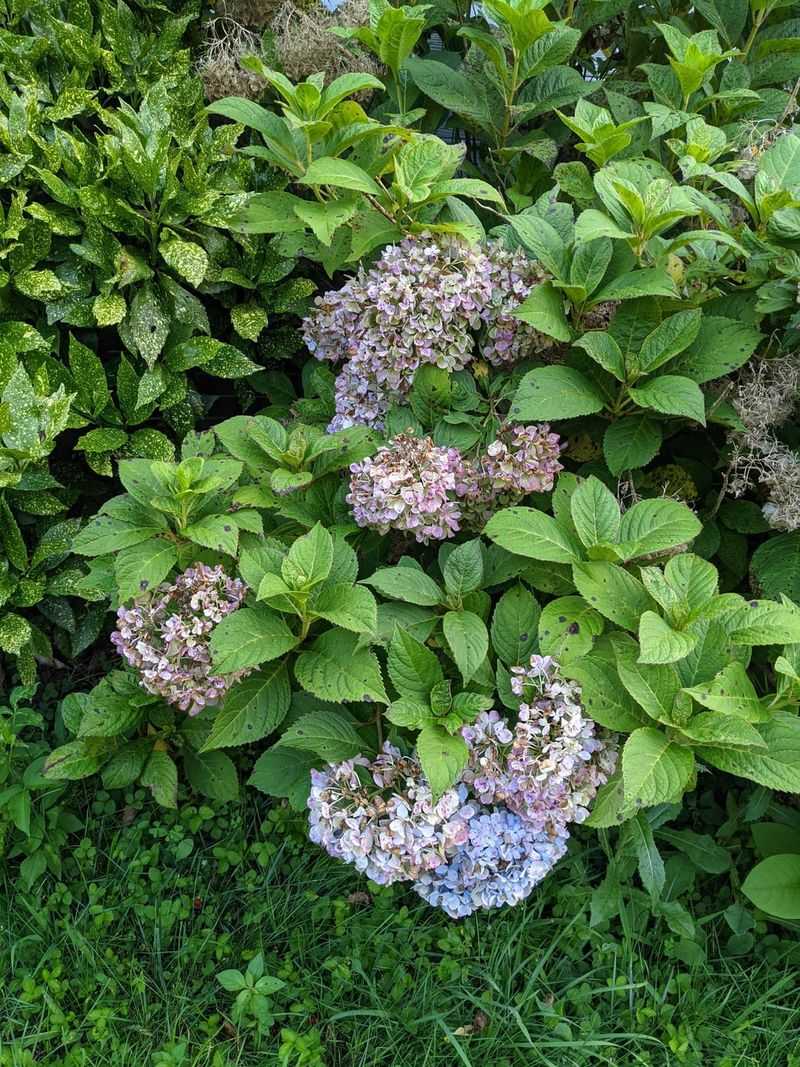
A weak bloom season is most useful when treated as a clue rather than a verdict. Start by identifying the hydrangea species and confirming whether it blooms on old or new wood, because that single fact shapes every other decision.
Then review what happened during and after last season’s flowering: was anything cut back in late summer, fall, or late winter? Did a freeze follow an early warm spell?
University of Minnesota Extension and UGA Extension both point to pruning timing as one of the most common correctable causes on old-wood types, but shade, drought, excess nitrogen, freeze injury, cultivar suitability, and plant age all belong on the same checklist. For old-wood hydrangeas, leave healthy stems alone until after flowering; remove only clearly dead, broken, or diseased wood in the meantime.
For panicle and smooth types, dormant or early-spring pruning is generally safe.
Skip the home remedies and bloom-booster products until a soil test shows what the ground actually needs. Monitor freeze forecasts through late spring, adjust site conditions where practical, and water based on soil moisture rather than the appearance of afternoon droop.
UF/IFAS Gardening Solutions reminds gardeners that matching the right hydrangea to the right site is often more reliable than trying to correct a poor fit one season at a time. A hydrangea that bloomed poorly this year is telling you something worth listening to.