
If your hydrangeas wilt and brown out every summer no matter how much you water them, you are not doing anything wrong. Some plants simply were not built for the long, scorching heat of Southern yards.
The good news is there are gorgeous flowering shrubs that soak up the sun and bloom their hearts out when hydrangeas would give up. Here are the tough, beautiful replacements that will finally give you the color you have been chasing.
1. Crape Myrtle
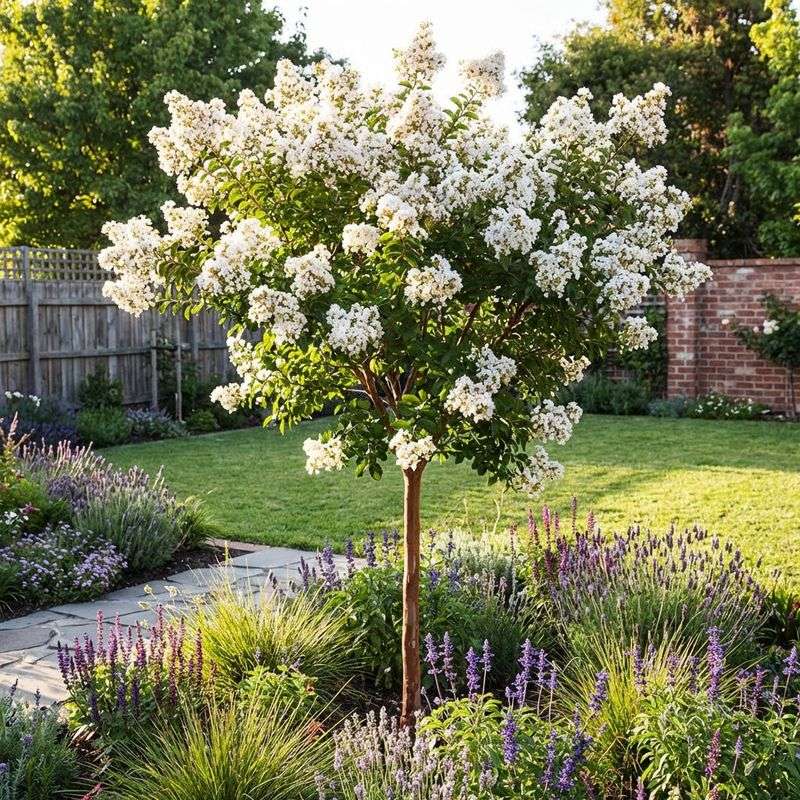
Nothing says Southern summer quite like a crape myrtle covered in ruffled blooms while everything else is gasping in the heat. This is the shrub you see thriving in gas station parking lots and along scorching highways, which tells you everything about how tough it is.
Crape myrtles bloom for months, often from early summer straight into fall, in shades of watermelon pink, deep purple, red, and white. Once established, they shrug off drought and rarely need babying, making them a dream for busy homeowners.
You can find them as low mounding shrubs or full-sized small trees, so there is a size for nearly any spot in your yard. Their peeling, cinnamon-colored bark adds interest even in winter when the flowers are gone.
Fun fact: crape myrtles originally came from Asia but adapted so well to the American South that many folks assume they are native. Give one a sunny bed with decent drainage, and it will reward you with color long after your hydrangeas would have burned out.
2. Oleander
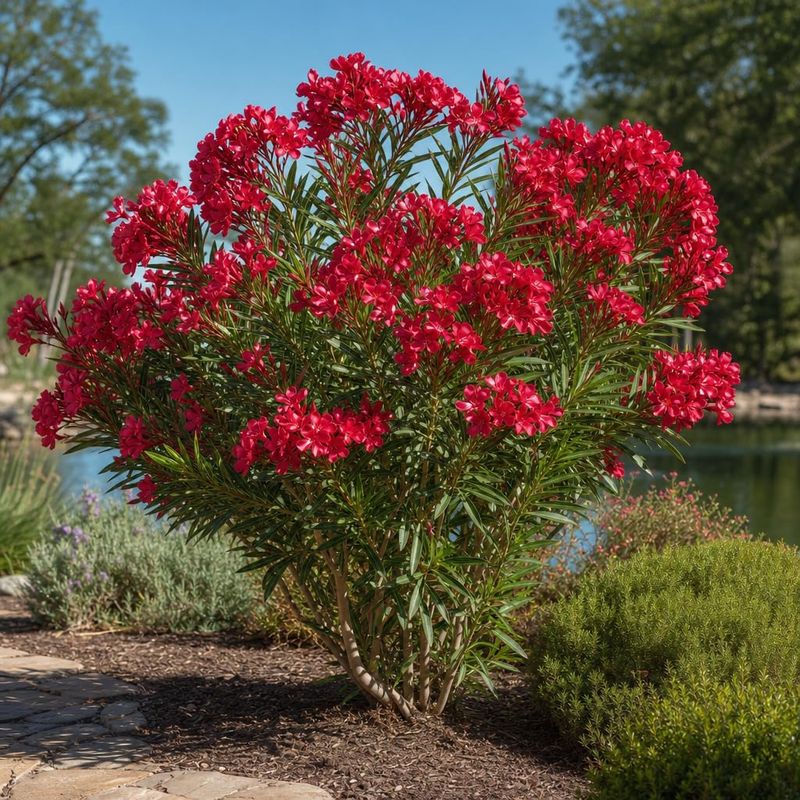
Picture a shrub so heat-proof it lines the medians of Texas highways and coastal Florida roads without a drop of extra care. Oleander laughs at conditions that would fry a hydrangea in an afternoon.
Its clusters of pink, white, red, or salmon flowers keep coming through the hottest stretches of summer, and the glossy, willow-like leaves stay handsome year-round in warm zones. Salt spray, drought, and reflected pavement heat barely faze it.
A quick word of caution: every part of the oleander is toxic if eaten, so it may not be the best pick if you have curious kids or pets that nibble on plants. Plant it where it can be admired but not chewed.
Used as a screen or a bold border, oleander gives you a wall of color with almost no fuss. It grows fast, tolerates poor soil, and can be pruned to whatever height suits your space.
For folks in the hottest, driest corners of the South, few flowering shrubs are this reliable.
3. Texas Sage
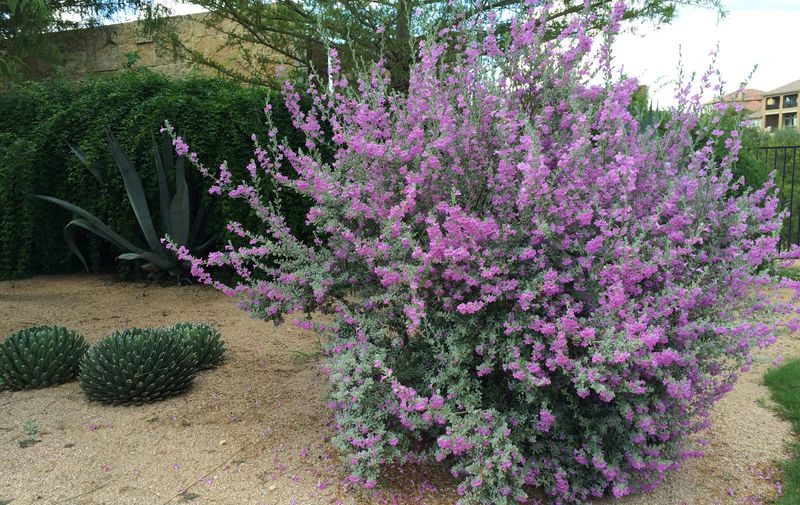
Also called cenizo or barometer bush, Texas sage has a party trick that gardeners adore. It bursts into purple bloom right after a rain shower or a bump in humidity, almost like it can predict the weather.
The soft, silvery-gray foliage looks striking against a hot summer sky, and it stays attractive even between flushes of flowers. Native to the Southwest, this shrub is built for punishing sun, poor rocky soil, and long dry spells.
Because it hates soggy roots, Texas sage is perfect for that spot where hydrangeas rotted or wilted from too much heat and inconsistent watering. Overwatering is actually the fastest way to hurt it, so it suits forgetful gardeners beautifully.
Pollinators, especially bees, love the little tubular blooms when they appear. It works well as a low hedge, a xeriscape anchor, or a rounded accent near a walkway.
If you garden in Texas or the drier parts of the South and want color without a watering schedule, this silvery beauty belongs on your list.
4. Bougainvillea
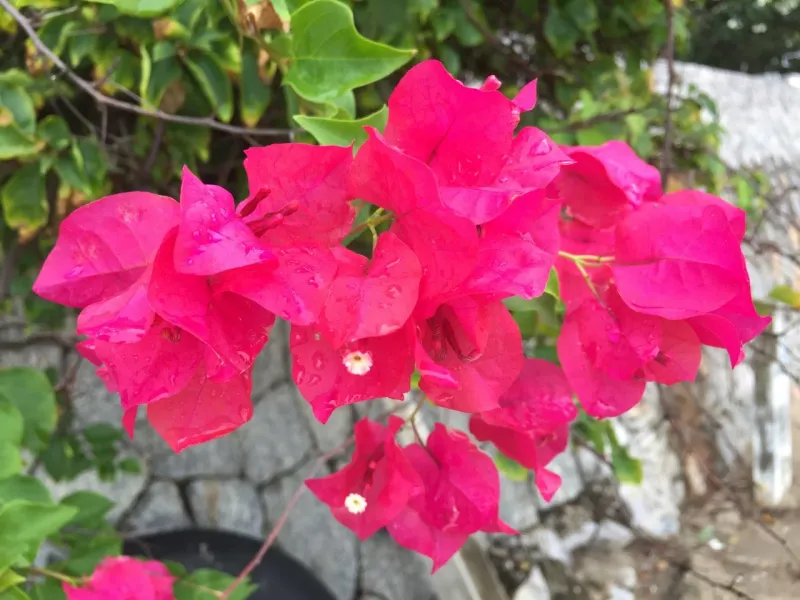
For sheer drama, few plants match a bougainvillea in full riot, dripping with papery blooms in electric magenta, orange, and coral. It thrives on neglect and heat, blooming hardest exactly when your hydrangeas throw in the towel.
The colorful parts are actually bracts, not true flowers, which is why they hold their brilliant color for weeks. This trick lets bougainvillea put on a nonstop show through the sweltering months.
It loves to climb, sprawl, or be shaped into a mounding shrub, so you can train it over a fence, a mailbox, or a bright corner of the patio. Just give it full sun and let the soil dry between waterings, since too much kindness with the hose reduces blooming.
Watch for thorns along the stems, and wear gloves when you prune. In frost-free parts of Florida and South Texas, it stays evergreen and vigorous all year.
Anyone craving tropical, jaw-dropping color in a spot that bakes will find bougainvillea an unbeatable swap for fussy hydrangeas.
5. Lantana
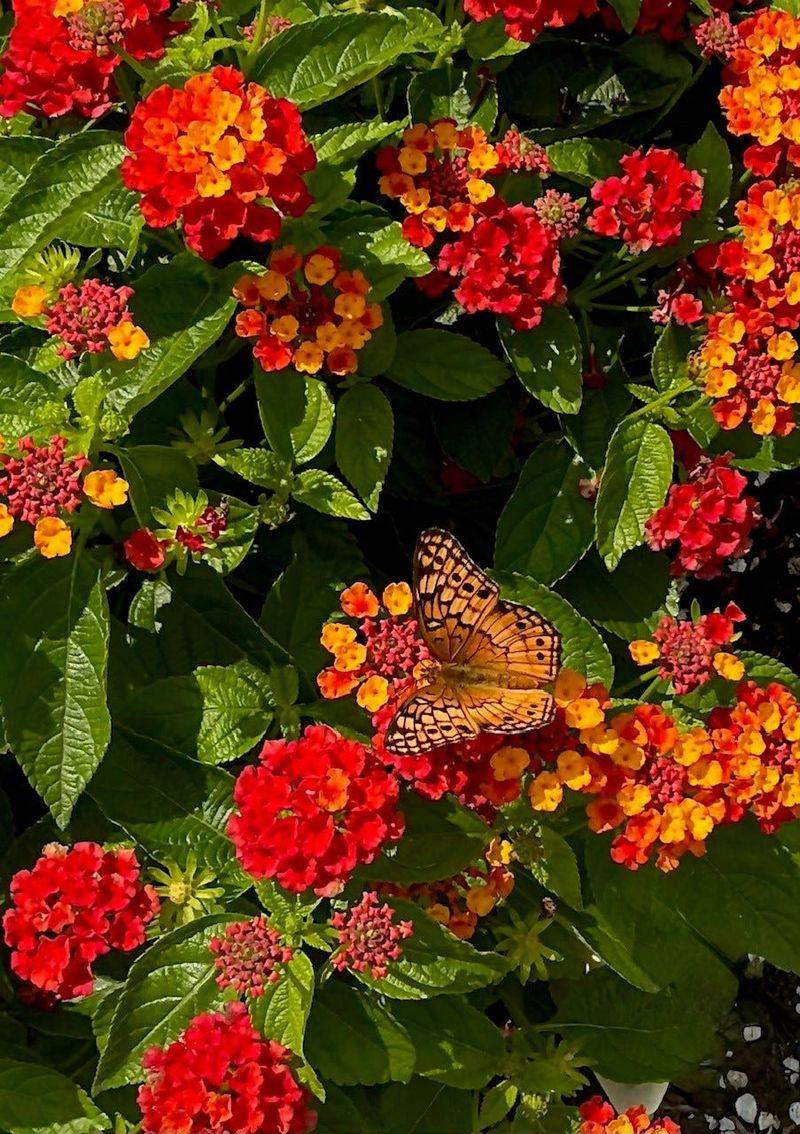
Butterflies practically line up for lantana, which explains why this cheerful shrub shows up in so many pollinator gardens across the South. Each bloom is a tiny bouquet of color that often shifts shades as it ages, giving you rainbow clusters on a single plant.
Heat, drought, sandy soil, and salt air do not slow it down one bit. Lantana keeps flowering from spring until frost, feeding butterflies and hummingbirds the whole time.
It works as a low spreading groundcover, a mounded border, or a spiller tumbling out of containers on a hot porch. Because it stays compact and blooms so long, it fills the exact role a struggling hydrangea leaves empty.
Some varieties can spread aggressively, so choose sterile or well-behaved types if you want to keep it tidy. A quick shearing midseason brings on a fresh wave of flowers.
For a low-water, high-color plant that turns your yard into a butterfly stop, lantana is one of the easiest wins a Southern gardener can plant.
6. Rose of Sharon
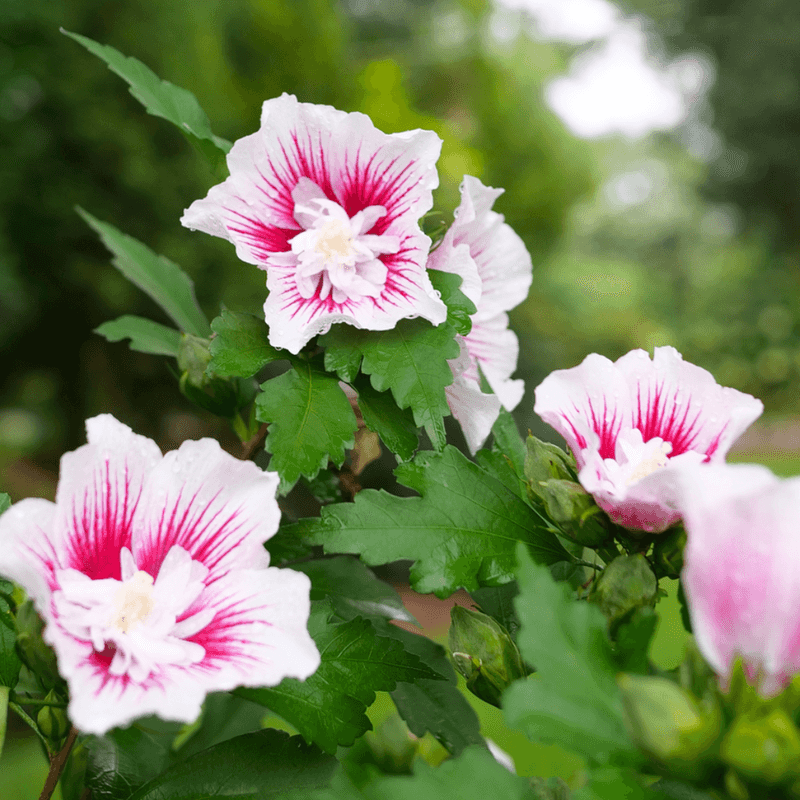
If you miss the big, showy blooms of hydrangeas but want something that actually loves the heat, rose of Sharon is a wonderful compromise. Its wide, hibiscus-style flowers open in pink, lavender, blue, and white during the dog days of summer.
A member of the hibiscus family, this upright shrub blooms when many others have quit, keeping the color going into early fall. It handles heat, humidity, and a range of soils with easygoing grace.
Growing tall and narrow, it makes a lovely flowering hedge, a privacy screen, or a single eye-catching specimen by a porch. Bees and hummingbirds visit the blooms all season long.
Older types reseed enthusiastically, so look for newer sterile varieties if you would rather not pull up seedlings. A light pruning in late winter encourages bigger, more plentiful flowers.
For gardeners who love the classic cottage look but keep losing hydrangeas to the sun, rose of Sharon delivers that same romantic bloom with far more resilience.
7. Plumbago
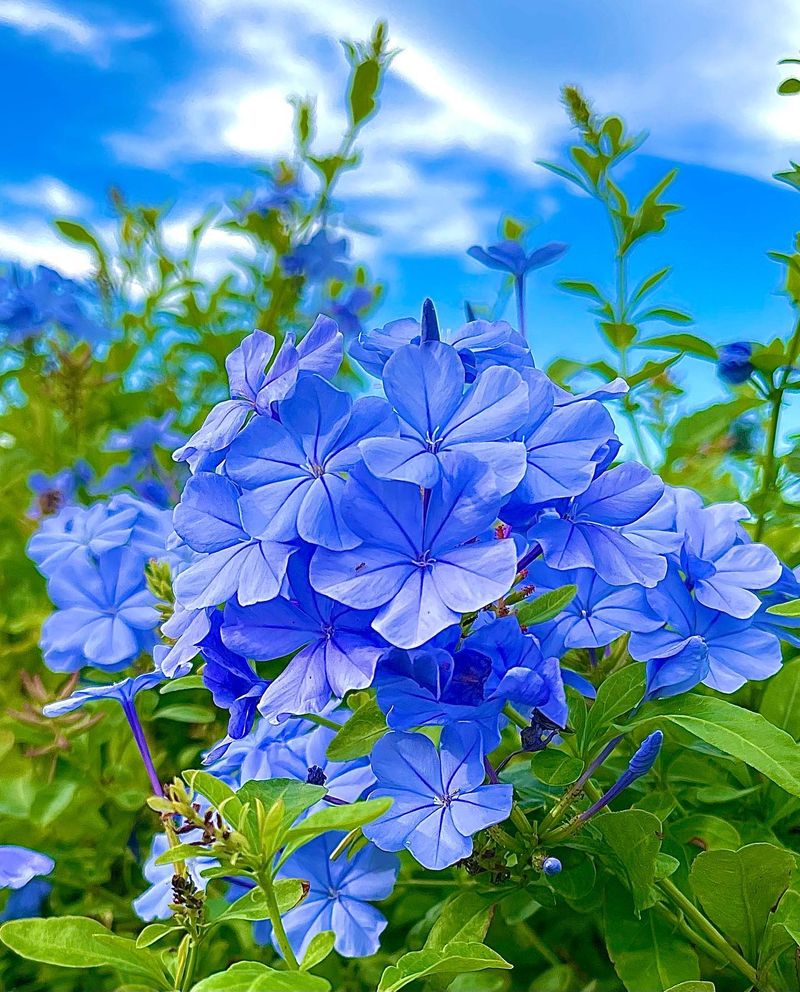
Craving that cool blue color hydrangeas are famous for? Plumbago gives you clouds of soft sky-blue blooms without demanding acidic soil or constant fussing over pH.
Native to South Africa, this sprawling shrub thrives in the heat and blooms almost continuously through the warm season. The powder-blue clusters look wonderfully refreshing against a hot summer landscape, and there is a white variety too.
It spreads into a soft, mounding shape that works beautifully as a low hedge, a foundation planting, or a tumble of color over a wall. Butterflies flock to the blooms, adding movement to an already pretty display.
Plumbago tolerates drought once settled in and asks very little of you beyond occasional trimming to keep it shapely. In frost-free zones it stays evergreen, and even where it dies back, it bounces right up in spring.
For anyone in Florida or the coastal South mourning their blue hydrangeas, plumbago is the heat-happy stand-in that keeps that dreamy blue in your garden all summer without the heartache.
8. Firebush
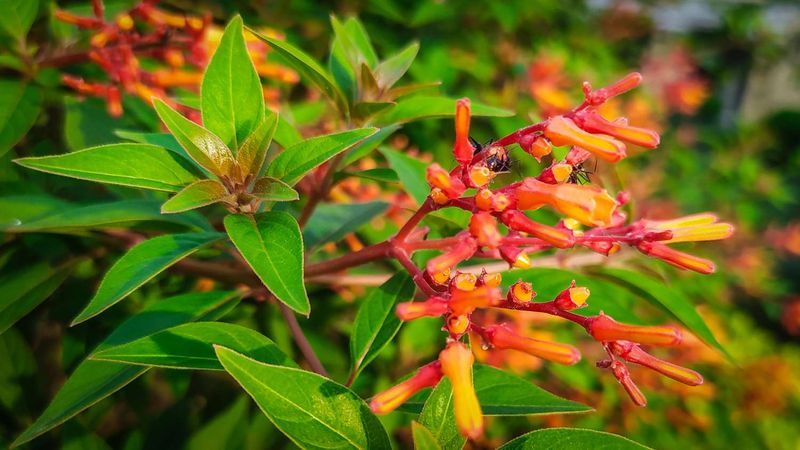
Hummingbirds treat firebush like a personal buffet, zipping from one tubular orange-red flower to the next all summer long. If you want wildlife action along with color, this Florida-friendly native is hard to beat.
The blooms glow in fiery shades of orange and red, and the foliage often takes on reddish tones in bright sun. Heat and humidity only make it happier, and it keeps flowering right up until cool weather arrives.
Growing into a full, rounded shrub, firebush works as a wildlife hedge, a mixed-border showpiece, or a screen along a sunny fence. Butterflies join the hummingbirds, and berries later feed songbirds too.
Because it is native to Florida, it supports local pollinators far better than many imported ornamentals. Be sure to pick the true native firebush rather than a dwarf lookalike if wildlife value is your goal.
Drought-tolerant once rooted and practically pest-free, firebush turns a hot, difficult spot into a buzzing, fluttering hotspot of life and color where hydrangeas never stood a chance.
9. Knock Out Roses
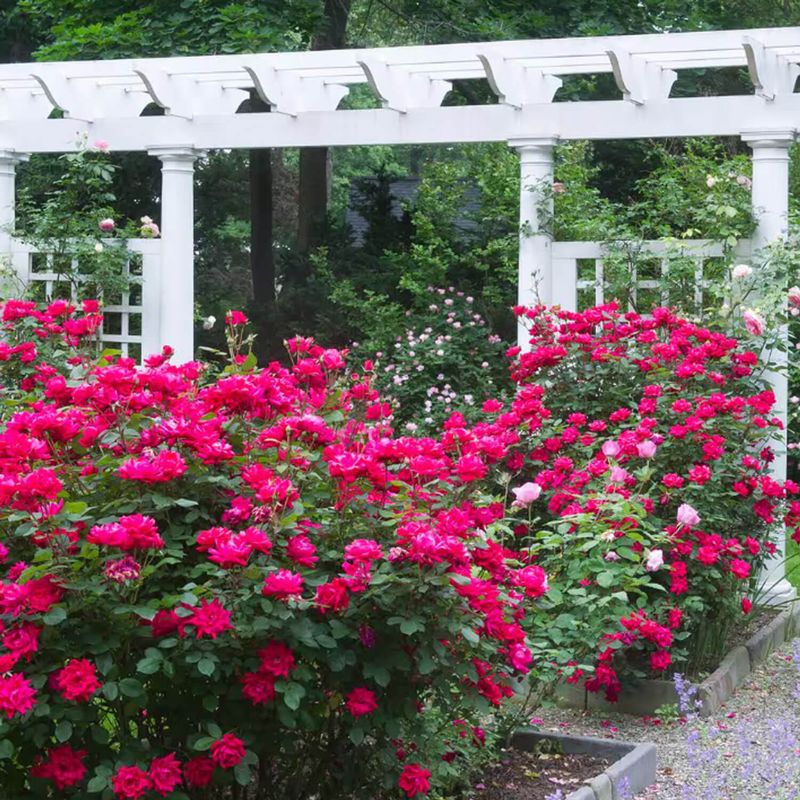
Roses have a reputation for being divas, but Knock Out roses tossed that idea out the window. Bred for toughness, they bloom in waves from spring through fall with almost none of the spraying and pampering old-fashioned roses demand.
Their cheerful red, pink, and coral flowers keep coming even through brutal Southern summers, filling beds with reliable color. Heat, humidity, and common rose diseases barely slow them down compared to fussier varieties.
Compact and self-cleaning, they drop spent blooms on their own and rebloom without deadheading, which is a gift for anyone short on time. Use them as a low hedge, a mass planting, or a bright accent by the front walk for instant curb appeal.
They ask for full sun and a bit of water while getting established, then largely fend for themselves. A single hard prune in late winter keeps them full and blooming strong.
For the gardener who always wanted roses but feared the work, Knock Outs deliver that classic beauty in the exact hot spots where hydrangeas keep failing.