
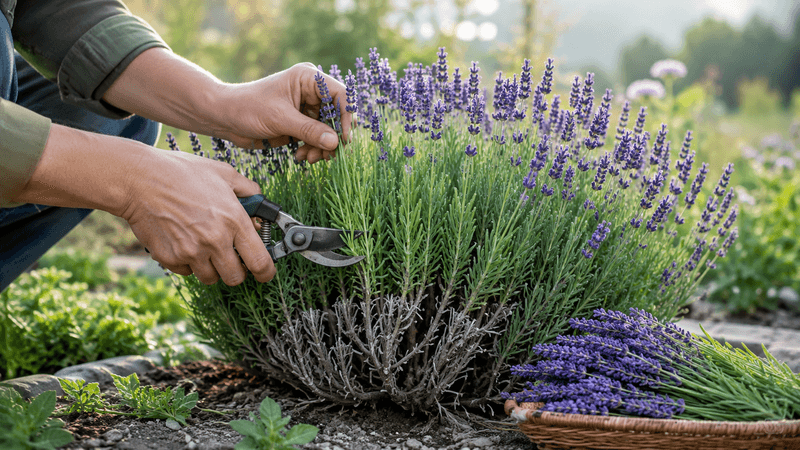
Lavender looks like a forgiving plant until one season it stops flowering and starts looking like a bundle of bare sticks. Many gardeners blame a single missed trim, but the real picture is more layered than that.
Knowing the difference between gradual woodiness from skipped pruning and the sharper damage caused by cutting into bare old wood can save your plant or at least help you decide when to start fresh.
A missed trim can build wood, but the wrong cut may prevent recovery
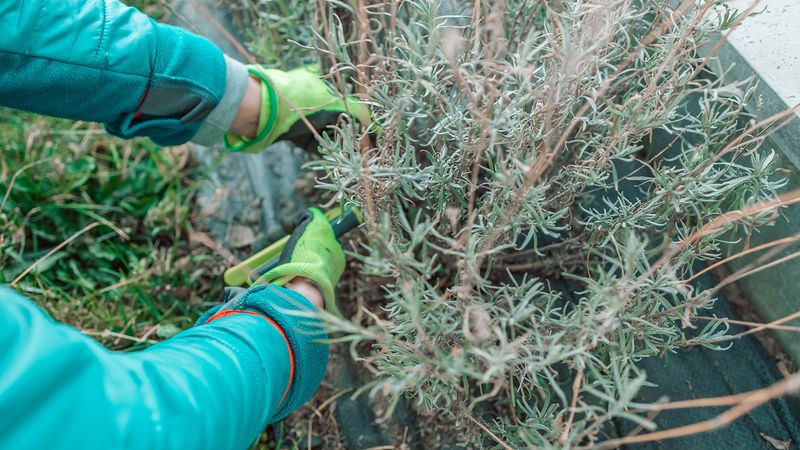
Lavender does not turn into a tangle of bare sticks overnight. When spent flowering stems are left year after year, new growth pushes farther from the base while older stems accumulate below it, gradually creating an open, woody plant that looks half-dead at the center.
That slow buildup is the contribution neglected post-flowering pruning can make to woodiness.
But there is a second, more immediate pruning problem that gets far less attention. Cutting back into the bare, brown, leafless wood near the base can leave the plant with little viable tissue to regrow from.
RHS lavender growing guidance notes that lavender does not readily regenerate from old wood, meaning the wrong cut may prevent recovery rather than encourage it. These are two separate issues, and collapsing them into one explanation leads gardeners toward the wrong fix.
Pruning is also only one piece of the puzzle when a plant stops flowering. Poor drainage, root or crown rot, inadequate sunlight, excess nitrogen, heat stress, winter damage, age, and a mismatched cultivar can all produce a bloomless or dying plant.
UC IPM’s lavender guide reinforces that site conditions matter as much as pruning habits. Before reaching for the pruners, it helps to understand which problem you actually have.
Check for living green growth before pruning
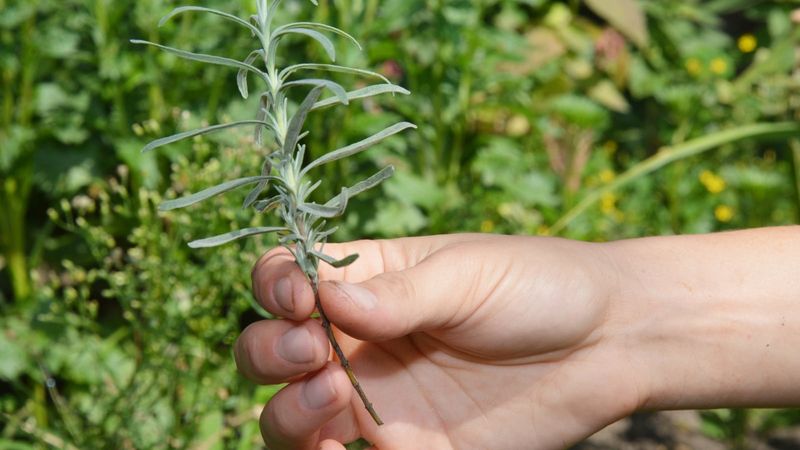
Before cutting anything, spend two minutes looking closely at the plant. Run your fingers along the stems from the tips downward and look for three distinct zones: leafy green stems with visible nodes, spent brown flower stalks with no leaves attached, and bare woody sections at the base that show no green at all.
The green stems are where viable buds live, and they are the only tissue worth pruning into.
A plant that still carries a reasonable amount of green, leafy growth throughout its canopy is a candidate for a conservative recovery attempt. RHS guidance recommends working only within that green zone and avoiding cuts into the bare woody base.
University of Maine Cooperative Extension has documented cases where lavender appeared to die or go dormant following pruning that removed too much living tissue.
A plant that is mostly leafless at the base, badly misshapen, or showing widespread dieback is a different situation. UCANR Master Gardener Program disease and pruning guidance points out that Phytophthora root rot, typically caused by overwatering or poor drainage, can produce wilting, yellowing, and dieback that looks exactly like a pruning failure.
Do not assume a brown base is the result of a missed trim until you have also ruled out wet roots, disease, and poor site conditions.
Prune after flowering, using local conditions to choose the moment
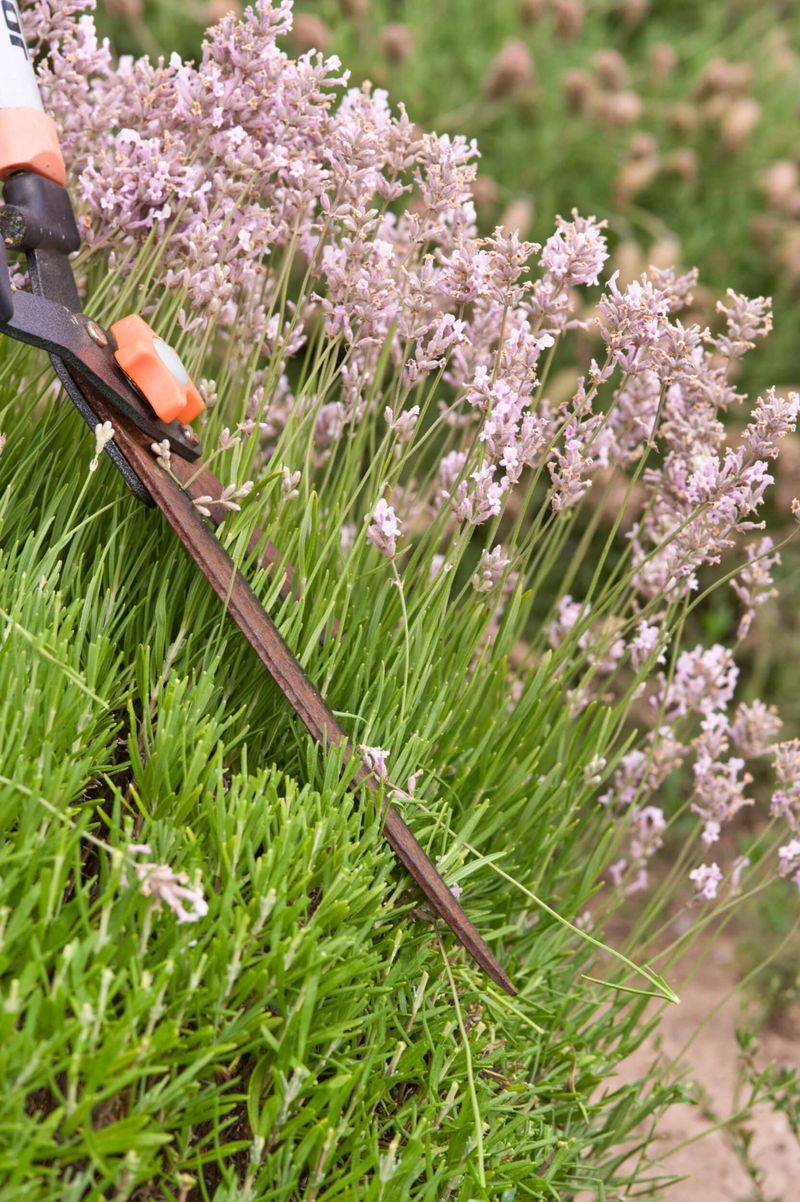
Timing a lavender trim is less about picking a date on the calendar and more about watching the plant and reading the weather. The general rule is to prune once flowering has finished and while green growth is still active enough to support a response.
Cutting too late, after the plant has begun to harden for winter, gives it less time to stabilize before cold or wet weather arrives.
RHS growing guidance ties the trim to the end of flowering rather than a fixed month, and the RHS species notes caution that late-autumn cuts can increase winter injury risk in colder or wetter settings. For Southern gardeners in zones with mild winters, the window may extend later than it would in colder states, but that does not make the timing unlimited.
Florida is a particular case. Summer heat, high humidity, frequent rainfall, and poor drainage create conditions where fungal disease and root rot can develop quickly after a cut.
UF/IFAS Manatee County guidance emphasizes that drainage and air circulation matter enormously in Florida lavender culture, and that site corrections may be more urgent than a pruning adjustment. In any humid Southern garden, pruning into wet conditions or right before an extended rainy period can invite disease into fresh cuts, so watching the local forecast matters as much as watching the bloom cycle.
Make a conservative cut within the green tissue
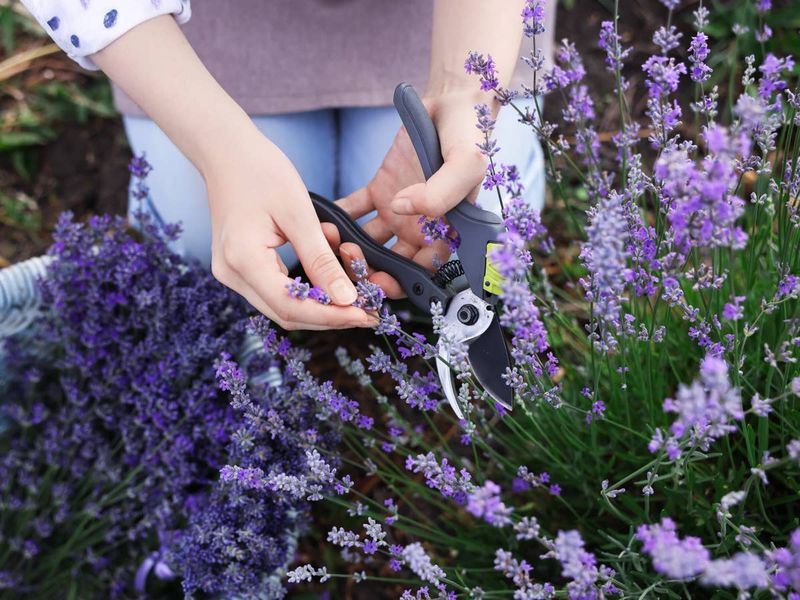
Sharp, clean pruners are the starting point. Dull blades crush stems rather than cutting them cleanly, and contaminated tools can carry disease from one plant to another, especially if you are working around tissue that looks diseased or dead.
Wipe the blades with a disinfectant solution between plants when disease is a concern, as Mississippi State University Extension pruning guidance recommends for landscape plants.
Work through the plant in two passes. First, remove the spent flower stalks by cutting them back to just above the uppermost set of leaves.
Second, trim back the leafy growth by roughly one-third, always making each cut just above a visible leaf or node. RHS guidance recommends removing spent stalks along with about an inch of leafy growth to keep plants compact, while Iowa State Extension suggests taller varieties can handle a reduction of around one-third.
Shape matters as much as depth. Cut the plant into a rounded mound rather than shearing it flat across the top or cutting only the tallest stems.
UCANR Master Gardener Program lavender guidance explains that a dome-shaped plant retains leafy growth lower on the stems and resists the open, split form that makes plants look scraggly. UC ANR extension appendix guidance notes that one-third to one-half removal is possible for some varieties under good conditions, but the conservative one-third rule is safer for older plants, stressed specimens, or cultivars with unknown vigor.
A mostly woody plant may need replacement instead of hard rejuvenation
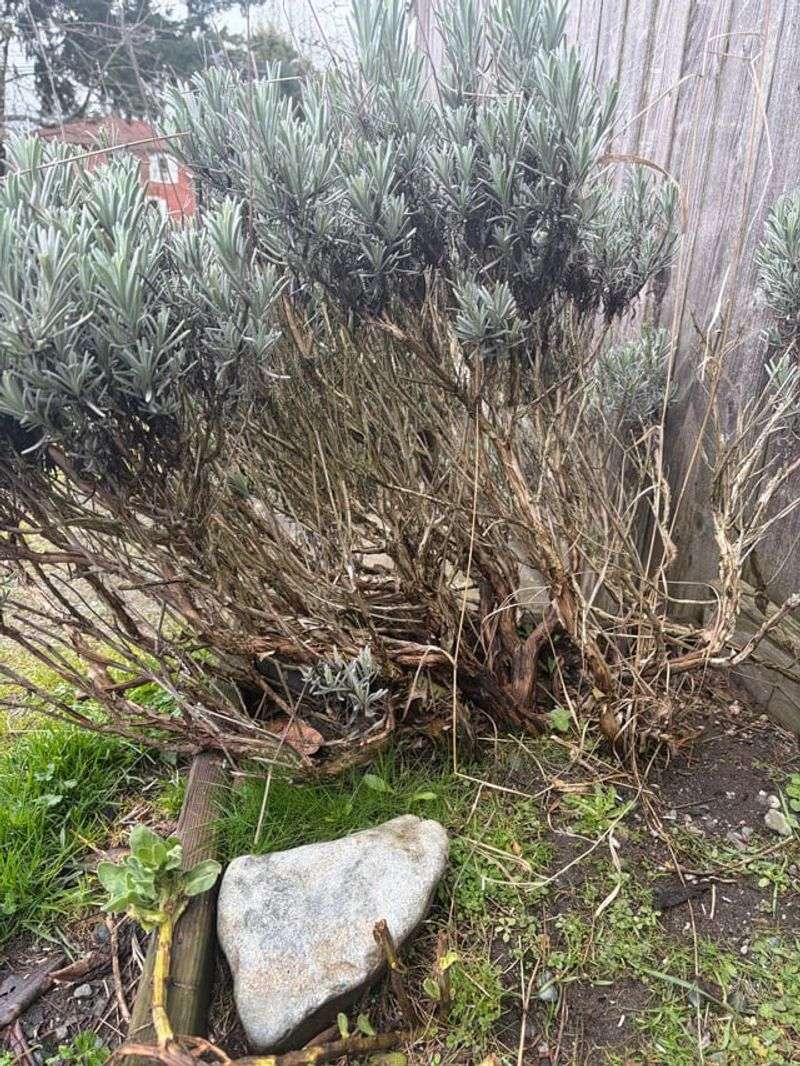
When a lavender plant still carries green leafy stems scattered through the canopy, even if the center looks bare, those stems are worth preserving. Prune only the green portions, cut each one back by no more than one-third, and leave every visible leaf and node intact.
Those growth points are the plant’s best chance, and removing them in an attempt at a dramatic reset can eliminate the very tissue needed for recovery.
A plant that is mostly bare, old, heavily misshapen, or leafless from the base up presents a harder situation. RHS guidance is direct on this point: lavender does not reliably produce new shoots from old woody sections, so cutting it to the ground is unlikely to trigger a flush of new growth.
University of Maine Cooperative Extension has noted that hard pruning into bare wood can cause lavender to decline further rather than recover.
UC Master Gardeners of San Luis Obispo County have addressed the question of six-year-old woody, falling-apart lavender plants directly, suggesting that replacement is a reasonable option when little recoverable green growth remains. Starting fresh with a young, well-adapted plant in a corrected site often produces better results than waiting on a severely woody specimen that may never rebound.
Rule out wet roots, weak light, and excess nitrogen
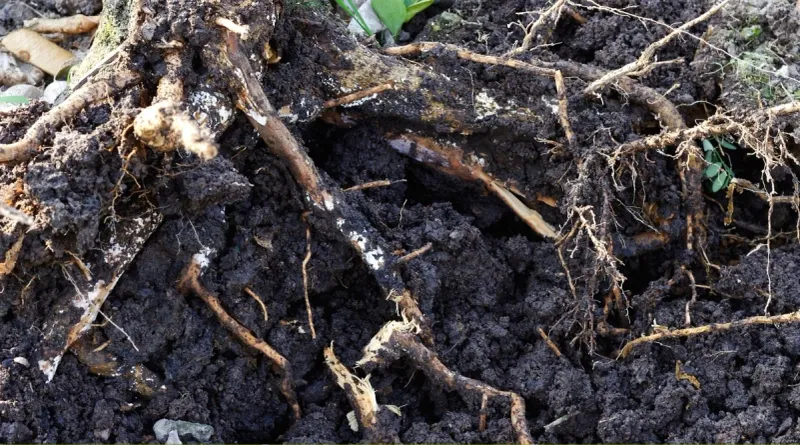
A lavender plant that stops flowering or starts dying back from the base may have nothing wrong with its pruning history. Wet soil is one of the most common killers.
Lavender roots need sharp drainage and good air movement around the crown; sitting in soggy ground, even briefly after heavy rain, can trigger root or crown rot that works its way up the plant over weeks. UC IPM’s lavender resource identifies poor drainage and high humidity as primary contributors to decline.
Overwatering produces the same outcome as poor drainage. Established lavender generally needs limited supplemental water, and the soil should dry out between irrigations.
UF/IFAS Manatee County guidance recommends watering at the base rather than wetting the foliage, particularly in humid climates where wet leaves increase disease risk. Newly planted lavender and container-grown plants need closer monitoring, but established plants in the ground can handle much drier conditions than most gardeners expect.
Sunlight and fertility are two more variables that pruning cannot fix. Lavender needs a full-sun location, ideally six or more hours of direct light daily, and plants in partial shade tend to produce fewer flowers and weaker stems.
Iowa State University Extension notes that lavender has low fertility needs and that excess nitrogen can push leafy, weak growth at the expense of flowers. Adding fertilizer to a bloomless lavender plant is more likely to make the problem worse than better.
University of Kentucky Center for Crop Diversification also flags root and crown rots as serious threats that require drainage correction or plant removal, not more pruning.
Florida and Texas require a site-and-cultivar reality check
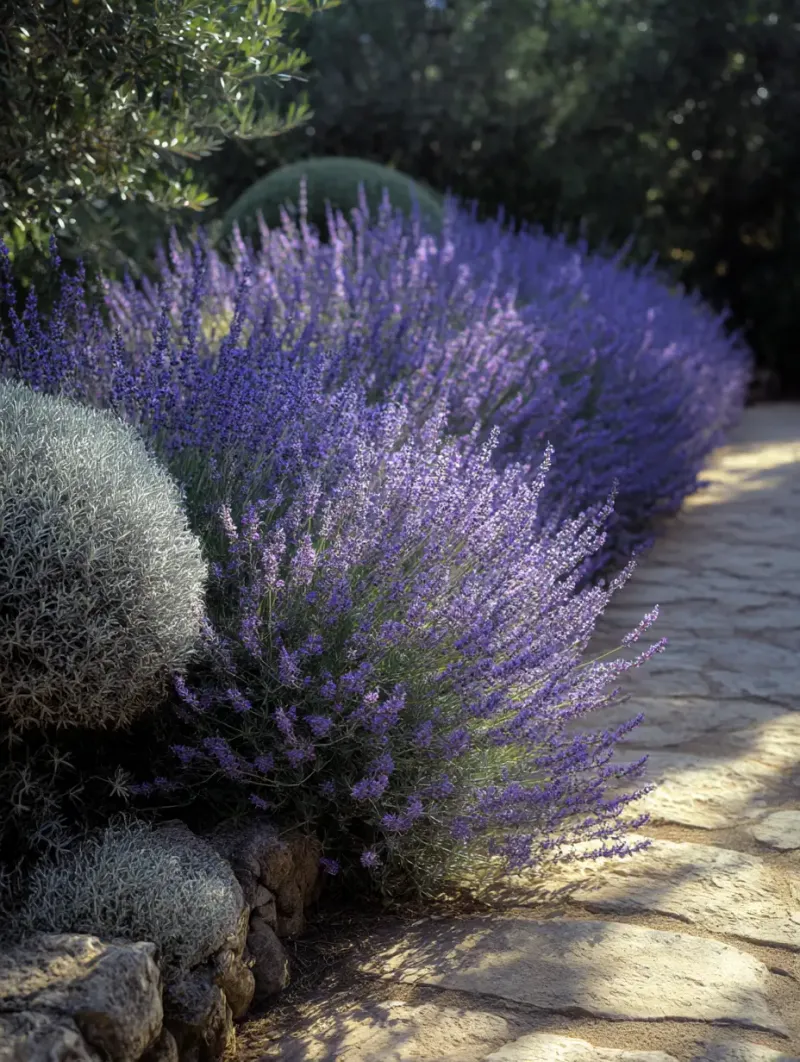
Southern gardeners face a reality that lavender guides written for cooler climates often skip over. Florida and Texas are not one climate, and neither is a reliable fit for every lavender type.
English lavender, the classic Lavandula angustifolia, can struggle badly in the heat and humidity of Florida summers. UF/IFAS lavender plant profile guidance notes that English lavender may decline in zone 8 summer heat, while heat-tolerant types such as Spanish lavender, French lavender, and selected lavandin cultivars including Phenomenal, Grosso, and Provence tend to perform better in Florida conditions.
Drainage and air circulation in Florida often matter more than pruning schedule adjustments. UF/IFAS Manatee County guidance is consistent on this point: raised beds, amended soil, and site selection that promotes fast drainage are foundational steps in Florida lavender culture, not optional upgrades.
A well-adapted cultivar in good drainage will consistently outperform a poorly adapted one receiving perfect pruning.
Texas presents its own range of challenges. Central and west Texas can offer the dry, alkaline, well-drained conditions that lavender prefers, but areas with heavy clay soils, high summer humidity, or poor drainage are much harder environments.
Texas AgriLife Extension guidance emphasizes full sun, excellent drainage, and cultivar selection as the foundation of success in Texas gardens. Ellis County Texas Master Gardener notes reinforce that performance depends heavily on local soil, winter conditions, and drainage, not a single variable like pruning timing.
If your lavender has never thrived in your specific spot, cultivar mismatch or site problems may be the answer pruning alone cannot provide.
Save viable green growth and reset next season’s routine
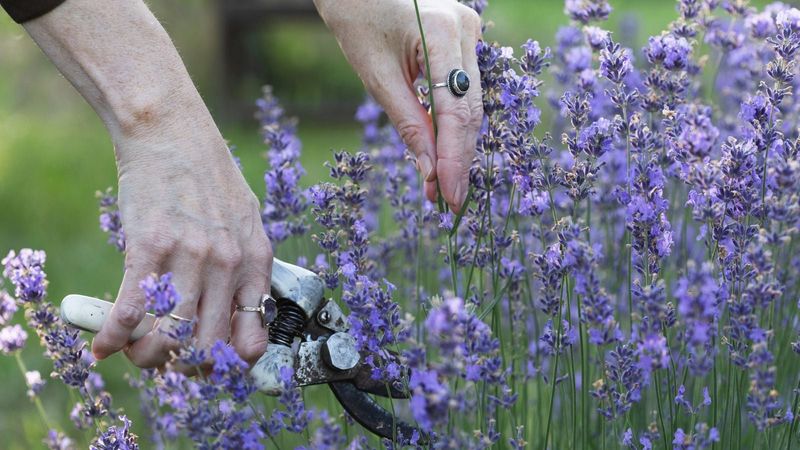
The practical sequence is straightforward once you know what to look for. Wait until flowering finishes, then inspect the plant carefully for green, leafy tissue before picking up the pruners.
Cut only within that green zone, remove spent flower stalks, shape the plant into a rounded mound, and stop well before you reach bare wood. That single habit, repeated each season after bloom, can slow the gradual woodiness that builds when old stems accumulate unchecked.
RHS growing guidance and UC IPM lavender resources both point toward light, consistent post-flowering trimming as the most reliable way to keep lavender compact and productive over time. After pruning, reassess the site: check drainage, confirm the plant receives full sun, verify you are not overwatering, and consider whether the cultivar is genuinely suited to your local climate and soil.
A mostly bare plant or a site with persistent drainage or humidity problems may call for replacement rather than another round of careful pruning. The best lavender garden in a Southern yard usually starts with the right plant in the right place, and a fresh start with a heat-tolerant, well-adapted cultivar often accomplishes more than years of corrective trimming on a struggling one.