

You look at your lilac in October and see a few stray branches begging for a trim. Grab the shears, and you might snip away some of next spring’s flowers before they ever open.
Lilacs plan their blooms early, long before winter arrives. Knowing when they do it helps you keep the fragrance and still keep the shrub tidy.
Lilac buds for next spring form after this year’s bloom
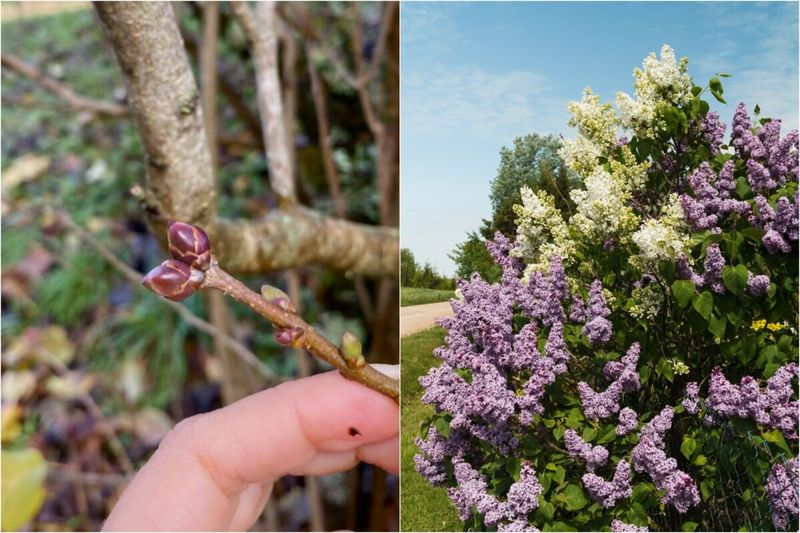
Once a lilac finishes flowering, it gets busy on next year’s show. Iowa State Extension explains that lilac flower buds are set in mid-summer, after the current blooms fade.
Other sources simply describe buds forming during summer, so there is no single date that fits every yard.
The buds ride on growth the shrub has already made. Colorado State University Extension notes that fall or winter pruning of spring-flowering shrubs like lilac can remove those buds and reduce the next spring’s display.
That makes fall a risky season for optional cuts on live branches. Keep in mind this timing belongs to lilacs.
Other shrubs follow different schedules, so do not assume the same rule fits everything in your yard.
A fall cut can reduce blooms without erasing the whole display
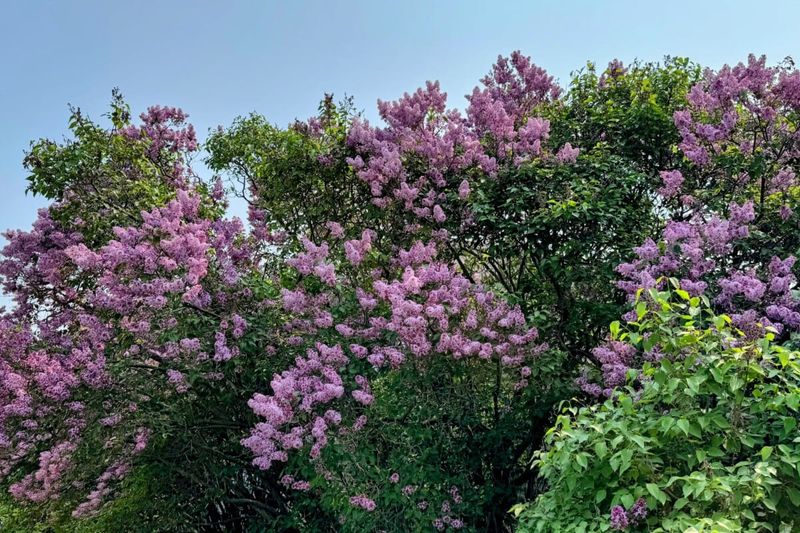
Picture two gardeners with the same shrub. One snips off a few crossing twigs, and the other shears the whole top into a neat ball.
Only the second one is likely to notice a big drop in flowers next spring.
The loss depends on how much live, bud-bearing wood you remove and where the cuts land. Colorado State Extension shows how fall shearing can strip the buds from part of a lilac.
A light trim may cost you only some flower clusters, while heavy shortening can take a bigger share.
So there is no need to panic if you already made a cut. Look at the shrub next spring and note which areas bloomed.
That tells you where your cuts did the most damage, and you can adjust the timing next year.
Prune for shape soon after flowering
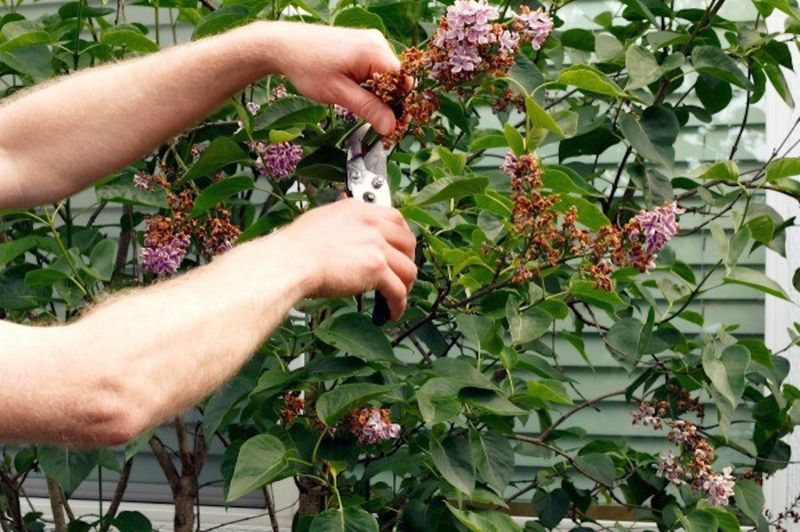
The best window for shaping is right after the blooms fade. Oregon State Extension recommends regular pruning of lilacs to keep them healthy and blooming.
Cutting then gives the shrub the whole growing season to make new stems and set buds.
Removing spent flower clusters is optional. Iowa State Extension says it may help direct growth away from seed production, but lilacs can still bloom in later years without it.
Skip it if you are short on time.
Cleanup of trouble spots is a different job. Dead, diseased, or damaged wood can come out whenever you spot it, and University of Maryland Extension advises removing diseased shoots during dry periods.
Only the planned shaping needs to wait for after flowering.
Selective cuts keep a lilac’s natural form
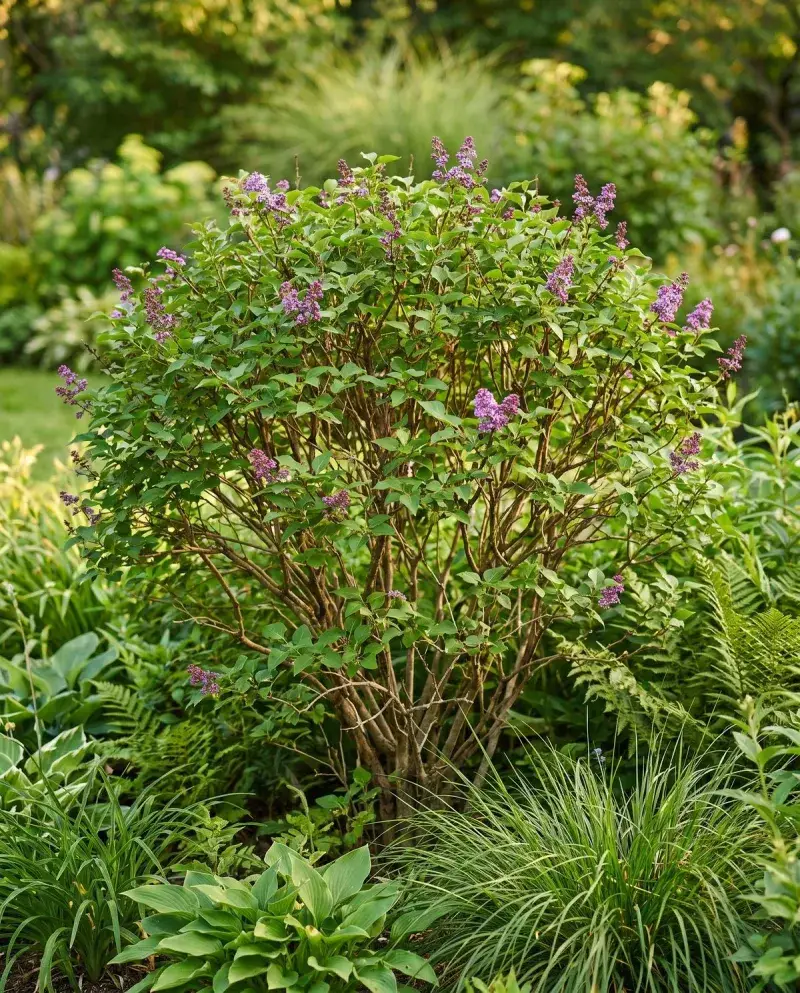
Try trimming with a purpose instead of a hedge trimmer. A selective cut follows a branch back to where it starts, either at a larger limb or near the base, and removes it there.
The shrub keeps its open, arching look.
Shearing works differently. Illinois Extension points out that shearing can create dense growth at the branch tips.
That thick outer layer can crowd the inside of the shrub and leave it looking stiff.
For better flowering and natural form, pick out a few crossing, weak, or crowded branches after the bloom. Step back after each cut and look at the whole shape.
Repeated shearing should not be your default method.
Renew an overgrown shrub a little at a time

An old lilac that has gone tall and leggy does not need a dramatic chop. The gentler path is to spread the work over several years.
University of Minnesota Extension describes removing older stems to renew the shrub over time.
A common approach, also described by Illinois Extension, is to cut about one-third of the oldest stems at ground level each year. Choose the thickest, grayest stems first.
Younger shoots then fill in.
Do this work soon after the bloom fades, not in fall. Cutting the whole shrub down at once removes far more buds and stresses the plant.
Going slowly means you still get flowers each spring while the shrub refreshes.
A lilac without blooms may have another problem
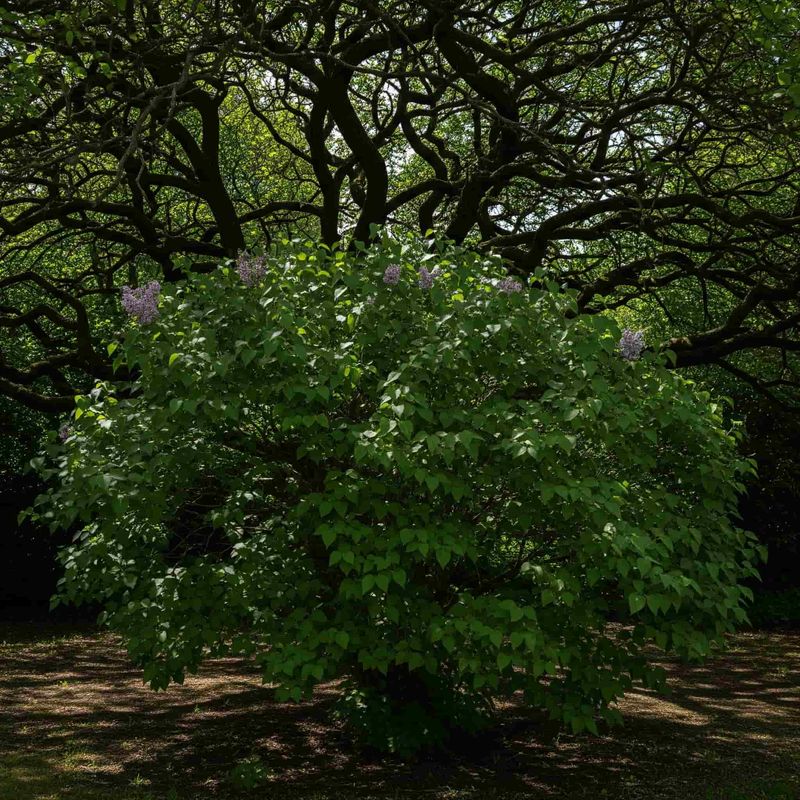
Missing blooms do not always point back to your pruners. If you never trimmed in fall and the lilac still skipped its show, look at the growing conditions.
University of Minnesota Extension lists several other causes. These include too little sunlight, too much nitrogen, poor drainage, and a plant that is simply too young to bloom.
A quick check helps. Does the shrub get plenty of direct sun?
Is it growing next to a heavily fertilized lawn? Does water sit around the roots after rain?
Answers to these questions can point you toward the likely culprit, though they will not always give a clear diagnosis.
If a new plant just has not bloomed yet, patience may be the only fix.
Common lilacs do not suit every Southern yard
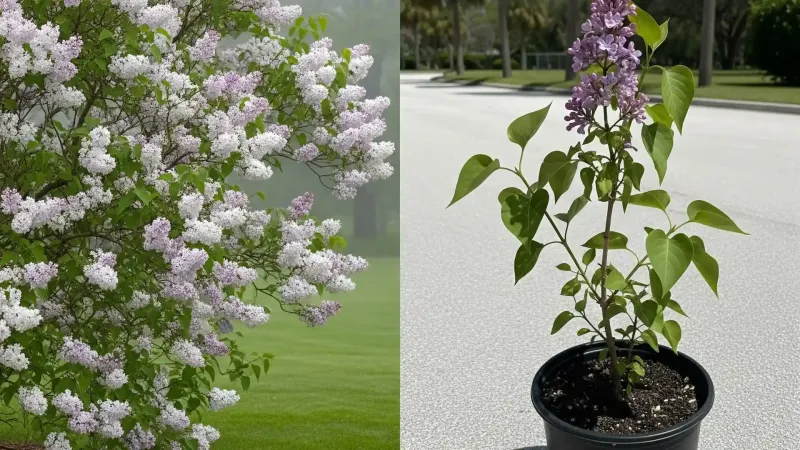
Most pruning advice for lilacs comes from cooler states, and it does not prove that lilacs will thrive in your yard. Virginia Tech Extension says common lilac is not suited to the heat of the South.
Some species and hybrids may do better in warmer areas. NC State Extension discusses lilacs that may perform better in warmer parts of North Carolina.
That does not mean the same plant will work in Florida and Texas, which differ a lot in heat and winter chill.
Before buying, ask your county extension office or a local nursery which lilacs fit your area. If you already have one that blooms, the timing tips here will protect its flowers.
A lilac that struggles in your climate may need a different plant choice, not a different pruning date.