
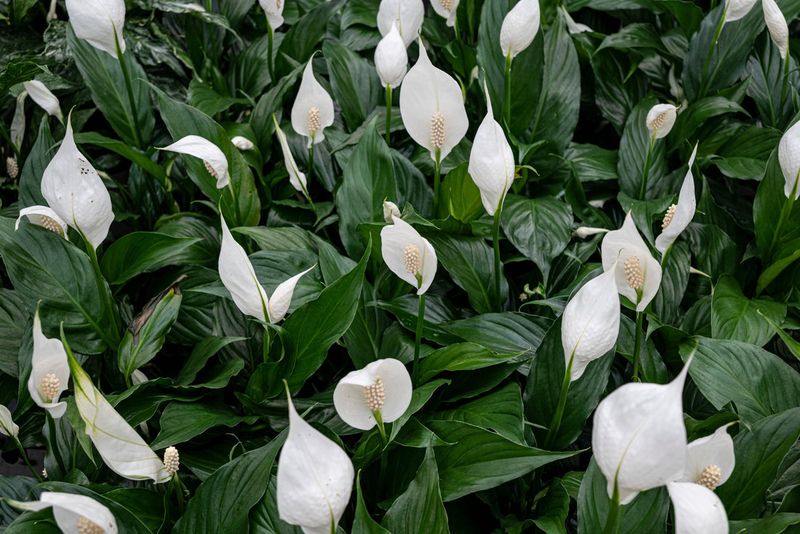
A peace lily that keeps pushing out glossy new leaves but never produces a single white bloom can feel like a mystery. The plant looks healthy, so what’s stopping the flowers?
The most common overlooked factor is light – specifically, the difference between the dim conditions a peace lily can survive in and the brighter indirect light it needs to actually flower. Checking your plant’s light situation is the most practical first step, and the fix is often simpler than you’d expect.
Healthy leaves can hide a light limitation
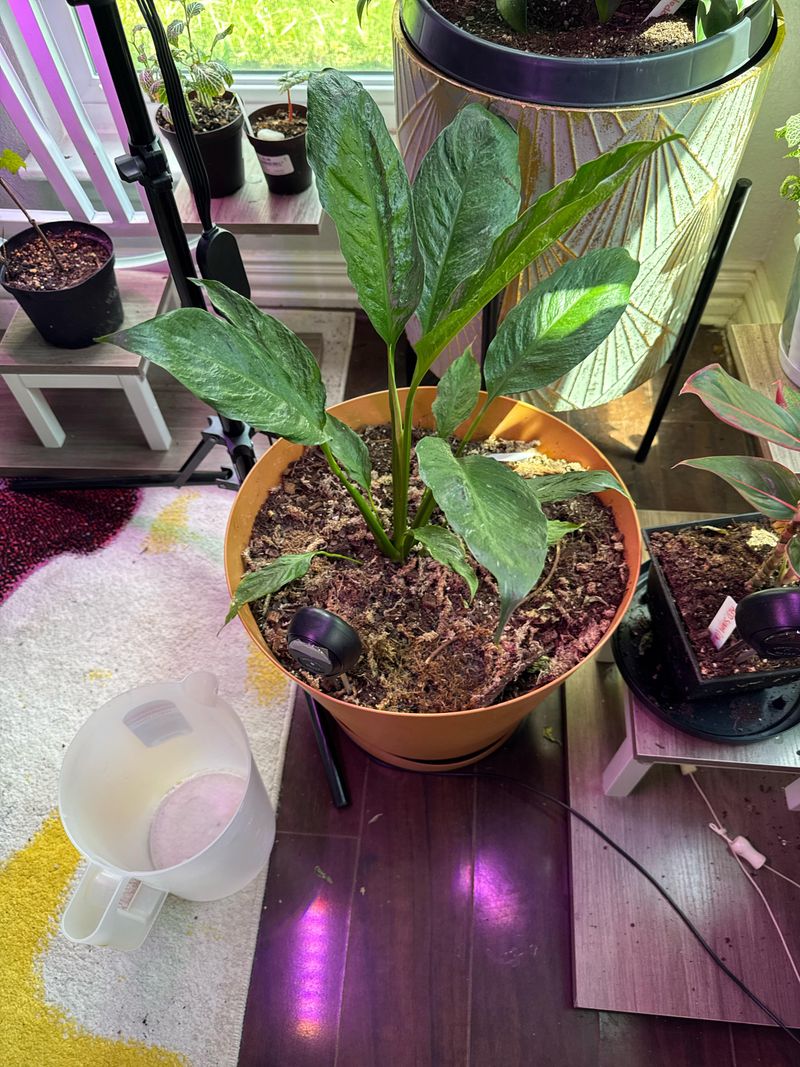
Peace lilies have a reputation as tough, low-light survivors, and that reputation is well earned when it comes to foliage. A plant tucked into a dim hallway or a shadowy corner can keep producing leaves for months or even years, looking full and green the entire time.
The problem is that surviving in low light and receiving enough light to flower are two very different things.
University of Missouri Extension guidance on indoor houseplant lighting makes this distinction clearly: peace lilies tolerate low light but need medium light to flower reliably. So a leafy, non-blooming plant is not necessarily an unhealthy plant – it may simply be a plant that has enough light to grow leaves but not enough to trigger blooms.
Light is the most practical first thing to check when a peace lily refuses to flower, but it is not the only possible explanation. UF/IFAS research on Spathiphyllum flowering identifies several factors that can affect whether a plant blooms, including maturity, cultivar genetics, temperature, photoperiod, irrigation, and nutrition.
A genuinely dim placement is a strong and common suspect, but ruling it out or correcting it is the most useful place to start.
Give the plant brighter indirect light
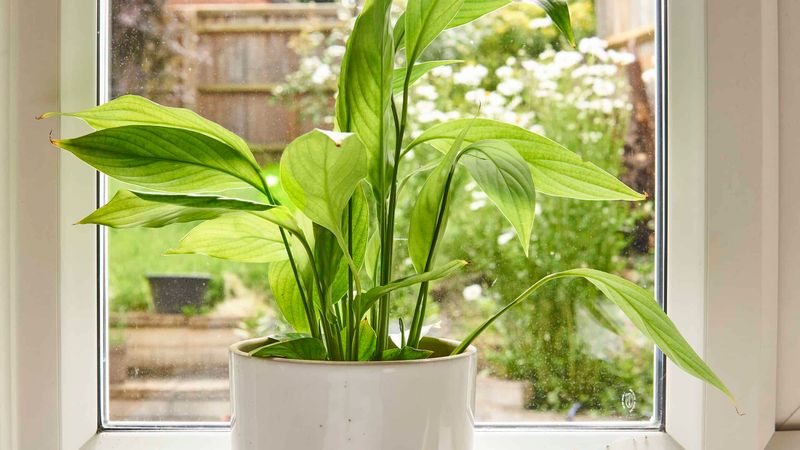
Once you recognize that dim conditions can support foliage without supporting flowers, the practical correction becomes clear: move the plant closer to a brighter light source, but keep it out of harsh direct sun. UF/IFAS care guidance for Spathiphyllum specifically recommends bright, indirect light and advises against placing the plant in direct sun, which can damage the leaves.
One detail that surprises many gardeners is how much light drops off as you move away from a window. A plant sitting several feet back in a room may look like it is in a bright space to your eyes, but light intensity falls dramatically with distance.
UF/IFAS Gardening Solutions notes on houseplant light describe a medium-light range of roughly 100 to 500 foot-candles for indoor plants, and point out that human eyes adapt so well to dim conditions that we often overestimate how much usable light a spot actually receives.
For gardeners in Florida or Texas, where outdoor light is intense, bringing a peace lily closer to a window with a sheer curtain or placing it near a screened porch opening can make a real difference. Outdoor placement in those climates works only in bright shade or filtered shade – direct outdoor sun in the South is far harsher than any typical indoor spot and can scorch the leaves quickly.
Choose a brighter spot without causing scorch
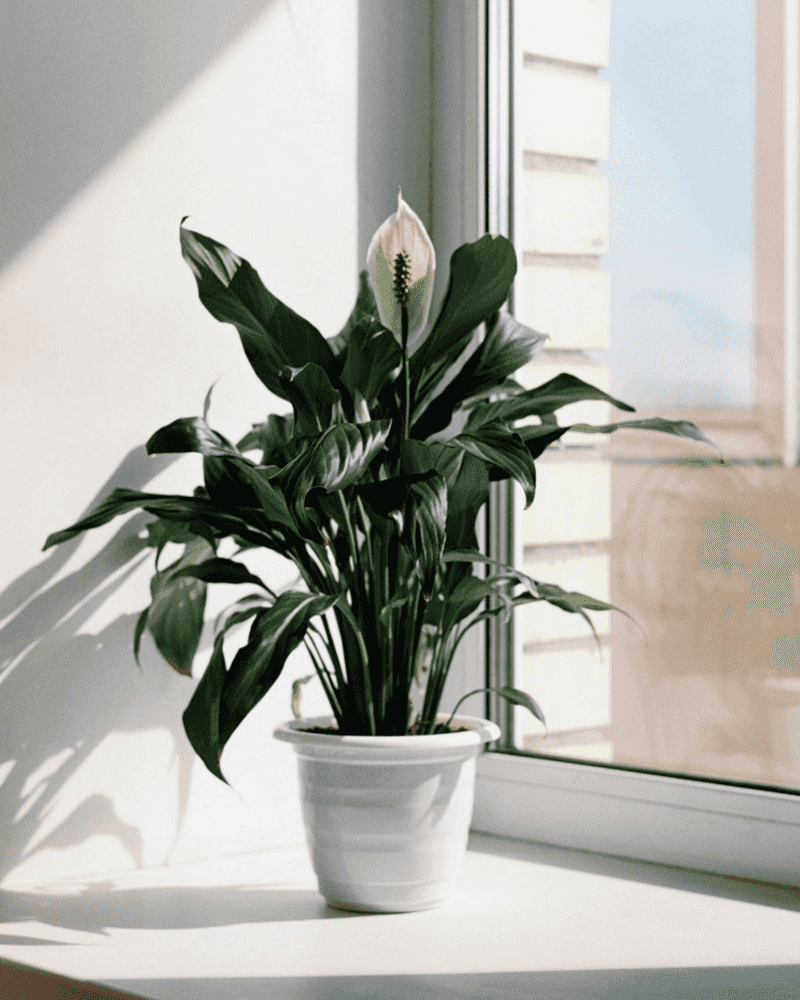
Finding a better spot does not mean chasing the brightest possible light in your home. An unobstructed north-facing window provides consistent, gentle light that works well for peace lilies.
An east-facing window offers mild morning sun that is far less intense than afternoon exposure, and a west-facing window with a sheer curtain can filter the stronger afternoon light to a usable level. The goal is more usable indirect light, not maximum brightness.
UF/IFAS guidance on light for houseplants notes that placing a plant right next to a window – rather than across the room from one – can dramatically increase the light it receives. Moving gradually matters too.
If your peace lily has been sitting in a genuinely dark spot for a long time, shifting it abruptly into a much brighter location can stress the leaves before the plant adjusts.
University of Maryland Extension’s indoor plant lighting resource advises increasing light exposure in stages rather than all at once. Watch the foliage as you move the plant: pale, washed-out coloring or brown patches on the leaf surface can signal that the new spot is too bright or too direct.
Pull back slightly if you see those signs, and let the plant settle before making another adjustment.
Compare locations instead of trying to prove one cause
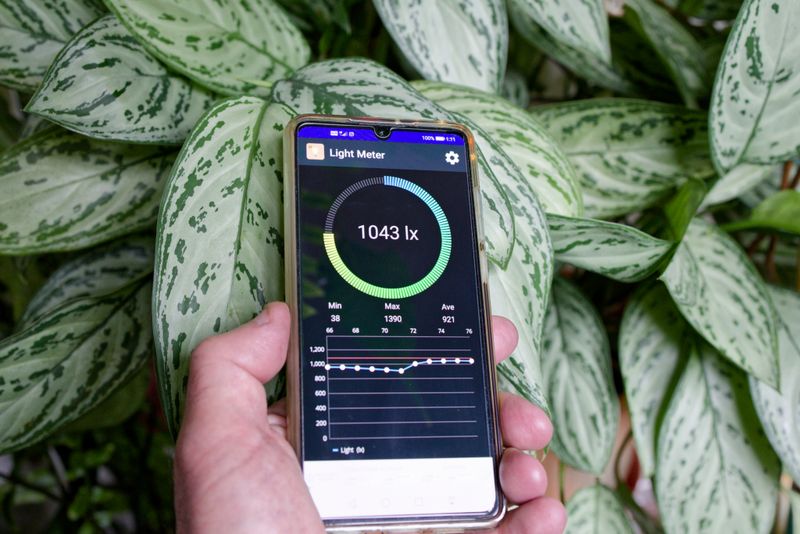
Rather than trying to prove that low light is definitely the reason your plant is not flowering, a more useful approach is to compare the light levels in different spots around your home. A phone light-meter app can help you rank locations from dimmer to brighter, giving you something concrete to act on even if the readings are not laboratory-precise.
UF/IFAS Gardening Solutions explains that phone app readings are approximate comparisons, and that a dedicated light meter is more reliable if you want a closer estimate. Either way, the point of measuring is not to hit a specific number that guarantees blooms – no single foot-candle reading does that for every peace lily in every home.
The point is to find out whether your current spot is genuinely dim compared to alternatives.
If your phone app shows the plant’s current corner reading a fraction of what a nearby window location reads, that gap is useful information. Moving the plant to the brighter spot is a reasonable experiment, not a guaranteed fix.
UF/IFAS research on Spathiphyllum flowering is clear that flowering response varies by cultivar, age, temperature, and photoperiod – so a light adjustment is the best first test, with realistic expectations about what it can accomplish on its own.
Keep watering, feeding, and temperature steady
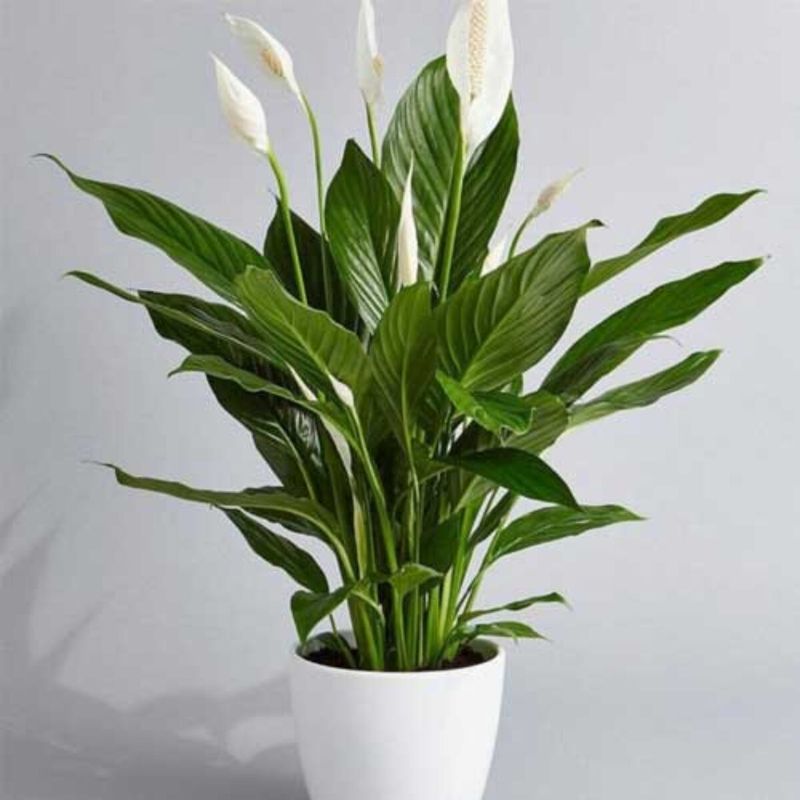
Correcting the light situation is the priority, but other care conditions can undermine flowering even after the plant moves to a brighter spot. Watering is one of the most common secondary problems.
UF/IFAS Spathiphyllum care guidance recommends keeping the potting mix consistently moist without allowing the plant to sit in standing water. Both chronic drought stress and waterlogged roots can affect the plant’s ability to produce flowering structures.
Fertilizer is worth handling carefully. UF/IFAS recommends a low-dose liquid fertilizer applied about three times per year rather than heavy or frequent feeding.
NC State Extension’s Spathiphyllum profile advises using fertilizer at quarter strength and flushing the soil periodically, because salt buildup from excess fertilizer can injure roots and cause brown leaf tips. Aggressive fertilizing is not a reliable way to push a peace lily into bloom, and it can create new problems.
Temperature also plays a real role. NC State lists a preferred daytime range of roughly 68 to 85 degrees Fahrenheit and notes that colder conditions slow growth noticeably.
In Florida and Texas homes, cold air from air conditioning vents or drafts near doors in winter can chill a plant even when the room feels comfortable to you. Keeping the peace lily away from cold drafts and heating or cooling vents helps maintain the stable warmth it prefers.
A store-bought bloom does not promise an immediate repeat
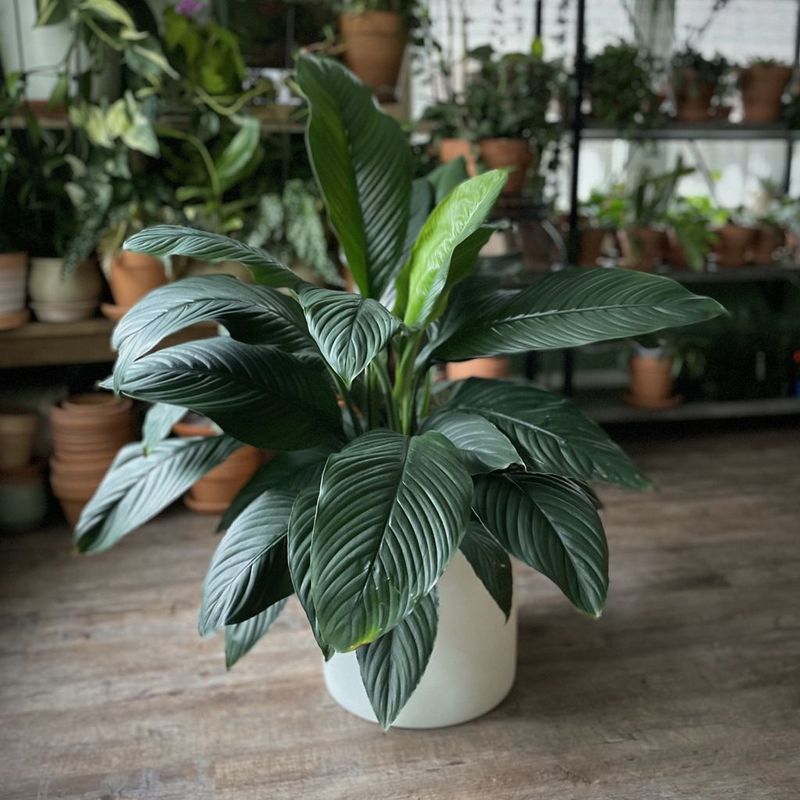
Many gardeners buy a peace lily in full bloom and then wonder why the plant never flowers again at home. The explanation often comes down to how commercial growers prepare plants for sale.
UF/IFAS research on Spathiphyllum flowering documents that growers can use plant growth regulators to induce flowering on smaller plants and outside their natural blooming window, producing the full, flowering displays that make peace lilies so appealing in stores.
Once that commercially induced bloom fades, the plant returns to its own natural schedule, which depends on maturity, cultivar, light intensity, temperature, and photoperiod. UF/IFAS research on breeding and development in Spathiphyllum notes that many cultivars flower naturally in late winter or early spring, while others have different seasonal patterns.
A plant that bloomed beautifully at the nursery is not necessarily a plant that will rebloom quickly or continuously under ordinary home conditions.
Setting realistic expectations matters here. Brighter indirect light is still the right first correction, but a newly purchased peace lily may need time to reach the right maturity and the right seasonal window before it flowers again on its own.
Patience is a genuine part of the process, not a sign that something is wrong with your care routine. Expecting seasonal flowering from a healthy, well-lit plant is more realistic than expecting continuous year-round blooms.
A green spathe may simply be an older bloom
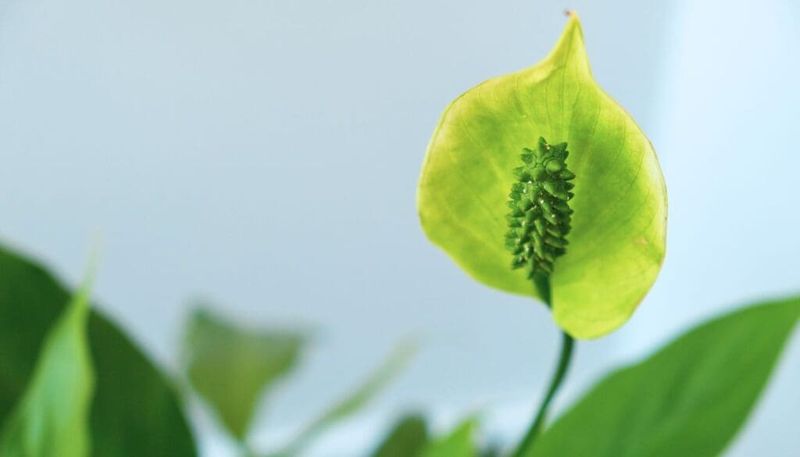
Before concluding that a peace lily has stopped flowering entirely, check whether any green structures on the plant are actually aging blooms rather than leaves. What most people call the peace lily’s flower is technically a spathe, a modified leaf-like structure that surrounds the finger-like spadix at its center.
When it first opens, a spathe is typically bright white. NC State Extension notes that a spathe can begin turning pale green within about ten days as it matures, and this color shift is a normal part of the bloom cycle, not a sign of a care failure.
A plant with a green spathe has, in fact, produced a flower – the bloom is simply past its peak. The distinction worth making is between a plant showing aging spathes and a plant that has produced no flowering structures at all for an extended period.
If you have not seen any white or green spathes, no spadix, and no flower bud emerging from the base of the leaves, that is the more meaningful sign that flowering conditions need attention.
Reaching for extra fertilizer or trying an unproven remedy because a spathe turned green is unlikely to help and may cause harm. Recognizing a natural color change for what it is saves unnecessary intervention and keeps you focused on the care adjustments that actually matter.
Use a light correction as the first test
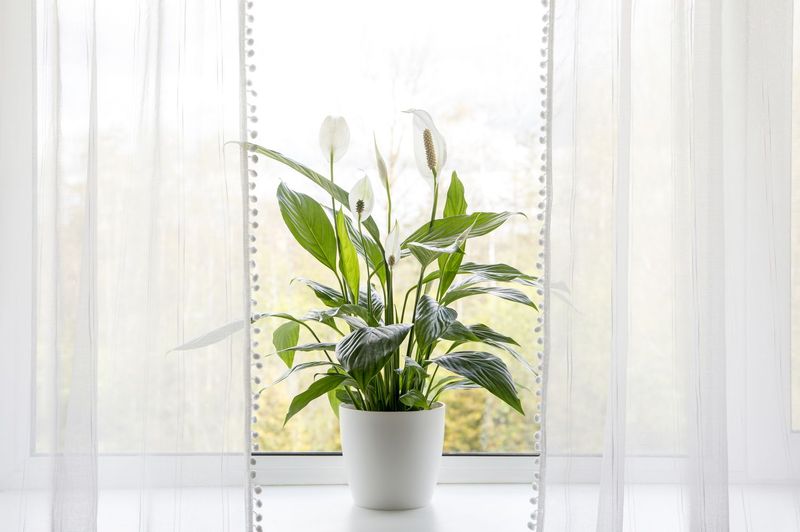
The most useful action for a leafy peace lily that has not flowered is a gradual move toward brighter indirect light. Start by identifying a spot closer to a window, filtered by a sheer curtain if needed, and shift the plant there over a week or two rather than all at once.
Missouri Extension’s houseplant lighting guide confirms that peace lilies need medium light to flower, making this the most evidence-supported first adjustment.
While you adjust the light, keep moisture moderate and fertilizer conservative, and protect the plant from cold drafts and hot direct sun. UF/IFAS research on Spathiphyllum flowering and UF/IFAS Spathiphyllum care guidance both point to light, temperature, irrigation, and nutrition as interacting factors – so steadying the whole care routine alongside the light change gives the plant the best chance.
If flowering still does not return after several months in better light, consider whether the plant is mature enough to bloom, whether the cultivar has a seasonal pattern, or whether temperature or root conditions need attention. There is no fixed timeline for rebloom, and no guaranteed outcome.
A dim placement can support leaves while quietly limiting flowers – correcting it is the clearest test you have, and often that single adjustment is enough to change what the plant does next.