
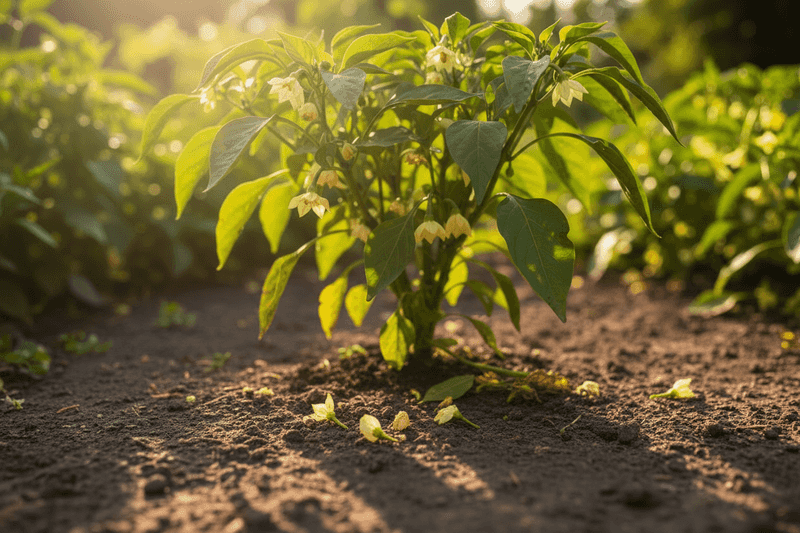
Walking out to your pepper plants and finding a pile of dropped flowers on the ground is genuinely alarming, especially when the plants looked perfectly healthy a week ago. Many gardeners assume the worst – disease, dying roots, or some invisible pest – but during a July heat wave, the explanation is often simpler and more recoverable than that. Heat can interfere with the pollination process and cause peppers to shed blossoms or tiny developing fruit before they ever size up. The good news is that a vigorous plant shedding flowers during peak summer heat has a real chance of bouncing back once you understand what is happening and take a few practical steps.
Flower drop does not automatically mean the pepper is dying
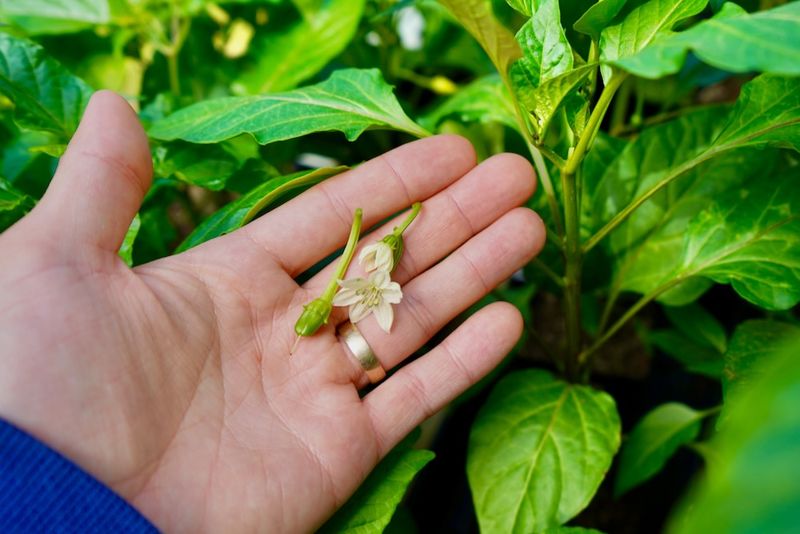
Seeing flowers pile up under your pepper plant feels like a countdown to losing the whole crop, but the plant itself may be in perfectly good shape. Peppers can shed blossoms or tiny newly formed fruit when the conditions needed to complete pollination and fruit set break down, and that shedding is a reproductive response, not a sign that the roots or stems are failing. University of Maryland Extension describes blossom and fruit drop as a common environmental response in vegetables, distinct from the kind of structural decline that actually threatens a plant’s survival.
Think of flower drop during a heat wave as a temporary pause rather than a death spiral. The plant is conserving resources it cannot successfully invest in fruit when temperatures push pollination past its working range. That said, heat is not the only possible explanation, and assuming it is without looking at the plant first can cause you to miss something that does need treatment.
Oklahoma State Extension notes that several environmental and management factors can trigger poor fruit set in peppers, including temperature extremes, water stress, and nutritional imbalances. A basic inspection of the whole plant – leaves, stems, flowers, and any developing fruit – takes only a few minutes and tells you far more than the dropped flowers alone.
Separate daytime heat from warm nights
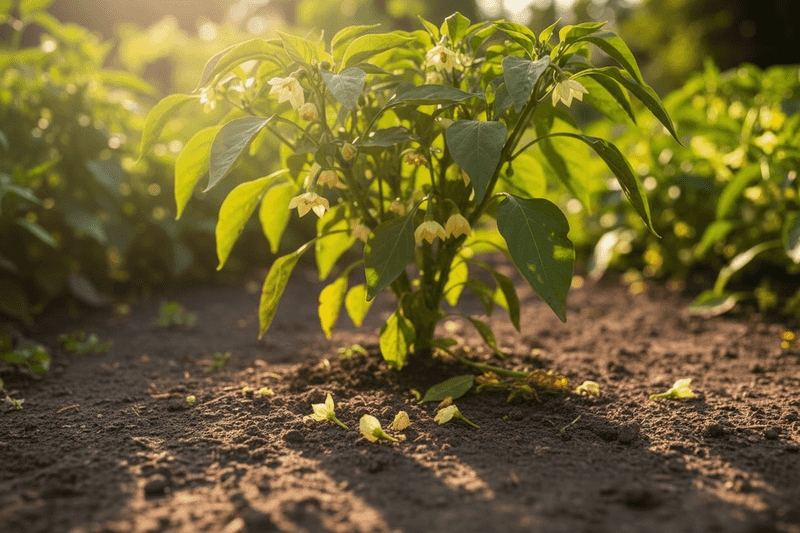
Temperature affects pepper fruit set in two separate ways, and mixing up the daytime and nighttime numbers leads to confused expectations. Iowa State University Extension reports that bell peppers set fruit best around 70 to 80 degrees Fahrenheit – a range that describes an optimal fruit-set window, not a single threshold that applies equally to both daytime highs and nighttime lows. Daytime temperatures are a separate concern: Oklahoma State Extension associates very little fruit set with daytime highs above roughly 90 degrees Fahrenheit or nighttime lows below about 60 degrees Fahrenheit.
On the nighttime side, many extension programs flag nights staying above approximately 70 to 75 degrees Fahrenheit as a likely contributor to poor fruit set, because persistently warm nights can reduce pollen viability and germination. Controlled sweet pepper research found that higher night temperatures caused considerable blossom drop, and related studies showed that temperature stress can reduce pollen germination. However, Delaware Cooperative Extension points out that the exact nighttime threshold at which high temperatures damage pepper pollen has not been settled and likely varies with cultivar, humidity, soil moisture, and how long the stress lasts.
Cool nights create problems too. Temperatures dropping below roughly 58 to 60 degrees Fahrenheit can also interfere with fruit set, so peppers have a preferred temperature window rather than a simple rule about heat alone. Bell peppers are generally more sensitive to heat-related fruit-set failure than many smaller-fruited or pungent types, as Iowa State explains when comparing bell and hot pepper performance in summer. That difference is a tendency, not a guarantee, and individual cultivar and growing conditions still matter.
Inspect the plant before assigning the cause
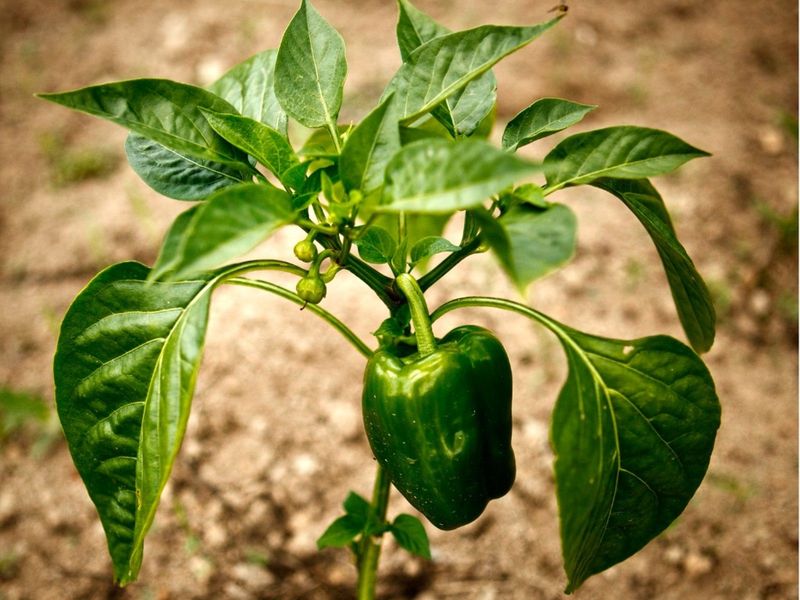
Before settling on heat as the explanation, spend a few minutes actually looking at the plant from the soil up. Start at the root zone: push a finger two inches into the soil to check whether it is genuinely moist or has dried out more than you realized. Hot, dry wind accelerates water loss faster than many gardeners expect, and Oregon State Extension identifies water stress and dry wind as contributors to blossom and fruit drop even when the plant does not look visibly wilted.
Move up to the leaves, stems, and any remaining flowers. Bacterial spot produces water-soaked, greasy, or raised brown lesions on leaves, stems, and fruit, and University of Minnesota Extension notes it can infect flowers directly. Viral diseases show up as mosaic color patterns, leaf distortion, stunting, or misshapen fruit, and UC IPM lists potyvirus mosaic diseases as a significant pepper concern. Check for sudden wilt on individual branches, which can signal a vascular problem unrelated to heat.
Thrips are small enough to miss without magnification, so use a hand lens to examine the inside of flowers and the undersides of young leaves. UC IPM identifies thrips as a pepper pest that can deform flowers and transmit tomato spotted wilt virus, and University of Florida IFAS provides identification guidance for common thrips species. A vigorous, fully green plant with flowers dropping cleanly and no lesions or distortion makes environmental fruit-set failure more probable – but that pattern is a practical inference, not a diagnostic certainty, so complete the inspection before moving on.
Stabilize moisture around the roots
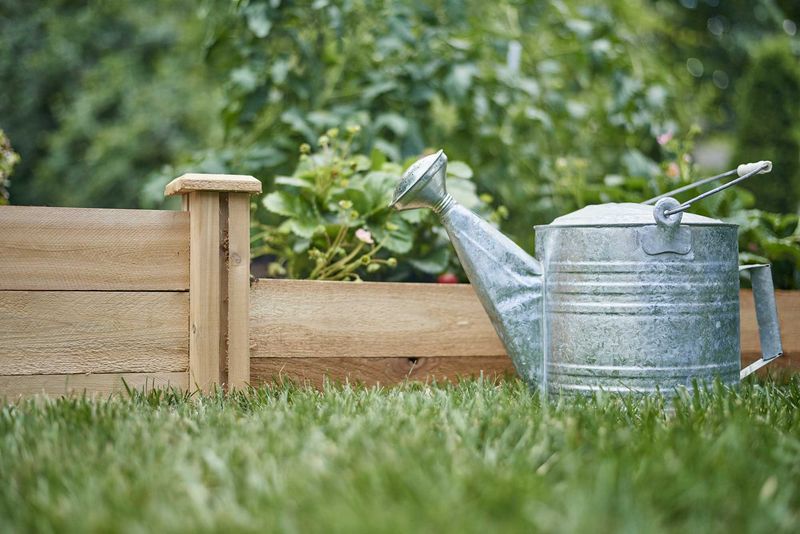
Once you have confirmed the plant looks healthy and free of lesions, the most useful immediate step is making sure the root zone stays consistently moist. Dry soil during flowering and fruit set puts the plant under stress that can trigger blossom and young-fruit abortion even when temperatures are not extreme. Utah State University Extension recommends deep, consistent watering for peppers, and Iowa State Extension commonly references about one inch of water per week as a general starting point. That figure needs adjustment for your soil type, whether plants are in containers, how much rain has fallen recently, and how hot and dry conditions have been.
Deep, infrequent watering encourages roots to reach down rather than staying near the surface where soil dries fastest. Frequent shallow sprinkling wets only the top inch or two and leaves the deeper root zone dry. UMass Extension reinforces the value of thorough root-zone irrigation for peppers during heat.
Mulch is a practical partner to good watering. A two- to three-inch layer of organic mulch around the base of the plant – kept a few inches away from the stem itself – slows evaporation, moderates soil temperature swings, and helps keep moisture more even between waterings. University of Delaware Extension specifically recommends mulching as a heat-stress management tool for vegetable gardens. Avoid routine overhead wetting or foliar misting as a default practice: Maryland Extension guidance on bacterial leaf spot notes that wet foliage and splashing water can promote or spread bacterial disease, making root-zone watering the safer baseline choice.
Use temporary afternoon shade, not deep shade
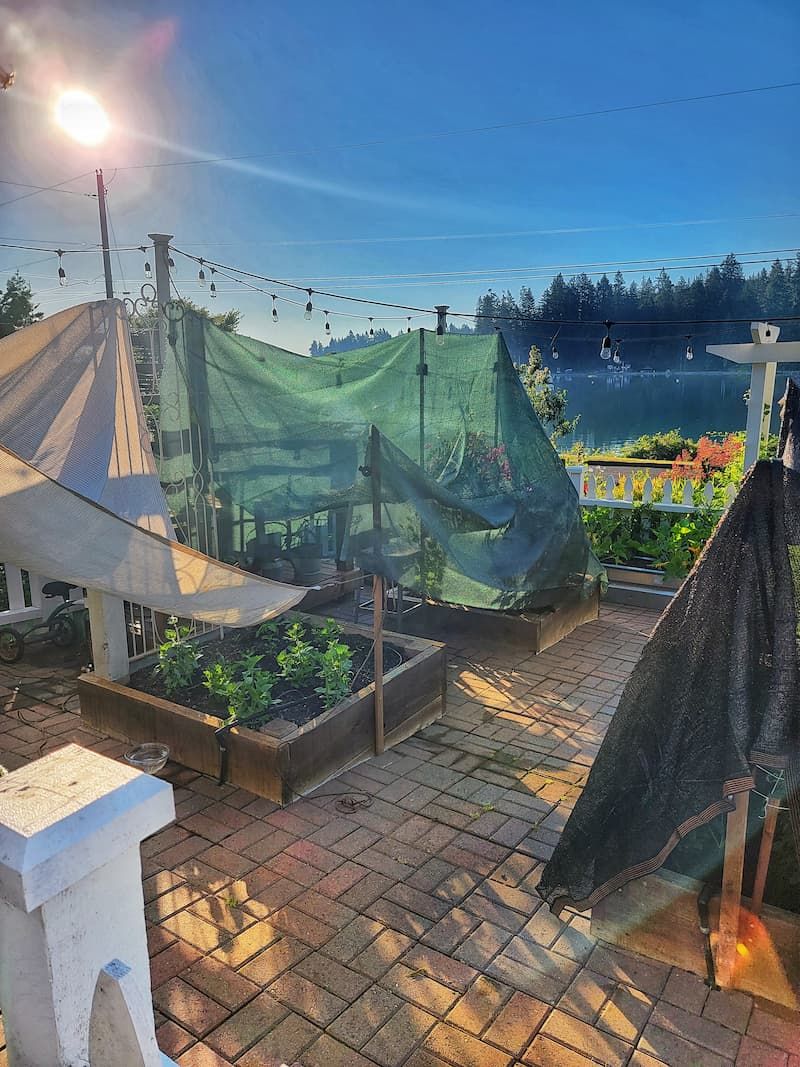
Reducing the intensity of afternoon sun during a heat wave can lower the temperature around your pepper plants without requiring you to move them. University of Delaware Extension specifically identifies shade cloth as a useful heat-management tool for peppers and tomatoes, citing approximately 30 percent shade cloth as an option that can provide cooling without cutting light so severely that it creates new problems. Position the cloth above the plant or on its west side to intercept the harshest afternoon sun, and secure any supports well enough to handle summer wind gusts.
The key word in that recommendation is “temporary.” Peppers still need substantial direct light to flower and set fruit reliably. University of Maryland Extension lists insufficient light as a contributor to poor blossom and fruit set, and Oregon State Extension reinforces that peppers are full-sun crops that perform poorly in deep shade.
Once a heat event passes and daytime highs drop back into a more manageable range, remove or roll back the shade cloth so the plants return to full sun. Using shade cloth as a permanent setup trades one problem for another. Treat it as a targeted, short-term tool for the hottest stretches of July, not a season-long modification to your garden.
Avoid remedies that do not match the problem
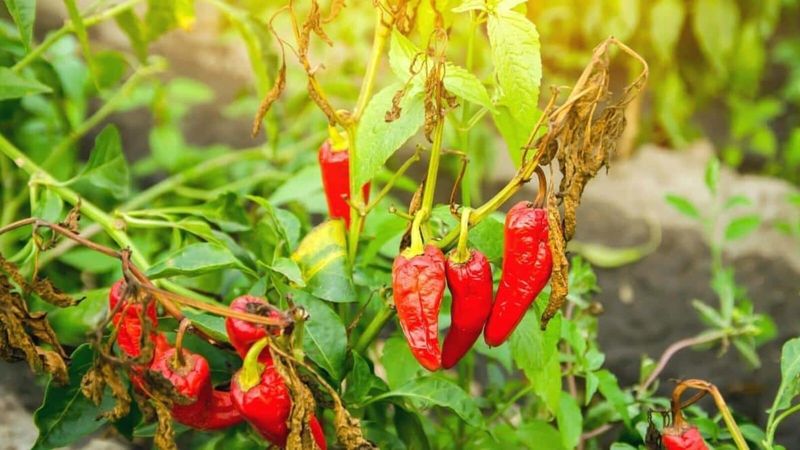
When flowers keep dropping, the temptation to do something – anything – is understandable. But several common responses can make things worse or simply waste time and money. High-nitrogen fertilizer is one example: NC State Extension lists excess nitrogen as a contributor to blossom drop because it pushes the plant toward lush foliage rather than fruit. If you have been feeding heavily and a heat wave hits at the same time, the nitrogen may be compounding the problem rather than helping it.
Calcium sprays and bloom-booster fertilizers are also frequently suggested online, but neither addresses heat-related fruit-set failure. University of Illinois Extension and Oregon State’s pepper production guide do not support calcium sprays as a general correction for blossom drop, and the mechanism that causes blossom drop from heat is unrelated to the calcium-distribution problem behind blossom-end rot.
Peppers are largely self-fertile, so a shortage of bees is rarely the central cause of flower drop outdoors. University of Florida IFAS explains that most pepper flowers can pollinate themselves, and Purdue Extension notes that gentle agitation can assist pollen release in a still greenhouse. However, agitation cannot restore pollen that heat has already damaged, so it is not a fix for outdoor heat events.
On the pest side, do not spray flowering plants with insecticide unless you have actually identified a pest that warrants treatment. UC IPM and University of Florida IFAS both caution that indiscriminate spraying on flowering crops can harm beneficial insects. Identify the pest first, then choose a product labeled for that pest on peppers, and follow the label and any local use restrictions. Routine preventive spraying for unexplained flower drop is not supported by extension guidance.
Give the plant time to set fruit again
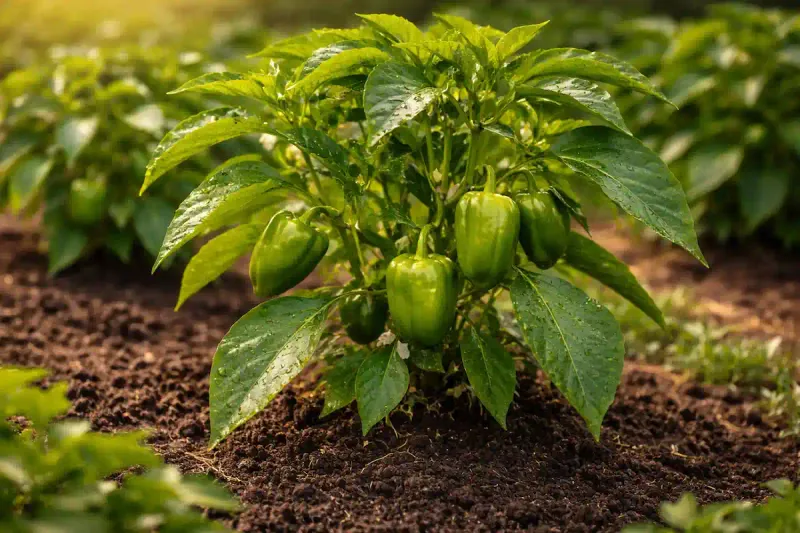
A heat-related pause in fruit production is not necessarily the end of your pepper season. University of Maryland Extension says fruit production often resumes in late summer or early fall when temperatures moderate, and UC ANR guidance similarly notes that pepper plants can resume setting fruit once conditions improve. Recovery is possible, not guaranteed – it depends on how long the stress lasted, whether the plant stayed healthy through the heat, and whether growing conditions return to a workable range before the first frost.
The practical sequence while you wait: inspect the plant for any disease or pest symptoms you may have missed, track your daytime highs and nighttime lows separately rather than relying on a single average, keep the root zone consistently moist, and use temporary afternoon shade during the worst heat stretches. Hold off on fertilizer pushes or chemical shortcuts that do not match the actual problem.
Pepper plants that hold their foliage, stay green, and continue producing flowers through a heat wave are signaling that the underlying plant is sound. When nights finally cool and daytime highs ease back below the stress threshold, those waiting flowers often become the fruit you were hoping for all along.