
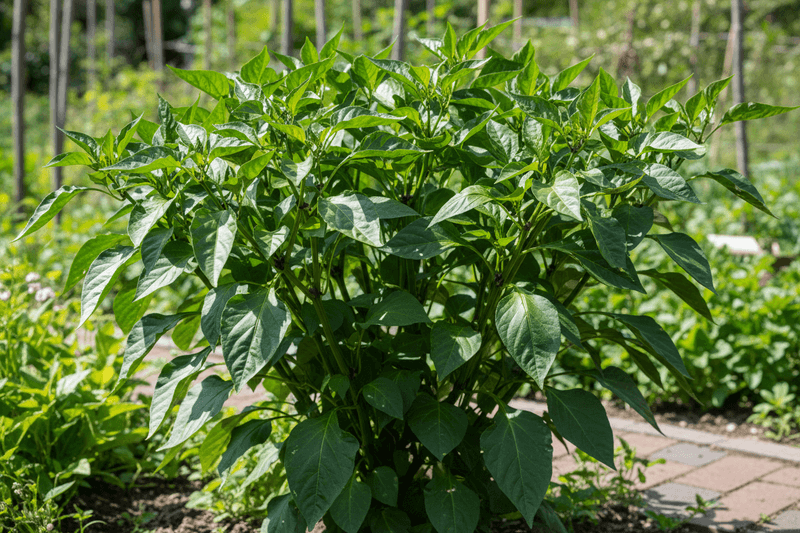
You planted your peppers with high hopes, and now the plants are thriving – just not in the way you wanted. The leaves are full and green, but the peppers themselves are nowhere to be found. Repeated high-nitrogen feeding can be part of the problem, but it is rarely the whole story. Understanding what is actually going on with your plants is the first step toward getting more peppers on the vine.
Lush leaves do not prove a nitrogen problem
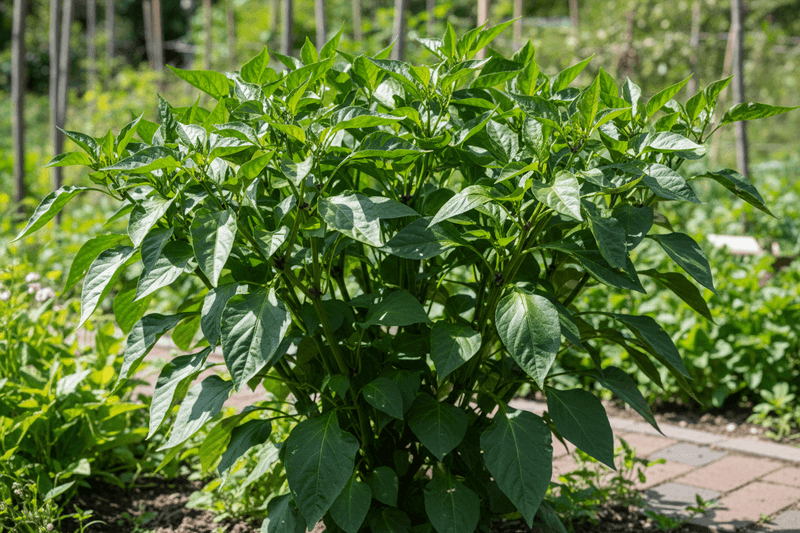
A pepper plant covered in thick, dark-green leaves with barely a pepper in sight is a frustrating sight after weeks of watering and care. That pattern can fit a nitrogen problem, but it can also fit a dozen other situations that have nothing to do with what you have been feeding your plant. Illinois Extension guidance on peppers explicitly cautions against using lush, luxuriant growth alone as proof of nitrogen overfertilization.
Heat, drought, cold nights, transplant stress, cultivar characteristics, and simple delayed maturity can all produce a bushy plant with few peppers. A newly transplanted pepper may spend its first several weeks pushing roots and leaves before it is ready to set fruit, and that is entirely normal. Some cultivars are also slower to fruit than others, regardless of how they are fed.
Pausing routine high-nitrogen feeding is a sensible first adjustment when you suspect excess nitrogen may be contributing to the problem. University of Minnesota Extension notes that excessive nitrogen can make pepper plants bushy and slow to bear fruit, which supports the idea that reducing unnecessary nitrogen inputs is worth trying. What it cannot do is guarantee fruit set or override a heat wave, a drought, or a cultivar that simply needs more time.
Repeated nitrogen can delay pepper fruiting
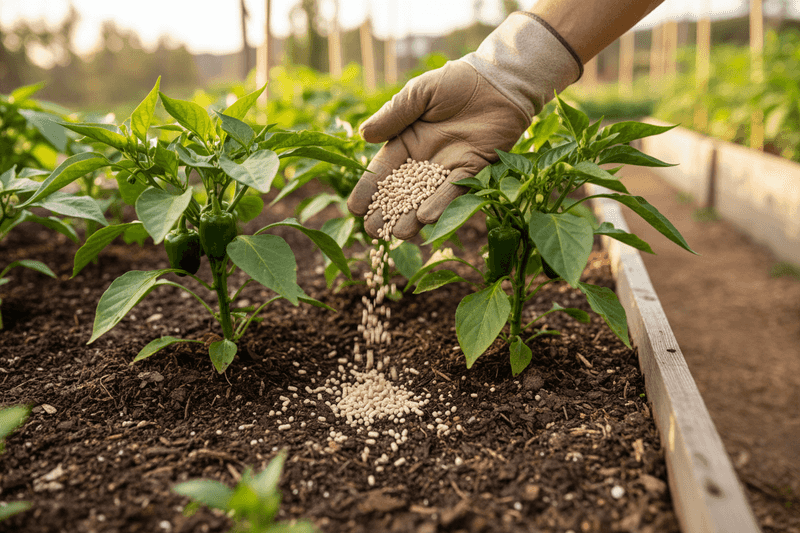
Nitrogen is the nutrient most responsible for pushing leafy, vegetative growth. When a pepper plant receives repeated heavy doses, particularly before it has begun to flower and set fruit, it can keep channeling energy into stems and leaves rather than reproductive growth. Minnesota Extension and Utah State Extension’s soil and fertility guidance both recognize that overfertilizing with nitrogen can encourage excessive foliage and delay fruit set and maturity in peppers.
The products most likely to push nitrogen levels too high in a home garden are the ones applied repeatedly and generously: fresh or composted manure, blood meal, fish emulsion, lawn fertilizer, and other nitrogen-heavy products. A single application at planting is rarely the issue. The risk builds when gardeners keep adding these inputs every few weeks throughout the season without checking whether the soil actually needs more nitrogen.
That said, nitrogen is not inherently harmful during the fruiting period. A peer-reviewed study on nitrogen and Capsicum annuum found that nitrogen addition under certain conditions affected floral traits and fruit set in complex ways, with results depending on rate, timing, cultivar, and growing conditions. The evidence supports saying that excess or poorly timed nitrogen may contribute to delayed fruiting, not that nitrogen always prevents peppers from forming.
Pause routine high-nitrogen feeding first
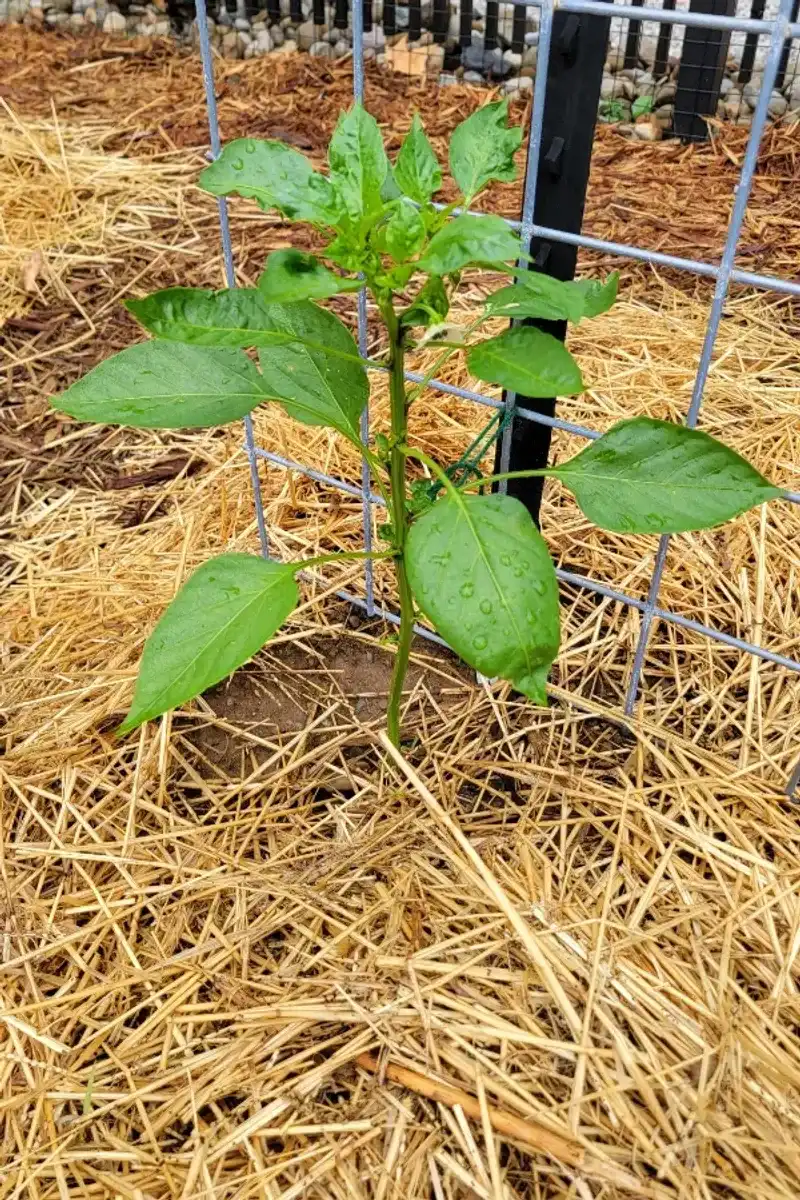
The most practical first step when your pepper plant looks overfed is to stop adding routine nitrogen-heavy fertilizer and give the soil a chance to settle. Minnesota Extension’s fertilizing guide points out that overfertilizing can damage plants, waste money, pollute water, and create nutrient imbalances, so adding more inputs before you know what the soil actually contains is rarely a good idea.
Pausing is different from banning nitrogen permanently. You are not stripping the plant of everything it needs; you are stopping unnecessary additions while you gather more information. Keep watering consistently, maintain your mulch layer, and continue normal pest and disease monitoring. The plant does not need to be stressed further while you figure out what is going on.
Resist the urge to force flowers by adding a different fertilizer, switching to a high-phosphorus bloom booster, or flushing the soil heavily with water. Minnesota Extension’s soil testing guidance and Illinois Extension’s pepper page both support a test-before-you-feed approach rather than a reactive swap from one product to another. Flushing a garden bed with excess water can leach nutrients, deprive roots of oxygen, and worsen nutrient loss without solving the original problem. A pause is protective, diagnostic, and low-risk.
Use a soil test to guide the next fertilizer decision
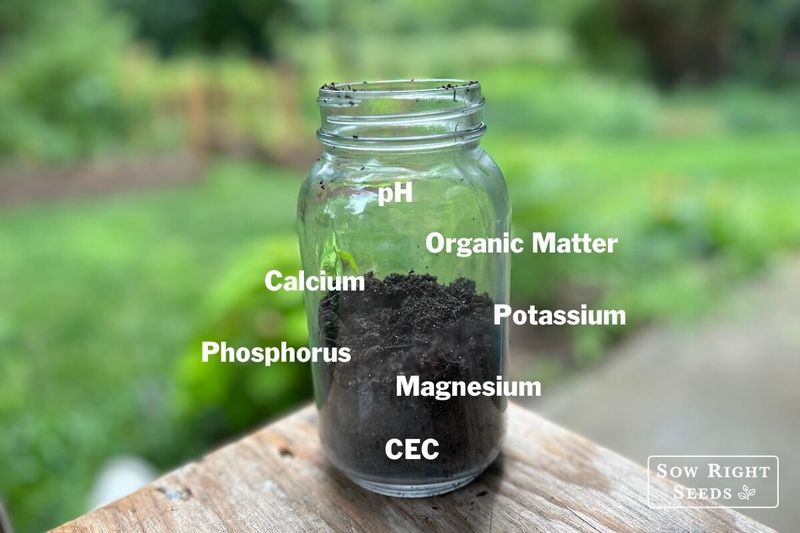
Once you have stopped the routine nitrogen applications, a soil test is the most reliable way to decide what, if anything, to add next. Most home-garden tests commonly report phosphorus and potassium levels. Illinois Extension’s soil testing resource explains that nitrogen is harder to measure reliably in a standard home test because it moves quickly through soil and changes form rapidly depending on temperature and moisture. A test result showing low nitrogen does not necessarily reflect what the plant experienced over the past several weeks.
What a soil test can do is guide your next fertilizer decision. If phosphorus comes back high, there is no justification for adding a high-phosphorus bloom booster. Minnesota Extension’s phosphorus management guidance is direct: phosphate applications do not increase yield when soil phosphorus is already high, and building phosphorus unnecessarily can contribute to environmental problems. The idea that phosphorus reliably sets flowers is older gardening folklore that current soil science does not support as a universal rule.
If the test does indicate a nutrient need, choose a complete fertilizer and follow the product label or your local Extension program’s recommendation. Containers deserve a separate look: Minnesota Extension’s container plant guidance notes that restricted root volume and frequent leaching can change feeding needs compared to in-ground beds, so container-grown peppers may need a different approach. The soil test tells you about fertility; it does not tell you whether heat, moisture, or plant stress is the real reason your peppers are not forming.
Check heat and moisture before blaming fertilizer
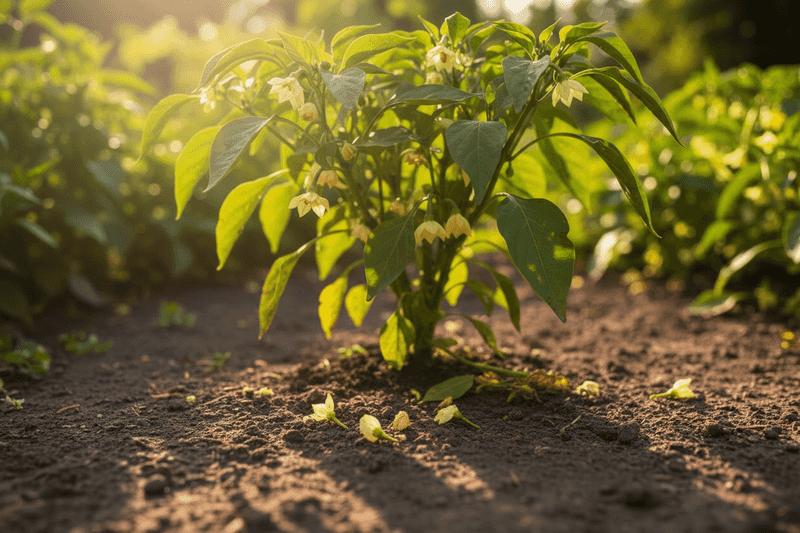
Before concluding that fertilizer is the problem, check the weather records and your watering habits. Pepper fruit set is sensitive to temperature, and Oregon State Extension’s pepper growing guide describes an ideal range of roughly 70 to 80 degrees Fahrenheit during the day and 60 to 70 degrees at night. These are approximate, variety-dependent targets rather than hard cutoffs. Illinois Extension adds that warm nights above 70 degrees and extreme heat can prevent fruit set, while Utah State reports flower abortion when nights drop below about 55 degrees or days climb above roughly 90 degrees.
During a heat wave, flowers may drop even on a plant that looks completely healthy and has been fed carefully all season. Oregon State Extension’s heat wave garden guide notes that blossom and fruit drop are common in peppers during prolonged high temperatures and that production often resumes once the heat passes. A feeding change will not speed that recovery; only improved conditions will.
Moisture swings can be just as disruptive as temperature extremes. Dry spells, hot dry winds, and irregular watering can cause buds and small fruits to drop before they develop. Consistent, deep watering and a layer of mulch to moderate soil moisture are the most practical responses. Illinois Extension identifies drought and heat as among the more common explanations for poor pepper fruit set in many seasons, separate from any fertilizer issue.
If your plants experienced any of these conditions recently, that history matters more than what was in the fertilizer bag.
Separate poor fruit set from blossom-end rot
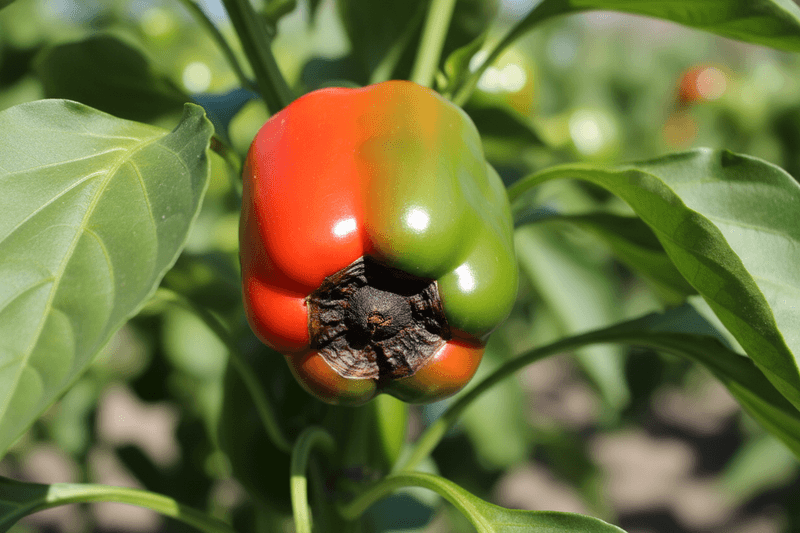
Two different problems can look related at first glance, and treating them the same way will not help either one. Poor fruit set means that flowers or tiny developing fruits fail to form or fall off before they grow. Blossom-end rot is something else entirely: the pepper does form, but as it develops, a dark, sunken, leathery patch appears at the blossom end of the fruit.
Blossom-end rot involves disrupted calcium movement within the plant, and University of Georgia Extension’s guidance on blossom-end rot in peppers and tomatoes emphasizes that the underlying issue is usually inconsistent water availability rather than a simple lack of calcium in the soil. The plant cannot move calcium effectively when water delivery is uneven. Excess nitrogen and excessive vegetative growth can make the condition worse, but the priority fix is steady, consistent soil moisture and avoiding damage to the roots.
Calcium sprays and calcium-heavy fertilizers are often ineffective on their own because they do not address the water management issue driving the problem. Illinois Extension reinforces this point. If your peppers are forming but rotting at the tip, focus on your watering consistency first before reaching for a calcium product.
Let growing conditions determine whether to feed again
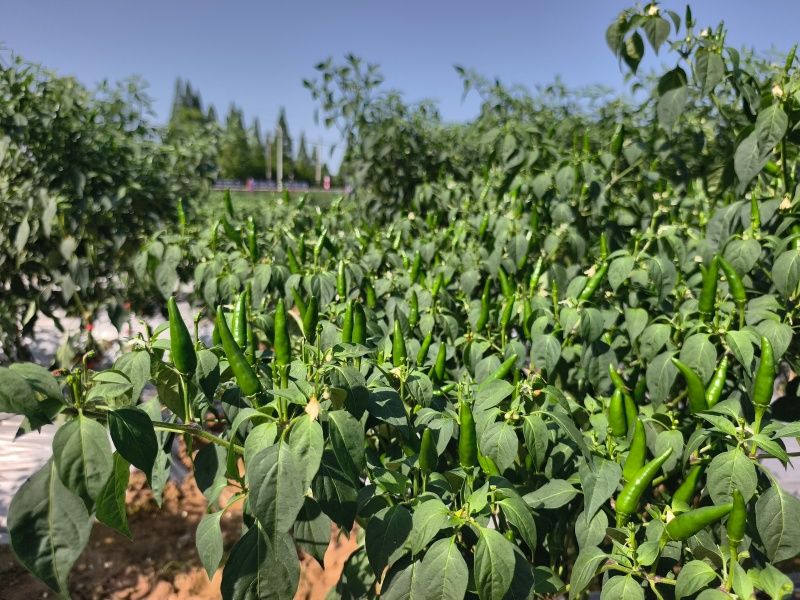
Pulling together everything above leads to a straightforward decision path. Stop repeated high-nitrogen applications, keep watering consistently, review your recent temperature and moisture history, and get a soil test before choosing another fertilizer. Minnesota Extension and Illinois Extension both support a test-guided approach rather than reflexive product swaps.
If excess nitrogen was genuinely contributing to the problem, removing that pressure may help the plant shift toward fruiting over time. If heat, drought, or cold nights were the real culprits, improved conditions and patience are what the plant needs most. Soil testing guidance from Minnesota Extension and Oregon State’s heat stress resource both reinforce that recovery has no fixed timeline.
Measured nitrogen can still be appropriate later in the season when soil test results and local Extension recommendations support it. The goal is not to fear fertilizer but to use it in response to what the plant and the soil actually need. Peppers that have been given the right conditions tend to tell you soon enough.