
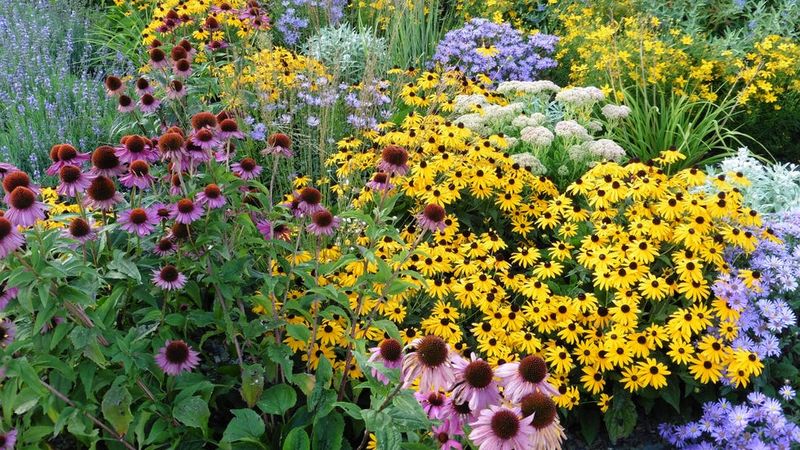
Nothing stings quite like planting perennials, watching them pop with color, and then seeing the flowers disappear after only two or three weeks. If you garden in the South, where heat and humidity test every plant, you need picks that keep going strong for months, not days.
The good news is that some tough perennials bloom from late spring all the way into fall with barely any fuss. Here are ten reliable choices that deliver color for a solid three months while asking very little of you.
1. Coneflower (Echinacea)
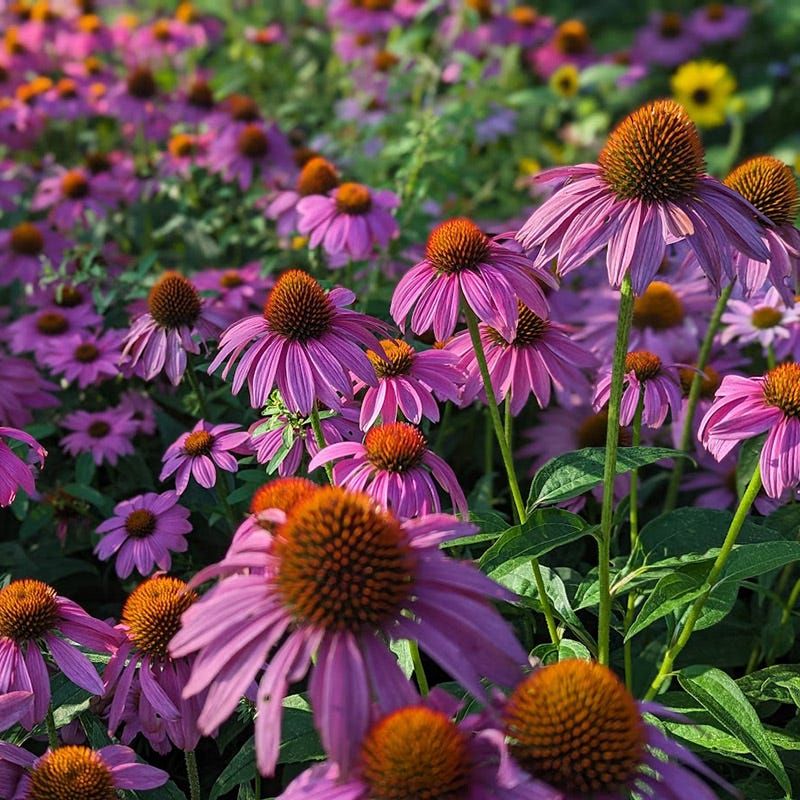
Coneflowers earned their spot at the top because they simply refuse to quit. Once the daisy-like blooms open in early summer, they keep pushing new flowers through the worst of the heat.
Native across much of the country, echinacea shrugs off drought, poor soil, and blazing Texas afternoons. You barely have to water it once it settles in, and it handles humidity without sulking.
The raised orange centers are a magnet for bees and butterflies, so your yard doubles as a pollinator pit stop. Even after the petals fade, the seed heads feed goldfinches through fall.
To stretch the show closer to three months, snip off spent blooms every week or two. That small nudge tells the plant to make more flowers instead of setting seed early.
Purple is the classic, but you can find coral, white, and sunset shades now. Fun fact: echinacea has been brewed into herbal remedies for generations, though your garden variety is best left for the bees.
Plant it in full sun and mostly forget it.
2. Black-Eyed Susan (Rudbeckia)
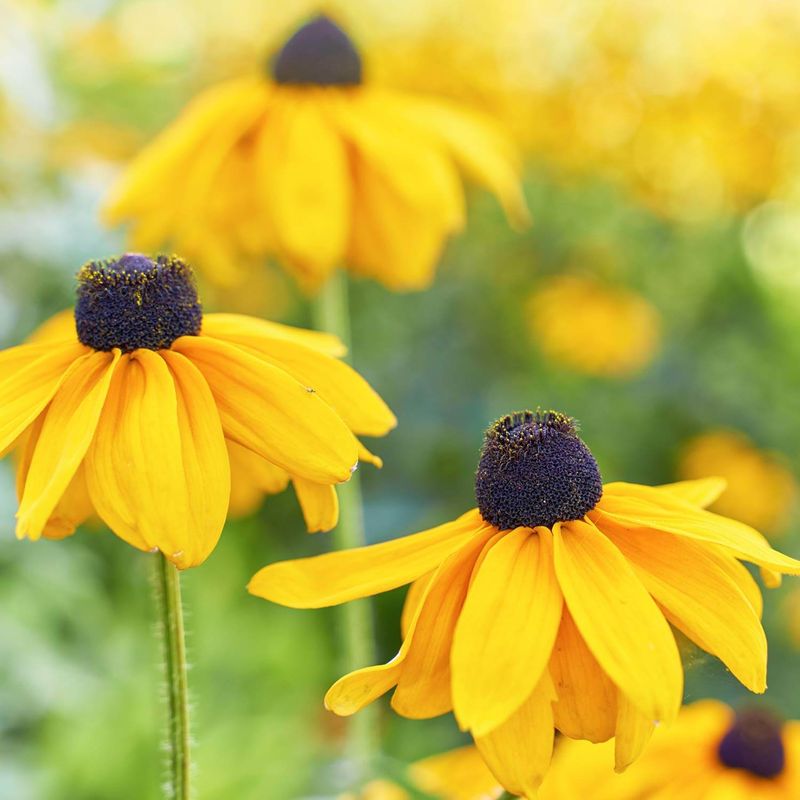
If cheerful had a color, it would be the golden glow of black-eyed Susans. These sunny bloomers light up beds from midsummer straight through the first cool nights of fall.
Rudbeckia thrives on neglect, which makes it perfect for busy Southern gardeners. Heat, clay soil, and dry spells barely register, and the plants often reseed themselves for free color the following year.
The dark chocolate centers stand out against the bright petals, giving borders a bold, layered look. Butterflies love landing on the wide blooms, and songbirds pick at the seeds later on.
You get a long run of flowers with almost no effort, though a quick deadheading here and there keeps them tidy and encourages fresh buds. They pair beautifully with coneflowers and ornamental grasses.
A little history: the name traces back to an old English poem about a woman named Susan searching for her sweetheart. Whatever the story, this plant delivers three months of dependable warmth.
Give it full sun, decent drainage, and let it do its thing.
3. Coreopsis (Tickseed)
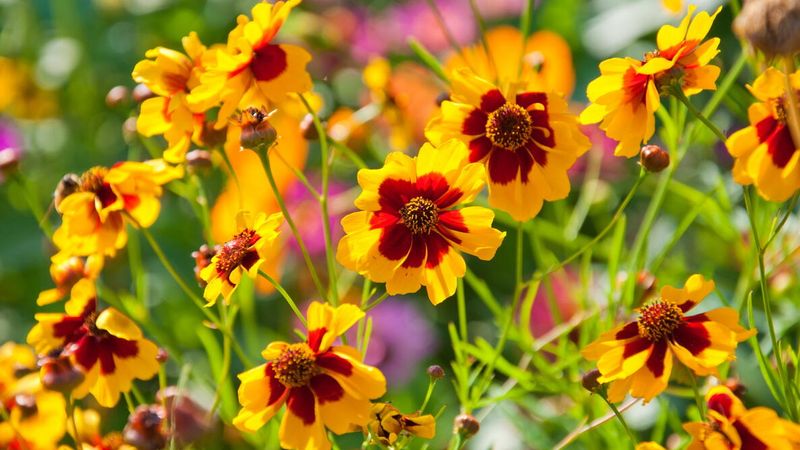
Picture a plant so covered in tiny golden stars that you can barely see the leaves. That is coreopsis at full tilt, and it holds that look for weeks on end.
Tickseed is a Southern workhorse, blooming from late spring deep into fall with minimal help. It laughs at heat and drought, and several varieties are even native to Florida, where it happens to be the state wildflower.
The airy, mounded shape softens the edges of beds and spills nicely over walkways or containers. Bees and small butterflies visit constantly, making it a quiet hero for pollinators.
Keeping the flowers coming is easy. A light shearing when the first flush fades sparks a whole new wave of blooms, sometimes within a couple of weeks.
Beyond the classic yellow, you can find rusty reds, pinks, and bicolor forms that add unexpected flair. It asks for full sun and well-drained soil, and it rewards you with one of the longest bloom windows on this list.
Plant a few and enjoy months of low-effort sunshine.
4. Daylily (Hemerocallis)
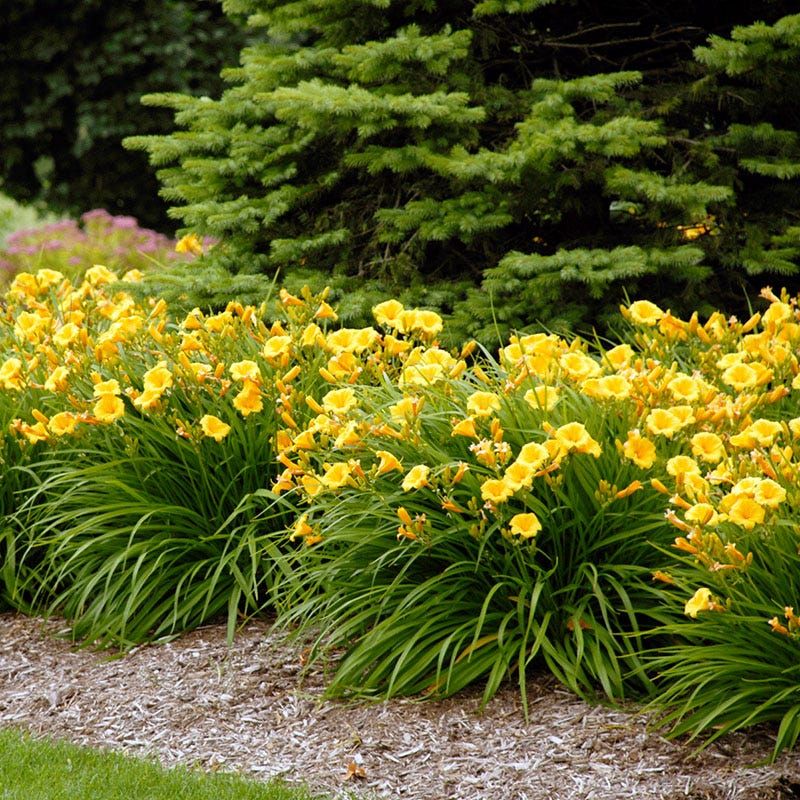
Each daylily bloom lasts a single day, which sounds like a downside until you see how many buds one plant carries. The parade of fresh flowers keeps unfolding for weeks.
Reblooming types like Stella de Oro stretch that display across the whole warm season, sometimes flowering from late spring until frost. Few plants offer this much color for so little care.
Daylilies tolerate almost anything the South throws at them: heat, humidity, drought, and even clumsy gardeners who forget to water. Their thick roots store moisture, so they bounce back fast.
The strappy green foliage looks neat even between bloom cycles, filling beds with texture. Deer nibble them occasionally, but the plants usually shrug it off and keep growing.
To maximize flowering, remove finished stalks and divide crowded clumps every few years. That simple upkeep keeps the show generous and vigorous.
Here is a tidbit: the botanical name Hemerocallis means beauty for a day in Greek. Thanks to endless buds, though, your garden enjoys beauty for months.
Plant them in sun to part shade and relax.
5. Salvia (Perennial Sage)
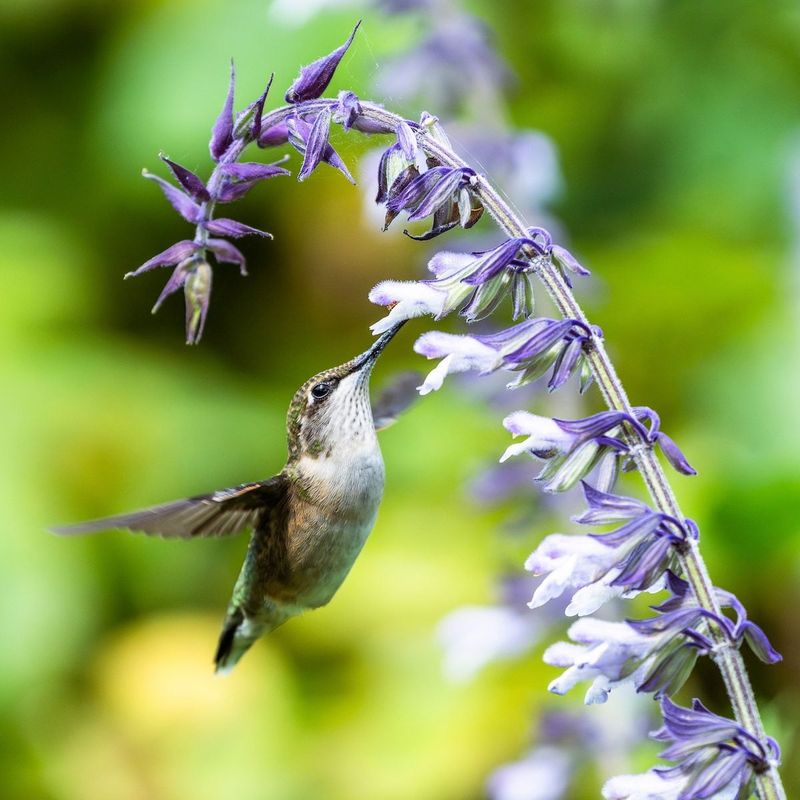
Tall spikes of blue, purple, or red flowers waving in the breeze, that is the signature look of perennial salvia. And hummingbirds cannot resist those tubular blooms.
Salvia is built for Southern conditions, handling heat and drought like a champ. Many varieties bloom in flushes from spring through fall, keeping vertical color in your beds for months.
The real trick to a long season is cutting back the flower spikes once they fade. Give the plant a light trim, and it responds with a fresh crop of blooms surprisingly fast.
Beyond the hummingbirds, bees and butterflies swarm salvia all day long. If you want a busy, buzzing garden, few plants pull more traffic.
The aromatic foliage also happens to deter deer and rabbits, which makes it a smart pick for yards with hungry visitors. That built-in defense saves you a lot of headaches.
With options ranging from compact mounds to towering spires, there is a salvia for every spot. Plant it in full sun with good drainage, and you get one of the toughest, longest-blooming performers around.
6. Lantana
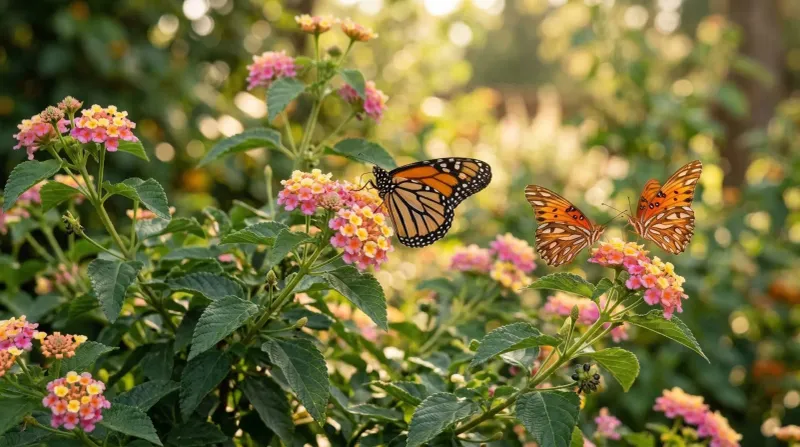
Few plants love heat as shamelessly as lantana. The hotter and drier it gets, the more this cluster-flowering champ seems to bloom.
In Florida and Texas, lantana can flower nonstop from spring until the first frost, easily blowing past the three-month goal. The rounded clusters shift colors as they age, giving each plant a painted, multicolor look.
Butterflies absolutely mob lantana, and it ranks among the best nectar sources you can plant for them. Add a few and watch your yard turn into a butterfly buffet.
Care could not be simpler. Once established, it barely needs water, and it thrives in sandy or poor soil where other flowers struggle.
A quick word of caution: some lantana varieties spread aggressively, so choose sterile or native-friendly types if you want to keep it in bounds. Trimming it back also keeps the plant bushy and blooming.
Deer tend to leave the strongly scented foliage alone, another bonus for suburban yards. For dependable, months-long color in the toughest sunny spots, lantana rarely disappoints.
Give it full sun and let the heat do the work.
7. Blanket Flower (Gaillardia)
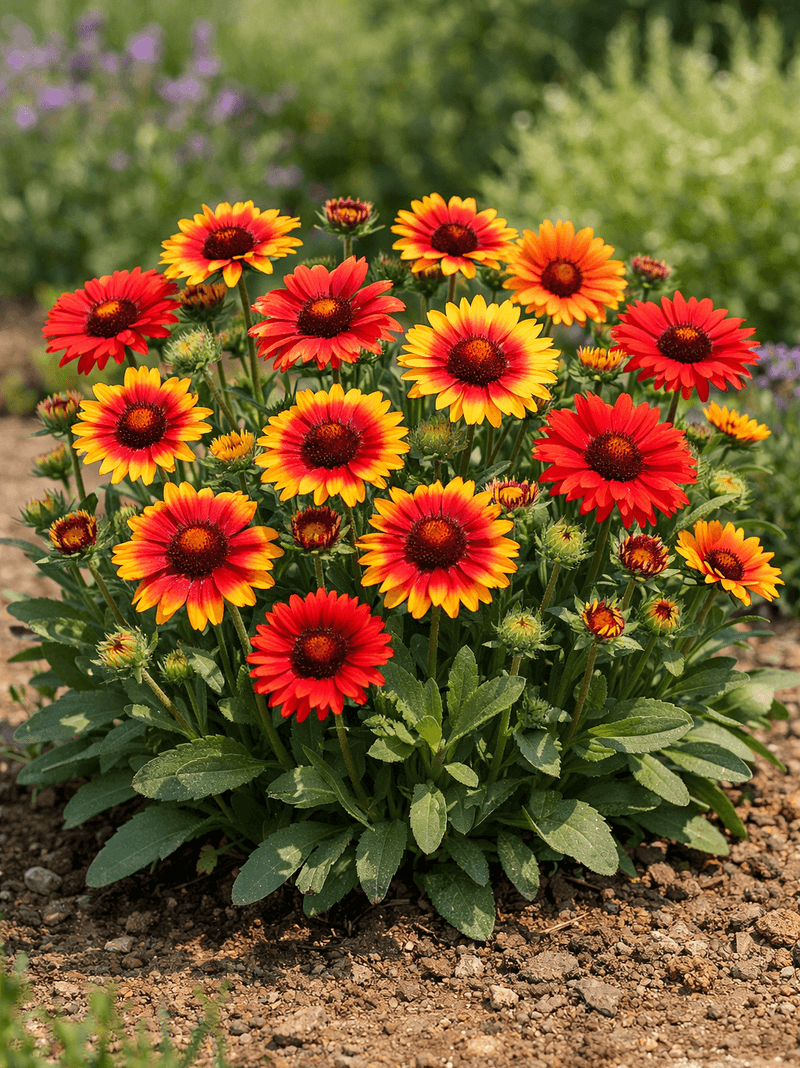
The fiery red-and-yellow petals of blanket flower look like a tiny sunset sitting on a stem. And they keep appearing week after week without any coaxing.
Gaillardia is one of the toughest perennials for hot, sandy, and coastal Southern gardens. Salt spray, drought, and blazing sun barely faze it, so it earns its keep in the hardest spots.
Blooming from early summer well into fall, it delivers a steady stream of cheerful color. The daisy-shaped flowers with their fringed edges attract bees and butterflies all season.
Deadheading speeds up rebloom, though the plant flowers so freely you can be a bit lazy about it. That forgiving nature is exactly why beginners love it.
The name supposedly comes from the way the blooms carpet the ground like a warm woven blanket. Native versions dot prairies and roadsides, proving how self-sufficient the plant really is.
Blanket flower stays fairly short and mounded, making it great for borders, containers, or the front of a bed. Plant it in full sun with sharp drainage, and it will hand you months of low-fuss brightness.
8. Verbena
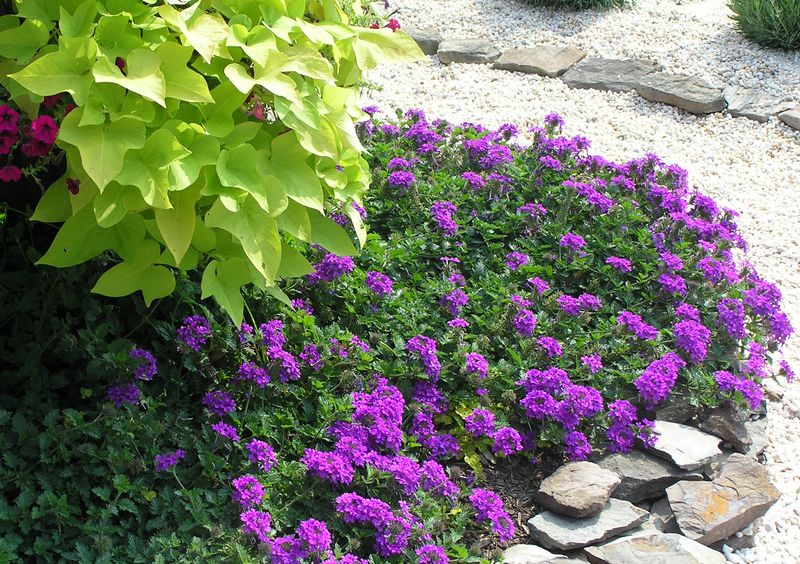
Low, spreading, and absolutely smothered in tiny flower clusters, verbena covers ground like a living carpet of color. It fills gaps and softens edges better than almost anything.
Trailing verbena blooms tirelessly through the warm months, often from spring until frost in Southern zones. Heat and dry conditions only seem to encourage it.
The clusters come in purple, pink, red, and white, and butterflies drift over them constantly. Because it stays low, verbena works beautifully spilling out of containers or trailing over retaining walls.
Keeping it happy takes little effort. A midseason trim revives tired growth and triggers a fresh burst of flowers, keeping the display full and vibrant.
Good air flow matters, since crowded, damp verbena can get powdery mildew in humid areas. Space plants out and water at the base, and you sidestep most trouble.
Its sprawling habit makes verbena a natural weed-suppressor, doing double duty in busy beds. Pollinators appreciate the reliable nectar during long stretches when other plants pause.
Plant it in full sun with well-drained soil, and this humble spreader rewards you with three months or more of easygoing color.
9. Russian Sage (Perovskia)
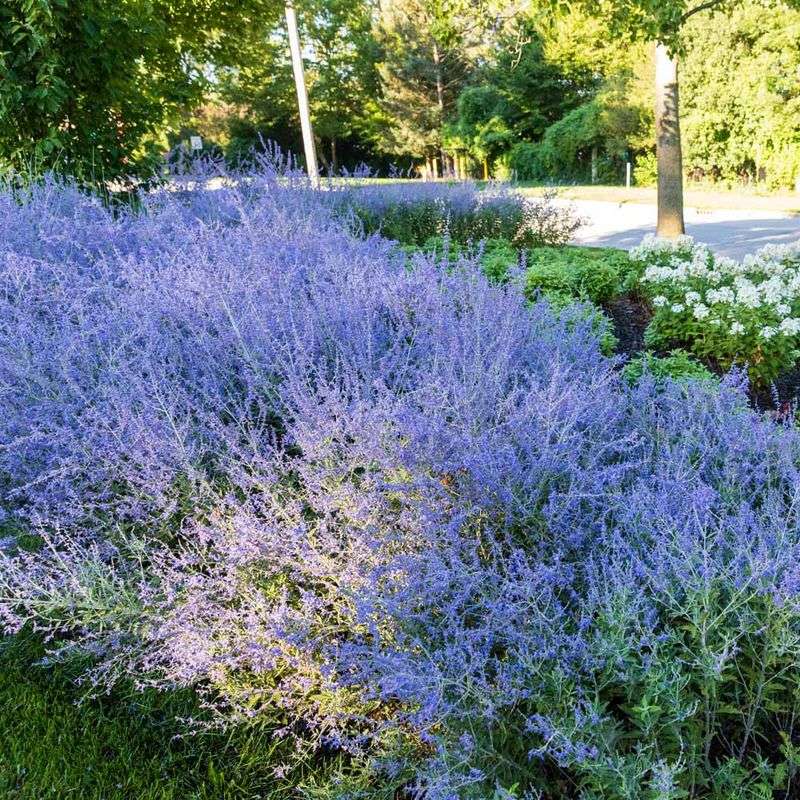
Imagine a soft cloud of silvery leaves topped with hazy lavender-blue spikes, swaying in the summer heat. Russian sage brings that dreamy, airy texture to any bed.
Despite the delicate look, this plant is remarkably tough. It flowers for a long stretch through summer and into early fall, thriving in dry, sun-baked spots where fussier perennials wilt.
The whole plant releases a light, sagey scent when brushed, and that aroma helps keep deer and rabbits at a distance. Bees, meanwhile, hover around the flower spikes for weeks.
Russian sage asks for almost nothing once established. Skip the extra water and fertilizer, since lean conditions actually produce stronger, sturdier growth.
Its tall, see-through form works as a soft backdrop behind shorter bloomers like coreopsis or blanket flower. The silvery foliage looks good even when the flowers take a breather.
Cut it back hard in late winter, and it springs up fresh and full each year. For gardeners who want long-lasting color, drought toughness, and built-in pest resistance, Russian sage checks every box.
Give it full sun and let it float.
10. Purple Fountain Grass Companion: Autumn Sage (Salvia greggii)
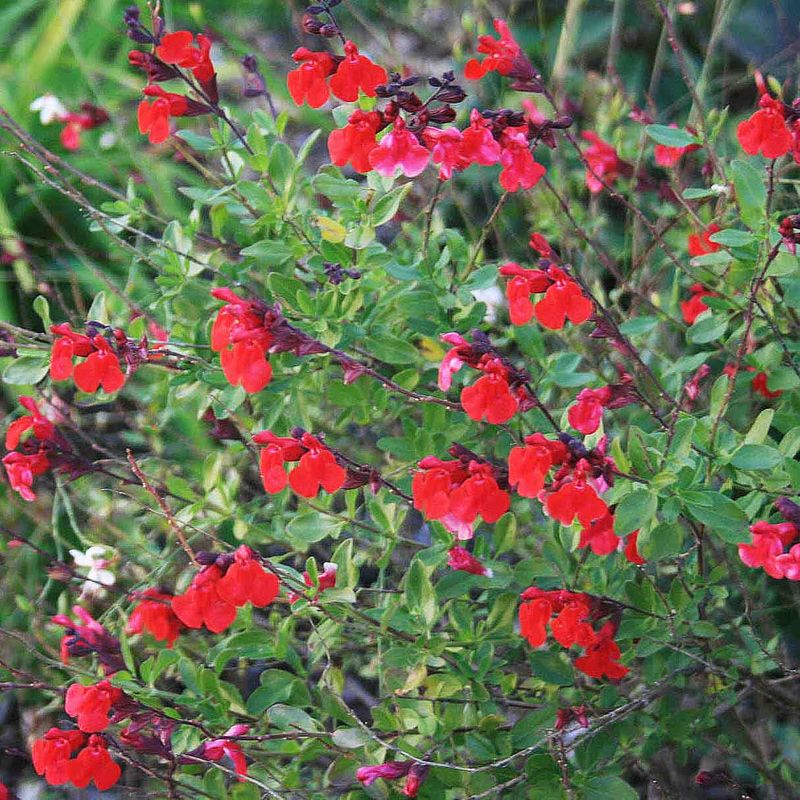
Wrapping up the list is a small shrubby powerhouse that thrives where summers turn brutal. Autumn sage keeps tossing out red, pink, or coral blooms from spring right through fall.
Native to Texas and the Southwest, Salvia greggii was practically built for hot, dry Southern gardens. Once its roots take hold, it shrugs off drought and rocky soil without complaint.
Hummingbirds treat it like a personal feeding station, darting between the tubular flowers all day. Butterflies and bees join the crowd, keeping the plant buzzing with life.
To keep the blooms flowing for months, give it a light shearing when flowering slows. The plant bounces back quickly with a fresh flush of color.
The aromatic leaves discourage deer, which is a huge plus in areas with heavy browsing pressure. That means less fencing and fewer chewed-up mornings for you.
Compact and tidy, autumn sage fits into borders, containers, or foundation plantings with ease. Plant it in full sun with good drainage, and this heat-loving little sage delivers dependable, three-month color while barely noticing the summer scorch.