
Fall is sneaking up on Southern gardens faster than most people realize, and a few perennials in your yard may need some attention before cold nights arrive. The good news is that not every plant in your beds requires a thick blanket of mulch, and September is more useful as a planning month than a universal deadline.
Knowing which plants are actually at risk, and why, can save you real effort while protecting the ones that genuinely need help.
Use September to assess vulnerable perennials, not to mulch every bed
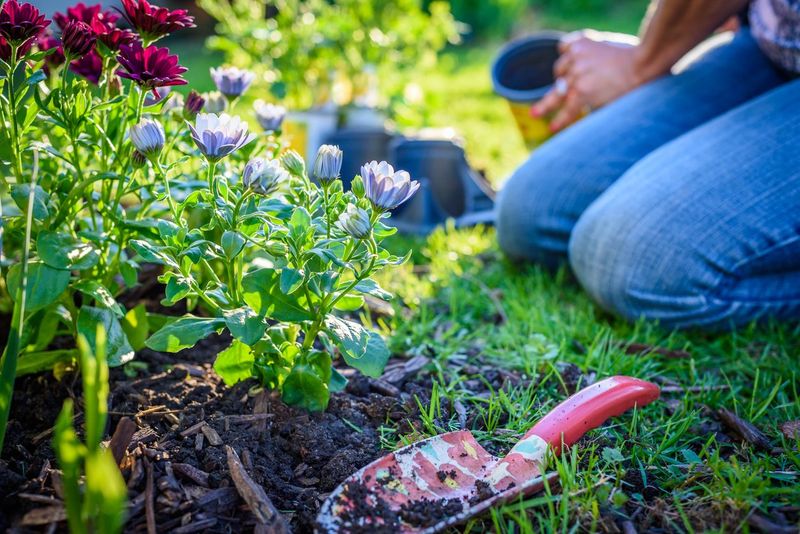
Walk your beds in September with fresh eyes and a clear question: which plants here are actually at risk when temperatures drop? Many established perennials that are well-suited to your local climate can handle an ordinary freeze without any special winter mulch at all.
Penn State Extension guidance on perennial care confirms that zone-hardy perennials generally do not need extra winter mulch solely to survive a normal freeze event.
Mulch does offer real benefits when used appropriately. It moderates soil temperature, reduces freeze-thaw stress, conserves moisture, and insulates roots or crowns during cold spells.
The key word is “when” – not every perennial in every Southern yard needs that help, and applying it broadly can create as many problems as it solves.
Before you reach for the mulch bag, it also helps to know what kind of cold event you are preparing for. National Weather Service definitions draw a clear line: a freeze occurs at or below 32 degrees F, while a hard freeze generally refers to temperatures at or below 28 degrees F.
Frost can form on plant surfaces near or even slightly above 32 degrees F under the right conditions, so the terms are not interchangeable.
September timing also looks very different depending on where you garden. Texas A&M AgriLife Extension data shows average first freeze dates ranging from around November 1 in northern Texas to mid-December along parts of the southern coast, while University of Georgia Extension notes Georgia’s approximate first 32 degrees F dates span mid-October in the northeast to early December near the coast.
A universal September mulching rule simply does not fit that range. The five vulnerability categories below give you a smarter starting point.
Newly planted perennials have less time to establish before winter
A perennial you put in the ground last month faces a very different winter than one that has been growing in that same spot for three years. Plants with limited time for root development may be more vulnerable to cold and drying stress, especially when planted close to the first expected freeze in your area.
One useful planning benchmark: University of Illinois Extension fall gardening guidance suggests allowing newly planted landscape plants roughly four to six weeks in the ground before the soil freezes. That is a helpful target, not a guarantee, and it underscores why late-fall planting carries more risk than early-fall planting in most Southern locations.
Keeping newly planted perennials adequately watered during dry autumn weather matters as much as any mulch you apply. Dry roots heading into cold nights are more stressed than well-hydrated ones, and Texas A&M AgriLife Extension winter prep guidance recommends checking soil moisture before a freeze arrives and watering if conditions are dry and drainage is adequate.
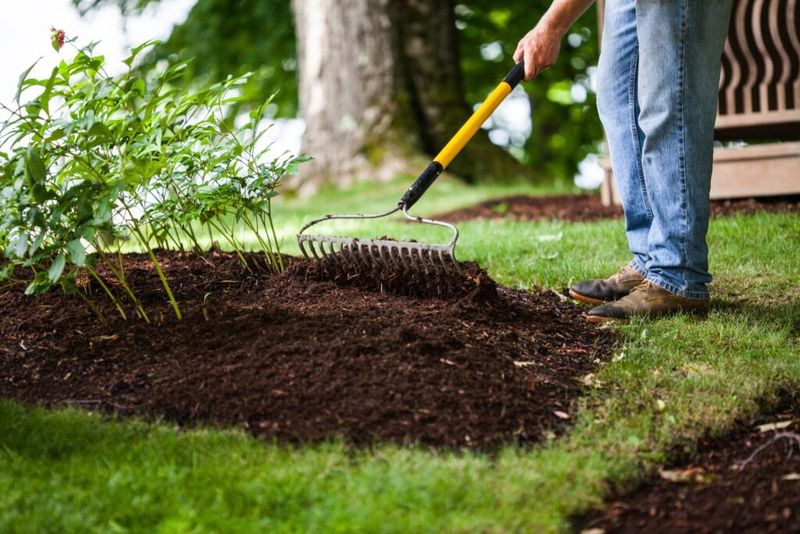
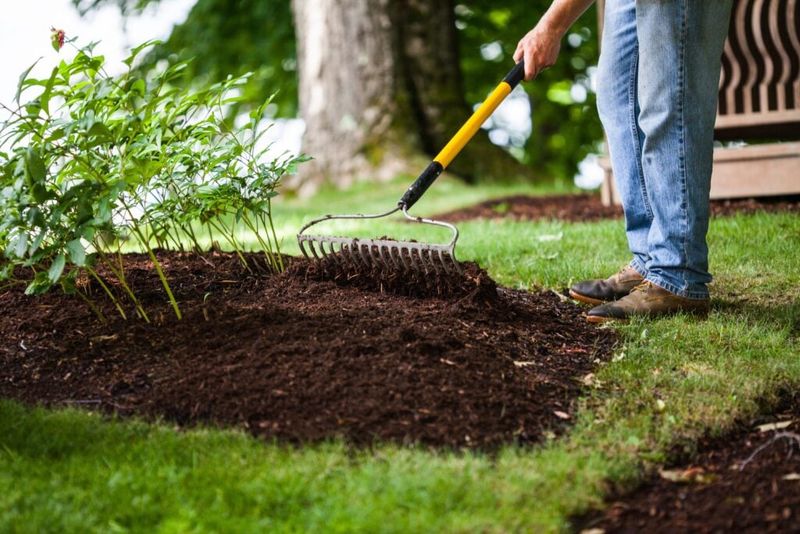
When you do add mulch around a newly planted perennial, keep it loose and pull it back from the crown and stem. A layer of about 2 to 3 inches works for most situations, with up to 3 to 6 inches possible for tender or late-planted material when local conditions genuinely call for extra insulation.
Mulch supports the root zone, but it cannot substitute for good planting practices, adequate drainage, and enough time for the plant to settle in.
Recently divided or transplanted perennials need extra attention
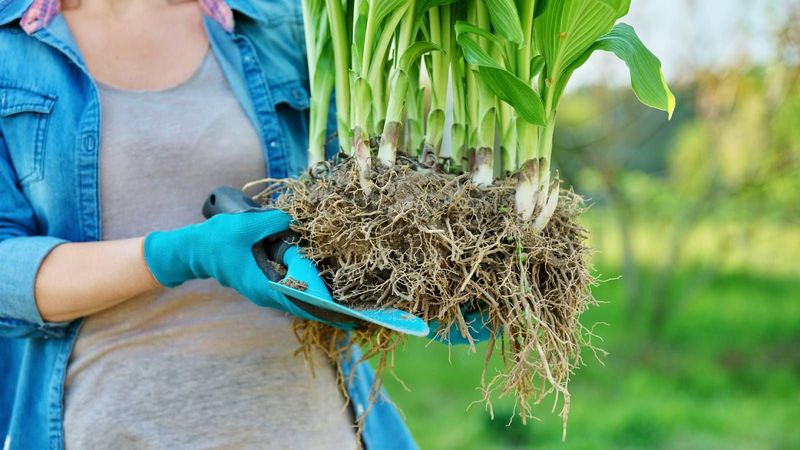
Dividing a perennial refreshes it and multiplies your stock, but it also temporarily reduces the root system available to support the plant through its first post-division winter. A freshly divided or relocated perennial sits in a different category from an established one, even if it is the same species that has grown in your yard for years.
Run through a quick checklist before the cold arrives: How recently was the plant divided or moved? Are there any exposed roots at the soil surface?
Is the soil around the crown loose or settled? Is the planting spot exposed to wind without shelter?
Penn State Extension perennial care resources note that consistent moisture and root-zone insulation become more valuable during a plant’s first winter after division or relocation.
Correct any obvious problems first. If the crown is sitting too high, gently firm the soil around it.
If the soil is dry, water it before temperatures drop, provided drainage is good. University of Illinois Extension planting guidance reinforces that healthy establishment care, not just mulch depth, determines how well a divided plant handles its first cold season.
Once the basics are addressed, apply a loose mulch layer around the root zone, keeping it well clear of the crown and stems. The same perennial that needed no special attention as a mature plant may genuinely benefit from targeted root-zone protection after division or relocation, at least through that first winter.
Tender and borderline-hardy perennials need protection matched to local conditions
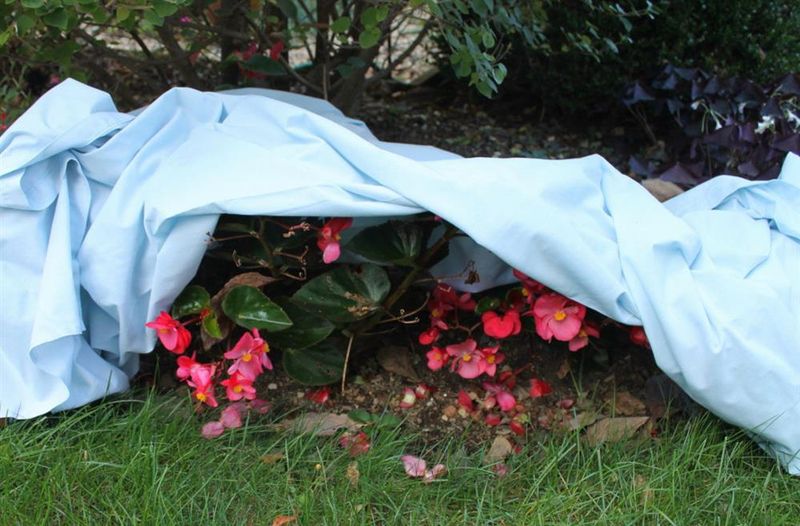
Some perennials that Southern gardeners grow as dependable landscape plants are actually tender or borderline-hardy for their specific location. These are plants pushed slightly beyond their recommended hardiness range, or plants that tolerate the average winter just fine until an unusually cold night arrives.
USDA hardiness zones are a reasonable starting point, but the USDA Plant Hardiness Zone Map guidance is clear that zones reflect average annual extreme minimum temperatures, not the coldest event that could ever occur in a given location. Wind exposure, drainage, microclimate, soil moisture, plant age, and how well the plant acclimated during fall all affect whether a borderline-hardy perennial makes it through a cold spell.
Florida and Texas gardeners face a particular challenge here. University of Florida IFAS Extension freeze protection guidance points out that for many tender plants in Florida, the root system may need protection while exposed foliage requires a different solution entirely, such as a breathable cover or relocation.
Ground mulch alone does not reliably protect leaves, stems, or flowers from a freeze.
In Texas, regional variation is wide enough that a single statewide rule would be misleading. Texas A&M AgriLife Extension winter horticulture guidance recommends following local forecasts and plant-specific tolerance rather than applying a blanket calendar approach.
For tender perennials in either state, covers, shelter, or relocation during brief cold events can matter more than how much mulch is on the ground.
Shallow-rooted and crown-forming plants need balanced root-zone care
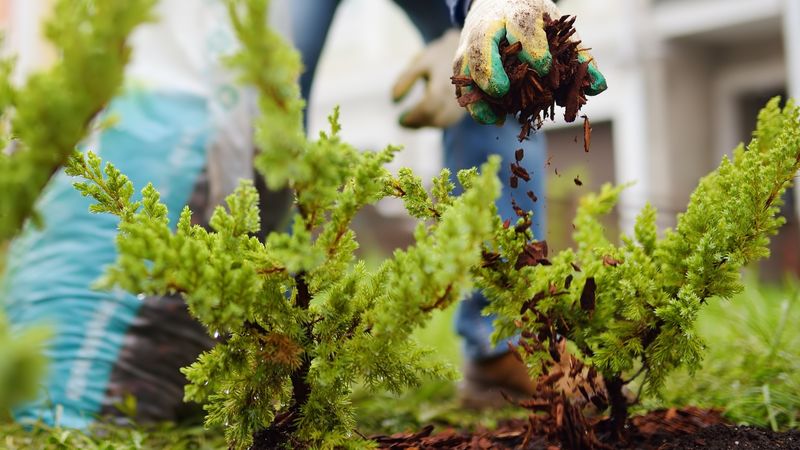
Perennials with roots, crowns, tubers, or rhizomes sitting close to the soil surface are more exposed to temperature swings than deep-rooted plants. A loose mulch layer around the root zone can reduce those swings and buffer the plant against repeated freeze-thaw cycles that heave soil and damage shallow roots.
That said, this category comes with an important qualification. Penn State Extension guidance on evergreen perennials notes that some crown-sensitive plants are more likely to suffer from winter root or crown rot when kept wet under a thick, poorly drained mulch layer.
The risk of smothering or rotting a crown is real, particularly in beds that do not drain freely.
Use loose material, apply it at a moderate depth, and keep it pulled back from the crown and stems. Oregon State Extension winter perennial care resources and Colorado State Extension perennial gardening guidance both caution against tightly packed or persistently wet mulch around crowns.
Avoid creating a saturated layer that traps moisture against the plant.
One more point worth keeping in mind: healthy dead stems left standing over winter are not automatically a problem. They can support overwintering wildlife and pollinators, and removing them before mulching is only necessary when disease is present or the specific plant’s care requirements call for cleanup.
Let the stems stand unless you have a clear reason to cut them.
Containers and raised beds leave roots more exposed to cold
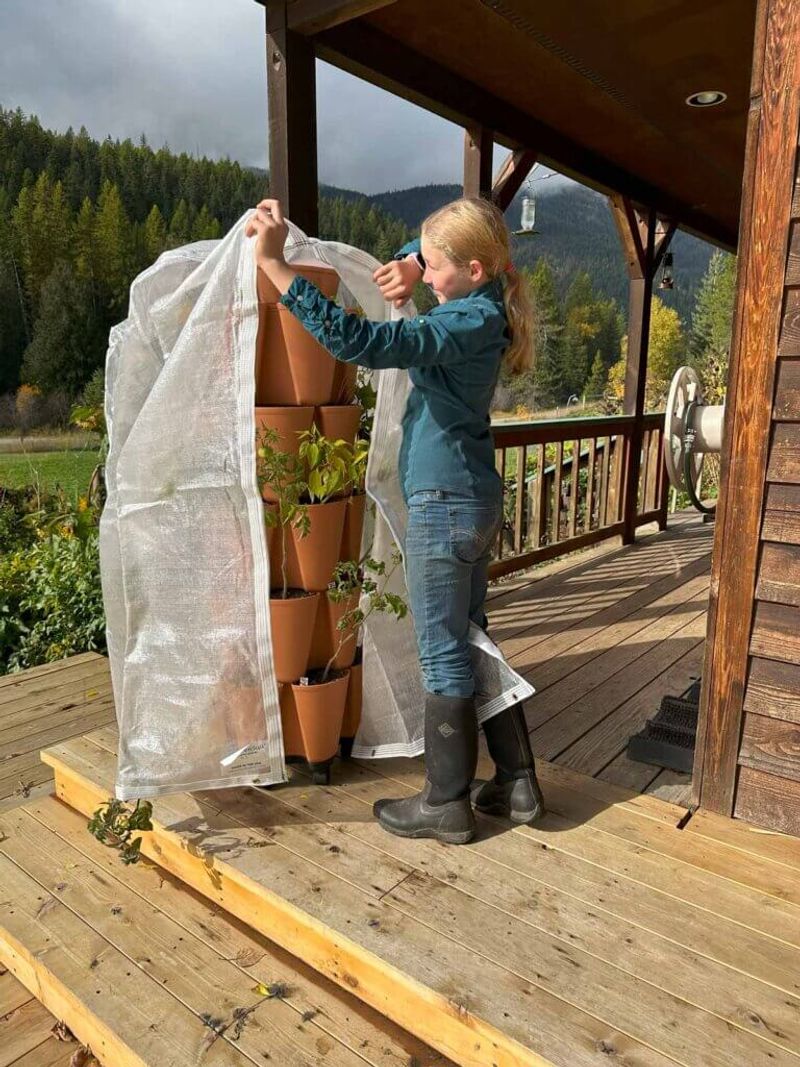
Container-grown perennials and plants in raised beds face a cold-weather disadvantage that in-ground plants do not. When roots are surrounded by a pot or a shallow raised bed, they lack the insulating buffer that surrounding soil provides to in-ground plantings.
On a night when air temperatures dip to freezing, the root zone in a container can get significantly colder than the root zone of a comparable plant growing in the ground.
For containers, moving the plant to a sheltered location is usually more dependable than piling mulch around the outside of the pot. Texas A&M AgriLife Extension guidance on frosts and freezes recommends bringing tender container plants indoors or to a protected space rather than relying on surface mulch alone when a freeze is forecast.
A garage, covered porch, or sheltered wall can make a meaningful difference for roots that would otherwise be fully exposed.
Raised-bed perennials sit somewhere between containers and in-ground plants in terms of cold exposure. They may benefit from appropriate root-zone insulation based on their hardiness, local forecast, and soil drainage, but the right approach depends on the specific plant and how exposed the bed is.
University of Florida IFAS freeze protection guidance reinforces that root protection and foliage protection are separate problems requiring separate solutions.
Do not assume that a thick layer of mulch around a container solves the problem for a tender plant facing a hard freeze. Shelter or relocation addresses the actual vulnerability; mulch around the pot offers limited help when the root zone is already above ground and surrounded by cold air.
Choose loose mulch and apply it when local conditions call for protection
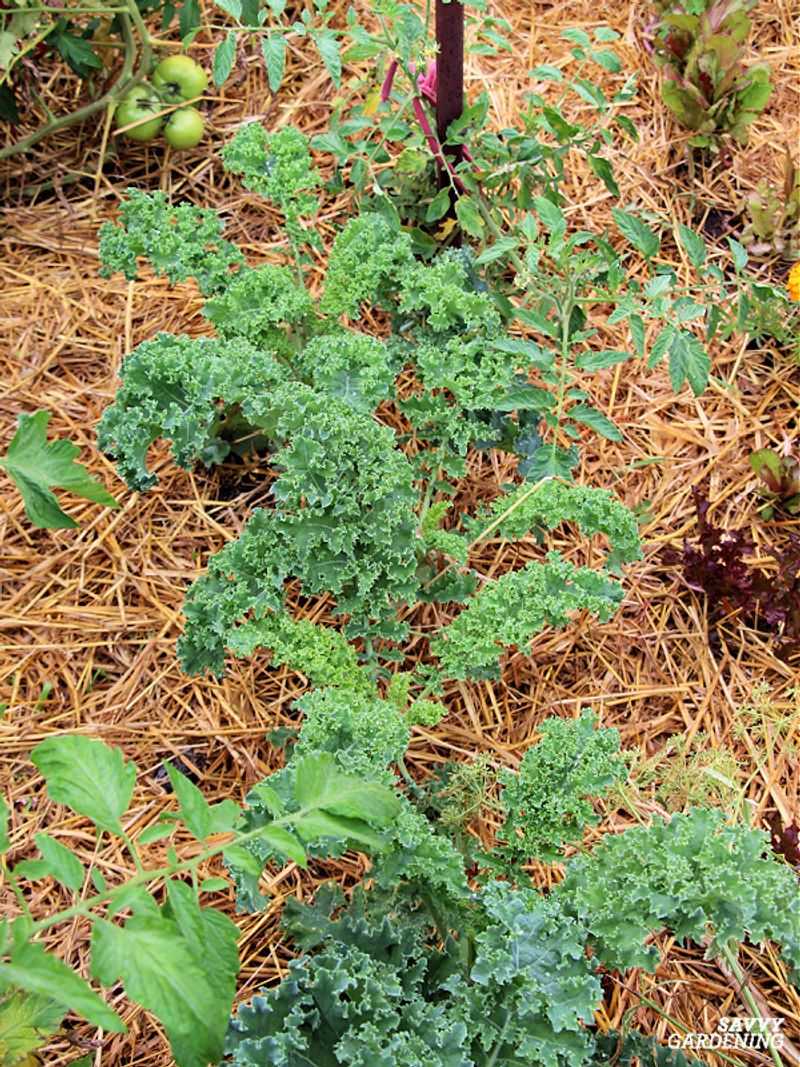
Material choice and application depth both affect whether your mulch helps or harms. Shredded leaves, straw, pine straw, evergreen boughs, partially decomposed compost, and appropriate bark or wood mulch are all reasonable options.
Shredded leaves in particular are worth seeking out: they are less likely to mat and smother plants than whole leaves, which can clump together and block air and moisture movement.
University of Georgia Extension landscape plant care guidance supports using organic materials like pine straw and shredded bark as effective mulch options for Southern ornamental beds. Texas A&M AgriLife EarthKind guidance also highlights composted landscape materials as a practical and locally available mulch source.
For routine landscape maintenance, about 2 to 3 inches is a standard mulch layer. When you are protecting a tender or newly planted perennial and local conditions genuinely call for more insulation, a loose layer of roughly 3 to 6 inches is possible.
Reserve the deeper range for situations where it is actually warranted, not as a default for every bed.
University of Minnesota Extension guidance on mulching perennials notes that colder-climate recommendations often favor heavier insulating mulch applied after the soil begins to freeze. Southern gardeners, particularly in Florida and Texas, should follow local soil and forecast conditions rather than copying a northern calendar.
The goal is to apply protection when your plants need it, based on what is actually happening in your yard and your local weather outlook.
Keep mulch loose, avoid packing it tightly, and maintain a clear gap around crowns and stems. Wet, compacted mulch sitting against a crown is a rot risk, not a protection strategy.
Use covers and shelter when a freeze threatens foliage or containers
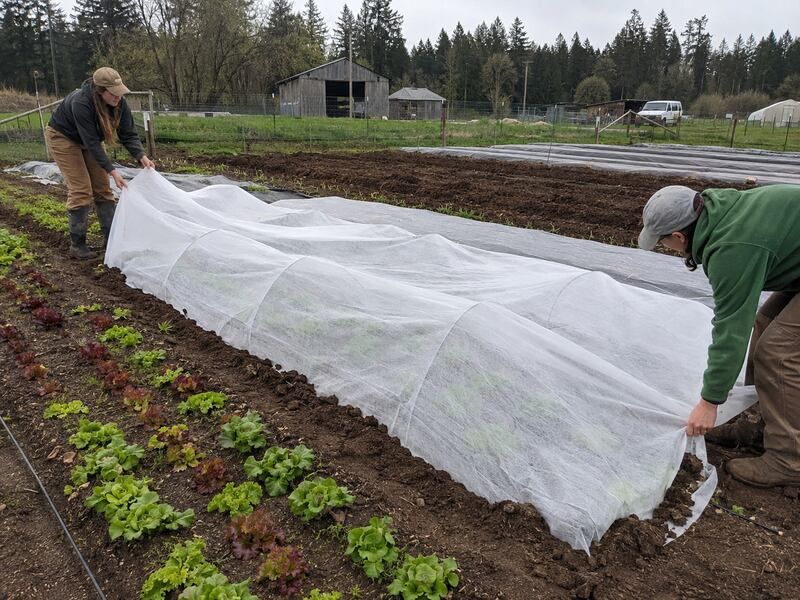
Mulch does one job well: it insulates the root zone and crown. What it cannot do reliably is protect exposed foliage, stems, or flowers from a freeze.
When a forecast calls for temperatures at or below 32 degrees F and you have tender plants with leaves and stems that matter, covers are the right tool, not more mulch.
Breathable materials work best for foliage protection. Frost cloth, old bed sheets, or lightweight blankets draped over plants before temperatures drop can trap enough warmth to make a difference.
University of Georgia Extension guidance on winter ornamental plant protection warns against placing plastic directly on foliage, since plastic can trap heat during the day, damage tissue, and provide poor ventilation. Covers should also be supported so they do not rest directly on stems and cause breakage, and they should be removed or vented as temperatures rise the following day.
UGA Extension Forsyth County freeze protection guidance reinforces that covers should come off once the freeze threat passes to prevent heat buildup and moisture problems underneath.
For container plants, moving to shelter is usually more reliable than covering in place. Texas A&M AgriLife Extension winter preparation guidance also recommends watering dry plants before a freeze when drainage allows, since moist soil holds heat more effectively than dry soil.
Avoid saturating poorly drained beds, and do not rely on overhead sprinkler irrigation as a general freeze remedy: University of Florida IFAS Extension cautions that home irrigation systems may not supply enough water for effective protection and can worsen damage through excess water or ice buildup.
Turn the September check into a local freeze-readiness plan
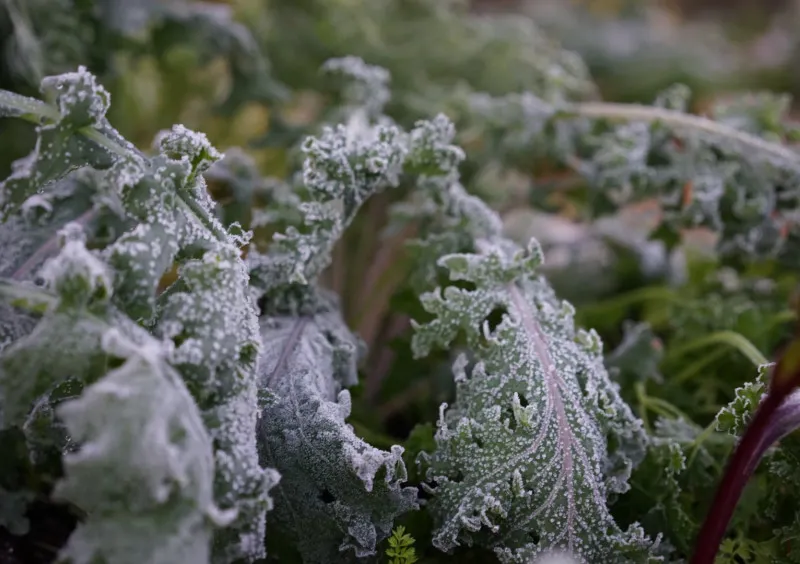
Rather than treating September as a mulching deadline, use it as a walkthrough. Go through your beds and ask which plants fall into one of the five vulnerability categories: newly planted, recently divided or transplanted, tender or borderline-hardy, shallow-rooted or crown-forming, or growing in a container or raised bed.
Penn State Extension perennial care guidance supports this targeted approach over blanket treatment of every plant.
Check USDA hardiness zone information as a starting point, then factor in your local forecasts, drainage, soil moisture, and exposure. Water dry plants before a freeze if drainage is good, choose a loose and appropriate mulch material, and have covers or shelter ready for foliage and containers when a cold event is actually forecast.
Texas A&M AgriLife Extension and University of Florida IFAS Extension both frame freeze readiness as a local, plant-specific response rather than a single calendar action.
Established, zone-hardy perennials that have been in the ground for seasons may need nothing from you at all. The plants that genuinely benefit from targeted protection are the ones with a real vulnerability, and matching the remedy to the actual risk is what keeps your garden healthy without wasted effort.
September is the right time to figure out which plants need help; your local forecast is what tells you when to act.