
If your petunias flop the second the summer sun hits, you are not doing anything wrong. Some flowers just cannot handle Southern heat, no matter how much you fuss over them.
The good news is that plenty of tough, colorful bloomers actually prefer to be left alone. Here are the ones that shrug off heat, skip the constant watering, and still fill your yard with color.
1. Lantana
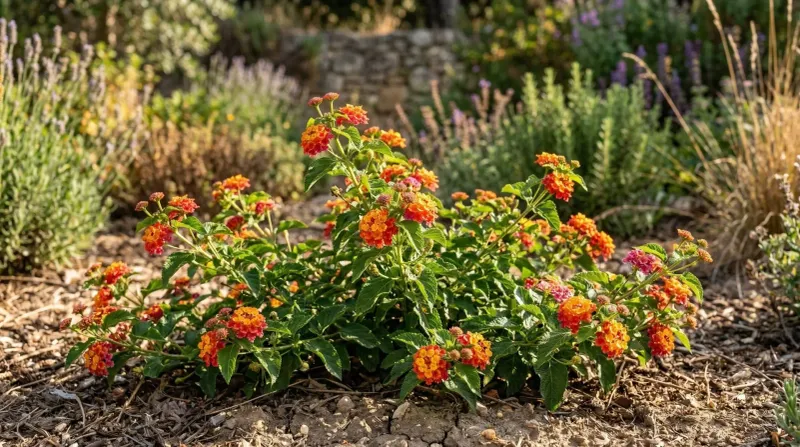
Butterflies find lantana before you even finish planting it, and that alone makes it a keeper. This scrappy bloomer soaks up brutal afternoon sun and keeps pumping out color when everything else has thrown in the towel.
What sets lantana apart is its total indifference to drought. Once its roots settle in, you can skip watering for stretches and it barely notices.
The flowers shift colors as they age, so a single plant looks like a little bouquet of oranges, pinks, and yellows all at once.
Down in Florida and Texas, lantana often behaves like a perennial, coming back year after year without much help. In cooler spots it works as a fast-growing annual that fills space quickly.
Fun fact: the nectar-rich blooms are a magnet for butterflies and even hummingbirds, so you get a pollinator show for free. Give it a sunny spot with decent drainage and resist the urge to overwater.
Too much kindness actually causes fewer flowers, which is the opposite of what most gardeners expect from a plant.
2. Purslane
Think of purslane as the plant that laughs at your forgetfulness. This low, spreading succulent stores water in its fleshy leaves, so a missed watering or two means nothing to it.
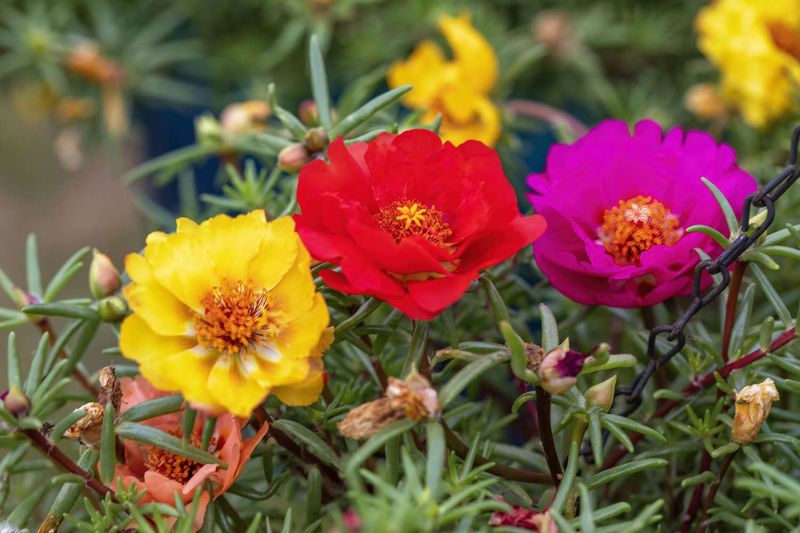
Its cheerful little flowers pop open in the morning sun and glow in shades of pink, orange, yellow, and red. On a scorching afternoon when your petunias are sulking, purslane is putting on a full show without a drop of complaint.
Because it stays low and trails, purslane is a natural for hanging baskets, container edges, and hot spots along walkways where nothing else survives. It practically begs for the worst, driest corner of your yard.
Southern gardeners love it for pavement-adjacent beds and porch pots that bake all day. The more heat and light it gets, the happier and more colorful it becomes.
Here is the quirky part: purslane is actually related to the edible weed of the same name that pops up in vegetable gardens. Ornamental types are bred for showy blooms, but the tough, water-hoarding nature runs in the family.
3. Zinnia
Toss a handful of zinnia seeds in the dirt, water them a couple times, and stand back. Few flowers reward this little effort with so much color.
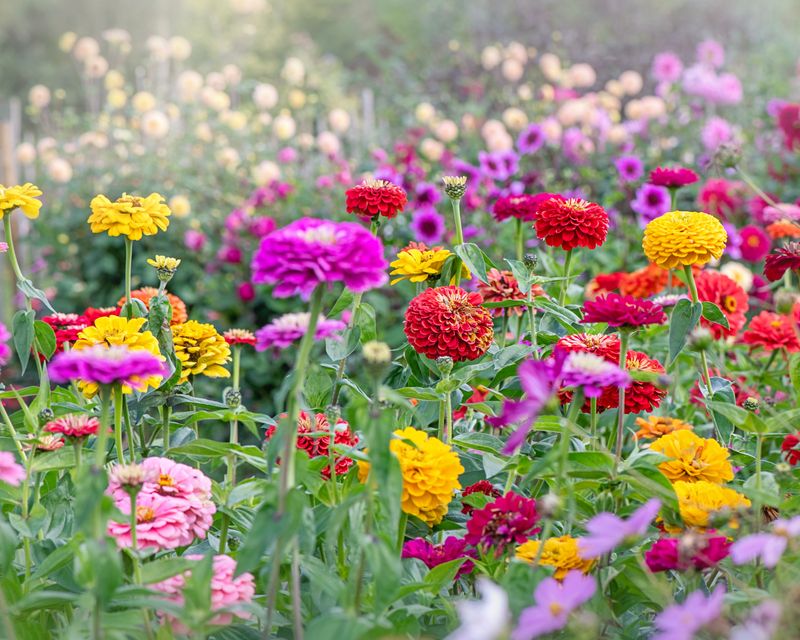
Zinnias thrive in the kind of heat that flattens fussier plants. They shrug off high temperatures, bloom for months, and come in nearly every shade you could want, from candy pink to fiery orange.
The reason they belong on this list is speed and reliability. From seed to first bloom takes just weeks, and cutting flowers for a vase only makes the plant produce more.
It is a rare case where being greedy actually helps.
Pollinators adore them too. Butterflies and bees swarm a zinnia patch, turning a simple bed into a busy little ecosystem right outside your door.
For Southern yards, plant them once the soil warms and give them full sun. Good airflow helps keep leaves clean, so avoid crowding them too tightly.
Did you know zinnias were once so beloved that Spanish settlers called them mal de ojos, or eyesore, before breeders turned them into the showstoppers we grow today?
4. Vinca (Madagascar Periwinkle)
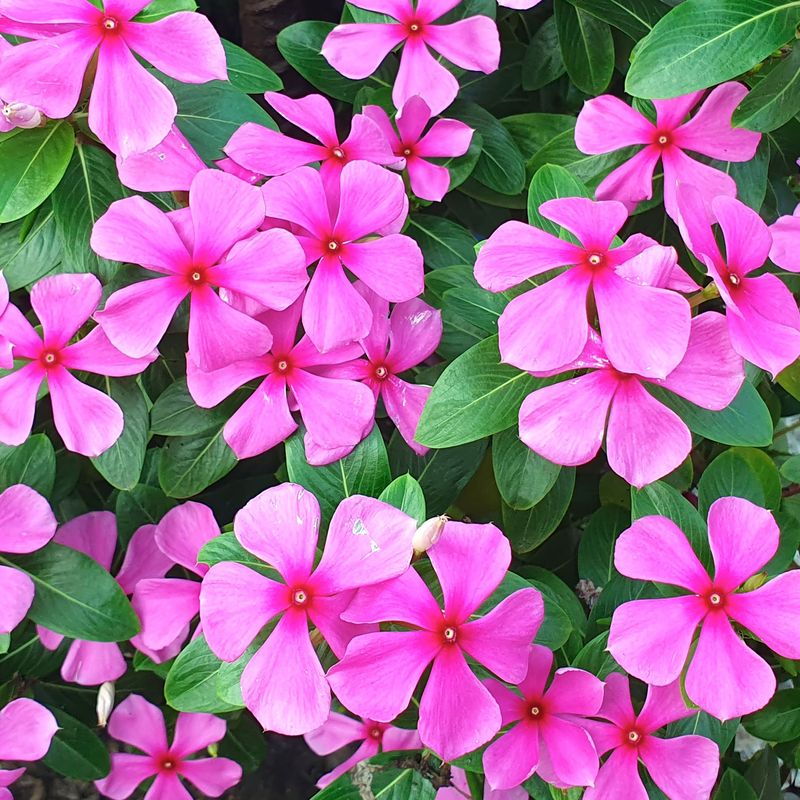
When the humidity climbs and other flowers rot or fade, vinca just keeps grinning. This glossy-leaved bloomer treats a sweltering Southern summer like a spa day.
Its pinwheel-shaped flowers in pink, white, red, and lavender open steadily from spring into fall. What makes vinca special is how well it handles both heat and drought at the same time, a combo that trips up most bedding plants.
You will not need to deadhead it, either. Spent blooms drop on their own and fresh ones take their place, so the plant looks tidy without any fussing from you.
Vinca is a go-to for Florida and Texas beds that get pounded by sun all day. It also does well in containers and along hot driveways where reflected heat cooks weaker choices.
One tip worth remembering: vinca hates cold, wet feet, so plant it only after the soil is warm and give it good drainage. Overwatering early on can invite root problems.
Do not confuse it with the trailing vinca vine used as groundcover. This upright annual is a completely different, heat-loving character.
5. Angelonia
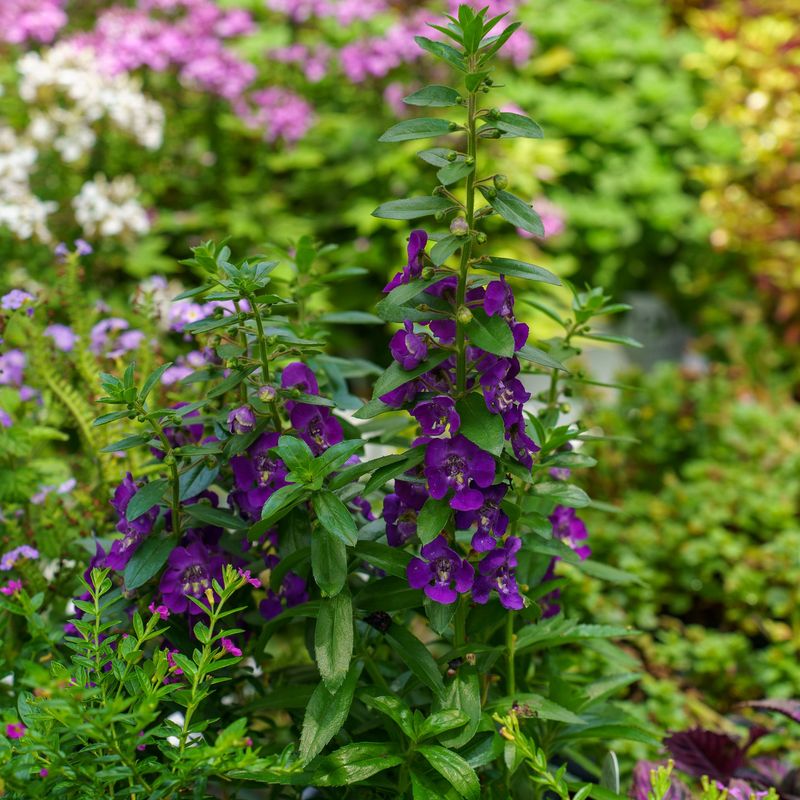
Nicknamed summer snapdragon, angelonia brings tall, elegant flower spikes to the party without any of the drama. It looks delicate, but this plant is secretly built like a tank.
Purple, white, pink, and blue blossoms line each stem and keep coming through the hottest months. While true snapdragons melt in heat, angelonia only gets stronger, which is exactly why it earns a spot here.
It also carries a light, grape-like fragrance that surprises people leaning in for a sniff. Bees appreciate it as much as you will.
For structure in a bed full of low, mounding flowers, angelonia adds welcome height. The vertical spikes pair beautifully with trailing purslane or spreading lantana.
Southern gardeners can plant it early in the warm season and count on it right through the long summer stretch. It shakes off drought once established and rarely needs deadheading to keep blooming.
Give it full sun and it will reward you all season. Too much shade is the one thing that slows it down, so aim for the brightest spot you have and let it stand tall above its neighbors.
6. Pentas
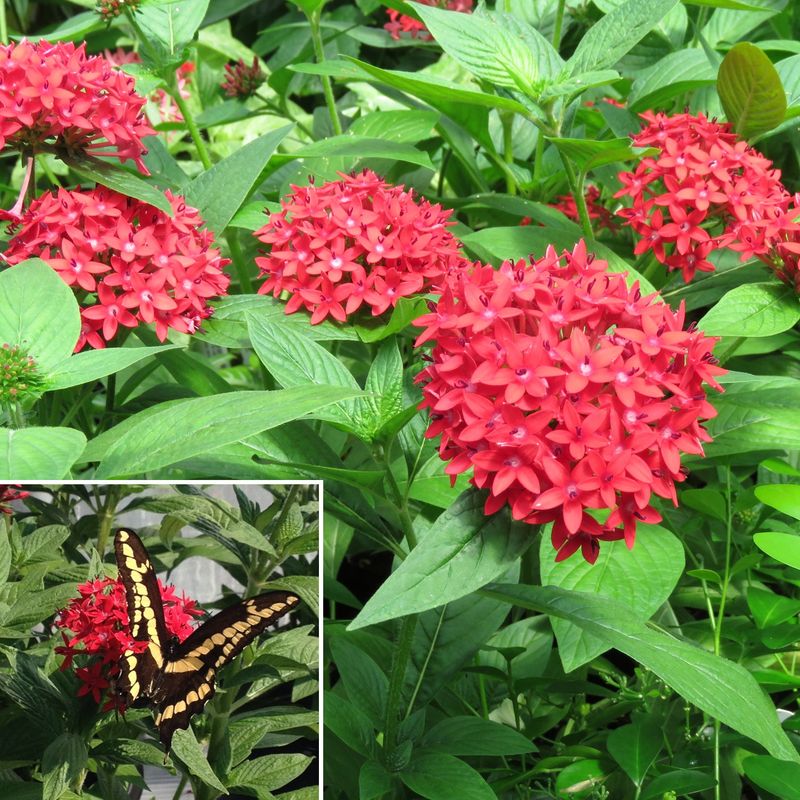
If you want a butterfly parade in your yard, pentas practically sends out the invitations. Clusters of tiny star-shaped flowers cover this plant, and pollinators cannot resist them.
Heat and humidity are no problem here. Pentas blooms nonstop through the muggiest Southern summers, offering red, pink, white, and lavender flowers when many favorites have quit.
The real reason it belongs on this list is its wildlife value paired with easy care. Butterflies, bees, and hummingbirds all show up, turning a low-effort planting into a lively backyard habitat.
In Florida and warmer parts of Texas, pentas can survive as a perennial and return each year. Elsewhere it performs beautifully as a warm-season annual that fills beds quickly.
It handles occasional dry spells once rooted, though a little water during long droughts keeps the flowers coming strong. Plant it in full sun for the biggest, densest clusters.
Here is a nice bonus: pentas works wonderfully in containers near a patio, so you can watch the pollinator activity up close. Few plants deliver this much life for so little effort on your part.
7. Blanket Flower (Gaillardia)
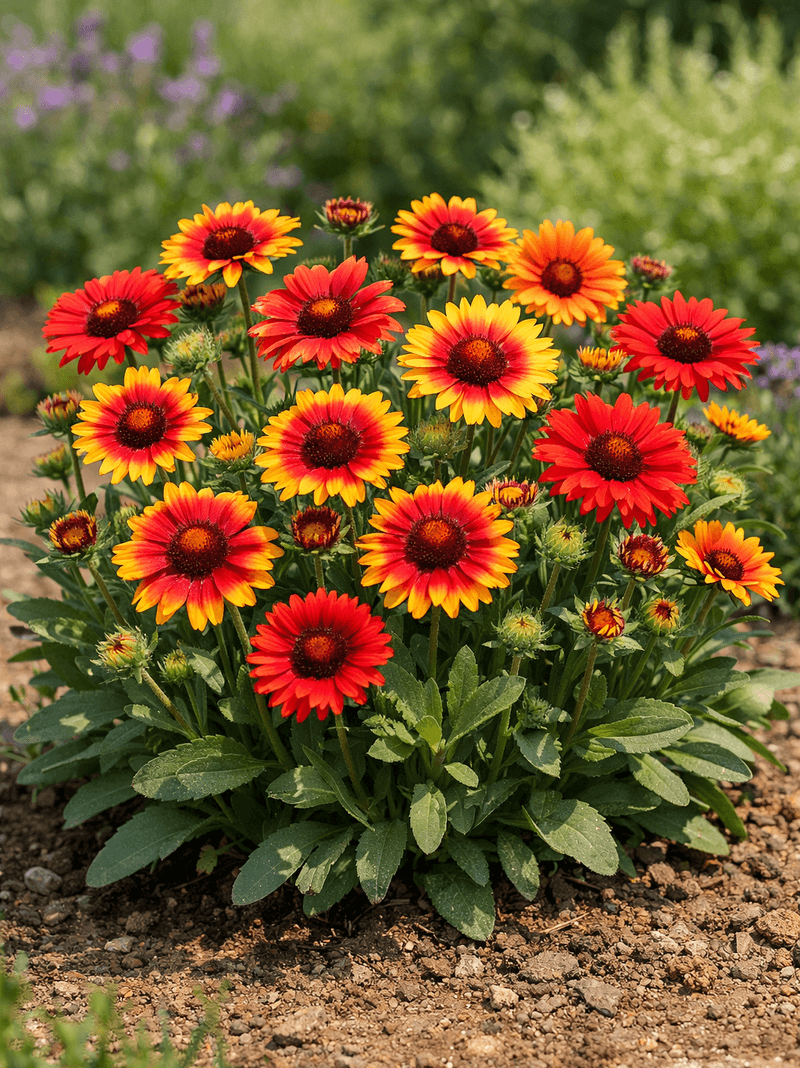
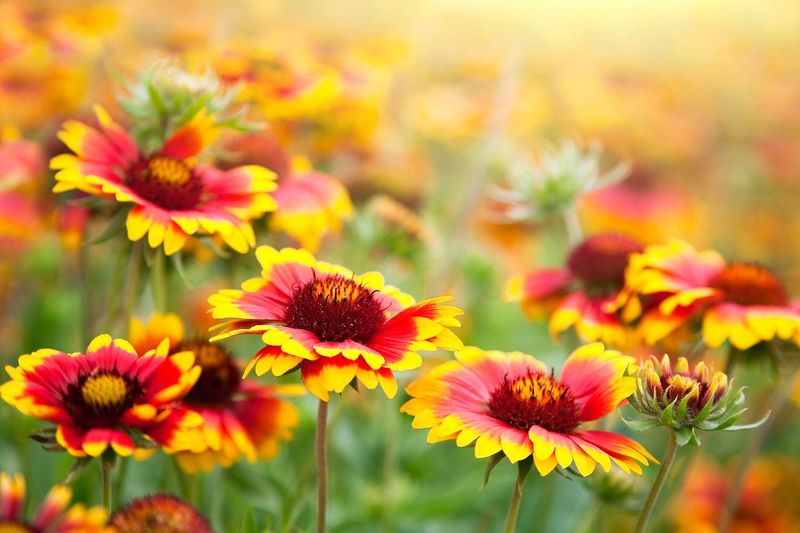
With fiery red and gold petals that look like a tiny sunset, blanket flower brings warmth to any bed that bakes all day. It thrives on tough love and honestly resents pampering.
Sandy soil, drought, and blazing sun are exactly where gaillardia shines. Rich, wet ground actually shortens its life, so the neglect you feel guilty about is doing this plant a favor.
Its daisy-like blooms keep coming from late spring well into fall, and each one lasts a good while before fading. Deadheading is optional, though it does encourage even more flowers if you feel like it.
Native roots make blanket flower a smart pick for Southern wildlife gardens. Pollinators feed on the blooms, and songbirds pick at the seed heads once flowering winds down.
It fits beautifully in relaxed, meadow-style borders and along sunny fences where reliable color matters more than fuss. Container growing works too, as long as drainage is good.
The name comes from its resemblance to brightly patterned Native American blankets. Once you see a patch glowing in the afternoon light, the comparison makes perfect sense.
8. Portulaca (Moss Rose)
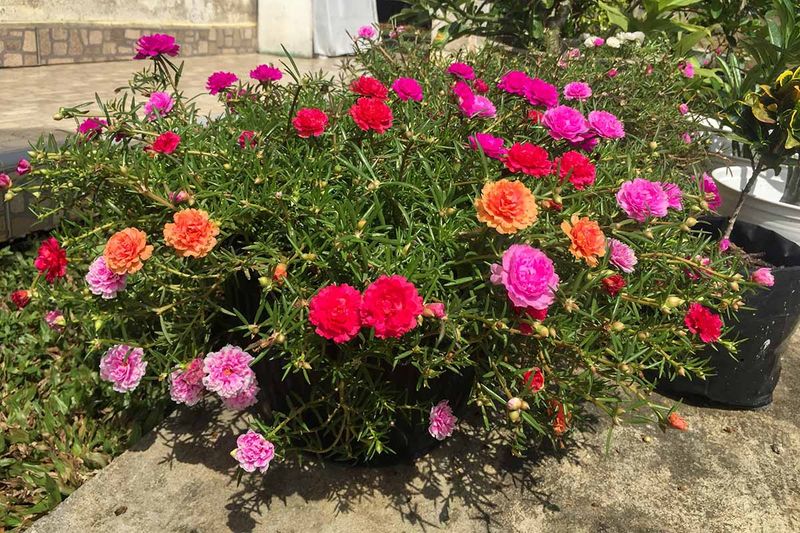
Moss rose is proof that a plant can be both dainty and nearly indestructible. Those ruffled little blooms look like miniature roses, yet the plant itself is as tough as an old boot.
Needle-like leaves store water, letting portulaca sail through droughts that would crisp most flowers. It loves poor, sandy, rocky soil where pampered plants simply give up.
What makes it stand out is how it handles the harshest real estate in your yard. Think blazing rock gardens, cracks in stone paths, and shallow containers that dry out fast.
Portulaca actually prefers those brutal conditions.
The flowers open with the morning sun and come in a candy-shop mix of pink, orange, yellow, and white. Newer varieties even stay open longer into the day.
Southern gardeners can use it as a groundcover that hugs hot slopes or spills over the edges of pots on a sun-scorched porch. It asks for almost nothing in return.
Water it too often and you risk rot, which is the opposite worry most gardeners have. With portulaca, forgetting to water is basically part of the care routine.
9. Coneflower (Echinacea)
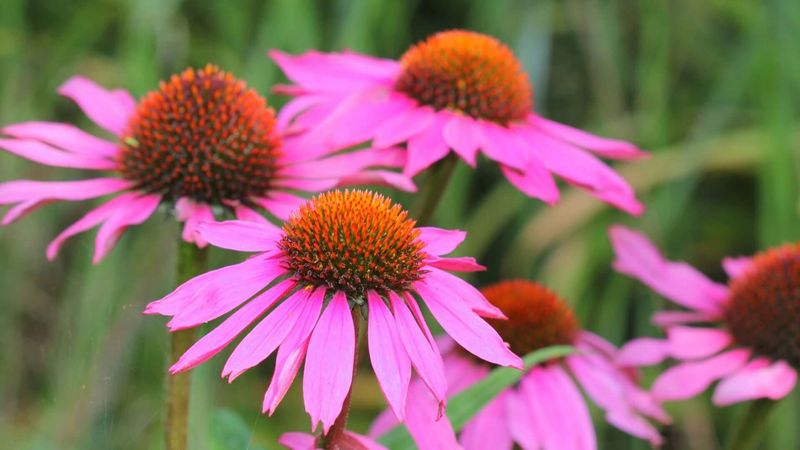
Sturdy, upright, and utterly unbothered, coneflower is the perennial you plant once and enjoy for years. Its daisy-shaped blooms with raised, spiky centers give beds a bold, architectural look.
Drought rarely fazes an established coneflower. Deep roots pull moisture from below, so it stands tall through dry spells that leave shallow-rooted annuals gasping.
Its biggest advantage over the others here is longevity. As a returning perennial, it saves you from replanting every season while still offering months of purple, pink, orange, and white flowers.
Pollinators treat a coneflower patch like a diner. Bees and butterflies work the blooms all summer, and if you leave the seed heads standing into fall, goldfinches will drop by for a snack.
Southern gardeners get the best results in full sun with soil that drains well. Once it settles in, watering becomes an occasional courtesy rather than a chore.
Echinacea has long been valued in herbal remedies, which is where its familiar reputation comes from. In the garden, though, its real gift is dependable color and a steady stream of visiting wildlife.
10. Sunflower
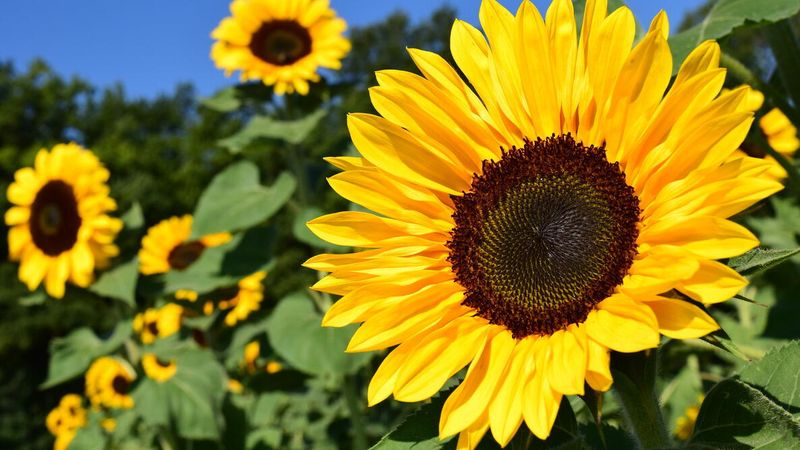
Nothing says easygoing summer quite like a sunflower leaning toward the light. These cheerful giants sprout from seed with almost no coaxing and grow fast enough to keep kids fascinated.
Heat and dry spells barely register once a sunflower gets going. Its long taproot digs deep for water, letting it stand strong while thirstier flowers droop.
The standout reason to grow them is the double payoff. First you get big, bold blooms, and later the seed heads become a buffet for songbirds, feeding your backyard wildlife well into fall.
Varieties range from towering ten-footers to compact types perfect for containers and borders. That flexibility means there is a sunflower for nearly any Southern yard, whether you have acres or a single sunny corner.
Plant seeds directly in the ground after the soil warms, in the sunniest spot you have. Beyond a little water while they sprout, they mostly take care of themselves.
Did you know sunflowers actually track the sun across the sky when young, a movement called heliotropism? Mature blooms usually settle facing east, greeting each morning like they own the place.