
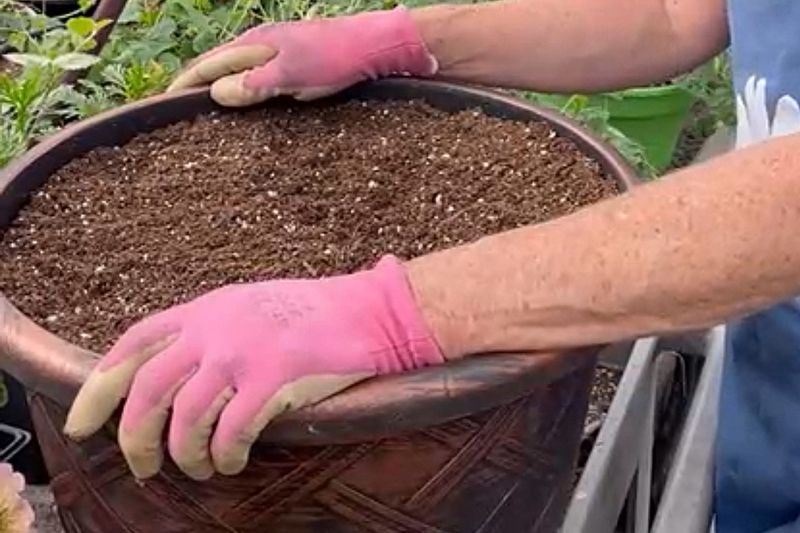
Potted geraniums on a porch or patio can look full and healthy one season, then stop flowering the next without any obvious reason. One container-related problem worth checking is whether the pot size or drainage setup is working against the plant rather than for it.
An oversized pot or one that drains poorly can keep the potting mix wet longer than the roots can handle, and that stress may contribute to poor flowering. But the container is just one piece of a bigger puzzle, and fixing it will not automatically bring the blooms back.
Treat the oversized pot as a possibility, not a guaranteed culprit
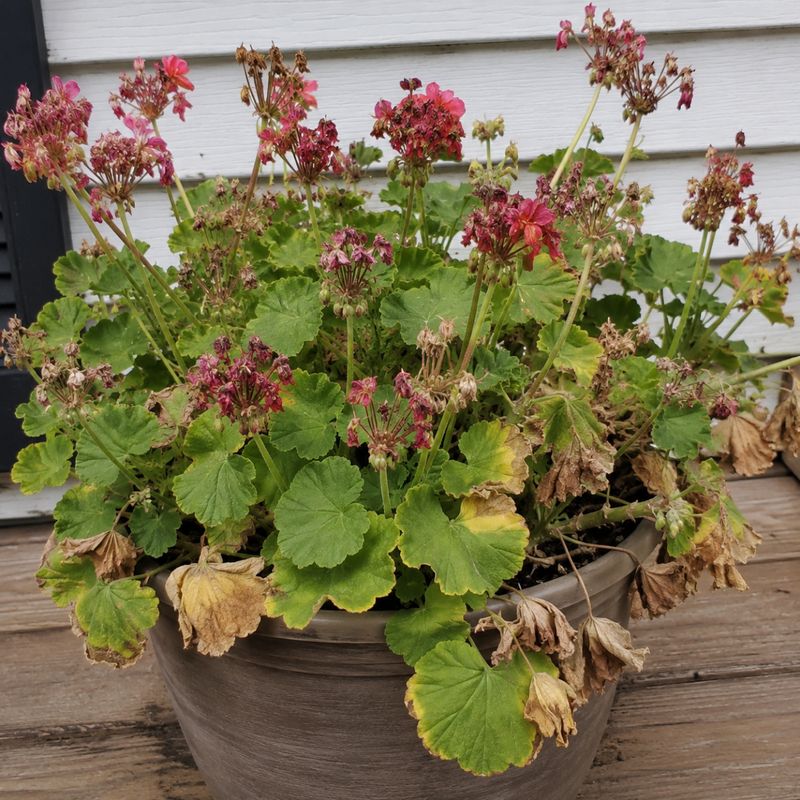
Plenty of gardeners have heard that putting a small plant into a big pot is a mistake, and with geraniums, that advice has real backing. Excess potting mix surrounding a small root system can hold moisture far longer than the roots draw it up, and that prolonged wetness reduces the oxygen available at the root zone.
According to NC State Extension’s container gardening guidance, saturated growing media limits root-zone oxygen and increases the risk of root problems, which can affect overall plant performance, including flowering.
That said, a poorly matched container is one possibility among several, not a proven top cause of flowerlessness in geraniums. Light, temperature, watering habits, fertilizer timing, spent flowers left on the plant, and the specific type of geranium you are growing all play a role too.
Jumping straight to repotting without checking those factors first can leave the real problem unsolved.
A smarter approach starts with a quick diagnostic before you touch the pot. Slide the plant out and look at the root ball and the surrounding mix.
Then work through drainage, watering routine, light exposure, and basic bloom care. Clemson Cooperative Extension’s geranium factsheet notes that good flowering depends on the combination of these factors, and correcting only one may not produce the rebound you are hoping for.
Inspect the root ball before choosing a new pot
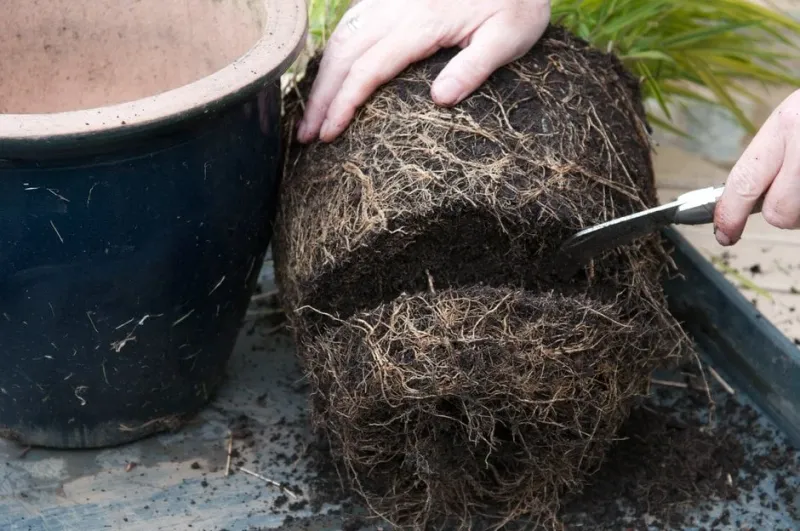
Before buying a new container or bag of potting mix, pull the plant out of its current pot and take a close look. Tip the pot sideways, support the base of the stems, and slide the root ball free.
What you find next tells you which direction to go.
Dense roots circling the outside of the root ball, very little remaining potting mix visible, or roots pushing out through the drainage holes all suggest the plant has outgrown its space. Extension repotting guidance recommends moving up to a slightly larger container in that situation rather than leaving a congested root system to struggle.
Rapid drying between waterings, frequent wilting despite regular watering, and stunted new growth are practical clues that match this picture.
The opposite situation calls for a different response. A small root ball sitting inside a large volume of dark, wet potting mix means the container may already be too big.
Moving that plant into an even larger pot would make the moisture problem worse, not better. Washington State University Extension notes that geraniums can flower well when slightly pot-bound, but that is a far cry from leaving a plant severely root-restricted or ignoring a container that is clearly out of proportion.
Use what you see in the root ball to guide your decision, not a general rule about what geraniums prefer.
Increase container size gradually when the roots need room
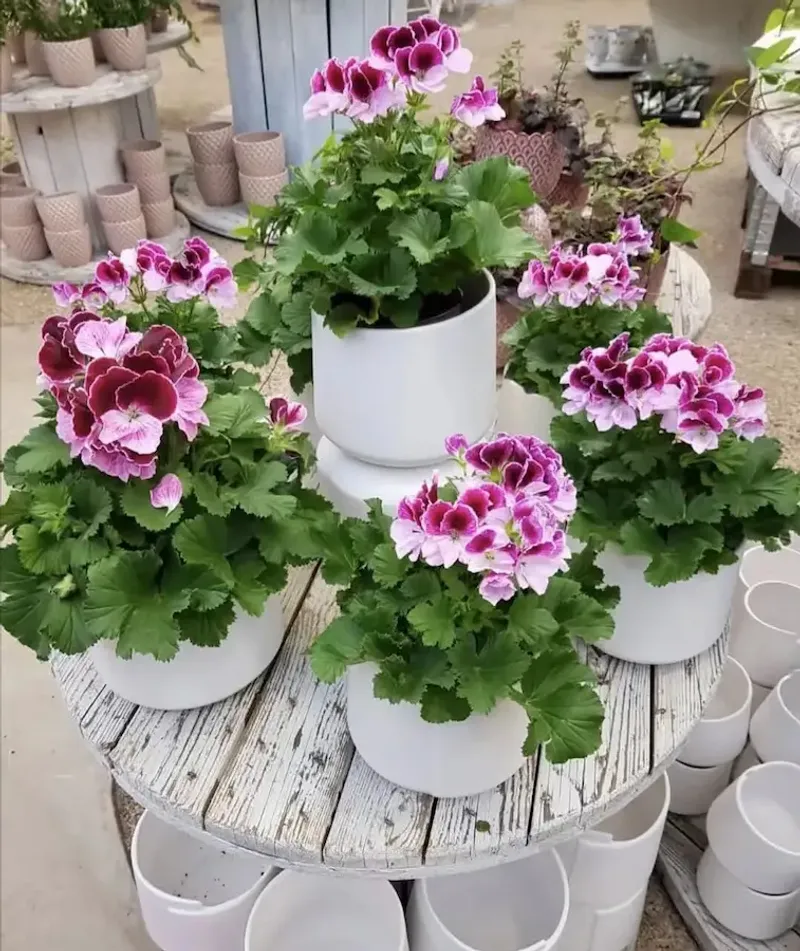
When the root ball inspection shows the plant genuinely needs more room, resist the temptation to move it into the largest planter you have on hand. A small root system dropped into an oversized container leaves a large volume of unused potting mix that can stay wet between waterings, which is the same problem you are trying to fix.
University of Georgia Cooperative Extension recommends keeping young geraniums in their original pot until roots begin to fill it, then stepping up gradually. Their examples are useful for sizing: a plant in a 4-inch nursery pot can move to a 6- or 7-inch container, and a plant currently in a 6-inch pot can step up to an 8- or 10-inch container.
Those numbers are practical benchmarks, not a universal formula that fits every plant, mix, or climate.
A general sizing guideline from NC State Extension suggests increasing container diameter by roughly 1 to 2 inches for smaller plants. The key is letting the root ball drive the decision.
A plant with moderately filled roots benefits from a modest step up; a plant with a tiny root ball in a large wet pot may need the mix corrected and the container reduced to a more proportionate size. Neither situation calls for the biggest pot on the shelf.
Build drainage into the pot instead of adding a gravel layer
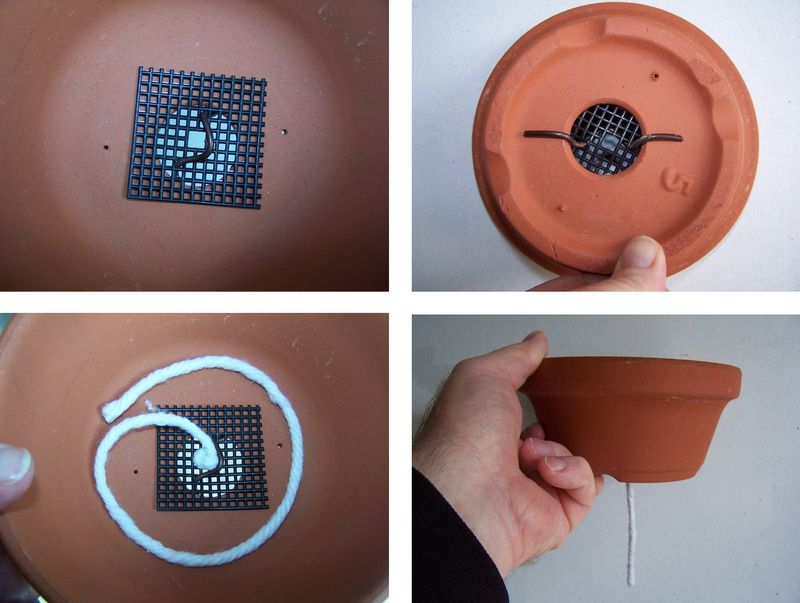
Choosing a proportionate container is only part of the job. How that container is set up matters just as much as its size.
Start with an unobstructed drainage hole at the bottom. If the hole is blocked, clogged with old roots, or covered with a solid saucer the pot sits in permanently, water cannot exit and the mix stays wet regardless of how carefully you water.
University of Georgia Extension specifies using a commercial potting mix that drains well, and both Georgia and NC State guidance warn against using garden soil as the main container medium. Garden soil compacts in a pot, holds water longer than roots can tolerate, and does not provide the air pockets a container root system needs.
A good commercial mix formulated for containers gives roots both moisture and oxygen.
One common shortcut to skip entirely is the gravel layer at the bottom of the pot. NC State Extension explains that gravel at the base can actually raise the saturated zone of potting mix above it rather than helping water drain away faster.
If you are using a decorative cachepot without a drainage hole, Illinois Extension recommends keeping the plant in a removable inner pot with drainage and making sure water does not collect around the base of the plant inside the outer container.
Water according to the mix and the weather
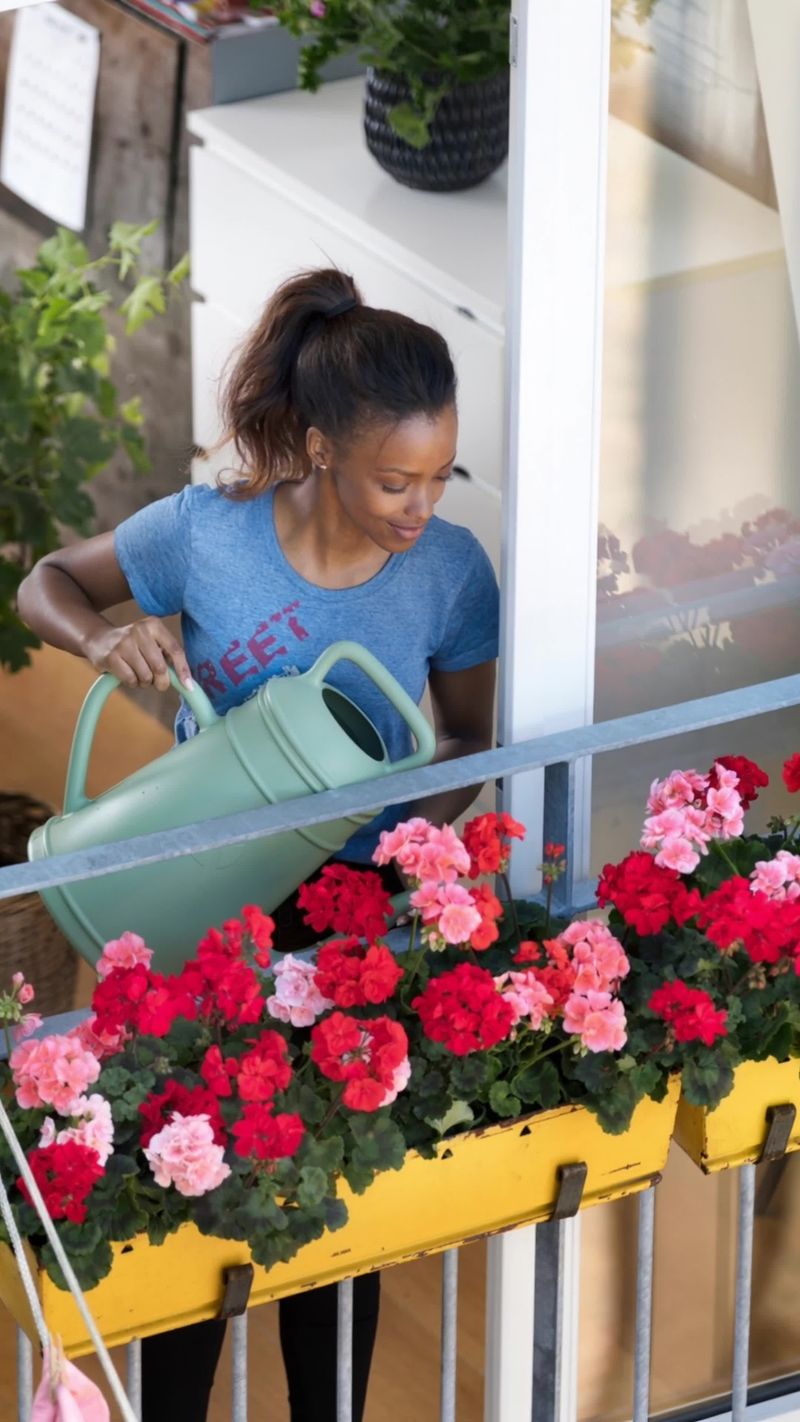
Once the container is set up correctly, watering becomes the daily variable that can either support the plant or undercut all your other work. The right approach is to water thoroughly each time, soaking the mix until excess water flows freely from the drainage hole, and then waiting until the mix has dried somewhat before watering again.
Leaving the pot sitting in a saucer of collected water defeats the purpose of good drainage and keeps the root zone wet.
Clemson Extension consistently warns against both prolonged saturation and wilting from drought, which means the timing of each watering depends on conditions rather than a fixed calendar. A schedule that works during a mild spring week in the Carolinas may lead to overwatering during a humid Florida summer or underwatering during a hot, dry Texas afternoon.
Pot size, container material, plant size, sun exposure, wind, and ambient humidity all change how fast the mix dries.
Yellow leaves are a common signal that something is off, but they do not point to a single cause. WSU Extension notes that yellowing can follow drought stress, overwatering, root damage, or other problems.
Before adjusting your watering, check the moisture level in the mix by pressing a finger an inch or two into the soil. An oversized container with wet mix around a small root ball needs less water and more time between sessions, while a root-bound plant in a small pot may dry faster than you expect and need more frequent attention.
Restore the light and bloom-care routine
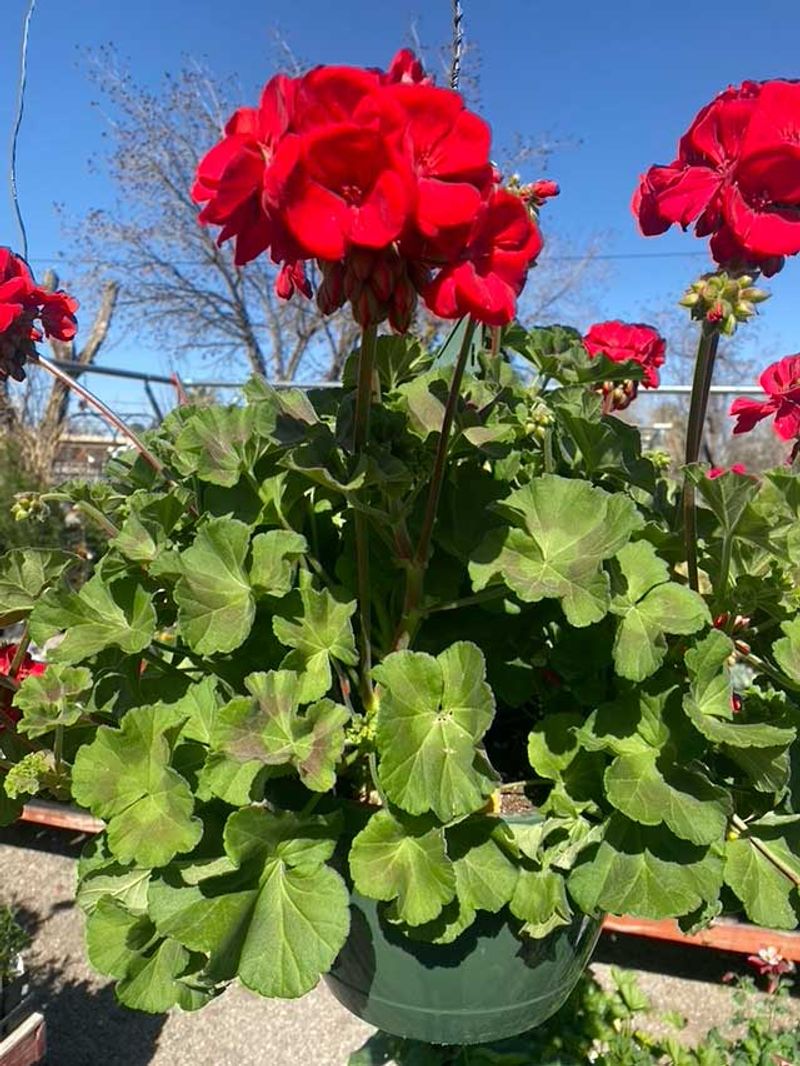
A correctly sized, well-drained container gives the root system a better environment, but roots alone do not produce flowers. Light is one of the most direct influences on bloom production, and a geranium moved to a shadier spot after repotting may still fail to flower regardless of how well the pot drains.
Clemson Extension recommends at least four hours of direct sunlight daily for good flowering in common geraniums, and notes that poor light leads to weak, stretched growth and fewer blooms.
In the Southern heat, that advice comes with a practical qualifier. When afternoon temperatures climb well above 85 degrees Fahrenheit, intense midday sun can stress some geranium types rather than help them.
Morning sun with some afternoon protection is often a better fit for those conditions, particularly for ivy-leaf types. WSU Extension also cautions that each time you pinch stems to promote fuller growth, you may temporarily delay flowering.
Pinching builds a bushier plant over time, but removing spent flower clusters by deadheading, without cutting back healthy stems, prolongs the current bloom period without that delay.
Fertilizer supports active growth but cannot substitute for light or healthy roots. Clemson recommends fertilizing every four to six weeks during active growth, following the label rate.
Applying extra fertilizer to a plant that is not flowering because of light or root problems tends to push leafy growth rather than blooms, and excess fertilizer can damage the roots you just worked to protect.
Reassess heat, humidity, and geranium type before repotting again
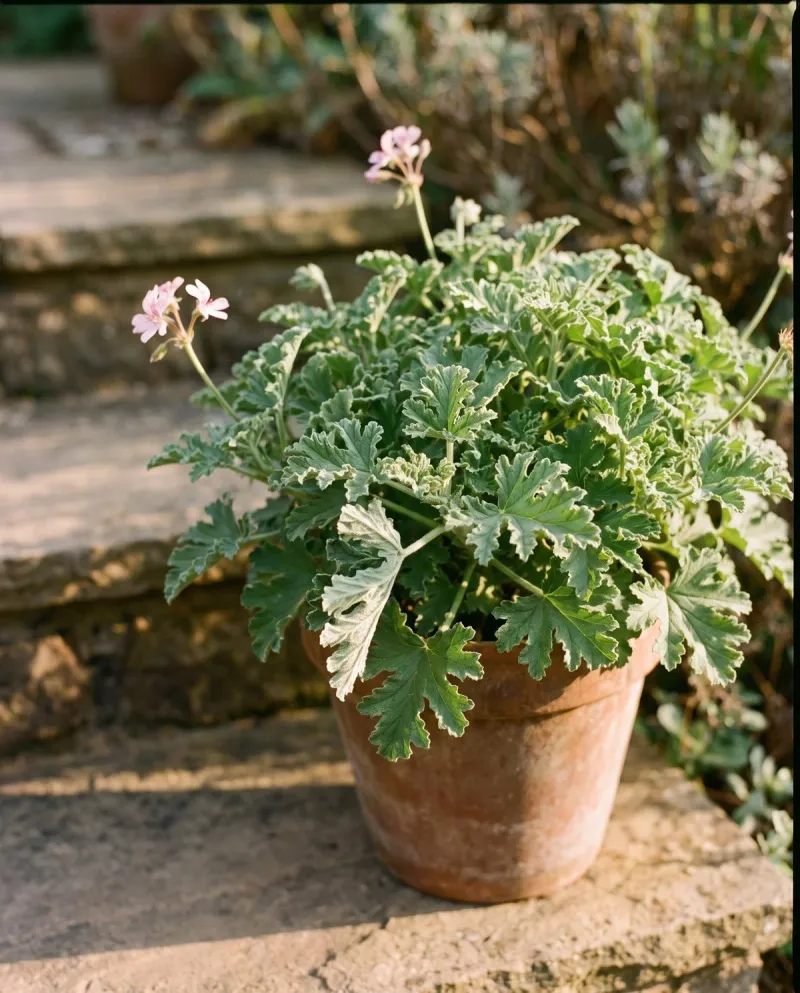
After correcting the container and restoring a sound care routine, some geraniums still hold back on blooming. Before changing the pot again, take stock of what else might be limiting the plant.
The geraniums sold for pots and hanging baskets are technically Pelargonium, a genus that includes several distinct types, and they do not all behave the same way in Southern heat. Clemson Extension identifies zonal geraniums, Pelargonium x hortorum, as the most common container type, while ivy-leaf geraniums, Pelargonium peltatum, prefer moderate temperatures and may need afternoon shade when heat exceeds 85 degrees Fahrenheit.
Regal or Martha Washington geraniums are even less heat-tolerant than common zonal types and often stop flowering in summer warmth regardless of container conditions.
UF/IFAS Extension notes that geraniums can be grown nearly year-round in warm Florida climates but tend to perform best during cooler weather in central and southern parts of the state. A geranium that stops flowering during a Florida or Texas summer may simply be responding to heat and humidity, not to a container problem you have not found yet.
Repotting again during peak summer heat adds stress without addressing the real cause.
University of Georgia Extension advises letting root-ball evidence guide each container decision rather than repotting on a schedule or out of frustration. Make one correction based on what you observe, then give the plant time to respond before changing anything else.
A geranium that bloomed well before is usually capable of blooming again – the goal is to remove the obstacles one at a time rather than chase every possibility at once.