
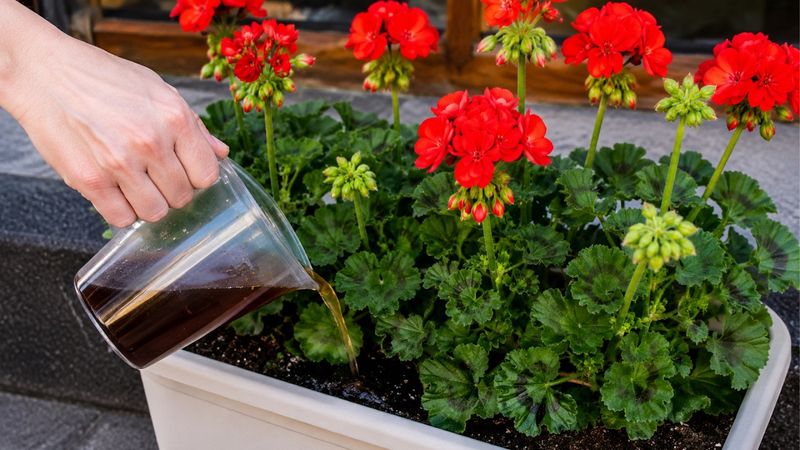
By late summer, many potted geraniums look more like tired sticks than the full, colorful plants you started with in spring. The blooms thin out, the leaves may yellow, and the whole pot seems to have given up.
But before you toss those containers, the problem might be simpler than you think – or more layered. Understanding what’s really going on is the first step toward getting those flowers going again.
Why September Sparsity Happens
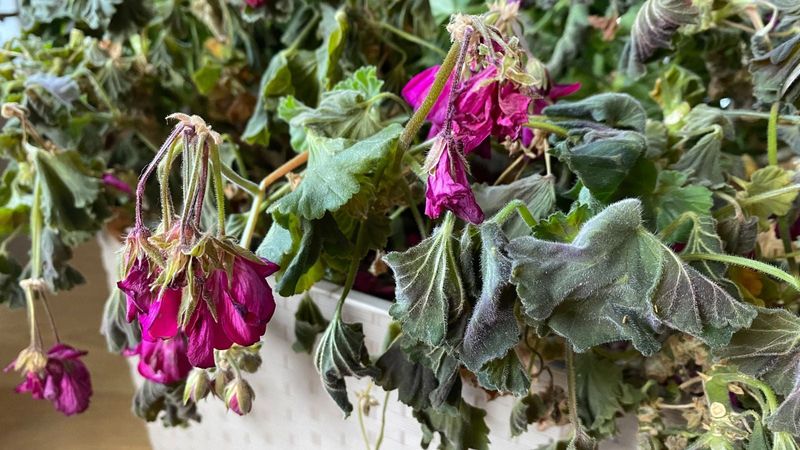
A sparse-looking container geranium in September can reflect several things happening at once, and pinning it all on one cause is usually a mistake. The plants most of us call geraniums are actually Pelargonium, a genus that includes zonal, ivy-leaved, scented, and Martha Washington types.
Each responds differently to heat, humidity, and growing conditions, so a recovery strategy that works for one may not work for another.
Container plants face a real nutrient challenge over the course of a season. Every time you water, some nutrients flush out through the drainage holes, and the limited root volume in a pot cannot keep replenishing them the way garden soil can.
University of Georgia Extension guidance on container gardening explains that this nutrient loss through repeated watering is one reason container plants need regular feeding throughout the growing season.
Heat is another major factor, especially in the South. UF/IFAS research on Pelargonium notes that flowering can fade by mid- to late summer under intense heat, particularly in Florida.
Watering inconsistency, poor drainage, inadequate light, and plant type all compete as explanations for weak or absent late-summer blooms. Ruling those out before reaching for the fertilizer bag will save you time and protect your plants.
Restart Regular Feeding Instead of Applying a Surge
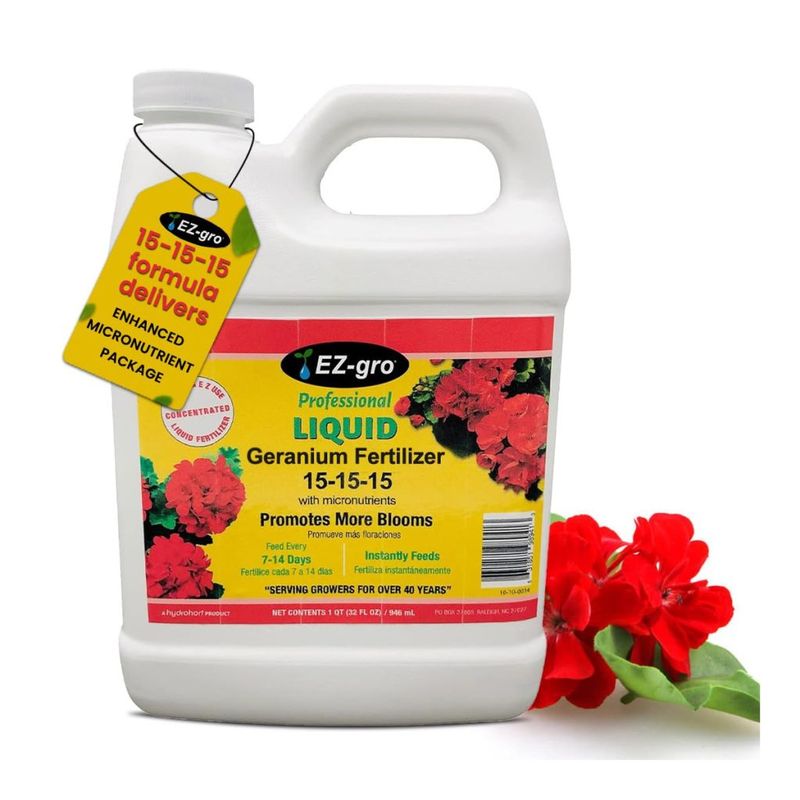
When nutrient depletion seems like a plausible culprit, the practical correction is not to dump a large dose of fertilizer into the pot and wait for flowers. The correction is to restart a regular, label-directed feeding schedule using a complete, water-soluble fertilizer. “Complete” means the product contains nitrogen, phosphorus, and potassium rather than just one or two of those elements.
University of Georgia Cooperative Extension’s geranium bulletin recommends fertilizing at least every three weeks with a liquid fertilizer during active growth. Iowa State University Extension similarly advises dilute fertilizer applications every two to four weeks for container geraniums.
Those repeated, appropriately diluted applications are what container plants actually need – not one concentrated rescue feeding.
A slow-release granular fertilizer worked into fresh potting mix at planting is a valid alternative program. The catch is that University of Minnesota Extension notes that repeated watering can deplete available nutrients even when a slow-release product was applied earlier in the season.
If you used slow-release at planting and the plant has been watered heavily all summer, the available supply may well be running low by September. Restarting with a soluble product at the label rate can help fill that gap, but always follow the product’s recommended concentration and frequency rather than guessing.
Apply Fertilizer Without Adding More Stress
Getting the application right matters as much as choosing the right fertilizer. A plant that is severely wilted needs water first, not fertilizer.
Applying concentrated fertilizer solution to dry, stressed roots can cause salt injury, which damages root cells, reduces the plant’s ability to take up water, and may produce leaf-edge browning or worsening decline. The sequence to follow is straightforward: water the pot until the mix is evenly moist, then apply the diluted fertilizer solution according to the label.
Georgia Extension’s geranium guidance advises keeping fertilizer off leaves and stems and watering it into the soil. Apply the solution to the potting mix only, and let it drain freely from the bottom of the container.
That drainage step helps prevent fertilizer salts from accumulating in the root zone.
More fertilizer does not mean more flowers. Colorado State University Extension’s research on saline soils explains how excess fertilizer salts can injure roots, impair water uptake, and cause visible leaf damage.
Sticking to the label rate and a regular schedule gives the plant steady nutrition without pushing salt levels into a harmful range. If you are unsure whether a slow-release product is still active in your pot, a single diluted soluble application at the label rate is a reasonable starting point before committing to a longer schedule.
Pair Feeding With Pruning, Watering, and Deadheading
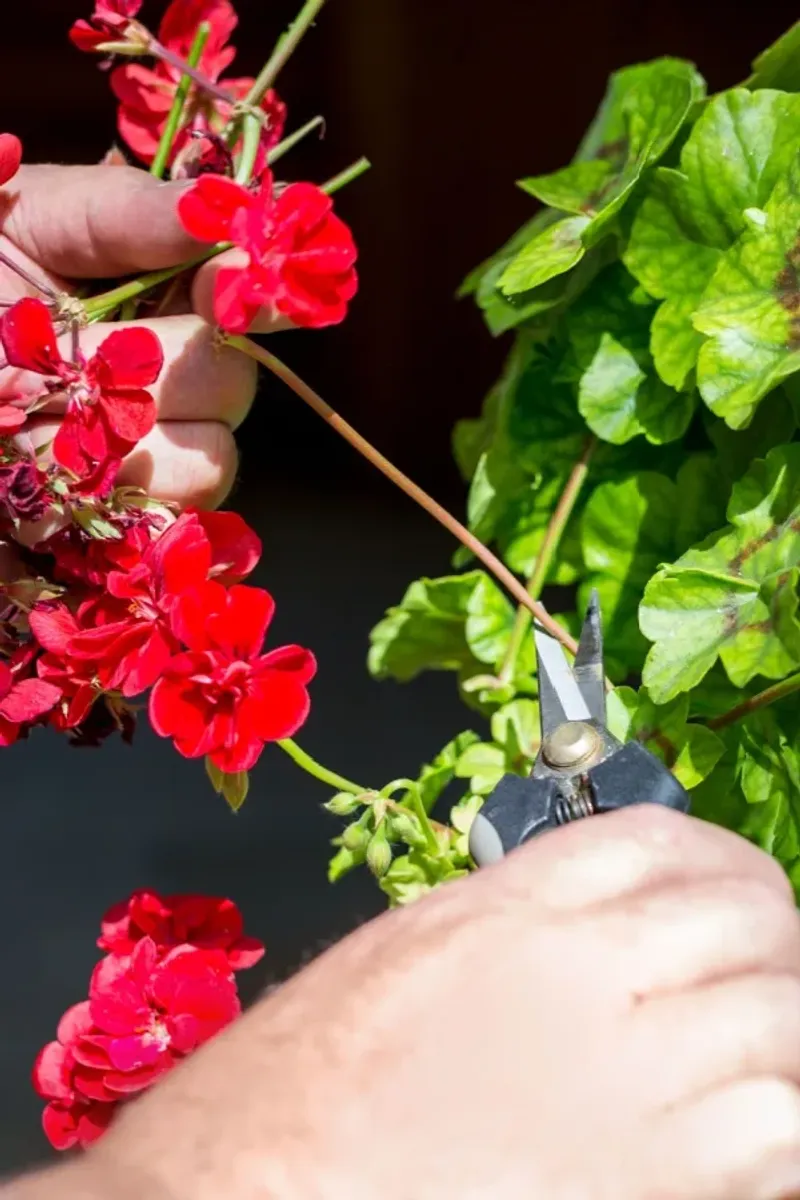
Fertilizer works best when it is part of a broader recovery routine rather than a stand-alone fix. For a plant that has grown leggy or sparse over a hot summer, light pruning can redirect energy toward fresh growth.
Georgia Extension recommends cutting back long stems by one-half to three-quarters in late summer, fertilizing at that time, and repeating fertilizer applications at three-week intervals to support the new growth that follows.
Texas AgriLife Extension’s regional September garden guidance similarly recommends lightly pruning, fertilizing, and watering heat-stressed geraniums to encourage fall recovery. Consistent watering is a key part of that routine.
A plant that repeatedly wilts between waterings may shed lower leaves, stop producing new growth, and fail to respond to feeding even when nutrients are available. Pots should not sit in standing water, though, because poor drainage can lead to root problems that fertilizer cannot fix.
Removing spent flower clusters regularly is another piece of the routine. Iowa State Extension notes that deadheading prevents seed development and can encourage continued flower production.
UF/IFAS Gardening Solutions also recommends removing old blooms to keep plants tidy and productive. That said, deadheading, pruning, and feeding together cannot overcome severe heat, disease, or significant root damage.
They support recovery when the plant’s core conditions are workable.
Let Regional Heat Set the Recovery Timeline
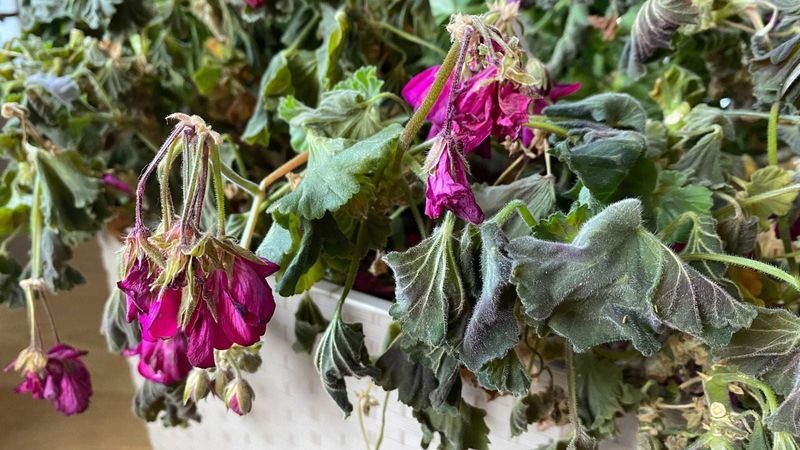
Southern gardeners need to factor heat into their expectations for September feeding. Across much of Florida, geraniums perform best during cooler weather, and intense summer conditions can push flowering into a natural pause that nutrition alone cannot override.
UF/IFAS research on Pelargonium describes flowering fading by mid- to late summer and recommends cutting plants back and fertilizing in early fall to stimulate new growth – but notes that renewed blooming often depends on temperatures moderating first.
The timing guidance varies significantly within Florida. In north Florida, early fall pruning and fertilizing can help restart vegetative growth as temperatures begin to ease.
In central and south Florida, geraniums are often grown as cool-season or winter annuals, with the better bloom window stretching from fall through winter rather than peaking in summer. UF/IFAS Gardening Solutions notes that these regional differences matter when setting expectations for when flowers will return after a summer lull.
Georgia Extension also notes that flowering in geraniums is generally best during cooler periods, even in south Georgia. For Texas, the Ellis County AgriLife Extension September calendar supports rejuvenating heat-stressed geraniums in September, but that guidance reflects one regional context and should not be applied as a universal Texas schedule across all locations, cultivars, or microclimates.
September feeding can support healthy new growth, but flowers may follow only after the heat breaks.
Check Light, Drainage, and Roots Before Increasing Fertilizer
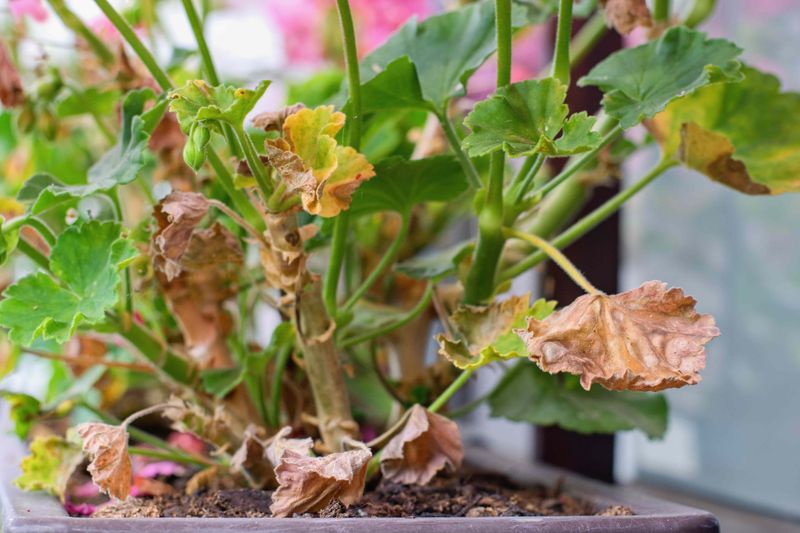
Before adding more fertilizer to a struggling plant, run through a quick diagnostic checklist. Light is the first variable worth examining.
Iowa State Extension states that geraniums flower best with at least six hours of direct sun. A pot that has been moved to a shadier spot, or one that is now blocked by summer foliage from a nearby tree or shrub, may produce weak growth for reasons that have nothing to do with nutrients.
In hot Southern gardens, light shade during the most intense midday hours can help zonal and ivy-leaved types, but too much shade all day will reduce flowering regardless of how well you feed.
Drainage and watering habits deserve equal attention. Check that the pot’s drainage holes are clear and that water is not pooling in a saucer beneath the container.
Georgia Extension advises watering when the potting mix is dry to the touch and ensuring pots do not sit in standing water. A waterlogged root zone can look similar to a drought-stressed one from the outside, with yellowing leaves and slow growth.
Adding fertilizer to a waterlogged pot will not help and may worsen root damage.
Yellow leaves are a common worry, but they are not a reliable sign of nitrogen deficiency on their own. UF/IFAS notes that yellowing can result from delayed fertilization, but also from drought, root stress, poor drainage, or disease.
Oregon State University Extension similarly cautions against assuming a nutrient cause when other stresses are present. If the roots look dark, mushy, or severely bound in a tight mass, address those conditions before restarting a feeding program.
Expect Healthier Growth Before Guaranteed Flowers
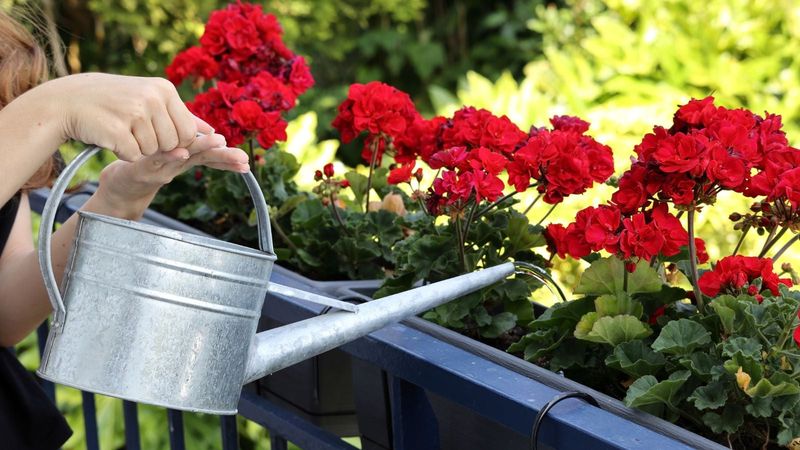
A realistic recovery sequence for a sparse September geranium starts with correcting any wilting through proper watering, then moving to light pruning of the longest stems. Once the potting mix is evenly moist and the plant is stable, restart a regular, label-directed feeding program with a complete water-soluble fertilizer, generally every two to three weeks during active growth, or switch to an appropriate slow-release approach.
Georgia Extension’s geranium guidance and University of Minnesota Extension both support this kind of steady, repeated feeding approach over single heavy doses.
Keep deadheading spent clusters, maintain good drainage, and make sure the plant is getting adequate direct light. For heat-stressed plants in Florida or other hot Southern areas, UF/IFAS research indicates that cooler fall temperatures may be necessary before flowers return in meaningful numbers.
The realistic goal is healthier new growth and a better chance of renewed flowering as conditions improve, not an overnight bloom flush.
A well-fed, properly watered geranium heading into a Southern fall has a much better chance of producing color than one left depleted and stressed. That improvement in plant condition is the real payoff of getting the routine right.