
Potted lavender is one of those plants that looks effortless in a garden center but can turn stubborn and sparse once it’s home on your patio. If your plant has gone from a tidy, fragrant mound to a leggy tangle of bare woody stems with barely a flower in sight, you’re not alone.
Southern gardeners in Florida and Texas run into this all the time, and there’s usually more than one thing going on. Understanding what lavender actually needs, and where care routines tend to slip, can help you get it back on track or at least make smarter decisions going forward.
A woody base is normal; a bare, sprawling crown needs attention
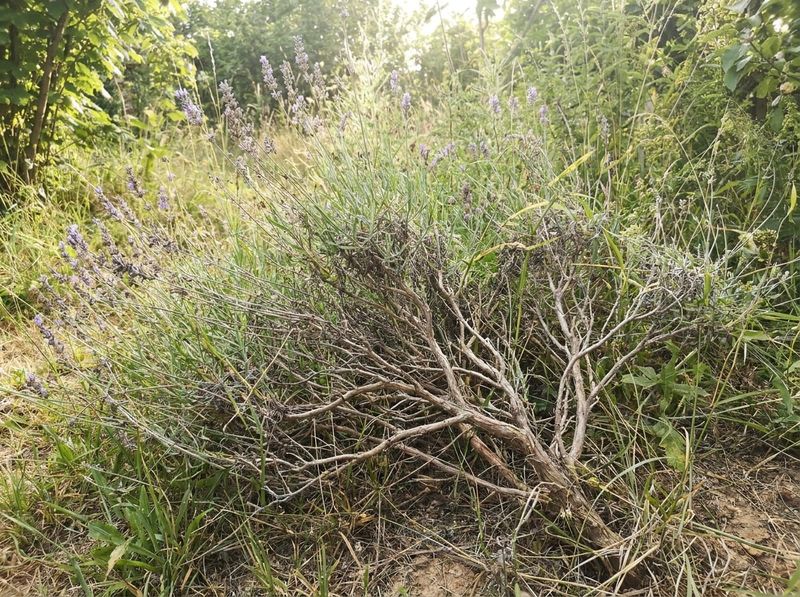
Lavender is classified as a woody subshrub, which means developing a firm, bark-covered base is completely natural and not a sign that something has gone wrong. University of Maryland Extension guidance on lavender confirms that annual light shaping can slow the progression from a compact mound to a sparse, sprawling form, but it cannot stop the woodiness altogether.
The woody base is part of the plant’s architecture, not a disease or a failure.
What gardeners actually want to correct is a crown that has grown leggy, with long bare stems and little leafy growth near the center. That kind of open, sprawling shape tends to produce fewer flowers because the plant’s energy spreads across more stem length with less productive green tissue.
UC Master Gardeners of El Dorado County note that regular shaping helps preserve a rounded mound and encourages new flowering growth, though shaping is one factor among several.
Before picking up the pruning shears, take a few minutes to look at the whole picture. Skipping post-bloom pruning is one possible contributor to a leggy plant, but so are insufficient sunlight, excess moisture, poor drainage, an unsuitable cultivar, or root and crown problems.
Treating symptoms as a prompt to inspect growing conditions first, rather than jumping straight to a cut, will give you a much clearer sense of what your plant actually needs.
How missed post-bloom shaping can reduce flowering
Each time lavender finishes a bloom cycle, the spent stalks dry out and the plant’s energy shifts. If those stalks are left in place and the surrounding green growth is never trimmed, the plant tends to push new shoots outward and upward from wherever the last growth ended, which gradually extends the woody zone and reduces the density of productive leafy tissue near the center.
Over several seasons, this can leave a plant with long, arching stems and a noticeably thinner crown.
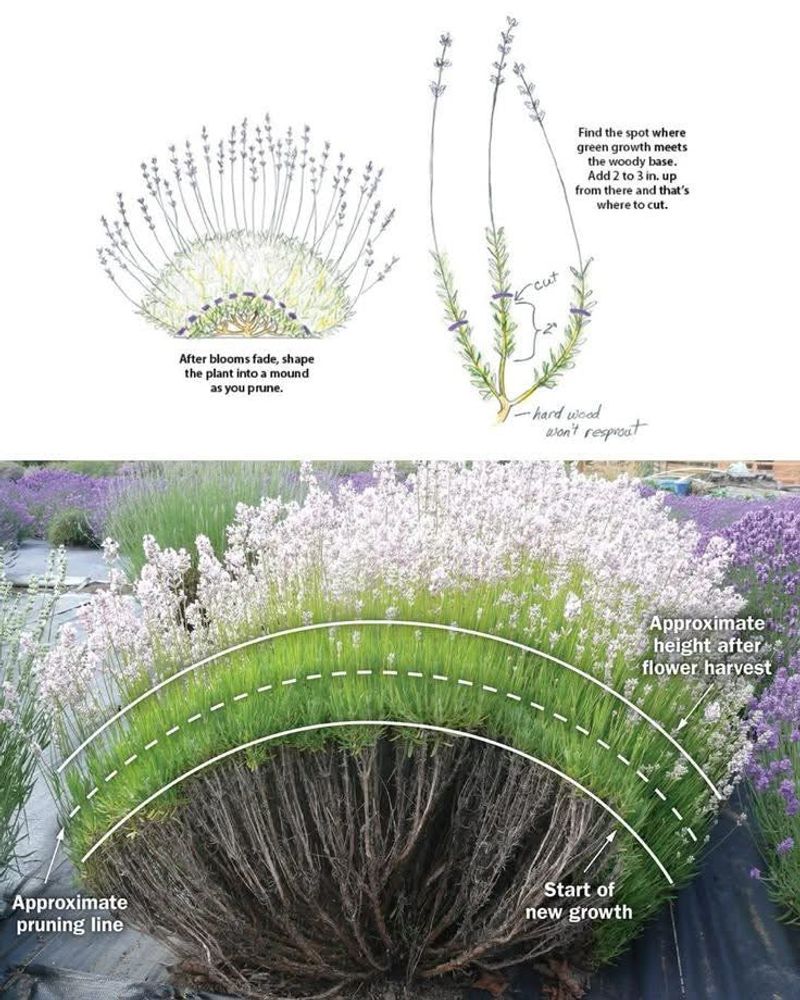
UC Master Gardeners of El Dorado County recommend shaping lavender into a rounded mound after flowering, removing spent stalks and trimming the leafy green portion to help maintain a compact form and encourage branching from healthy tissue. The practical effect is that the plant puts more effort into shorter, bushier growth rather than extending already-long stems.
That said, Ask Extension’s pruning guidance is careful to frame post-bloom shaping as a maintenance habit that supports good form, not a guaranteed cure for poor flowering. Bloom production also depends on sunlight, cultivar, root health, temperature, soil moisture, and drainage.
If your plant skipped a post-bloom trim one season, that may have contributed to its current shape, but it’s rarely the whole story.
Choose timing by flowering and weather, not by the calendar
Pinning a pruning date to a specific month can get Southern gardeners into trouble fast. Lavender bloom timing varies by cultivar, local climate, and the weather patterns of any given year, so the most reliable cue is the plant itself.
When the main flush of flowers has finished and the stalks have dried, that is the window to consider a light shaping cut, provided the plant still has healthy green growth and enough time to settle before cold or prolonged wet weather moves in.
Ask Extension pruning guidance recommends waiting until after flowering and trimming while green tissue is still present, rather than following a rigid fall schedule. University of Maryland Extension also points out that timing varies with local frost dates and cultivar, and that some gardeners in colder areas are better off postponing pruning until spring to avoid exposing tender new growth to winter injury.
For Florida growers, the concern is less about frost and more about the long stretch of heat, humidity, and summer rain that follows the spring bloom. UF/IFAS Extension Pasco County notes that prolonged moisture and humidity create real stress for lavender, so a light trim timed to avoid the wettest periods matters more than hitting a calendar date.
Texas has several distinct climate zones, and Texas A&M AgriLife Extension emphasizes gentle, frequent pruning over a single hard annual cut, with attention to local heat and drainage conditions. Watch your plant and your forecast rather than your phone’s calendar reminder.
Trim green growth into a rounded mound
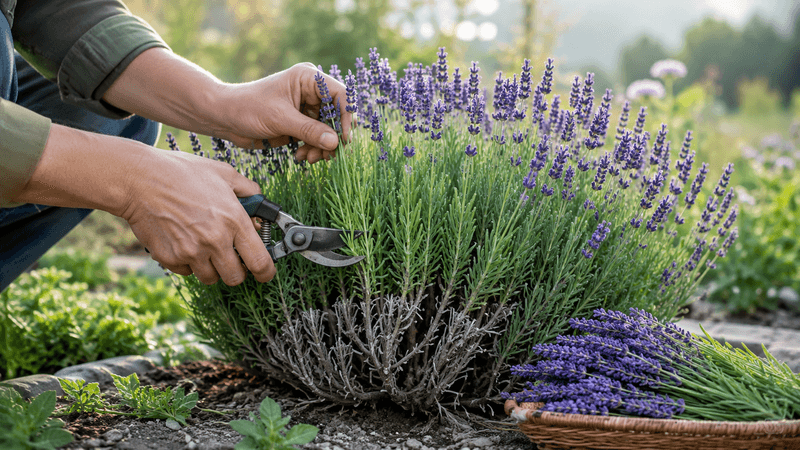
Getting the cut right matters as much as getting the timing right. Start by confirming that the main flowering period has ended and the stalks have dried or are drying.
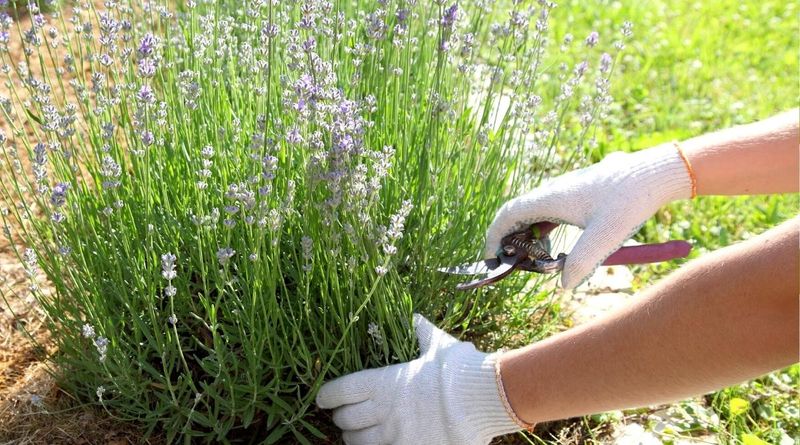
Then remove those spent flower stalks first, cutting them back to where the leafy growth begins. That step alone tidies the plant and reduces the weight pulling stems outward.
UC Master Gardeners of El Dorado County describe the shaping cut as removing roughly one-third of the plant’s leafy green portion and forming the remaining growth into a rounded mound. Think of it as a haircut that brings the plant back into a tighter, more symmetrical shape rather than a hard reduction.
Ask Extension frames the one-third guideline as practical and flexible, not a fixed rule, since cultivar, plant health, and how much green tissue is available all affect how much you should actually remove.
Every cut should land above a visible green leaf or a green side shoot. Leave a clear cushion of leafy growth sitting above the bare woody base rather than shearing the plant down to its skeleton.
University of Maine Cooperative Extension warns that bare, leafless old wood often fails to produce new shoots, so cutting into that zone can leave sections of the plant permanently empty or cause dieback. Shape the outer green layer, leave the woody core intact, and step back frequently to check the overall silhouette as you go.
Check the pot before blaming the pruning
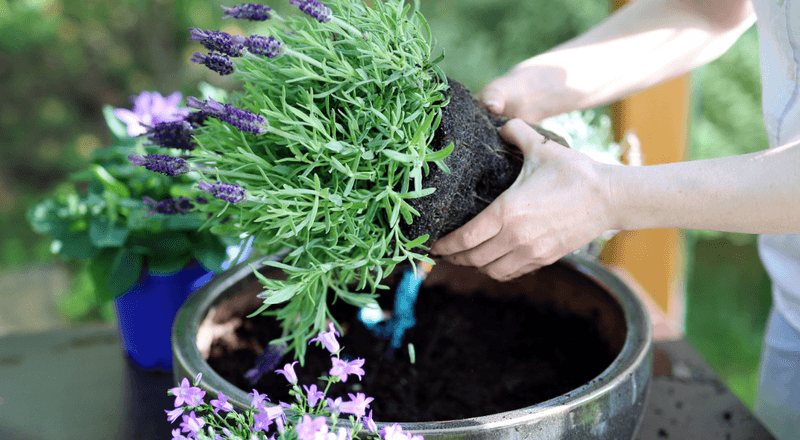
Leggy stems and sparse flowers can look exactly the same whether the cause is a missed trim or a problem with light, water, or drainage. Before assuming the pruning calendar is to blame, run through the basics of container growing conditions.
UF/IFAS guidance on English lavender specifies that lavender needs full sun, generally at least six hours of direct light daily. Shade produces stretched, weak growth and poor flowering, and a plant pushed into a shadier corner of the porch will show those symptoms regardless of how well it was trimmed.
Drainage is equally critical. UF/IFAS container media guidance makes clear that potting mix must drain quickly and that excess moisture around roots leads to rot, wilting, yellowing, and gradual decline.
Check that your pot has open drainage holes and that water is not pooling in a saucer or decorative cachepot beneath it. Even a brief period of saturated media can damage lavender roots more than a season of missed pruning.
Watering habits also deserve a look. UC IPM’s lavender cultural tips recommend checking soil moisture before watering rather than following a fixed schedule, and directing water at the soil line rather than over the foliage.
Established lavender generally prefers the growing medium to dry out between waterings. In Florida, UF/IFAS Manatee County’s Garden Bench newsletter suggests moving containers under cover during extended rainy periods to prevent the root zone from staying wet for too long.
A quick check of these conditions can save you from making a pruning cut that the plant does not actually need.
Separate regional stress from a pruning problem
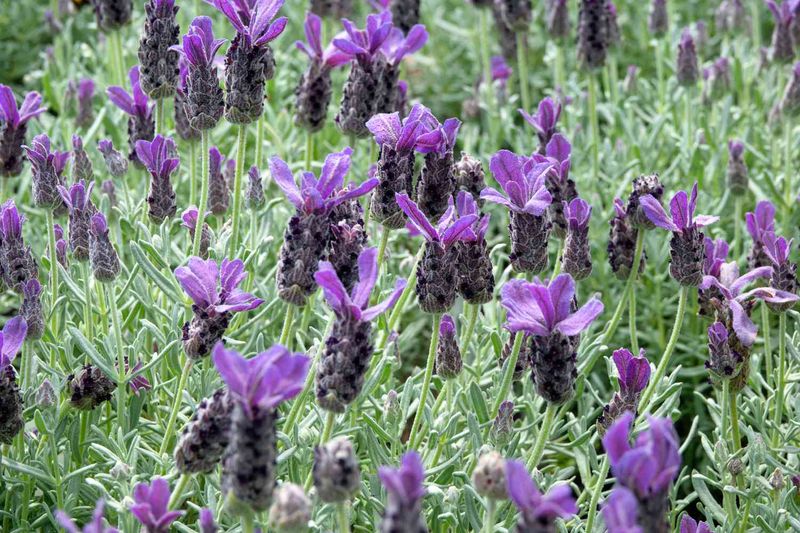
Southern gardeners face climate conditions that can undermine lavender even when every pruning step is done correctly. Florida’s combination of summer heat, high humidity, and prolonged rainfall creates an environment that English lavender – the classic purple variety many people picture – often cannot handle long-term.
UF/IFAS Extension Pasco County recommends heat- and humidity-tolerant types such as French lavender, Spanish lavender, and selected lavandins including ‘Phenomenal’ for Florida growers, noting that English lavender may simply decline in Zone 8 heat regardless of care.
Texas presents its own set of challenges. Texas A&M AgriLife Extension describes lavender as difficult in the Texas climate and points to heat, poor drainage, sprinkler irrigation that wets the foliage, and excess soil moisture as common causes of decline.
Recommended cultivars for Texas include French, Spanish, fernleaf, Goodwin Creek Gray, and ‘Provence,’ with sharp drainage and dry foliage cited as non-negotiable growing conditions.
One more thing worth flagging: a nonblooming lavender plant does not automatically need fertilizer. Iowa State University Extension notes that mature lavender has low fertilizer needs and that excess nitrogen can push leafy, lanky growth at the expense of flowers.
If your plant is already sparse and weak, adding fertilizer without fixing the underlying light, drainage, or moisture problem is unlikely to help and may make the vegetative imbalance worse.
Know when a severe cut will make matters worse
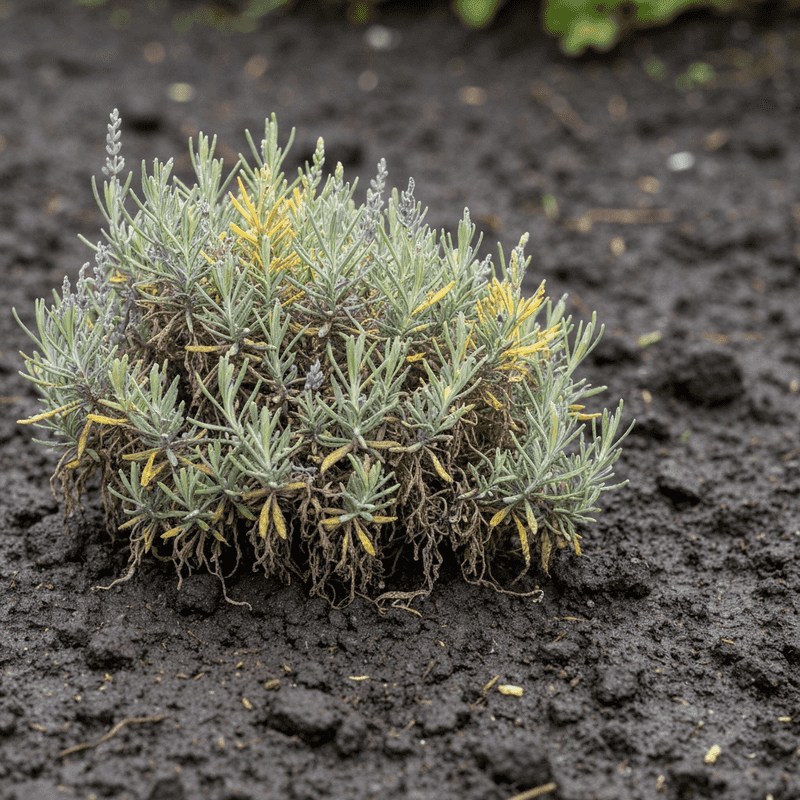
There is a real limit to what pruning can fix. A plant that still carries a reasonable amount of healthy green shoots above its woody base is a candidate for light shaping.
A plant whose stems are mostly bare and leafless from the base up is a different situation entirely, and an aggressive cut is more likely to cause permanent damage than to spark a recovery.
University of Maine Cooperative Extension explains that bare, leafless old wood often does not produce new shoots after cutting, which means a hard cut into the woody zone can leave sections of the plant permanently sparse or kill them outright. If little or no green tissue remains above the woody base, the safer path is usually to correct the growing conditions first and evaluate the plant honestly before making any cut at all.
Propagating healthy stem cuttings from whatever living growth remains is another realistic option.
Cultivar also affects how much pruning a plant can tolerate. Ask Extension guidance on lavender trimming notes that Spanish lavender generally responds better to a lighter hand, while some English types can handle more substantial shaping when healthy green tissue is present.
Texas A&M AgriLife Extension also cautions against cutting into old woody growth on Texas lavender, which can already be under significant heat and drainage stress. When in doubt, do less and assess the plant’s response before going further.
Build the next post-bloom trim into the routine
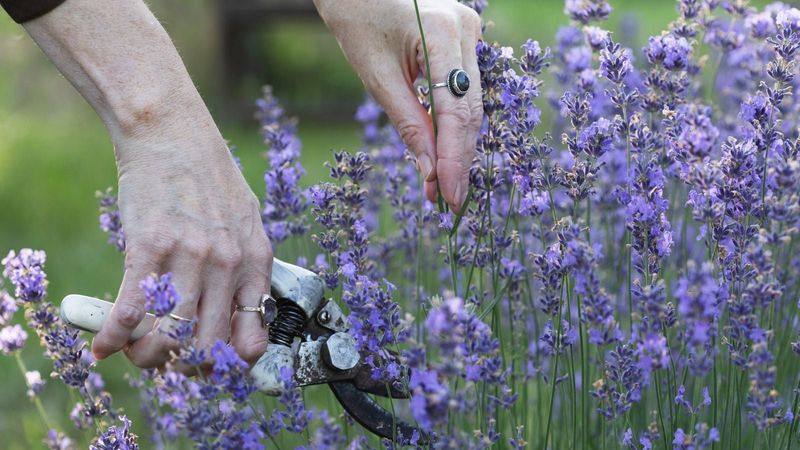
Lavender rewards consistency more than intervention. Once the main bloom period ends and the weather allows, a light shaping cut that removes spent stalks and trims the green growth back toward a rounded mound is a reasonable annual habit.
UC Master Gardeners of El Dorado County and Ask Extension pruning guidance both support this as a way to help preserve compact form and encourage branching from green tissue over time.
Pairing that routine with full sun, fast-draining container media, moisture-based watering decisions, restrained fertilization, and a cultivar suited to your local climate gives the plant its best chance to stay productive. UC IPM’s cultural tips for lavender frame these conditions as the foundation that pruning depends on, not extras to add after the plant recovers.
If your lavender is still underperforming after a season of correct pruning and improved growing conditions, the answer is probably not a harder cut. Go back to the basics: check the light, the drainage, the moisture level, the root health, and whether the cultivar is a reasonable fit for your climate.
A plant that simply cannot thrive where it is will tell you that clearly enough, and sometimes the most practical move is starting fresh with a better-suited variety.