
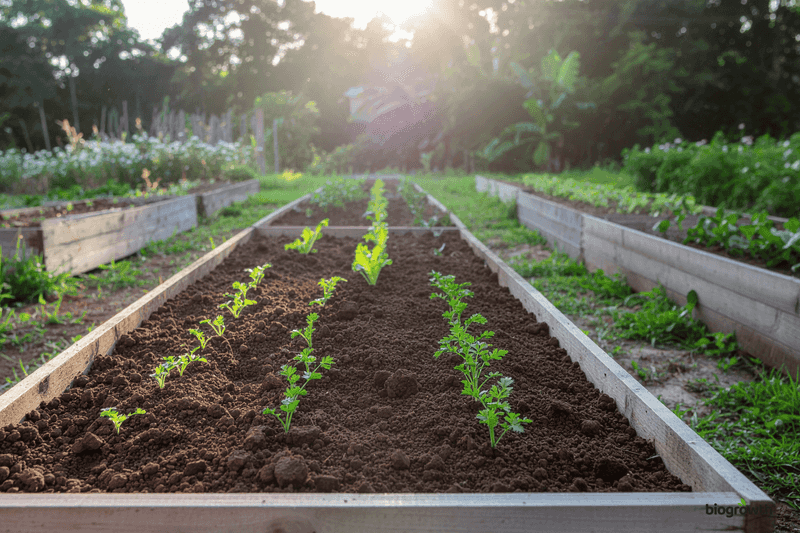
Fall gardening in the South can feel discouraging when your raised beds produce pale, stunted crops season after season. A long summer may have changed your soil in ways that slow fall growth, but heat, watering habits, pests, and timing can cause the same symptoms.
Before you haul in bags of compost or tear out your soil, a quick diagnosis can tell you whether the bed itself is part of the problem. A targeted check and a careful reset may improve your odds of a stronger fall harvest when soil conditions are actually to blame.
First, determine whether soil is actually the problem
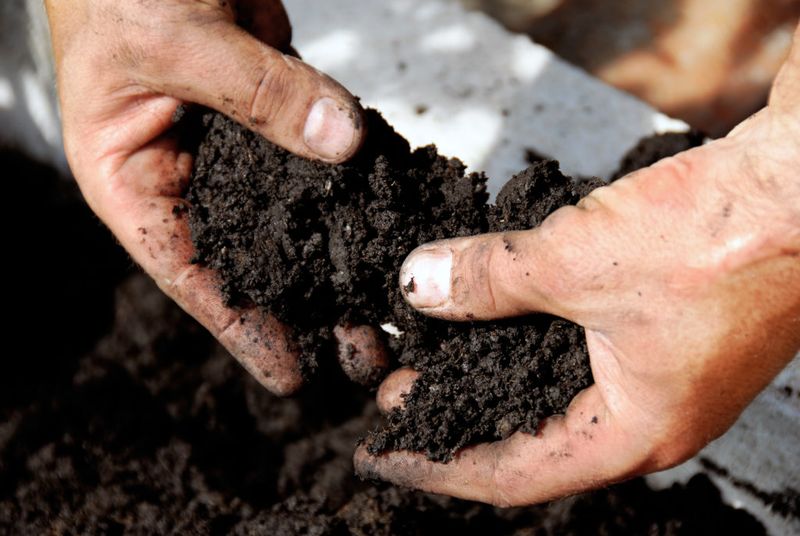
Yellowing leaves, stunted seedlings, and weak growth are frustrating signals, but they are clues rather than a diagnosis. Texas A&M AgriLife Extension lists low fertility, poor drainage, compaction, disease, insects, temperature, and fertilizer injury as separate causes of the same pale or stunted appearance.
Soil conditions may or may not be responsible, and treating the wrong problem can make things worse.
A summer of heavy watering and crop production can reduce available nutrients or allow salt to build up from repeated fertilizer and compost applications. At the same time, repeated additions can leave a bed overly fertile, where excess phosphorus or another nutrient blocks uptake of something else and creates deficiency-like symptoms.
University of Minnesota Extension research on excess compost and manure confirms that too much of a good thing can injure plants just as surely as too little.
Before touching the soil, walk through a physical inspection. Check leaf color and pattern, stem condition, root health if you pull a plant, soil moisture at different depths, sunlight exposure, and your recent history of fertilizer or compost applications.
In Florida’s sandy soils, UF/IFAS guidance on soil organic matter and water holding notes that drainage, salinity, and limited soil volume can all produce nutrient-deficiency-like symptoms even when nutrients are present. The reset begins with this inspection, not with a dramatic soil replacement.
Clear and inspect the bed before adding anything
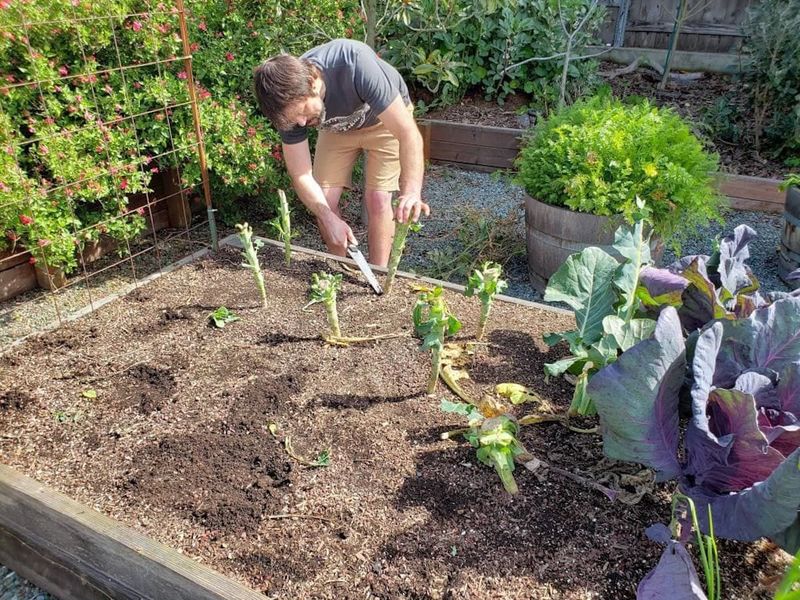
Clearing the bed is the first physical step, and it tells you more than it might seem. Pull out spent crops, weeds, and any fallen debris, then look carefully at what you find.
Texas A&M AgriLife Extension advises removing old plant material from a spring garden and warns specifically against putting residues showing likely insect or disease damage into the compost pile. Diseased stems, spotted leaves, or roots with visible rot should leave the property entirely, not just move to a pile nearby.
Clean residue from healthy plants can be managed differently, but when in doubt, bag it and discard it. Carrying pathogens or pest eggs into a fall crop is a quick way to repeat the problem regardless of how well you amend the soil.
University of Maine Cooperative Extension notes that good sanitation becomes especially important when crop rotation is limited by space, which describes most home raised beds.
Once the bed is cleared, get down and look at the actual soil surface and profile. Check for standing water or slow drainage after a watering, a crusted or settled surface that sheds water instead of absorbing it, exposed roots from previous crops, and a noticeable drop in bed volume from the top of the frame.
Press your fingers into the soil at several spots and note where it feels dense and resistant versus loose and workable. These observations set the agenda for everything that follows.
Let a soil test set the amendment plan

A soil test is the most reliable way to stop guessing. Both University of Georgia Cooperative Extension and Texas A&M recommend testing before preparing a fall vegetable garden, because results show the actual pH, phosphorus, potassium, calcium, magnesium, and micronutrient levels in your bed rather than what you assume is there.
Many university extension labs also test for organic matter and, in some cases, soluble salts, which matters for gardeners in Texas and Florida who irrigate frequently or have used heavy compost and fertilizer inputs.
Collect samples from several spots across the bed, not just the corner that looked worst last season. Mix those samples together before sending them, so the result reflects the whole bed rather than one unusual zone.
When results arrive, read the recommendations alongside the crop you plan to grow next. Add only what the report and your intended crop support, and leave nutrients that are already at adequate or high levels alone.
Adding more phosphorus to a bed that is already high in phosphorus will not help and may interfere with zinc or iron uptake.
If salinity or unusual pH appears in the results, seek local interpretation before acting. Your county extension office can help translate a high soluble-salt reading into a practical response, which may involve leaching, switching irrigation sources, or adjusting inputs rather than adding more amendments.
Testing intervals depend on how intensively you manage the bed: UMN suggests every two to three years for established raised beds, but more frequent testing makes sense after heavy manure, compost, fertilizer, or questionable irrigation inputs have been applied.
Correct the specific problem instead of feeding the whole bed
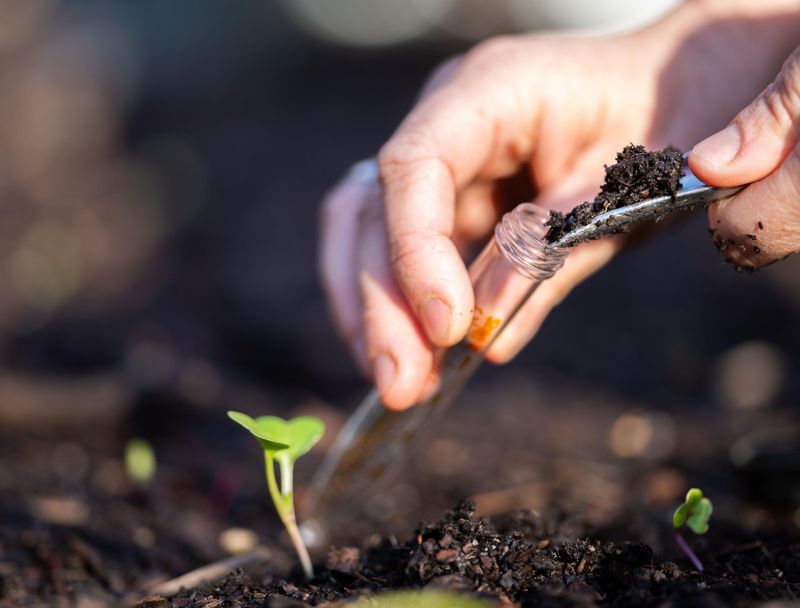
Once you have a soil test report and a physical inspection in hand, the amendment plan becomes much more specific. Texas A&M’s soil preparation guidance supports adjusting inputs based on test results rather than applying a standard recipe to every bed.
If pH is low, add only the lime the report recommends for your crop. If nitrogen is the documented shortfall, apply a modest, targeted fertilizer rather than stacking multiple products at once.
Salinity, poor drainage, and irrigation-water quality each require a different response from simple low fertility. High soluble salts may call for leaching with clean water and reducing future inputs, not adding more fertilizer.
Slow drainage may point to compaction or a structural issue with the bed itself rather than a nutrient gap. Oregon State University Extension’s compost guide notes that compost’s fertilizer value is relatively low compared with concentrated fertilizers, so relying on compost alone may not meet the needs of heavy-feeding fruiting crops even when the compost is high quality.
Raised beds can be a real advantage where puddling or flooding threatens roots, but UF/IFAS soil preparation guidance points out that elevated beds in Southern conditions may also dry out faster than surrounding ground, putting extra pressure on irrigation consistency. If excess nutrients are documented by your test, UMN’s guidance on excess compost and manure notes that reducing or eliminating inputs for a season may be the most productive action.
Avoid the temptation to treat an unknown with a generic amendment like gypsum, which addresses specific sodium-affected or soil-chemistry conditions, not general poor growth.
Use modest mature compost and targeted loosening
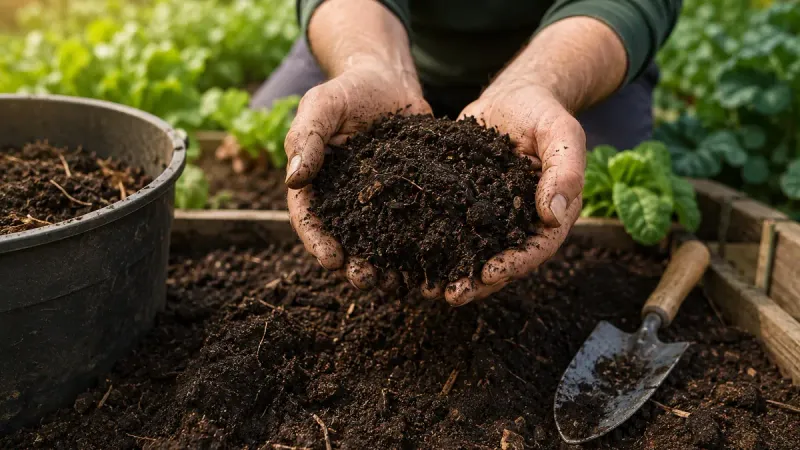
For an established bed that has settled noticeably or shows genuinely low organic matter on the test, a modest top-dressing of finished compost is a reasonable response. Oregon State University Extension recommends roughly one-quarter to one inch of compost annually for existing vegetable beds, which is far less than the thick layers sometimes suggested online.
The goal is to maintain and gradually improve soil rather than to rebuild it from scratch each year.
Compost quality matters as much as quantity. Finished, mature compost should smell earthy and have a crumbly texture with no recognizable original materials.
Ammonia or sulfur odors can mean incomplete processing, and incompletely treated material can injure seeds and roots or introduce pathogens. OSU’s guide to interpreting compost analyses explains that soluble-salt content varies significantly by feedstock, with manure- and mushroom-based composts often running higher than plant-based products.
If your bed already has a salt concern, choose a plant-based compost with a known salt level.
Pair any compost addition with a targeted check for compaction. Push a garden fork into the soil at several spots and feel for resistance.
Loosen only the zones that resist root penetration or hold water poorly, and work only as deeply as the problem requires. UMN’s raised-bed guidance and University of Maine’s raised-bed rotation advice both favor maintaining established soil rather than aggressive annual overturning, which can disturb soil structure and introduce new weed seeds.
Avoid shortcuts that can damage the bed
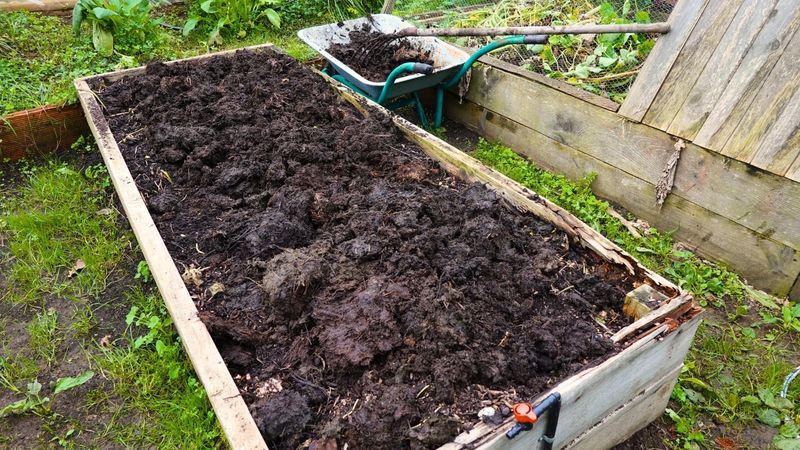
Several popular shortcuts can make a struggling bed worse rather than better. Thick compost applications, filling an established bed entirely with compost, and automatic fertilizer added at the first sign of yellowing are all common responses that can accumulate phosphorus, raise soluble salts, impair water movement through the soil, and produce root injury.
UMN’s raised-bed guidance specifically warns that repeated heavy compost applications can cause salt buildup and root damage, and that compost-only beds are not appropriate for framed raised beds.
Annual soil replacement is another shortcut that extension guidance does not support as a routine practice. Discarding established soil removes biology that took time to develop, and the replacement material may carry new weeds, pathogens, or unknown inputs.
UMN’s excess compost and manure guidance reinforces that more is not better once a bed has been established and amended over multiple seasons.
Raw or incompletely treated manure carries food-safety risks that processed commercial compost does not. Penn State Extension’s home garden food-safety guidance explains that raw manure can harbor pathogens and should not be applied to food gardens within the applicable preharvest interval.
Follow product instructions and applicable food-safety guidance for any manure-based input, and distinguish those precautions from the use of fully processed commercial compost. Routine deep tilling and universal gypsum applications round out the list of shortcuts to skip: neither addresses the root cause unless the specific problem has been confirmed by inspection or testing, and OSU’s compost guide supports a restrained, evidence-based approach over blanket treatments.
Protect the reset while fall crops establish
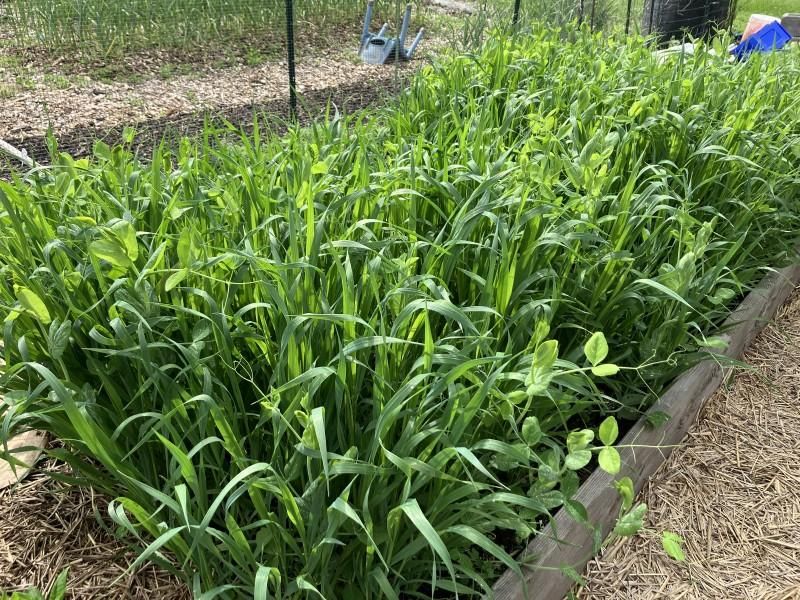
After clearing, inspecting, testing, and making targeted corrections, the next priority is keeping the bed in good shape while fall crops take hold. Mulch applied to unused or newly prepared sections helps hold moisture, moderate soil temperature, and reduce erosion between crops.
For beds that will sit empty for a few weeks before planting, a locally suitable cover crop can protect the surface and add organic matter when incorporated later.
UGA Cooperative Extension notes that cover crops can hold soil and reduce erosion, and that species and termination timing should fit the local climate and the next planting date. Southern gardeners need to terminate a cover crop early enough that it does not compete with fall transplants or leave heavy residue that slows soil warming.
Check with your county extension office for locally recommended species and timing.
Crop rotation, where space permits, reduces the buildup of crop-specific pathogens and pests. University of Maine Cooperative Extension points out that sanitation becomes especially critical when space limits full rotation, so thorough debris removal carries even more weight in small beds.
Once fall crops go in, Texas A&M AgriLife Extension emphasizes that heat during establishment is a real stressor for Southern fall plantings. New seeds and transplants need prompt, consistent watering, and established plants generally need about one to two inches of water per week, adjusted to actual conditions rather than a fixed schedule.
A targeted reset improves conditions without promising a cure
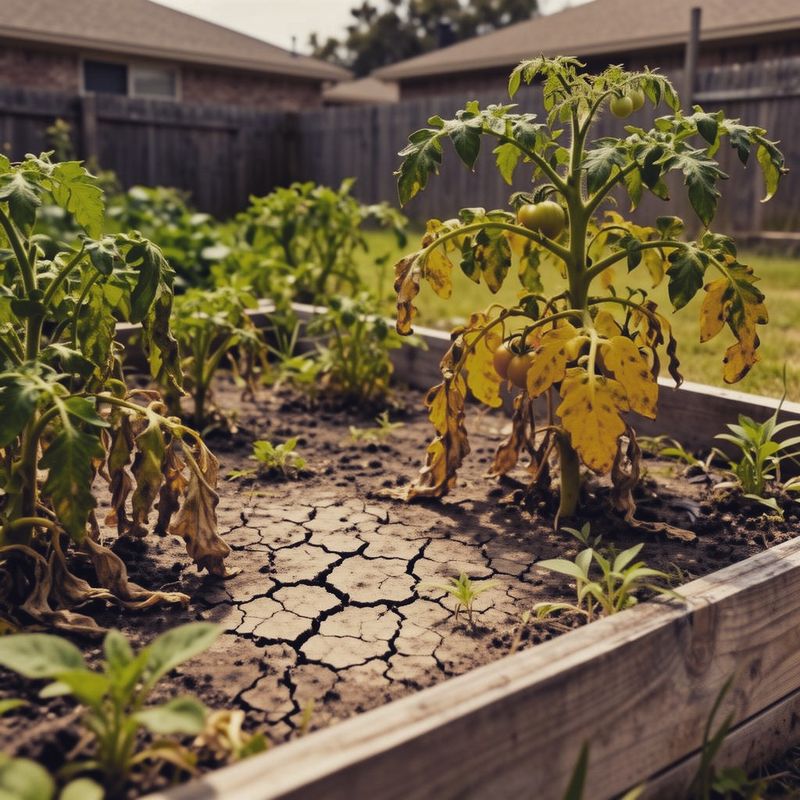
The process outlined here, clearing debris, inspecting for compaction and drainage, running a soil test, correcting only documented deficiencies, adding a modest layer of mature compost where justified, loosening compacted zones, and protecting the surface, gives struggling fall crops a better chance when soil is actually part of the problem. University of Maine Cooperative Extension supports maintaining established raised beds with targeted care rather than wholesale annual rebuilding.
If crops still struggle after a careful reset, the soil may not be the limiting factor. Check planting dates against your local frost window, review irrigation consistency, scout for pests and disease, confirm sunlight hours, and match crop variety to fall conditions.
Texas A&M AgriLife Extension is direct that heat, timing, and other non-soil factors can limit performance even in well-prepared beds. A good soil reset narrows the list of suspects; it does not eliminate every other possibility.