
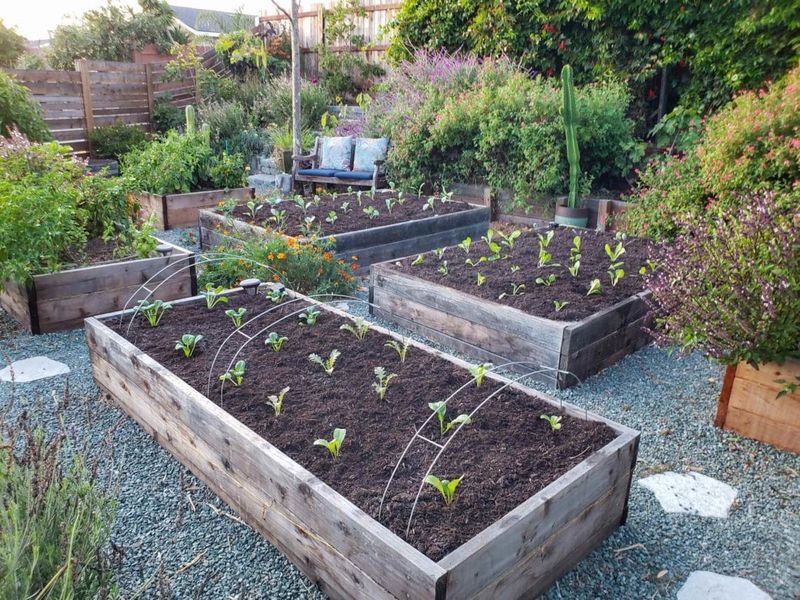
Plenty of gardeners in Florida and Texas have stood over a raised bed that just stopped cooperating – plants that look pale, yields that have dropped off, and no obvious reason why. The honest answer is that there is no magic set of three ingredients guaranteed to fix every bed, because the real cause could be anything from too little sun to too many of the same crops planted season after season.
What does exist is a reliable process: find out what is actually wrong, run a soil test, and then apply only what the evidence says the bed needs. That approach saves money, protects plants, and gets more food out of the same bed without tearing it apart.
Before adding anything, find out why production declined
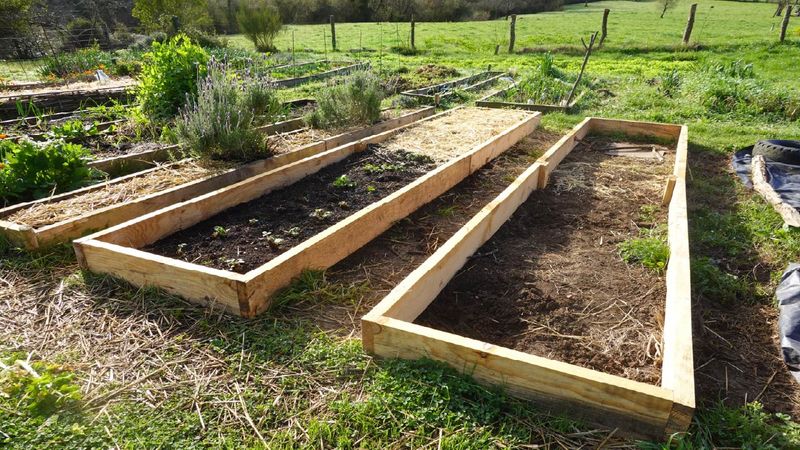
A raised bed that stops producing is not automatically a soil problem. Before reaching for a bag of fertilizer or a bucket of compost, spend a few minutes walking through the most common non-soil causes, because adding amendments to a bed with the wrong diagnosis will not help and can sometimes make things worse.
Start with light. Most vegetables need at least six to eight hours of direct sun, and a tree or structure that grew taller over the past few seasons can quietly steal that exposure.
Then check water. UMN Extension notes that raised beds dry out faster than surrounding ground, especially taller ones, so inconsistent irrigation is a frequent hidden cause of poor performance.
Press your finger two inches into the soil between waterings to see whether the bed is staying consistently moist or swinging between wet and bone dry.
Next, look at drainage and compaction. If water pools after rain or the soil feels hard and dense, roots cannot develop properly regardless of nutrient levels.
Pull a plant or two and examine the roots for discoloration, stunting, or galling, which can signal root-knot nematodes. In Florida, UF/IFAS nematode management guidance identifies root-knot nematodes as a serious raised-bed concern that soil amendments alone cannot reliably solve.
Finally, review what you planted and where. Penn State Extension explains that repeating crops from the same plant family in the same bed season after season encourages shared diseases and pests.
Tomatoes, peppers, eggplants, and potatoes share problems with each other, as do cucumbers, squash, and melons. Rotating families is a practical, no-cost intervention that fertilizer cannot replace.
Use a soil test to replace the word “tired” with evidence
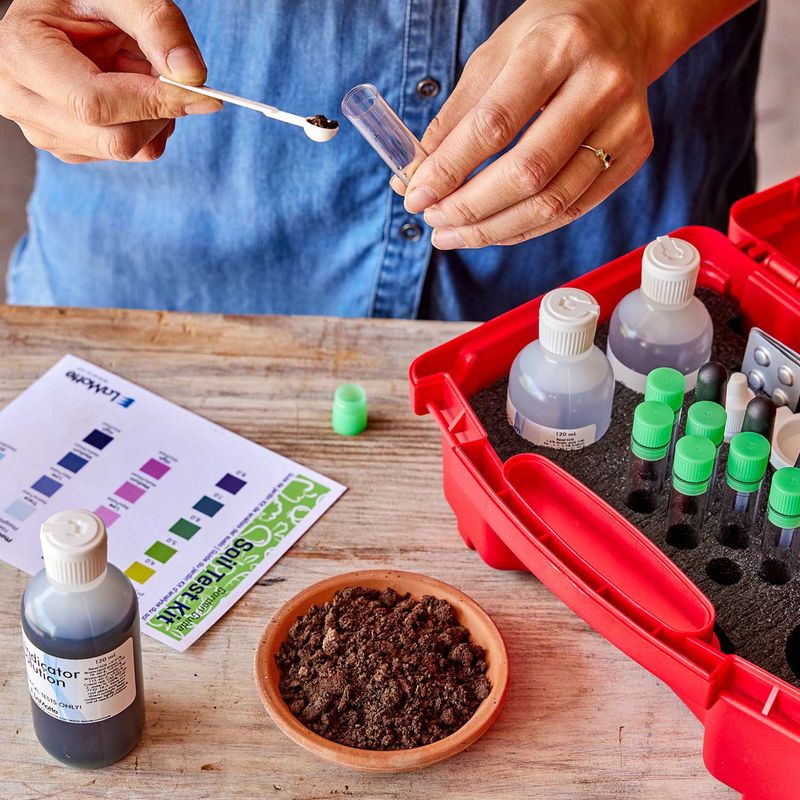
“Tired soil” is a feeling, not a diagnosis. A soil test turns that feeling into actual numbers: pH, available nitrogen, phosphorus, potassium, and sometimes calcium, magnesium, and soluble salts.
Those numbers tell you whether the bed needs an amendment, which amendment, and roughly how much. Without them, any addition is a guess.
For established raised beds, UMN Extension recommends testing every two to three years and applying compost, fertilizer, and other inputs based on the results rather than on a fixed schedule. Testing is especially valuable when yields have dropped, because the cause might be a nutrient deficiency or it might be the opposite: excess phosphorus, potassium, or soluble salts that interfere with plant uptake and mimic deficiency symptoms.
Florida gardeners have a specific step to take before ordering a test. UF/IFAS soil-testing guidance recommends requesting the landscape and vegetable garden test rather than a commercial crop test, because commercial recommendations are calibrated for farm-scale production and may not translate well to a home bed.
Your county extension office can direct you to the correct form and the appropriate lab.
Once results arrive, read the recommendations before purchasing anything. UF/IFAS soil preparation guidance for vegetable gardens and UMN research on excess compost and manure both make the same point: adding more of a nutrient that is already adequate or high can create new problems.
A test result that shows adequate phosphorus is a reason not to add a phosphorus-heavy amendment, not an invitation to add one anyway.
Add mature compost only when the bed needs organic matter
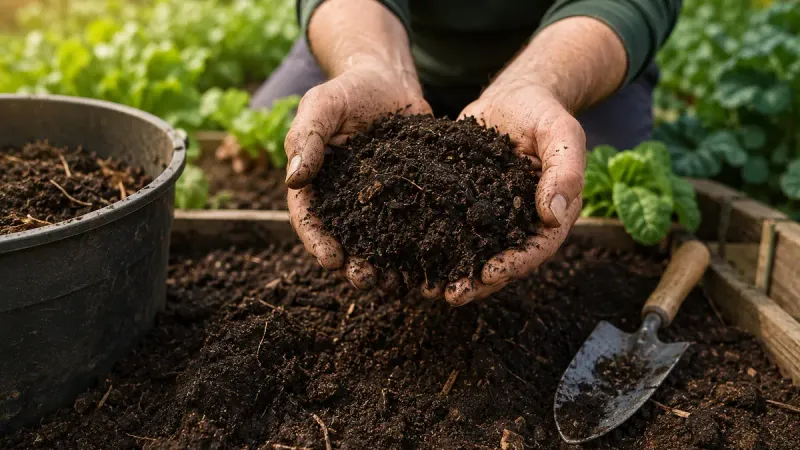
Finished compost is genuinely useful, but it belongs in the category of conditional inputs, not automatic ones. When a soil test or physical assessment shows that a bed has lost structure, drains poorly, or holds water unevenly, adding mature compost can help.
When the bed already has adequate organic matter or the existing mix is already heavy with fine material, adding more can worsen the problem rather than fix it.
What mature compost can do for soil structure is well-documented. USDA NRCS identifies organic matter as a major contributor to soil structure, water infiltration, nutrient storage, and biological activity.
In practical terms, that means a bed with good organic matter levels tends to drain without waterlogging, hold moisture without staying soggy, and provide a biological environment where nutrients cycle more reliably. Those are real benefits, but they are improvements to conditions, not a guarantee of higher yields.
Compost nutrient content varies substantially depending on what went into it and how it was processed. A batch made from yard trimmings and food scraps will have a different nutrient profile than one made from wood chips or one that is primarily manure-based.
Penn State’s raised-bed soil health guidance notes that a commonly recommended bed mix includes quality topsoil as the primary component with a smaller compost fraction, not a bed filled entirely with compost.
Soil texture matters here. UMN Extension and Texas A&M AgriLife both emphasize well-composted organic matter over fresh material and caution that poor-quality or overly fine mixes can create water-management problems.
If your bed was originally built with too much compost or low-grade topsoil, the fix may involve improving structure gradually rather than simply adding more of the same material.
Keep compost and manure within safe, measured limits
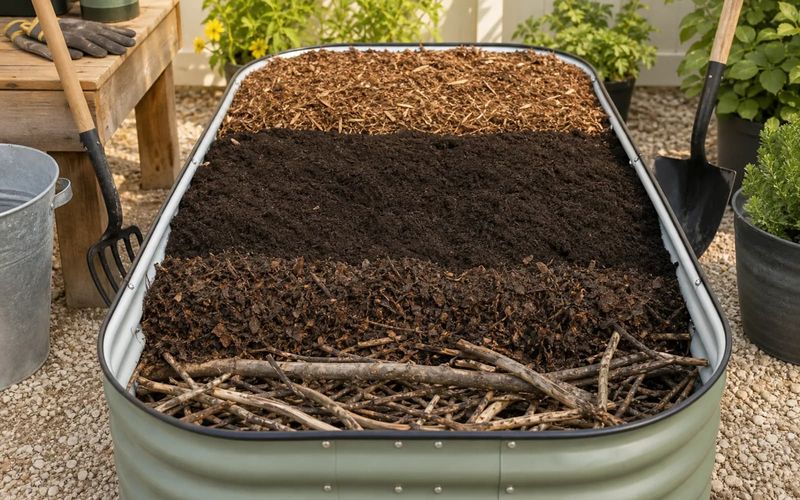
More compost is not always better, and that is especially true of manure-based products. UMN Extension research on excess compost and manure shows that repeated or heavy applications can raise phosphorus, potassium, calcium, alkalinity, and soluble salts to levels that stunt plants or create apparent nutrient deficiencies even when the soil looks rich.
A bed that has received generous compost top-dressings every season for several years may already have too much of certain nutrients, not too few.
Extension sources give different application examples, and the differences are meaningful. Penn State recommends roughly a quarter-inch application every few years when compost has not been analyzed, while Utah State Extension suggests about one inch incorporated before planting in many garden situations.
Neither number is a universal prescription. The right amount depends on your existing soil, the compost’s nutrient content, your climate, and what a soil test shows.
For edible beds specifically, the material must be mature and finished, not just aged. Aging is not the same as controlled composting.
UMN food-safety guidance on animal-based compost explains that improperly composted animal materials can still harbor pathogens, and that food-safety practices around harvest intervals apply when the composting process is uncertain.
Fresh manure, pet waste, and inadequately composted manure have no place in a vegetable bed. UGA Extension’s home garden manure guidance warns that fresh manure can burn plants, introduce weed seeds, and add excess nitrogen and salts.
Penn State’s food-safety guidance for home gardens reinforces that contamination risk from improperly handled animal materials is a genuine concern for edible crops. When in doubt about the source or processing history of an animal-based product, leave it out of the vegetable bed.
Choose fertilizer for the crop and the test results
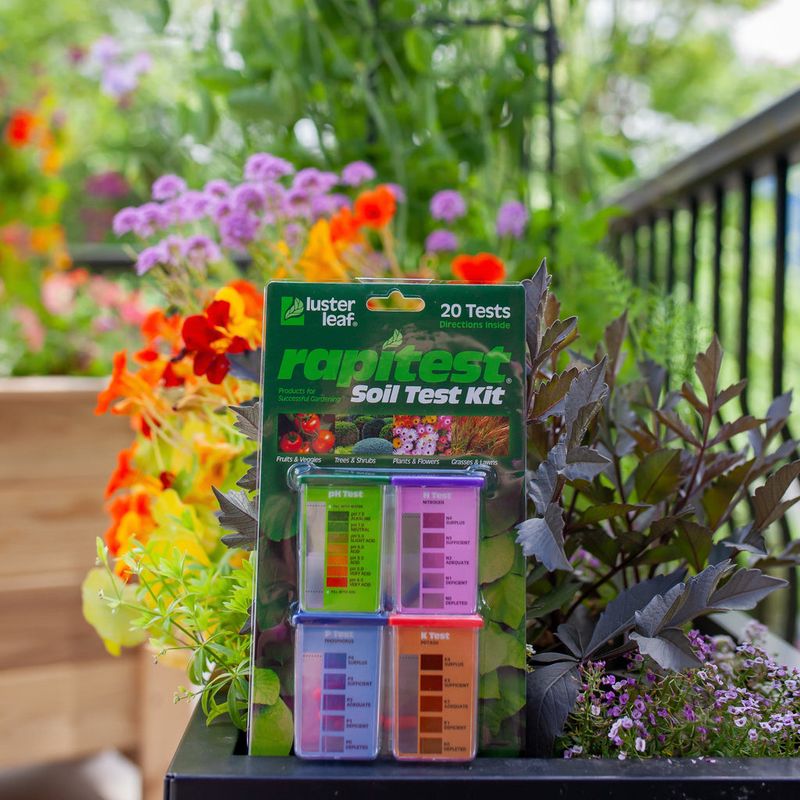
Fertilizer works best when it answers a specific question: what does this crop need that this soil is not currently supplying? That question cannot be answered without a soil test, and it cannot be answered the same way for every crop.
Tomatoes have different nitrogen demands than beans, and a sandy Florida bed leaches nutrients differently than a heavier Texas soil.
Texas A&M AgriLife’s vegetable gardening guide notes that fertilizer needs vary by soil type and crop, and that sandy soils generally call for lighter, more frequent applications rather than a single large dose. That guidance reflects how quickly nutrients move through fast-draining soils, but it is not a reason to apply more fertilizer overall.
Lighter and more frequent means smaller amounts spread across the season, not higher total rates.
When a soil test is genuinely not available, Penn State Extension identifies 1.75 pounds of 10-10-10 per 100 square feet as a general fallback option, while immediately noting that phosphorus and potassium may already be adequate or excessive in an established bed. Treat that number as a last resort, not a starting point.
The same source explains how to translate a soil test recommendation into the actual product on your shelf, which is more useful than any generic rate.
Match the product to the crop’s growth stage and the label’s directions. UF/IFAS nutrient stewardship guidance for Florida vegetable production emphasizes matching rates to soil condition, crop, and growth stage rather than applying the same amount regardless of context.
A nutrient calculator like the UMN vegetable crop nutrient management calculator can help translate test results into practical application amounts for common crops.
Use lime or sulfur only to correct a tested pH problem
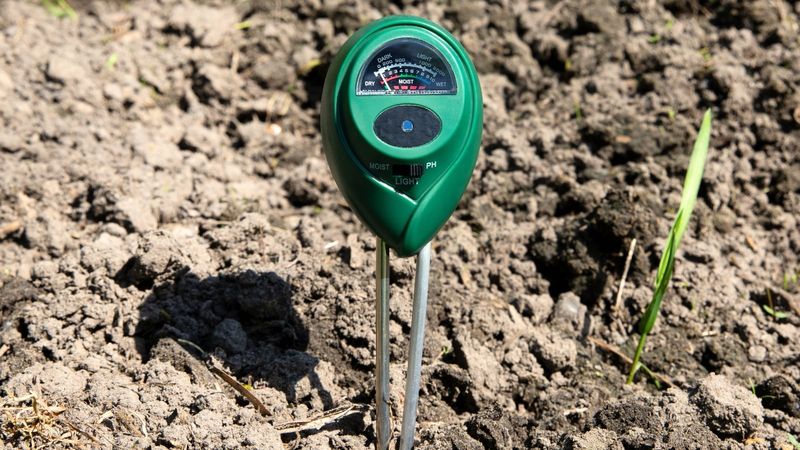
pH affects how well plants can access nutrients that are already in the soil. When pH is off, plants can show deficiency symptoms even in a bed with adequate nutrient levels, because the chemistry is wrong for uptake.
That is why pH correction matters. It is also why applying lime or sulfur without testing first can create exactly the problem you were trying to solve.
Lime raises pH and supplies calcium. Sulfur lowers it.
Neither is a routine soil booster. UF/IFAS soil preparation guidance for vegetable gardens recommends lime only when a test shows the need to raise pH, and notes that adding lime to already-alkaline soil worsens nutrient availability problems.
UF/IFAS guidance on soil pH management treats sulfur the same way: a targeted correction for documented acidity problems, not a preventive measure.
Most vegetables perform well in mildly acidic to near-neutral soil, but the precise target varies by crop and by the source you consult. UF/IFAS vegetable crop guidance gives ranges that shift by species, so match the target to what you are growing rather than picking one number for the whole bed.
Two popular home remedies deserve a direct answer here. Epsom salt should not be applied routinely to tomatoes, peppers, or any raised bed.
Oregon State Extension’s review of common gardening myths explains that magnesium sulfate helps only when a soil test confirms a magnesium deficiency; used otherwise, it can harm plants. Eggshells are not a fast or reliable fix for blossom-end rot or calcium shortages.
Texas A&M’s vegetable gardening guide links blossom-end rot primarily to uneven moisture and excessive nitrogen, not to a calcium deficit that household eggshells could quickly address.
Manage water, mulch, roots, and rotation alongside soil inputs
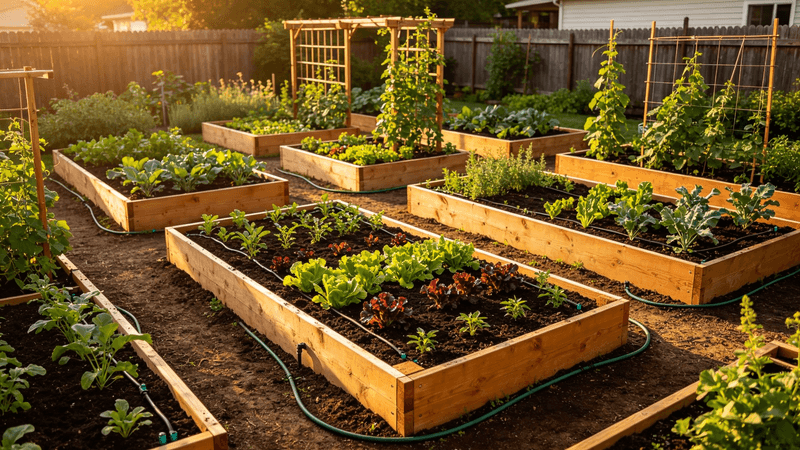
Soil amendments work inside a larger system, and that system includes water, mulch, root health, and planting choices. Getting the amendments right while neglecting the rest of the system will not restore full productivity.
Raised beds require specific attention to water because they lose moisture faster than in-ground beds, particularly when the sides are tall or the bed is in full sun.
UMN Extension recommends watering near the soil surface and notes that raised beds need more frequent irrigation than surrounding ground. Drip lines or soaker hoses placed at the soil level deliver water where roots need it and reduce evaporation.
A consistent schedule matters more than any single watering event, because plants that swing between drought stress and oversaturation will underperform regardless of fertility.
Surface mulch helps hold that moisture and moderate soil temperature. Texas A&M AgriLife soil preparation guidance and Utah State Extension raised-bed research both distinguish between surface mulch and incorporating undecomposed wood, sawdust, or other high-carbon material into the root zone.
Uncomposted sawdust or raw wood chips mixed into the soil can temporarily tie up nitrogen as they break down, leaving plants deficient even after fertilization.
Crop rotation is a practical, no-cost tool that soil amendments cannot replace. Penn State Extension’s crop rotation guide recommends moving plant families to different beds or sections each season to break pest and disease cycles.
When a plant wilts despite adequate water or shows stunted growth that does not respond to fertilizer, investigate roots and soil pests before adding more inputs. In Florida especially, UF/IFAS nematode identification and management guidance describes how root-knot nematodes can devastate raised-bed crops in ways that no amendment program will fix without addressing the nematode population directly.
Follow a measured recovery sequence before replacing the bed
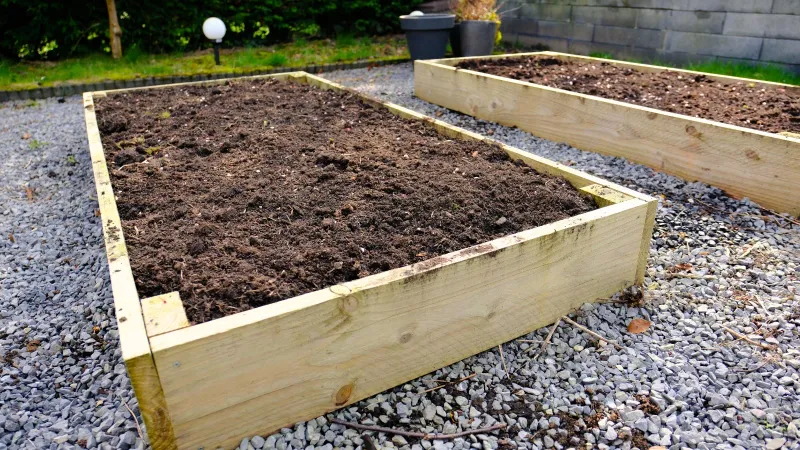
Recovery starts with observation, not shopping. Walk through the bed before the next planting season and check sunlight hours, drainage after rain, compaction, root condition, and crop history.
Those observations will shape every decision that follows and may reveal a non-soil cause that amendments cannot address.
After that inspection, collect a representative soil sample from several spots across the bed and submit it to the appropriate lab. Florida gardeners should request the landscape and vegetable garden test as UF/IFAS soil preparation guidance recommends.
When the report arrives, follow its specific recommendations rather than defaulting to a standard amendment package. Add mature, finished compost only if the bed shows a genuine need for improved structure or organic matter.
Apply fertilizer only for nutrient deficits the test identifies, matched to the crop and the product label. Correct pH with lime or sulfur only when the numbers say the bed needs it.
Gradual correction is usually the right pace. Texas A&M AgriLife notes that poor soil conditions may take several years to fully improve, and UMN Extension warns that overcorrecting with amendments creates new imbalances.
Full bed replacement is worth considering only in cases of severe contamination, persistent soilborne disease that has not responded to rotation, extreme salt buildup, or a fundamentally unsuitable original mix. For most declining beds, the path back is a diagnostic one: find what the bed actually lacks, supply only that, and let the system respond before adding anything else.