
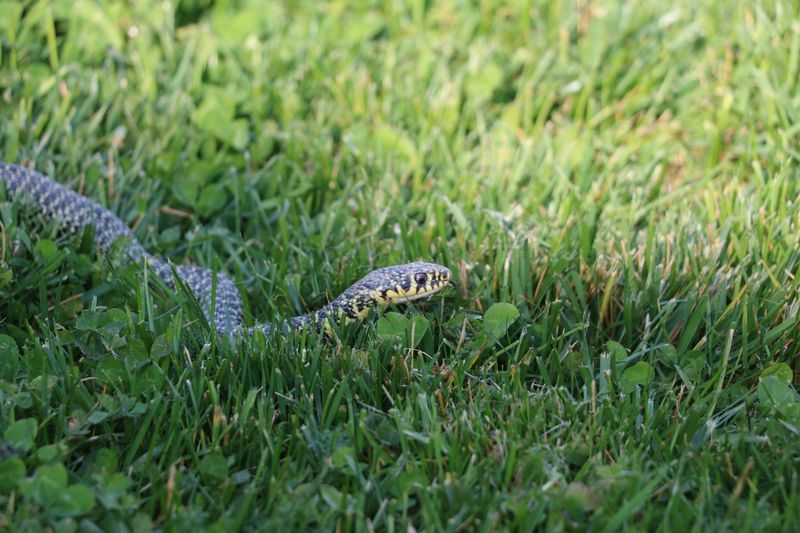
Spotting a snake in your yard can send your heart racing, but one sighting rarely tells the whole story. Most snakes are passing through rather than setting up permanent residence, and the yard features that give them a reason to pause are often ones you can actually change.
Understanding what draws snakes closer to your home, and what does not, helps you make smarter decisions than grabbing a shovel or buying a product that will not work. The goal here is fewer surprise encounters, not an impossible promise of a snake-free yard.
A snake sighting does not mean your yard is hosting snakes
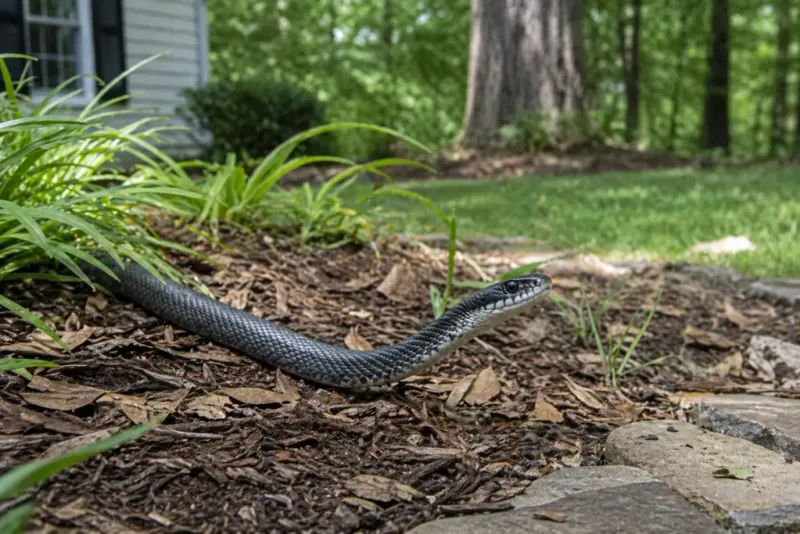
Seeing a snake cross your lawn on a Tuesday morning does not automatically mean a family of them has taken up residence under your deck. University of Georgia Extension notes that a snake found in an area with little cover or food is likely just moving through, and that is especially true for yards near woods, wetlands, ponds, drainage corridors, or undeveloped fields.
Snakes travel to find food, mates, and suitable shelter, and your property may simply be on the route.
Species also behave very differently from one another. A peer-reviewed southeastern U.S. study found substantial differences among snake species in their relationships with forest, grassland, scrub, and other landscape types, meaning there is no single yard feature that draws every species equally.
Some snakes are strongly tied to forested edges, others to open grassland, and still others to wetland margins.
The practical framing that wildlife agencies use is worth adopting: yard features may provide cover, favorable temperatures, moisture, or prey for snakes, but they do not act like magnets pulling every snake in the region toward your property. UF/IFAS Extension is clear that complete exclusion from a yard is difficult and expensive, and that the realistic, achievable goal is reducing encounter opportunities rather than eliminating every snake from the landscape.
Clear the ground-level places snakes can use for cover
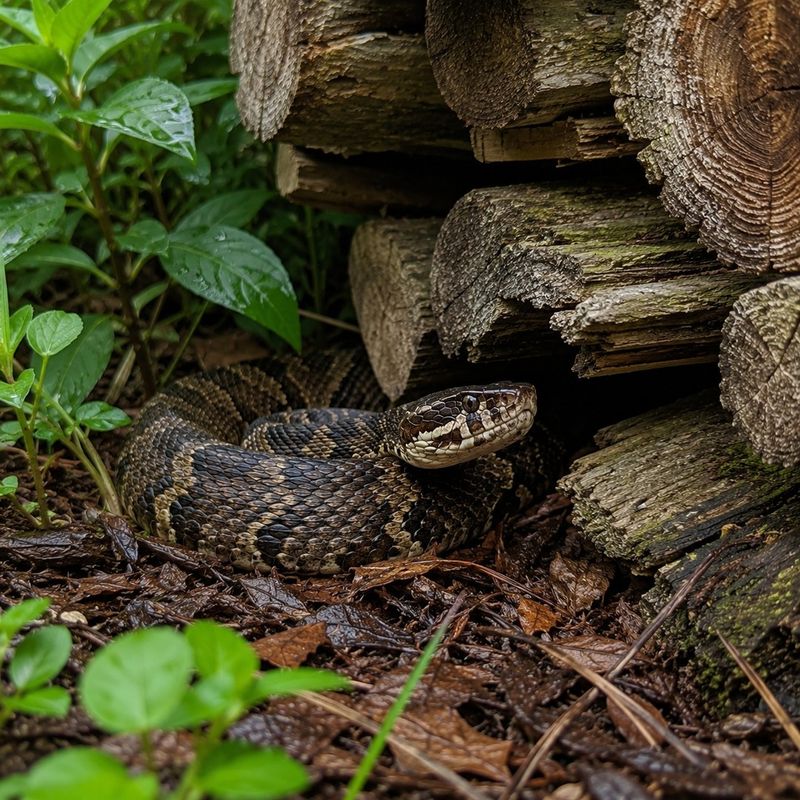
Ground-level clutter is one of the most consistent factors that wildlife agencies point to when discussing snake encounter reduction. Brush piles, rock piles, stacked firewood, loose lumber, fallen logs, old boards, overturned buckets, tarps, and general yard debris all create the kind of low, sheltered spaces that snakes can use to rest, regulate body temperature, or wait for prey to pass nearby.
Texas Parks and Wildlife specifically recommends eliminating rock and brush piles near homes and storing lumber, woodpiles, and debris at least 18 inches above the ground. Raising stored material off the ground removes the ground-level gap that makes those spots useful as retreat sites.
UF/IFAS Extension similarly recommends keeping brush piles and wildlife habitat features away from buildings and children’s play areas, rather than stripping every corner of the property.
The distinction matters: the aim is not to sterilize the yard but to move dense cover away from the spots where encounters are most unwelcome. Firewood still needs to be stored somewhere, so keep it neat, raised, and away from the back door and the swing set.
Removing unnecessary debris entirely is better than relocating it a few feet, but even moving a brush pile to the far edge of the property reduces the chance that a snake will settle in a spot where your family regularly walks.
Manage vegetation where people need clear sightlines

Tall grass and overgrown shrubs near your home do two things that matter for snake encounters: they make it harder for you to see what is there, and they provide the kind of low, shaded cover that snakes and small rodents both use. UF/IFAS Extension recommends mowing grass regularly and trimming shrubs and branches away from the house, while relocating brush piles or dense habitat features away from buildings and children’s play areas rather than removing all vegetation from the entire property.
The goal is clear sightlines in the places where your family spends time: around the back door, along walking paths, near the patio, and around play equipment. A dense hedge against the foundation is harder to inspect than one pruned back a foot or two.
Overgrown grass along a fence line where kids cut through is a different concern than tall native plantings at the far edge of the yard.
Ponds and wet areas require a more careful approach. Some snake species that eat frogs, small fish, or other amphibians may be more commonly found near water with abundant prey, but mowing all the way to the waterline is not recommended.
Removing that edge vegetation can harm frogs, turtles, and nesting birds, and it does not eliminate the water feature itself as habitat. A practical middle ground is keeping the immediate path and sitting area near a pond clear while leaving the bank itself intact.
Reduce the food and shelter conditions that support prey
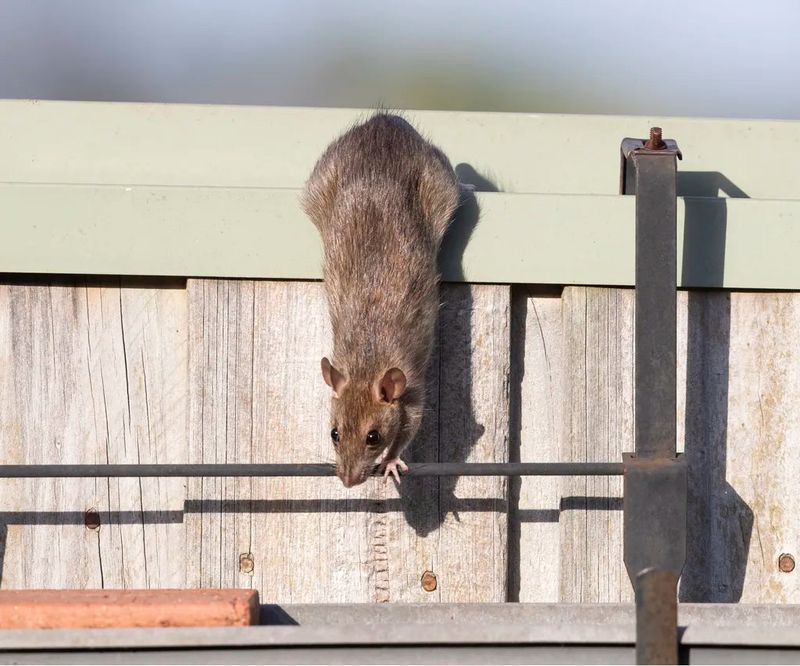
Snakes do not come running when they smell your bird feeder. The connection is more indirect than that: spilled birdseed, outdoor pet food, unsecured garbage, and food scraps left on the ground can support mice, rats, voles, and other small animals, and rodents are an important prey source for many snake species.
Reducing the food and shelter conditions that support prey is a reasonable step, though it is not a guarantee that snakes will stop crossing your property.
Texas Parks and Wildlife and CDC wildlife guidance both recommend securing garbage, avoiding leaving pet food outside overnight, and cleaning up food scraps that could support rodent activity. University of Georgia Extension also lists rodent reduction as one of the practical steps homeowners can take to make a property less favorable for snakes.
Rodents are one important example, not the whole picture. Some snakes eat frogs, lizards, insects, fish, or other prey, so removing rodent food sources alone will not address every species.
Brush and debris that shelter rodents near the house overlaps with the clutter-removal advice above, which is worth noting: clearing ground-level debris reduces shelter for both snakes and the animals they eat. UF/IFAS frames these steps as making a property less favorable rather than snake-proof, which is the honest and accurate way to set expectations.
Block access to houses, garages, and crawl spaces

Sealing gaps around your home’s foundation, doors, and utility openings is a separate task from managing the yard, and the two accomplish different things. Outdoor encounter reduction depends on cover and prey management; keeping snakes out of structures depends on closing the physical openings they can use to get in.
Both are worth doing, but one does not substitute for the other.
Mississippi State University Extension recommends closing any opening larger than approximately one-quarter inch, since that is enough space for a small snake to pass through. Caulk works well for narrow cracks around windows and door frames; mortar or hydraulic cement suits foundation gaps; hardware cloth or sheet metal is appropriate for larger openings around pipes, vents, and crawl space entries; and expanding foam can fill irregular gaps around wiring and utility conduits.
Texas Parks and Wildlife also points to open drainpipes and utility openings as entry points worth addressing.
Walk the exterior of your home and look low: the gap under a garage door that does not fully seal, the space around a dryer vent, the crack where a pipe enters the foundation, and the crawl space vent with a missing or damaged screen are all worth fixing. These repairs protect the interior of the home, which is a clear win regardless of what is happening in the yard.
A snake that cannot find a gap to enter a structure must stay outside, where it is far easier to give it space and let it move on.
Clean and inspect the yard without creating a bite risk
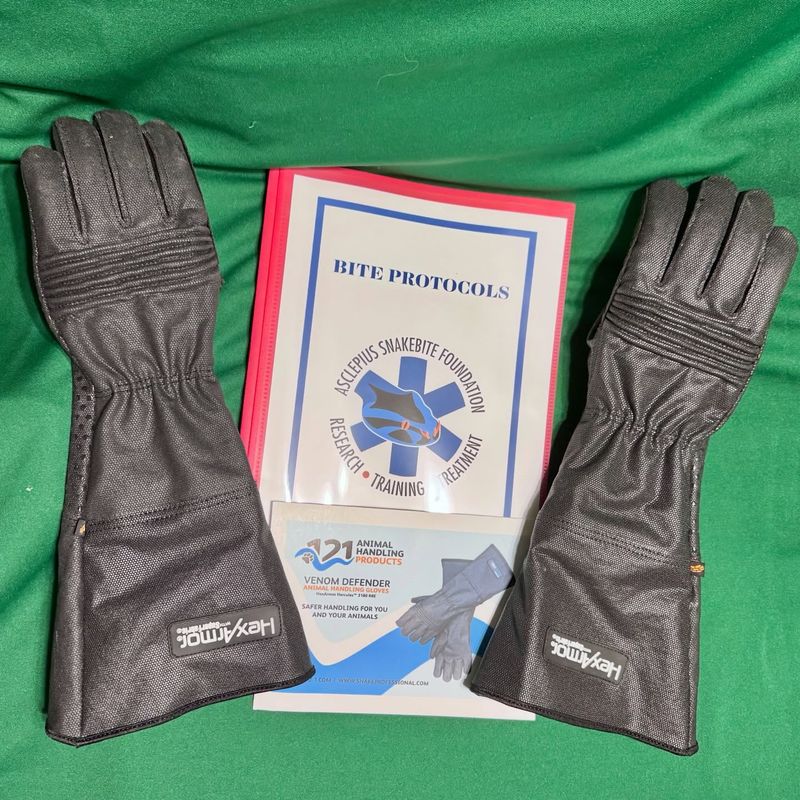
Clearing debris and trimming vegetation are the right moves, but how you do it matters as much as what you remove. Snakes that are resting under boards, tarps, logs, or dense shrubs are not going to announce themselves, and reaching in without looking first is how bites happen during routine yard work.
Texas Parks and Wildlife venomous snake safety guidance recommends using a flashlight when working at night or in low-light areas, and using a tool to move objects rather than bare hands when you cannot see what is underneath.
Wear sturdy, closed-toe footwear whenever you are working near debris, dense ground cover, or vegetation along fences and building edges. Before lifting a board or rock, use a stick or rake handle to shift it slightly and give any snake underneath a chance to move away.
TPWD hunter education guidance notes that looking before placing hands or feet in concealed spaces is a basic habit that reduces encounter risk significantly.
When you spot a snake during cleanup, do not try to identify it using color, head shape, or the assumption that a black snake must be harmless. Those shortcuts are unreliable across the Southern U.S.
UF/IFAS guidance on Florida venomous snakes and Florida Museum of Natural History resources both point readers toward regional identification tools and qualified wildlife professionals rather than broad visual rules. If you cannot identify the snake with confidence, treat it as unidentified and give it space.
Give an outdoor snake space and get help indoors
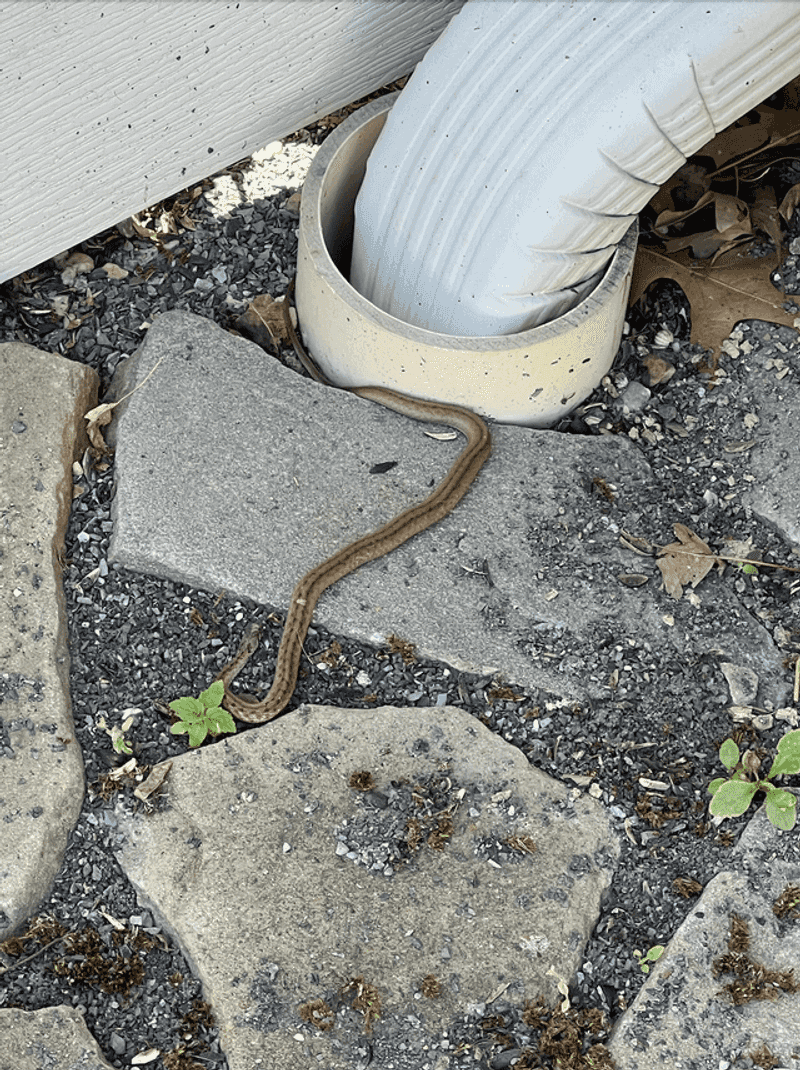
When a snake appears in the yard and you cannot identify it with certainty, the safest response is straightforward: keep children and pets away, give the snake room to move, and wait. Most snakes encountered in residential settings are not looking for a confrontation.
Florida Museum of Natural History notes that biting is typically associated with handling, cornering, or threatening a snake, not with simply sharing the same yard. A snake given space will usually move on within a few minutes.
Chasing, trapping, or attempting to kill the snake raises your risk considerably and does not address the cover, prey, or access conditions that another snake could use later. CDC wildlife guidance specifically advises against chasing or killing snakes.
If a snake enters your home, garage, shed, or crawl space, call animal control or a licensed wildlife professional rather than attempting removal yourself.
Bites do happen, and the response matters. If someone is bitten, move them away from the snake immediately.
Keep the person as calm and still as possible to slow the spread of any venom. Seek emergency medical care right away, and do not use a tourniquet or attempt to suck out venom.
TPWD safety guidance reinforces that prompt professional medical attention is the correct priority, not field treatments that can cause additional harm.
Skip snake repellents and focus on habitat changes
Hardware store shelves carry plenty of products claiming to keep snakes away, and the internet offers even more remedies from sulfur and cayenne to predator urine and coiled rope. None of these have held up under testing.
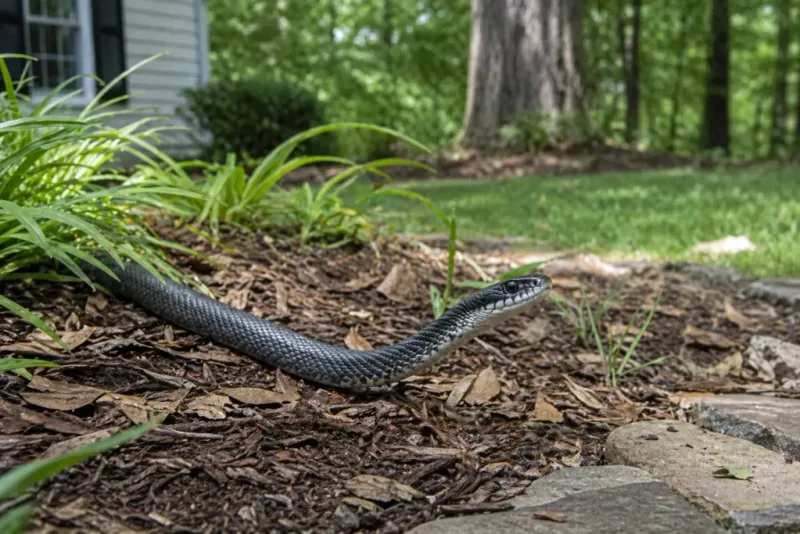
Mississippi State University Extension reports that multiple folk and commercial remedies, including sulfur, lime, cayenne, and similar materials, were tested against black rat snakes and none worked. The same publication describes repellents as questionable at best.
Mothballs deserve specific attention because they are widely misused. UF/IFAS Extension’s guidance on mothballs explains that they are registered pesticides intended only for their labeled uses, which involve moth control in enclosed spaces, not outdoor snake deterrence.
Scattering them in a yard or garden bed violates federal pesticide law, and the EPA’s pesticide labeling guidance is clear that using a pesticide in a manner inconsistent with its label is illegal. Beyond legality, mothballs can harm children, pets, and wildlife when used outdoors.
The same logic applies to killing individual snakes. Removing one animal does not remove the cover, prey availability, or structural gaps that made the spot attractive in the first place.
UF/IFAS also notes that attempting to kill a snake increases bite risk and may eliminate a nonvenomous species that was consuming rodents or other pests. Habitat changes are slower and less satisfying than a quick fix, but they are the only approach with consistent support from wildlife agencies and extension services.
Aim for fewer encounters, not a snake-free yard
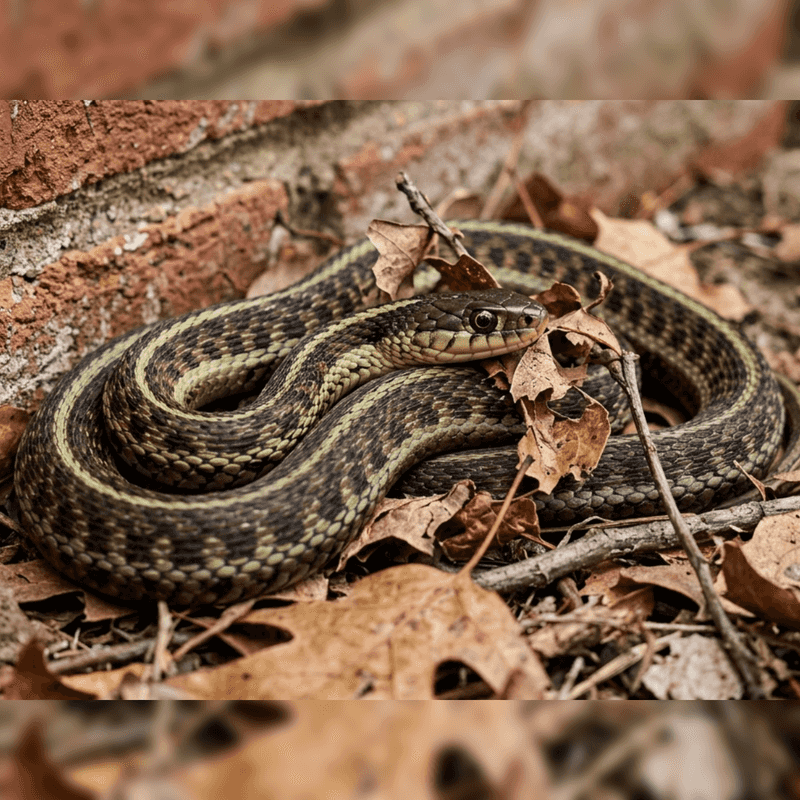
A practical plan for reducing snake encounters in the yard comes down to four priorities: clear unnecessary ground-level debris, improve sightlines near the house and play areas, reduce food and shelter conditions that support prey such as rodents, and seal gaps that allow snakes to enter structures. Texas Parks and Wildlife and CDC wildlife guidance both support versions of this habitat-modification approach as the most reliable set of steps available to homeowners.
None of these measures guarantee that a snake will never cross your yard again, and they are not meant to. Properties near woods, wetlands, agricultural fields, ponds, or drainage corridors are simply part of a larger landscape that snakes use for movement, foraging, and shelter.
Encounter reduction is the honest goal, and it is an achievable one.
Snakes do provide real ecological value, particularly by consuming rodents and other pests that cause their own problems in Southern yards and gardens. The Florida Museum of Natural History frames coexistence as a reasonable outcome for most homeowners, and that framing holds up: a yard that is harder to hide in and offers less prey is less likely to be a place where a snake lingers, even if it remains a place where one occasionally passes through.