

Moles do not show up just to cause trouble. They move in because your yard keeps offering food, moisture, and easy digging day after day.
Once you know what keeps pulling them in, you can make smart changes that protect your lawn, beds, and garden time.
1. Grub-Filled Soil
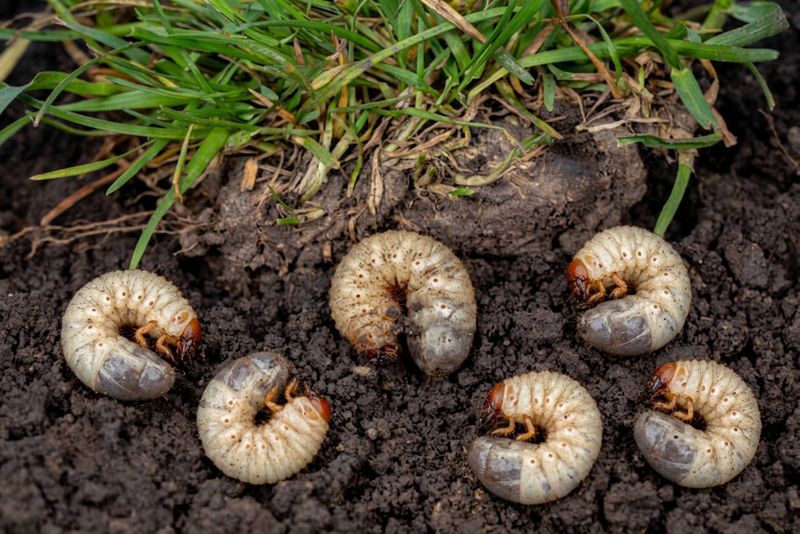
Nothing rolls out the welcome mat for moles faster than a lawn packed with grubs. Even though moles eat plenty of earthworms and other soil life too, beetle larvae can turn a yard into a dependable feeding zone.
If your grass also looks patchy, lifts up like a rug, or attracts birds pecking at the ground, there may be a grub problem under the surface.
Food is the main reason moles stay. A mole may pass through a yard once, but reliable insect prey can encourage it to keep tunneling the same area.
In warm Southern lawns, especially in parts of Florida and Texas, long growing seasons can support steady insect activity, which means the buffet lasts longer than many homeowners expect.
Getting rid of every bug is neither realistic nor helpful, but reducing unusually high grub numbers may make your lawn less rewarding. Start by checking a few small sections of sod to see what is living below.
If counts are high, targeted treatment or timing lawn care around the pest cycle may help.
When the underground menu shrinks, mole traffic often becomes less appealing too. You are not fighting random damage then.
You are removing one of the biggest hidden reasons they keep coming back.
2. Constantly Damp Ground
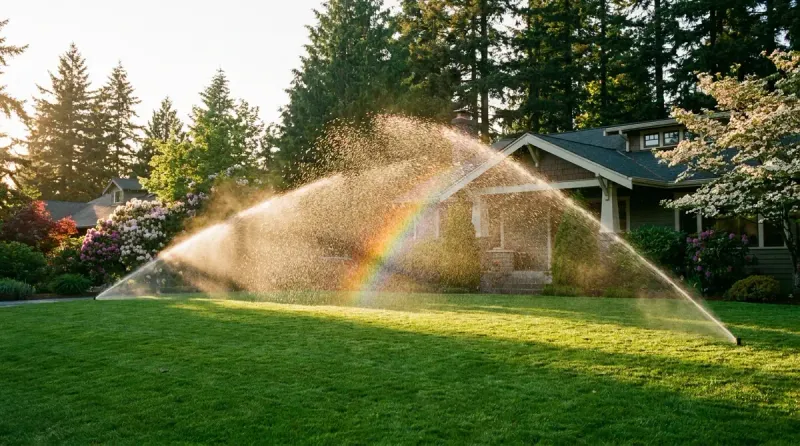
Soft, damp soil is easy for a mole to work through, and that matters more than most people realize. Dry, compacted ground slows tunneling, but moist earth opens up quickly under a mole’s strong front feet.
A yard that stays wet from frequent irrigation, leaking hoses, or overwatered beds can feel like ideal digging territory.
Moisture also supports the creatures moles like to eat. Worms, insect larvae, and many other small soil dwellers become more active when the ground stays evenly damp.
In the South, where heat pushes people to water often, lawns can accidentally become both a food source and a soft construction site at the same time.
Look beyond the obvious sprinkler schedule. Drip lines that run too long, soggy zones near foundations, and areas where the soil never quite dries can all keep conditions favorable.
You may help reduce mole activity by watering deeply but less often, fixing leaks, and adjusting irrigation to match your grass, beds, and weather.
Changing moisture levels will not make moles vanish overnight. Still, firmer soil is harder to tunnel, and a less soggy yard may stop feeling so welcoming.
For many homeowners, that is one of the simplest pressure-reducing steps available.
3. Thick Mulch Layers
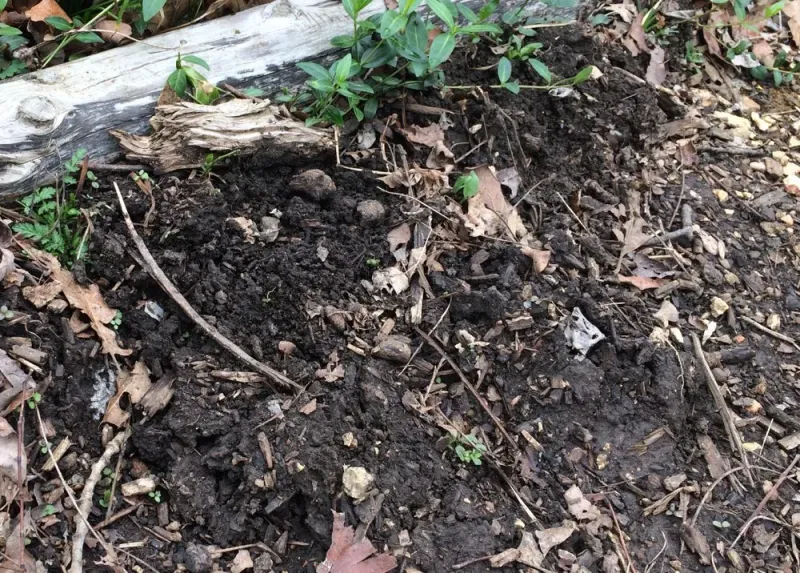
Mulch makes garden beds look tidy, but extra-thick layers can quietly help moles feel at home. Deep mulch holds moisture, keeps the soil cooler, and supports insect life below the surface.
It also gives moles some cover near beds and borders where people are less likely to notice the first signs of tunneling.
That does not mean mulch is bad for a yard. It helps roots, suppresses weeds, and protects soil during Southern heat.
Trouble starts when mulch is piled on too deeply or refreshed year after year without breaking down old layers, creating a spongy zone that stays damp and lively underneath.
Walk your beds and check depth. In many situations, about 2 to 3 inches is enough for most landscape areas, while much more than that can trap too much moisture and make the soil surface overly inviting.
Pull mulch back from plant crowns as well, since those damp pockets may also attract other pests.
A thinner, better-managed mulch layer still gives plants the benefits you want without quite so much underground comfort for moles. Small adjustments in bed maintenance can change the feel of the whole yard.
Sometimes the attraction is not your lawn at all, but the edges around it.
4. Compost Piles And Rich Organic Matter
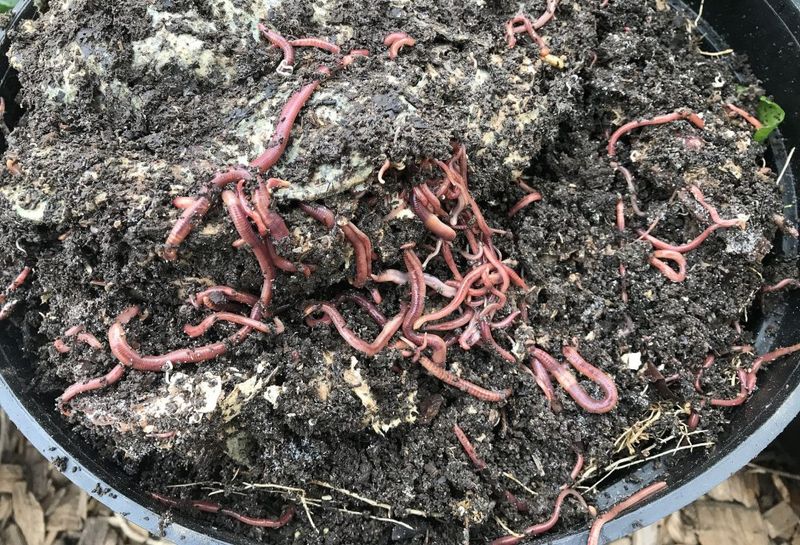
Compost is garden gold, but to a mole, rich organic matter can signal dinner nearby. Finished compost, partly broken-down leaves, and heavily amended planting zones often support worms, beetles, and other tiny creatures that feed the soil food web.
Where that life gathers, moles may not be far behind.
Compost piles themselves do not usually lure moles the way spilled birdseed attracts rodents, yet the surrounding ground may become especially active underground. Beds improved with lots of organic material stay loose, moist, and full of living prey.
That combination can be especially common in productive Southern vegetable gardens where soil is amended often and watered regularly.
You do not need to stop composting to reduce the draw. Instead, keep piles neat, avoid letting them spread into lawn edges, and pay attention to where rich soil meets open turf.
If mole runs keep appearing along that border, the transition zone may be where they are feeding most comfortably.
Gardeners often improve soil for plants and accidentally improve it for wildlife at the same time. That is not a failure, just a clue.
When you understand how active soil life concentrates around organic matter, you can plan barriers, edging, or monitoring in the spots most likely to attract tunneling.
5. Heavy Thatch In The Lawn
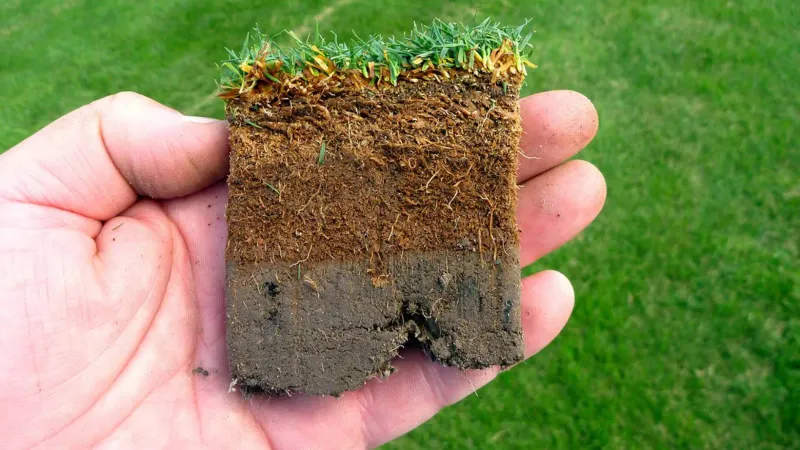
Under a nice-looking lawn, a dense thatch layer can hide a whole little world. Thatch is the mat of dead stems, roots, and organic debris that builds between green grass blades and the soil surface.
When it gets too thick, it can hold moisture, shelter insects, and create a soft zone that makes shallow tunneling easier.
Moles do not eat grass roots, but they do notice the lively conditions that thick turf can support. In warm-season lawns common across Florida and Texas, thatch may build quickly if fertilizing, watering, and mowing are not balanced well.
A lawn can look green from the street while still offering a comfortable underground pathway.
If the grass feels spongy underfoot or you can see more than about half an inch of thatch, it may be time to act. Dethatching or core aeration, when done at the right time for your grass type, may improve air flow and reduce the damp, padded layer that shelters prey.
Better mowing habits also help keep buildup from returning too fast.
Think of thatch as hidden lawn clutter. Once it gets out of hand, your yard may become more attractive to pests below the surface, not just above it.
Cleaning up that layer can make the lawn healthier and less inviting at the same time.
6. Earthworm-Rich Garden Soil
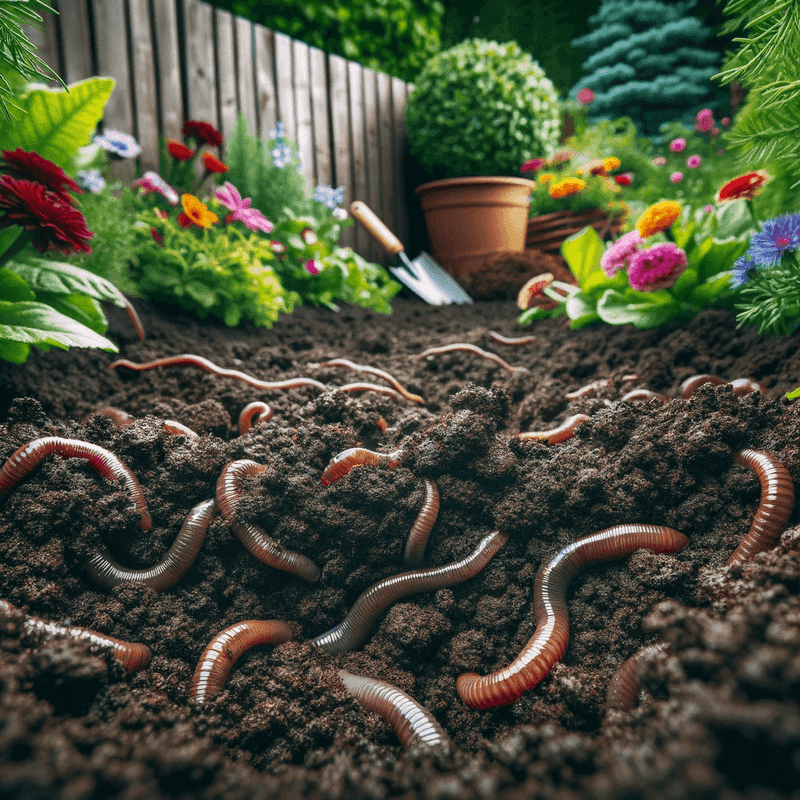
Here is the twist many gardeners do not love hearing: healthy soil can attract moles. Earthworms are one of their best-known food sources, so a yard full of rich, living soil may naturally look promising to them.
If you have spent years building better garden beds, your success may be part of the reason mole activity shows up nearby.
That does not mean worms are a problem. Earthworms improve soil structure, help break down organic matter, and support stronger plant growth.
In vegetable spaces and well-amended borders, especially where tomatoes, peppers, or cucumbers are watered often through long Southern summers, worm activity can stay high enough to keep moles interested.
The goal is not to remove earthworms. Instead, focus on where moles are using those food-rich areas as travel routes into the rest of the yard.
Raised edges, bed perimeters, and nearby lawn strips are often the places to watch. Barriers or carefully placed controls may work better there than treating the center of healthy beds.
Sometimes the very things that help plants thrive also support more wildlife underground. Understanding that tradeoff makes mole management less frustrating.
You are not dealing with bad soil conditions. You are dealing with soil that is lively enough to attract a skilled forager.
7. Raised Beds With Regular Irrigation

Raised beds can become little islands of comfort in a hot Southern yard. Because they are watered regularly, filled with loose soil, and often enriched with compost, they create exactly the kind of productive zone that supports worms and insects.
Moles may not live inside every bed, but the nearby ground can become a steady travel corridor.
Home gardeners tend to baby raised beds, and for good reason. Vegetables need consistent moisture and fertile soil to perform well through long warm seasons.
Yet the contrast between a lush irrigated bed and a drier surrounding lawn can make that area stand out underground as clearly as it does above ground.
Watch for ridges running along the outer edges, especially where drip irrigation keeps side soil moist. That border is often more attractive than the bed center because it combines soft earth with easy movement.
If activity concentrates there, installing hardware cloth beneath new beds or creating a barrier trench around existing ones may help reduce access.
You do not need to give up raised-bed gardening to discourage moles. The smarter move is to notice how often-watered food gardens create a long-term attraction.
Once you see that pattern, you can protect the productive area without undoing all the good work that made it productive.
8. Shade From Mature Trees

By late afternoon, shady parts of the yard often stay cooler, moister, and more active underground than sunny open lawn. Mature trees help create those conditions, especially in Southern landscapes where intense sun dries exposed soil fast.
For a mole, that cooler ground may feel like easier real estate for feeding and travel.
Tree-shaded areas also tend to collect leaf litter and organic matter that feed soil life over time. As roots, leaves, and natural debris break down, insect and worm activity can increase in the upper soil layer.
Add irrigation or seasonal rain, and you may end up with a favorite path that loops around the same trees again and again.
There is no reason to blame the trees. Their shade is valuable for lawns, people, and many landscape plants in Florida and Texas.
Still, it helps to recognize that the nicest place to stand in summer may also be the nicest place for moles to dig. Monitoring around drip lines and mulched root zones can reveal where activity begins.
Small changes like reducing excess mulch, improving drainage, and managing nearby prey levels may make shaded spots less attractive without harming the trees. When mole runs keep reappearing under the canopy, the issue is often not random.
The microclimate there stays favorable long after the sunny yard bakes dry.
9. Low Spots That Hold Water
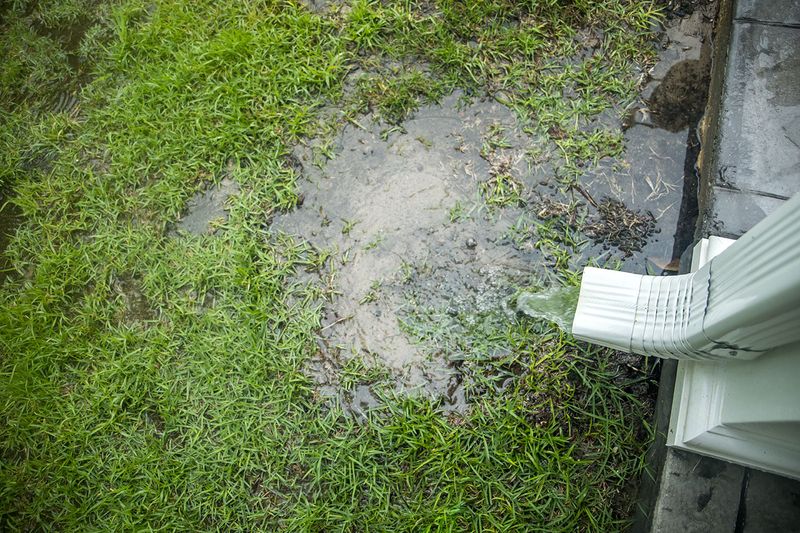
After a hard rain, the yard usually tells you where trouble likes to settle. Low spots that stay soggy longer than the rest of the lawn create soft digging conditions and often support extra worm activity.
Moles may use those damp zones as feeding lanes, then branch outward into drier sections later.
In flat yards, poor grading can make the problem stick around season after season. Southern thunderstorms, summer irrigation, and compacted soil can turn a shallow dip into a repeating moisture pocket.
Homeowners sometimes focus on the visible tunnel line, but the real invitation may be the wet depression a few feet away.
Pay attention to places where grass grows thin, puddles linger, or mower wheels leave ruts. Improving drainage with topdressing, aeration, or grading may help reduce how long the soil stays easy to work through.
If downspouts empty into those same areas, redirecting runoff can make a bigger difference than any quick fix aimed only at the mole.
Wet low spots also stress turf, which means the lawn is fighting on two fronts at once. Healthier drainage supports stronger grass and may reduce the underground conditions moles prefer.
Fixing the lay of the land is not flashy, but it often addresses one of the most stubborn attractions in the whole yard.
10. Untidy Borders And Overgrown Edges
Every yard has that one edge people mean to tidy next weekend. Overgrown borders, tall weeds, and messy transitions between beds and lawn can give moles a quieter place to move without much disturbance.
Those edges often stay slightly moister and softer too, especially when grass clippings, leaves, and mulch collect there.
Moles are not hiding above ground in the weeds, but neglected margins can support the soil life they want below. They also provide a kind of low-traffic corridor, particularly along fences, sheds, and property lines where foot traffic is light.
In many suburban yards, the neat center lawn gets all the attention while the edges quietly become the more inviting zone.
Cleaning up borders does more than improve curb appeal. Trimming heavy growth, redefining bed lines, and removing built-up debris may reduce moisture retention and make tunneling patterns easier to spot early.
Once runs are visible, you have a better chance of dealing with the activity before it spreads deeper into the yard.
A crisp edge changes how the space functions. It increases visibility, reduces shelter for multiple pests, and makes maintenance more effective overall.
If moles keep appearing near fences or back corners, the answer may not be in the middle of the lawn at all. It may be waiting in the part of the yard you skip most often.
11. Outdoor Lighting That Draws Insects

Night lighting seems harmless, but bright bulbs can pull in a surprising number of insects. That may not attract moles directly to the fixture itself, yet more insect activity around the lit area can support a richer feeding zone in nearby soil.
Over time, the effect can add to the reasons a mole keeps using the same part of the yard.
Porch lights, path lights, and landscape lighting are especially common in outdoor living spaces across the South, where warm evenings keep people outside for much of the year. Bugs gather, predators follow, and the area around irrigated beds or lawns may stay biologically busy long after sunset.
Underground hunters respond to food patterns, even when the source seems unrelated at first glance.
Switching to warmer-colored bulbs or reducing unnecessary all-night lighting may help lower insect swarms. It will not solve a mole issue by itself, but it can remove one background factor that keeps prey numbers up near your foundation, patio, or garden beds.
Less insect pressure may also improve comfort for people using the space.
Think of lighting as part of the yard ecosystem, not just decoration. When several small attractions stack together, moles have more reason to stay.
Cutting back one of those subtle food-chain boosters can make your broader control plan work a little better.
12. Frequent Lawn Feeding And Fast Growth
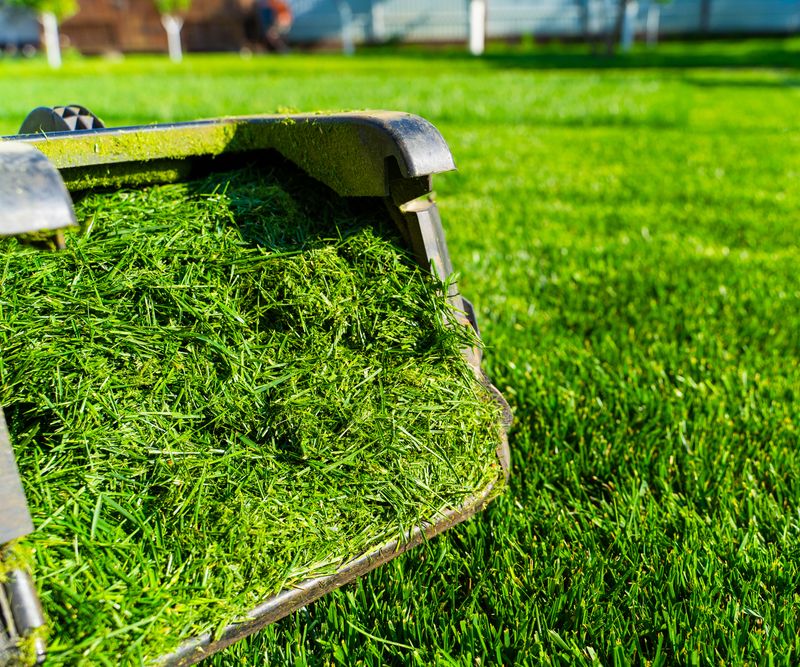
A lawn that grows fast often looks like success, but heavy feeding can sometimes tip the balance underground. Fertilizer encourages thick turf and active root growth, which can support better moisture retention and stronger soil life.
When conditions become rich and biologically active, moles may find more prey and easier movement below the surface.
That does not mean fertilizer causes moles in a simple one-step way. The bigger issue is how a lush, frequently watered, highly managed lawn may support the worms and insects they follow.
In long Southern growing seasons, repeated feeding schedules can keep turf dense for months, especially with warm-season grasses that already thrive in heat.
If your lawn is deep green but constantly soft, spongy, or overly fast-growing, review your maintenance routine. Soil testing may help you avoid feeding more than the grass actually needs.
Balanced fertilizing, proper mowing height, and smarter irrigation together may create a healthier lawn without making it quite so attractive below ground.
Homeowners often respond to mole runs by focusing only on the tunnels. Sometimes the better question is why that patch of lawn became such a good food-producing zone in the first place.
When turf care is more measured, the whole yard may become less rewarding for repeat visitors.
13. Nearby Vegetable Gardens
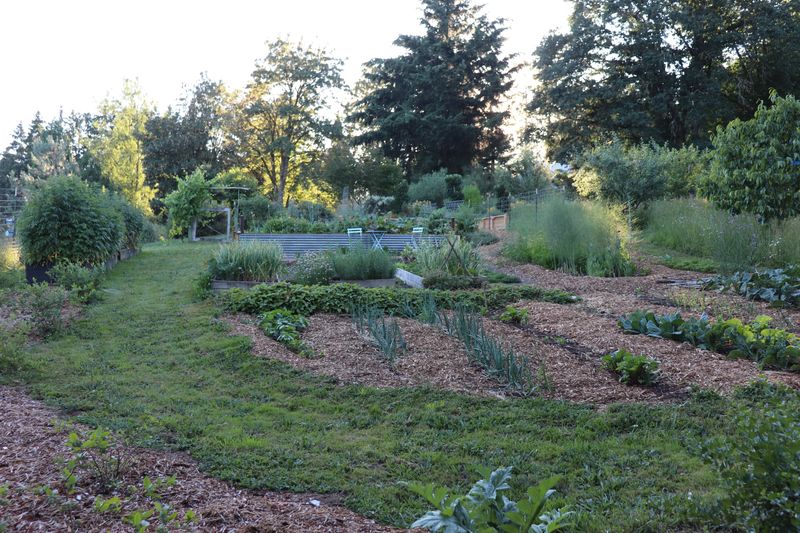
Vegetable gardens are magnets for life, and that includes the hidden kind under the soil. Regular watering, compost, mulch, and active root zones create a rich underground habitat that can support worms and insects through much of the growing season.
For moles, the area around a productive garden may feel like dependable hunting ground.
That is especially true in Florida and Texas, where warm conditions stretch gardening calendars and keep beds active for long periods. Cucumbers, tomatoes, peppers, and other summer crops often need steady moisture, which helps maintain the soft soil moles prefer.
The same garden care that rescues plants from heat stress can unintentionally make the surrounding ground more attractive to tunneling wildlife.
Watch the perimeter first. Moles often travel along paths, edging, or the outer sides of fenced garden areas rather than tearing through every planting row.
Disturbance is frequently heaviest where cultivated soil meets lawn. Protective barriers, careful irrigation control, and regular checks after rain may help catch activity before roots are disturbed.
Gardeners should not feel punished for growing food well. A thriving vegetable patch is a good thing.
Still, if mole runs keep appearing near your edibles, the connection is worth noticing. The garden may be feeding more than your family, even when the real action is happening just out of sight.