

Late-summer heat can turn a productive zucchini plant into a drooping, yellowed mess almost overnight, and the first instinct is usually to grab the hose. Before you water, though, it helps to know what is actually happening in the soil a few inches down.
Curled, yellowing leaves can point to uneven moisture in the root zone, but they can also signal overwatering, pests, a virus, or simply the normal aging of older leaves. Checking the soil first gives you a real answer instead of a guess.
Start with the moisture pattern, not a one-cause diagnosis

Hot, dry air pulls moisture out of zucchini leaves faster than roots can replace it, especially when afternoon temperatures climb and a breeze keeps moving across the garden. UGA Extension drought guidance lists curling, scorching, wilting, yellowing, and leaf drop as possible early stress responses in plants facing heat and limited soil moisture.
That list covers a wide range of severity, and none of those symptoms alone confirm that water is the problem.
The moisture pattern worth investigating is a repeated cycle: the root zone dries out from shallow watering or skipped sessions, then gets flooded with a heavy dose that leaves the soil saturated before drying out again. UF/IFAS guidance on vegetable irrigation notes that light sprinklings tend to wet only the surface, which can encourage shallow roots that are even more vulnerable to heat and dry spells.
That back-and-forth between dry and waterlogged soil is harder on a zucchini than a steady, moderate level of moisture would be.
A single slow, thorough soak applied to genuinely dry soil is not the mistake. Utah State University cucurbit irrigation guidance supports delivering enough water to reach the full root zone rather than wetting only the surface.
The mistake is the inconsistent pattern over time, and the first step to correcting it is finding out whether the soil is actually dry before deciding what to do next.
Check the root zone before you water
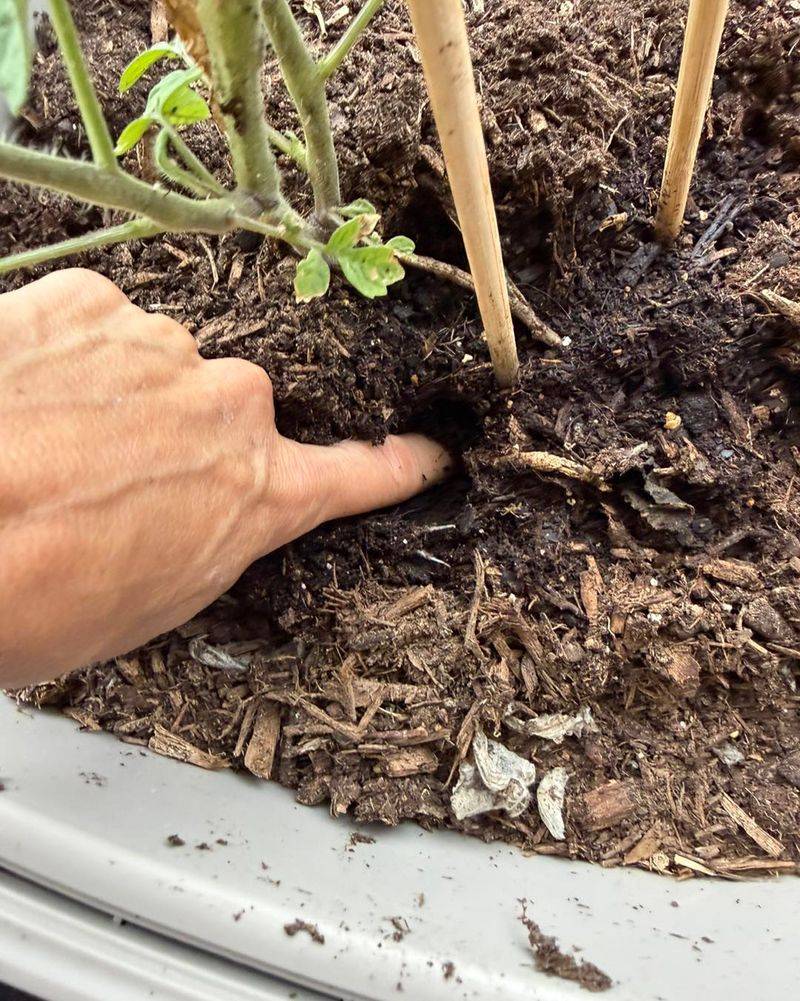
Leaf appearance alone is not a reliable trigger for irrigation. On a hot afternoon, zucchini can wilt or curl even when the root zone still holds adequate moisture, because the plant is losing water through its leaves faster than roots can pull it up.
UGA Extension notes that hot, windy conditions increase water loss from leaves and can cause temporary curling that does not reflect actual soil-moisture levels. If you water every time leaves droop at midday, you risk keeping the soil too wet for the root system to function properly.
A more reliable approach is to pull back any mulch and push your finger or a small trowel into the soil several inches below the surface. UGA’s watering guidance suggests using roughly 4 to 6 inches as a practical depth for gauging when irrigation is needed, though the right depth can vary with soil type, plant size, and local conditions.
Think of it as a useful rule of thumb rather than a fixed requirement for every garden.
Dry soil at that depth supports a water-stress explanation and points toward a slow, thorough watering. Soil that still feels cool and moist, or soil that is soggy and compacted, tells a very different story.
Penn State Extension’s plant health diagnostic guidance reinforces that the soil result should drive the decision, not the leaf appearance on its own. Observe whether symptoms persist into the cooler evening hours before concluding that the root zone is short on water.
Restore dry soil with a slow, thorough soak
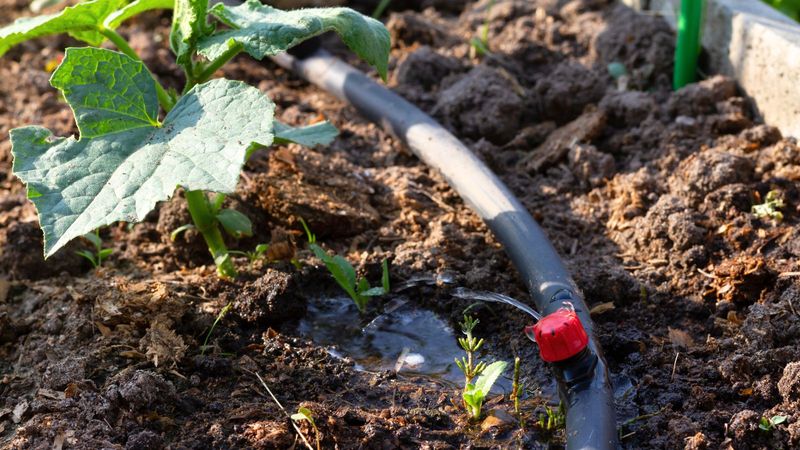
When the soil check confirms that the root zone is genuinely dry, the corrective step is straightforward: apply water slowly at the plant’s base until moisture reaches down through the root zone rather than just wetting the top inch or two. A brief surface sprinkle might make the soil look damp without doing much for the roots sitting several inches below, which is exactly the shallow-watering pattern that contributes to uneven moisture stress in the first place.
Utah State University’s vegetable water recommendations list approximately 1 to 2 inches of water per week as broad guidance for summer squash. That figure gives a starting point, but rainfall, soil texture, drainage, plant size, wind, and local heat levels all affect how much a specific plant actually needs on any given week.
Sandy soils drain quickly and may need more frequent attention; heavier amended soils hold moisture longer and can become waterlogged if irrigated on a fixed daily schedule regardless of conditions.
USU cucurbit irrigation guidance emphasizes consistent root-zone moisture rather than a rigid daily dose or a heavy soak triggered every time leaves look stressed. The practical goal is keeping the soil from swinging between bone-dry and saturated.
Once you have watered thoroughly after a dry spell, check the soil again in a day or two rather than watering again automatically, and adjust the schedule based on what you find rather than the calendar.
Use mulch and soil-line irrigation to prevent repeat stress
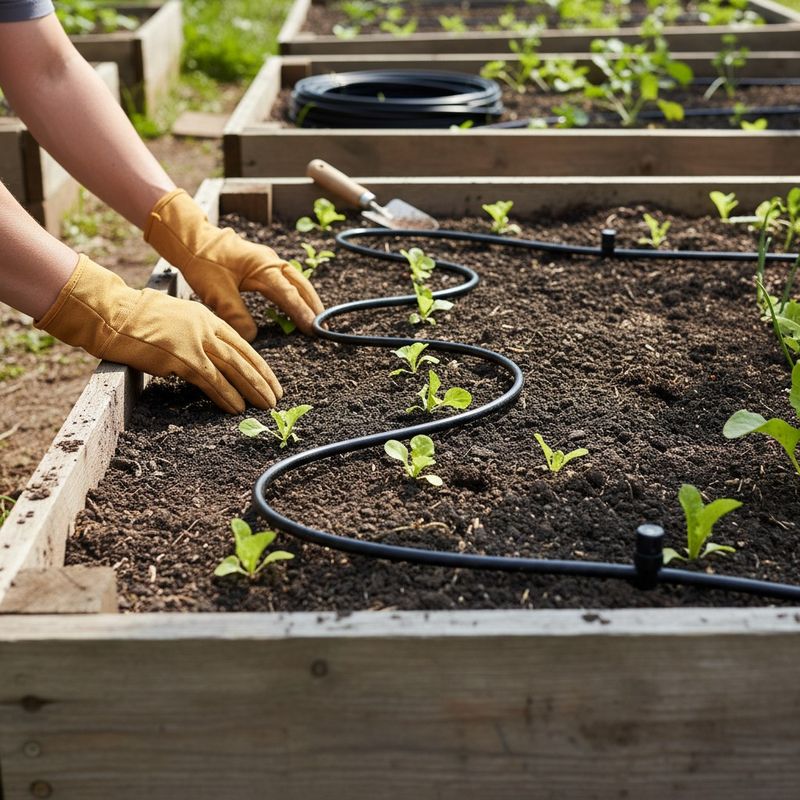
After correcting a dry root zone, the practical next step is making it harder for that dryness to return so quickly. A layer of mulch about 2 to 3 inches deep spread around the plant can slow evaporation from the soil surface and help keep root-zone moisture more consistent between watering sessions.
UGA’s landscape watering guidance recommends keeping mulch a few inches away from direct contact with the plant stem to avoid trapping moisture against the base, which can encourage rot.
Drip irrigation or a soaker hose delivers water directly to the soil line, which means less evaporation from the air and less wet foliage compared with a sprinkler or overhead hose. USU cucurbit irrigation guidance recommends drip or trickle irrigation for cucurbit crops specifically, because it keeps water near the roots and reduces the amount of time leaves stay wet.
In humid conditions or areas with high fungal disease pressure, that distinction matters.
Morning is generally the better time to water because foliage that gets wet dries out faster once the sun rises and air begins to move. UF/IFAS vegetable gardening guidance notes that prolonged leaf wetness can increase the risk of foliar disease, which is the actual concern rather than a hard rule against evening irrigation.
Watering in the evening is not automatically harmful, but keeping leaves dry as much as possible is a reasonable habit, especially in a humid Southern climate.
Treat wet soil as a warning sign
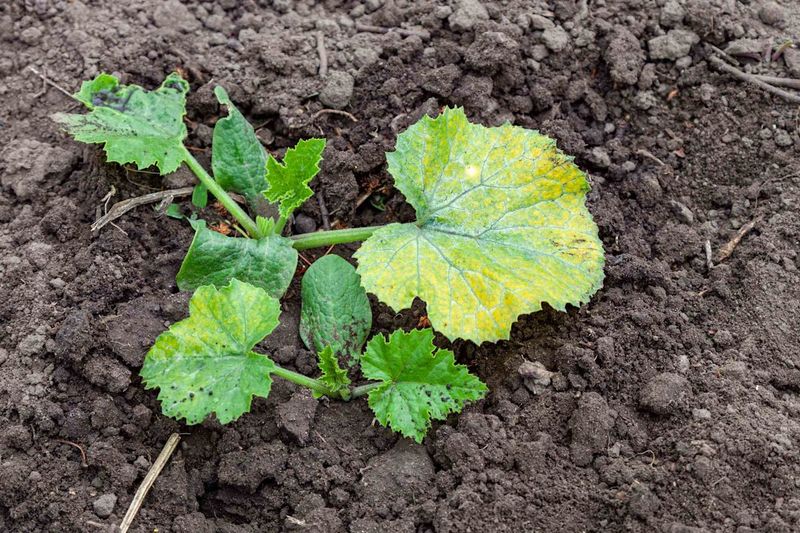
Saturated soil creates a different kind of root stress than dry soil, but the symptoms on the plant can look remarkably similar. When the root zone stays waterlogged, roots lose access to oxygen and begin to break down, which limits the plant’s ability to take up water and nutrients even though water is physically present.
USU cucurbit irrigation guidance notes that squash is sensitive to flooding and standing water, and that overwatering can contribute to the same wilt and yellowing symptoms that gardeners typically associate with drought.
If the soil feels soggy when you check it several inches down, the right response is to stop adding water and focus on improving drainage rather than reaching for fertilizer or continuing to irrigate on a regular schedule. Raised beds, amended soil, and sloped planting areas all help move excess water away from roots.
UF/IFAS research on soil organic matter and water-holding capacity explains that sandy soils – common across much of Florida – drain quickly and hold less moisture than heavier or amended soils, which means Florida gardeners may actually need to water more frequently to keep the root zone from drying out between sessions.
That regional difference cuts both ways. Sandy soil that drains fast is less likely to stay waterlogged after rain, but heavier clay-influenced Texas soils or poorly drained garden beds can hold excess water far longer.
The core principle stays the same in either case: adjust irrigation to match actual soil conditions rather than following a fixed calendar, and recognize that vegetables in standing water are stressed even when the garden has received plenty of moisture.
Look for pests, viruses, disease, or normal aging

Curled, yellowing zucchini leaves are a nonspecific symptom, meaning several very different problems can produce the same visual result. University of Minnesota Extension’s summer squash diagnostic tool lists water stress, aphids, whiteflies, viruses, powdery mildew, nutrient problems, and root disease as separate possibilities that can all affect leaf appearance.
Treating the soil moisture without checking for these other causes may leave the real problem unaddressed.
UC IPM aphid guidance describes how aphid feeding can cause curled, yellow, distorted foliage, and aphids or whiteflies can transmit viruses that produce mottling, curling, and stunted growth. Look for sticky honeydew residue on leaves, clusters of small soft-bodied insects on the undersides of leaves, or new growth that is curled and deformed rather than the older lower leaves that tend to yellow first from drought or aging.
A light-and-dark mosaic pattern, vein clearing, distorted leaf shape, or deformed fruit points toward a virus rather than water stress. UC IPM cucurbit virus guidance notes that these symptoms are caused by insect-transmitted pathogens and do not respond to changes in irrigation.
White powdery growth on leaf surfaces, especially on older or shaded leaves, points toward powdery mildew rather than drought. USU wilted squash guidance and USU squash bug information both note that sudden wilt above a damaged stem section, holes near the vine base, or the presence of squash bugs can indicate insect injury rather than a watering problem.
Gardeners in south Texas have an additional regional possibility to keep in mind. Texas A&M AgriLife Extension identifies squash leaf curl virus as a whitefly-transmitted disease that causes crumpled, yellowed, and mottled leaves in the region – symptoms that can look like heat or moisture stress but will not improve with better watering.
A few yellowing lower leaves late in the season may simply reflect natural aging, which is normal and not alarming. Rapid spread across the plant, decline of new growth, or symptoms that do not match the soil result all warrant a closer look before adjusting the irrigation routine.
Follow a soil-first rescue routine
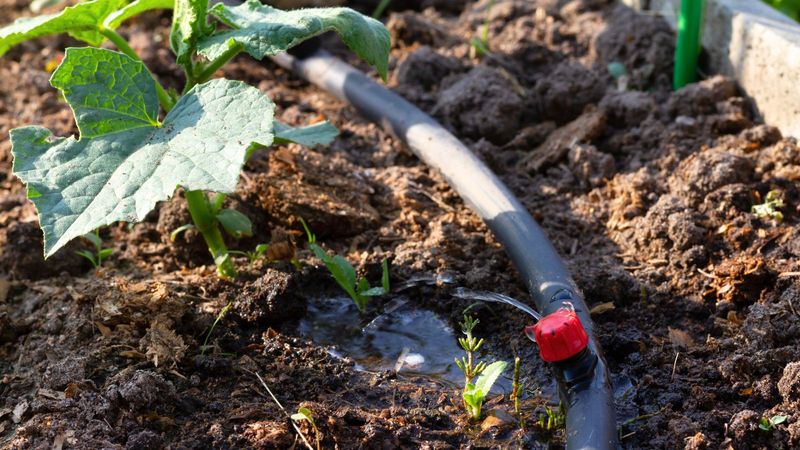
Working through a stressed zucchini plant does not require guesswork when you start with the soil. Push your finger or a small trowel several inches into the root zone and let that result direct the next step: dry soil calls for a slow, thorough soak at the base; wet or saturated soil calls for a pause in irrigation and attention to drainage.
UGA’s watering guidance and USU cucurbit irrigation guidance both support this soil-check-first approach over calendar-based or appearance-based watering.
After watering, refresh the mulch layer around the plant and then monitor the soil every day or two rather than returning to a fixed schedule. If symptoms do not match the soil result – for example, the soil is moist but leaves show a mosaic pattern, insect clusters, or white powder – investigate pests, disease, or nutrient patterns before applying fertilizer or removing every yellow leaf.
Penn State Extension’s plant health diagnostic guidance cautions against corrective fertilization without a clearer diagnosis, since yellowing has multiple causes and excess fertilizer can injure a plant that is already stressed.
Consistent root-zone moisture, not simply more water, is what a late-summer zucchini actually needs. A plant that gets the right amount of water at the right time tends to look after itself; the one that keeps swinging between dry and saturated rarely does.