
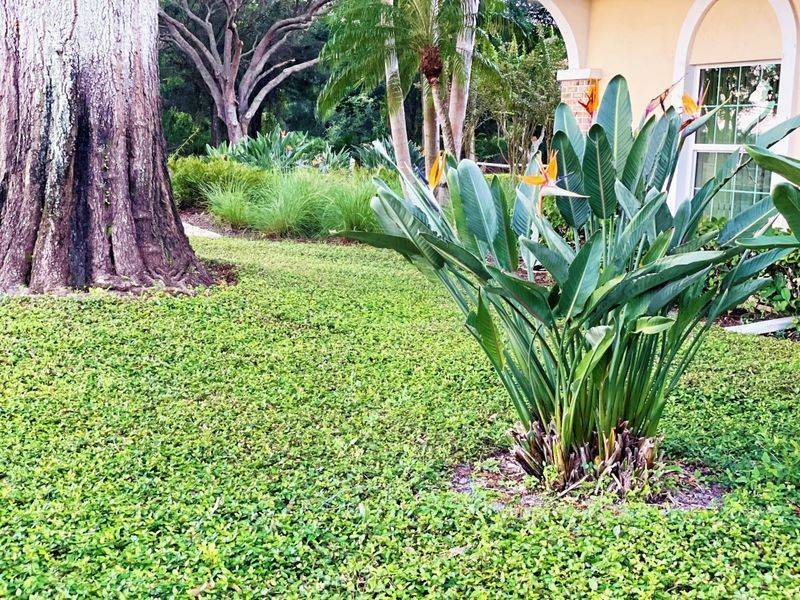
Bare spots in a Florida yard do not stay bare for long. Weeds move in fast, especially in sandy soil after a hard rain. The right ground cover can spread into those empty patches, shade the soil, and cut down on watering. Here are 10 tough choices that fit Florida heat, dry spells, and low-maintenance yards.
1. Sunshine Mimosa
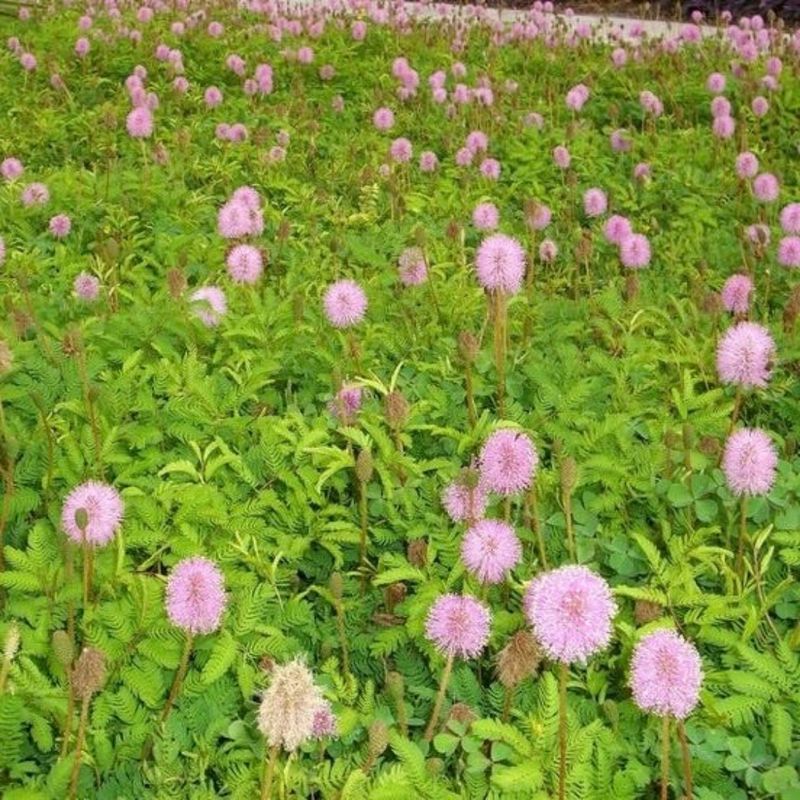
A little pink puffball flower can make a dry, tired patch of lawn look alive again. Sunshine mimosa is one of Florida’s most charming native ground covers, and it earns its spot by spreading low, rooting as it goes, and handling dry sandy soil once established.
Florida gardeners often like it because it feels more like a living carpet than a typical bedding plant. The ferny leaves fold when touched, which makes it fun near walkways or patios, and the flowers attract native bees and small butterflies without needing much fuss.
Give it full sun for the thickest growth. It can tolerate some foot traffic, but it is better for light-use areas than a hard-play lawn. Water it regularly while it gets started, then back off once the roots settle in.
Its weed-fighting power comes from coverage. When sunshine mimosa fills in, it shades the hot sand and makes it harder for weed seeds to sprout. For homeowners trying to replace thirsty turf in small sections, this Florida native is a smart first pick.
2. Perennial Peanut
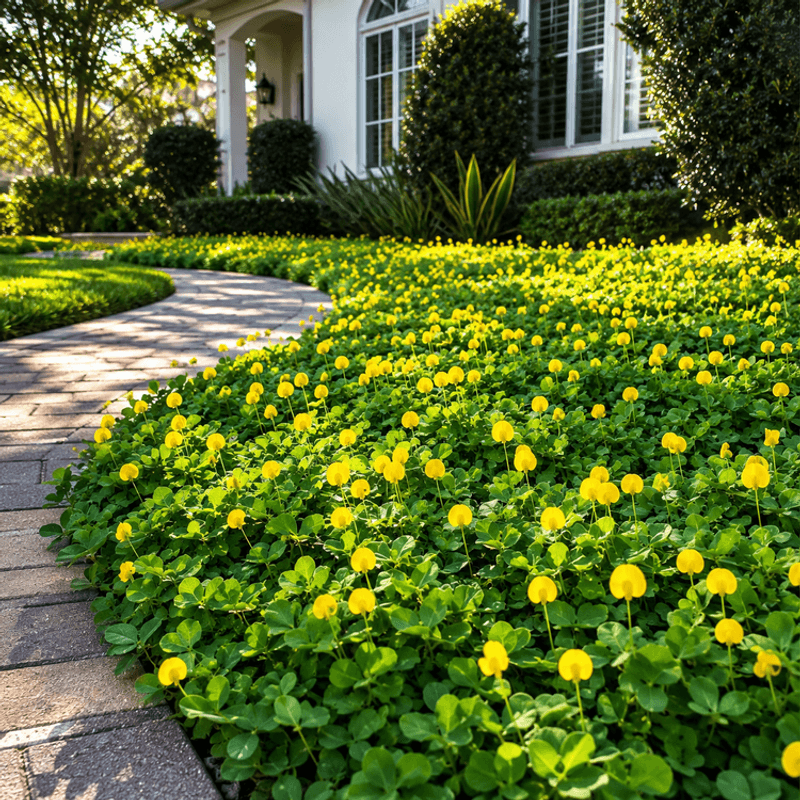
For the bare strip beside a driveway that seems to bake all afternoon, perennial peanut can feel almost too good to be true. It forms a tidy, low mat with cheerful yellow blooms and handles Florida sun with impressive patience.
Unlike turfgrass, it does not need regular mowing to look decent, though an occasional trim can keep it neat. Perennial peanut is especially useful in well-drained sandy soils, and established plantings can get by with very little irrigation compared with a standard lawn.
The biggest difference is its look and habit. It spreads by underground stems, so it gradually knits together into a thick cover that leaves fewer openings for weeds. It is not a fast instant fix, but it rewards patience with a durable, sunny ground layer.
Use it in full sun where you want a lawn-like feel without the constant watering and fertilizing. UF-IFAS has long discussed perennial peanut as a Florida-friendly option, especially where erosion control, low maintenance, and reduced inputs matter. It is best for spaces where a softer, flower-dotted carpet fits the style of the yard.
3. Frogfruit
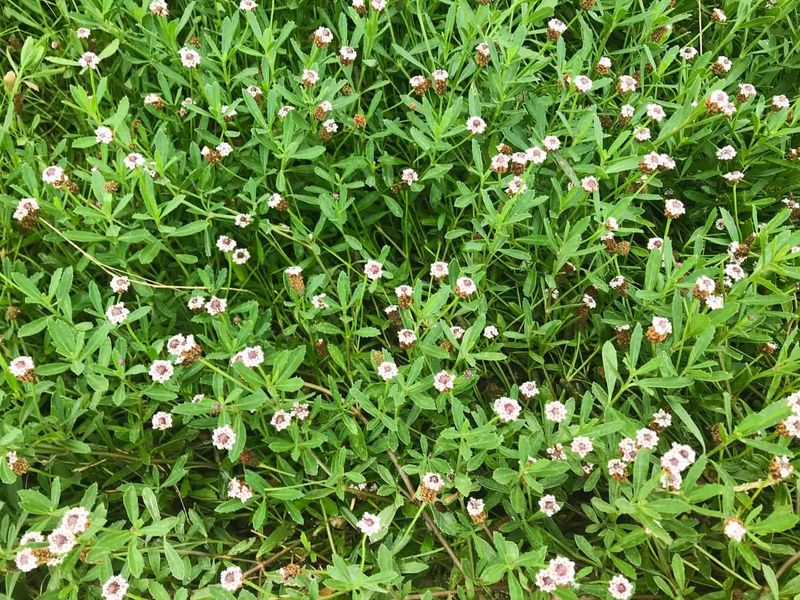
Butterflies notice frogfruit before many people do. Low, tough, and quietly busy with tiny blooms, this Florida native is a standout for gardeners who want a ground cover that helps wildlife while also taking pressure off the hose.
Frogfruit stays short and spreads along the ground, making it useful between stepping stones, near rain garden edges, or in open beds where weeds keep sneaking in. It tolerates drought after establishment, but it also handles periodic wet spells better than some dry-site plants, which matters in Florida yards that swing from parched to soaked.
The small flowers attract pollinators, including native bees and several butterflies. That gives it a different reason to exist on this list: it is not just a weed-suppressing mat, it is a tiny buffet for beneficial insects.
Plant it in sun to part shade, then let it wander within reason. If it gets too enthusiastic, trim the edges or pull stray runners. In a Florida-friendly landscape, frogfruit works beautifully as a living mulch around shrubs, especially where you want bare sand covered without creating a high-water zone.
4. Beach Sunflower
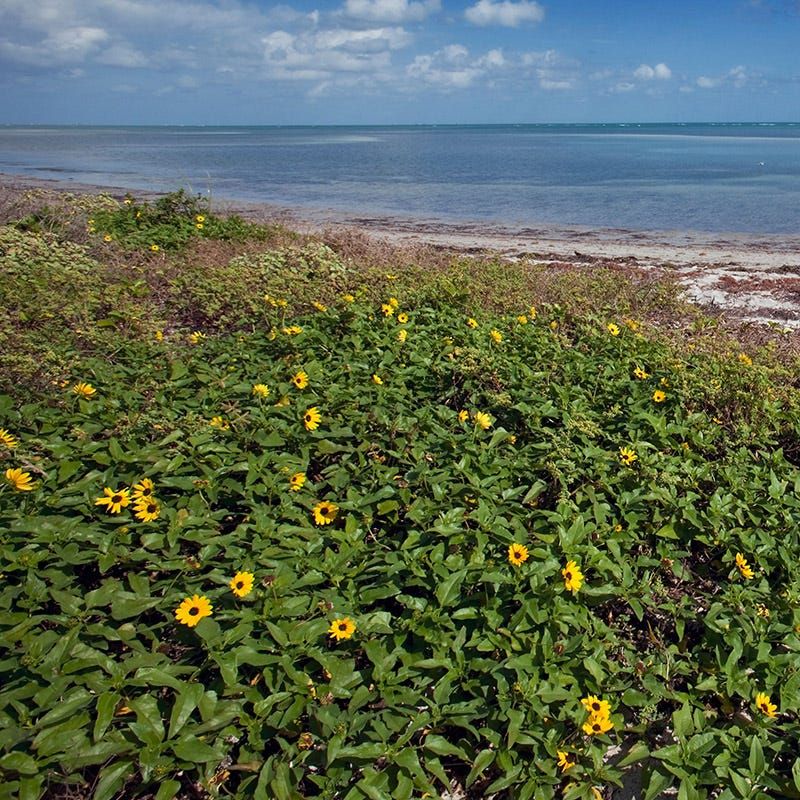
Salty air, blazing sun, and sandy soil do not scare beach sunflower. In fact, those rough conditions are exactly where this Florida native often shines, especially in coastal and near-coastal yards.
Beach sunflower brings a wilder, brighter look than many ground covers. Its yellow daisy-like flowers bloom over low, spreading foliage, giving bare beds a relaxed beach-garden style. It is especially helpful on dry slopes, open sunny patches, and sandy areas where fussier plants fade.
Once established, it asks for very little water. The plant spreads outward and can help hold soil in place, which is handy after heavy downpours or storm runoff. It also draws pollinators, adding movement to parts of the yard that might otherwise be nothing but mulch and weeds.
Give it room, because it can sprawl. A quick trim keeps it from swallowing smaller neighbors, and removing tired stems can freshen the planting. For Florida homeowners who want a sunny ground cover with personality, beach sunflower is a tough, flower-filled choice that looks right at home in heat.
5. Dune Sunflower
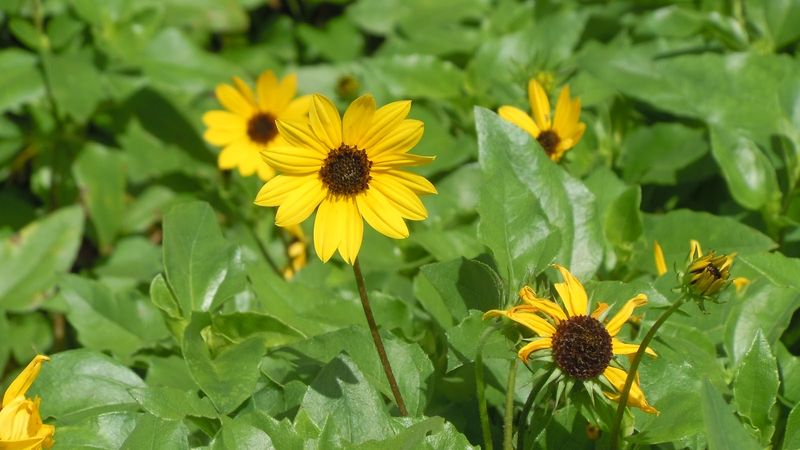
Few plants say Florida sunshine as clearly as dune sunflower. It has that casual, windswept look people love near beaches, but it can also work inland wherever the soil drains fast and the sun is strong.
Dune sunflower is related to beach sunflower and is often used in similar settings, yet it deserves its own place because it can create a fuller, bolder flowering mass. In the right spot, it spreads quickly enough to cover problem ground before weeds get comfortable.
Dry soil is not a dealbreaker after the plant is established. Regular water helps young plants root in, but mature patches are much more forgiving than thirsty annual beds. It also supports pollinators, so that bare corner near the mailbox can become a lively landing pad for bees and butterflies.
Use it where a natural, slightly untamed look fits. It may need edging or trimming near formal paths, and it is not ideal for tiny spaces where every stem must stay in place. In return, it gives Florida gardeners color, coverage, and serious drought tolerance in one sunny package.
6. Railroad Vine
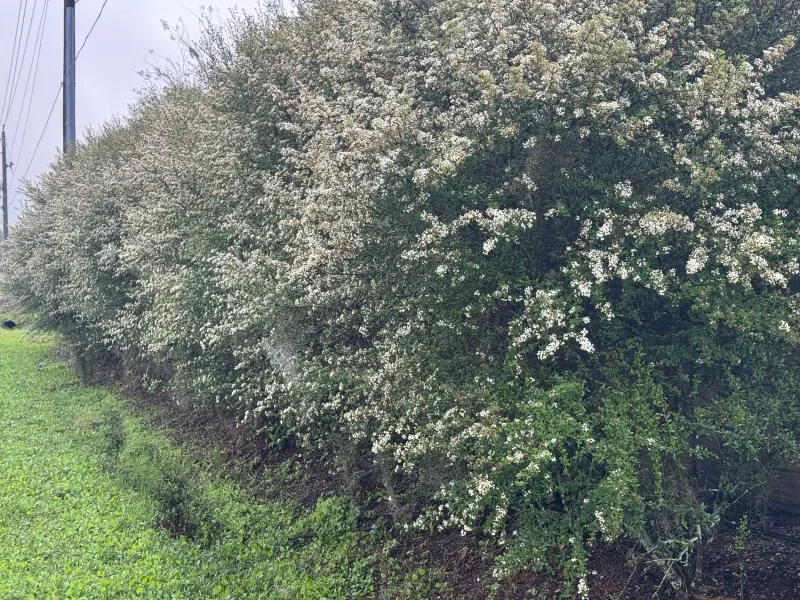
Ever seen a plant crawl across hot beach sand like it owns the place? Railroad vine does exactly that, sending long runners over harsh ground where many plants would quit by lunchtime.
This native coastal ground cover is best known for its purple, morning-glory-like flowers and thick leaves. Its deep rooting and sprawling habit make it useful for sandy, dry, open areas, especially near the coast where salt spray and wind can punish ordinary landscape plants.
Railroad vine is not the right fit for every yard. It wants space, and it can look too loose for a small, formal front bed. In the right setting, though, it is a powerful soil-covering plant that helps reduce bare sand and gives weeds less open ground to claim.
Plant it in full sun and avoid rich, soggy soil. Once established, it is built for lean conditions and low watering. For Florida gardeners with a difficult coastal patch, a dry slope, or a wide sunny area that needs coverage more than polish, railroad vine can be a hard-working problem solver.
7. Creeping Sage
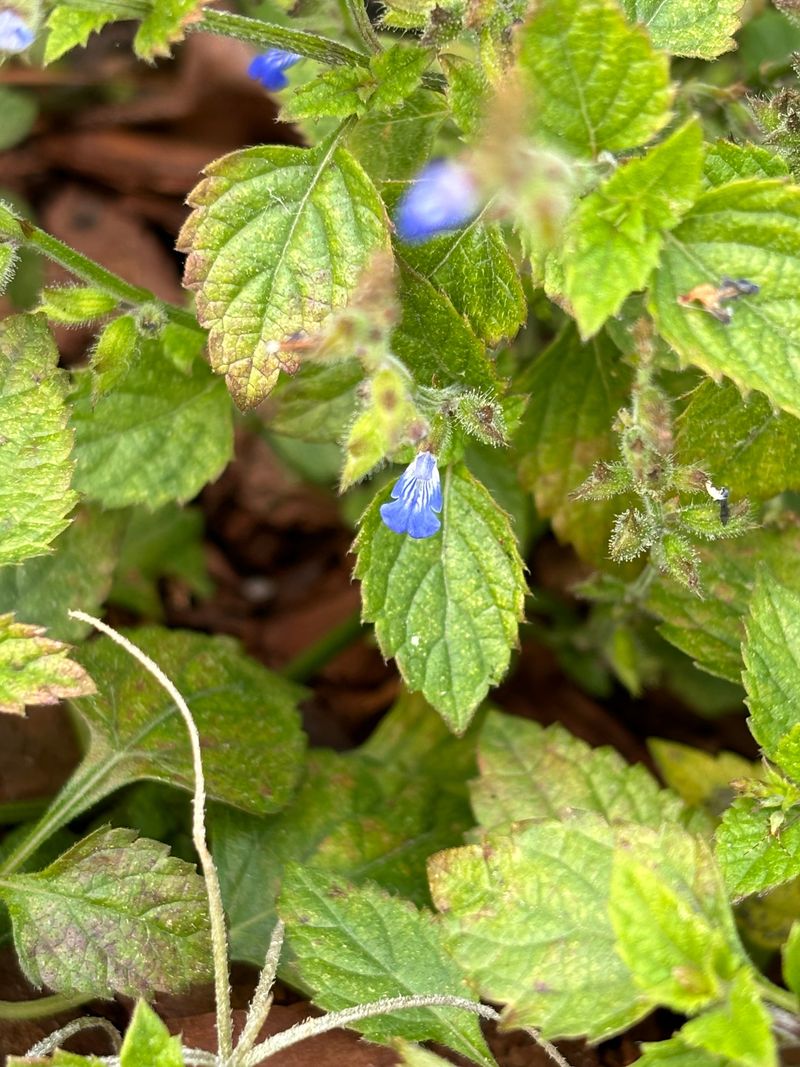
Not every bare spot sits in full blazing sun. Creeping sage is the quiet helper for those tricky part-shade areas under open trees, along shrub borders, or beside fences where grass thins out and weeds sneak through.
This Florida native stays low and spreads into a soft green layer. Its tiny blue flowers are easy to miss from far away, but small pollinators find them, and the plant brings a natural woodland-edge feel to dry shade gardens.
Creeping sage stands apart because many drought-tolerant ground covers demand full sun. Here, you get an option for filtered light and drier soil, which is a common Florida problem under oaks and palms. It will need water while young, but it can become fairly self-reliant once rooted.
Do not expect a manicured carpet overnight. Creeping sage is more subtle, filling gaps with a low, living layer that reduces open soil. Pair it with mulch during establishment, then let it spread around larger native shrubs for a layered Florida-friendly bed that needs less weeding over time.
8. Coontie
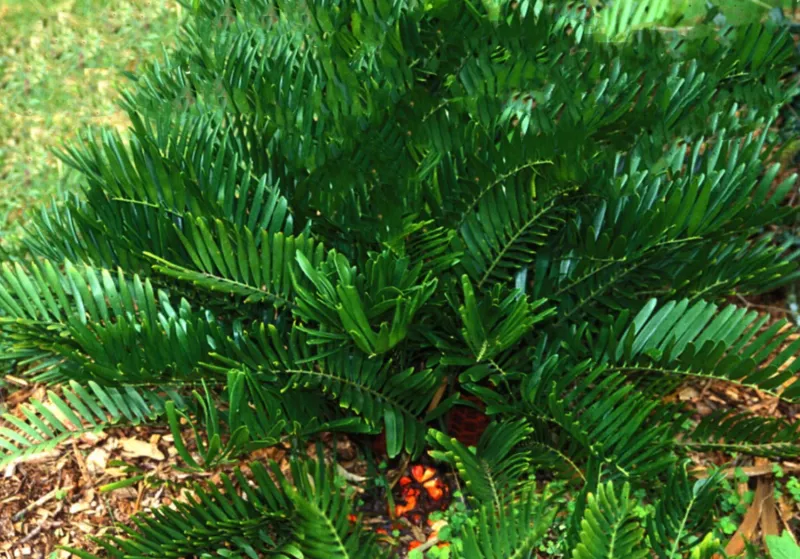
Coontie does not creep like a vine, but do not overlook it for bare ground. Planted in groups, this Florida native cycad creates a tough, sculptural cover that blocks weeds with dense, fern-like clumps.
Its biggest advantage is structure. While many ground covers form flat mats, coontie adds texture and shape, making it useful around palms, along foundations, and in beds where you want low plants that look intentional all year. It handles drought once established and does well in sandy Florida soils with good drainage.
Wildlife gardeners get a bonus. Coontie is the host plant for the rare and beautiful atala butterfly, a species that has made a comeback in parts of South Florida thanks in part to more people planting coontie.
Give it sun or part shade, and leave space between plants so they can fill out. It grows slowly, so mulch between young plants at first to stop weeds. Over time, the clumps knit into a handsome, low-care planting that feels more polished than many sprawling covers.
9. Muhly Grass
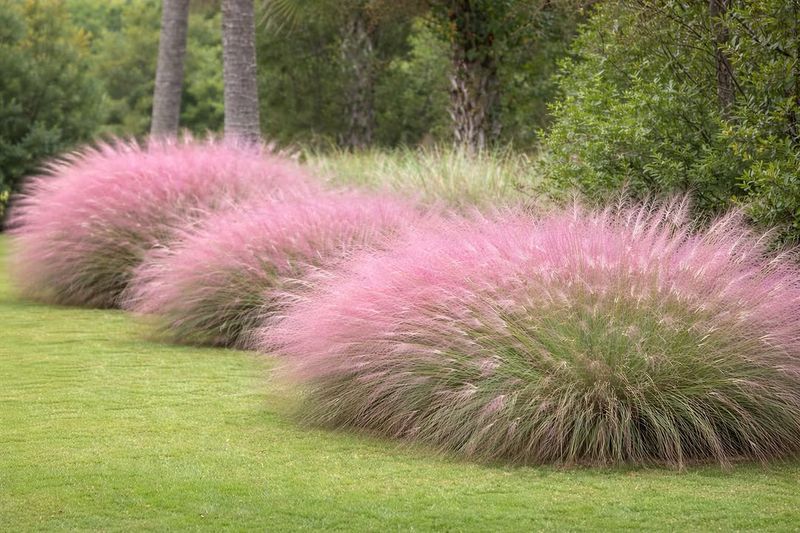
When pink muhly grass blooms, even a plain roadside-style planting can look like a soft cloud. It is not a traditional ground cover, but massed in drifts, it covers bare soil beautifully and brings a big fall show with very little water.
Muhly grass earns its place because it solves a different kind of bare-spot problem. Large open beds often need more height and movement than a flat mat can provide. Planted close enough to touch at maturity, muhly forms airy clumps that shade the ground and make weed growth less obvious and less aggressive.
Florida gardeners appreciate its tolerance for heat, sandy soil, and dry spells after establishment. It also handles windy weather better than many brittle plants, bending rather than flopping dramatically. Full sun gives the best flowering, especially when the famous pink plumes appear in fall.
Use mulch while new plants fill in, then reduce watering once roots are established. Cut back old growth in late winter before fresh blades emerge. For a low-water yard that still needs seasonal drama, muhly grass turns bare ground into a show without demanding constant attention.
10. Asiatic Jasmine
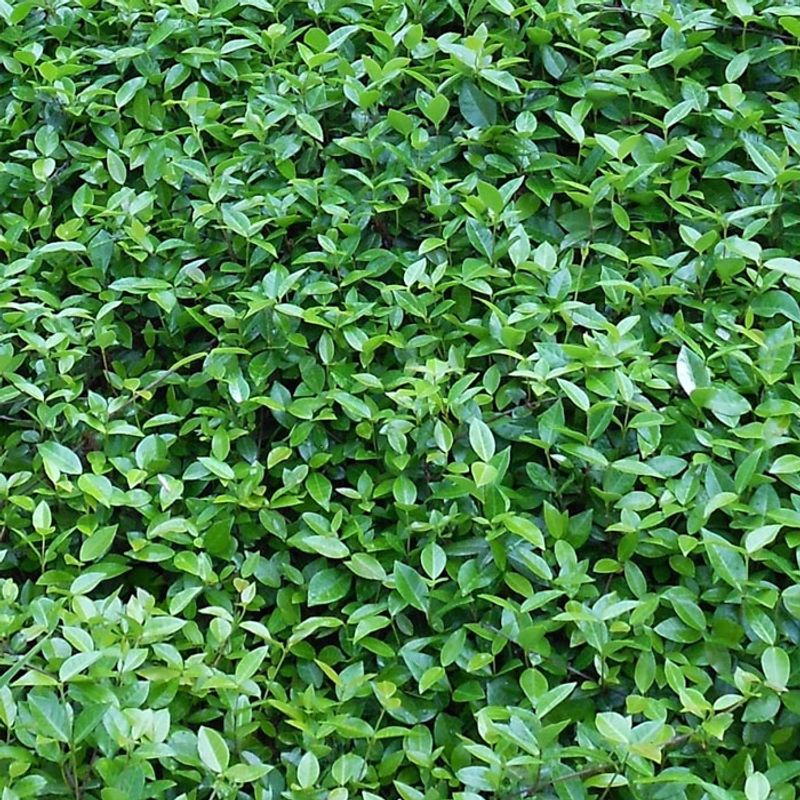
Some Florida yards need a ground cover that behaves more like a green blanket than a wildflower patch. Asiatic jasmine is the practical, no-nonsense choice for homeowners who want dense coverage and a tidy look in sun or part shade.
Although it is not native, it is widely used in Florida landscapes because it forms a thick mat that can outcompete many weeds once established. It is especially handy under trees, along walkways, and in large beds where turf struggles but bare mulch keeps getting invaded.
The water savings come after the planting fills in. Young jasmine needs irrigation until roots spread, but mature beds can be quite drought tolerant in many Florida settings. Occasional edging is needed because the vines will creep beyond their assigned area if ignored for too long.
Avoid letting it climb into shrubs or natural areas, and keep it managed as a landscape plant. For gardeners who want clean lines rather than a meadow look, Asiatic jasmine delivers reliable coverage with less mowing, less watering, and fewer weed battles than open soil.