
Discover the incredible world of insects that can be your garden’s best friends. These fantastic creatures not only promote plant health but also protect your garden from pests, enhancing biodiversity and creating a balanced ecosystem.
Let’s explore 24 amazing insects that play a crucial role in maintaining a thriving and healthy garden.
Ladybug

Ladybugs are tiny heroes in the garden, voraciously consuming aphids and other soft-bodied pests that can damage plants. Encourage them with plenty of flowering plants.
Praying Mantis

Praying mantises are formidable predators that hunt a variety of pests. Their presence ensures a natural pest control without the use of chemicals.
Ground Beetle

Ground beetles are nocturnal hunters that feed on slugs, snails, and other soil-dwelling pests. These beetles thrive in mulched gardens.
Hoverfly

Hoverflies not only pollinate plants but also have larvae that consume aphids, making them doubly beneficial in any garden setting.
Green Lacewing

Green lacewings are known for their larvae, which are incredible aphid predators. These insects help in keeping pest populations under control.
Tachinid Fly

Tachinid flies lay eggs on caterpillars and other pests, reducing their numbers. They are an excellent biological control agent in gardens.
Soldier Beetle

Soldier beetles prey on soft-bodied pests like aphids and caterpillars. Their larvae also contribute to pest control by feeding on insect eggs.
Damsel Bug

Damsel bugs are effective predators of aphids, caterpillars, and other pests. They are often found patrolling the foliage for their next meal.
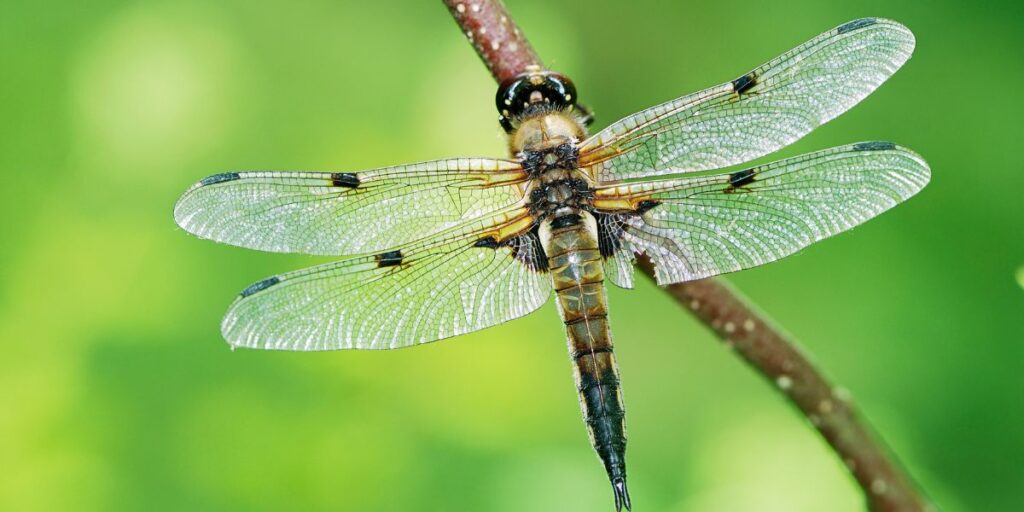
Dragonfly

Dragonflies are formidable hunters of mosquitoes and other flying pests. Having a pond or water feature in your garden will attract these beneficial insects.
Braconid Wasp

Braconid wasps parasitize caterpillars and other pests, keeping their populations in check. They are gentle towards plants and humans alike.
Minute Pirate Bug

Despite their small size, minute pirate bugs are aggressive predators of thrips, aphids, and mites, making them excellent allies in pest management.
Spined Soldier Bug
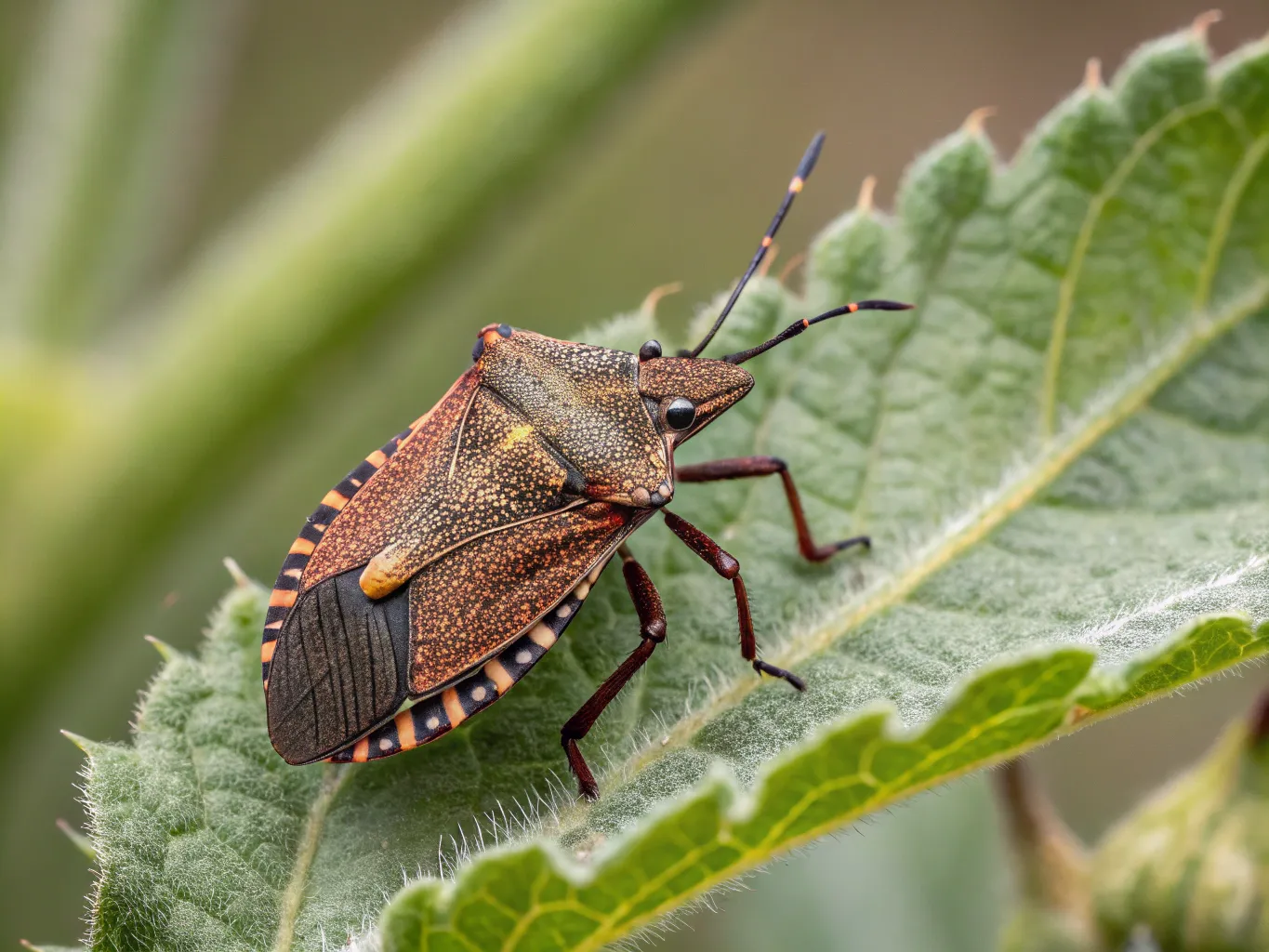
Spined soldier bugs feed on soft-bodied insects and caterpillars, protecting crops and flowers from damage without harming beneficial insects.
Assassin Bug

Assassin bugs are skilled hunters that prey on a wide variety of garden pests. Their presence helps reduce the need for chemical pesticides.
Parasitic Wasp

Parasitic wasps target caterpillars and beetle larvae, acting as natural pest control agents by preventing these pests from maturing.
Rove Beetle

Rove beetles eat a variety of pests, including maggots and mites. They thrive in compost piles and soil, contributing to pest reduction.
Earwig

While often misunderstood, earwigs help control aphid and other pest populations. They are best managed by keeping garden debris to a minimum.
Firefly

Fireflies not only add magic to your garden evenings but their larvae also help control snail and slug populations.
Yellow Jacket

Though sometimes aggressive, yellow jackets control pest populations by feeding their young with insects. Care should be taken around them.
Orchard Mason Bee

Orchard mason bees are super pollinators, more efficient than honeybees. They enhance fruit yields and garden productivity.
Sweat Bee

Sweat bees are important pollinators, particularly for wildflowers and crops. They are gentle and rarely sting.
Carrion Beetle

Carrion beetles play a role in decomposition and nutrient recycling, indirectly benefiting garden soil health.
Ichneumon Wasp

Ichneumon wasps lay eggs in other insects, controlling pest populations. They are particularly effective against caterpillars and beetle larvae.
Robber Fly

Robber flies are aggressive predators that catch and consume other insects in flight, helping manage pest populations.
Tiger Beetle

Tiger beetles are fast hunters, preying on various ground-dwelling insects. Their presence indicates a healthy garden ecosystem.