
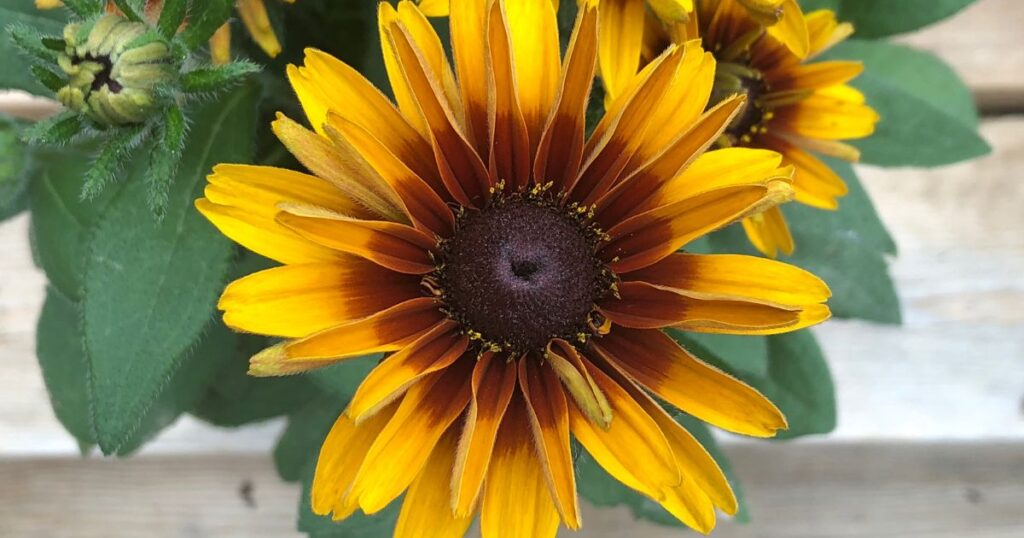
Fall is the perfect time to give your perennial garden a refresh. Dividing perennials not only helps rejuvenate the plants, leading to more vigorous growth, but also allows you to propagate more plants from your existing ones.
Here’s a list of 29 must-divide fall perennials for a stunning 2025 garden.
Daylilies

Daylilies benefit greatly from fall division, promoting better blooms next season. Look for clumps that appear overcrowded and gently separate them for healthier growth.
Hostas

Hostas should be divided every few years to maintain their lush foliage. Fall is ideal for this task as the plants begin to go dormant, making them easier to handle.
Peonies

Dividing peonies in the fall can rejuvenate old plants and increase flower production. Ensure each division has several eyes for optimal growth.
Irises

Irises benefit from division every few years. Fall is perfect, allowing the rhizomes to establish before the spring growth spurt.
Sedum

Sedum, especially ‘Autumn Joy’, thrives when divided every few years. This prevents the center from dying out and ensures a fuller plant.
Astilbe

Astilbe should be divided in the fall to prevent overcrowding and to extend the life of the plant. This will also help them maintain their vibrant blooms.
Yarrow

Yarrow spreads quickly and can become invasive. Divide in the fall to control growth and promote healthy blooms.
Phlox

To prevent phlox from becoming congested, divide them every three to four years. Fall division helps maintain their vigor and flower production.
Rudbeckia

Rudbeckia, or black-eyed Susans, benefit from division to prevent overcrowding and to keep the plants healthy and blooming freely.
Echinacea

Echinacea should be divided every few years to ensure robust blooming. Fall division is easy when the weather is cool and the plants are dormant.
Monarda

Monarda, or bee balm, can be prone to mold if not properly spaced. Divide them in fall to encourage air circulation and healthy growth.
Bleeding Heart

Bleeding hearts benefit from division as they expand. Fall is the best time to divide them to prepare for new spring growth.
Ferns

Ferns can be divided in the fall to prevent them from overtaking your garden. This will help keep them manageable and vibrant.
Shasta Daisies

Shasta daisies may need dividing every few years to prevent them from becoming too woody. Fall division encourages fresh growth.
Helenium

Helenium should be divided to maintain their rich blooms and prevent them from becoming leggy. Fall is an excellent time for this task.
Day Phlox

Day phlox benefits from division to prevent disease and maintain healthy growth. Ensure each division has plenty of roots.
Ajuga

Ajuga spreads rapidly and can easily become invasive. Divide in fall to keep it under control and thriving.
Liriope

Liriope benefits from division every few years to prevent overcrowding and to enhance its lushness. Fall division is quick and easy.
Coreopsis

Coreopsis should be divided to promote healthy blooms and prevent the plants from becoming too leggy. Fall is the optimal time to tackle this task.
Bergenia

Bergenia benefits from fall division to ensure dense growth and vibrant spring blooms. This helps keep the plant in check and flourishing.
Asters
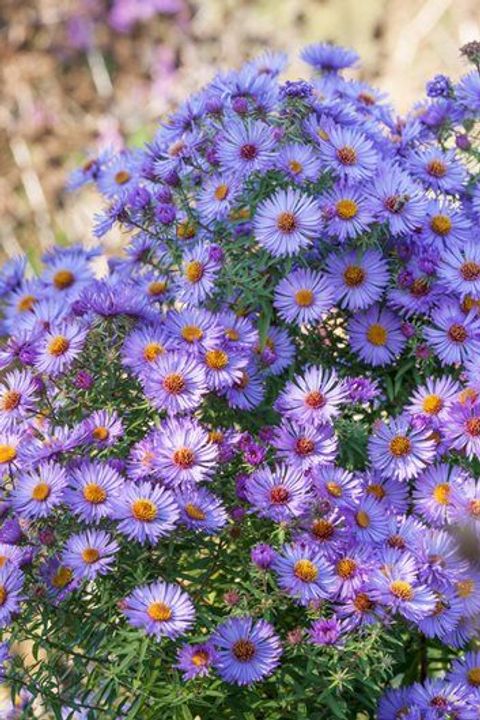
Asters are fall-blooming perennials that add a burst of color to any garden. They are best divided every two to three years to maintain vigor and encourage more blooms. Ideal for borders and bouquets, asters attract butterflies, making them a garden favorite.
Black-eyed Susan
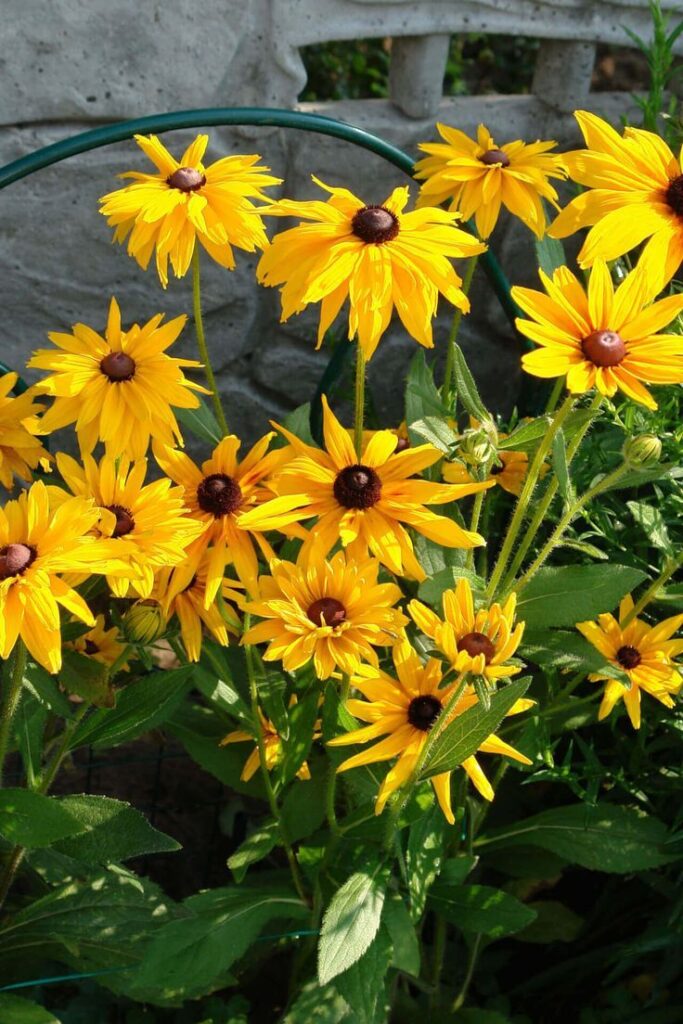
Black-eyed Susans are hardy perennials that light up gardens with their cheerful yellow flowers. Divide them every three to four years to maintain plant health and prolong blooming. Their resilience and easy care make them a top choice for novice gardeners.
Coral Bells

Coral bells are grown primarily for their stunning foliage rather than flowers. Divide these perennials in the fall to keep them healthy and to propagate new plants. Their striking leaves add texture and color to shady garden areas.
Hellebores
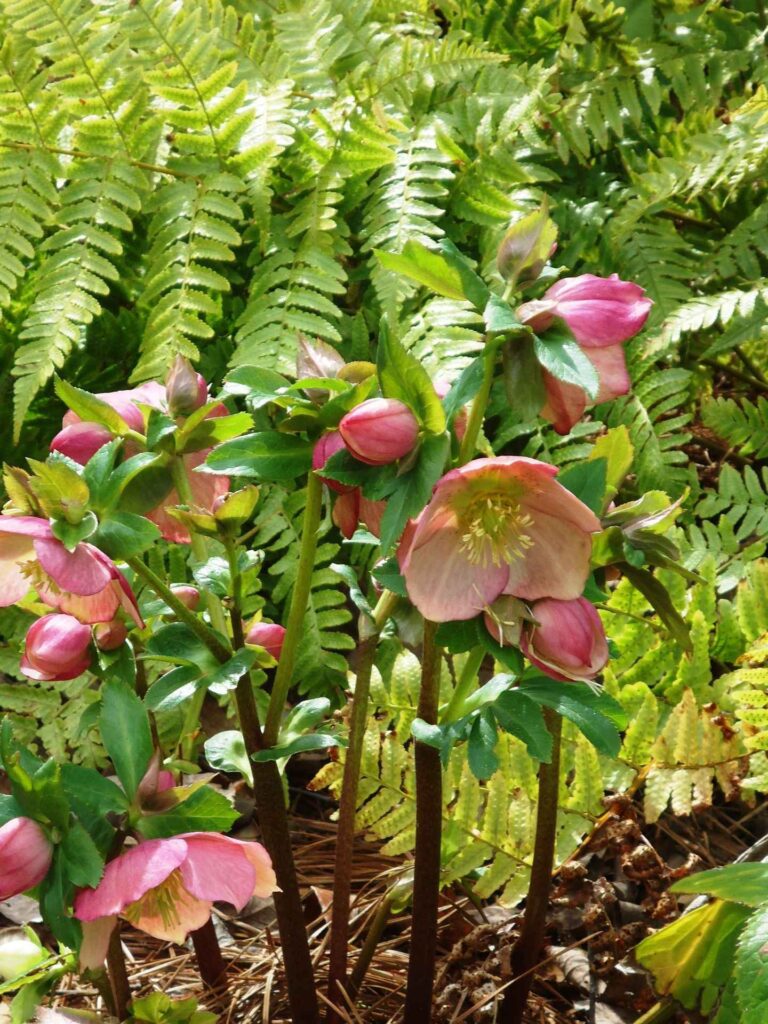
Known as the ‘Christmas Rose,’ hellebores bloom in late winter to early spring. Dividing them in the fall helps rejuvenate plants and allows you to propagate these winter bloomers. They thrive in shady areas, adding early color to the garden.
Anemone
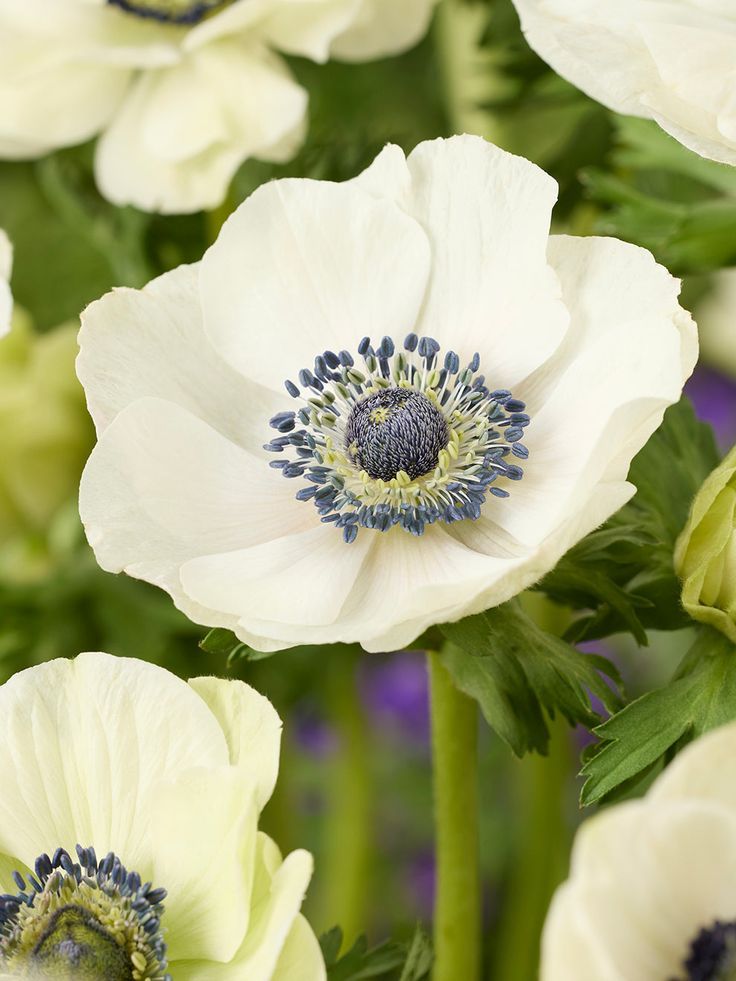
Anemones, or windflowers, are cherished for their delicate blooms and long flowering period. Divide them in the fall to propagate new plants and maintain their vigor. Anemones add a touch of grace to mixed borders and woodland gardens.
Kniphofia
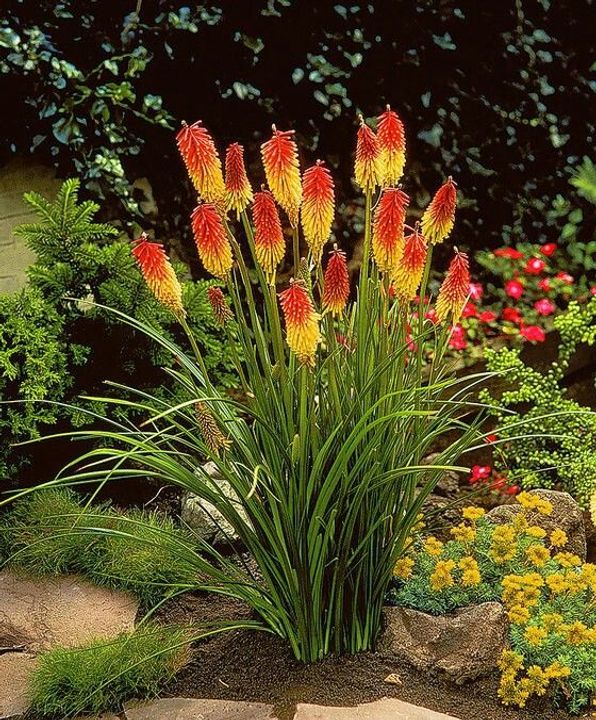
Kniphofia, known as red hot poker, brings an exotic touch to gardens with its vibrant flower spikes. Divide in the fall to prevent overcrowding and ensure robust flowering. This perennial adds drama and height to borders.
Pulmonaria
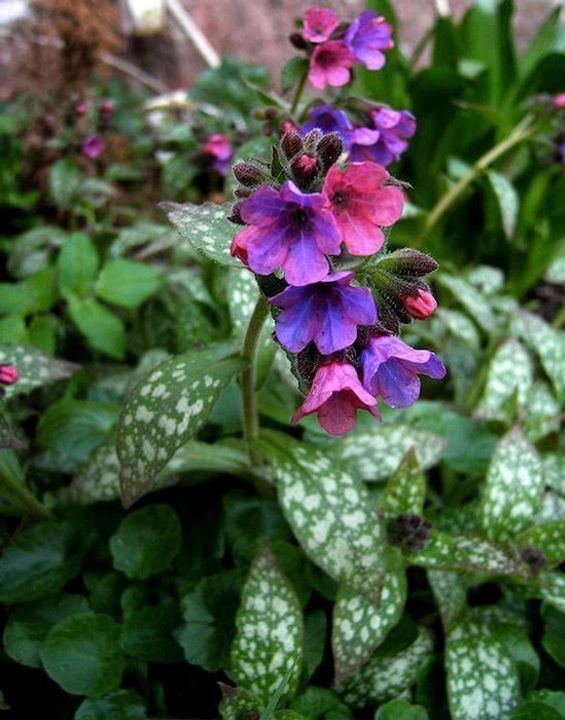
Pulmonaria is valued for its attractive, speckled foliage and early spring flowers. Divide in the fall to encourage new growth and maintain plant health. Ideal for shady areas, it adds a splash of color early in the gardening season.
Campanula
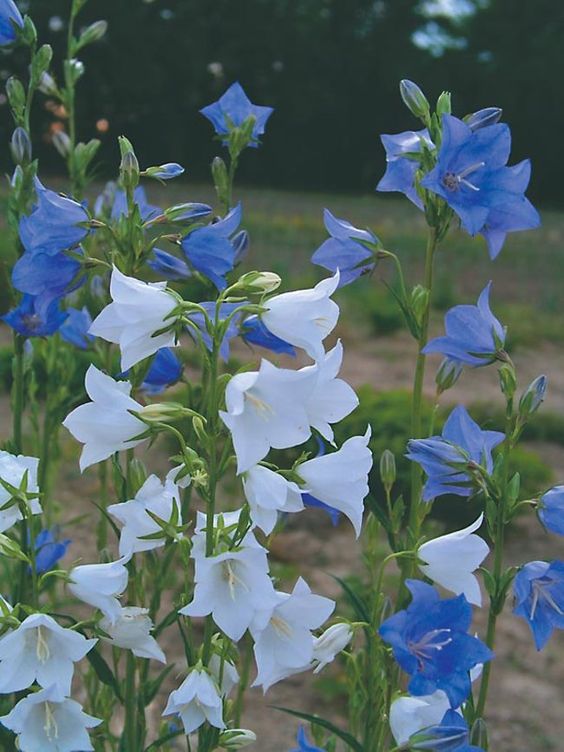
Campanula, known as bellflower, offers charming bell-shaped flowers in various shades. Divide these perennials every few years to rejuvenate plants and ensure abundant blooms. They are perfect for cottage gardens and rockeries.
Gaura
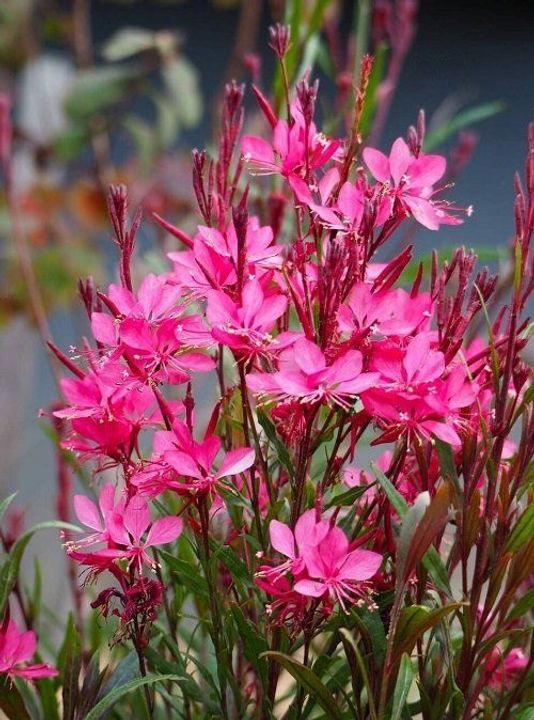
Gaura, or beeblossom, features delicate, butterfly-like flowers that dance in the breeze. Divide in the fall to keep plants vigorous and produce more blooms. Gaura adds a whimsical touch to borders and wildflower gardens.