
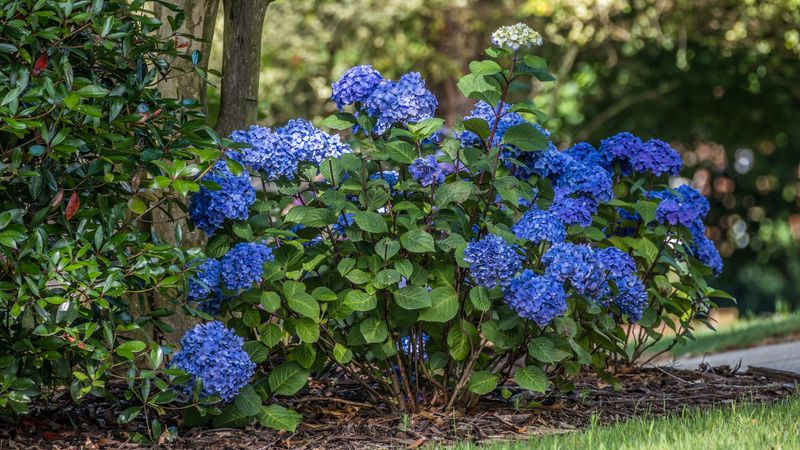
Shady corners can make a Florida yard feel unfinished, especially when the sunny beds are full of color. The good news is that shade does not have to mean plain green leaves and bare mulch.
Several flowering shrubs handle filtered light, sandy soil, and sticky Southern weather better than many people expect. Use this list to find plants that bring blooms, texture, and wildlife value back into those dim spots.
1. Oakleaf Hydrangea
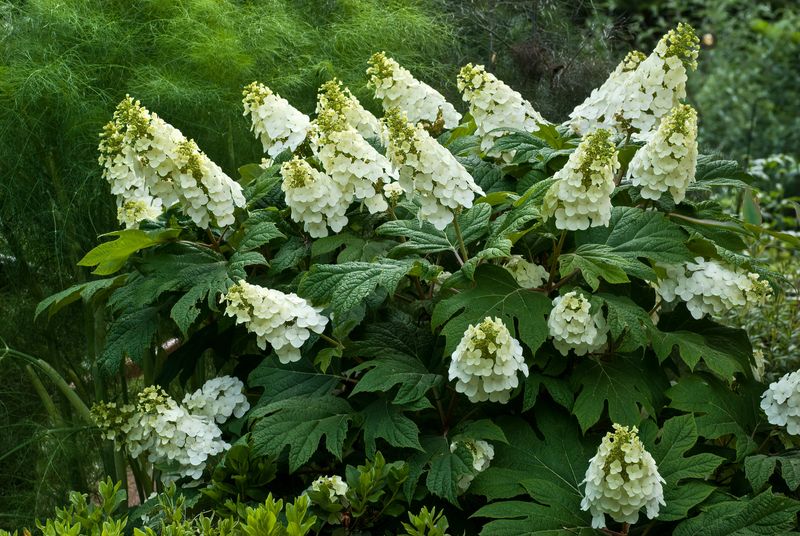
Under the dappled shade of oaks or pines, oakleaf hydrangea can make a forgotten corner look like it belongs in an old Southern garden. Its big cone-shaped flower clusters open creamy white, then often age to soft pink or tan, giving the shrub more than one season of interest.
Unlike the round mophead hydrangeas many gardeners struggle with in hot Florida yards, oakleaf hydrangea is native to the Southeastern United States and is better suited to woodland edges. It likes partial shade, especially afternoon protection, and appreciates soil that stays evenly moist without sitting soggy after storms.
Give it room, because mature plants can become broad and handsome rather than tight and formal. In North and parts of Central Florida, it can also offer burgundy fall color, which is a rare bonus in a mostly evergreen landscape.
Use oakleaf hydrangea where you want a larger, softer shrub behind ferns, coontie, or shade-loving groundcovers. A layer of mulch helps sandy soil hold moisture, but keep mulch pulled back from the stems to reduce rot problems.
2. Firespike
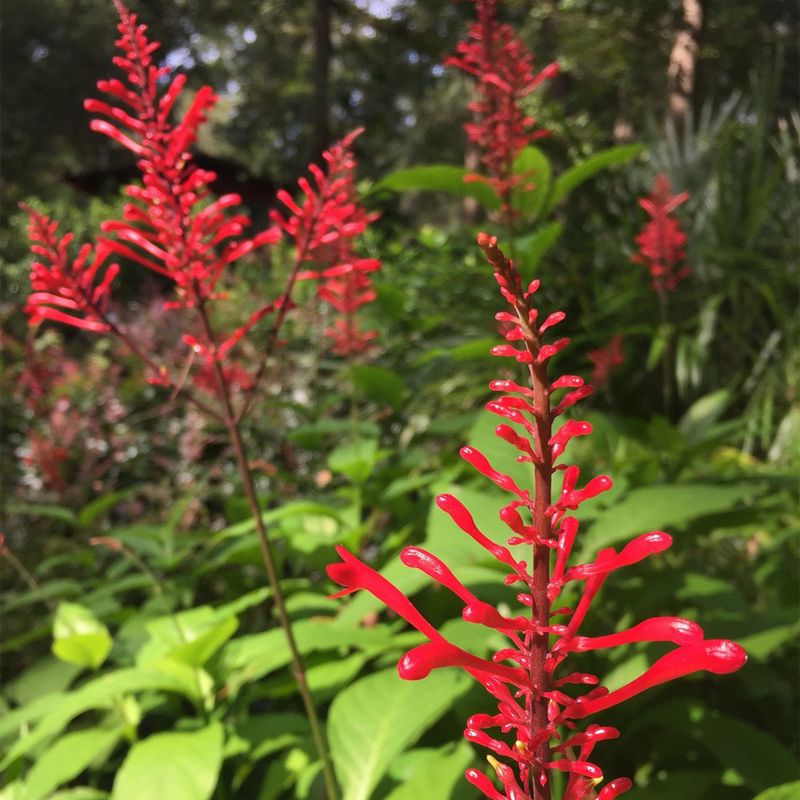
Hummingbirds seem to spot firespike before people do, and that is part of its charm. The upright red flower spikes glow in shady beds when many other plants are slowing down or sulking in the heat.
Firespike, also called Odontonema, is especially useful in Central and South Florida, where it can grow into a leafy, tropical-looking shrub. In colder parts of the state, winter may knock it back, but it often returns from the roots if protected and mulched.
What makes it stand out is timing. Firespike commonly puts on its strongest show from late summer into fall, a season when Florida gardeners are often repairing beds after heat, rain, and pest pressure.
Plant it in bright shade or morning sun with afternoon shade, and give it a spot with decent moisture. Sandy soil can work if improved with compost and covered with mulch, though the plant will look fuller with regular water during dry stretches.
For a lively wildlife corner, pair firespike with beautyberry, native salvia, or porterweed in nearby sunnier pockets. The result feels relaxed, colorful, and useful to pollinators without needing a fussy formal design.
3. Azalea
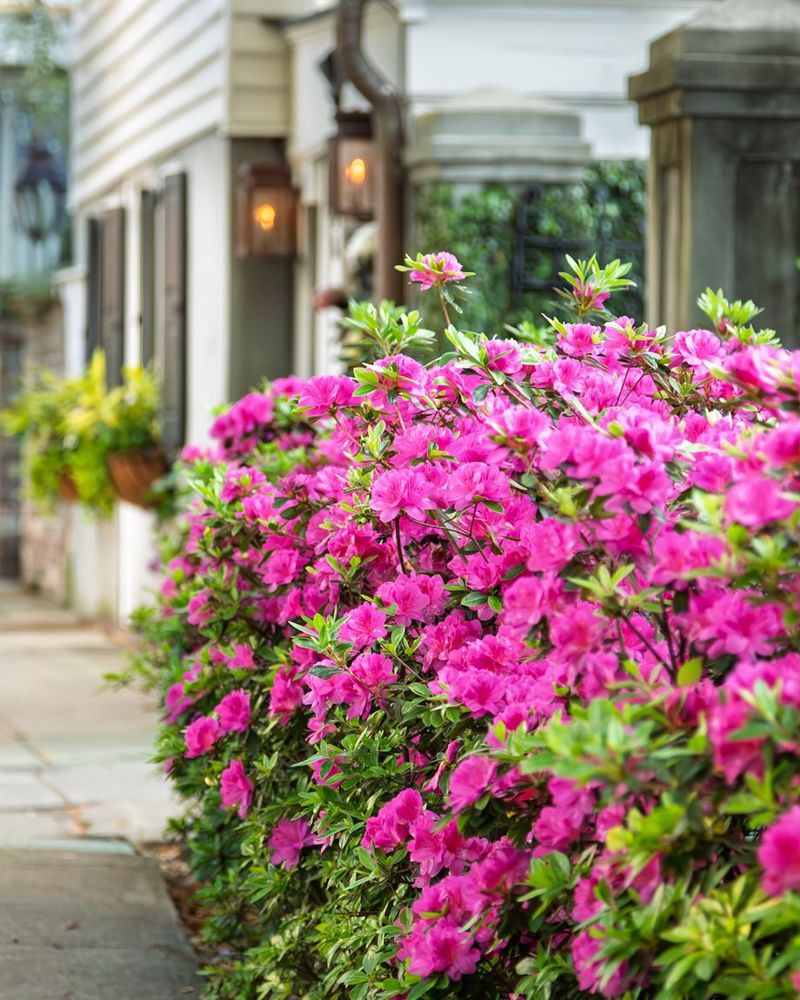
Few shrubs can turn a quiet Florida front yard into a spring event as quickly as azaleas. When they bloom, even a narrow strip under pines or along a shaded walkway can suddenly feel full of color.
Azaleas are a classic choice for North Florida and cooler parts of Central Florida, especially where the soil is naturally acidic. They do best in filtered shade, not deep darkness, and they dislike hot reflected light from walls, driveways, and sidewalks.
The trick is planting them high and keeping their roots comfortable. Florida’s sandy soil drains fast, but azaleas still need organic matter and mulch because their roots are shallow and easy to stress.
Choose varieties suited to your part of the state, since not every azalea handles every Florida climate equally well. Encore types can rebloom in the right conditions, while many traditional Southern Indica types are grown for a big spring flush.
Azaleas earn their spot on this list because they bring a polished, established look to shade. Place them near entries, porch steps, or under high tree canopies where spring flowers will be seen up close.
4. Camellia
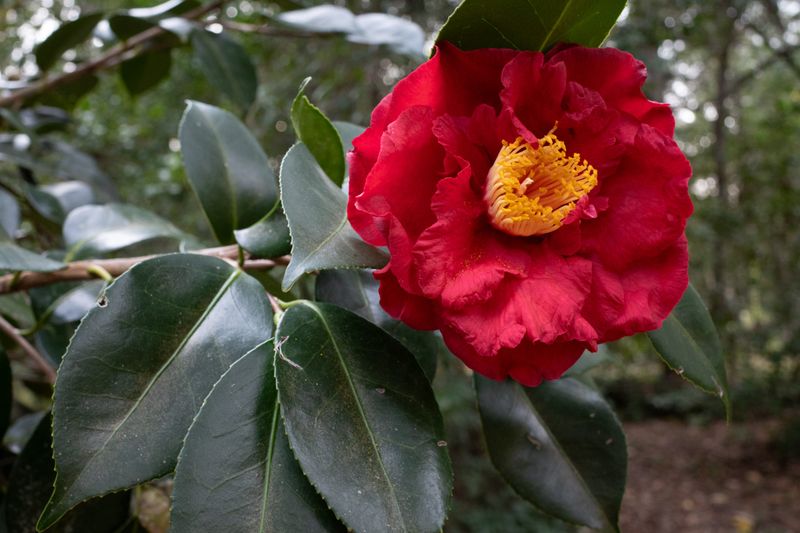
Winter color feels almost like a magic trick when it comes from camellias. While many Florida beds look quiet, these glossy evergreen shrubs can open rose-like blooms in shades of pink, red, white, or striped blends.
Camellias are best suited to North Florida and parts of Central Florida where winters are cool enough for dependable flowering. They prefer partial shade, acidic soil, and a protected spot away from harsh afternoon sun and drying winds.
Their biggest strength is elegance with patience. A camellia is not the shrub you plant for instant size in one season, but it can become a long-lived anchor near a porch, patio, fence line, or shaded side yard.
Good drainage matters, especially in areas that flood during tropical downpours. Plant slightly high, amend the planting area with organic matter when needed, and avoid burying the root flare under heavy mulch.
Camellia sasanqua often handles more sun and blooms earlier, while Camellia japonica tends to have larger, showier flowers later in winter or early spring. Either way, the deep green leaves keep the bed looking cared for even when the plant is not flowering.
5. Florida Anise
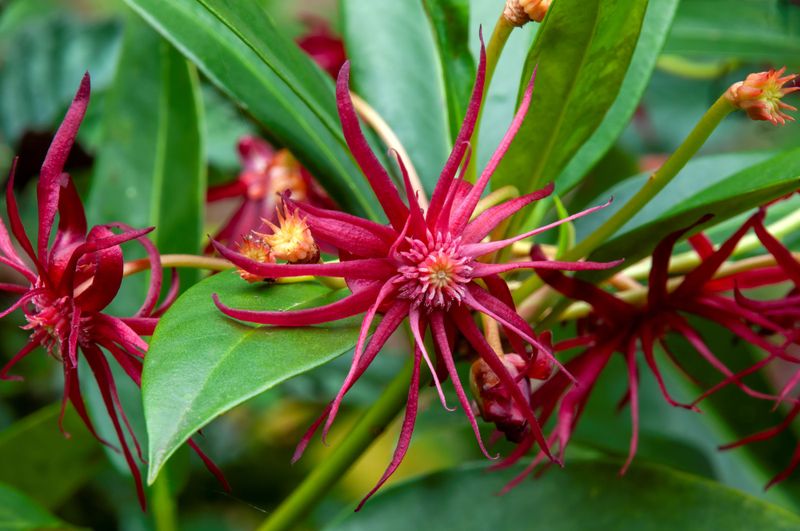
A shady wet corner that seems too gloomy for color may be exactly where Florida anise feels at home. Its deep red, star-shaped flowers are unusual rather than flashy, and they reward anyone who walks close enough to notice the details.
Florida anise, Illicium floridanum, is native to the Southeast and is especially valuable in moist, partly shaded spots. It naturally grows in woodland and streamside areas, so it is a smart candidate for low areas that stay damp longer than the rest of the yard.
The leaves have a spicy scent when crushed, but this is not the edible star anise used in cooking. Treat it as an ornamental plant, and keep that distinction clear if children help in the garden.
Its difference from the other shrubs here is mood. Florida anise brings a rich, woodland look with evergreen leaves, burgundy flowers, and a dense shape that can screen utilities or soften a fence.
Use it where irrigation overspray, roof runoff, or natural moisture gives plants a boost, but avoid placing it in standing water for long periods. In a Florida-friendly landscape, it pairs beautifully with ferns, wild coffee, and other shade plants that prefer a more natural bed.
6. Wild Coffee
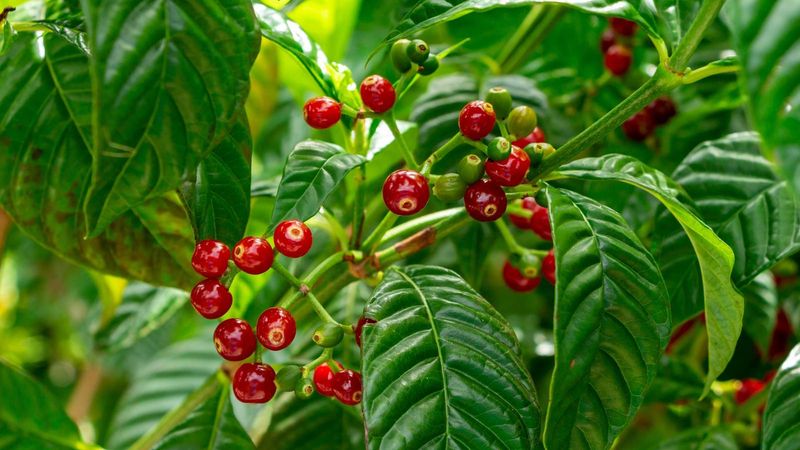
Look closely at wild coffee and the tiny white flowers tell a bigger story than their size suggests. They attract pollinators, then give way to red berries that add color and feed birds in many Florida yards.
Wild coffee is a Florida native shrub that shines in shade to part shade, especially in Central and South Florida. It has glossy leaves, a tidy rounded habit, and a relaxed tropical feel that works well near patios, side yards, and shaded foundation beds.
Despite the name, it is not the coffee plant used for your morning cup. The name comes from the berry-like fruit and family connection, but gardeners usually grow it for wildlife value and easy greenery.
Wild coffee earns a place here because it solves several shade problems at once. It adds flowers, fruit, evergreen structure, and habitat value without looking messy or oversized in small home landscapes.
Plant it in a protected location if you garden in the cooler edge of its range, since frost can damage it. Once established, it handles normal Florida shade beds well, though it looks best with mulch and occasional water during dry spells.
For a softer, native planting, combine wild coffee with coontie, firebush in brighter nearby light, and native ferns. The bed will feel alive even when the flowers are small.
7. Pinxter Azalea
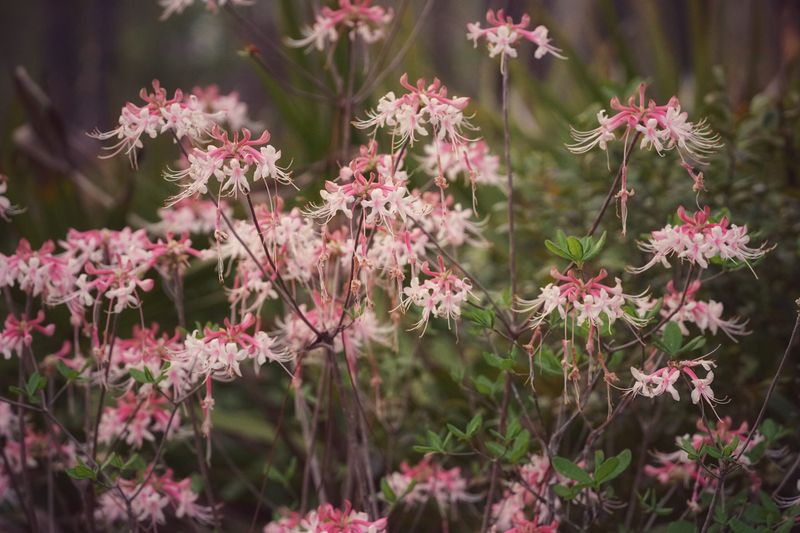
There is something wonderfully old-Florida about a native azalea blooming at the edge of the woods. Pinxter azalea offers soft pink, often fragrant flowers that feel lighter and more natural than the dense flower walls of many landscape azaleas.
Pinxter azalea, commonly associated with Rhododendron canescens and related native forms, is best for North Florida and other areas with the right acidic, well-drained conditions. It likes high shade, morning sun, or woodland edges where light is bright but not punishing.
Unlike evergreen azaleas, many native azaleas are deciduous, so they may drop leaves for part of the year. That tradeoff is worth it if you want spring flowers with a native-plant feel and strong pollinator appeal.
Good placement makes all the difference. Put pinxter azalea where its spring bloom can be enjoyed, but where nearby evergreen plants can carry the bed after flowering ends.
Sandy soil should be improved with organic matter, and pine straw mulch is a natural fit because it helps conserve moisture while matching the woodland look. Avoid liming the soil unless a test says it is needed for another purpose, since azaleas prefer acidity.
This shrub is the choice for gardeners who want shade color that feels less like a subdivision planting and more like a Southern woodland garden.