
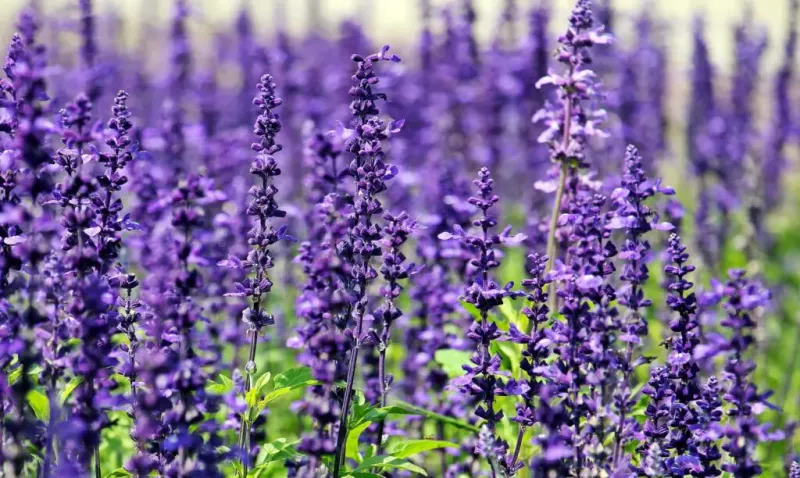
Fall is a smart time to freshen up Florida flower beds because the heat eases, rain patterns shift, and pests keep looking for easy food and shelter. Rats are drawn to messy corners, fallen fruit, pet food, and thick hiding spots, but strong-scented flowers can make your yard less inviting.
No plant works like a trap or a sealed trash can, but the right blooms can support a cleaner, better-looking pest plan. Here are seven Florida-friendly flowers that bring color while helping your yard feel less like rat real estate.
1. Marigolds
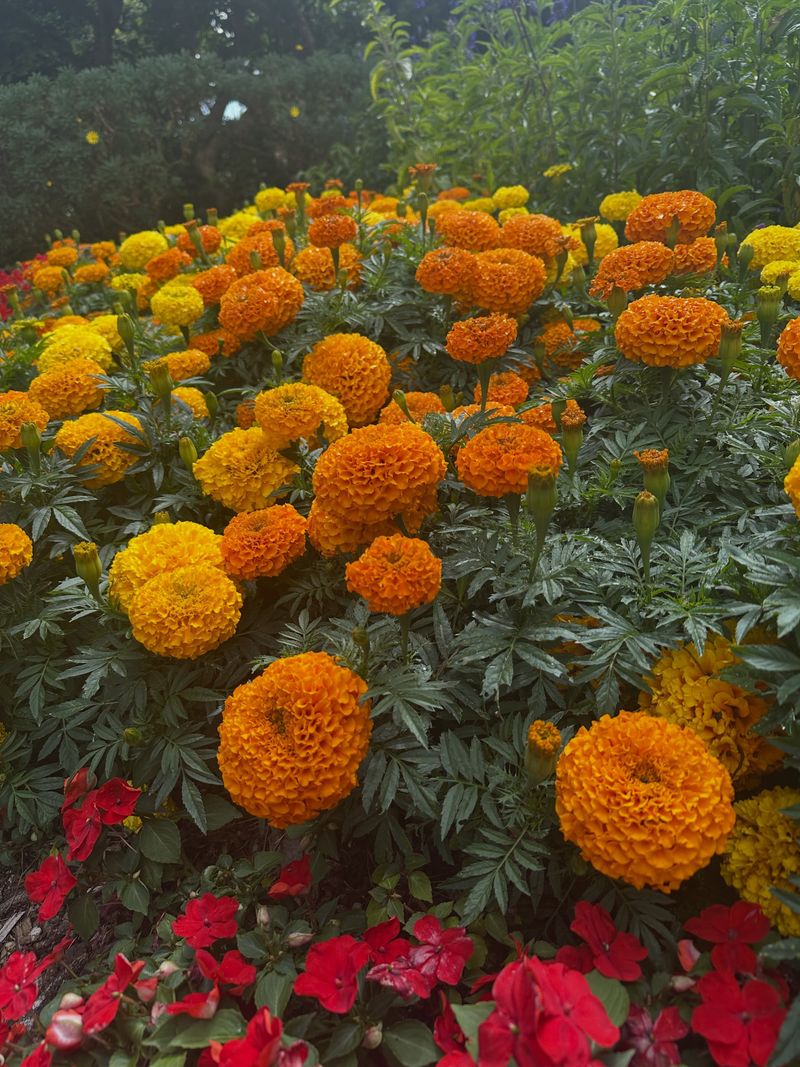
Bright marigolds look cheerful, but their smell is the real reason they earn a place near patios, vegetable beds, and trash-bin paths. Many gardeners use them because the sharp, musky scent can help make planted areas less appealing to pests that prefer quiet, food-rich hiding spots.
In Florida, marigolds are especially handy in fall because they handle warm days and cooler nights better than many delicate annuals. French marigolds and African marigolds both bring bold color, and they fit neatly along bed edges where rats might otherwise travel under cover.
Plant them in full sun with well-drained soil, which matters in Florida yards that can swing from sandy and dry to soaked after heavy rain. Keep the plants trimmed and remove spent blooms so the bed stays open instead of becoming a messy shelter.
Marigolds are not a magic rat shield, but they add scent, color, and structure in one easy move. Pair them with sealed garbage, picked-up fruit, and thin mulch, and they become part of a practical fall yard reset.
2. Society Garlic
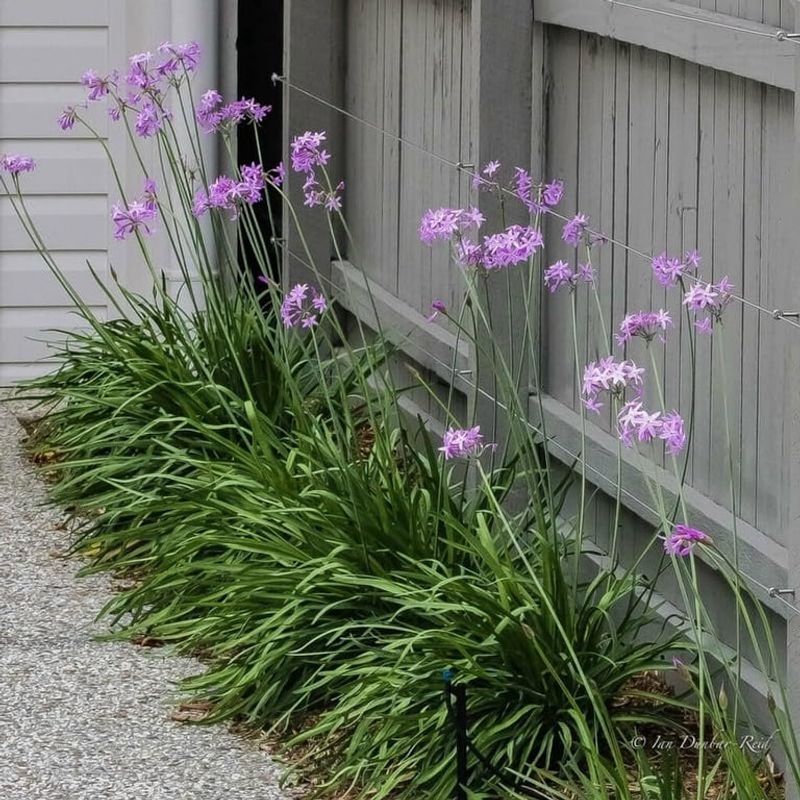
A little garlic smell in the flower bed can be a good thing when rats are scouting for cozy routes. Society garlic has lavender-purple blooms and narrow leaves that release an onion-garlic scent when brushed, making it one of the more useful ornamental choices for pest-aware Florida gardeners.
What sets it apart is toughness. Once established, society garlic tolerates heat, sun, and dry spells, which makes it a strong match for sandy Florida soil and low-effort borders.
It also looks tidy enough for front yards, unlike some stronger-smelling herbs that can sprawl or look weedy if ignored.
Use it along fence lines, around AC pads, near sheds, or beside walkways where you want fewer hidden travel lanes. The clumping habit helps define edges without creating a thick jungle at ground level.
Fall is a comfortable planting window in much of Florida because roots can settle in without the worst summer stress. Give society garlic full sun, avoid soggy spots, and divide clumps when they get crowded.
The flowers please pollinators, while the scent gives rats one more reason to keep moving.
3. Lavender
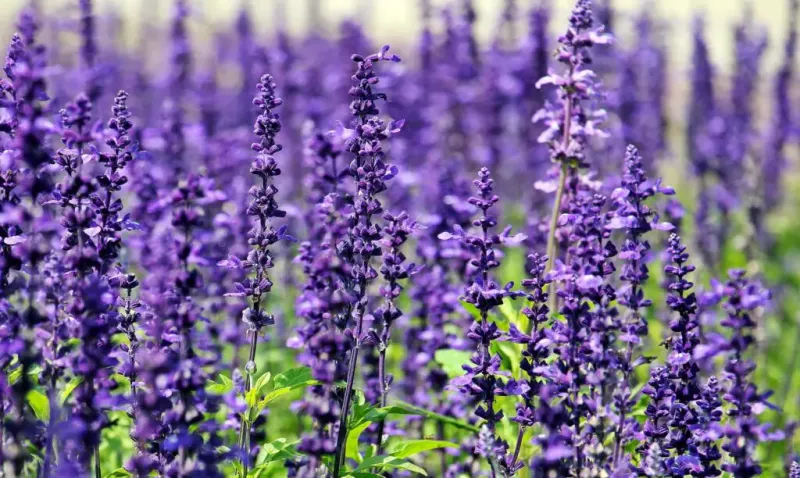
Lavender brings the kind of clean, herbal fragrance people love and many nuisance animals would rather avoid. For Florida gardeners, the trick is not just planting lavender, but planting it the right way so it survives humidity and sudden rain.
Raised beds and containers are your friends here. Lavender hates wet feet, so a pot with sharp drainage or a mound of gritty soil gives it a much better chance than a low, soggy bed.
Spanish lavender and some heat-tolerant varieties often perform better than classic English lavender in warmer parts of the state.
Place lavender near porch steps, seating areas, garage entries, or sunny corners where you want fragrance and a polished look. Rats tend to favor cluttered, damp, protected spaces, so lavender works best in open, dry, well-kept spots rather than buried in overgrown beds.
Snip lightly after blooming to keep the plant from getting woody and tired. As a bonus, dried lavender stems can be bundled for closets or potpourri.
In the yard, its value is simple: strong scent, neat shape, and less cover.
4. Scented Geraniums
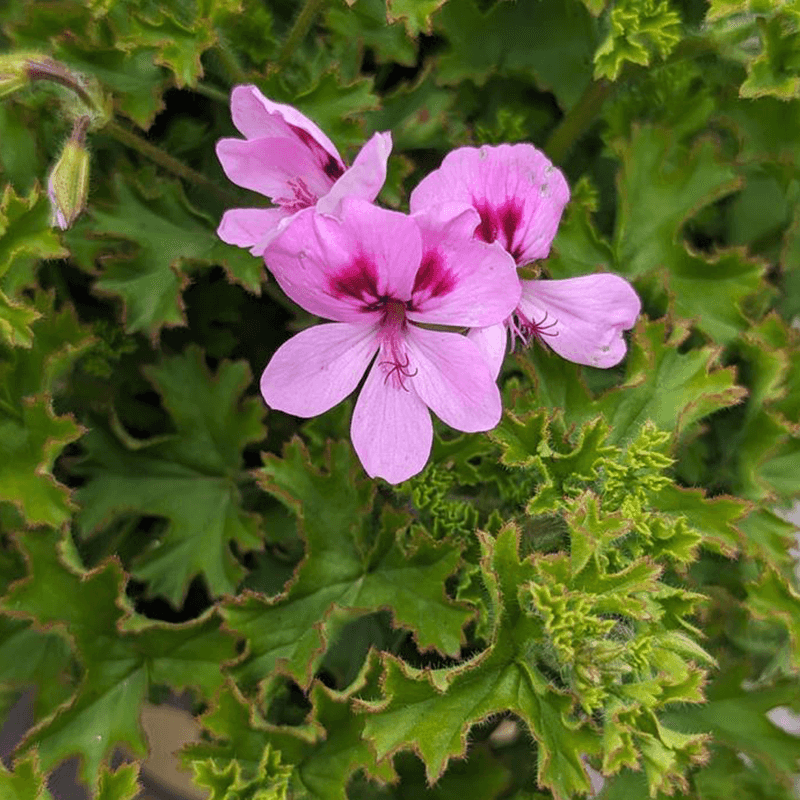
Porch pots can do more than look pretty by the front door. Scented geraniums offer small blooms, textured leaves, and fragrance that can smell like rose, lemon, mint, or spice depending on the variety.
The leaves are the standout feature. When bumped or watered, they release a strong aroma that helps make entry areas, patios, and container groupings less attractive to pests looking for crumbs, pet food, or protected corners.
That makes scented geraniums a smart pick for outdoor living spaces where rats should not feel welcome.
Florida gardeners often do best with morning sun and afternoon shade, especially in hotter parts of the state. Use a light potting mix, choose containers with drainage holes, and avoid letting saucers hold water after storms.
Good airflow keeps the plants happier during humid spells.
Try placing two or three pots near doors, grill areas, or screened porch steps, but keep the area clean. A scented plant will not outwork spilled birdseed or an open trash bag.
Used with basic cleanup, scented geraniums bring a polished, fragrant layer to fall pest prevention.
5. Chrysanthemums
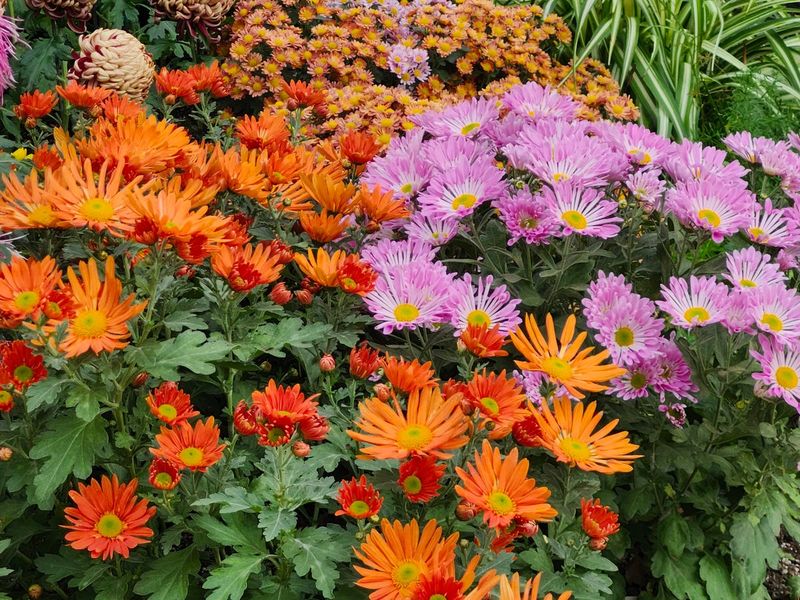
Few flowers say fall as clearly as mums lined up by the porch. Chrysanthemums bring dense color just when many Florida gardeners want their yards to look fresh again after summer heat, and their natural compounds are also used in some pest-control products.
That does not mean a pot of mums will drive every rat away. Still, their scent and tidy seasonal structure can help make high-traffic areas feel less inviting when combined with smart cleanup.
They are especially useful near entries, steps, mailbox beds, and sunny patio corners where you want fast color without planting a permanent shrub.
In Florida, treat many garden mums as cool-season annuals unless you know the variety performs well in your area. Give them bright light, water at the soil level, and avoid crowding them so air can move through the foliage after humid nights.
One caution matters for pet owners: chrysanthemums can bother cats and dogs if chewed. Use them where pets are not likely to snack.
For homeowners who want instant fall curb appeal with a pest-aware bonus, mums are a practical seasonal pick.
6. Mint Flowers
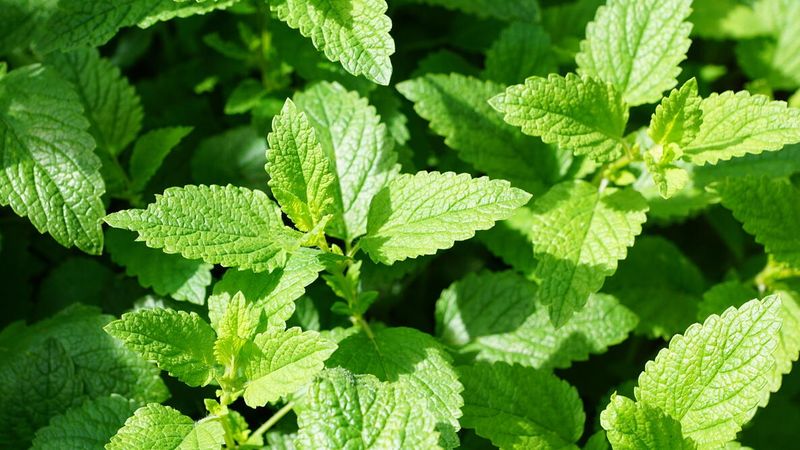
Mint has a bold personality, and it does not stay quiet in the garden. Its cool, sharp scent is one reason people use it around patios and kitchen gardens when they want a fresher-smelling space that is less attractive to rodents.
The flowers are small, often pale purple or white, but the leaves do most of the work. When mint is brushed, cut, or watered, the fragrance rises quickly.
That scent can help mask some of the smells that draw rats, especially around compost areas, herb containers, and outdoor cooking spaces.
Here is the Florida rule: keep mint in a pot. In warm, wet conditions, it can spread aggressively and turn from helpful herb to garden headache.
A large container lets you enjoy the scent and blooms without letting the roots run through a bed.
Set pots on a patio, near a raised bed, or beside a shed door where you can trim often. Frequent cutting keeps growth fresh and prevents a tangled mess.
If you want a plant that feels lively, useful, and a little pushy in the best way, mint earns its spot.
7. Nasturtiums
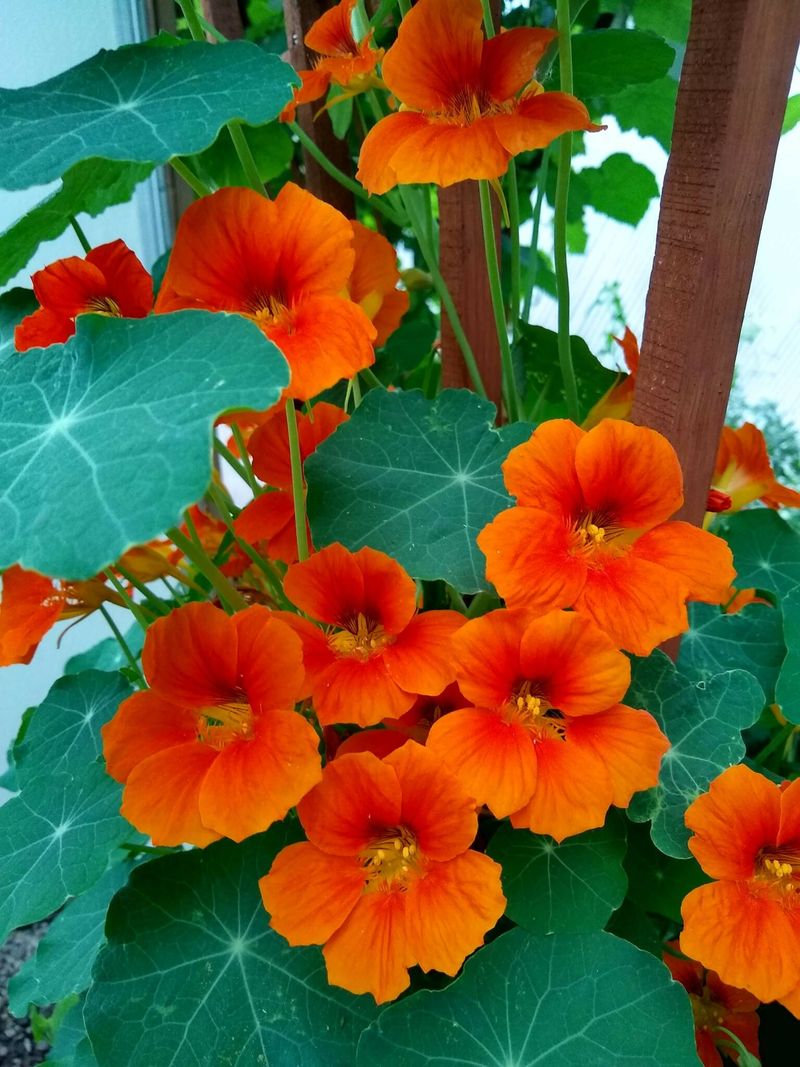
Nasturtiums bring a peppery kick to the garden, both in their edible flowers and their rounded leaves. That spicy scent and taste make them different from sweeter-smelling fall flowers, and they are a fun choice for gardeners who like plants that look playful but still serve a purpose.
In Florida, nasturtiums often perform best during the cooler months rather than the harshest summer stretch. Fall planting gives them a chance to fill containers, raised beds, and border edges with orange, yellow, red, or cream blooms.
They prefer well-drained soil and usually do not need rich feeding, which fits many sandy yards.
Use nasturtiums where you want quick coverage without creating permanent hiding places. Their trailing stems can soften the edge of a raised bed, but they are easy to pull back if growth gets too thick.
That matters because rat prevention depends on reducing shelter as much as adding strong scents.
Harvesting the flowers for salads or garnishes keeps the plant tidy and useful. With their peppery aroma, cheerful colors, and cool-season timing, nasturtiums are a smart fit for Florida gardeners refreshing beds in fall.