
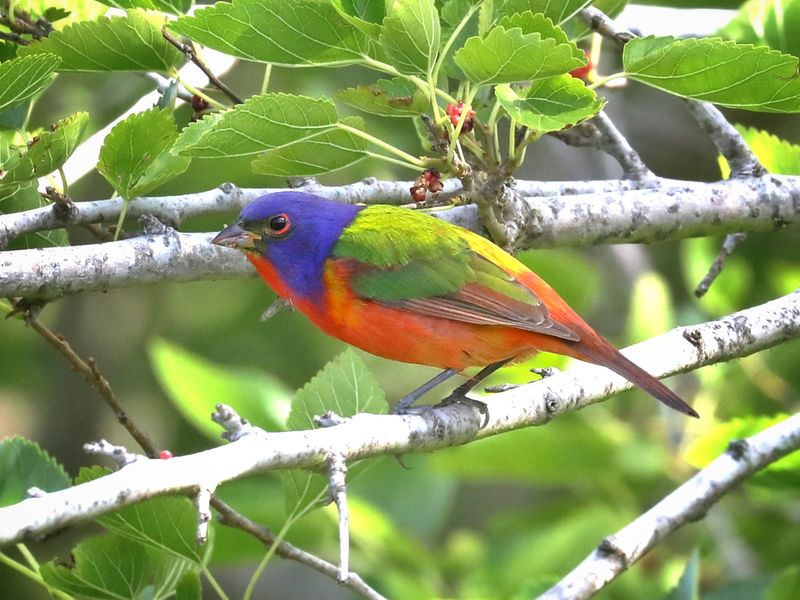
A bare fence can do more than mark the edge of your yard. With the right Florida native vines, it can become a leafy screen, a flower wall, and a safer stop for Painted Buntings. These colorful birds need cover, seeds, and insect-rich plants, especially in quiet yards with fewer chemicals. The vines below are practical choices for Florida heat, sandy soil, and wildlife-friendly gardens.
1. Coral Honeysuckle
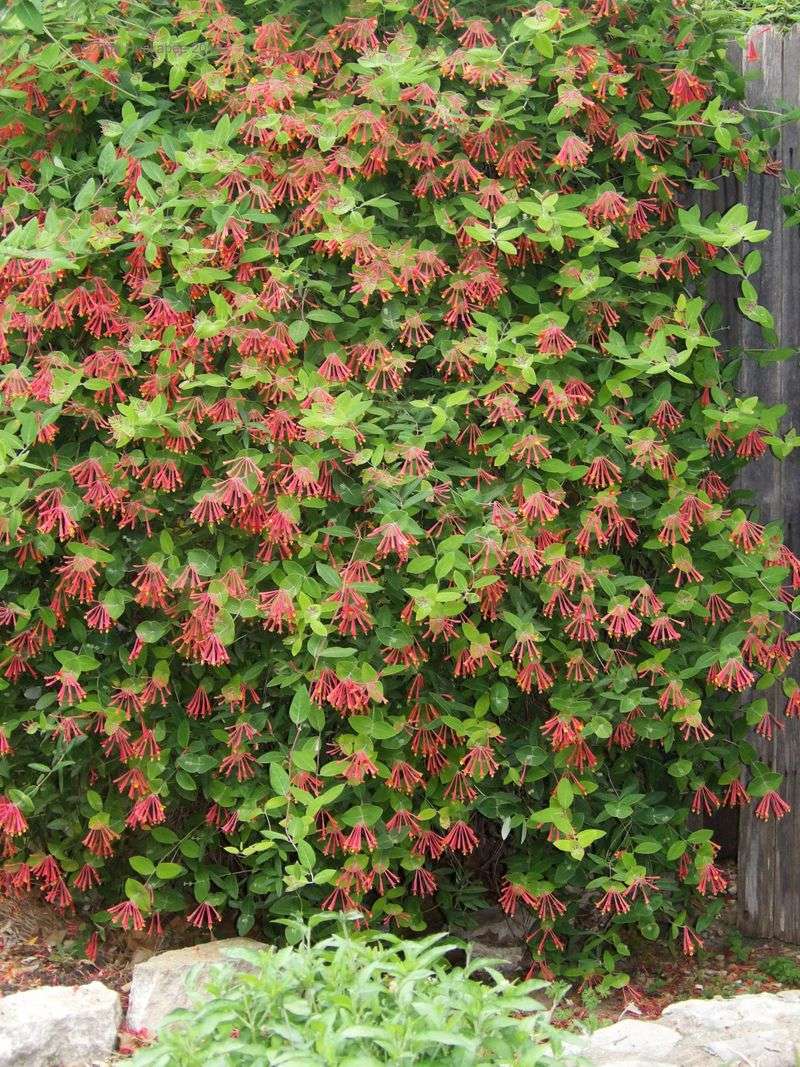
Hummingbirds usually get the spotlight with coral honeysuckle, but Painted Buntings have good reasons to visit the same fence. The vine creates a tidy, leafy tangle where small birds can pause, hide, and hunt for insects without feeling exposed.
Florida gardeners like it because it behaves better than many aggressive vines. It climbs with support, blooms best in sun to part shade, and handles much of the state when planted in well-drained soil. In sandy yards, a layer of pine straw or leaf mulch helps the roots stay cooler and less thirsty.
The red to coral flowers are not seed heads for buntings, but they pull in pollinators and small insects. That matters because Painted Buntings eat insects during parts of the year, along with seeds from nearby native grasses and wildflowers.
Use coral honeysuckle on a chain-link fence, trellis panel, or sturdy wire support. Give it a light trim after major bloom cycles to keep it full instead of leggy, especially before fall bird activity picks up.
2. Purple Passionflower
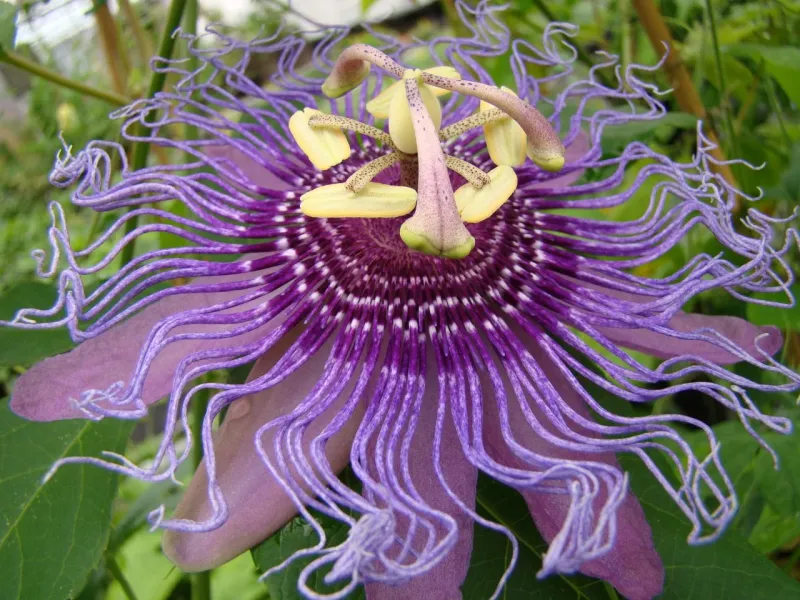
A flower that looks like a tiny fireworks show can still be a workhorse plant. Purple passionflower brings bold blooms, quick coverage, and serious wildlife value to a Florida fence.
Also called maypop, this native passionvine is famous as a host plant for Gulf fritillary and zebra longwing butterflies. Caterpillars may chew the leaves, but that is part of the charm. A yard with caterpillars, beetles, and other small life is more useful to Painted Buntings than a spotless, sprayed fence line.
Purple passionflower can spread by underground runners, so place it where a little wandering is welcome. Along a long bare fence, that energy can be helpful. In smaller beds, sink a root barrier or prune runners before they travel too far.
Full sun encourages the most flowers, though afternoon shade can help in hotter inland yards. The plant dies back in some winter conditions and returns when warm weather settles in. Pair it with seed-making native grasses near the fence, and the whole area becomes more buntings-friendly.
3. Corkystem Passionflower
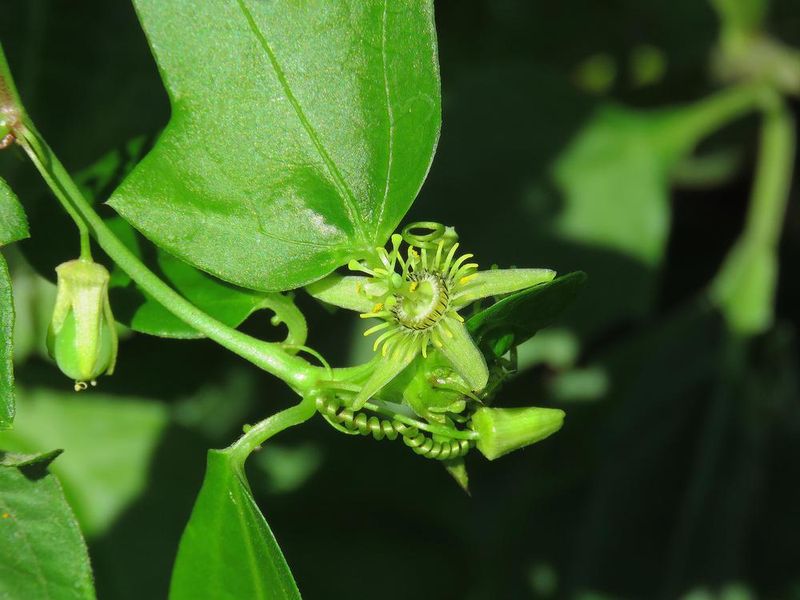
Not every bird plant needs giant flowers to earn its place. Corkystem passionflower is quieter than purple passionflower, yet it may be one of the most useful vines for a wildlife fence in peninsular Florida.
The small greenish flowers are easy to miss, but the plant supports butterflies and produces little dark fruits that birds may investigate. Its dense growth gives Painted Buntings the kind of low, protected cover they often prefer when moving through a yard.
Gardeners in South and Central Florida often value corkystem passionflower because it handles warmth well and fits into a naturalistic planting. It can climb a fence, weave through shrubs, or soften a harsh corner where birds need a safe landing spot.
Keep expectations realistic: this is not the vine for a formal, perfectly groomed look. It is better for a relaxed native border where leaves, insects, and fruit all have a role. Avoid broad insecticide use nearby, since the wildlife value depends on keeping the food web alive.
4. Crossvine
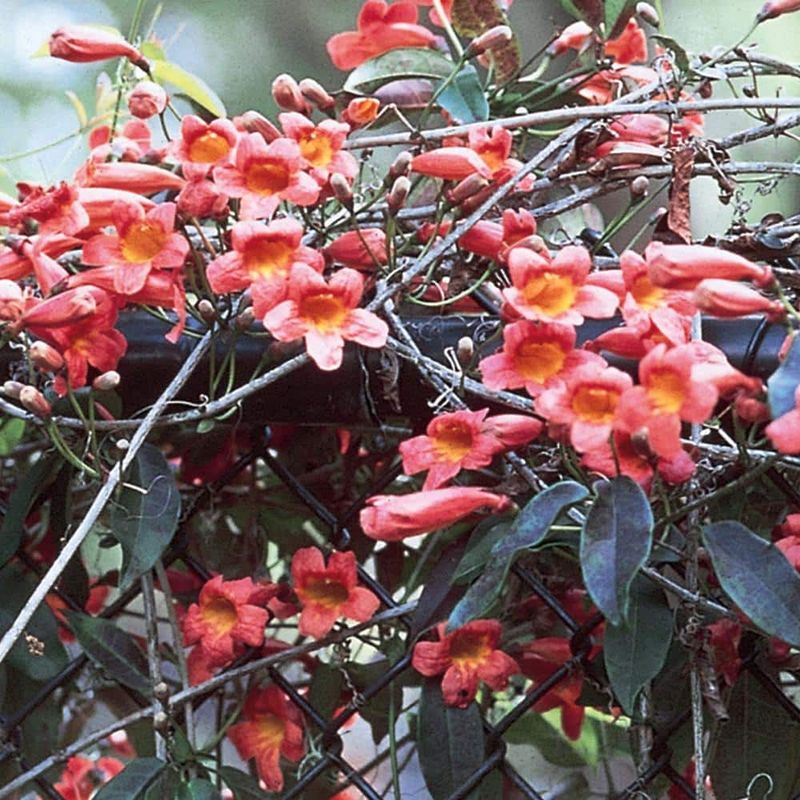
When a fence needs coverage with a bit of drama, crossvine brings the trumpet flowers and the muscle. It can climb strongly, so it suits a sturdy fence, arbor, or trellis better than a flimsy support.
Crossvine is native to parts of Florida and the Southeast, and it can stay semi-evergreen to evergreen in mild areas. The orange-red blooms feed hummingbirds and attract pollinators, while the foliage creates a layered screen that small birds can use for shelter.
Painted Buntings are shy at feeders and even shyer in open lawns. A crossvine-covered fence gives them a protected route along the yard edge, especially if nearby beds include native seed plants such as muhly grass, bluestem, or partridge pea.
Plant it in sun to part shade, with better flowering in brighter spots. Florida’s sandy soil is usually fine if the plant gets water while establishing. After that, crossvine is fairly low-fuss, though an annual trim helps keep it from climbing into gutters or trees where you do not want it.
5. Carolina Jessamine
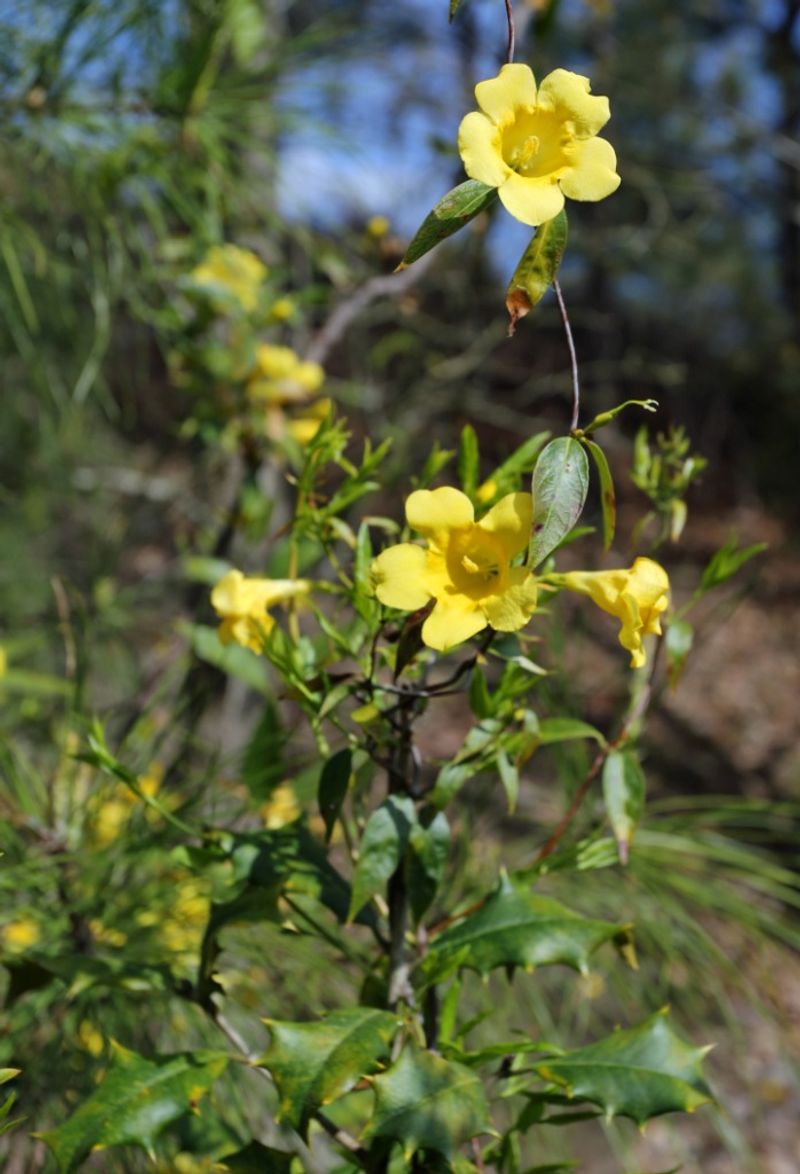
Bright yellow blooms in late winter can make a fence feel awake before much of the yard gets moving. Carolina jessamine adds that early color while giving small birds a glossy green curtain to slip behind.
This native vine is well suited to many North and Central Florida gardens and can work in parts of the state where conditions match its needs. It flowers best with sun, but it also tolerates some shade. Once established, it is generally not a fussy plant in well-drained soil.
Here is the caution that belongs with this beauty: all parts of Carolina jessamine are toxic if eaten by people or pets. Do not plant it where children or browsing animals may sample it. For a back fence or wildlife edge, it can still be a smart choice when placed carefully.
Painted Buntings are not visiting for the nectar. They benefit more from the structure, the insects drawn into a native planting, and the safe cover near feeding areas. Trim after flowering if you want a denser screen rather than long, wandering stems.
6. Skyblue Clustervine
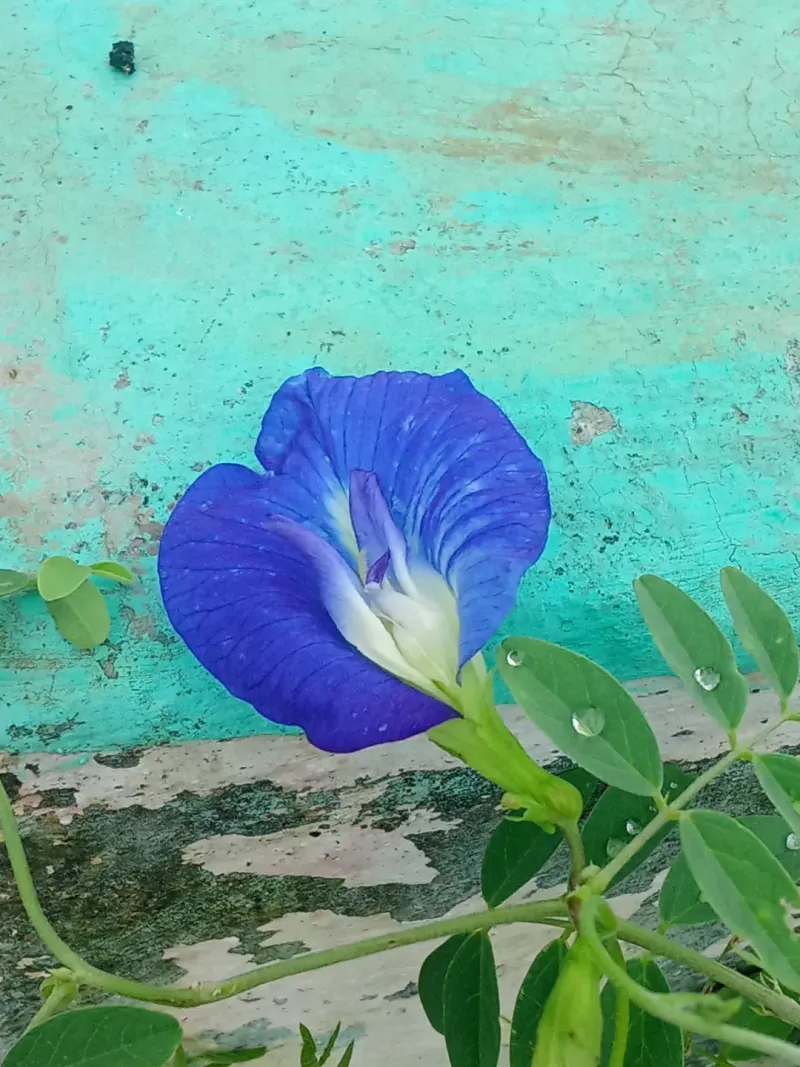
South Florida gardeners get a special treat with skyblue clustervine. Its small blue flowers feel cheerful and coastal, and the plant has a lighter look than heavier fence-covering vines.
This Florida native is best matched to the warmer southern part of the state, especially where frost is rare. It can handle sunny conditions and fits nicely in a butterfly or bird garden with other tough native plants. In the right site, it softens a fence without making the whole space feel swallowed.
For Painted Buntings, the biggest gift is not one single food source. It is the combination of cover, flowers that support insects, and a quieter edge where birds can move without crossing open turf. That is often what missing bunting habitat looks like in a typical yard.
Give skyblue clustervine a fence, trellis, or open shrub to lean on. Water it during establishment, then avoid overfeeding, since too much fertilizer can push soft growth and reduce the rugged charm that makes native vines useful in Florida landscapes.
7. Railroad Vine
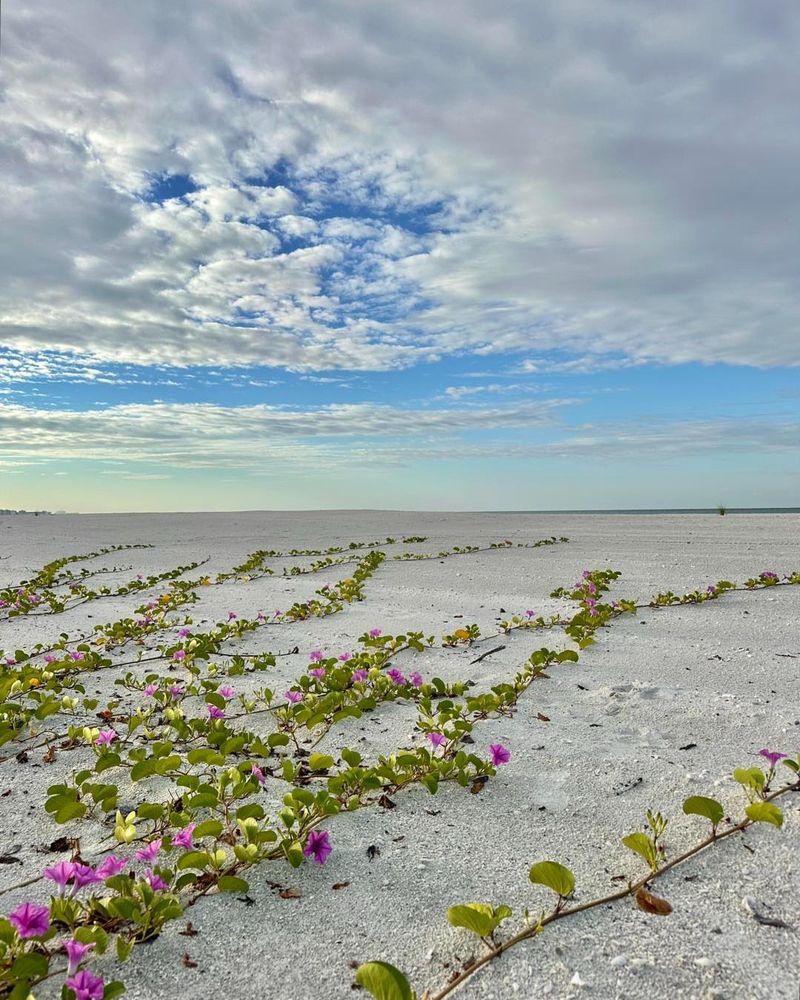
Near the coast, a fence may face salt spray, wind, blazing sun, and sand that drains almost too fast. Railroad vine is built for that kind of Florida, which is why beach communities often know it as a dune-stabilizing native.
The purple morning glory flowers open with a relaxed, beachy feel, while the long stems spread quickly over sand and low supports. It is not the best choice for a tall privacy fence unless you guide it, but it can cover the base of a bare fence and tie a coastal planting together.
Painted Buntings use layered habitat, not just one tall wall of leaves. A low, sprawling vine at the fence base can help create that layered effect, especially with native shrubs behind it and seed-bearing plants nearby.
Use railroad vine mainly in coastal sites where it belongs. Inland gardeners with richer irrigated beds should choose another vine from this list. In the right sandy, salty location, though, it is a low-maintenance problem solver that looks natural instead of forced.