
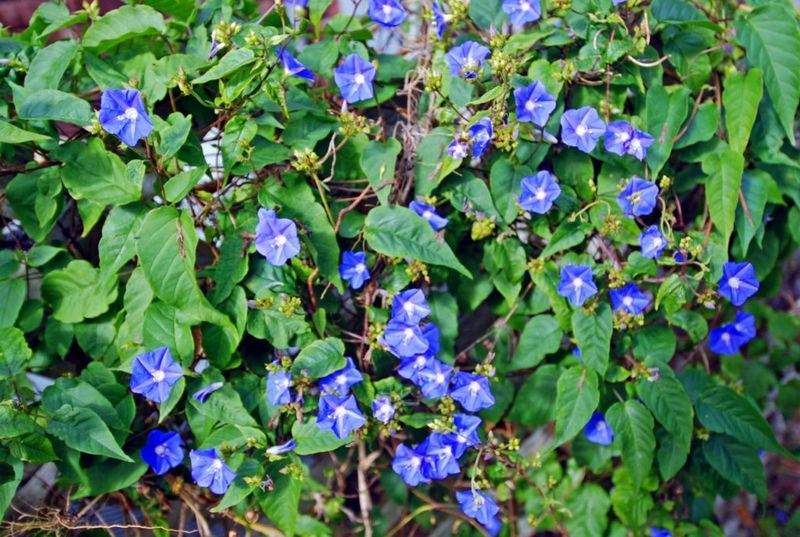
A west-facing fence in Florida can feel like a skillet by late afternoon. The right native vines can turn that hot stretch into shade, flowers, and a steady buffet for hummingbirds. Pick a mix that blooms at different times, and your fence can look alive from late winter through fall.
1. Coral Honeysuckle
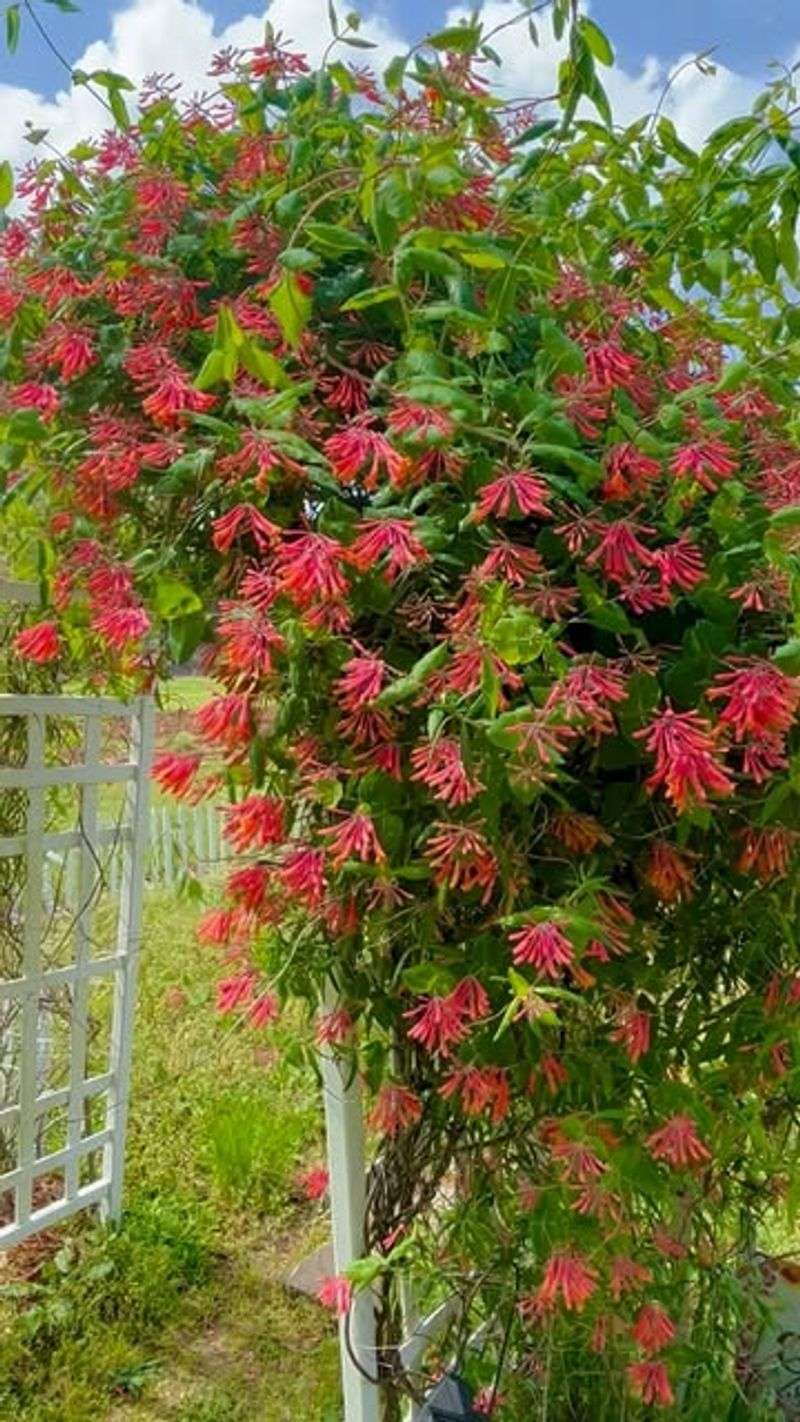
Red tubes at eye level are hard for a hummingbird to ignore, and coral honeysuckle makes them in generous clusters without turning into a yard-eating monster. For many Florida gardeners, this is the easiest first vine for a hot fence because it gives color, wildlife value, and decent manners in one plant.
Coral honeysuckle, also called Lonicera sempervirens, is native to Florida and is widely recommended for pollinator gardens. It blooms heaviest in spring, then often sends out repeat flowers through warm months, especially if it gets sun and is not left bone-dry during long dry spells.
On a west-facing fence, give it a trellis, wire panel, or open lattice so the twining stems have something to grab. It handles sandy soil once established, but a layer of pine straw or leaf mulch helps cool the roots and keeps water from vanishing too fast.
Unlike invasive Japanese honeysuckle, coral honeysuckle is the Florida-friendly choice. Birds may also enjoy the red berries later, so the fence becomes more than a screen, it becomes a small wildlife stop.
2. Crossvine
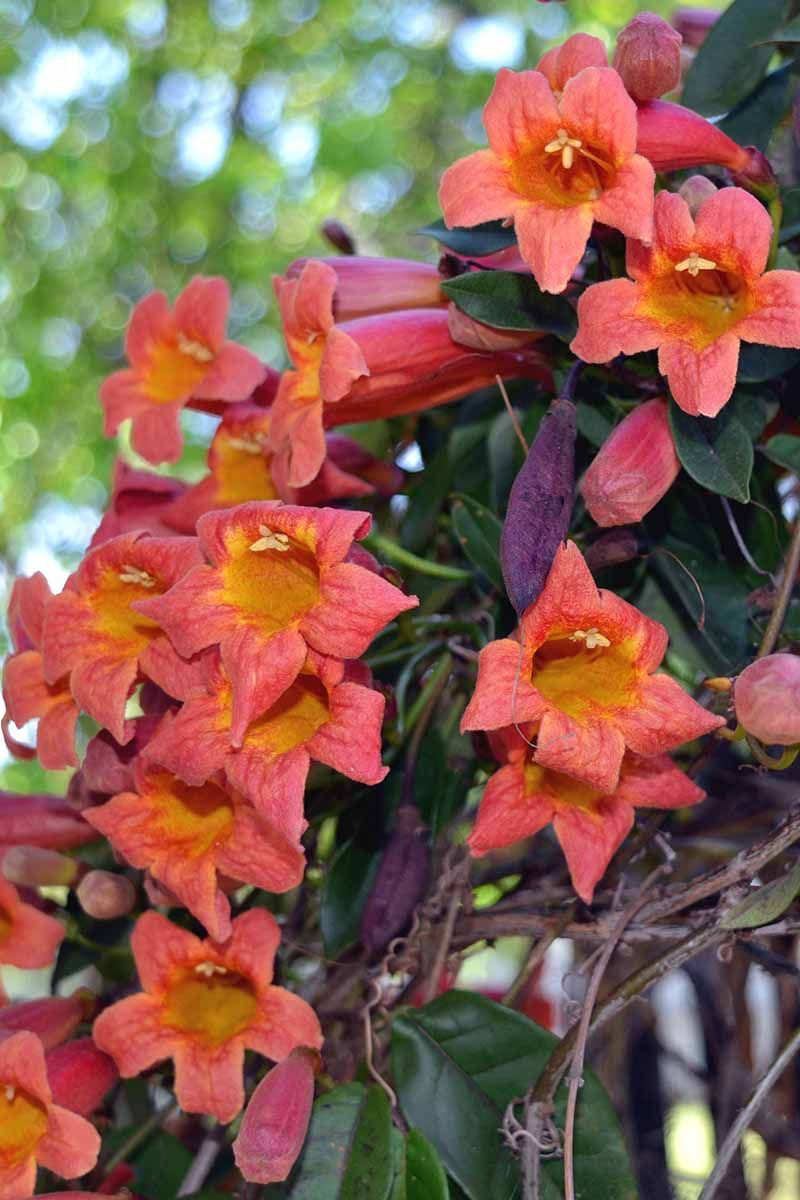
When a fence needs coverage with some muscle, crossvine brings the energy. Its orange and reddish trumpet flowers look almost painted for hummingbirds, and the vine can make a plain fence feel like part of the garden instead of a boundary.
Crossvine, Bignonia capreolata, is native to the Southeast and grows well in much of Florida where drainage is decent. Its big bloom show usually lands in spring, but established plants can flower again in smaller waves, helping bridge the season between winter bloomers and summer vines.
Afternoon heat is not a dealbreaker for crossvine, though young plants appreciate regular water while roots settle in. Because it can grow vigorously, use a strong fence or support, not a flimsy decorative trellis that will wobble after one rainy season.
A practical perk is that crossvine can be semi-evergreen to evergreen in warmer parts of Florida. That means it can soften a west-facing fence even when it is not in bloom, while still offering those nectar-rich trumpet flowers when the season hits.
3. Trumpet Creeper
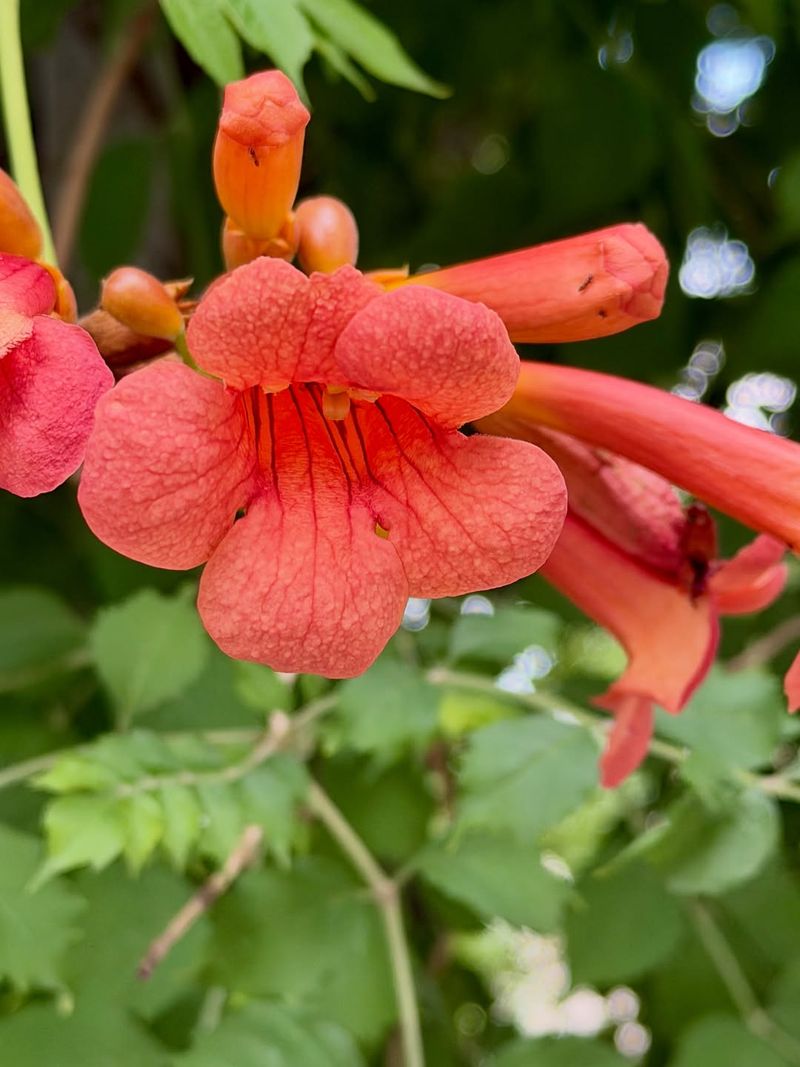
Bold gardeners with room to manage a vigorous plant may love trumpet creeper for one simple reason, hummingbirds treat it like a favorite diner. The large orange-red trumpets arrive in the hot part of the year, right when many fences look tired.
Trumpet creeper, Campsis radicans, is native to Florida, but it is not shy. It can sucker, climb hard, and spread if planted where it has rich soil, irrigation, and no boundaries, so place it only where strong growth is welcome.
A hot west-facing fence can be a smart spot if the fence is sturdy and away from delicate shrubs, small beds, or painted surfaces you do not want covered. Prune after flowering and remove wandering shoots early, before they become a weekend project.
Its reason for making the list is summer power. While some spring vines are resting, trumpet creeper is often just getting loud, feeding hummingbirds during the steamy months and giving a tough fence a wild, native look.
4. Maypop Passionflower
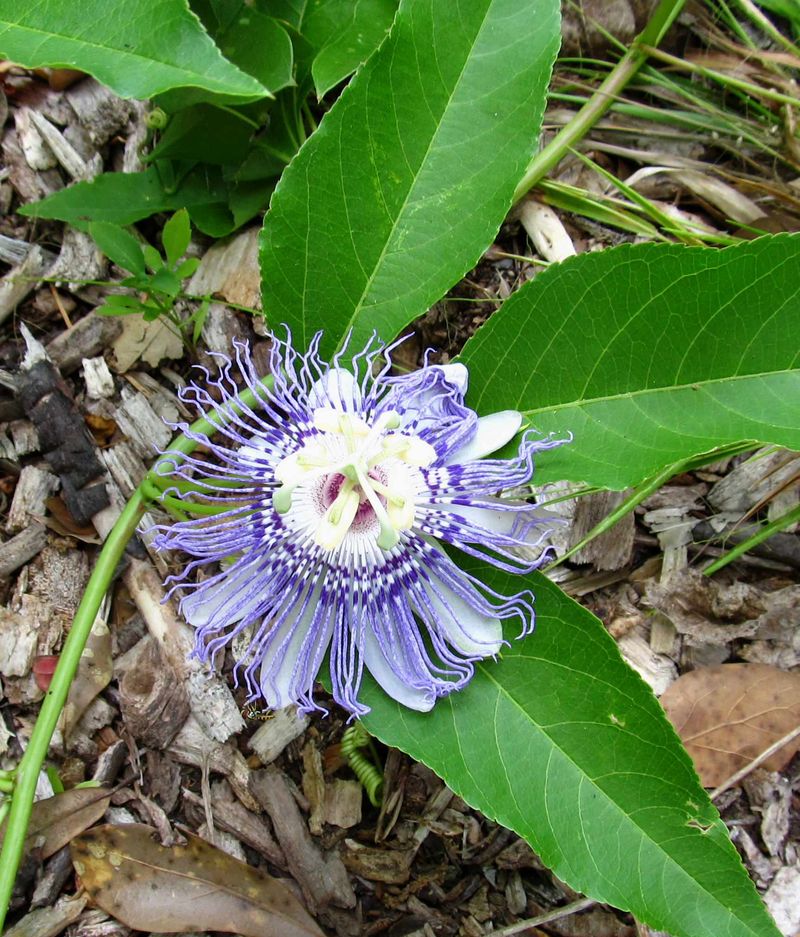
A maypop flower looks like something from a tiny tropical carnival, with purple threads, pale petals, and a structure that makes people stop and stare. Hummingbirds may visit the blooms, and the plant also supports Florida butterflies, which gives it extra life beyond nectar.
Maypop passionflower, Passiflora incarnata, is native to Florida and is especially valuable as a host plant for gulf fritillary and zebra longwing butterflies. It flowers through the warm season, so it helps keep the fence interesting after the early spring bloom rush has passed.
On a hot west-facing fence, maypop appreciates good drainage and enough moisture to keep it from wilting badly during dry spells. Sandy soil is fine if you improve the planting area with compost and protect the root zone with mulch.
Expect a more relaxed, rambling look rather than a neat green wall. It may die back in cooler weather in North Florida, then return from the roots, which can be a blessing after storms or a hard pruning.
5. Carolina Jessamine
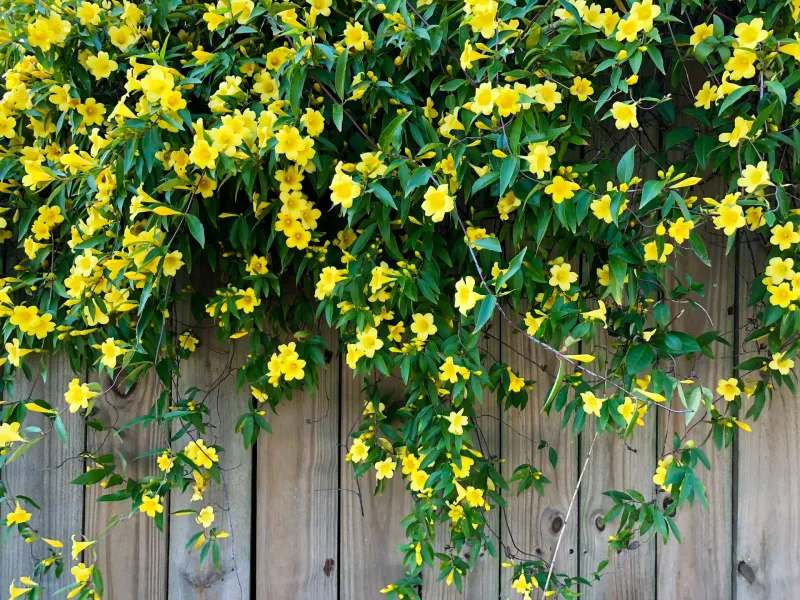
Before many gardeners have even cleaned up winter beds, Carolina jessamine can be glowing with yellow bells. That early bloom time is its superpower, giving hummingbirds and early pollinators a head start when the rest of the fence still looks quiet.
Carolina jessamine, Gelsemium sempervirens, is native to Florida and can handle sun, heat, and lean soils once established. It is often evergreen in the state, so it helps screen a fence even outside its main flowering season.
Give it a trellis, chain-link fence, or wire support and let it weave through. It is usually less bulky than trumpet creeper, which makes it useful where you want coverage without the same level of aggressive spread.
One caution belongs in every Florida yard conversation about this vine: all parts are poisonous if eaten. Plant it where children, pets, and grazing animals will not chew it, and enjoy it as a tough ornamental rather than a hands-on snack garden plant.
6. Corkystem Passionflower
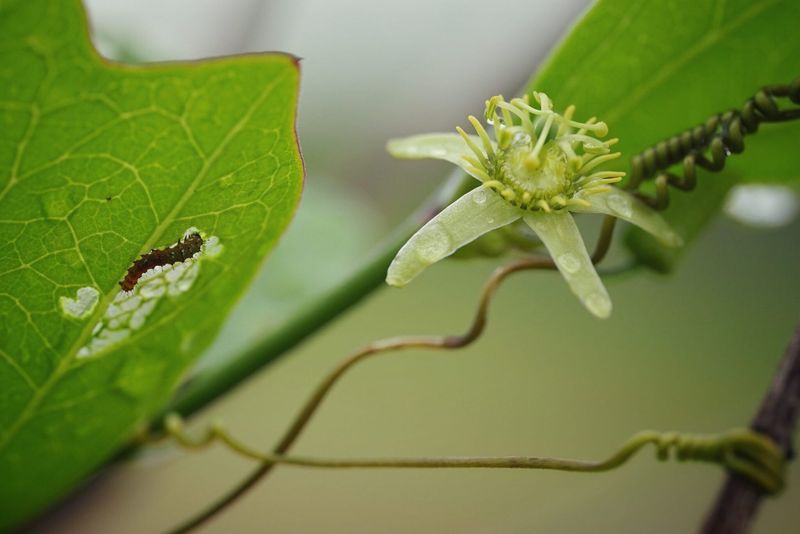
Not every hummingbird plant has to shout from across the yard. Corkystem passionflower works more like a hidden wildlife engine, threading through a fence with small flowers, interesting stems, and major value for butterfly life cycles.
Corkystem passionflower, Passiflora suberosa, is native in much of Florida and is especially useful in Central and South Florida gardens. The flowers are small compared with maypop, but they can appear over a long warm season, and the vine supports zebra longwing, gulf fritillary, and Julia butterflies.
For a west-facing fence, use it where you want a lighter, more natural cover instead of a heavy curtain. It can take sun, though in the hottest inland yards it may look fresher if its roots are mulched and the plant gets some relief from reflected heat off concrete.
The quirky detail is in the name: older stems develop a corky texture. That gives the vine character even when the tiny blooms are easy to miss, and it helps create the layered habitat that makes hummingbirds linger in a yard.
7. Spurred Butterfly Pea
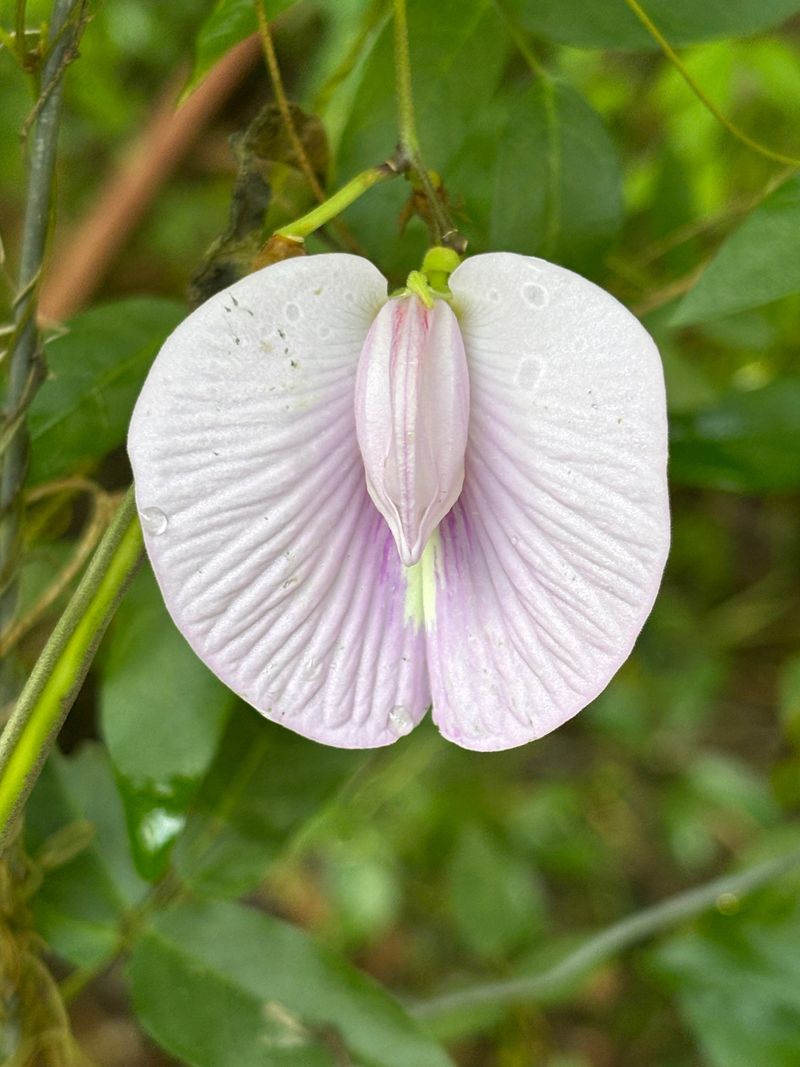
A fence does not always need a giant vine to feel alive. Spurred butterfly pea brings a softer, cottage-garden mood, with purple blooms that look delicate but can handle Florida conditions better than many fussy ornamentals.
Spurred butterfly pea, Centrosema virginianum, is a Florida native vine found in sunny, sandy places. It is not the fastest fence-covering plant on this list, but that is exactly why it earns a spot for smaller yards, mixed native beds, and gardeners who do not want constant pruning.
The flowers are shaped more like pea blossoms than long trumpets, so hummingbird visits may be less dramatic than on coral honeysuckle or trumpet creeper. Still, it adds nectar diversity, supports native pollinators, and keeps a fence from depending on only one bloom shape or season.
Plant it near a low trellis, wire fence, or open shrub where it can wander without being swallowed by turf. In sandy soil, water during establishment, then let it settle into a lower-maintenance rhythm that feels right for a Florida native planting.