
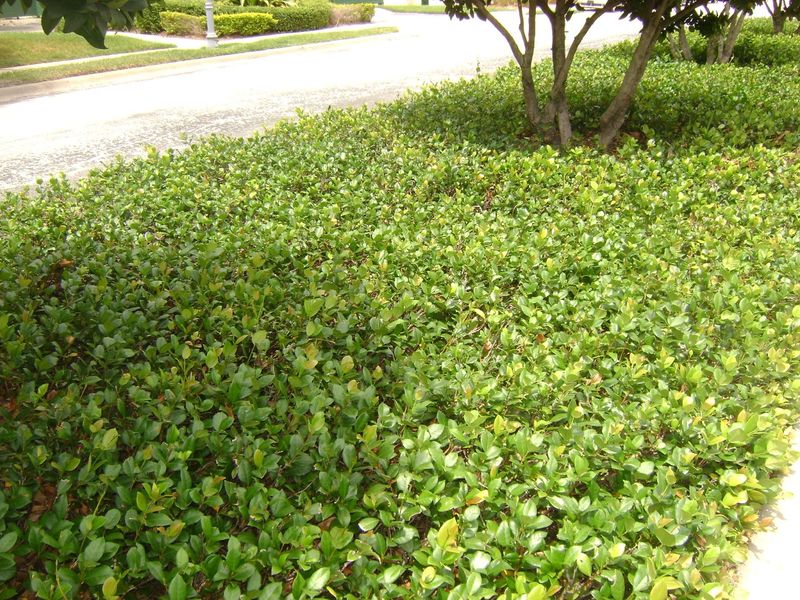
Florida yards can be tough on plants, especially with sandy soil, hard rains, and long dry spells. Native ground covers help by spreading over bare spots, shading out weeds, and needing far less water once they settle in. Many also feed pollinators, handle heat, and make a yard look fuller without constant mowing. Here are seven smart picks for Florida gardeners who want beauty with less work.
1. Sunshine Mimosa
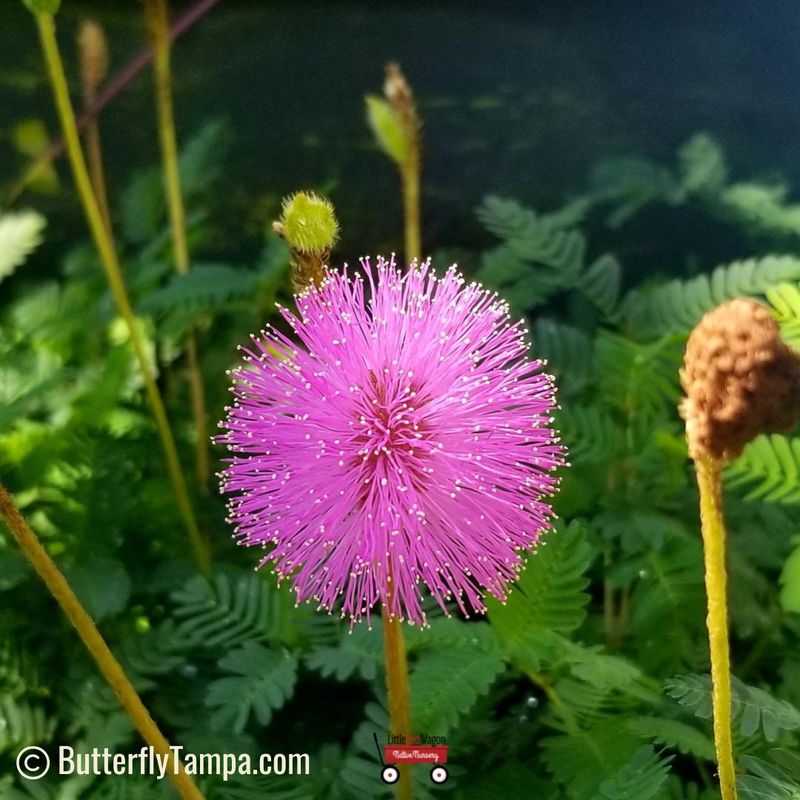
Step on it lightly, and the tiny fern-like leaves fold up as if the plant is playing a trick on you. Sunshine mimosa brings a little personality to the yard, but its real value is how well it can knit together open sunny ground where weeds usually sneak in.
Also called powderpuff, this Florida native grows low and spreads by runners, forming a soft green mat dotted with pink puffball flowers. It is especially useful in sunny areas with sandy soil, which describes a lot of Florida front yards. Once established, it can handle dry spells far better than thirsty turfgrass.
Sunshine mimosa works nicely as a lawn alternative in small areas, along paths, or between stepping stones where foot traffic is light to moderate. It also supports native bees and other small pollinators, giving it a wildlife bonus that plain mulch cannot match.
Give it full sun, good drainage, and patience during establishment. Water it regularly at first, then back off as the roots spread. Avoid placing it where you need a perfectly formal look, because its charm is relaxed, natural, and a little wild.
2. Frogfruit
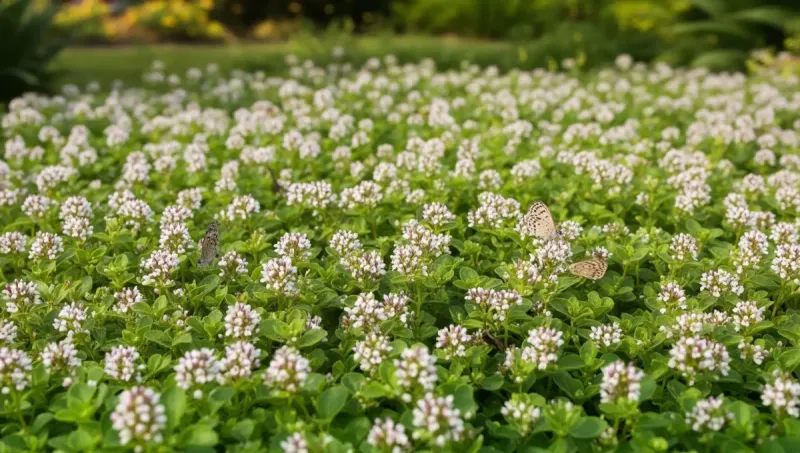
A butterfly landing strip can be hiding in plain sight, and frogfruit proves it. At first glance, it looks modest, but those tiny button-like blooms are magnets for small butterflies and bees.
Frogfruit, also known as turkey tangle fogfruit, is one of the toughest native ground covers for Florida gardeners who want weed control without pampering. It spreads quickly in warm weather, hugs the ground, and can fill bare patches before many weeds get comfortable. That makes it a strong choice for low, sunny areas where turf struggles or irrigation is limited.
Its biggest difference from many prettier but fussier ground covers is flexibility. Frogfruit tolerates moist soil, brief flooding, and dry periods once established, which is helpful in yards that swing from summer downpours to sandy-soil drought. It can also handle some foot traffic, though it looks best when not used like a sports field.
Plant it in full sun to part shade, then keep it watered while it roots in. After that, mowing or trimming once in a while can keep it lower and denser. In return, you get a living carpet that feeds pollinators and asks for very little.
3. Twinflower
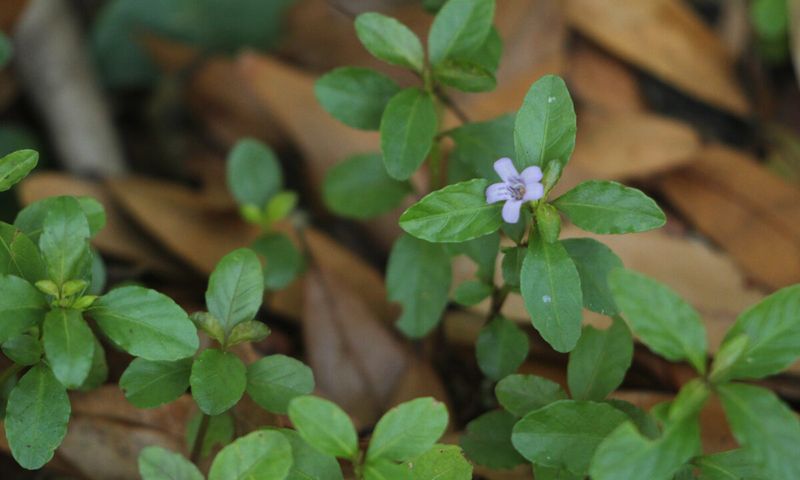
In the soft shade under shrubs or small trees, twinflower often looks like it has been quietly tidying the garden while no one was watching. Its neat, low growth makes it a good pick for gardeners who want a calmer look than a sprawling wild patch.
Twinflower is a Florida native ground cover with small paired blooms, usually lavender to pale purple, that add a gentle touch without shouting for attention. It spreads into a dense mat, helping cover exposed soil and reduce weed seedlings by limiting the open space they need. For yards with part shade, it can be more dependable than sun-loving options that thin out under tree canopies.
What sets twinflower apart is its ability to soften edges. Use it near walkways, around the base of shrubs, or in mixed native beds where you want a low layer beneath taller plants. It can handle Florida humidity and is a nice match for landscapes aiming for a more natural, less water-hungry style.
It prefers well-drained soil and does best with some moisture during establishment. Once it fills in, it needs only occasional attention. A light trim can refresh the patch if it gets rangy, but most of the time, twinflower is the quiet worker in the garden.
4. Beach Sunflower
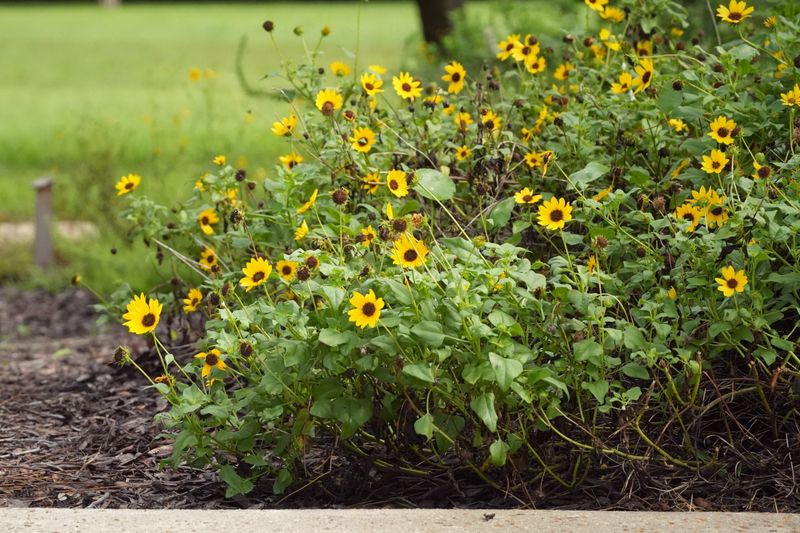
Hot driveway edge? Blazing strip by the mailbox? Beach sunflower is the cheerful native that seems to shrug and bloom anyway.
Known for bright yellow flowers and a spreading habit, beach sunflower is built for Florida sun, sandy soil, and salty coastal air. It forms a low, leafy cover that can crowd out weeds when planted close enough and allowed to fill in. In dry, open spots where many plants fade by midsummer, it often keeps going with very little irrigation after establishment.
Beach sunflower earns its place on this list because it brings flower power to punishing sites. It is a smart choice for coastal landscapes, curb strips, sunny slopes, and open beds where reflective heat can be rough. Pollinators visit the blooms, and birds may investigate the seed heads, giving the planting more life than a plain gravel strip.
For best results, plant it in full sun and well-drained soil. Avoid overwatering or placing it in soggy areas, since it is happiest when conditions are lean and sunny. Trim it back if it gets too sprawling, and it usually responds with fresh growth and more blooms.
5. Railroad Vine
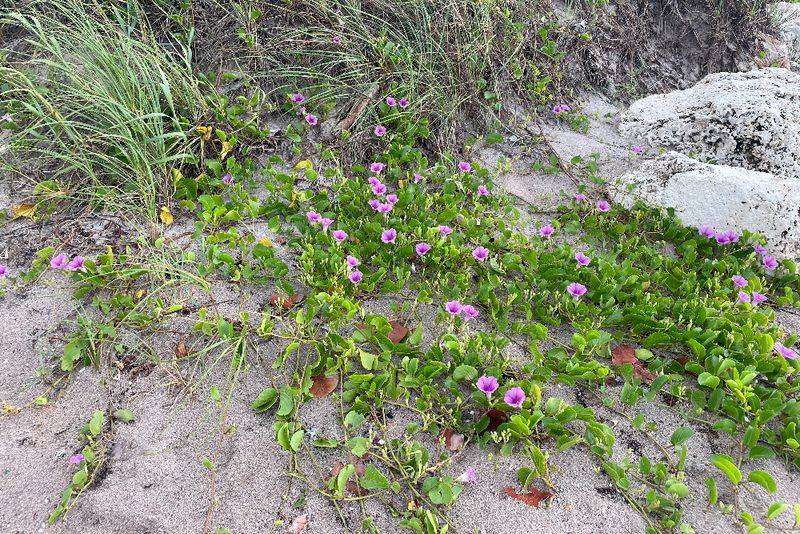
Near the beach, where wind, salt, and sand make gardening feel unfair, railroad vine acts like it was born for the challenge. Its long runners can travel across open ground, stitching loose sand into a greener, more stable surface.
Railroad vine is a native beach morning glory with purple funnel-shaped flowers and rounded leaves. It is best for coastal Florida yards, dune edges, and large sandy spaces where you want fast coverage and strong erosion control. Because it spreads boldly, it can shade soil and compete with weeds in places that would otherwise stay bare.
The reason to choose railroad vine is not neatness. Choose it for resilience. It tolerates salt spray, drought, blazing sun, and poor sandy soil better than many landscape plants. That makes it valuable in storm-prone coastal areas, where exposed soil can wash or blow away after heavy weather.
Give railroad vine room, because it is not a tiny border plant. It can overwhelm delicate neighbors if placed in a small bed. In the right spot, though, it is a rugged, beautiful native that turns a harsh patch of sand into a living ground cover with real Florida character.
6. Lyreleaf Sage
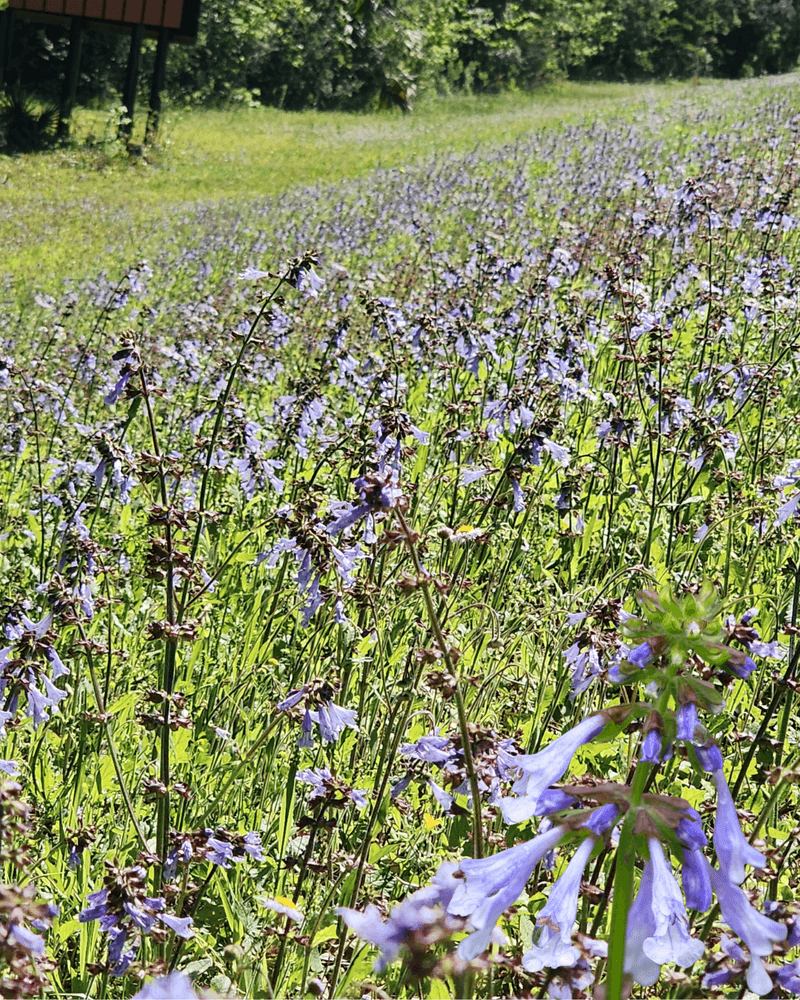
Some ground covers stay flat and quiet, but lyreleaf sage adds a spring surprise. Low leafy rosettes cover the soil most of the year, then purple-blue flower spikes rise up and bring the bed to life.
Lyreleaf sage is a Florida native that works well in naturalized lawns, meadow-style plantings, and partly sunny areas that do not need a clipped, golf-course look. Its basal leaves help cover soil, while the flower stalks offer nectar for bees and butterflies. It can reseed in friendly places, which helps it build a larger colony over time.
What makes it different is the seasonal rhythm. Instead of acting like a uniform carpet, lyreleaf sage gives you a living layer that changes through the year. It can be especially useful in low-input yards where mowing is reduced and native plants are allowed to fill gaps before weeds take over.
Plant it in sun to part shade with decent drainage. It appreciates some moisture but can handle periods of dryness once established. If the flower stalks look tired, cut them back after blooming. That simple step keeps the area tidier while letting the plant keep doing its soil-covering job.
7. Coontie
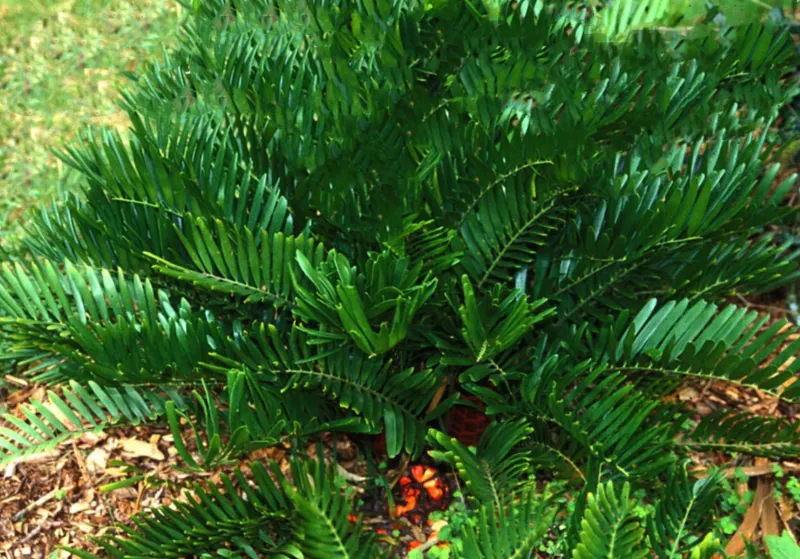
Not every weed-fighting ground cover has to creep like a vine. Coontie takes a different route, building a tough, sculptural mass of deep green leaves that blocks light at soil level and gives beds a polished native look.
Coontie is a Florida native cycad, not a true fern or palm, though its leaves have that lush, fern-like feel. When planted in groups, it forms a dense low planting that can reduce weeds while needing little water after roots are established. It is especially useful in part shade, dry shade, and sandy beds where softer plants may struggle.
Its standout feature is wildlife value with structure. Coontie is the larval host plant for the atala butterfly, a native species with a remarkable comeback story in South Florida. That means your ground cover can also support a striking butterfly, while still looking tidy enough for front-yard landscaping.
Give coontie well-drained soil and space for its slow, steady growth. It handles drought well once established, but young plants need regular watering until settled. Be aware that parts of the plant are toxic if eaten, so place it thoughtfully where pets or children will not treat it like a snack.