
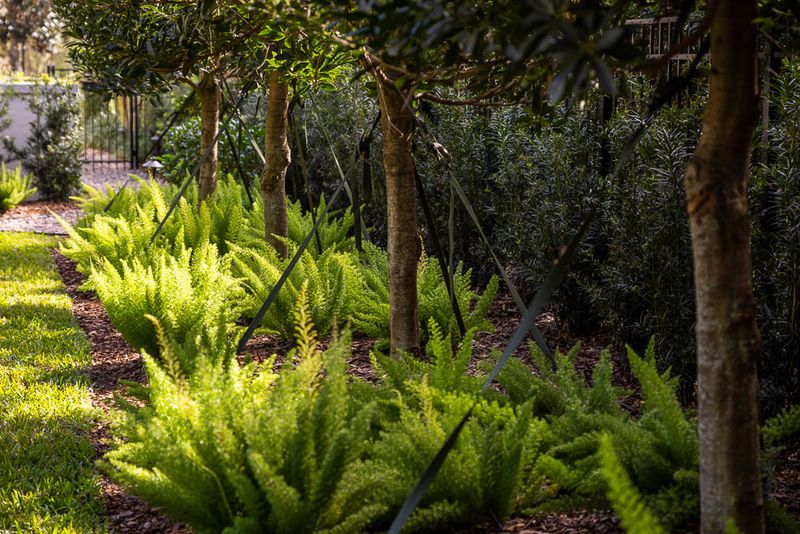
A bare patch of Florida sand can turn messy fast, especially after heavy rain or weeks of heat. The right native ground cover makes that space look polished without begging for constant care. Some also help make the yard less friendly to roaches by reducing damp hiding spots, covering soil cleanly, or adding strong plant scents they tend to avoid. Here are seven Florida natives that bring beauty first, with pest pressure help as a useful bonus.
1. Sunshine Mimosa
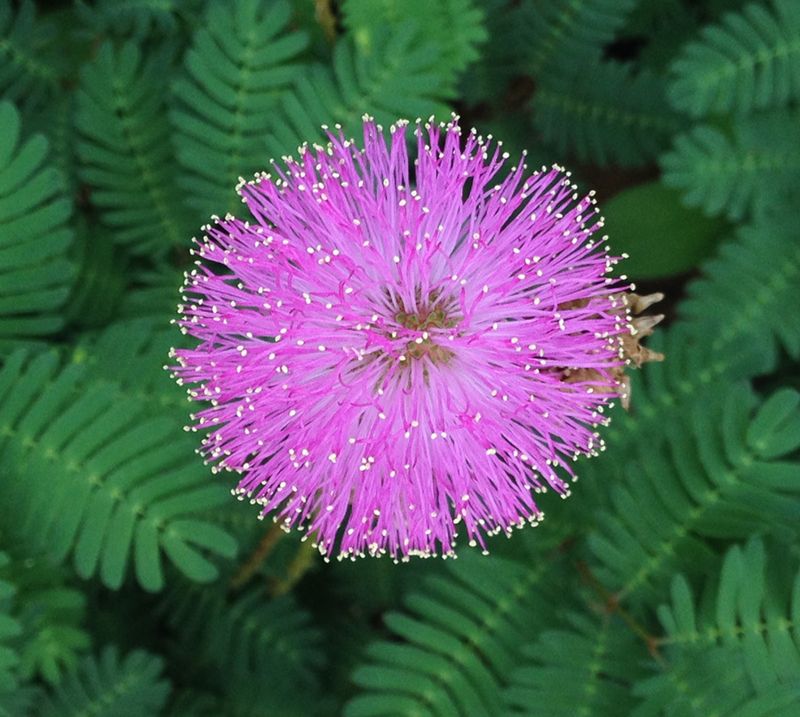
Pink powderpuff blooms popping out of a lawn-like mat can make even a simple walkway feel custom designed. Sunshine mimosa, also called powderpuff mimosa, is one of those Florida natives that looks charming without looking fussy.
Its fine, ferny leaves spread low across sandy soil, creating a soft green carpet that works well in sunny yards. In many Florida landscapes, it can handle heat, poor soil, and foot traffic better than many delicate-looking plants. Once established, it often needs far less water than thirsty turf.
The roach benefit is not magic, but it is practical. A dense, living cover can reduce bare, moist soil and messy mulch pockets where roaches like to hide during the day. Keeping it trimmed away from the foundation also helps air move through the bed, which makes the area less cozy for pests.
Sunshine mimosa stands out because it gives a lawn alternative with a playful, almost boutique look. It is especially useful for homeowners who want flowers, softness, and less mowing without turning the yard into a high-maintenance project.
2. Frogfruit
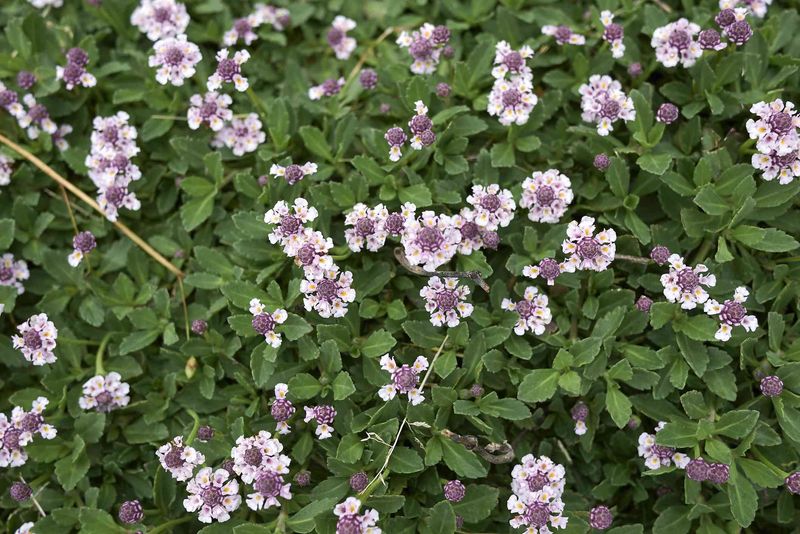
Small flowers, busy butterflies, and a tough little attitude make frogfruit feel like the yard is doing something smart. It does not shout for attention, yet it can knit together sunny bare spots with a clean, natural finish.
Frogfruit is a Florida native that stays low and spreads steadily, especially in areas with sun to part sun. It tolerates sandy soil and can handle the wet-dry mood swings that come with Florida weather better than many ornamental ground covers. Its tiny blooms attract small butterflies and other pollinators, which gives the planting more life than plain mulch.
For roaches, frogfruit helps in a quiet, indirect way. Roaches love damp debris, thick leaf piles, and protected cracks near the house. A living mat of frogfruit can replace deep mulch in some areas, cutting back on the cool, decaying cover that often shelters insects.
What makes frogfruit different is its wildlife value in a polished, low-growing package. It can feel relaxed and beachy, but still intentional when edged along paths or planted between stepping stones. If your goal is less blank sand and more living texture, frogfruit earns its spot.
3. Wild Pennyroyal
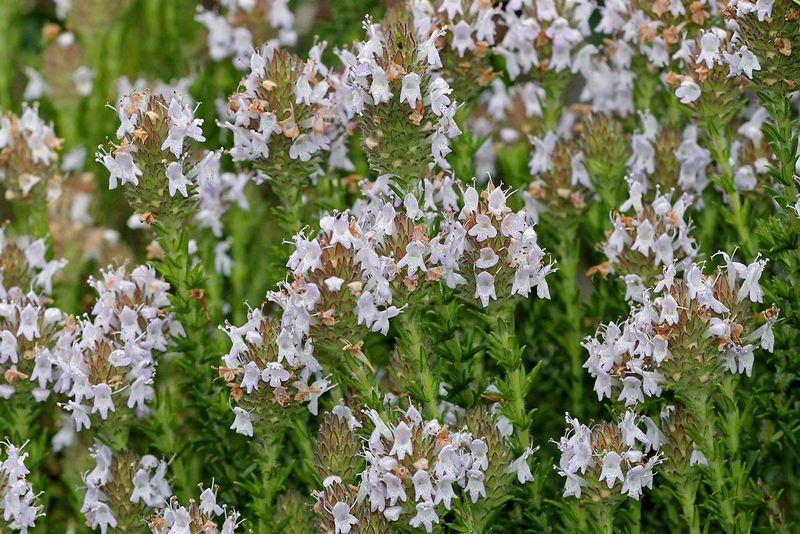
Crush a leaf of wild pennyroyal and the scent tells you why this plant belongs on a pest-minded list. The fragrance is sharp, minty, and herbal, the kind of aroma that makes a garden bed feel less like a hiding place and more like a living spice rack.
Wild pennyroyal is native to Florida scrub and dry pineland areas, so it is built for sandy soil and bright sun. It stays low, forms attractive patches, and produces lavender-purple flowers that look surprisingly refined in a simple border. For yards where irrigation is limited, it can be a smart choice once established.
The pest angle comes from its aromatic oils. While no plant will create a roach-proof force field, strong-smelling herbs may help make nearby cracks, mulch edges, and dry beds less inviting. Pair it with good cleanup, sealed gaps, and thin mulch, and the effect is much more useful.
Wild pennyroyal is the pick for gardeners who want a ground cover with personality. It has a native wildflower look, but its scent gives it a practical edge that many prettier plants lack. Plant it where you brush past it, such as along a sunny path, and it earns attention every time.
4. Coontie
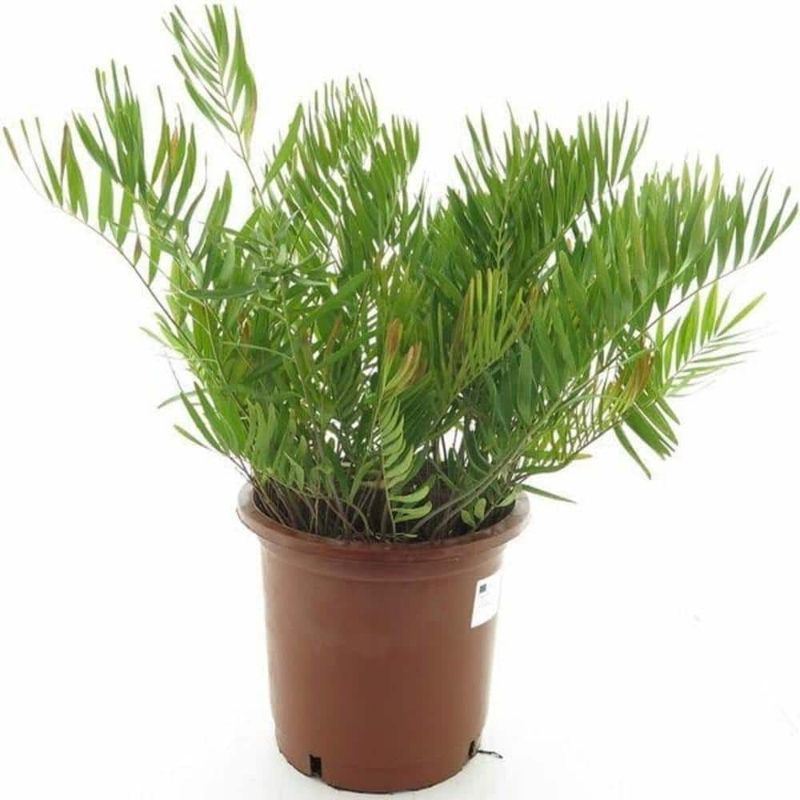
Coontie brings the expensive look in a very Florida way, glossy, sculptural, and calm. It is not a flat carpet like frogfruit, but when massed together, it creates a low, elegant layer that looks planned instead of patched in.
This ancient cycad is native to Florida and handles sandy soil, heat, and periods of drought once settled. Its stiff, palm-like leaves work beautifully near entries, under high pines, along shaded walks, or in part-sun foundation beds. Coontie also serves as a host plant for the Atala butterfly, a conservation-friendly bonus many Florida gardeners love.
Roaches often gather where foundation beds are overloaded with wet mulch, fallen leaves, and crowded plants pressed against walls. Coontie helps because it can look full without needing a deep blanket of organic mulch to appear finished. Leave space behind the plants, keep leaf litter cleared, and the bed becomes less of a pest hotel.
The main reason coontie belongs here is structure. Many ground covers soften the ground, but coontie adds shape and year-round polish. It is a great choice when you want a native planting that feels high-end, especially around patios or front doors.
5. Beach Sunflower
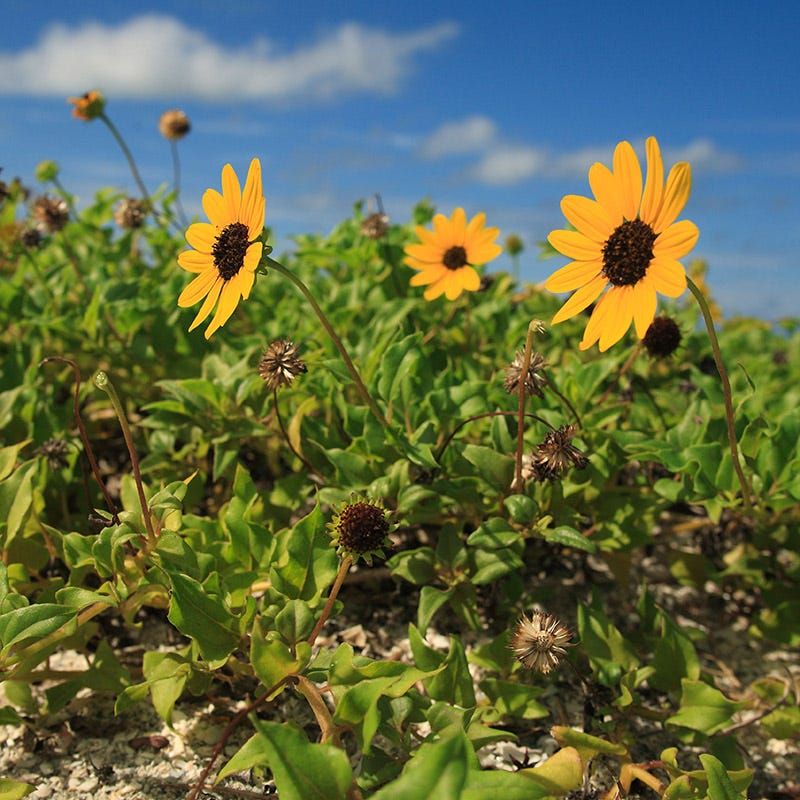
Few plants make sandy soil look happier than beach sunflower. Its bright yellow blooms bring instant cheer, but the real trick is how easily it can turn a hot, dry strip into something that looks professionally filled.
Beach sunflower is a Florida native that thrives in full sun and fast-draining soil, especially in coastal and near-coastal areas. It spreads low and wide, making it useful for slopes, curb strips, and open beds that would otherwise need constant mulch refreshes. The flowers feed pollinators, while the plant’s sprawling habit helps shade the soil.
Roach control starts with removing the places they love most. If a bed is constantly covered in thick, damp mulch, roaches may find shelter there. A healthy mass of beach sunflower can cover ground with living stems and leaves instead, so you can use less mulch and keep the area drier and more open.
Its personality is bold, sunny, and a little coastal-casual. Compared with quieter ground covers, beach sunflower is the show-off on the list, ideal for gardeners who want color with their low-maintenance payoff. Give it room, trim it when it gets too loose, and it will keep the yard feeling bright.
6. Lyreleaf Sage
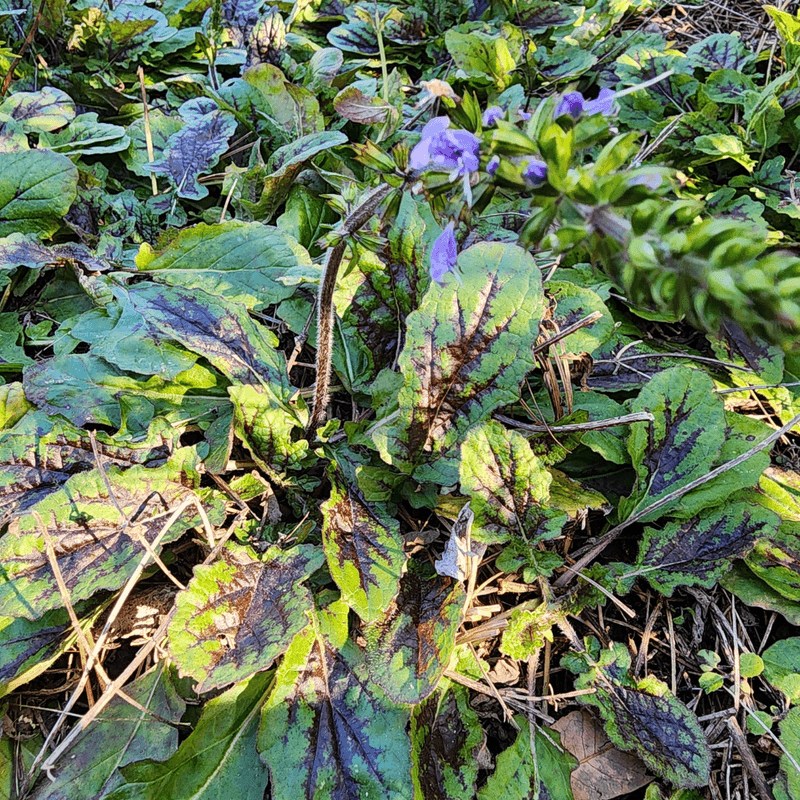
A shady patch under trees can feel like the problem corner of a Florida yard. Lyreleaf sage gives that space a softer answer, with leafy rosettes close to the ground and slender flower spikes that rise when the season is right.
This Florida native handles part shade better than many sun-loving ground covers, which makes it valuable under open tree canopies and along the cooler side of a house. The leaves can show pretty purple tones in some plants, adding depth even when flowers are not present. It also supports pollinators, especially when allowed to bloom.
Because it is a sage, lyreleaf sage has aromatic qualities, though it is milder than wild pennyroyal. That scent may help make planting areas less attractive to pests when combined with dry, tidy bed care. More importantly, it can replace neglected bare soil and soggy mulch, two common roach-friendly conditions around Florida homes.
Lyreleaf sage earns its place because it handles the in-between spots. Not blazing beach sun, not deep jungle shade, just those tricky half-lit areas where many plants sulk. It gives them a native, meadow-like finish that feels relaxed but still cared for.
7. Golden Creeper
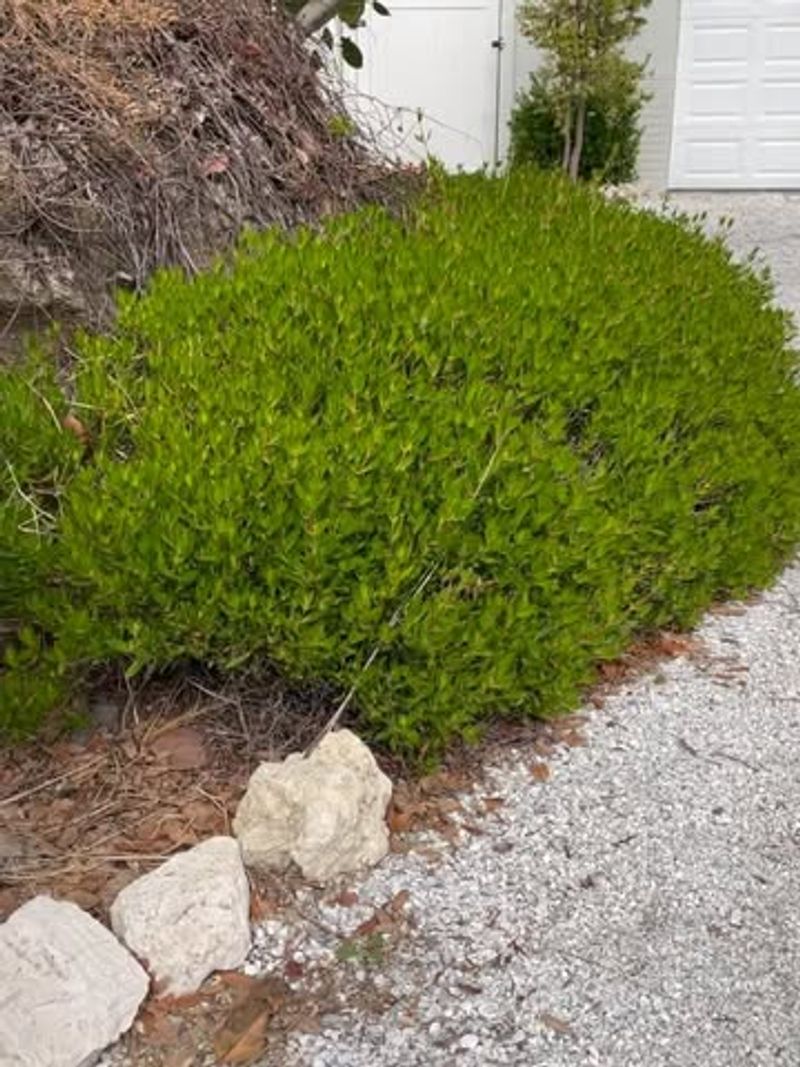
For South Florida gardeners, golden creeper has the neat, glossy look people often try to buy with high-maintenance tropicals. It stays low, fills space cleanly, and brings a tidy green texture that looks right at home in coastal heat.
Golden creeper is native to coastal parts of Florida and is especially useful in warm southern landscapes with sandy, well-drained soil. It can take sun, salt influence, and dry conditions once established, which makes it a strong candidate for exposed front beds and seaside yards. Its small leaves and low habit create a refined surface without the stiff look of plastic-perfect landscaping.
Roaches are less likely to enjoy beds that are open, dry, and easy to inspect. Golden creeper can help by covering soil without requiring heavy mulch layers that hold moisture near the foundation. Keep it pruned back from walls and avoid overwatering, and the planting stays cleaner and less inviting.
The special value here is polish under tough coastal conditions. Golden creeper does not need giant flowers to look costly. Its strength is restraint, giving South Florida yards a smooth, finished ground layer that can handle heat, salt, and sandy soil with quiet confidence.