
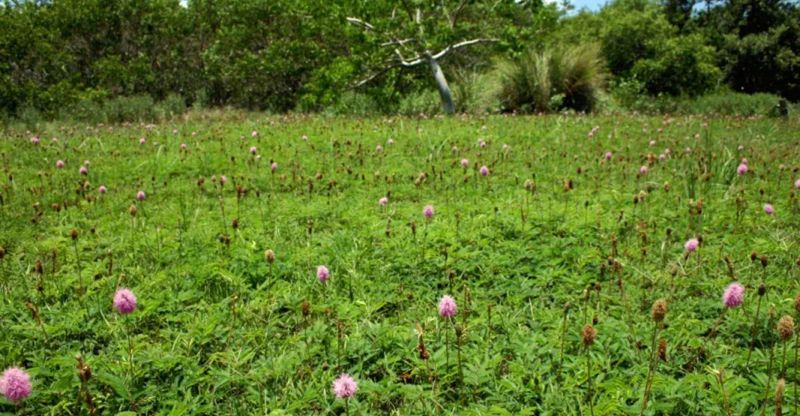
Bark mulch looks tidy for a while, but Florida rain can move it fast. After one hard summer storm, it may end up in the driveway, the street, or piled against a drain. Native ground covers can hold soil, shade roots, and give your yard a living layer that does not need to be replaced every season. Here are seven Florida-friendly choices that can handle heat, sandy soil, and stormy weather better than loose mulch.
1. Sunshine Mimosa
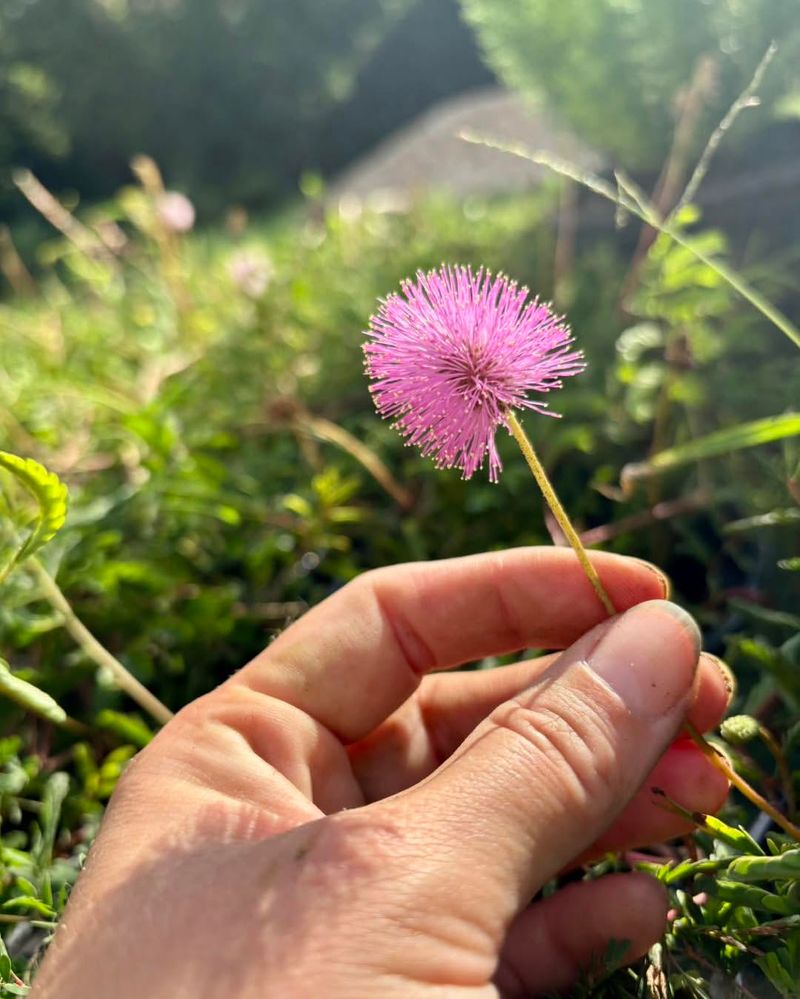
A little pink puffball can do a surprising amount of work in a Florida yard. Sunshine mimosa, also called powderpuff, creeps low across the ground and roots as it spreads, helping it stay put when afternoon storms turn mulch beds into mini rivers.
Its ferny leaves fold when touched, which makes it a fun plant for kids and visitors. Beyond the charm, it is useful in sunny areas where bark mulch dries out, floats away, or breaks down too quickly in sandy soil.
Give sunshine mimosa full sun and well-drained soil, and it can form a soft mat around paths, mailbox beds, and open lawn edges. It is especially handy where you want a low-growing native that looks lively instead of flat or bare.
Pollinators visit the blooms, and the plant usually stays short enough to feel tidy with occasional edging. In spots that get foot traffic every day, use stepping stones, but for lightly used areas, this is one of Florida’s most cheerful living mulch swaps.
2. Frogfruit
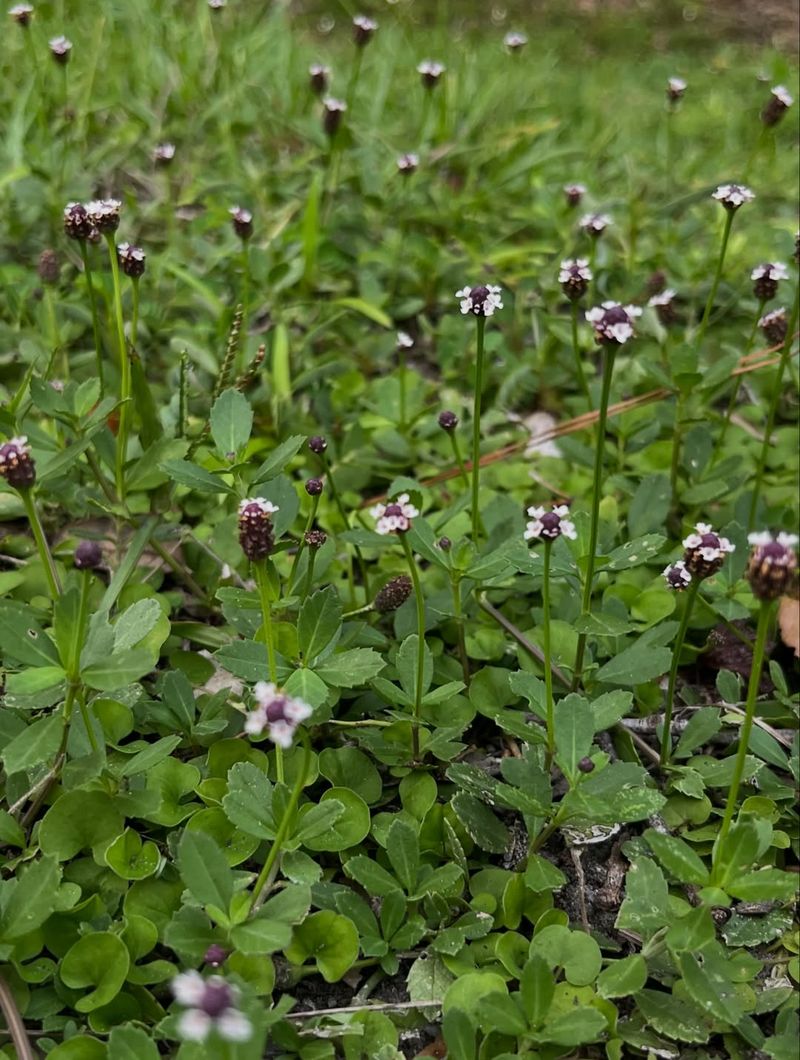
For gardeners who like plants with a tough little attitude, frogfruit deserves a closer look. It can take heat, poor soil, and short mowing, yet still sends up tiny nectar-rich blooms that bees and small butterflies notice right away.
Frogfruit is a strong choice for sunny strips where mulch refuses to stay put, such as along sidewalks, swales, and driveway edges. Its spreading stems hug the ground, so rainwater has less bare soil to splash and carry away.
Many Florida gardeners use it as a lawn alternative in low-traffic spaces, especially where turf struggles without extra water. It may go a bit thin during stress, then bounce back when rain returns, which fits Florida’s wet-dry rhythm better than many fussy ornamentals.
Another bonus is wildlife value. Frogfruit is a host plant for several butterfly species, including phaon crescent and white peacock butterflies, so it turns a problem spot into a small habitat patch.
Keep edges trimmed if it wanders into paths or beds. That small bit of attention is usually easier than raking bark nuggets out of the gutter after every summer downpour.
3. Twinflower
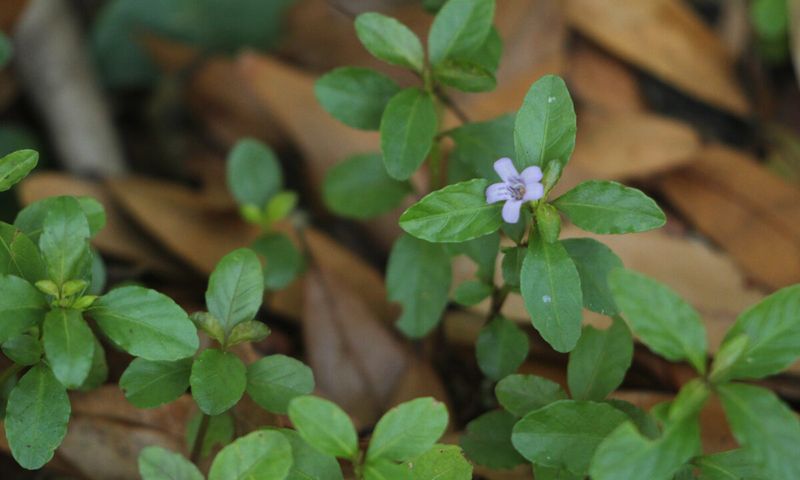
Not every mulch problem happens in full sun. Under palms, live oaks, and open-canopy trees, twinflower can bring a neat, low carpet to places where bark chips scatter and weeds sneak through.
Twinflower has small leaves and paired lavender to pale purple flowers that look delicate, but the plant is more practical than it first appears. It spreads close to the soil, helping cover exposed sand while adding a soft look that suits natural Florida landscapes.
Part sun or light shade is often the sweet spot. In harsh, all-day sun, it may need more moisture to look its best, but in filtered light it can settle in and reduce the need for repeated mulching.
Use it near native shrubs, around the edge of a rain garden, or in a bed where you want a calmer texture than sunshine mimosa or frogfruit. It is not a plant for heavy trampling, so pair it with a path if people cut through the area.
Its quiet style is the point. Twinflower does not shout for attention, but it gives shaded Florida beds a living cover that looks intentional after the storm clouds pass.
4. Perennial Peanut
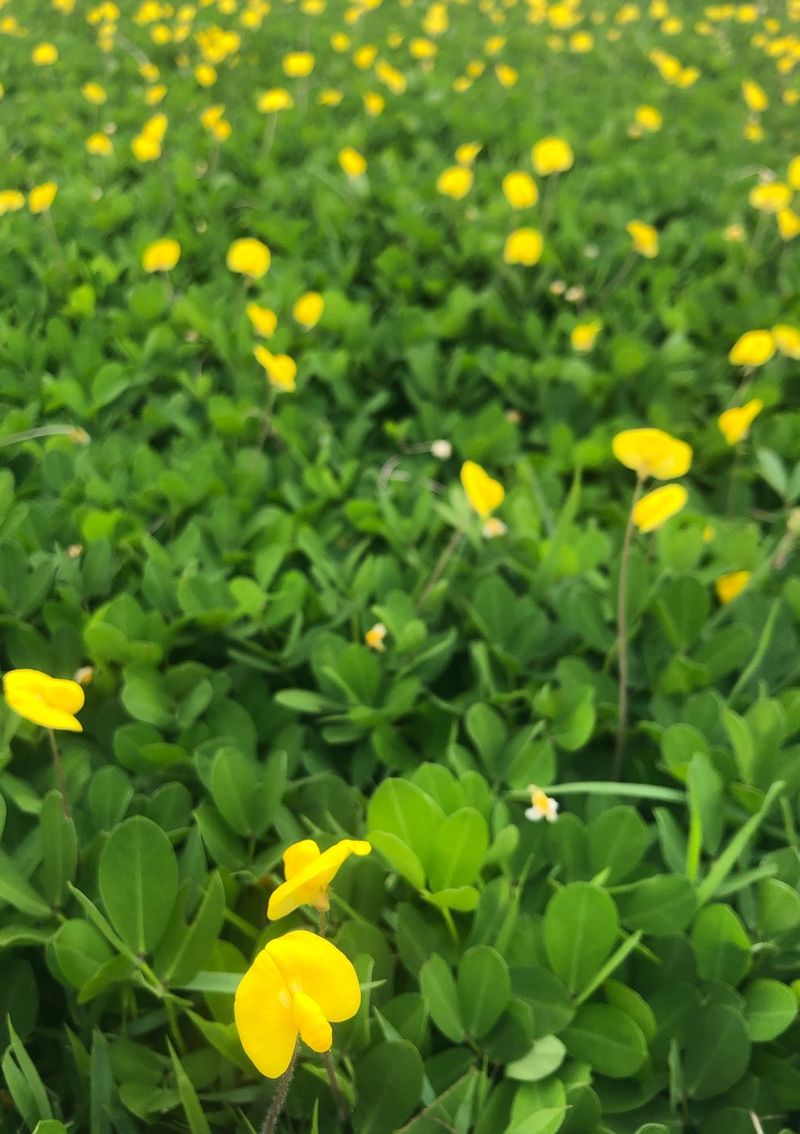
Picture a sunny slope that used to shed mulch like confetti. Perennial peanut can turn that kind of trouble spot into a dense green mat with bright yellow flowers, and it is already well known in Florida as a durable ground cover.
While not native to Florida in the strict sense, it is widely used in Florida-friendly landscapes and is often recommended for low-maintenance, sunny areas. If your goal is strictly native-only planting, skip to the other species on this list, but many Florida homeowners include perennial peanut because it handles the same storm-and-sand problems so well.
Its thick growth helps shade the soil, reduce erosion, and compete with weeds once established. It likes full sun and well-drained soil, which makes it a good match for many Florida yards where bark mulch cooks, fades, and washes into the street.
Perennial peanut usually performs best when planted from rhizomes or plugs, not seed. Give it time to fill in, and avoid burying it under fresh mulch once it begins spreading.
Use it in open beds, parking strips, and slopes where you want a more polished look. Occasional edging keeps it from creeping past its assigned space.
5. Coontie
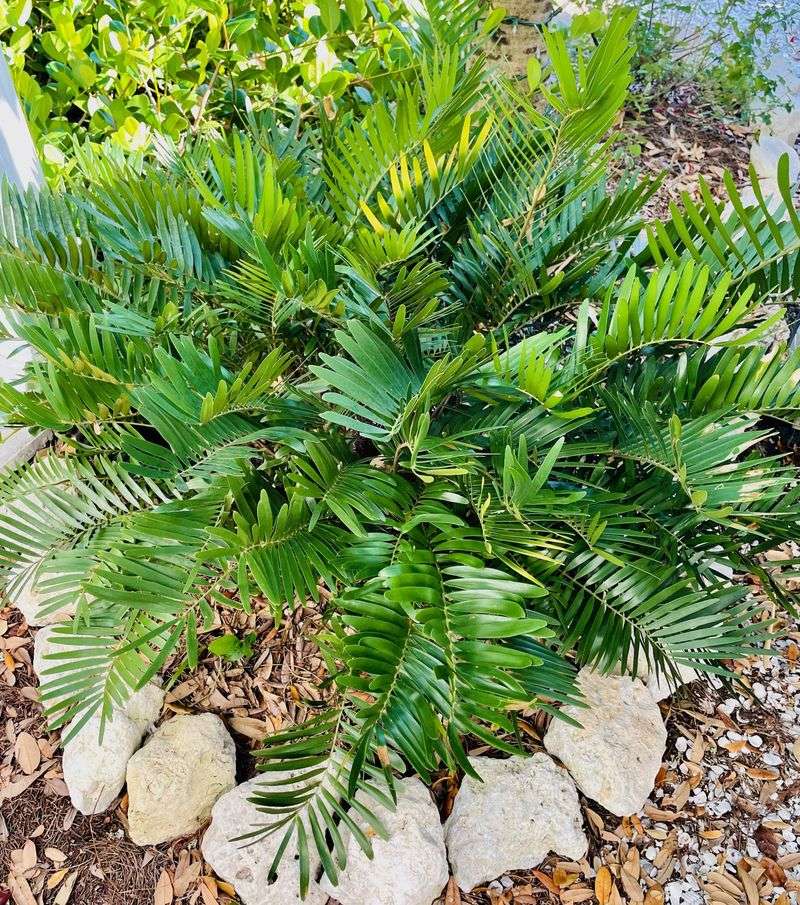
Coontie feels like old Florida in plant form. Its glossy, fern-like fronds look tropical, but the plant is a tough native cycad that can handle sandy soil, heat, and dry spells once it has settled in.
Unlike creeping ground covers, coontie works best as a massed low planting. Think of it as a living mulch for larger beds, foundation areas, and spaces under high tree canopies where loose bark slides or floats during heavy rain.
The deep, sturdy root system helps it stay anchored, and the evergreen foliage shades the soil year-round. That makes coontie useful near downspouts or along bed edges where you want structure instead of a flat carpet.
Wildlife gardeners get an extra reason to plant it. Coontie is the larval host plant for the atala butterfly, a Florida conservation comeback story that many gardeners love to support.
Plant coontie where it has room to slowly widen, and avoid overwatering once established. It is not instant coverage, but its long life and storm-stable habit make it a smart replacement for mulch in beds that need a permanent backbone.
6. Beach Sunflower
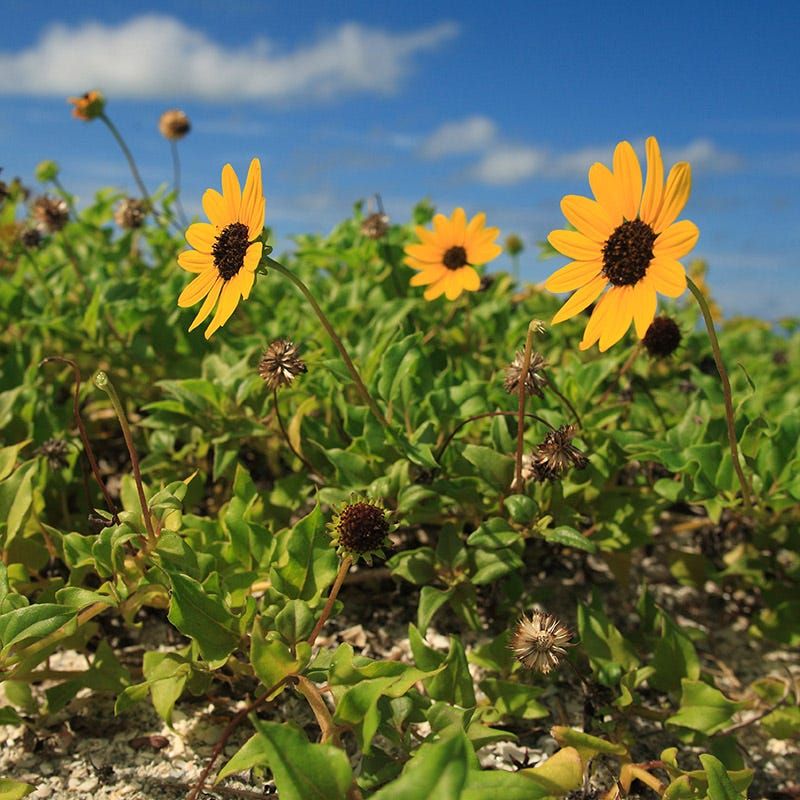
Salty breeze, blazing sun, and sandy soil do not scare beach sunflower. In fact, those are the kinds of conditions where it often shines while bark mulch bleaches, blows, or washes into low spots.
Beach sunflower spreads outward with bright yellow daisy-like flowers, creating a relaxed coastal look even miles from the shore. It is especially useful in full-sun beds, sandy slopes, and hot curbside areas where you want quick coverage and pollinator activity.
Because it grows with energy, give it space or plan to trim it back. That is a fair trade for homeowners who are tired of buying mulch bags every season and still seeing bare sand after heavy rain.
Pollinators enjoy the flowers, and birds may visit the seed heads. The plant’s sunny color also makes it a good choice near patios or front walks where you want the yard to feel bright without constant fussing.
Beach sunflower is usually best in well-drained sites, not soggy low areas. If your yard gets standing water after storms, place it on higher ground and use a wetter-tolerant native elsewhere.
7. Lyreleaf Sage
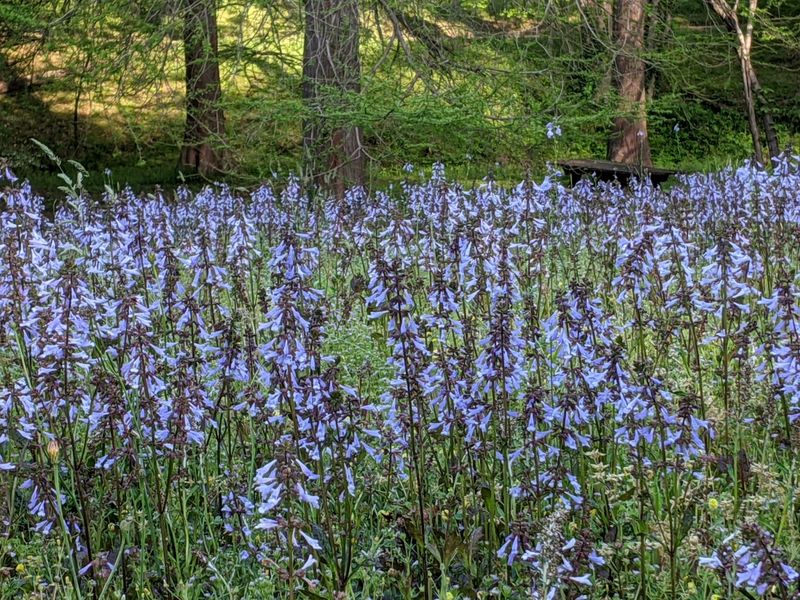
A shady corner with patchy weeds can become one of the most interesting spots in the yard with lyreleaf sage. The low rosettes cover soil quietly, then send up blue to lavender flower spikes that make the whole bed feel more alive.
Lyreleaf sage is useful where you want a native ground cover that handles part shade better than many sun-loving choices. It can work under open trees, along woodland edges, and in naturalized beds where mulch washes downhill or disappears under fallen leaves.
Its leaves may show purplish markings, adding color even when the plant is not blooming. The flowers draw pollinators, and the loose, meadow-like look fits Florida yards that are moving away from high-input landscaping.
Moist but well-drained soil is ideal, though established plants can handle some dry periods. In very dry sand, a little irrigation during establishment helps it knit together faster.
Lyreleaf sage can reseed when happy, which is a benefit in larger natural areas and something to manage in formal beds. If you like a tidy edge, cut spent flower stalks and guide seedlings where you want more coverage.