
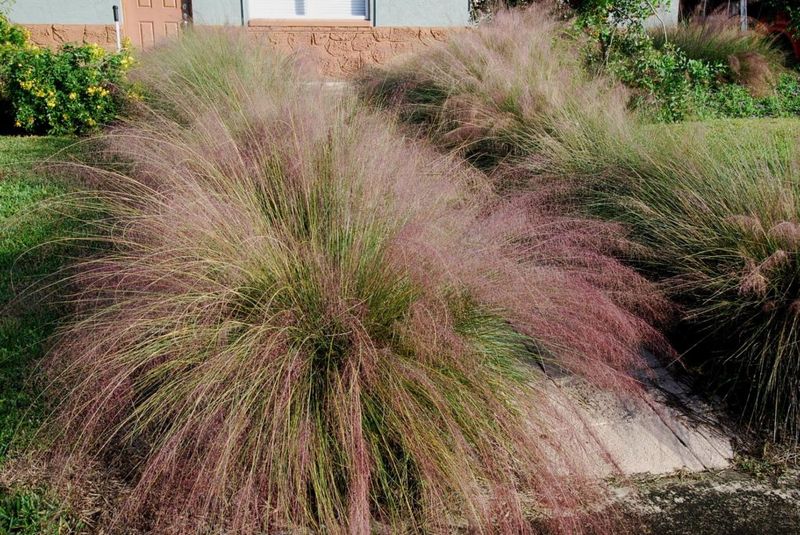
St. Augustine grass looks lush when water is easy, but fall in Florida can turn it thirsty fast. Native ground covers give you a tougher, lower-care way to fill bare soil without fighting sandy yards every week. Many also feed pollinators, handle heat, and bounce back better after dry spells. If your lawn is begging for a smarter swap, these seven Florida natives are worth a closer look.
1. Sunshine Mimosa
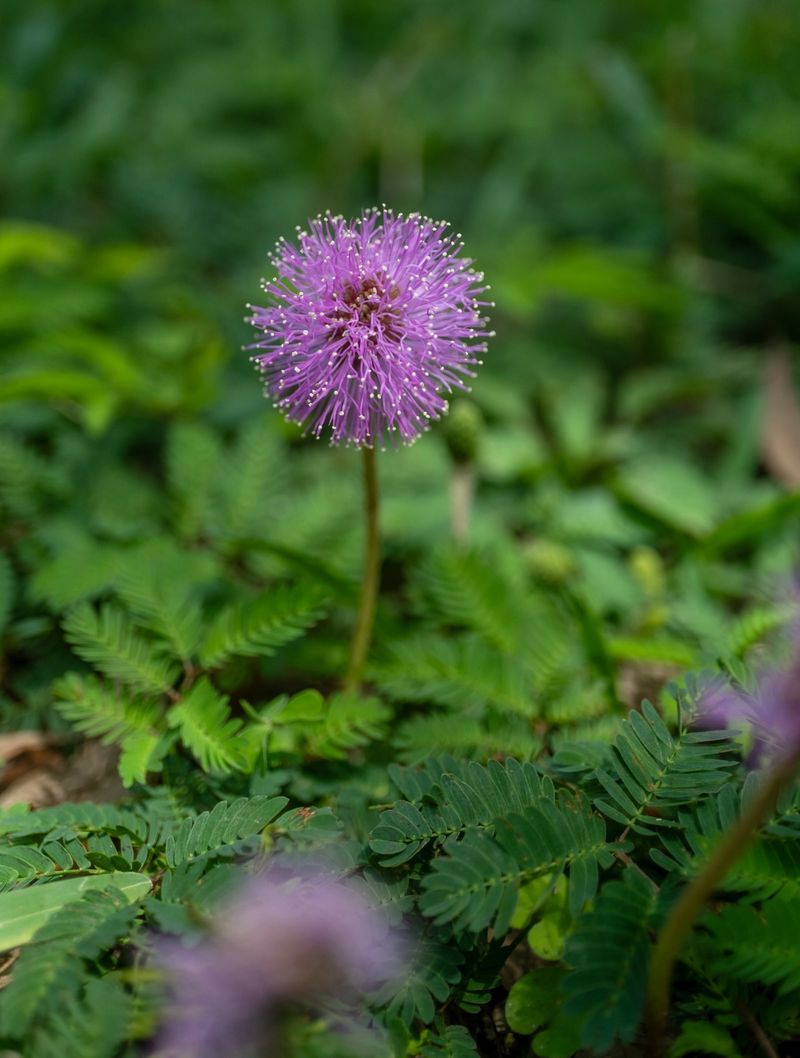
A lawn that tickles back sounds like a joke, but sunshine mimosa really does fold its tiny leaves when touched. That playful habit makes it a fun choice for paths, play areas, and front-yard strips where plain turf feels boring.
Sunshine mimosa is one of the closest native swaps for a soft, green lawn look in much of Florida. It creeps low, roots as it spreads, and forms a living mat that can handle light foot traffic once established.
Fall drought is where it earns its place. In sandy soil, established plants usually need far less irrigation than St. Augustine, especially when they are not scalped by mowing.
The pink puffball blooms are a bonus for small bees and butterflies, so it turns a thirsty grass patch into habitat. Plant plugs about 12 to 18 inches apart for faster coverage, and keep weeds down during the first few months while it knits together.
Give it sun to part sun and avoid heavy fertilizer, which can push weeds instead of helping the mimosa. In colder parts of North Florida it may brown after frost, but it commonly returns from the roots when warm weather comes back.
2. Frogfruit
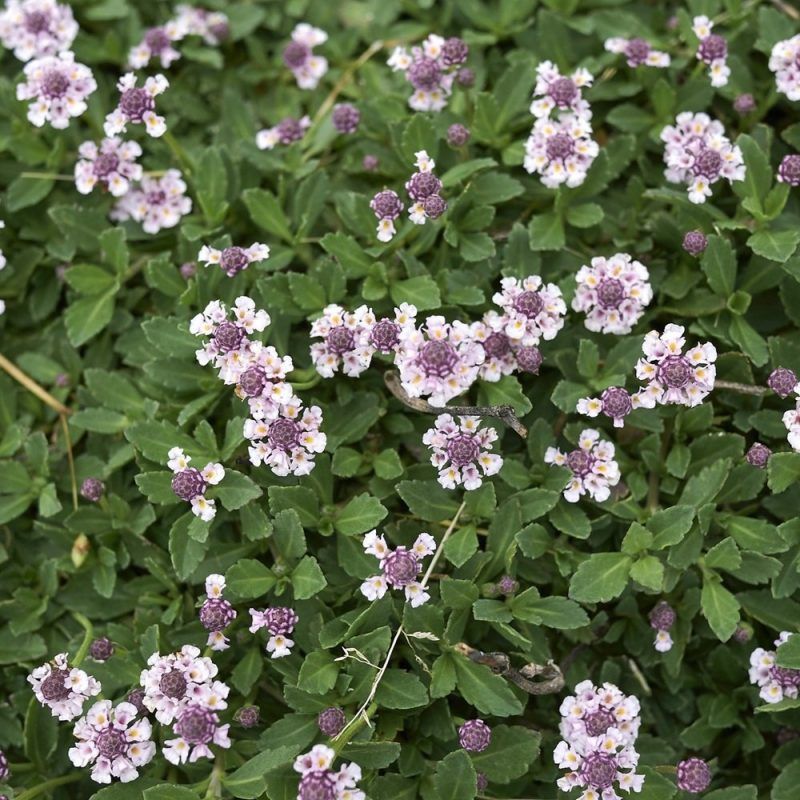
Butterflies seem to find frogfruit before people do. One week it looks like a humble green carpet, and the next it is dotted with tiny blooms that draw skippers, bees, and other small pollinators.
Frogfruit, also called matchweed, is a practical pick for Florida gardeners who want something tougher than a fussy lawn but not too wild-looking. It stays low, spreads quickly, and tolerates mowing if you want a tidier, turf-like height.
What makes it different from sunshine mimosa is its comfort with mixed conditions. It can handle sun, part shade, damp spells, and dry stretches once rooted, which is helpful in yards that swing from flooded to dusty after summer storms fade.
Florida fall can be tricky because rain becomes less dependable while heat may linger. Frogfruit’s deepening root system helps it coast through short dry periods better than St. Augustine, especially in yards with sandy soil and minimal irrigation.
Use it along driveway edges, near rain garden borders, or in open lawn areas where pollinator value matters. It can look a little informal, so gardeners who like a crisp lawn may prefer to edge it or pair it with stepping stones.
3. Powderpuff Mimosa
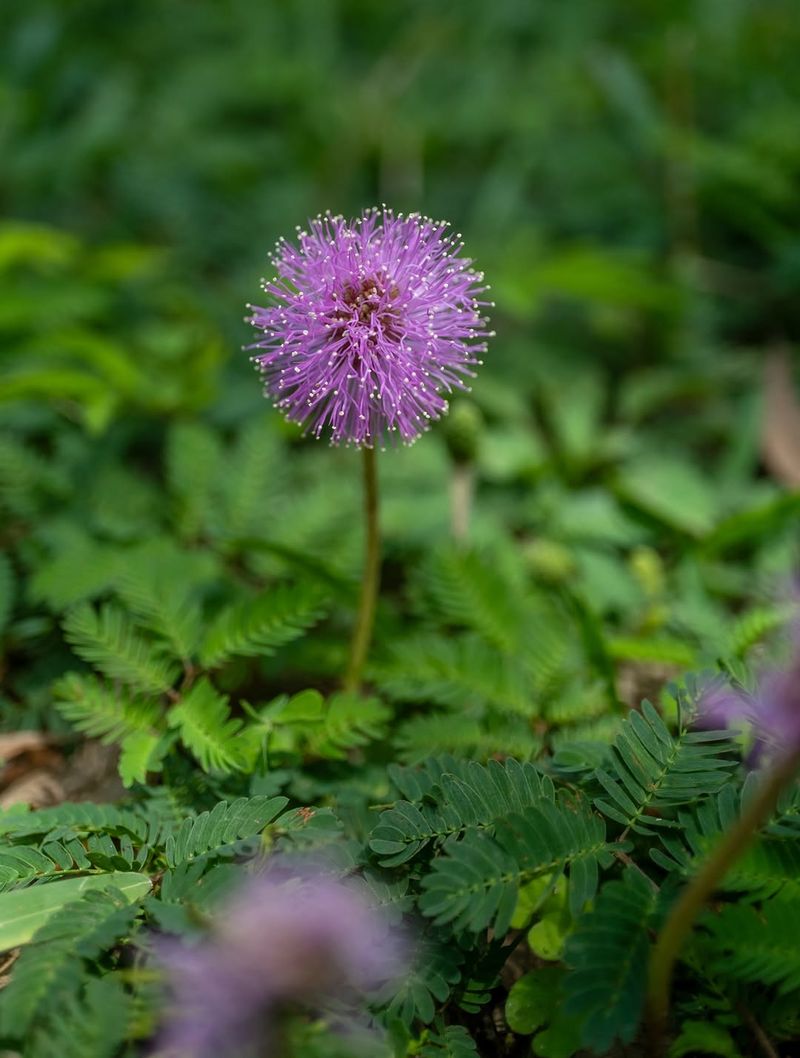
There is a soft, old-Florida charm to powderpuff mimosa, the kind of plant that looks delicate until you notice how stubbornly it keeps spreading. Its feathery leaves and pink blooms bring a cottage-garden feel without asking for rich soil.
Powderpuff mimosa is closely related to sunshine mimosa, but it often has a slightly looser, more natural look. That makes it a good fit for informal borders, open sandy patches, and areas where you want a native meadow edge rather than a perfect green carpet.
For fall drought, its value comes from a growth habit that hugs the ground and protects soil from baking. Once established, it can reduce bare spots where weeds move in after St. Augustine thins from lack of water.
Pollinators visit the round pink flowers, and the plant can help soften hard lines around patios or sidewalk strips. It is best in sunny locations, though a little afternoon shade can help in especially hot inland yards.
Start with small plants or plugs and water regularly until new growth is obvious. After that, back off and let the roots do the work, because too much irrigation can encourage lankier growth and nearby weed pressure.
4. Twinflower
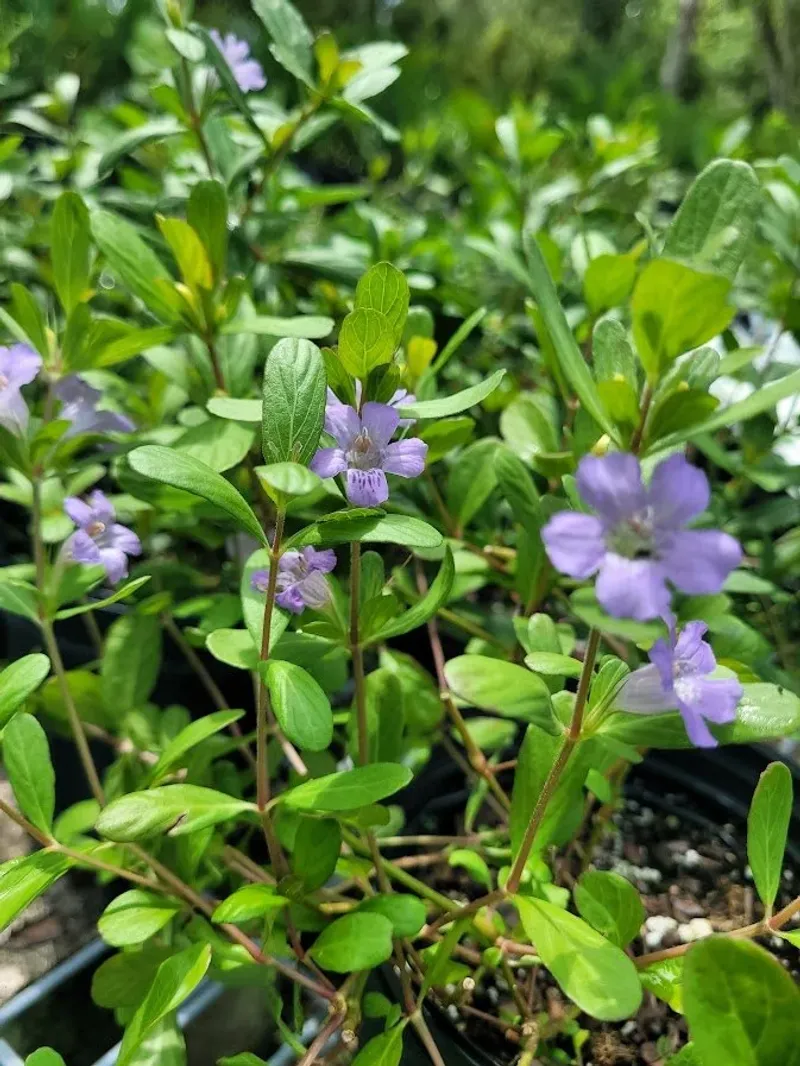
Shady lawn corners have a way of turning into bare dirt, no matter how much St. Augustine you throw at them. Twinflower steps into those awkward spots with small lavender blooms and a calm, tidy habit.
Known botanically as Dyschoriste oblongifolia, twinflower is a Florida native ground cover that handles part shade better than many lawn replacements. It is not the plant for a soccer-field surface, but it shines under open trees, beside porches, and along beds where grass keeps thinning.
Its drought tolerance improves once the roots settle in, which is exactly what Florida gardeners need as fall rains slow down. A light layer of pine straw or leaf mulch nearby can help sandy soil hold enough moisture without smothering the plant.
Twinflower’s main difference is its refined look. The leaves are neat, the flowers are small but pretty, and the plant does not scream for attention, so it works well in HOA-visible spaces when maintained with clean edges.
Give it morning sun or bright filtered shade, then water during establishment. After it fills in, occasional trimming can keep it dense and prevent it from wandering into paths or low-growing perennials.
5. Lyreleaf Sage
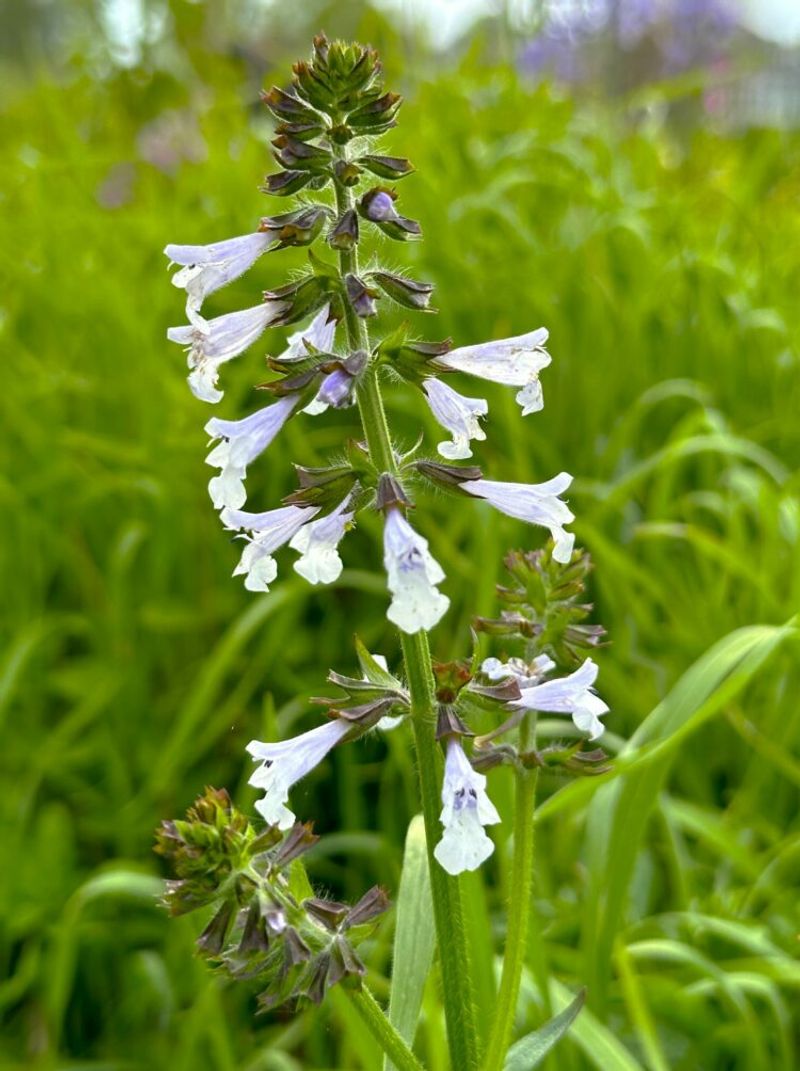
Some ground covers act like background music, but lyreleaf sage brings a little spring concert. Its low rosettes cover soil, then purple-blue flower spikes rise up and give pollinators a reason to linger.
Lyreleaf sage is a smart native choice for gardeners who are tired of babying St. Augustine in thin, sandy, partly shaded areas. It grows as a low leafy cover most of the year and can spread by seed in friendly conditions.
Compared with the lawn-like creepers on this list, lyreleaf sage has more of a naturalized look. That makes it especially useful beneath open-canopy trees, at the edge of native beds, or in low-mow lawn conversions where flowers are welcome.
Florida’s fall dry spells are easier on lyreleaf sage once it is established, particularly in part shade where soil moisture lasts longer. It does not need heavy feeding, and too much fertilizer can make it less sturdy while encouraging unwanted weeds.
Mow high after flowering if you want a flatter appearance, or leave the seed heads for a more wildlife-friendly yard. In the right place, it can quietly build a self-renewing patch that costs less effort than constantly patching thirsty turf.
6. Beach Sunflower
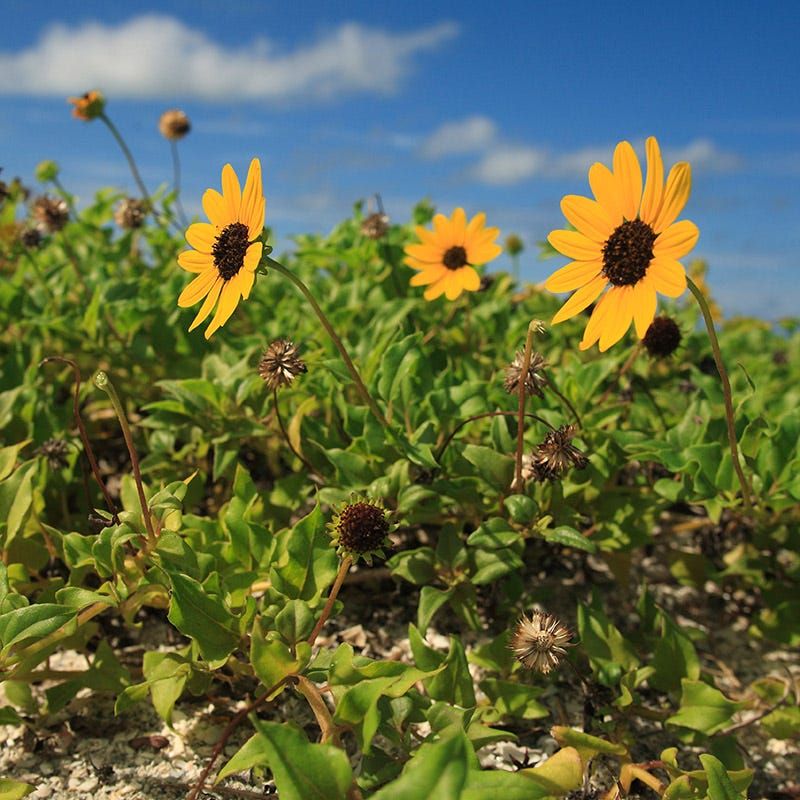
If your yard has a hot, sandy strip that cooks everything else, beach sunflower may treat it like prime real estate. The cheerful yellow flowers look cheerful, but the plant underneath is all grit.
Beach sunflower is not a turf look-alike, and that is exactly why it belongs here. It replaces St. Augustine best in full-sun areas where you would rather have a blooming native carpet than a green lawn that needs constant irrigation.
Coastal gardeners often know it well, but inland Florida yards with fast-draining soil can also use it in the right spot. Once established, it handles drought, salt, reflected heat, and lean soil better than many ornamental ground covers.
The wildlife payoff is strong. Bees and butterflies visit the flowers, while the spreading stems help shade soil and reduce the dusty bare patches that appear when fall rainfall drops off.
Give beach sunflower room, because it can move with enthusiasm when happy. Trim it back if it gets woody or sprawls into walkways, and avoid planting it where a clipped, formal lawn is the goal.
For homeowners replacing turf in a hellstrip, mailbox bed, or sunny slope, this plant can turn a problem area into a bright native patch. It is low-care, but not invisible, so use it where flowers and movement are part of the plan.
7. Railroad Vine
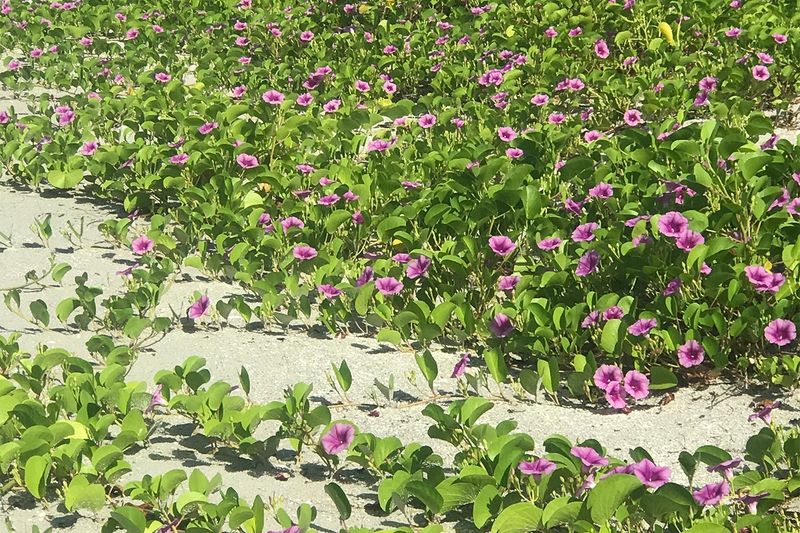
Near the coast, railroad vine looks like it was built for punishment. Wind, salt, sand, and dry weather roll in, and those long runners keep stretching across the ground.
Railroad vine is the boldest choice on this list, best for large sunny areas with very sandy soil. It is a Florida native dune plant, so it makes sense for beachside yards, coastal slopes, and open spaces where St. Augustine struggles with salt spray and drought.
The purple morning-glory flowers are beautiful, but the real story is soil-holding power. Its long stems can cover bare sand and help reduce erosion in places where ordinary turf fades or washes out during storm season.
Fall drought does not scare an established patch much, provided it is planted in the kind of sharp-draining soil it prefers. In richer, irrigated landscapes, it may grow too aggressively or look out of place, so match it to the site.
Railroad vine is not a walk-on lawn replacement for small suburban yards. Think of it as a native living blanket for tough coastal ground, not a tidy putting green.
Use it where space is generous and maintenance can be occasional pruning instead of weekly mowing. For the right Florida property, it delivers the rare combination of drought toughness, salt tolerance, flowers, and real storm-season usefulness.