
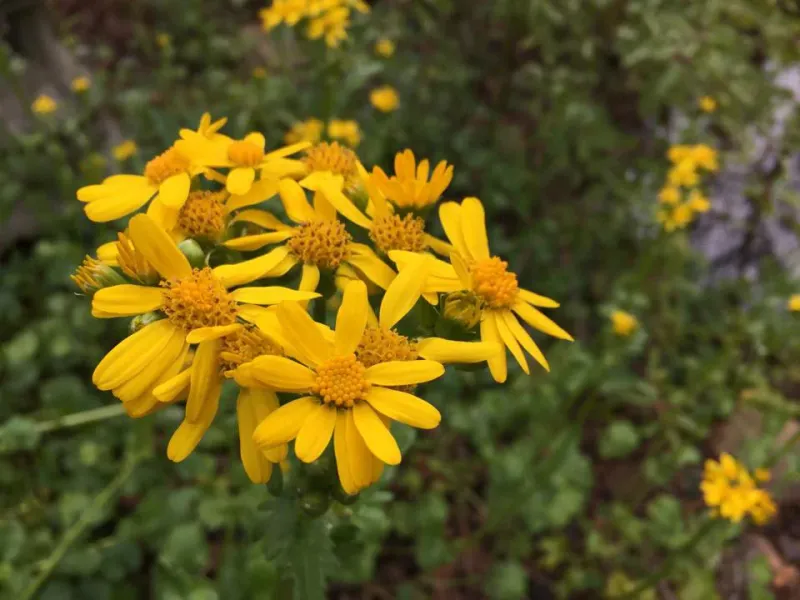
Fireflies are not just pretty lights in the grass. They need damp soil, leaf litter, tiny prey, safe hiding spots, and sometimes nectar as adults. Florida yards can help them when we plant natives that handle sandy soil, heavy rain, heat, and local wildlife. The right plants turn a plain yard into a small, glowing habitat from egg to adult.
1. Buttonbush
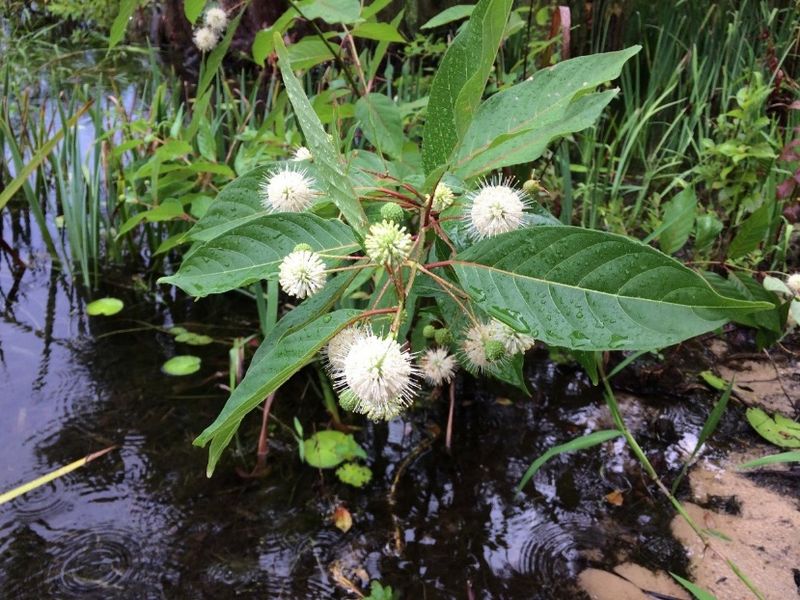
Near a low, wet corner of the yard, buttonbush can feel like a firefly welcome sign. Its round white blooms look like tiny fireworks, and they draw many pollinators while the plant holds moisture around its roots.
That damp zone matters because firefly eggs and larvae do best in moist, protected places. Larvae spend much of their lives near the ground, hunting soft-bodied prey such as small snails, slugs, and worms, so a buttonbush planted near leaf litter can support the food web they need.
Buttonbush is especially useful in Florida yards that flood after summer storms or stay soggy along a swale. Instead of fighting that wet spot with thirsty turf, you can let this native shrub turn it into wildlife habitat.
Give it sun to part shade and room to grow, since it can become a broad shrub. In sandy soil, mulch with fallen leaves or pine needles to keep the root zone cooler and to leave hiding places for firefly larvae.
2. Scarlet Hibiscus
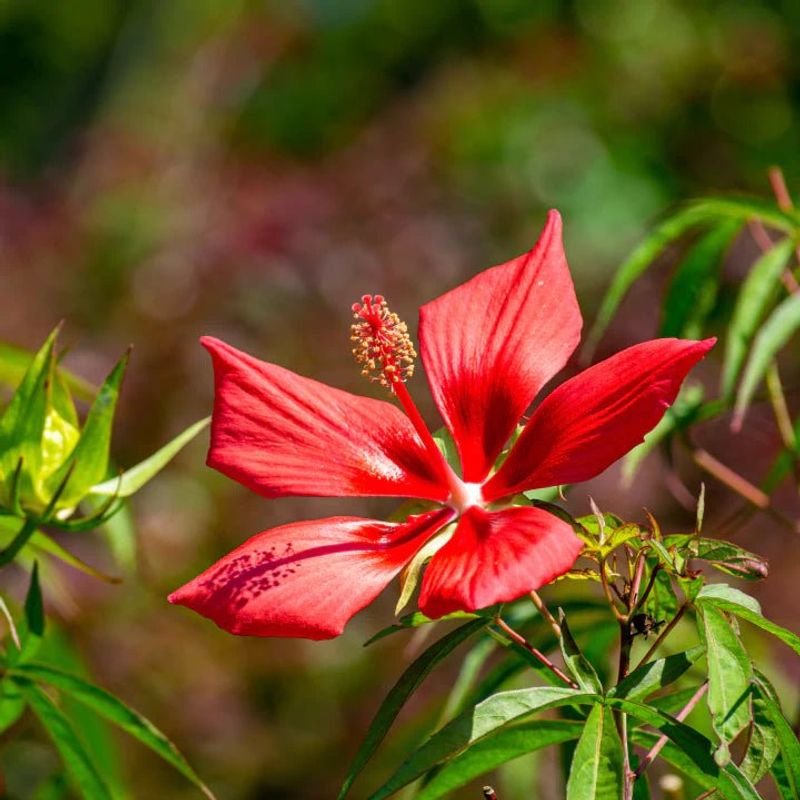
A single scarlet hibiscus bloom can stop people mid-step, but its real magic for fireflies happens closer to the ground. This native wetland perennial helps create the lush, shaded, humid pocket that firefly young need before they ever flash.
Firefly larvae are not flying around flowers yet. They are crawling through damp soil and leaf litter, feeding on small prey and avoiding drying heat, ants, and disturbance.
Scarlet hibiscus fits Florida gardens with rain garden edges, pond margins, and other places that stay moist after storms. Its tall stems also add vertical cover, which can make a planting feel less like an open lawn and more like a layered habitat.
Plant it where it gets full sun to light shade and steady moisture. After stems die back or look tired, resist the urge to over-clean the bed, because fallen leaves and soft plant debris help shelter the tiny creatures that support the firefly life cycle.
As a bonus, the bold red flowers are a favorite sight for hummingbird gardeners. Few plants make a wet Florida corner look so alive.
3. Blue Mistflower
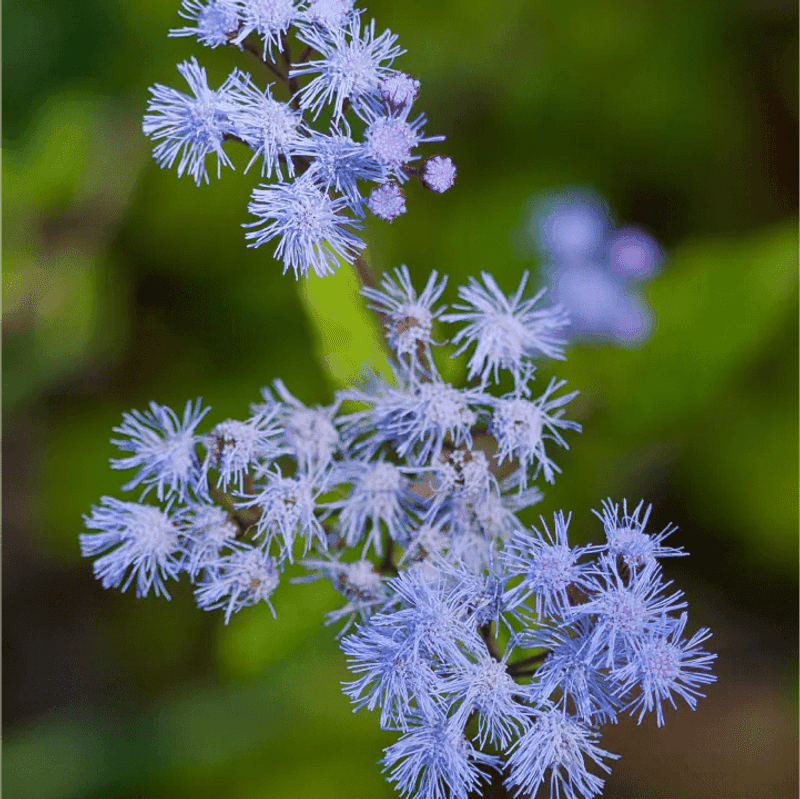
By fall, when many Florida gardens look tired from heat and storms, blue mistflower brings a soft purple haze back to the beds. It is a small, nectar-rich native that earns its place by feeding adult insects while making the garden thicker and more sheltered at soil level.
Some adult firefly species take nectar or other liquids, while others feed little or not at all. Even so, nectar plants help the wider insect community, and that busy, balanced habitat is better than a sterile yard sprayed for every bug.
Blue mistflower works well along paths, rain garden edges, or the front of a native bed. It can spread, so use it where a loose, meadow-like patch is welcome rather than in a stiff formal border.
For fireflies, the plant is strongest when paired with leaf mulch and no nighttime pesticides. The shaded stems and low growth help keep the soil from baking, which is a big deal in fast-draining Florida sand.
Cut it back after flowering if you need to tidy the patch, but leave some natural litter in place. A slightly messy bed is often where the glow begins.
4. Seaside Goldenrod
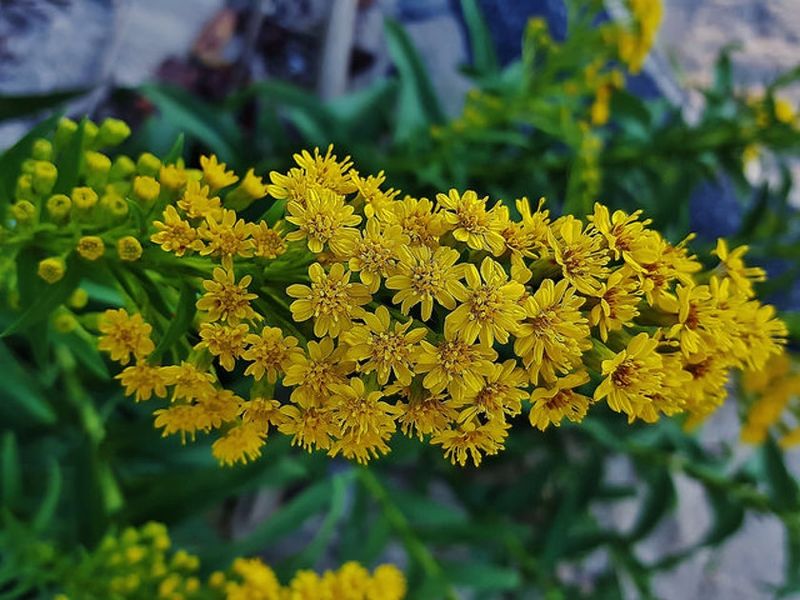
Goldenrod gets blamed for allergies it usually did not cause, which is unfair to one of Florida’s best late-season wildlife plants. Seaside goldenrod is tough, bright, and built for sandy soil, salty breezes, and rough weather better than many fussy ornamentals.
Its late flowers feed bees, butterflies, tiny wasps, and other beneficial insects when many blooms are fading. That matters for fireflies because a yard with a strong native insect community is less likely to depend on broad insect sprays, which can harm fireflies at every life stage.
Seaside goldenrod also brings height and cover without needing rich soil. In a Florida yard, it can fill sunny edges, fence lines, or a back corner where lawn struggles and irrigation feels wasteful.
Firefly larvae still need damp hiding spots, so do not plant goldenrod alone in a bare, dry island of mulch. Pair it with leaf litter, grasses, or a nearby rain garden plant so the ground stays cooler and more protected.
One helpful habit is to leave stems standing through part of the cool season. Hollow stems and seedheads provide shelter for small wildlife, and the less you scrape the bed clean, the better your chance of keeping firefly habitat intact.
5. Frogfruit
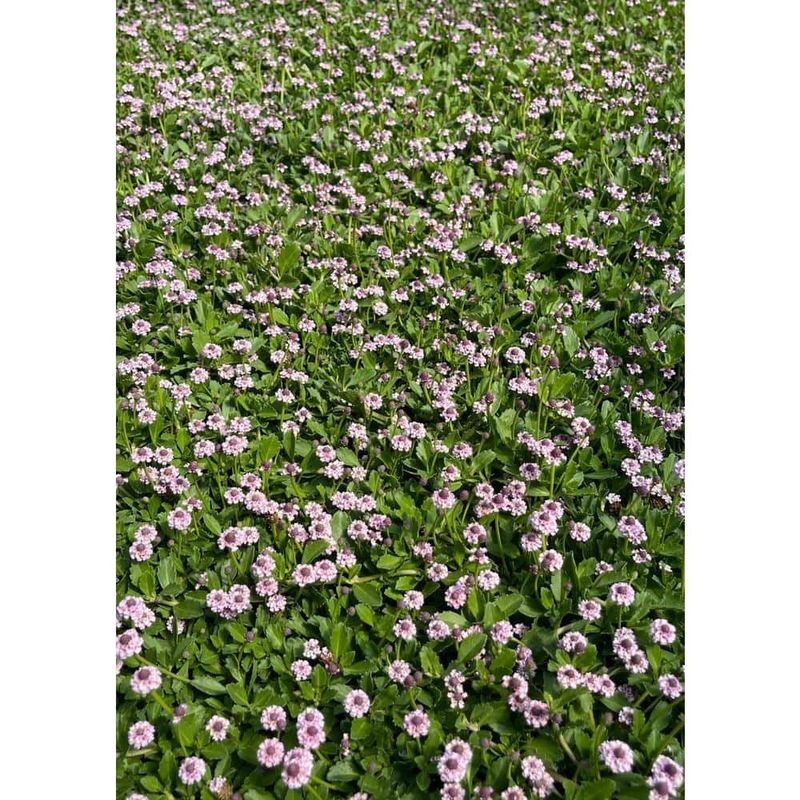
For gardeners who secretly wish their lawn would do more work, frogfruit is a smart little troublemaker. It creeps low, blooms in tiny white-and-purple clusters, and can soften the hard line between turf and wildlife bed.
Fireflies spend a surprising amount of life close to the soil, so a yard made only of short, frequently mowed grass gives them few places to hide. Frogfruit adds low cover and flowers without becoming a tall jungle, making it useful for people who still want a neat-looking space.
In Florida’s sandy soil, frogfruit is often more forgiving than thirsty lawn grass once established. It handles sun, can take some foot traffic, and supports small pollinators that add life to the yard.
To make it firefly-friendly, let parts of it grow a little looser near beds, trees, or damp areas. Avoid mowing every patch at the same short height, because firefly larvae and other small creatures need undisturbed pockets.
Frogfruit is also a good bridge plant. It connects flower beds, shrub edges, and mulched areas so fireflies are not trapped in one tiny island of habitat surrounded by hot, dry turf.
6. Muhly Grass
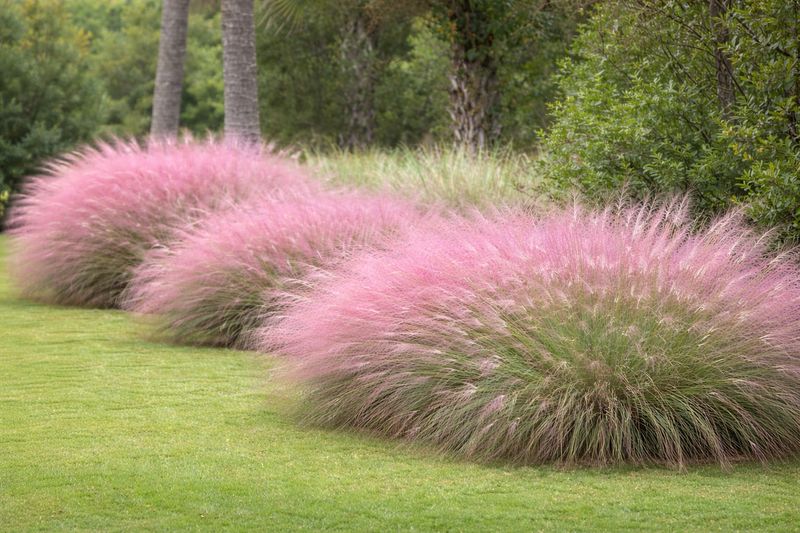
When muhly grass turns pink in fall, it looks almost too fancy for a plant that asks for so little. Under those airy plumes, though, the dense clumps make a practical shelter zone for small ground life.
Fireflies need more than flowers. They need safe, humid places where eggs can develop and larvae can hunt without being exposed to hot sun, leaf blowers, and constant foot traffic.
Muhly grass is a strong Florida choice because it tolerates sandy soil, drought once established, heat, and windy weather. It will not create a wetland by itself, but it helps shade the ground and catch fallen leaves around its base.
Use muhly in groups near native shrubs, along a dry edge of a rain garden, or beside a path where you can enjoy the evening glow. The clumps look tidy enough for front yards, which makes them a good option for neighborhoods that frown at wild-looking plantings.
Skip heavy cleanup with blowers, especially in the warm months when firefly young may be in the litter. Hand-pulling weeds and leaving a light natural mulch around the grass is quieter, gentler, and better for the whole mini-habitat.
7. Wild Petunia
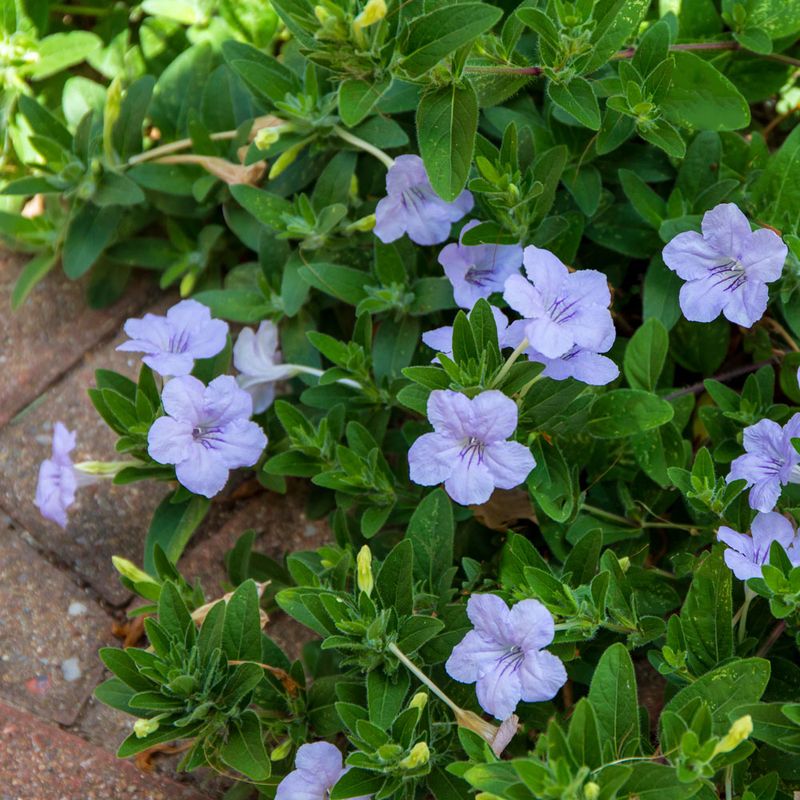
There is a charming little purple flower that belongs in Florida gardens, and it is not the invasive Mexican petunia that causes so many headaches. Native wild petunia gives you a similar pop of color in a better-behaved, wildlife-friendly package.
Its low growth helps shade the soil, while the flowers support pollinators through warm months. For fireflies, that living ground layer is valuable because bare sand dries fast, especially after a windy, hot day.
Wild petunia is useful in the middle or front of native beds, especially where you want color without constant pampering. It can handle Florida heat and ordinary sandy soil better when the bed is mulched with leaves or pine straw.
The big difference from many showy nursery plants is how it fits into a whole yard system. It works with native grasses, shrubs, and damp pockets instead of standing alone as a decorative plant surrounded by sterile mulch.
If fireflies are your goal, pair wild petunia with a no-spray approach and softer nighttime lighting. Bright outdoor lights can interrupt firefly flashing, so dimming path lights near the bed gives the adults a better chance to find mates.