
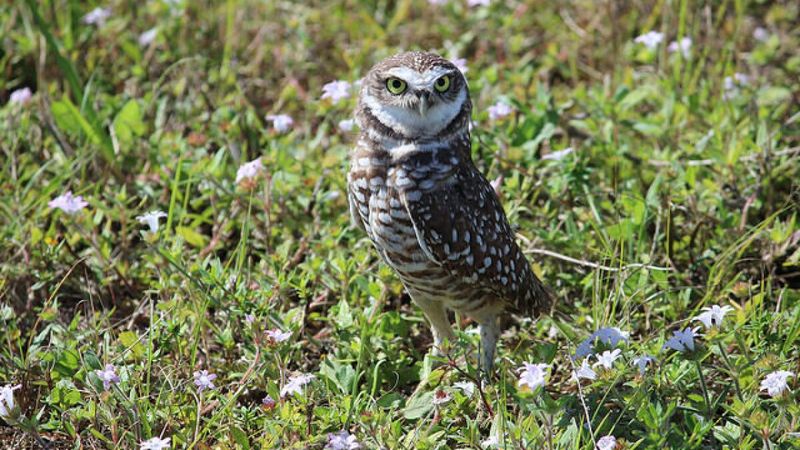
Rats love messy yards, easy food, and quiet hiding spots. Owls love a yard that gives them safe hunting space, nearby cover, and a healthy food web. The right Florida native plants can help your yard feel more like owl country while still looking good and handling sandy soil, heat, and storms. Pair these plants with sealed trash, picked-up fruit, and no rodent poison, and you give owls a safer place to do their nighttime work.
1. Southern Live Oak
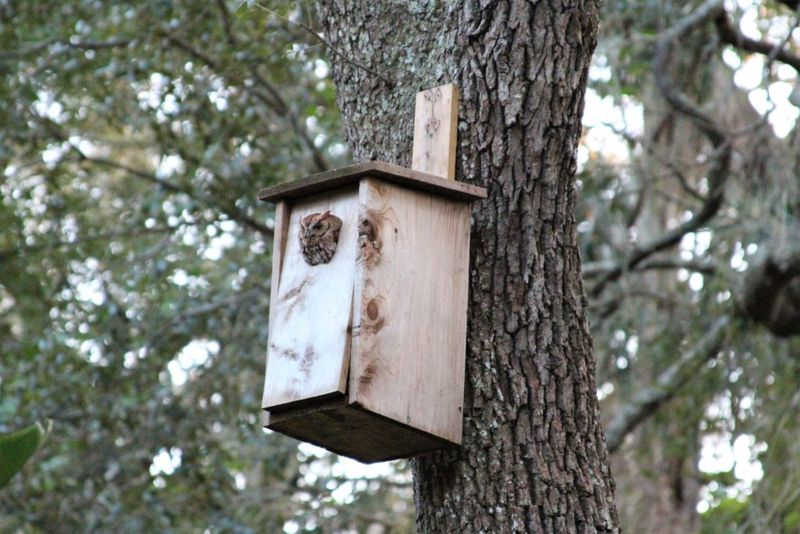
A big old live oak can feel like the neighborhood watchtower, especially after sunset. For owls, those wide limbs offer high, steady places to sit and scan for rats moving along fences, sheds, compost areas, and palm fronds.
Southern live oak is one of Florida’s most valuable native trees because it supports many insects, birds, squirrels, and other wildlife. That busy food web can help make a yard more attractive to barred owls and great horned owls, which often hunt from strong perches rather than flying nonstop.
In sandy Florida soil, young live oaks need regular watering until established, but mature trees are tough and long-lived. Give them room away from roofs and power lines, since they can become huge shade trees with storm-resistant strength when properly pruned early.
Skip rodent bait if you hope to host owls. A poisoned rat can poison the owl that eats it, turning your helpful night hunter into an accidental victim.
2. Slash Pine
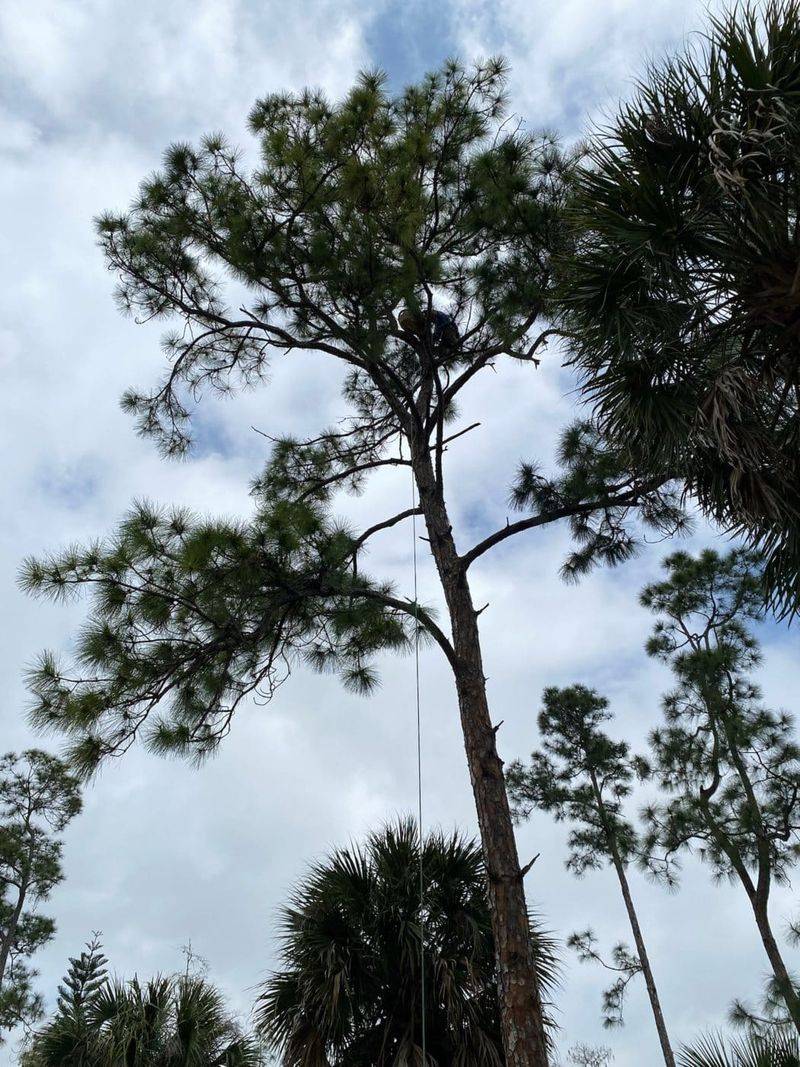
Hear that soft rustle in the pine needles? A slash pine yard has a different feel from a thick, leafy garden, with tall trunks, open sightlines, and a clean view of the ground below.
That matters because many owls hunt best where they can spot movement. Slash pine gives height without creating a dark, tangled wall, so a hunting owl can perch above and watch for rats running between palmettos, wood piles, and fence corners.
Florida gardeners also get a practical bonus. Slash pine handles heat, sun, and sandy soil once established, and its fallen needles make a useful natural mulch for native beds. In the right spot, it fits the set-and-forget style many Florida yards need.
Keep the area under and around pines tidy instead of letting junk pile up. Owls need prey to be visible, while rats prefer cluttered hiding places, so a clean pine island can work better than a messy one.
3. Cabbage Palm
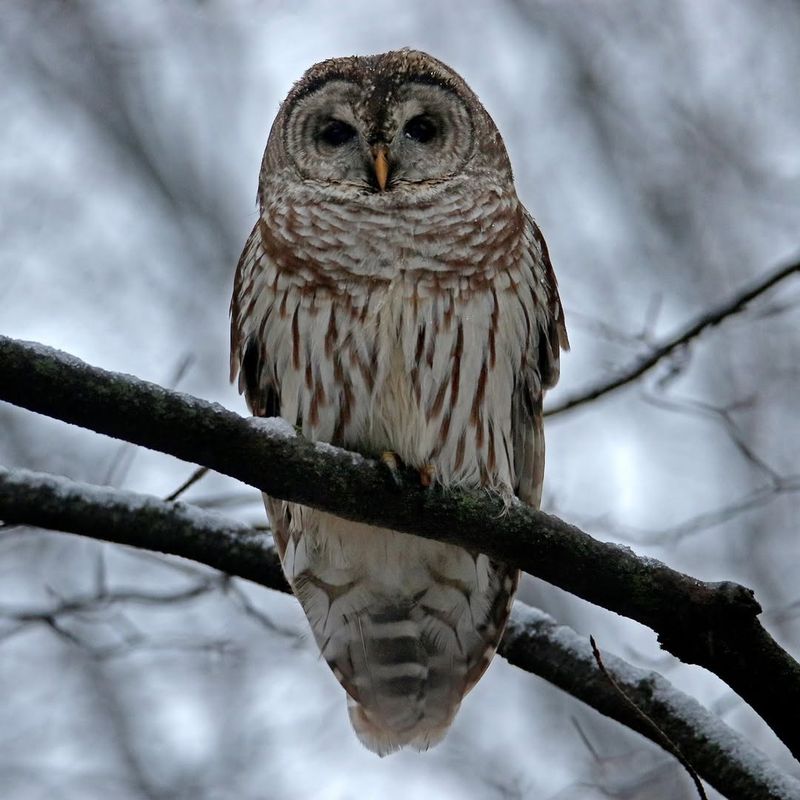
Florida’s state tree does more than look tropical. A cabbage palm can become a vertical wildlife station, especially in yards where every square foot has to earn its keep.
Owls may use palms as lookout points, and the rough trunk can support insects, lizards, tree frogs, and small birds that add life to the yard. While rats can also hide in neglected palm crowns, good maintenance makes the difference. Remove heavy buildups of dead fronds when needed, but avoid over-pruning into a skinny hurricane-cut palm.
Cabbage palm is well suited to Florida because it tolerates sandy soil, salt spray, wind, and periods of drought after it settles in. That makes it useful in coastal yards and inland neighborhoods that get harsh sun and sudden storms.
Plant it where the owl view is useful, such as near open lawn edges, retention pond borders, or the back corner of a yard. A palm with open ground nearby gives night hunters a cleaner shot at rodents than one buried in clutter.
4. Wax Myrtle
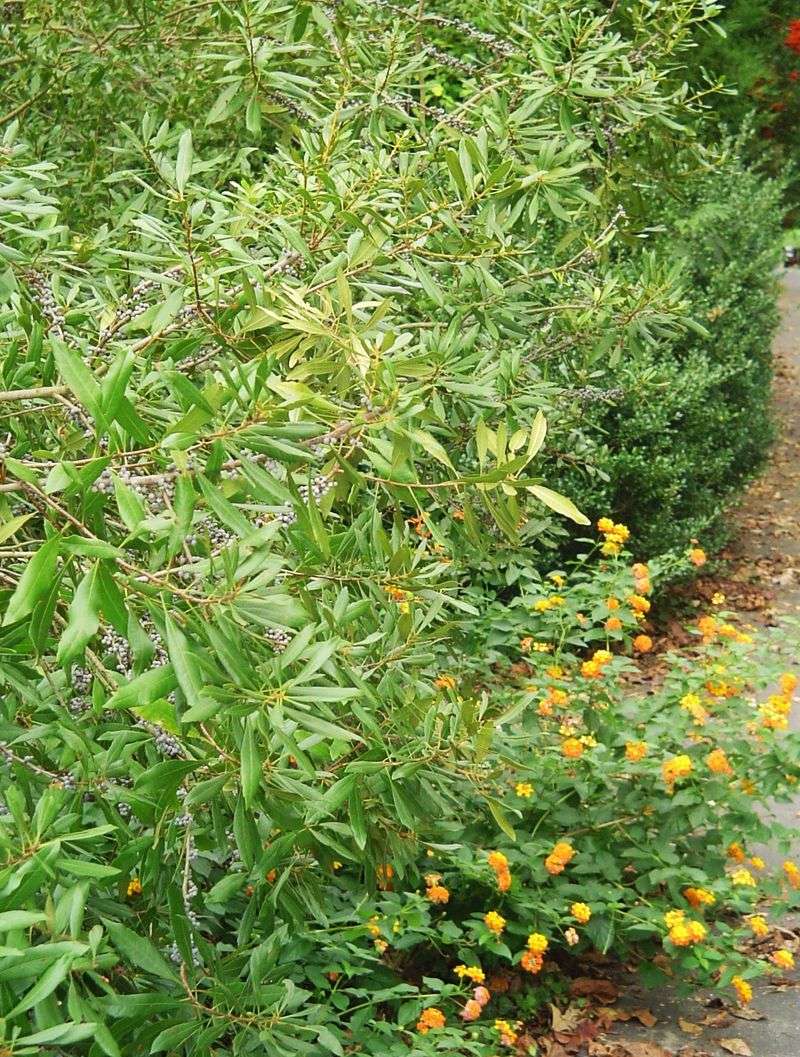
Some yards need a living screen, not another hard fence. Wax myrtle fills that job with glossy leaves, small berries, and a fast-growing shape that can soften the edges of a hot Florida property.
Its role in an owl-friendly yard is a little different from a tall perch tree. Wax myrtle brings in insects and birds, builds cover for the wider food web, and can help create the layered habitat that makes a yard feel alive. More wildlife activity can make an area more interesting to owls that already travel through the neighborhood.
There is one smart rule with dense shrubs: place them with purpose. Keep wax myrtle away from exterior walls, trash cans, grills, and sheds if rats are a problem, because thick cover too close to food sources can help rodents hide.
Used along a back property line or as a windbreak, wax myrtle is a strong Florida native choice. It handles moist spots better than many plants, yet it can also manage ordinary sandy soil once established.
5. Saw Palmetto
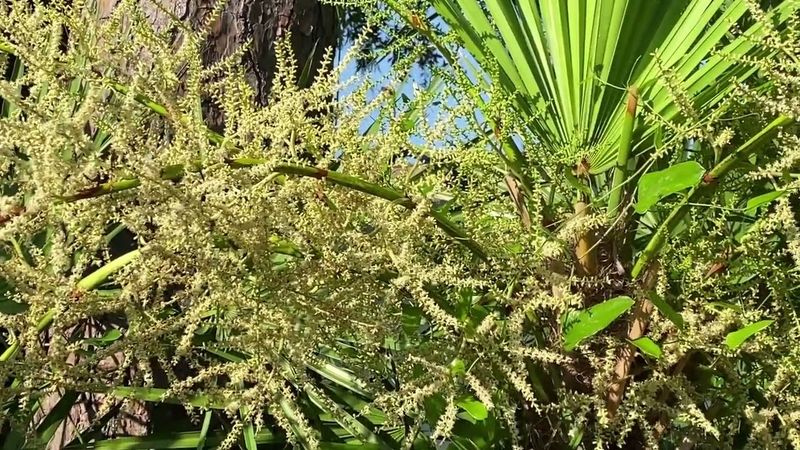
A saw palmetto clump has a wild Florida look, like a pocket of scrubland dropped into the yard. Used wisely, it can support native wildlife without turning the whole property into a rat hotel.
Birds, insects, reptiles, and small mammals all use palmetto thickets in natural areas. That makes saw palmetto useful for building real Florida habitat, especially near pines, oaks, or open sandy areas where owls can perch and hunt nearby.
The trick is spacing and cleanup. Do not plant a dense wall of saw palmetto right against the house, chicken coop, garage, or garbage area. Leave open edges so owls and other predators can see movement, and remove fallen fruit or debris if rodents start showing up.
Saw palmetto is tough once established and fits dry, sandy, sunny sites that punish fussier shrubs. It is a good pick for gardeners who want a native, low-water planting with a natural look, not a clipped hedge that needs constant attention.
6. American Beautyberry
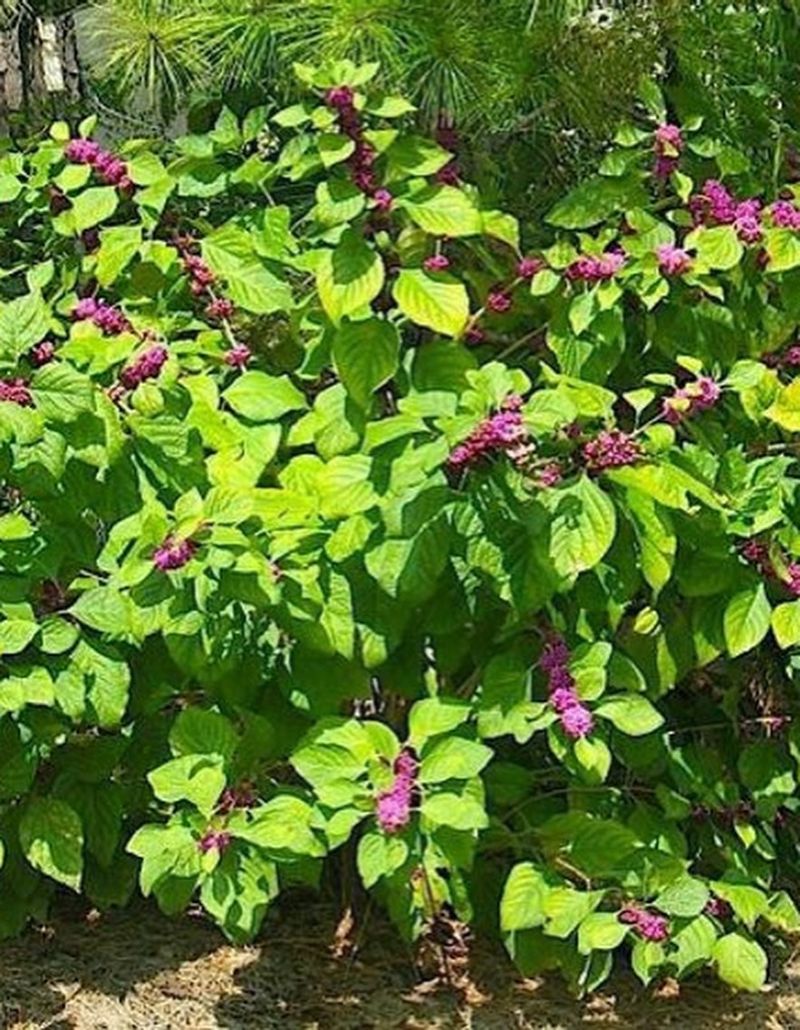
Those bright purple berry clusters look almost fake, which is part of the fun. American beautyberry brings color to a Florida yard while feeding birds that help build a lively backyard food chain.
Beautyberry is not a magic rat-control plant, and its berries are not meant to feed owls directly. Its value is habitat support. More native insects, songbirds, and small wildlife can make the yard part of a larger hunting route for owls, especially when paired with tall perch trees and open ground.
Florida gardeners often like beautyberry because it can handle part shade, sandy soil, and a relaxed pruning style. It may lose leaves in cooler weather, then bounce back with fresh growth when conditions improve.
Plant it where you can see the berries from a window, but keep it away from places where spilled birdseed, pet food, or fallen fruit already attract rats. A pretty shrub should not become a hiding screen for a messy feeding station.
For a tidier look, prune in late winter before new growth starts. The berries form on new wood, so a seasonal trim can keep it full without turning it into a chore.
7. Simpson’s Stopper
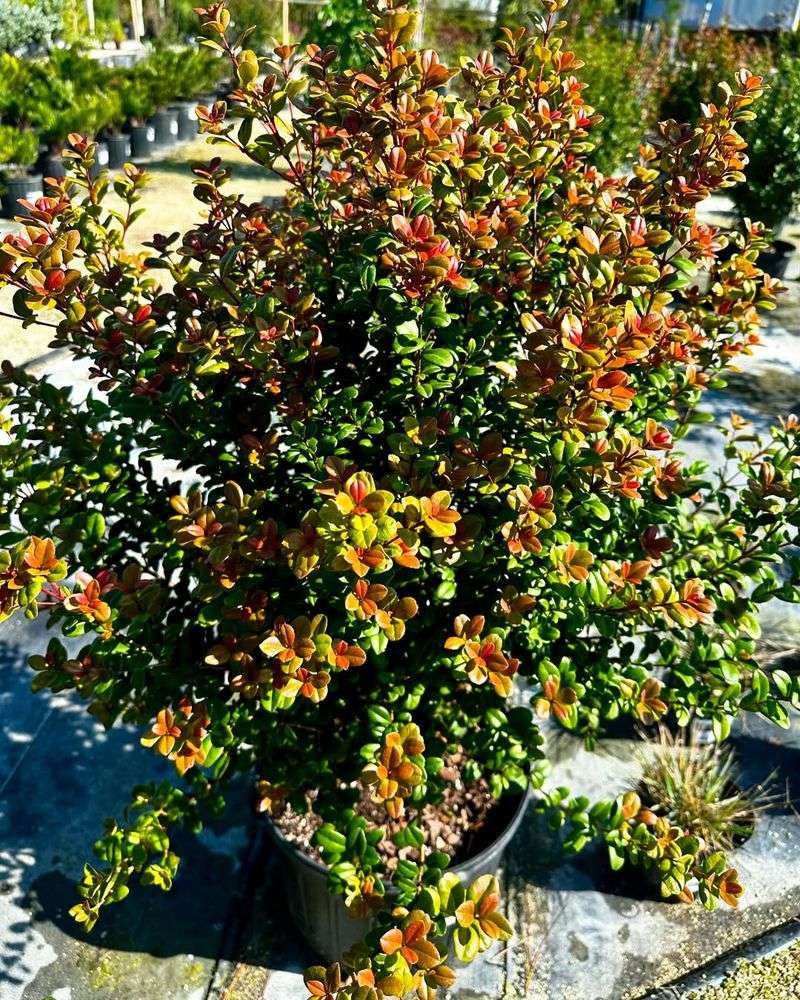
In a smaller Florida yard, not everyone has room for a giant oak. Simpson’s stopper steps in as the polished native that can act like a shrub, hedge, or small tree without swallowing the whole landscape.
Fragrant white flowers bring pollinators, and red-orange berries feed birds. That steady wildlife traffic helps create the kind of healthy, native yard that supports predators higher up the food chain, including owls that patrol nearby trees, rooftops, and fence lines after dark.
What makes Simpson’s stopper stand out is its neatness. Compared with wilder thickets, it can fit near patios, side yards, and front landscapes while still offering native value. It also tolerates pruning, which helps you keep sightlines open and avoid creating thick rodent cover next to the house.
Once established, it handles Florida heat and typical sandy soil with less fuss than many ornamental imports. It is also a smart replacement for invasive or overused hedge plants that do little for local wildlife.
For the best owl-friendly setup, pair Simpson’s stopper with a tall native perch tree nearby and a clean, open strip of ground. Habitat works best when cover, food web, and hunting space all fit together.