
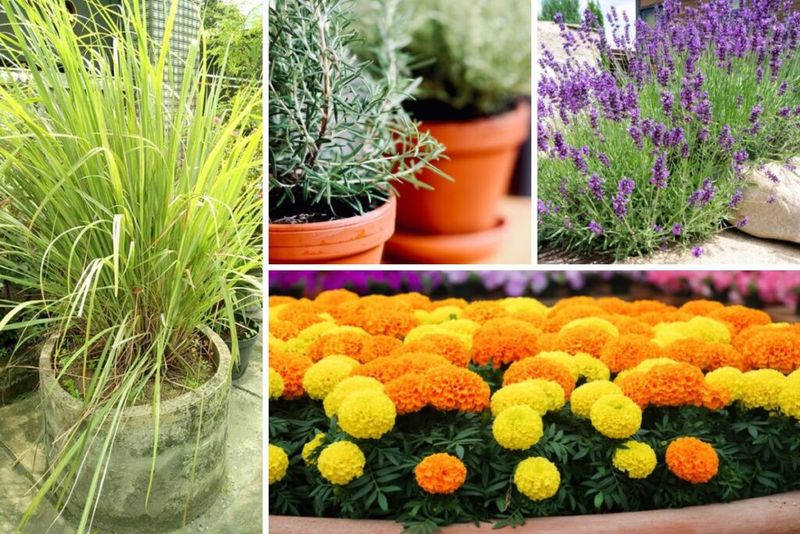
Mosquitoes and ticks can turn a Florida patio into a place you avoid instead of enjoy. The good news is that some Florida native plants bring strong scents, helpful insects, and yard-friendly wildlife that can make your outdoor space less inviting to pests. They will not replace smart steps like removing standing water, but they can be a beautiful, low-effort layer of defense. Here are seven native picks that fit Florida heat, sandy soil, and real backyard life.
1. American Beautyberry
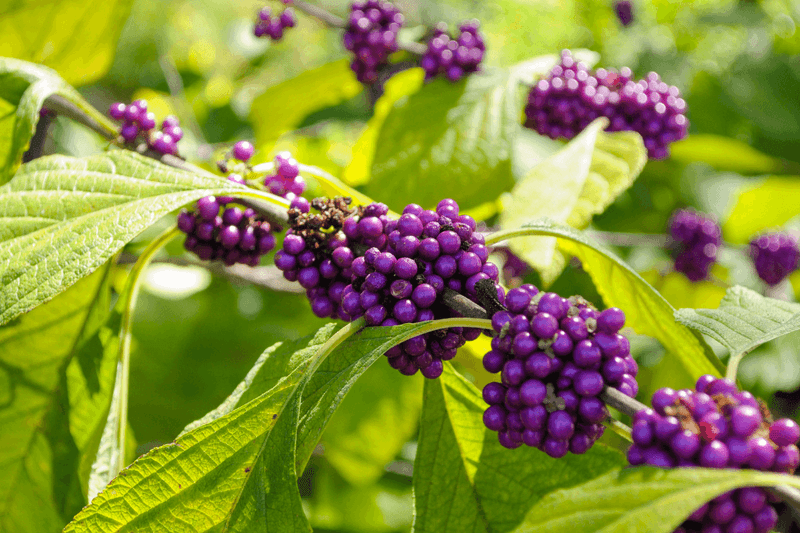
A flash of purple berries near the patio feels like a garden bonus, but American beautyberry earns its place for more than good looks. Florida gardeners often love it because it handles heat, sandy soil, and light shade without acting fussy.
The leaves contain natural compounds that have been studied for repelling mosquitoes and ticks, which makes this native shrub one of the strongest picks for a no-spray patio plan. The effect is not the same as coating yourself in repellent, but planting beautyberry near seating areas can add an aromatic buffer where pests are less welcome.
Give it room to spread, since mature plants can become wide and loose. In smaller patios, prune after berries fade to keep it tidy, or place it at the back edge of a bed where its arching branches can soften a fence.
Birds also relish the berries, so this plant supports wildlife while helping your yard feel less like a bug buffet. For best results in Florida, plant it where it gets morning sun and afternoon shade, then water regularly until established.
2. Spotted Beebalm
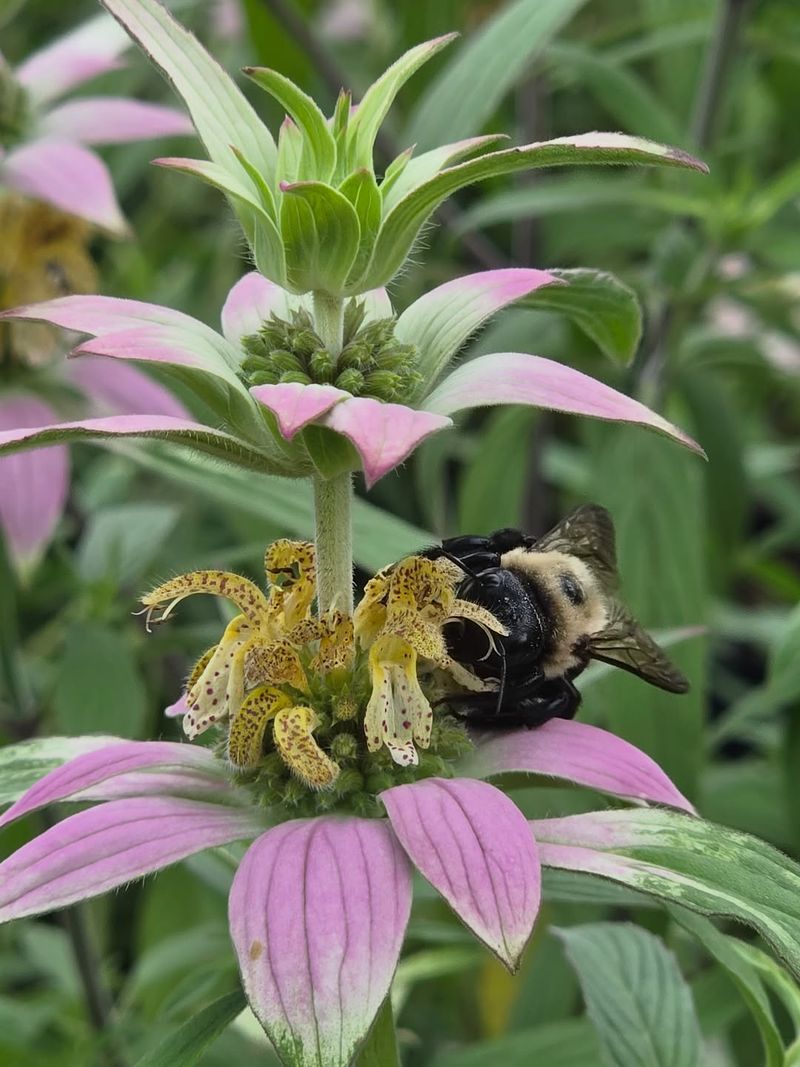
Spotted beebalm looks a little quirky, almost like a stack of tiny floral hats, and that odd charm is part of its appeal. Native to Florida, it thrives in sunny, dry spots where many softer garden plants give up.
Its leaves and flowers carry a minty, oregano-like scent because it belongs to the mint family. Mosquitoes tend to avoid strong aromatic oils, while bees, butterflies, and beneficial insects are drawn to the blooms, giving your patio bed a useful double role.
Unlike tropical-looking ornamentals that demand rich soil and steady pampering, spotted beebalm is comfortable in Florida’s fast-draining sand. It can work beautifully in a low-water border, a pollinator strip near a patio, or a large container with excellent drainage.
Cut it back after flowering if it gets rangy. That small trim encourages a cleaner shape and helps prevent the planting from looking tired by late season.
For homeowners who want a native plant with personality, fragrance, and pollinator value, spotted beebalm is a smart pick. It brings a wildflower feel without needing a spray bottle or constant attention.
3. Clustered Mountain Mint
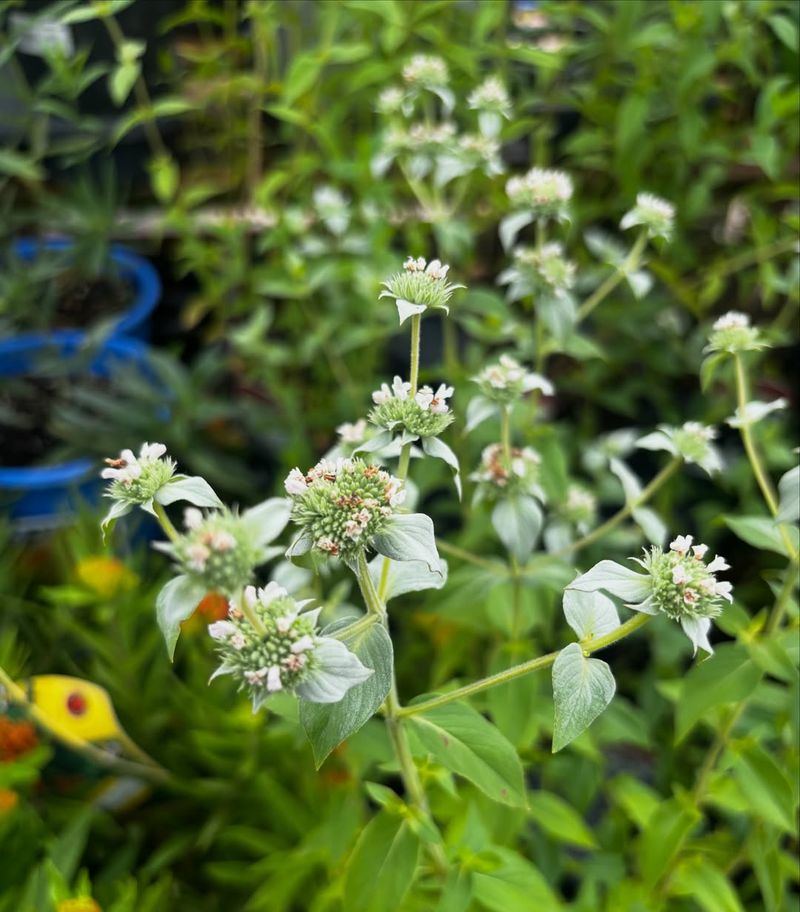
Brush past clustered mountain mint on a warm afternoon and you will understand why it belongs near a patio. The plant releases a clean, sharp mint scent that feels refreshing to people but can be unpleasant to mosquitoes.
This Florida native is especially useful because it does not rely on showy flowers alone. Its fragrant foliage does much of the work, and the small white blooms draw a steady crowd of bees, wasps, and other beneficial insects that help balance the backyard ecosystem.
Mountain mint prefers sun to part sun and soil that drains well, making it a good match for many Florida yards. In wetter spots, choose the planting area carefully and avoid letting it sit in soggy soil after heavy summer rain.
Near a patio, it works best along a walkway edge or in a contained bed where people may lightly brush the leaves. That contact releases more aroma, which is helpful when you are trying to make a seating area feel fresher and less pest-friendly.
Give it occasional trimming if it spreads more than you want. In return, you get a tough native with fragrance, flowers, and a practical reason to stay close to the chairs.
4. Southern Wax Myrtle
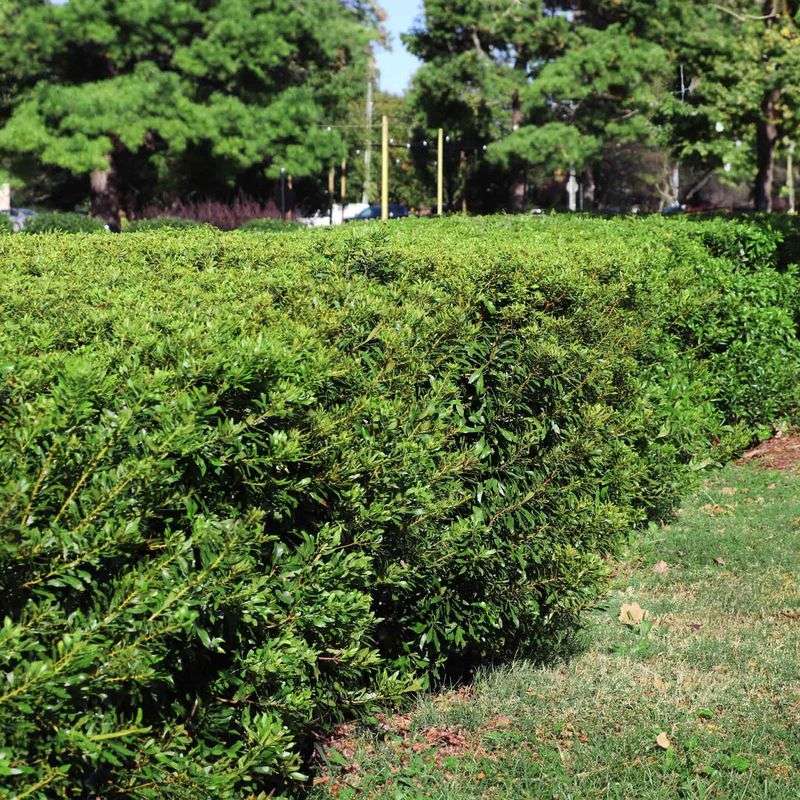
Need a living screen that does more than block the neighbor’s view? Southern wax myrtle can form a fragrant green wall around a patio, and its resin-scented leaves help create a less inviting edge for biting insects.
This native evergreen is a workhorse in Florida landscapes. It tolerates sandy soil, salt spray in coastal areas, heat, and short periods of wet soil better than many common hedge plants.
The foliage has a spicy, bayberry-like aroma, especially when crushed or warmed by the sun. While it will not clear a yard of mosquitoes by itself, a wax myrtle hedge can help shape the patio environment by adding scent, shelter for insect-eating birds, and a breezy privacy barrier.
Plant it where it has space, because Southern wax myrtle can grow large if left unpruned. For patio use, choose regular light trimming over hard shearing, which keeps the plant healthier and more natural looking.
A fun historical note: wax myrtle berries were once used to scent candles. Today, the plant is better used as a set-and-forget native screen that feels right at home in Florida’s heat and stormy weather.
5. Dogfennel
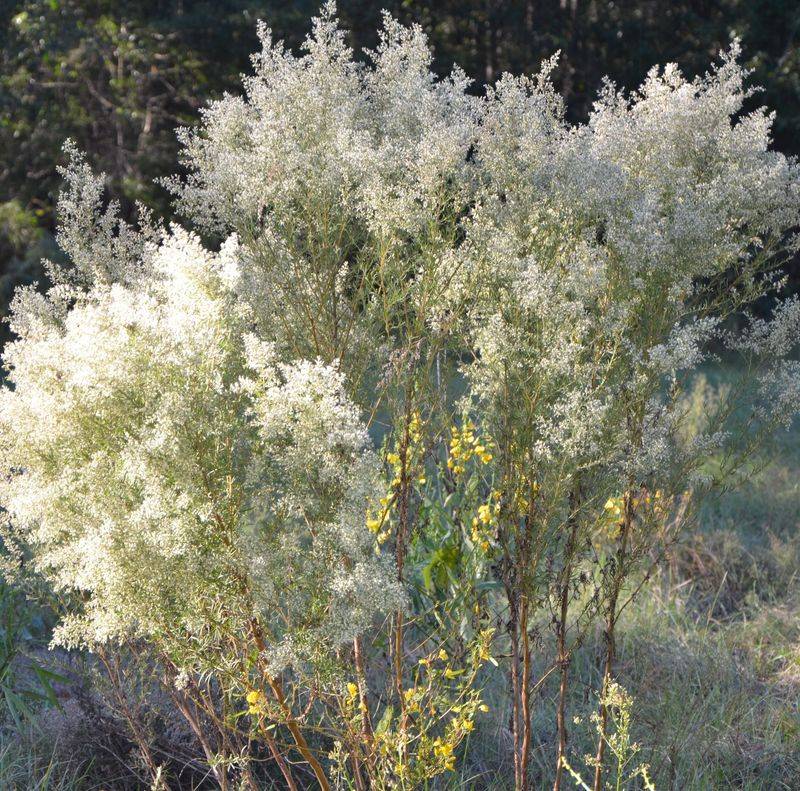
Dogfennel is the wild child on this list, and that is exactly why some Florida gardeners find it useful. Its fine, feathery leaves give off a strong herbal scent that many people notice the moment the plant is brushed.
Historically, rural communities used dogfennel foliage in bedding and around outdoor areas to discourage fleas and other biting pests. Modern patio gardeners should treat that as a helpful tradition rather than a guarantee, but the plant’s pungent oils make it a reasonable native to include in a layered pest-deterring garden.
Placement matters. Dogfennel can grow tall and spread by seed, so it is better for the outer edge of a patio area, a sunny native border, or a wilder corner rather than a tiny formal container garden.
If you use it, cut flower heads before they seed heavily and keep the clump shaped. That turns a roadside-looking plant into a managed, useful accent with soft texture.
Dogfennel also handles dry, sandy Florida ground with ease, which makes it a low-input option where irrigation is limited. For gardeners who like practical plants with an old-Florida backstory, it has real character.
6. Yaupon Holly
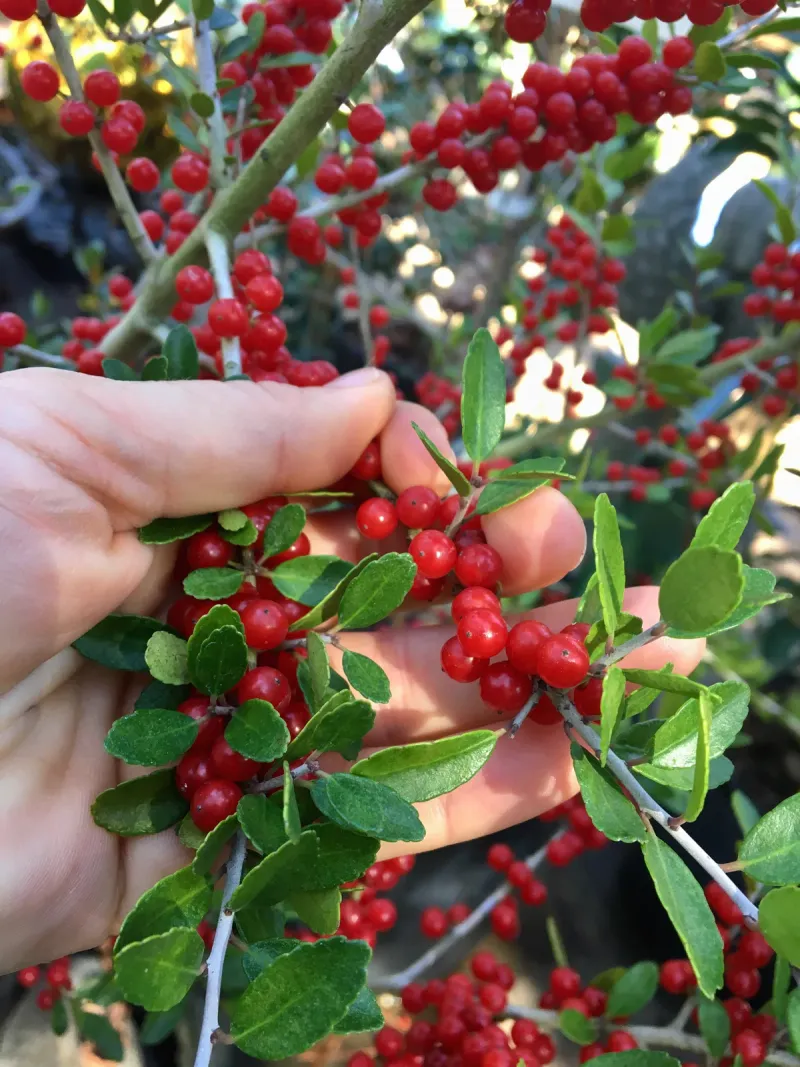
Not every pest-deterring patio plant needs a strong herbal smell. Yaupon holly brings a different advantage by inviting birds into the yard, and many backyard birds feed on insects, including mosquitoes and other small pests.
This Florida native is tough, evergreen, and highly adaptable. It handles sun or part shade, tolerates sandy soil once established, and stands up well to the rough conditions that come with Florida storms.
Female plants produce bright red berries that birds love, so planting yaupon can make your patio area part of a healthier food web. A yard with more insect-hunting wildlife is often less friendly to pest buildup than a bare patio surrounded by mulch and lawn.
Yaupon is also a neat choice for homeowners who want structure. It can be grown as a small tree, clipped hedge, or natural screen, depending on the space around your seating area.
One unusual fact: yaupon is North America’s only native caffeinated plant, and Indigenous peoples brewed its leaves long before modern gardeners planted it for landscaping. Around a patio, its best role is steady, evergreen support for birds and beneficial insects.
7. Blue Mistflower
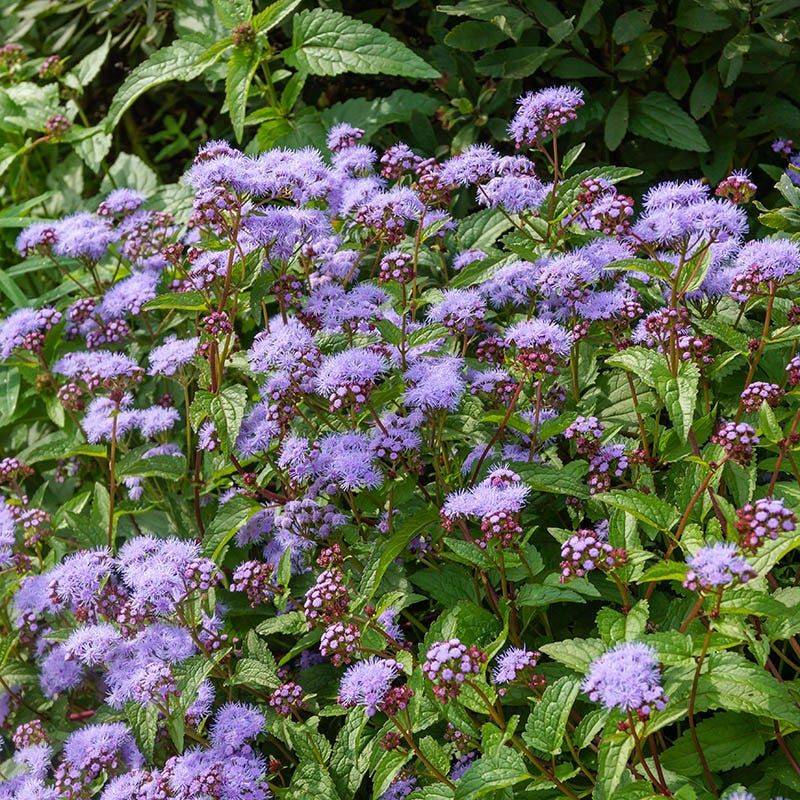
A soft cloud of blue flowers near the patio can do more than brighten the view. Blue mistflower attracts butterflies, small native bees, and beneficial insects that help make the garden feel alive and balanced.
Its pest-deterring value comes less from a powerful scent and more from habitat support. When a patio planting feeds beneficial insects and draws insect-eating wildlife, mosquitoes have more natural pressure around the yard than they would in a plain turf-and-concrete space.
Blue mistflower is native to Florida and does best with some moisture, so it is a good fit for rain garden edges, downspout areas, or beds that stay a little fresher after storms. In very dry sand, add compost and mulch, then water during establishment.
Because it can spread, place it where a loose colony is welcome. Along a patio border, that spreading habit can be a gift, filling gaps with color instead of leaving bare soil for weeds.
Pair it with sturdier plants like wax myrtle or beautyberry for a layered native planting. The result is prettier than a bug zapper, better for pollinators, and far more suited to Florida’s outdoor living style.