
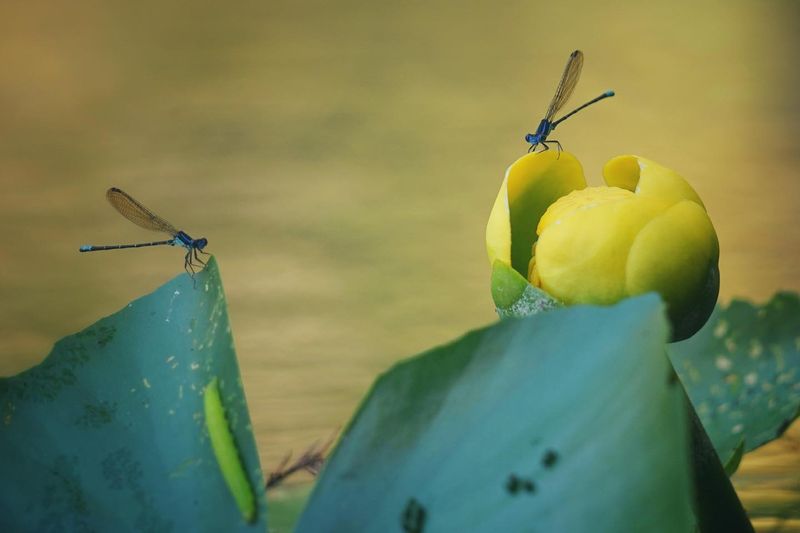
Dragonflies are not just pretty visitors with glassy wings. They are fast hunters, and both the adults and young can help reduce mosquitoes around wet spots near your patio. The right Florida native plants give dragonflies places to perch, hunt, mate, and lay eggs. Add a few of these to a pond edge, rain garden, or large water bowl, and your backyard can feel more alive with less buzzing.
1. Pickerelweed
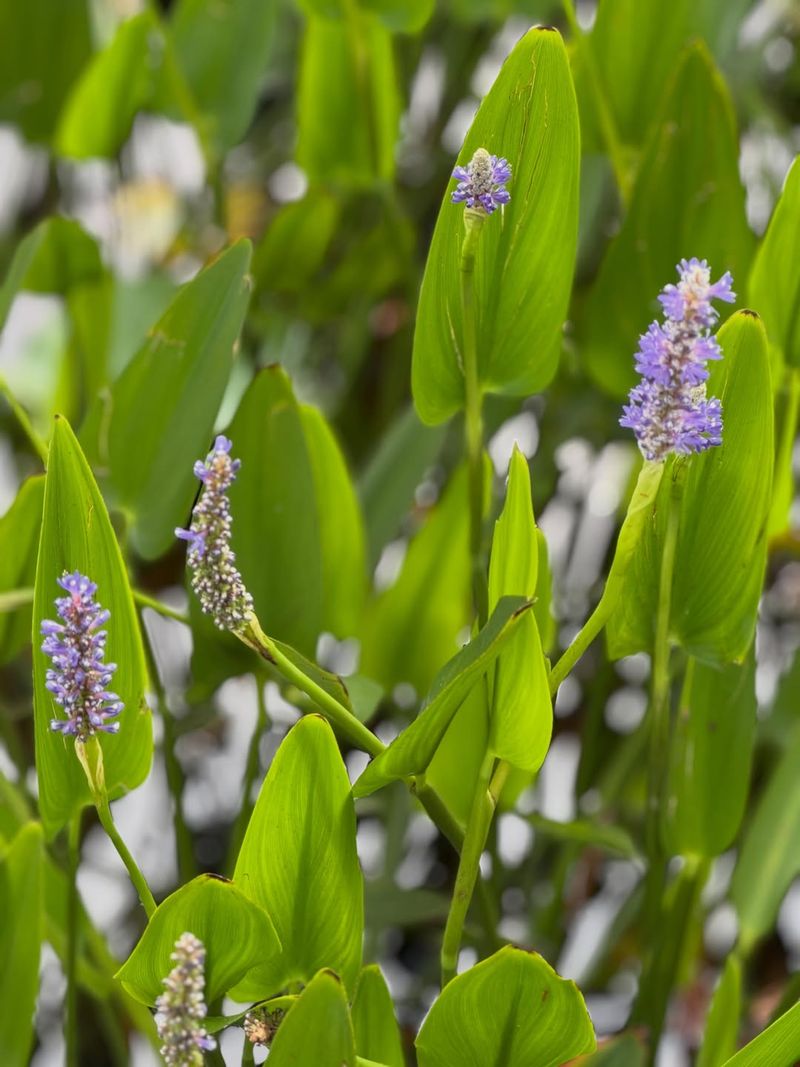
Purple spikes rising out of shallow water have a way of stopping people mid-step, and dragonflies seem to notice them too. Pickerelweed is one of the best native choices for a small Florida pond, whiskey-barrel water garden, or wet rain-garden pocket near a patio.
Its upright leaves and flower stalks create handy landing pads where adult dragonflies can rest and scan for mosquitoes. Below the surface, the plant adds structure to the water, which matters because dragonfly nymphs live underwater before they become the winged hunters we recognize.
Florida gardeners often deal with sandy soil that dries fast, but pickerelweed is happiest with wet feet. Plant it in a shallow shelf, pond margin, or a wide container with a few inches of standing water, and it will usually ask for very little once settled.
The purple blooms also bring bees and butterflies, so it earns its space even when dragonflies are not showing off. For patios, keep the planting close enough to enjoy but not so close that leaf litter falls into seating areas after storms.
2. Duck Potato
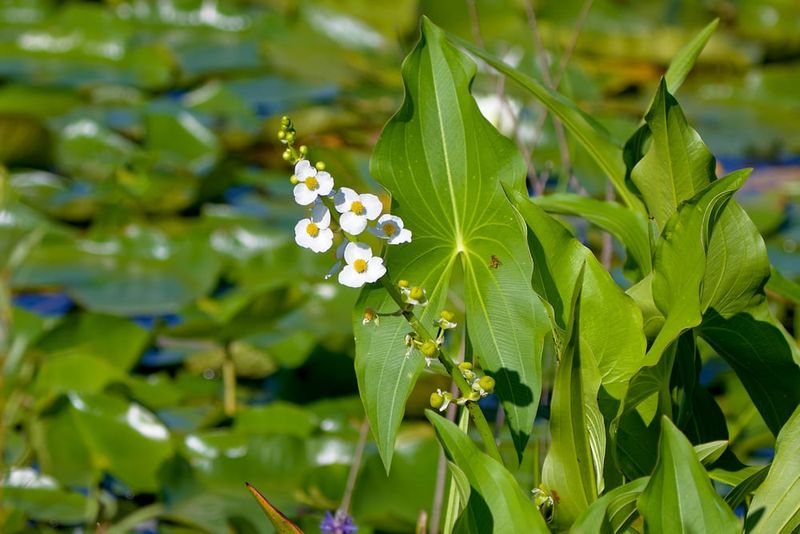
A little marsh magic fits surprisingly well into a Florida yard when duck potato is planted in the right spot. Also called arrowhead, this native wetland plant sends up bold, arrow-shaped leaves and simple white flowers that look clean and bright against dark pond water.
Dragonflies like edges, and duck potato builds the kind of edge they use. The stems rise from shallow water, giving adults perches while also creating underwater cover for young dragonflies that hunt tiny aquatic prey, including mosquito larvae.
For a patio setup, duck potato works well in a small lined basin, a pond shelf, or the low end of a rain garden that stays wet after summer storms. It is especially useful in Florida yards where heavy rain can flood one corner, then disappear quickly through sandy ground.
One practical tip: give it room or keep it in a submerged pot if your water feature is small. Duck potato can spread when happy, which is great for habitat but a bit much for a tiny decorative bowl.
Its bonus is old-Florida charm. The plant’s tubers have long been eaten by wildlife, including ducks, which helps explain the name.
3. Blue Flag Iris
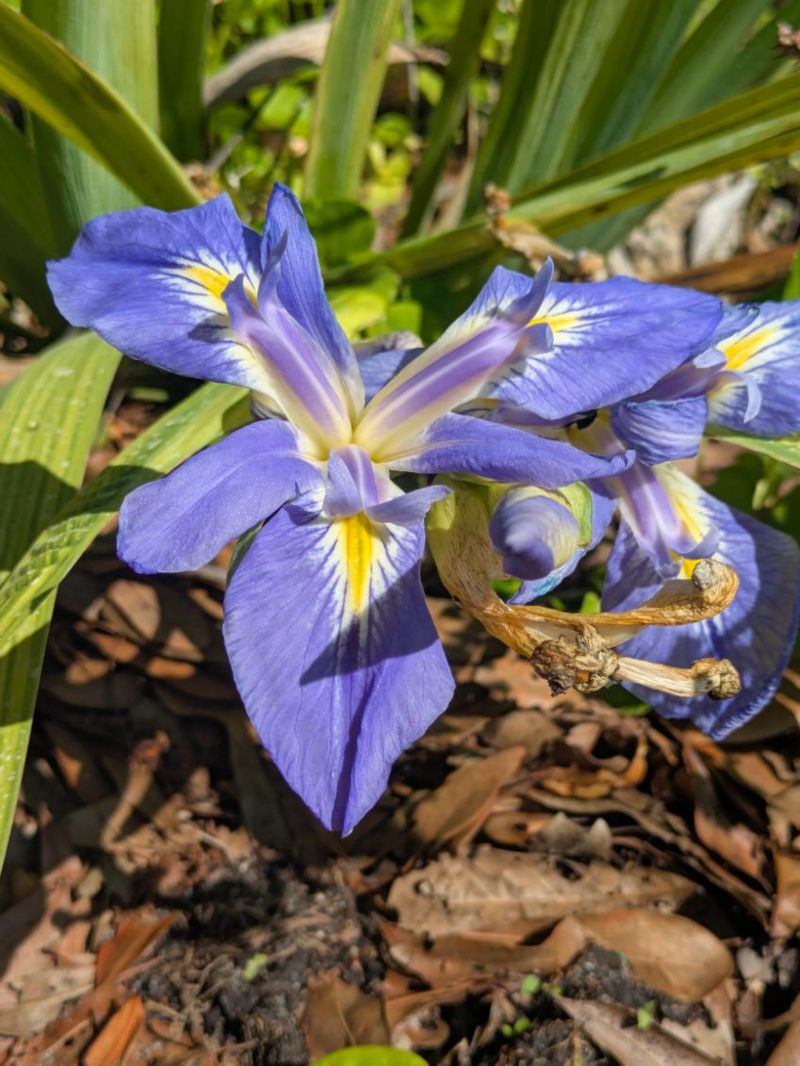
Few wetland natives look as polished as blue flag iris when those violet-blue blooms open. It brings a more garden-designed feel than many marsh plants, which makes it a smart pick for patios where you want wildlife value without a messy look.
The tall, sword-like leaves are useful long after the flowers fade. Dragonflies use narrow upright foliage as lookout posts, pausing there between short flights as they chase mosquitoes, midges, and other small insects.
Blue flag iris belongs in moist to wet soil, so do not tuck it into a dry sandy bed and expect miracles. Place it along a pond edge, beside a downspout rain garden, or in a large container that stays consistently damp. In hot Florida weather, that steady moisture is what keeps the leaves from looking tired.
Gardeners who want a tidy patio border will appreciate that it grows in clumps rather than looking loose and rangy. After a strong storm, trim any bent leaves and let the plant push fresh growth.
For best results, choose Florida native blue flag iris from a reputable nursery. Some iris types sold in stores are not native, and using the right plant keeps your wildlife planting in line with Florida-friendly gardening goals.
4. Lizard’s Tail
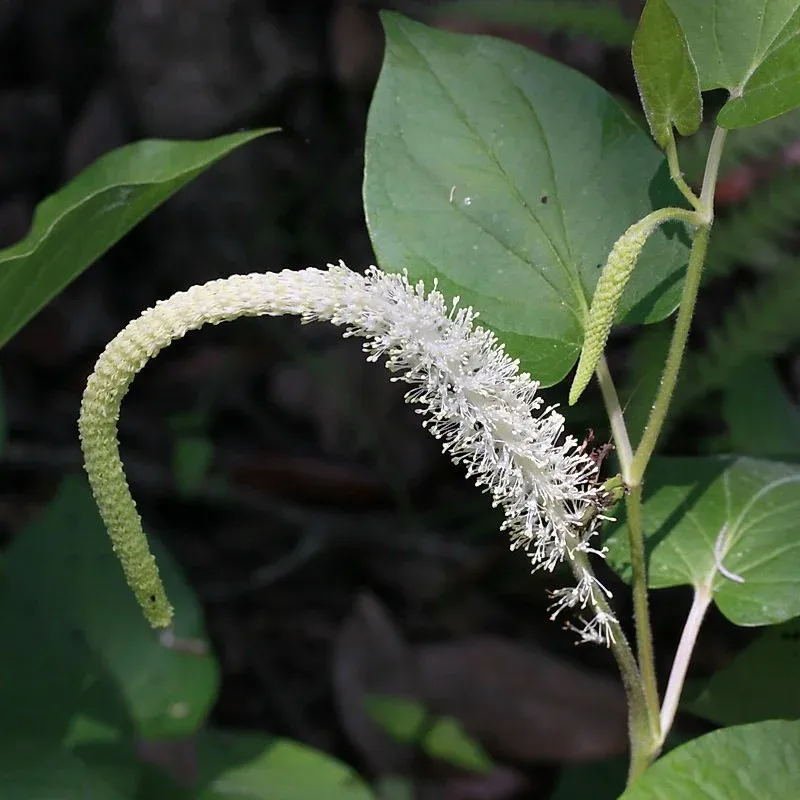
In a shady corner where flashy flowers struggle, lizard’s tail brings a cool, woodland-wetland feel. Its white, drooping flower spikes look a bit like tiny tails, which gives the plant its memorable name and makes it fun to point out to kids or guests.
Dragonflies are often pictured in full sun, but many yards have mixed conditions around patios, fences, palms, and oaks. Lizard’s tail helps turn a damp, partly shaded patch into usable habitat by adding leafy cover and low perches near water.
It is especially helpful around rain gardens, swales, and pond margins that stay moist but are not always blazing hot. In Florida’s summer pattern, where storms can soak the yard and then leave steam rising off the pavers, plants that tolerate wet soil are a real advantage.
Lizard’s tail can spread into a soft colony, so it is best for a natural-looking area rather than a formal little pot. If your patio has a soggy side that never behaves like the rest of the landscape, this plant can make that problem spot feel intentional.
While it will not zap mosquitoes like a spray, it supports the small wetland food web that dragonflies need. That is the quieter, longer-lasting approach.
5. Swamp Milkweed
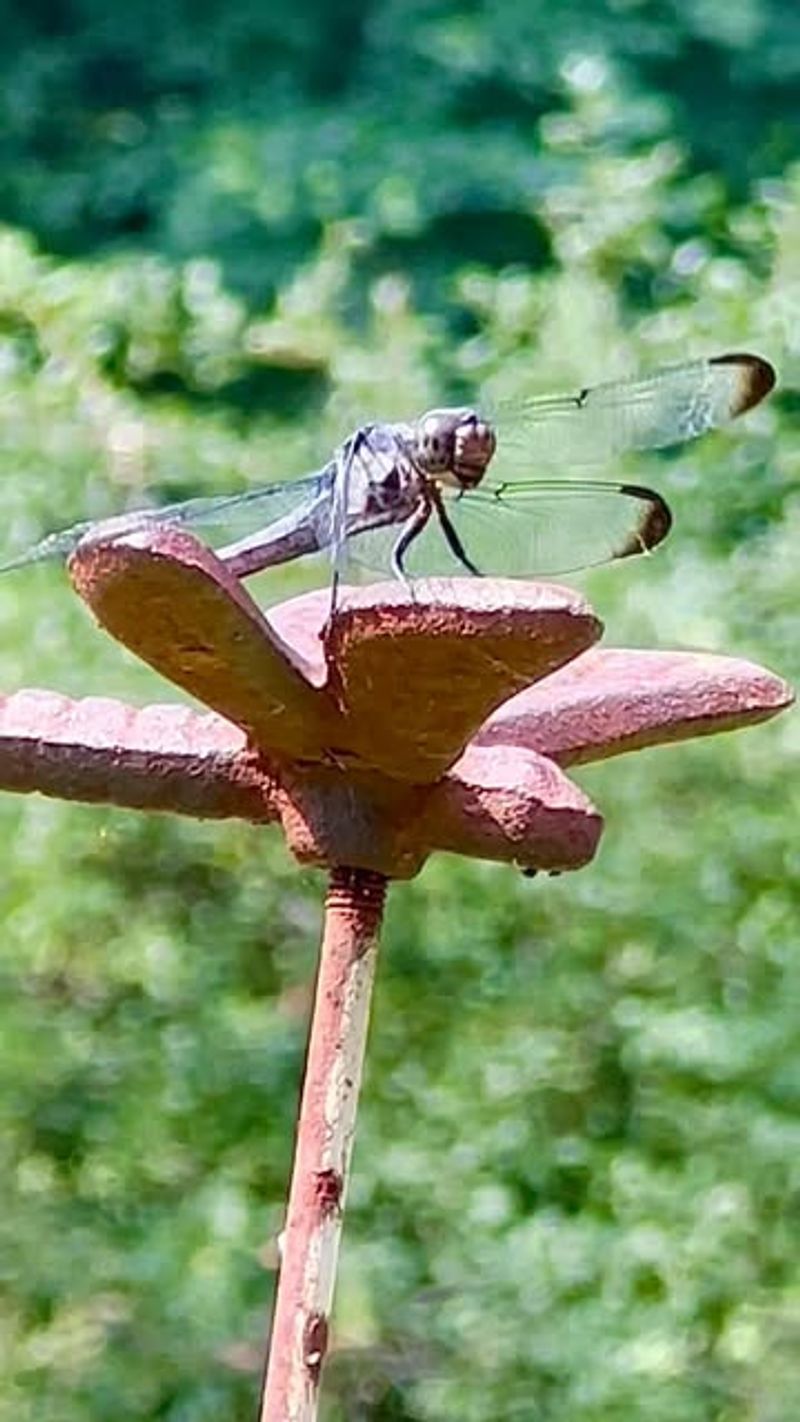
Pink milkweed flowers near the patio can feel like a butterfly invitation, but swamp milkweed has another talent hiding in plain sight. Its upright stems make easy resting spots for dragonflies cruising between a pond, rain garden, or damp ditch and your seating area.
Unlike the dry-loving milkweeds people often picture, swamp milkweed prefers moist soil. That makes it a strong choice for Florida gardeners who have one low bed that holds water after storms, especially if the rest of the yard is sandy and fast-draining.
The plant’s flowers feed pollinators, while its structure adds vertical landing space for insect hunters. Adult dragonflies often perch, watch, and launch, so a few sturdy stems near water can help keep them working the area where mosquitoes gather.
Swamp milkweed also supports monarch caterpillars, which gives it a second reason to earn a spot. Because caterpillars may chew the leaves, place it where a slightly ragged phase will not bother you.
During Florida heat, mulch around the root zone and keep it evenly moist while it gets established. Once it has settled in, it can be a low-drama part of a wildlife-friendly patio border.
6. Buttonbush
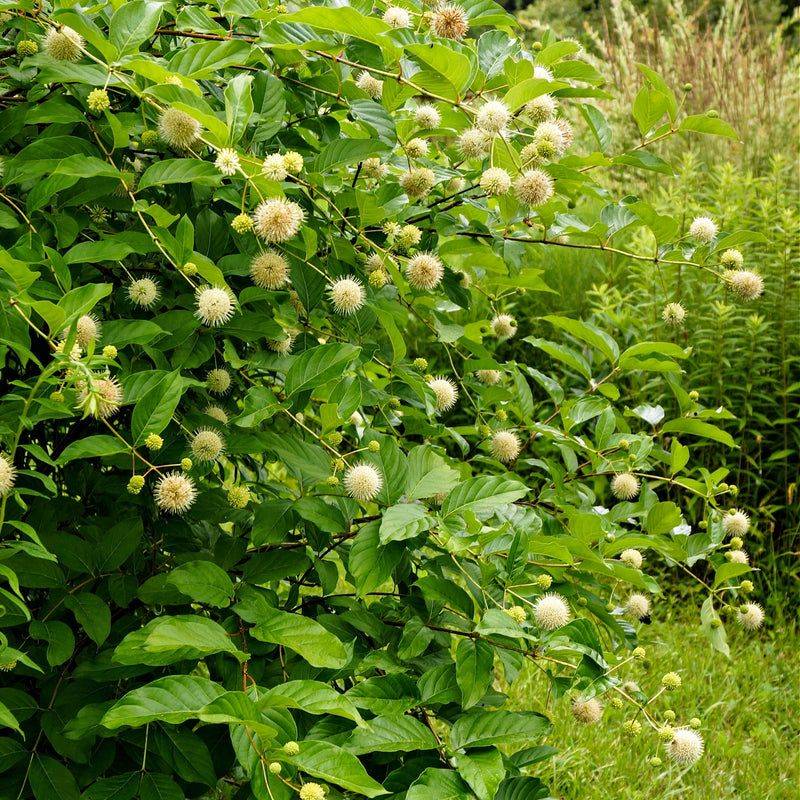
Round white blooms that look like tiny pincushions give buttonbush a playful personality. For dragonflies, though, the real draw is its shrubby framework near water, where twigs and leaves become lookout stations above mosquito territory.
Buttonbush is a Florida native shrub that naturally belongs along pond edges, wetland margins, and low spots. If your patio backs up to a retention pond, drainage area, or moist swale, it can bridge the gap between ornamental landscaping and real wildlife habitat.
The flowers are excellent for pollinators, and the plant can handle wet conditions that would make many common shrubs sulk. That matters in Florida neighborhoods where summer rain, tropical systems, and temporary flooding are simply part of the gardening calendar.
Give buttonbush space, because it can become a broad, rounded shrub rather than a small bedding plant. Prune lightly after flowering if you need to keep paths open or maintain a clean view from the patio.
Its role is different from the smaller aquatic plants on this list. Buttonbush adds height, shelter, and perching structure, helping dragonflies patrol from above while your lower water plants support life closer to the surface.
7. Firebush
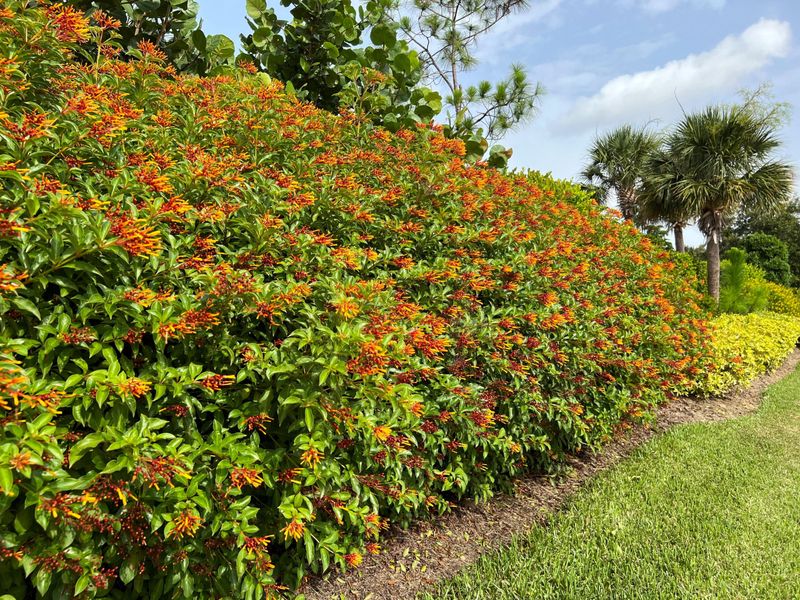
Not every dragonfly-friendly plant has to grow with its roots in water. Firebush earns a place near the patio because it supplies sun-loving structure, steady flowers, and fine outer twigs where dragonflies can pause during hunting loops.
This Florida native shrub is built for heat once established, which is welcome news for gardeners tired of babying plants through long, bright afternoons. It handles sandy soil better than many thirsty ornamentals, especially with regular water during its first season.
Firebush is famous for attracting hummingbirds and butterflies, but it also helps create a lively insect zone. Dragonflies hunt where small flying insects are active, and a blooming native shrub near a pond or rain garden can become part of that patrol route.
Place firebush on the drier side of your dragonfly setup, not in standing water. Think of it as the sunny patio anchor beside wetter plants like pickerelweed, iris, or duck potato.
In colder parts of North Florida, firebush may die back after a freeze and return from the roots. In warmer Central and South Florida yards, it can grow larger, so prune with storm season and walkway clearance in mind.