
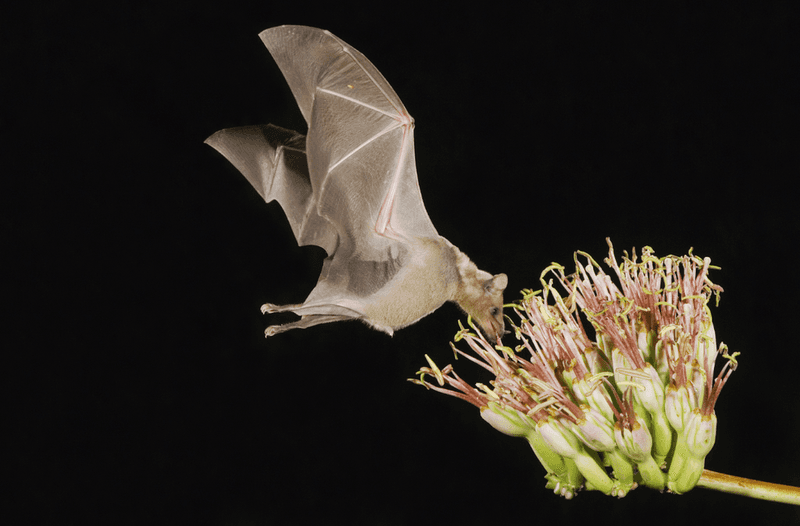
Bats are tiny nighttime pest patrols, and a Florida yard can invite them without sprays or gimmicks. The trick is planting natives that feed moths, beetles, midges, and other night-flying insects bats already hunt. Add a bat house, skip harsh pesticides, and these plants can help turn your yard into a better hunting ground. Here are seven Florida natives that bring the night garden to life while helping keep mosquitoes in check.
1. Coral Honeysuckle
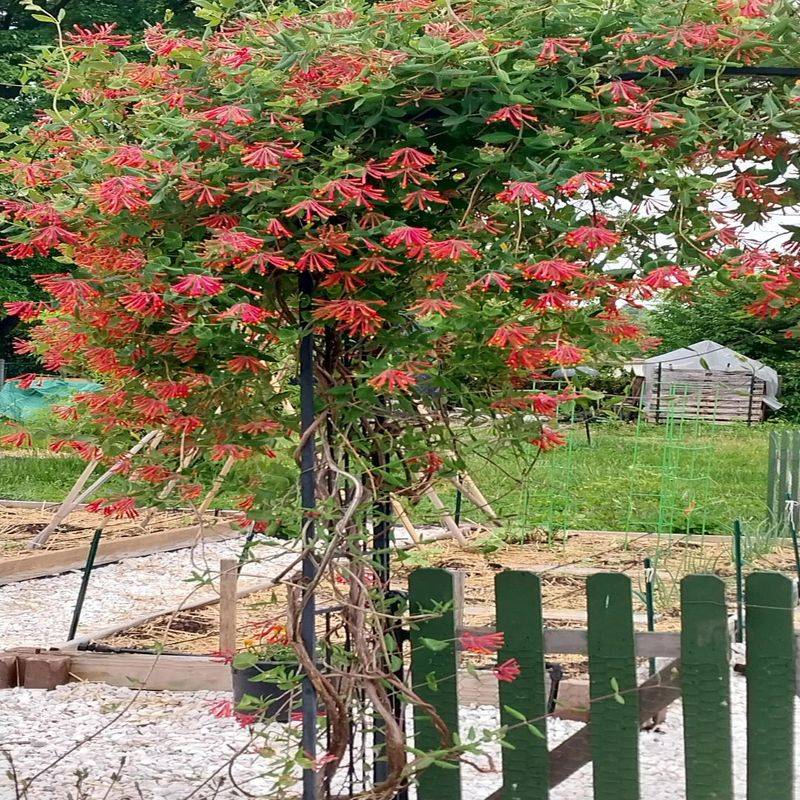
A trellis wrapped in coral honeysuckle can feel like a little dinner bell for wildlife. During the day, its red trumpet-shaped blooms pull in hummingbirds and native bees, but the real bat connection happens after sunset when moths and small flying insects work the vine and nearby foliage.
Florida bats are not visiting the flowers for nectar like tropical fruit bats might. They are hunting the insects that gather around healthy native plantings, especially in yards that avoid broad-spectrum insecticides.
Coral honeysuckle is a strong choice for smaller spaces because it grows up instead of sprawling across the whole yard. It handles Florida heat well once established, and it fits along fences, arbors, mailbox posts, or a porch trellis where you want color without a fussy plant.
Give it sun to part shade and decent drainage, which is helpful in many sandy Florida yards. A light trim after flowering keeps it tidy, but it does not need constant babying. For bat-friendly design, place it near other native shrubs and away from bright security lights so nighttime insects stay active and bats feel safer flying through.
2. Passionflower
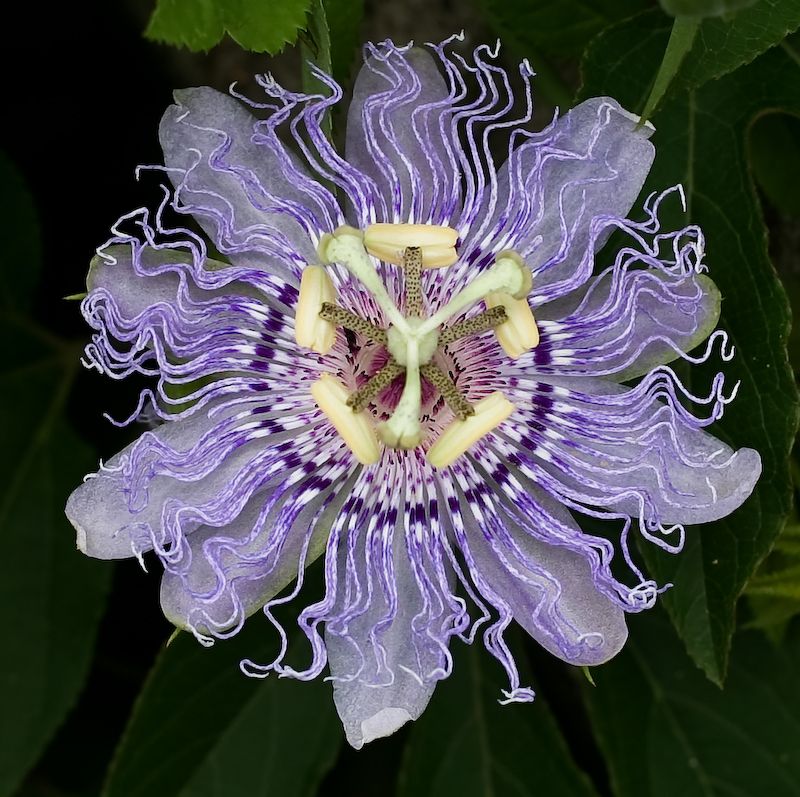
Few vines look as wild and storybook-like as native passionflower. Its purple, fringed blooms seem almost unreal, and that odd beauty comes with a practical bonus for bat-friendly yards: it supports a busy web of insects.
Passionflower is best known as a host plant for Gulf fritillary and zebra longwing butterflies, but vines also shelter caterpillars, small beetles, leafhoppers, and night-active insects. That extra insect life helps build the kind of backyard buffet bats use while sweeping over lawns, hedges, and garden edges.
In Florida, passionflower can be enthusiastic, so give it a fence, arbor, or open patch where a little wandering is welcome. It is especially useful for gardeners who want wildlife value fast, since vines can fill in quickly during warm weather.
Plant it where drainage is good, and expect it to look a bit chewed at times. That is not failure, that is the plant doing its job as habitat. If you want bats to help with mosquitoes, pair passionflower with a dark corner, a water source nearby, and no mosquito fogging, because fogging can remove the same insects that keep bats coming back.
3. Buttonbush
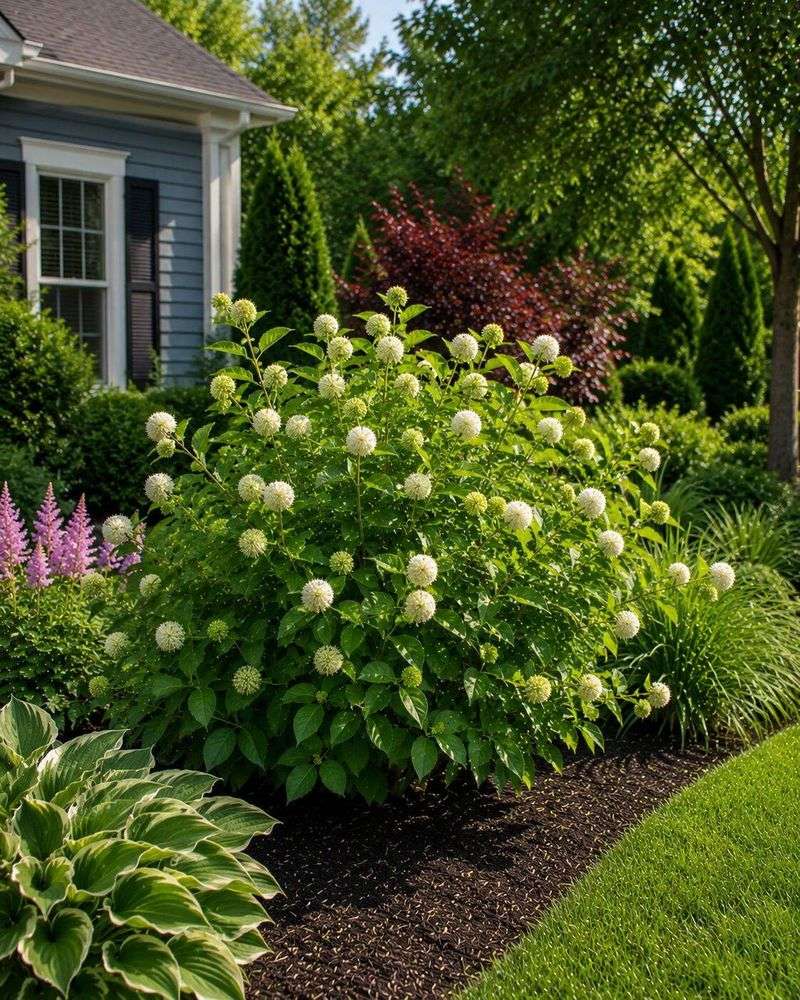
Got a soggy spot that refuses to behave? Buttonbush turns that problem area into one of the most wildlife-packed corners of the yard.
This Florida native loves moist soil, pond edges, swales, rain gardens, and low areas that may hold water after summer storms. Its round white flowers look like tiny pincushions, and they attract a crowd of pollinators and small insects during the warm season.
That matters because bats often patrol edges: the line between trees and open lawn, the rim of a pond, or the air above a damp swale. Mosquitoes breed around standing water, but a planted wet area with dragonflies, birds, bats, and other predators is far better than a neglected puddle with no balance.
Buttonbush is different from the other plants on this list because it solves a Florida water problem while supporting nighttime hunters. It can take flooding better than many landscape shrubs, which is useful in storm-prone yards.
Give it room, since it can become a large shrub. If your yard has a rain garden or retention edge, buttonbush can anchor it beautifully and help create the insect-rich flyway bats search for after dark.
4. Saw Palmetto
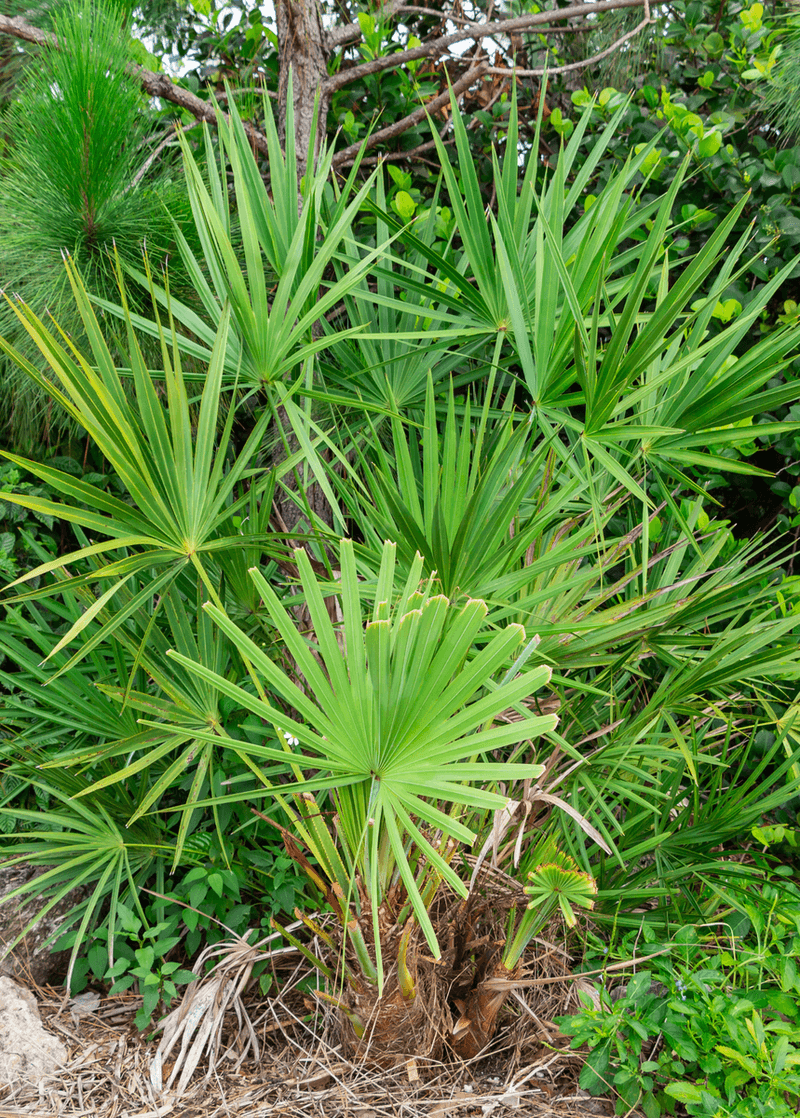
Saw palmetto brings a bit of old Florida into the yard, the kind of plant that looks like it belongs under pines, beside sandy paths, and along sunny property edges. It is rugged, slow, and far more useful than many clipped ornamental shrubs.
When saw palmetto blooms, its creamy flower stalks draw an impressive mix of bees, flies, beetles, and other insects. Some of those insects are active near dusk, and the general increase in yard biodiversity helps create better feeding routes for bats.
The plant’s biggest advantage is toughness. It tolerates sandy soil, salt, drought once established, and Florida heat with very little drama. That makes it a set-and-forget choice for gardeners who do not want to water constantly or replace stressed plants every summer.
Saw palmetto also offers structure. Its fan-shaped leaves create low cover for small wildlife, while its flowers and fruit support the broader food web. Use it where it has space to spread, not right against a narrow walkway, because the leaf stems can be sharp.
For a bat-friendly yard, saw palmetto works best as part of a layered native border. Add flowering shrubs, reduce outdoor lighting, and let the planting become a living edge where insects gather and bats can hunt.
5. Walter’s Viburnum
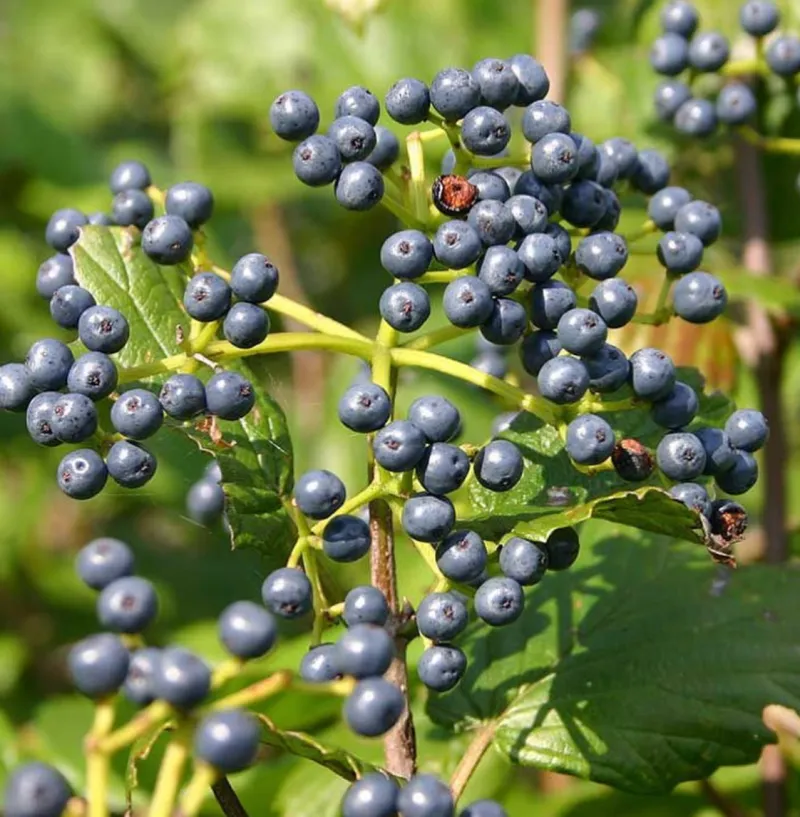
A plain green hedge can be a wall, or it can be a working piece of habitat. Walter’s viburnum is the native shrub that lets Florida gardeners have both.
In spring, clusters of small white flowers bring in pollinators and tiny insects. Later, berries feed birds, and the dense evergreen growth gives the yard structure without needing the constant attention that many nonnative hedges demand.
For bats, the value is in the edge habitat. Bats often feed along hedgerows because insects collect there and because the shrubs help guide flight paths. A row of Walter’s viburnum near an open lawn, pond, or garden bed can become a natural hunting lane after sunset.
This shrub is also practical for Florida conditions. It can be trimmed into a tidy hedge or allowed to grow looser and more natural. Once established, it handles heat and periods of dry weather better than many thirsty landscape plants, though it appreciates water during its first season.
Choose Walter’s viburnum if you want a bat-supporting plant that still looks polished in a neighborhood setting. It is especially useful for replacing lifeless hedge plants with something native, attractive, and far more helpful to the nighttime food web.
6. Simpson’s Stopper
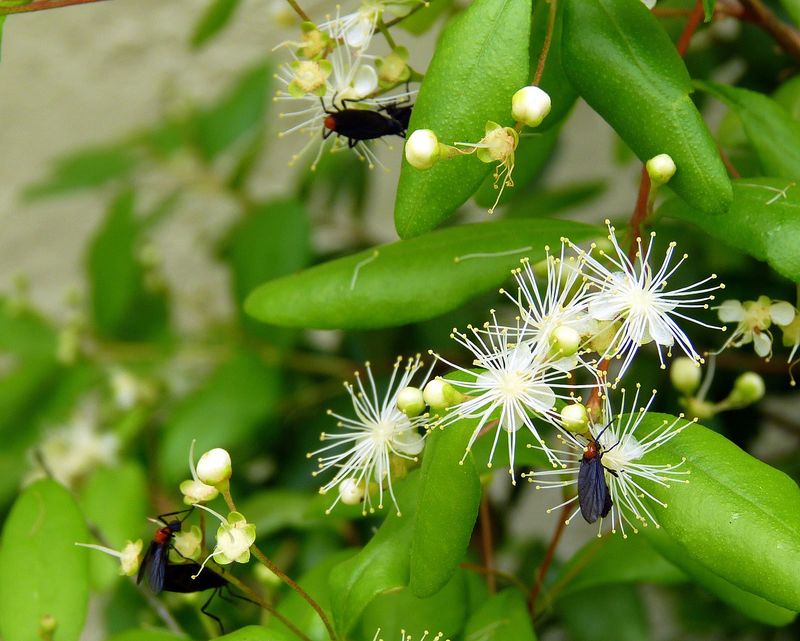
Simpson’s stopper earns its spot with quiet charm. It has glossy leaves, fragrant white flowers, colorful berries, and a tidy shape that fits beautifully into Florida landscapes without looking messy.
The flowers attract small pollinators, including tiny bees, flies, and other insects that help support a richer yard ecosystem. While bats are chasing mosquitoes and moths overhead, shrubs like Simpson’s stopper help keep insect activity steady around the garden.
This plant is especially good for gardeners near the coast or in hot, sandy areas where fussier shrubs sulk. It tolerates salt spray better than many common landscape choices and can work as a specimen, informal hedge, or privacy screen.
Birds love the berries, which adds another layer of life to the yard. More birds, more insects, more native cover, and fewer chemical sprays all push the space toward balance instead of the boom-and-bust cycle that often follows heavy pesticide use.
Plant Simpson’s stopper in sun to part shade and give it regular water while it settles in. After that, it is fairly low-maintenance. For bat appeal, use it near a darker side yard or along a fence where insects can gather away from harsh night lighting.
7. Frogfruit
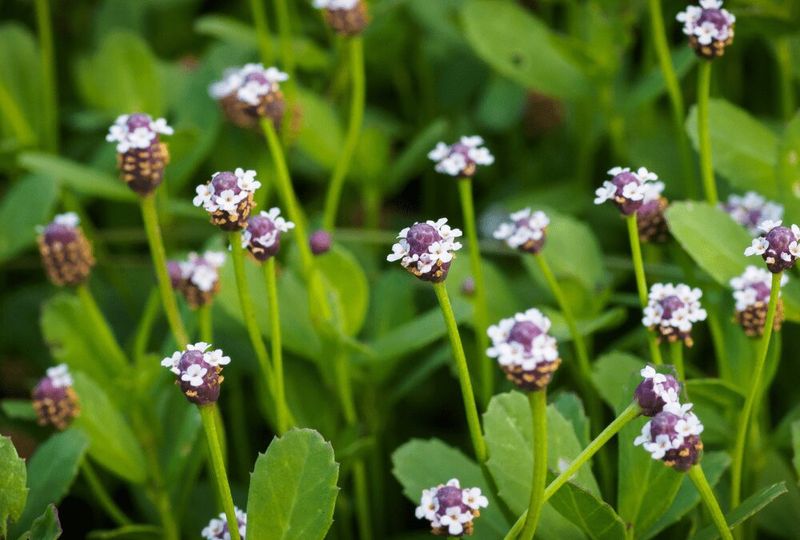
Tired of babying a thirsty lawn that still looks crispy by late summer? Frogfruit offers a tougher, livelier option for sunny Florida patches.
This low-growing native groundcover produces small flowers that attract pollinators and tiny insects close to the ground. It also serves as a host plant for several butterfly species, which makes it far more valuable than plain turf for a wildlife-focused yard.
Frogfruit helps bats in a different way than a tall shrub or vine. Instead of creating vertical cover, it turns open ground into insect habitat. Bats hunting over lawns and garden edges benefit when the landscape below them supports more than chinch bugs and stressed grass.
It can handle foot traffic in moderation and often works well between stepping stones, along paths, or in sunny areas where turf struggles. In sandy soil, it may need water to establish, but it usually becomes easier to manage than a high-input lawn once rooted.
Keep expectations realistic: frogfruit will not erase every mosquito. What it can do is help build a healthier yard where bats, dragonflies, birds, and other predators have a reason to visit. Pair it with taller native plantings and a pesticide-light routine for the strongest mosquito-fighting effect.